作者: admin

  • Politic : The Minister for the Status of Women speaks at the United Nations (video)

    Politic : The Minister for the Status of Women speaks at the United Nations (video)

    Haiti’s Minister for the Status of Women and Women’s Rights, Pedrica Saint Jean, delivered a significant address at the United Nations Headquarters in New York on March 10, 2026. Her presentation occurred during the seventieth session of the Commission on the Status of Women (CSW70), the premier global intergovernmental forum dedicated to advancing gender equality and women’s rights worldwide.

    Minister Saint Jean participated in the Ministerial Roundtable focused on ‘Ensuring and Strengthening Access to Justice for All Women and Girls,’ where she outlined Haiti’s comprehensive approach to gender equality. The minister detailed concrete governmental initiatives, including the implementation of a mandatory 30% quota for female representation in the new government cabinet and the adoption of the groundbreaking 2014-2034 Gender Equality Policy.

    Her address highlighted several critical legislative reforms aimed at eliminating systemic discrimination against women and girls. These measures include establishing specialized judicial units specifically designed to handle cases of sexual violence and implementing more inclusive legal frameworks that offer enhanced protection for women’s rights.

    In her formally delivered speech, Minister Saint Jean presented a candid assessment of Haiti’s current justice landscape regarding gender equality. She emphasized that accessible, inclusive, and equitable justice serves as a fundamental pillar for achieving genuine gender equality, noting that without such judicial foundations, women’s rights remain vulnerable and inequalities persist.

    Concluding with a powerful commitment, the minister reiterated Haiti’s dedication to constructing a truly equitable and accessible justice system. She emphasized that women’s full participation and guaranteed rights are essential prerequisites for building a more just and peaceful society where every woman and girl can exercise her rights, live free from violence, and contribute meaningfully to national development.


  • Fire chief appeals for vigilance after blaze injures pensioner

    Fire chief appeals for vigilance after blaze injures pensioner

    Barbados Fire Chief Errol Maynard has issued an urgent public safety appeal following a severe house fire that left a 90-year-old pensioner hospitalized with serious injuries at Two Mile Hill. The incident has sparked renewed concerns about residential fire safety across the island nation.

    While investigations continue into the exact cause of the blaze, preliminary data reveals a complex fire safety landscape. Thus far in 2026, Barbados has recorded 15 house fires, representing a slight decrease from the 17 incidents reported during the same period in 2025. However, the overall fire count across all categories has risen to 282 incidents, up from 274 last year.

    This increase is primarily attributed to a surge in rubbish fires, which climbed to 90 cases compared to 86 previously, while grass fires have decreased from 129 to 115 incidents. Chief Maynard expressed particular concern about the Two Mile Hill incident, praising a courageous bystander whose intervention saved the elderly resident from certain tragedy.

    The fire chief emphasized the critical importance of community vigilance and proper safety equipment. He specifically urged all households to install early-warning systems such as smoke detectors and regularly inspect electrical appliances.

    When questioned about common fire origins, Maynard identified electrical failures, unattended cooking equipment, and aging appliances as primary culprits. He recounted a recent case where a microwave continued operating after being switched off, highlighting the dangers of malfunctioning equipment.

    “When residents use damaged power strips or compromised plugs,” Maynard explained, “the wiring generates intense heat that can ignite nearby combustible materials like dust or insulation. Once internal wiring becomes compromised, the appliance transforms into a significant heat source capable of sparking a major blaze.”

    The Barbados Association of Retired Persons (BARP) issued a statement commending the neighbors whose quick actions saved the elderly resident. President Marilyn Rice-Bowen praised their “quick thinking, compassion, and willingness to act without hesitation,” noting their immediate intervention proved decisive in ensuring the resident’s safe extraction from the burning structure.

    Rice-Bowen emphasized that the rescue operation underscores the vital importance of community cooperation during emergencies, serving as a powerful reminder that vigilance and neighborly care can mean the difference between life and death for vulnerable community members.

  • Employers urge more tripartite talks to navigate economic turbulence

    Employers urge more tripartite talks to navigate economic turbulence

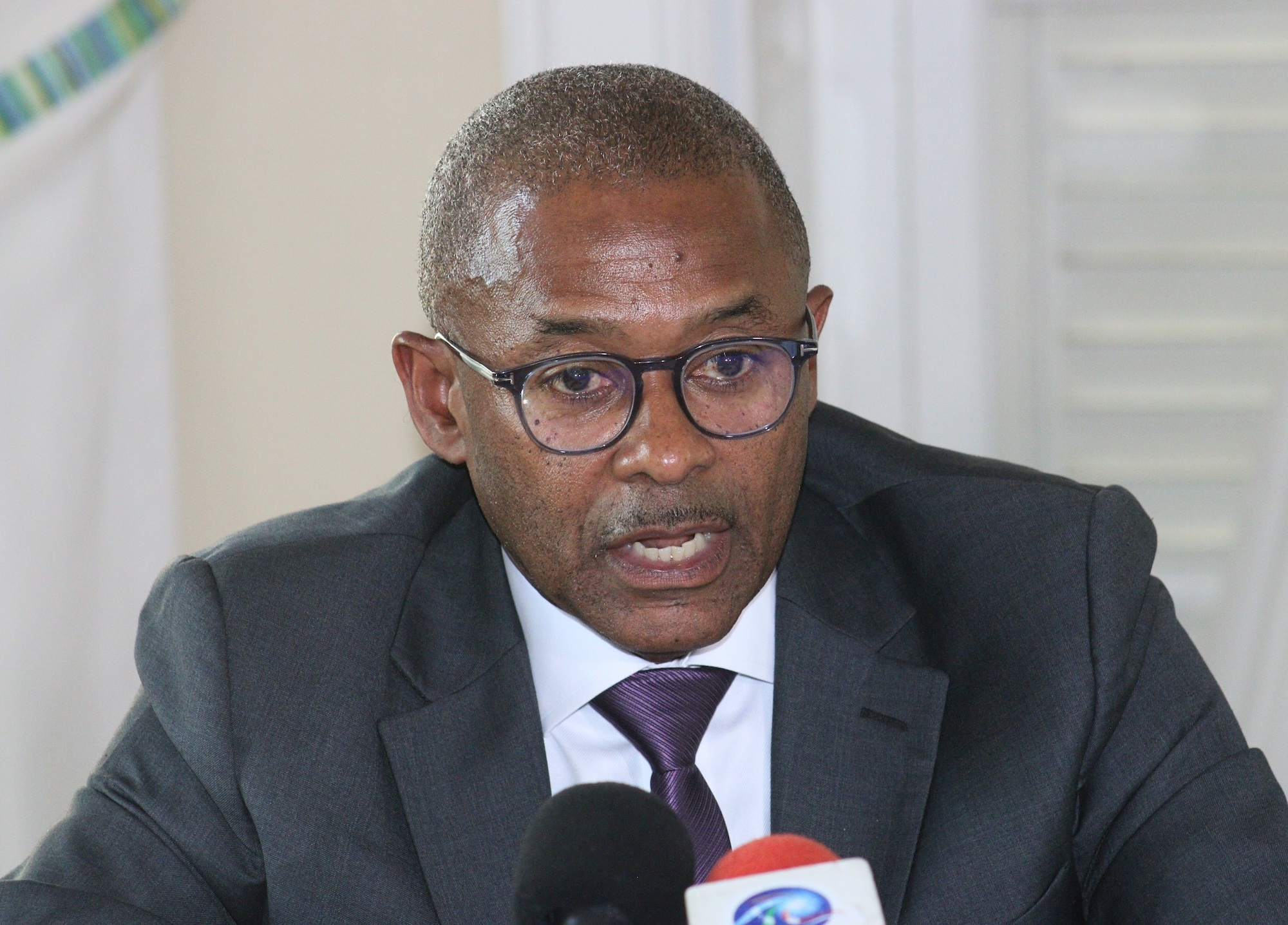
    Barbados business representatives have addressed growing public concerns following a series of high-profile company closures, acknowledging significant operational challenges while maintaining confidence in the island’s economic fundamentals. During a press briefing at the Barbados Employers’ Confederation (BEC) headquarters, executive director Sheena Mayers-Granville confirmed that multiple sectors are experiencing substantial cost pressures without indicating a systemic economic crisis.

    Recent months have witnessed the shutdown of several establishments including Bryden’s Pharmacies, Cavi and Vino, and Mojos Bar and Restaurant, with Berger Paints announcing imminent factory closure plans. Mayers-Granville emphasized that each business cessation creates ripple effects throughout the economy, noting that ‘when a business closes, it is not just a company that disappears – it is jobs, livelihoods and economic activity.’

    Business leaders identified Barbados as operating within a high-cost jurisdiction characterized by elevated expenses across labor, energy, and transportation sectors. However, they clarified that business failures typically result from multiple converging factors rather than single issues. Contrary to public speculation, the recently implemented minimum wage increase has not been cited by members as the primary driver behind closures, according to BEC president Gail-Ann King.

    Global economic uncertainties have introduced additional complications for local enterprises. Middle Eastern tensions and consequent oil price volatility have created unpredictable conditions that require careful monitoring. Mayers-Granville observed that ‘the price of oil has jumped drastically in the last week or two. But how long will that price jump last? None of us knows.’

    The confederation highlighted Barbados’ established tradition of social dialogue between government, labor representatives, and private sector stakeholders as a critical mechanism for navigating external economic shocks. This collaborative approach has historically helped the nation weather previous economic challenges.

    Despite recent closures, BEC leadership reported no widespread discontent among businesses operating in Barbados. Most members remain focused on operational continuity rather than cessation plans. Mayers-Granville cautioned against overinterpreting a limited number of closures within a condensed timeframe, noting that the majority of Barbadian businesses are small-to-micro enterprises whose market entry and exit represents normal economic evolution.

    The organization emphasized that sustainable enterprise development remains paramount for maintaining employment stability. ‘Only a sustainable enterprise is going to offer continued employment,’ Mayers-Granville stated, adding that ‘we cannot be calling for workers to be employed if we are not allowing business fertile ground within which to be sustainable and which to grow.’

  • Rats, rubbish force early closure at Hilda Skeene Primary

    Rats, rubbish force early closure at Hilda Skeene Primary

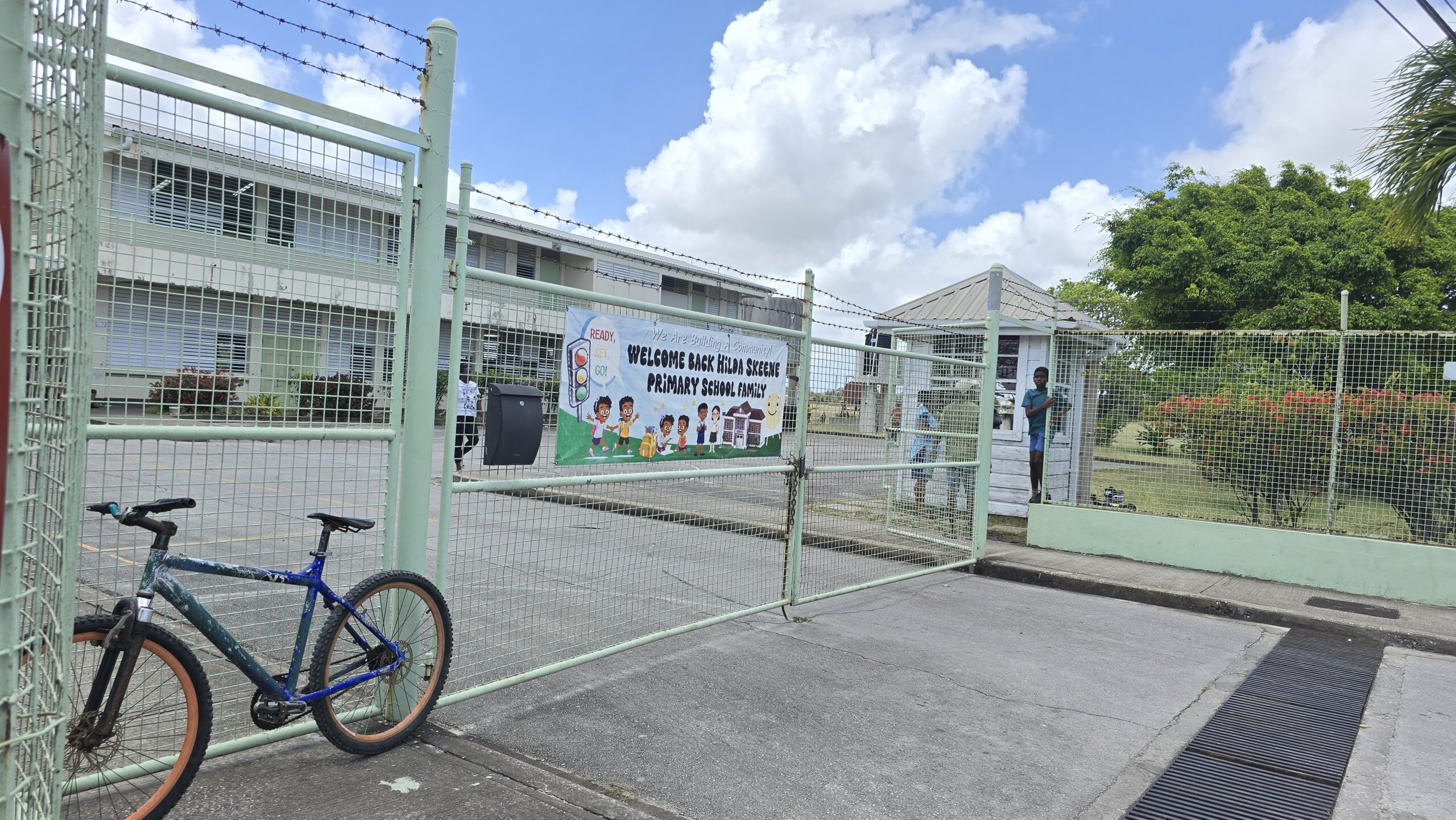
    An emergency early dismissal was enacted at Hilda Skeene Primary School in St Philip, Barbados, on Tuesday, triggered by significant environmental health concerns, primarily a rat infestation. The sudden closure created a scene of confusion and logistical chaos as parents, many alerted through informal channels rather than official communication, scrambled to collect their children.

    The event exposed critical flaws in the school’s emergency protocol. Numerous parents reported a complete absence of formal notification from either the school administration or the Ministry of Education. Instead, information spread haphazardly through social media posts, private teacher-parent chats, and word-of-mouth from other families. One local business owner and parent stated she learned of the situation online, remarking, ‘I hear the school shutting but they ain’t tell we why, but I hear the same thing, rat infestation.’

    Further compounding the distress was a breakdown in on-the-ground procedures. Parent Charles Domingo recounted a frustrating experience, arriving to find the school gate locked and his child’s classroom door shut while teachers were reportedly in a meeting. He voiced serious concerns over child supervision, noting that children were gathered in a pasture area without a clear system for secure, organized parent collection, as the school guard had received no specific directives.

    Julian Pierre, First Vice-President of the Barbados Union of Teachers, confirmed that the infestation issue is multifaceted. While the school compound itself requires industrial cleaning, the problem is exacerbated by a publicly used adjacent pavilion that accumulates significant garbage. Pierre emphasized the collective responsibility needed for a solution and publicly called on the Ministry of Education to equip all schools with covered, industrial-grade garbage bins to deter rodents. He also indicated that Hilda Skeene Primary may be slated for more extensive repairs under the ministry’s upcoming summer maintenance program. As of the incident, the Ministry of Education had not issued an official public statement.

  • Abinader celebrates Dominican Republic’s top ranking in press freedom report

    Abinader celebrates Dominican Republic’s top ranking in press freedom report

    SANTO DOMINGO – The Dominican Republic has achieved the highest press freedom ranking in the Americas according to the newly released 2025 Chapultepec Index by the Inter-American Press Association (IAPA). President Luis Abinader celebrated this recognition as a landmark achievement for both his administration and the nation’s democratic development.

    The comprehensive evaluation, which assessed journalistic conditions across 23 nations in the Western Hemisphere, awarded the Dominican Republic an exceptional score of 82.17 out of 100 points. This performance positioned the Caribbean nation as the sole country to qualify for the prestigious ‘With Press Freedom’ classification, distinguishing it from regional counterparts.

    Through an official statement released by the Government Strategy and Communication Directorate (DIECOM), President Abinader characterized the distinction as evidence of significant progress in institutional development. ‘This recognition fortifies our commitment to broadening public freedoms and strengthening our democratic framework,’ the president stated. He further emphasized that this accomplishment reflects broader societal advancement beyond governmental achievements alone.

    The presidential address highlighted the administration’s dual objectives of enhancing citizen welfare while maintaining the country’s status as a regional model for institutional stability and democratic governance. Abinader specifically acknowledged IAPA’s role as a vigilant guardian of expression rights throughout the continent, describing the organization as crucial to defending journalistic integrity.

    This international endorsement, according to the president, serves as motivation for continued efforts to safeguard and expand press freedoms within the Dominican Republic. The achievement marks a significant milestone in the country’s democratic journey and establishes a new benchmark for press freedom standards throughout Latin America and the Caribbean.

  • Monorath benadrukt preventie bij schooljeugd in Meerzorg

    Monorath benadrukt preventie bij schooljeugd in Meerzorg

    Justice and Police Minister Harish Monorath has spearheaded a significant educational initiative in Meerzorg, Commewijne district, emphasizing the critical role of preventive measures among youth populations. The comprehensive awareness program, orchestrated by neighborhood managers from Meerzorg-East and Meerzorg-West, specifically targeted fifth and sixth-grade students as part of a broader strategy to combat future criminal behavior.

    During the day-long educational session, authorities addressed multiple pressing social issues including substance abuse, weapon possession in educational institutions, and bullying prevention. The Justice and Police Ministry deployed specialized units including Domestic Violence experts, the Narcotics Brigade, and Public Education departments to provide students with authoritative information and practical guidance.

    Minister Monorath personally engaged with attendees, encouraging students to maintain academic focus while reinforcing the police force’s role as community partners rather than merely enforcement entities. The minister officially inaugurated the educational event, which represents a cornerstone of neighborhood management’s preventive approach to community safety.

    The high-profile event attracted numerous dignitaries including Assembly Member Ingrid Karta-Bink, District Commissioner Rajiv Ramsahai, and Eastern Regional Commander John Krishnadath. Organizers indicate plans to expand the successfully piloted program to additional neighborhoods and districts following thorough evaluation of its initial implementation.

  • EXCLUSIVE: Family Speaks After Belizeans Freed from Virtual Kidnapping in Mexico

    EXCLUSIVE: Family Speaks After Belizeans Freed from Virtual Kidnapping in Mexico

    Three young Belizean nationals have been safely reunited with their families following a sophisticated virtual kidnapping scheme that targeted them while in Quintana Roo, Mexico. The victims—24-year-old Yaire Mendez, her 18-year-old sister Jesslyn Mendez, and 25-year-old Marvin Rosales—endured psychological torment after scammers posing as cartel members manipulated their families into believing they had been physically abducted.

    The harrowing incident began when Joe Mendez, the father of the two sisters, received a distressing call during his work shift. His daughter Yaire informed him they were ‘being taken by the cartel’ while simultaneously asserting they were okay—a contradictory message characteristic of virtual extortion schemes. Moments later, Mendez received photographs of the three victims followed by immediate ransom demands of 350,000 Mexican pesos (approximately $17,500 USD) with threats of execution if payment wasn’t made.

    Mexican authorities confirmed this was an elaborate virtual kidnapping scam rather than an actual physical abduction. The perpetrators gained access to the victims’ communication devices and messaging platforms, including WhatsApp, forcing them to remain on video calls while issuing constant threats and surveillance claims. ‘They told her if she doesn’t do this or that, they will kill them because they have somebody that is out there watching them,’ Mendez recounted to News 5.

    The situation presented jurisdictional challenges as Belizean authorities indicated limited capacity to intervene in Mexican territory. The breakthrough came when officials from the Instituto Tecnológico de Chetumal noticed circulating reports online and alerted Mexican law enforcement. Despite authorities tracking the victims’ devices and identifying the scam, both families had already pooled resources to pay the ransom out of fear for their children’s safety.

    The emotional aftermath remains significant, particularly for the youngest victim. ‘My younger daughter, she’s the one that’s worse. She is the most affected,’ Mendez stated, noting that recovery from the psychological trauma would require considerable time and support.

  • Farm work scheme sees fewer new recruits as Canada favours returning workers

    Farm work scheme sees fewer new recruits as Canada favours returning workers

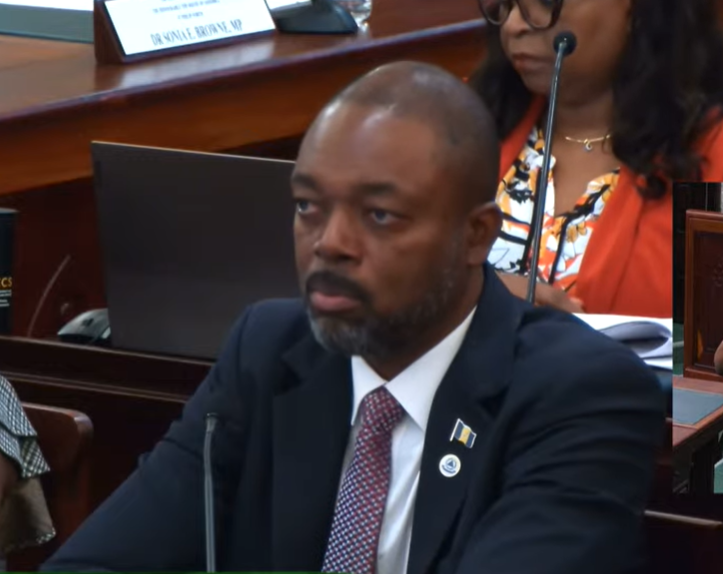
    Barbados’ longstanding Seasonal Agricultural Worker Programme (SAWP) is undergoing significant operational shifts as Canadian employers increasingly prioritize experienced laborers over new recruits, according to testimony presented to the nation’s House of Assembly on Monday.

    During the Ministry of Labour’s Estimates hearing, officials revealed that while the program remains active, placement numbers have demonstrated a consistent downward trajectory. Acting Director of the Barbados Employment Career and Counselling Service, Moreen Bowen, presented data showing participation dropping from 102 workers in 2024 to 86 in 2025, with only 59 positions currently requested for 2026.

    The decline stems primarily from Canadian employers specifically requesting ‘repeat workers’—Barbadians with prior experience in Canadian agricultural operations. This preference for pre-trained labor has reduced opportunities for new participants despite continued overseas demand for the program.

    Labour Minister Colin Jordan confirmed the program’s continuation under its official SAWP designation, though noted many citizens still refer to it as the traditional ‘farm labour programme.’ He emphasized that Barbados maintains vigorous advocacy with Canadian authorities, particularly valuable amid increasingly restrictive global migration policies.

    Program administrators are implementing strategic adaptations to preserve Barbados’ competitive position within the regional labor export market. New employment avenues are being developed, including a recent initiative in New Brunswick’s seafood processing sector where 16 Barbadians will commence work in April.

    Bowen explained that Canadian unemployment rates directly impact recruitment, as regulations require employers to hire locally when provincial unemployment exceeds six percent.

    Minister Jordan issued stern warnings regarding participant conduct, establishing zero tolerance for workplace violations—particularly cannabis use despite Canada’s legalization. ‘Once you strike, you’re out,’ Jordan stated, emphasizing that disciplinary breaches jeopardize Barbados’ entire participation framework.

    The ministry also reinforced merit-based selection processes, prohibiting name-dropping or external influence in recruitment decisions. Both men and women remain eligible for the program, though final hiring determinations rest with Canadian employers.

    Historically established in 1966 as a bilateral arrangement between Canada and Jamaica, the program expanded to include Barbados and Trinidad and Tobago in 1967. It originally addressed domestic unemployment while providing workers access to superior wages and supplying Canadian farmers with reliable seasonal labor.

  • A daily struggle for every drop of hope

    A daily struggle for every drop of hope

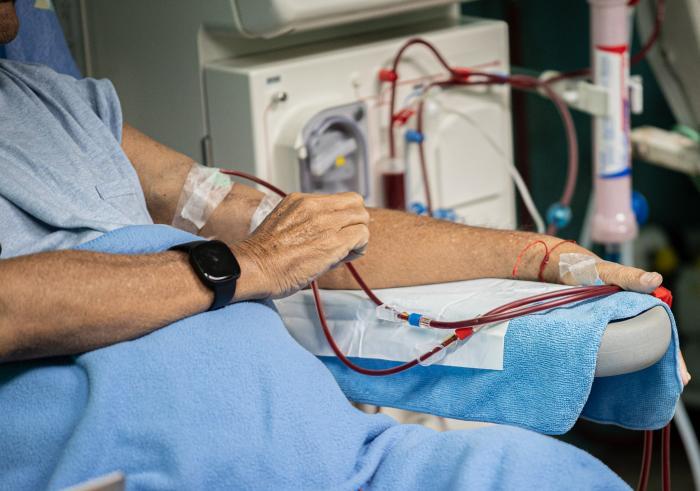
    In the hemodialysis units of Cuba’s Dr. Abelardo Buch López Institute of Nephrology, patients like Zurama confront a daily reality of survival tied to medical machinery. ‘I have to depend on it,’ she states, reflecting on her post-COVID-19 renal failure diagnosis since 2020. ‘If there’s no fuel, nobody here could get hemodialysis.’

    The institute, serving 45 of Cuba’s 57 hemodialysis centers supporting over 3,000 renal replacement therapy patients, faces systemic challenges. Julio César Candelaria Brito, head of hemodialysis services, emphasizes that treatment continuity relies on an integrated system encompassing transportation, medical supplies, and electricity—all compromised by national fuel shortages.

    Critical supply deliveries, once routine, now arrive in precarious small batches. ‘We’re waiting for the truck to arrive today to ensure we can start tomorrow’s session,’ Candelaria reveals. Dialysis machines demand uninterrupted power for operation and water deionization, with aging backup batteries posing additional risks. Nurse Dairy Rodríguez Barreto confirms: ‘Without hemodialysis, the patients could die.’

    Transportation compromises have forced taxi services to limit patient shuttle routes, sometimes excluding essential companions. Nurse José Carlos Castillo Curbeco notes consequent emergency admissions when missed treatments endanger lives. The institute has prepared contingency beds for such crises.

    Director Yamilé García Villar acknowledges infrastructure strains: ‘We’ve experienced breakdowns in water treatment systems delaying sessions until 4:00 a.m.’ Despite these challenges, she affirms the program’s uninterrupted operation through staff dedication. However, U.S. economic restrictions have impeded vital annual maintenance on dialysis equipment designed for five-year lifespans, accelerating mechanical failures.

    The psychological toll compounds physical vulnerabilities. Patients experience palpable fear about treatment continuity despite assurances of political will and staff commitment. As one caregiver summarizes: ‘All illnesses have a psychological component, and the certainty that treatment is guaranteed provides well-being.’ When that certainty fractures, so does hope for Cuba’s most medically vulnerable.

  • Tourism makes ‘record’ gains, plans for sustained growth

    Tourism makes ‘record’ gains, plans for sustained growth

    Barbados has achieved an unprecedented milestone in its tourism sector, recording a historic 729,310 long-stay visitors throughout 2025. Tourism Minister Ian Gooding-Edghill presented these groundbreaking figures to Parliament on Tuesday, simultaneously unveiling strategic plans to capitalize on this success and attract further industry investment.

    The Central Bank of Barbados reported a 3.3% increase in arrivals compared to 2024, surpassing the previous record of 704,340 visitors. This remarkable growth was primarily driven by an 8.1% surge from the United States market, alongside strong performances from Canada (90,209 visitors) and increased arrivals from European and CARICOM nations, which contributed 98,336 visitors.

    Enhanced regional air connectivity and improved inter-Caribbean services significantly contributed to these numbers. The industry demonstrated robust performance across key metrics, with hotel occupancy rates climbing 1.3 percentage points to reach 65.3%, while stronger room rates and sustained accommodation demand boosted overall tourism earnings.

    Minister Gooding-Edghill emphasized tourism’s role as a major economic driver, creating productive employment opportunities and strengthening linkages with construction, manufacturing, and agriculture sectors. The government has allocated $31.57 million to the Ministry of Tourism and International Transport for the upcoming period, with $10.5 million designated for wages and salaries, $11.8 million for goods and services, and $7.34 million for capital spending.

    Private sector investment continues to flourish with several major developments: The Blue Monkey Hotel (28 suites) scheduled for June opening, Hotel Indigo Barbados (130 rooms) already operational on the south coast, and Royalton CHIC Barbados (220 rooms) set to launch in June.

    Looking forward, the ministry will focus on three core areas: policy development, legislative reform, and service delivery. Planned initiatives include introducing a timeshare fractional ownership bill, modernizing existing tourism legislation, and implementing policies to expand the accommodation base.

    Air connectivity expansion remains crucial to sustained growth. Recent successes include negotiated increases with major US carriers, KLM’s three weekly Amsterdam services initiated in October, Air Canada’s twice-daily Friday and Sunday flights, JetBlue’s enhanced Boston service, and Virgin Atlantic’s twice-daily London Heathrow operations. A new agreement with Condor Airlines and expanded Copa Airlines service (now five weekly flights) further solidifies Barbados’ position as a regional aviation hub.