作者: admin

  • The UWI Five Islands Campus and T.A. Marryshow Community College Strengthen Regional Educational Ties

    The UWI Five Islands Campus and T.A. Marryshow Community College Strengthen Regional Educational Ties

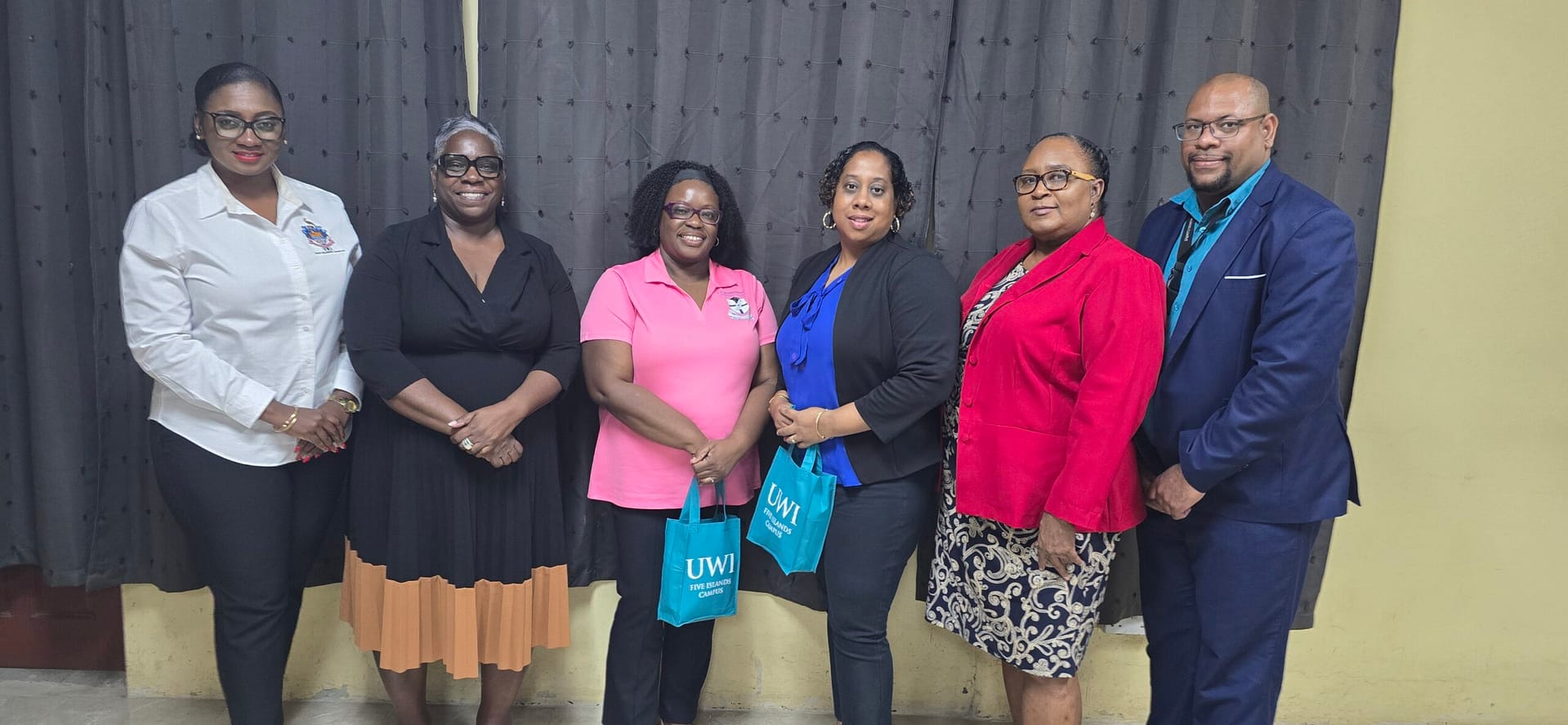
    In a landmark move set to reshape the Caribbean educational landscape, The University of the West Indies (UWI) Five Islands Campus and T.A. Marryshow Community College (TAMCC) have formalized a comprehensive partnership agreement. This strategic alliance represents a significant advancement in regional academic cooperation, designed to create seamless educational pathways and enhance resource sharing between Grenada and Antigua’s premier institutions.

    The collaboration establishes an articulated framework allowing TAMCC graduates direct entry into specialized degree programs at UWI Five Islands, effectively eliminating academic transition barriers. The partnership extends beyond student mobility to include joint research initiatives, faculty exchange programs, and shared utilization of laboratory facilities and digital learning resources.

    This institutional synergy addresses critical regional challenges including educational accessibility, curriculum standardization, and the development of workforce-ready graduates equipped with 21st-century skills. By leveraging their combined academic strengths, the institutions aim to create a more integrated Eastern Caribbean educational ecosystem that promotes sustainable development and regional competitiveness.

    The initiative has garnered strong support from government education ministries and regional organizations, recognizing its potential to transform higher education delivery throughout the Organization of Eastern Caribbean States (OECS). This model of inter-institutional cooperation establishes a new benchmark for academic partnerships across the Caribbean basin, potentially inspiring similar collaborations throughout the region.
  • St. Kitts and Nevis Co-Sponsors Historic UN Resolution on Transatlantic Slave Trade

    St. Kitts and Nevis Co-Sponsors Historic UN Resolution on Transatlantic Slave Trade

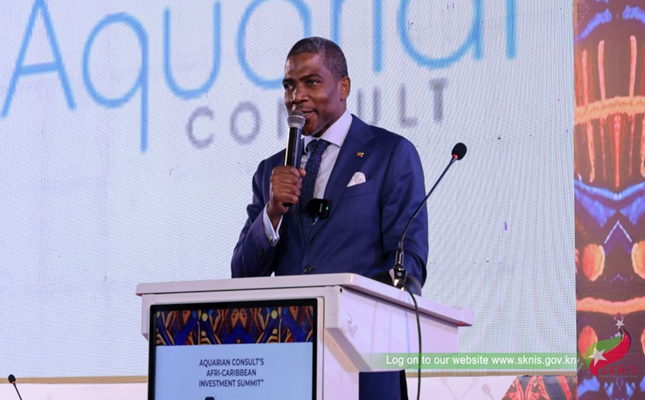
    ABUJA, NIGERIA – March 25, 2026 – In a historic move toward global justice and historical reckoning, St. Kitts and Nevis has emerged as a co-sponsor of a groundbreaking United Nations resolution that formally recognizes the transatlantic slave trade as the most severe crime against humanity. The announcement came from Prime Minister Hon. Dr. Terrance Drew during his keynote address at the Afri-Caribbean Investment Summit in Nigeria’s capital.

    Prime Minister Drew revealed that Ghanaian President His Excellency John Mahama is leading the initiative, presenting the resolution to the UN General Assembly on March 25th. The resolution represents a monumental step in addressing historical injustices that have shaped the modern world.

    “St. Kitts and Nevis stands firmly behind this crucial initiative,” declared Dr. Drew. “Our nation proudly co-sponsors this resolution, and we await with great anticipation its passage through the United Nations.”

    The Prime Minister emphasized the resolution’s significance as a unifying force between African and Caribbean nations, marking a new era of coordinated diplomatic advocacy on the global stage. He framed the effort as part of a broader movement toward justice, reconciliation, and collective political action between regions with shared historical experiences.

    Demonstrating unwavering commitment to the cause, Dr. Drew asserted that even if the resolution faces initial obstacles, the coalition would persist: “Should it not pass today, we will continue our efforts until it succeeds.”

    The initiative reflects growing diplomatic alignment between Africa and the Caribbean, extending beyond economic cooperation to include shared advocacy for historical recognition and narrative shaping within international institutions. This collaboration represents a significant development in post-colonial diplomacy and the global movement for reparative justice.

  • Dominican Republic reaffirms commitment to decent work at ILO

    Dominican Republic reaffirms commitment to decent work at ILO

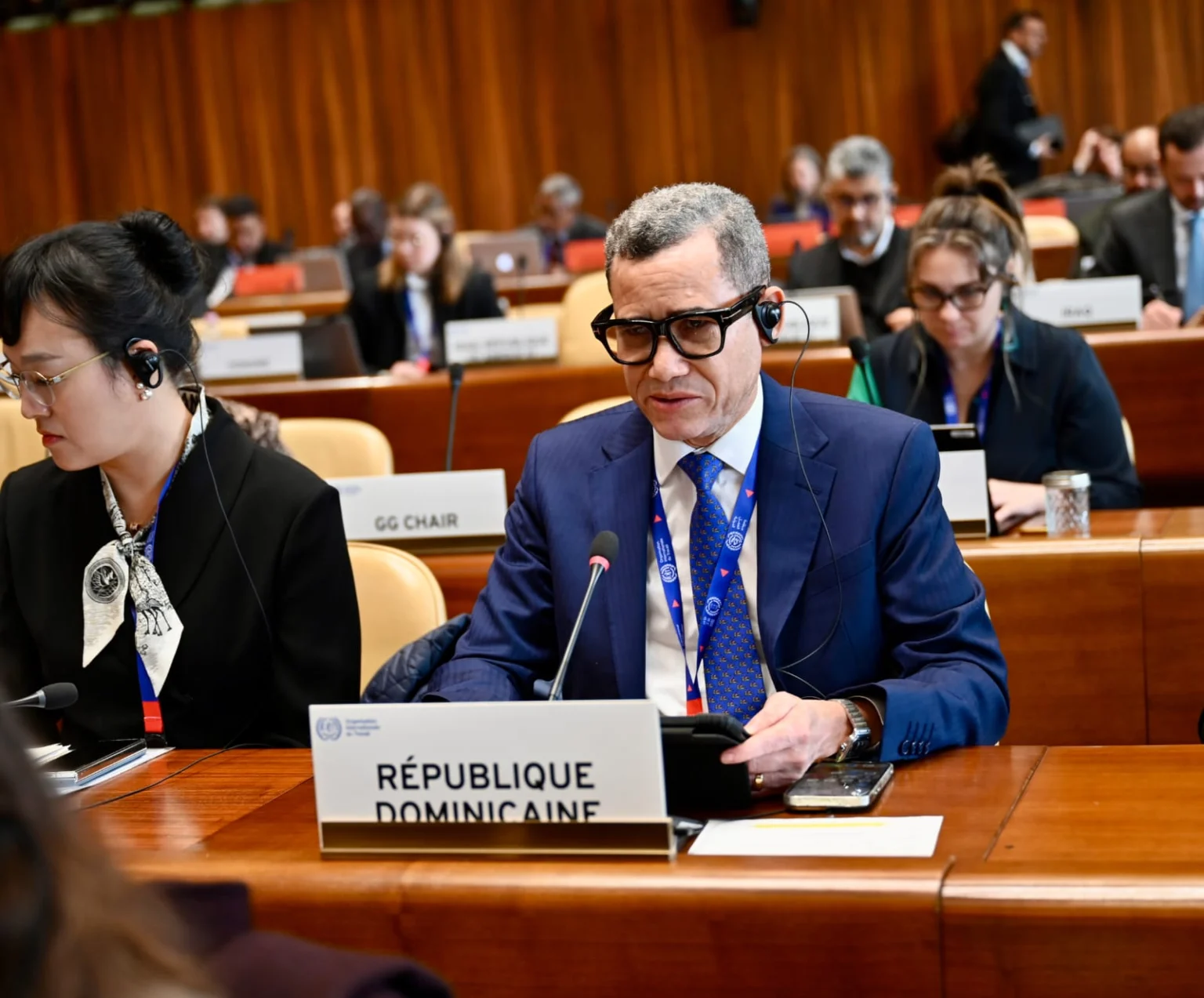
    GENEVA – During the pivotal 356th session of the International Labour Organization (ILO), Dominican Minister of Labor Eddy Olivares Ortega delivered a robust affirmation of the nation’s dedication to advancing decent work and implementing inclusive labor policies on the global stage. Addressing the assembly, Minister Olivares characterized the ILO’s newly unveiled 2026–2029 Development Cooperation Strategy as both a timely and pragmatic framework, perfectly attuned to a world grappling with financial limitations and complex societal issues. He articulated that the strategy’s focus on fostering innovation, cultivating strategic alliances, and demanding measurable outcomes provides a critical pathway to confront pervasive regional challenges, including widespread informal employment, the necessity for sustainable job creation, gaps in social protection systems, and stagnating productivity. Beyond outlining the strategy’s merits, the Minister championed the amplified role of South-South and triangular cooperation as vital mechanisms for the exchange of proven best practices among developing nations. Concurrently, he called for the fortification of partnerships with international financial entities and the private sector to mobilize essential resources. Olivares Ortega further highlighted the Dominican Republic’s established role as a regional leader in pioneering social dialogue and executing meaningful labor reforms across Central America. Concluding his address, he reaffirmed the nation’s steadfast endorsement of the ILO’s tripartite model—uniting governments, employers, and workers—as the indispensable cornerstone for constructing a more equitable and inclusive future of work globally.

  • Building Zones of Peace: A Practical Path Forward for the International Community – Part III

    Building Zones of Peace: A Practical Path Forward for the International Community – Part III

    The escalating hostilities in the Middle East serve as a stark reminder of how regional conflicts can rapidly destabilize global systems, according to analysis by Ambassador Dr. Clarence E. Pilgrim. Beyond immediate humanitarian concerns, these conflicts disrupt aviation networks, trigger volatility in energy markets, and jeopardize critical maritime corridors like the Strait of Hormuz—through which 20% of global oil supply flows. This interconnectivity means instability reverberates worldwide, driving inflation and raising costs for households thousands of miles from conflict zones.

    Ambassador Pilgrim argues that reactive diplomacy is insufficient. Instead, the international community must proactively establish ‘zones of peace’—defined not merely as absence of war but as deliberate frameworks where nations resolve disputes through dialogue, respect international law, and collaborate on economic and environmental progress. Such zones create conditions for societies and economies to thrive confidently.

    Central to this vision is reforming the United Nations, whose structure still reflects 1945 geopolitics rather than 21st-century realities. Scholars and diplomats increasingly emphasize that without modernization, the UN risks paralysis in addressing contemporary crises. Key proposals include Security Council reform to address ‘veto-induced paralysis,’ possibly through broader representation and mechanisms to prevent single-nation blockage of collective action. Some advocate for a UN Parliamentary Assembly to incorporate citizen representation in global policy.

    Historical and philosophical foundations support this pursuit. Thinkers from Immanuel Kant to Albert Einstein envisioned peace achieved through federations governed by common laws. Figures like Nelson Mandela, Martin Luther King Jr., and Mahatma Gandhi demonstrated the transformative power of reconciliation and non-violence. Dag Hammarskjöld’s assertion that the UN exists ‘to save humanity from hell’ underscores institutional importance in safeguarding peace.

    Economic cooperation is pivotal. Interdependent economies—buttressed by secure transport networks, supply chains, and financial systems—reduce conflict likelihood. Regional bodies like the African Union, CARICOM, and the Association of Caribbean States already model how cooperation builds trust. Deeper integration could eventually lead to coordinated monetary arrangements or even a global currency framework to stabilize trade.

    Emerging opportunities like the Blue Economy—sustainable use of ocean resources—and international scientific projects (e.g., the International Space Station) highlight cooperation’s benefits. However, realizing this potential requires cooperative governance.

    Ultimately, creating zones of peace demands political courage and sustained diplomatic engagement. Peace cannot be imposed but must be built through dialogue, shared rules, and institutional reform. Humanity stands at a crossroads: continue on a path of geopolitical rivalry or embrace cooperation, reform, and shared responsibility for planetary future. The choice will define whether the 21st century becomes an era of conflict or one of collective human advancement.

  • Antigua and Barbuda Professionals Invited to Apply for 2026 ISA Solar Fellowship

    Antigua and Barbuda Professionals Invited to Apply for 2026 ISA Solar Fellowship

    The International Solar Alliance (ISA) has officially announced the opening of applications for its prestigious Solar Fellowship Scheme for the 2026-2028 academic cycle. This initiative targets mid-career professionals from ISA member nations seeking advanced training in renewable energy technologies.

    Since its inception in 2019, the program has successfully graduated five cohorts, with two additional batches currently undergoing specialized training at the Indian Institute of Technology Delhi. The fellowship is specifically designed for government policymakers, administrators, and development leaders who demonstrate exceptional commitment to public service and sustainable development in their home countries.

    For the eighth cohort, ISA will sponsor 20 selected candidates for a comprehensive two-year Master of Technology program in Renewable Energy Technologies and Management. The curriculum, designated as Programme Code: ESR, is scheduled to commence on July 23, 2026, at IIT Delhi’s Department of Energy Science and Engineering.

    Prospective applicants must submit their applications through the PG International Admission Portal (https://ecampus.iitd.ac.in/IPGADM/login) before the March 30, 2026 deadline (4:00 PM IST). The selection process will prioritize ISA member countries, with an International Fellowship Committee conducting the final candidate selection based on established eligibility criteria set by IIT Delhi.

    Professor Snehasish Panigrahi, the M.Tech Coordinator for the ESR program, will provide application assistance to interested candidates throughout the submission process.

  • Bridge guardrails in Bolans restored, George says

    Bridge guardrails in Bolans restored, George says

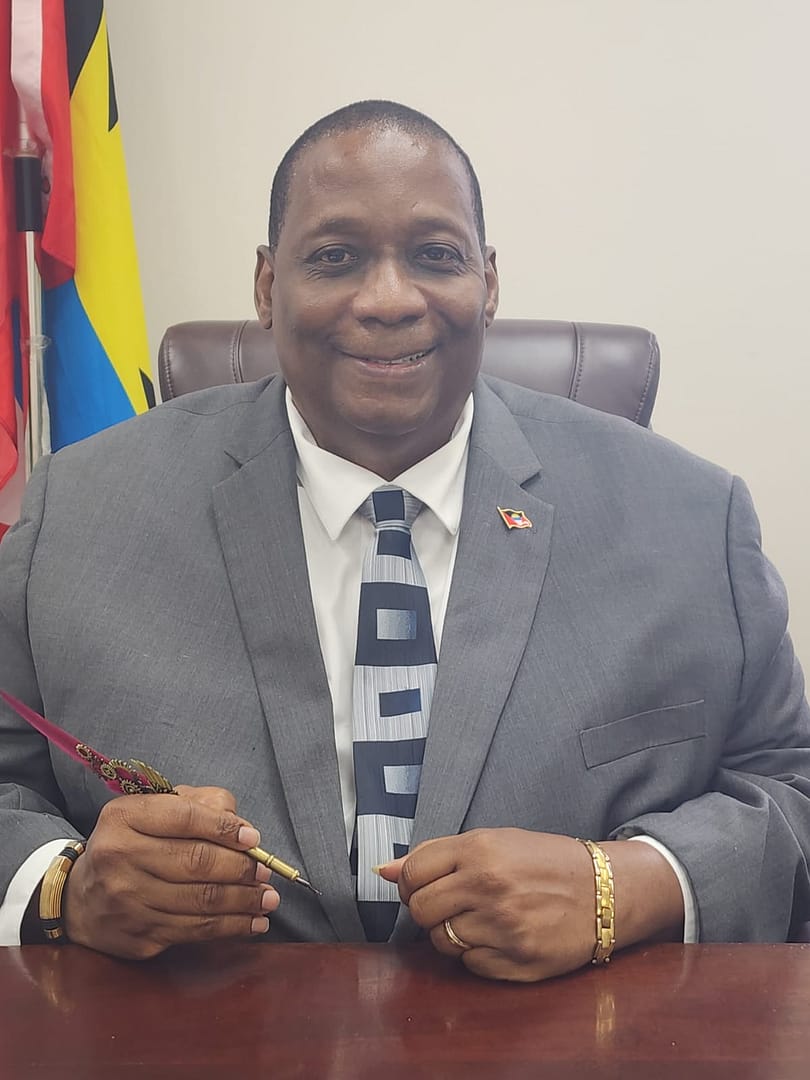
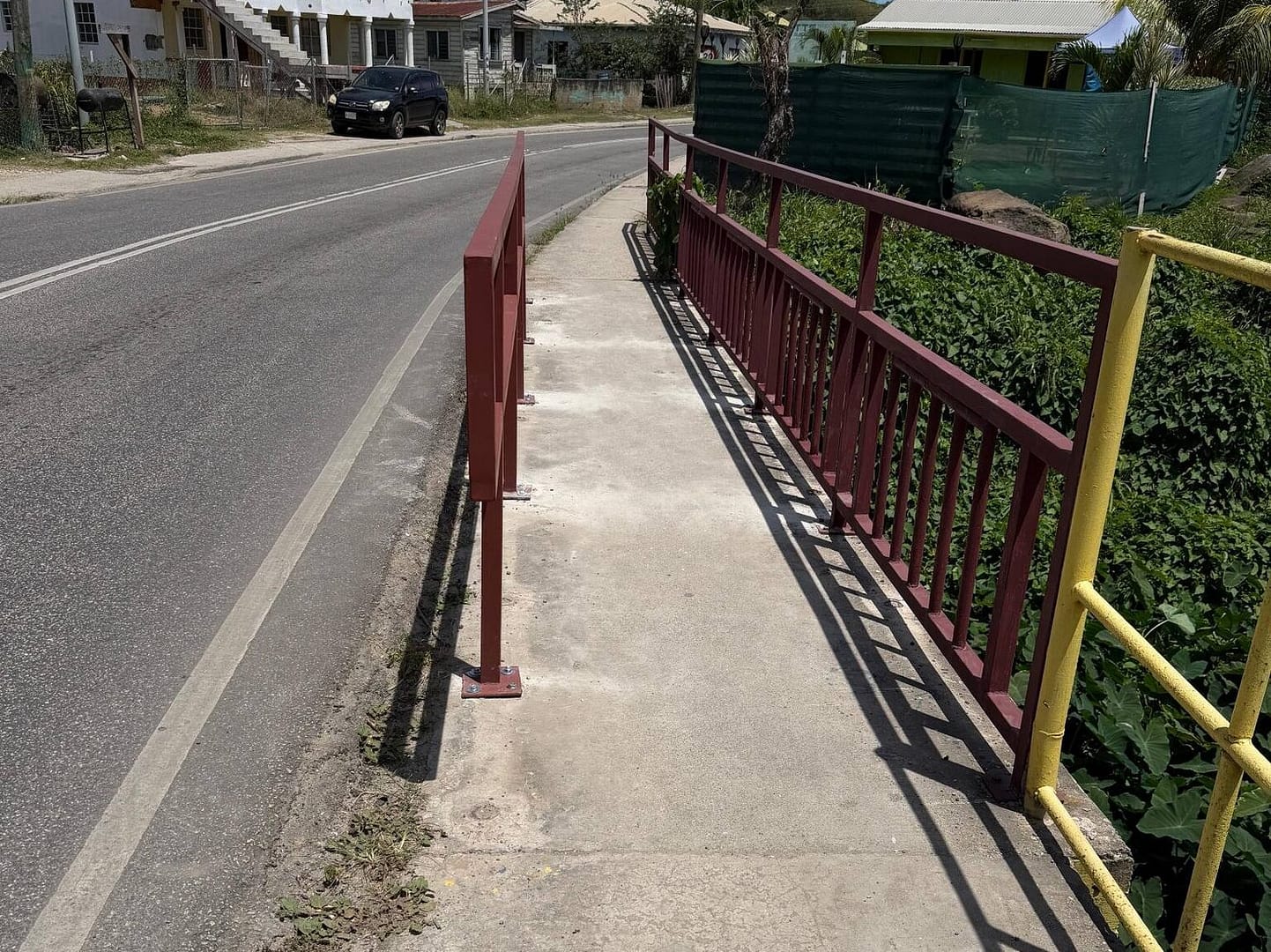
    Infrastructure enhancements at the Bolans bridge have been finalized with the complete restoration of safety railings, marking a significant upgrade for local residents. Dwayne George, a political aspirant from the ABLP, confirmed the project’s completion, emphasizing its dual role in enhancing both pedestrian and motorist security along this crucial roadway.

    The initiative addresses longstanding safety concerns by implementing protective measures specifically designed to safeguard vulnerable road users, including children. Beyond its primary safety function, the renovation contributes aesthetically to community beautification efforts, elevating the overall visual appeal of the neighborhood.

    George characterized these improvements as emblematic of a sustained dedication to the constituents of St. Mary’s South. The project aligns with a broader commitment to collaborative community development, encapsulated in George’s stated philosophy of cooperative progress: “Working with you, for you,” he affirmed, “as we build a stronger and safer St. Mary’s South together.”

    The bridge rehabilitation represents tangible infrastructure investment in the region, potentially setting a precedent for future community-focused development projects aimed at combining practical safety solutions with environmental enhancements.

  • Paus Leo roept op tot onmiddellijke wapenstilstand in Midden-Oosten conflict

    Paus Leo roept op tot onmiddellijke wapenstilstand in Midden-Oosten conflict

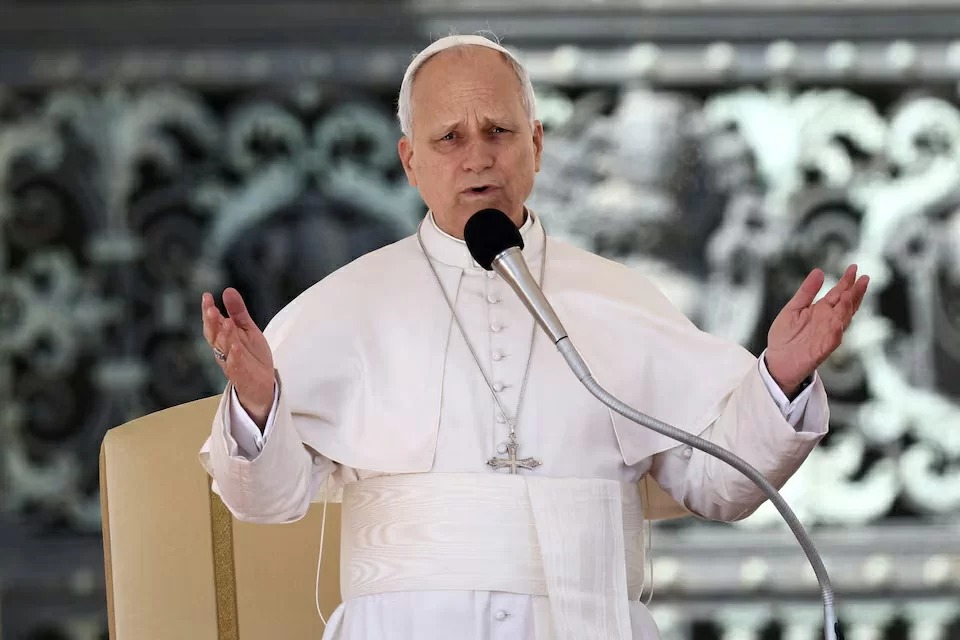
    In a compelling address from his residence in Castel Gandolfo, Italy, Pope Leo XIV—the first American pontiff in Vatican history—issued his most urgent plea to date regarding the rapidly deteriorating situation in the Middle East. Speaking during his weekly general audience, the Pope expressed profound alarm over expanding hostilities centered around Iran’s escalating conflict with Israel.

    “We are witnessing an alarming surge in hatred and increasingly severe violence,” stated the spiritual leader, emphasizing that true peace cannot be achieved through military means. “The path to resolution must be forged through sincere dialogue and mutually acceptable solutions—not through weapons.”

    The Pontiff revealed staggering humanitarian concerns, noting over one million displaced persons and numerous casualties already resulting from recent hostilities. His appeal comes amid substantial U.S. military deployments to the region, with thousands of additional troops being dispatched—a move that has heightened international fears of potential broader conflict escalation.

    Tensions have dramatically intensified following multiple rocket attacks and direct military engagements throughout the region. While the global community advocates for calm and diplomatic solutions, humanitarian organizations warn of a worsening crisis affecting millions of civilians.

    This marks the second time in three days that Pope Leo has addressed the situation, having previously condemned the conflict as “a scandal for all humanity” during his Sunday remarks. The Vatican has significantly intensified its peace-building initiatives, calling upon all authorities to engage in genuine dialogue to resolve underlying issues.

  • Abinader meets French business leaders to boost investment in the Dominican Republic

    Abinader meets French business leaders to boost investment in the Dominican Republic

    PARIS – In a strategic move to bolster economic partnerships, Dominican Republic President Luis Abinader convened with top executives from France’s private sector during an investment forum hosted by MEDEF International. The high-level gathering, forming a pivotal segment of his official state visit, served as a platform to showcase the Caribbean nation’s robust economic credentials to potential investors.

    Addressing assembled business leaders, President Abinader articulated a compelling case for the Dominican Republic, emphasizing its remarkable economic stability, reinforced legal safeguards for foreign capital, and proactively open investment policies. He presented the nation as the premier hub for commercial ventures in the Caribbean region. The forum garnered strong endorsements from established French corporations already operating within the country, who attested to its consistent growth trajectory and business-friendly environment. Their testimonials were complemented by expressions of serious interest from new market entrants eager to engage in forthcoming projects and public tenders.

    This business roundtable immediately followed President Abinader’s diplomatic discussions with French President Emmanuel Macron, signaling a concerted effort to deepen bilateral ties beyond politics into tangible economic cooperation. Revealing a significant milestone, Abinader announced that Foreign Direct Investment (FDI) had exceeded US$5 billion in 2025, setting an unprecedented national record. He pinpointed several high-priority sectors actively seeking international investment and expertise, including metropolitan transit systems, renewable energy generation, major infrastructure upgrades, logistics hubs, digital transformation initiatives, semiconductor manufacturing, and defense technology.

  • Vincy Heat to play Bonaire, Barbados

    Vincy Heat to play Bonaire, Barbados

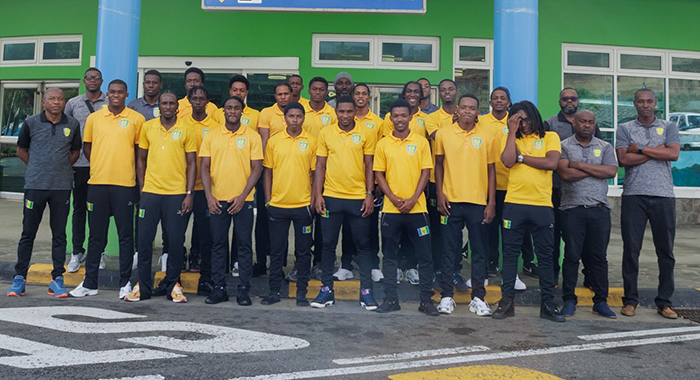
    The senior men’s national football team of St. Vincent and the Grenadines, popularly known as Vincy Heat, departed on Tuesday for an international tour in Bonaire where they will compete in two friendly matches this week. The squad will first challenge the host nation Bonaire on Thursday evening at 8 p.m., followed by a Sunday afternoon encounter against Barbados at 4 p.m. Both contests will be held at the Antonio Trinidad Stadium.

    This international excursion occurs during a period of technical transition for the team following the recent resignation of Head Coach Ezra Hendrickson. Otashie Spring, President of the St. Vincent and the Grenadines Football Federation (SVGFF), acknowledged Hendrickson’s exceptional contributions while expressing strong confidence in the team’s continued performance under interim leadership. Wayde Jackson has been appointed as acting head coach for the tour, with Spring voicing assurance in Jackson’s capability to steer the team toward successful outcomes.

    The federation president extended appreciation to SVGFF Vice President Dominique Stowe for his dedicated oversight of the technical department and thanked both technical staff and players for their ongoing commitment to the national program. Spring emphasized expectations of exemplary performance as the team represents the nation internationally.

    This tour constitutes a strategic component of the federation’s broader initiative to enhance player development through exposure to elevated competitive environments. The matches will provide valuable international experience for the squad while offering technical staff crucial assessment opportunities for both locally-based and overseas-based players. According to an official press release, the delegation features a blended roster of domestic and international players alongside technical staff, with anticipation building for competitive performances against both opponents as Vincy Heat continues its international preparations.

  • Quiz : Did You Know ? #9

    Quiz : Did You Know ? #9

    The Windward Passage, a strategically vital maritime corridor spanning approximately 80 kilometers between northwestern Haiti and eastern Cuba, serves as a critical junction connecting the Atlantic Ocean to the Caribbean Sea. This narrow strait ranks among the world’s busiest shipping lanes, particularly for commercial vessels navigating between the United States’ eastern seaboard and the Panama Canal.

    Historically named for the consistent trade winds that facilitated sailing vessels, the passage continues to play a crucial role in global maritime commerce. Beyond its economic significance, the waterway has fostered centuries of cultural exchange and migration between Haiti and Cuba, creating unique transnational connections between the neighboring nations.

    Geological studies reveal the passage sits above deep ocean trenches, making ongoing monitoring essential for multiple reasons: ensuring maritime security, combating illicit trafficking operations, and managing shared fisheries resources between Haiti and Cuba. This strategic monitoring contributes to both environmental conservation and regional stability.

    As the primary gateway to the Greater Antilles archipelago, the Windward Passage represents more than just a geographical feature—it embodies the interconnectedness of Caribbean nations through trade, culture, and shared ecological resources. The passage’s strategic importance continues to evolve with changing global trade patterns and regional dynamics.

    This analysis is derived from educational materials published by HaitiLibre’s quiz platform, which launched in January 2026 to promote knowledge about Haitian geography and broader global topics. The platform offers free, registration-free access to dozens of educational games in both French and English across three difficulty levels, with new content added monthly.