作者: admin

  • Phillips pledges continued infrastructure upgrades in St Lucy

    Phillips pledges continued infrastructure upgrades in St Lucy

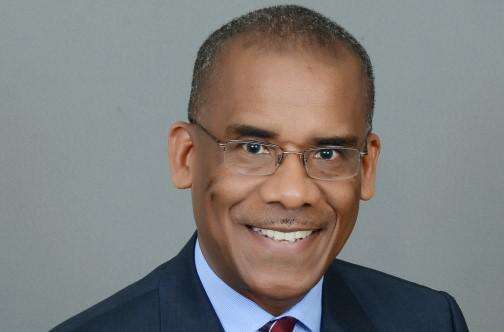
    In a compelling address at the Barbados Labour Party’s rally in Checker Hall, incumbent candidate Peter Phillips reaffirmed his commitment to advancing critical infrastructure projects throughout St Lucy constituency. The BLP representative acknowledged persistent water quality issues while highlighting substantial progress achieved under his party’s leadership.

    Phillips revealed that approximately 30 kilometers of water mains have been replaced across multiple communities including Rock Hall, Colleton, Crab Hill, Lowlands, and Chance Hall over the past seven years. While offering apologies for ongoing brown water concerns, the candidate contextualized the historical dimensions of the problem, noting that initial replacement initiatives began under former Prime Minister Owen Arthur in 1996 before being discontinued during the Democratic Labour Party’s administration.

    The candidate presented a comprehensive portfolio of completed infrastructure achievements, emphasizing tangible deliverables over mere promises. Notable accomplishments include the comprehensive road construction connecting Crab Hill Police Station to Archers Bay, alongside the successful completion of Lowlands Road and Chance Hall Road.

    Phillips further enumerated several signature developments under Prime Minister Mia Mottley’s administration, including the innovative agricultural project at Mount Poyer, the imminent opening of Hope Agricultural School, the extensive refurbishment of local post office facilities, and the establishment of a new social care center at Benthams.

    Concluding with the campaign slogan “When Labour leads, St Lucy succeeds,” Phillips urged constituents to maintain confidence in the BLP’s developmental agenda, asserting that while significant work has been accomplished, additional infrastructure enhancements remain priorities for the constituency’s continued advancement.

  • PM Backs Chebat, Says Stalled BTL Needs Merger to Survive

    PM Backs Chebat, Says Stalled BTL Needs Merger to Survive

    Belize’s Prime Minister John Briceño has issued a strong defense of his Public Utilities Minister Michel Chebat’s position regarding the proposed telecommunications merger involving Belize Telemedia Limited (BTL). The Prime Minister’s statements come following Tuesday’s Cabinet meeting where the controversial consolidation was discussed.

    Minister Chebat previously asserted that the market consolidation would not create a monopoly, highlighting the existence of approximately twenty-three broadband providers currently operating within Belize’s telecommunications landscape. Prime Minister Briceño expanded on this position with a stark warning about BTL’s financial trajectory.

    “Taxpayers invested almost seven hundred million dollars in BTL,” stated Briceño, “and if they do not make changes it is going to crash.” The Prime Minister revealed concerning internal projections showing the company’s growth flatlining for the next five years without consolidation, while operational costs continue to escalate.

    The government maintains that the proposed merger with Smart is fundamentally about creating operational efficiencies rather than market domination. Briceño emphasized that broadband services remain accessible through numerous competitors, contradicting monopoly concerns raised by critics.

    In response to questions about regulatory oversight, the Prime Minister confirmed plans to strengthen the Public Utilities Commission’s role and amend existing legislation where necessary. However, he reiterated that the primary objective remains preventing the collapse of a significant public investment and protecting stakeholders including Social Security and Belizean taxpayers.

    The administration’s unified stance signals a determined approach to telecommunications reform, framing the merger as an economic imperative rather than merely a market restructuring exercise.

  • Economy : Towards a revision of the personal income tax

    Economy : Towards a revision of the personal income tax

    Port-au-Prince, Haiti – In a significant move toward fiscal modernization, Haiti’s Ministry of Economy and Finance convened a high-level technical meeting on January 20, 2026, to advance revisions to the nation’s Personal Income Tax (IRPP) structure. Minister Alfred Fils Metellus led the session alongside members of the Tax Policy Committee (CPF), engaging economists and chartered accountants in substantive dialogue regarding proposed changes to the tax scale.

    The initiative represents a strategic effort to address systemic inefficiencies within Haiti’s current taxation framework. Ministry officials identified several critical areas for improvement, including the need to eliminate structural distortions and create a more equitable system aligned with contemporary economic realities. The revision process emphasizes technical precision while upholding fundamental taxation principles.

    Minister Metellus highlighted the reform’s potential impact on small and medium enterprises (SMEs), identifying them as crucial engines for economic expansion and employment generation. “Our objective is to establish a fiscal environment that actively promotes SME development through thoughtful policy adjustments,” Metellus stated during the proceedings. He further committed to maintaining inclusive dialogue with private sector stakeholders throughout the reform process.

    Technical discussions organized around four central pillars: equitable contribution according to economic capacity, systemic effectiveness promoting formal economic participation, simplified tax scale transparency, and overall structural coherence within Haiti’s tax architecture.

    CPF President Andral Joseph outlined complementary initiatives including the ongoing revision of Haiti’s General Tax Code and planned modernization of tax administration systems. Directors Romel Troissou and Carl-Edwice Estima presented analytical frameworks detailing multiple revision scenarios, emphasizing three core objectives: restoring fiscal justice, protecting low-income households, and maintaining budgetary sustainability.

    Prominent private sector representatives including economists Kesner Pharel and Duval Lucnaire contributed substantive assessments and recommendations. Their participatory engagement reflects a concerted effort to develop a taxation system characterized by enhanced fairness, operational transparency, and improved adaptation to Haiti’s distinctive economic conditions.

  • BTL Defends Merger Push, Says Efficiency Key to Protecting Consumers

    BTL Defends Merger Push, Says Efficiency Key to Protecting Consumers

    Amid mounting public scrutiny, Belize Telemedia Limited (BTL) is vigorously defending its proposed merger with Speednet, asserting that operational efficiency through consolidation represents the only viable path forward. BTL Chairman Mark Lizarraga presented a stark choice to Belizean consumers: embrace the merger or face potential reductions in dividends, infrastructure investment, and consumer benefits.

    In an exclusive interview, Lizarraga emphasized the enormous financial demands of maintaining and expanding telecommunications infrastructure in Belize’s small market. “Technology has a very short lifespan and they’re very expensive,” stated Lizarraga, highlighting the economic challenges of serving a limited population base without achieving greater operational efficiencies.

    The chairman outlined BTL’s dual commitment to both national development and consumer protection, noting the company’s pledge to maintain current pricing structures for at least two years regardless of the merger outcome. However, Lizarraga warned that without the proposed consolidation, BTL’s ability to expand services, lower prices, and maintain existing infrastructure would be severely compromised.

    Lizarraga positioned the merger as fundamentally connected to Belize’s broader digital transformation agenda, arguing that the telecommunications efficiencies gained would directly enable national progress. The chairman’s remarks come as public debate intensifies regarding the potential market consolidation and its implications for consumer choice and pricing in Belize’s telecommunications sector.

  • BTL Claims Speednet Acquisition Would Boost Efficiency

    BTL Claims Speednet Acquisition Would Boost Efficiency

    In the wake of recent warnings about operational sustainability, Belize Telemedia Limited (BTL) has articulated its strategic rationale for acquiring competitor Speednet, emphasizing significant efficiency gains rather than immediate financial figures. Chairman Mark Lizarraga presented the case that BTL’s existing infrastructure could absorb Speednet’s customer base with minimal additional expenditure, creating substantial operational synergies.

    The proposed merger, according to Lizarraga, represents a strategic move to enhance telecommunications efficiency in Belize without necessitating price increases or workforce reductions. The chairman emphasized that BTL’s current network capacity remains underutilized and could accommodate Speednet’s subscribers with virtually no incremental costs, thereby generating substantial savings.

    These efficiency gains, Lizarraga argued, would produce multifaceted benefits for multiple stakeholders. Consumers would benefit from maintained pricing structures, employees would see job security reinforced, and shareholders would value the improved operational metrics. Furthermore, the chairman positioned the acquisition as critical for national interests, noting that enhanced telecommunications efficiency would strengthen Belize’s competitiveness in the rapidly evolving digital economy.

    Lizarraga highlighted the indispensable nature of reliable internet services for modern economic activities, particularly referencing how Business Process Outsourcing (BPO) sectors and other employment channels depend on robust digital infrastructure. The integration would theoretically create a more economically efficient telecommunications environment that supports national productivity.

    Despite these asserted advantages, the proposal remains subject to scrutiny as BTL has not disclosed specific financial projections or detailed cost-saving calculations. The absence of quantifiable metrics leaves unanswered questions regarding the precise economic impact and potential market implications of creating a consolidated telecommunications entity in Belize’s relatively compact market.

  • Six arrested, police testing burnt material after “Skinny’s” reported self-inflicted gunshot wound

    Six arrested, police testing burnt material after “Skinny’s” reported self-inflicted gunshot wound

    A major police investigation is underway in the mining town of Linden, Guyana, following the circulation of a disturbing social media video depicting the apparent self-inflicted death of a wanted murder suspect. The Guyana Police Force confirmed the arrest of six individuals and the discovery of a concealed firearm during an intensive operation conducted Tuesday evening.

    The operation, spearheaded by Regional Police Divisions Three and Ten, was initiated in direct response to a viral video showing a man identified as Jamal ‘Skinny’ Bourne placing a pistol to his head and pulling the trigger in the presence of armed onlookers. Bourne had been wanted by authorities in connection with the 2024 murder of Akeem Hamer.

    Acting on intelligence, police teams descended upon a wooden structure hidden within dense vegetation in the Three Miles, Wisroc area. During a systematic search of the premises, officers uncovered one black and silver Taurus pistol with its serial number deliberately filed off. The weapon was found concealed beneath a mattress alongside six live rounds of .32 caliber ammunition.

    The search yielded another critical discovery: a heap of burnt material in close proximity to the structure. Forensic experts have been deployed to the scene to conduct detailed examinations and determine the precise origin and nature of this material, which investigators suspect could be the remains of the wanted individual.

    Six persons present at the location—comprising four men and two women ranging from 18 to 26 years of age—were taken into custody. The suspects, representing various communities including Yarrowkabra, West Bank Demerara, North Ruimveldt, Kaneville, Grove, and Georgetown, were escorted to the Mackenzie Police Station for questioning. The recovered firearm and ammunition have been officially lodged as evidence as the investigation continues to develop.

  • FLASH : More than 8,100 Haitians killed in 11 months (2025)

    FLASH : More than 8,100 Haitians killed in 11 months (2025)

    A stark United Nations assessment has revealed Haiti descended into unprecedented violence throughout 2025, with armed gangs inflicting a devastating human toll and bringing the nation to a critical juncture. According to the latest report from the UN Integrated Office in Haiti (BINUH), presented to the Security Council on January 15, 2026, more than 8,100 Haitians were killed between January and November 2025 due to armed violence, a figure believed to be a significant undercount given limited access to gang-controlled territories.

    The crisis has evolved beyond the capital, Port-au-Prince, with gang networks expanding their influence into strategic regions including Arcahaie, Mirebalais, Lascahobas, and the Artibonite department. This geographical spread has effectively paralyzed vital commercial and humanitarian routes, severely undermining state authority. Armed groups systematically targeted individuals suspected of collaborating with or resisting police forces, employing sexual violence primarily against women and girls as a punitive weapon of war.

    In response, the Haitian National Police (PNH), supported by the Haitian Armed Forces and the Gang Suppression Force (GSF), intensified counter-operations. These efforts succeeded in reopening several major national roads, though the overall security situation remains critically fragile. Despite a marginal 6.2% decrease in violence within the capital in the final quarter, violence exploded in provincial areas, nearly doubling in certain rural regions. The Artibonite and Center departments reported 1,916 deaths in 2025, a sharp increase from the 1,050 recorded during the same period in 2024.

    Beyond killings, gangs sustained campaigns of kidnapping for ransom, extortion, and systematic property destruction. These actions have severely hindered public access to essential services, including healthcare and education, while exacerbating severe food insecurity and economic hardship. The report also highlights a disturbing rise in child trafficking, with gangs coercing minors into various roles, including participation in violent attacks.

    The coordinated assaults, often executed with weapons of war on multiple fronts, signify a grave and deteriorating security situation that demands urgent international attention and a reinforced response to prevent further humanitarian catastrophe.

  • Hydro Belize Share Sale Raises Big Money, But What Comes Next?

    Hydro Belize Share Sale Raises Big Money, But What Comes Next?

    Belize’s ambitious initiative to transfer public ownership of its key hydroelectric provider to private investors has yielded remarkable financial results, significantly exceeding initial governmental projections. Preliminary data reveals an overwhelming response to the share offering of Hydro Belize Limited, with domestic applicants seeking approximately 4.5 million shares despite only 4 million being initially available. With shares priced at $29 Belize dollars each, this demonstrates substantial market confidence totaling over $130 million in demand.

    The investor landscape comprises a diverse mix of nearly 2,000 individual citizens alongside more than sixty corporate entities and major institutional participants. Notable institutional interest came from credit unions, pension funds, and the Social Security Board, reflecting broad-based confidence in the nation’s energy infrastructure.

    In response to the exceptional demand, government authorities have announced they will allocate additional shares from their reserved portion to satisfy all applications. This strategic decision results in the state relinquishing a larger equity stake than originally envisioned in the privatization roadmap.

    The transformation continues beyond this initial public offering. Hydro Belize has outlined plans to issue new corporate bonds specifically designed to repurchase the government’s remaining shares. This financial maneuver would culminate in complete privatization by the targeted date of February 28, 2026, should the schedule proceed without complications.

    Hydro Belize, previously operating as Fortis Belize, represents a critical component of the nation’s energy infrastructure. The company manages three hydroelectric facilities situated on the Macal River, generating up to 51.2 megawatts of electricity. This output constitutes approximately 30-35% of Belize’s total electricity supply, making the transfer of ownership fundamentally significant for national energy security.

    This transaction transcends conventional corporate restructuring, representing a strategic shift in the ownership model of essential national infrastructure with far-reaching implications for Belize’s economic and energy future.

  • Minister, CEO Dismiss Kickback Claims as ‘Nonsense

    Minister, CEO Dismiss Kickback Claims as ‘Nonsense

    In a firm response to mounting corruption allegations, Belize’s Minister of Rural Transformation Oscar Requena and his Chief Executive Officer Valentino Shal have vehemently denied accusations of financial misconduct within their ministry. The high-ranking officials characterized the claims as baseless attempts to undermine their department’s integrity during recent press inquiries.

    The allegations, which have circulated through unspecified channels, suggested possible kickback schemes and improper payments for unfinished infrastructure projects in northern regions. When confronted with these assertions, Minister Requena dismissed them as ‘total nonsense,’ emphasizing his ministry’s adherence to strict financial protocols and oversight mechanisms.

    ‘We maintain a cadre of highly skilled professional employees operating with complete transparency,’ Requena stated. ‘All our operations undergo rigorous scrutiny from the Ministry of Finance and development partners, ensuring full compliance with national financial regulations.’

    CEO Shal adopted an equally defiant stance, refusing to engage with what he termed ‘speculation and allegations’ without concrete evidence. He suggested the accusations originated from parties seeking to ‘tarnish the hard work’ of the ministry while hinting at awareness of the sources behind the claims.

    Addressing perceptions of financial impropriety, Shal clarified: ‘Some might imagine the ministry controls substantial discretionary funds, but reality proves otherwise. All resources originate from the Ministry of Finance following established procedures and multiple approval stages.’

    Both officials maintained their primary focus remains on executing their ministerial duties despite the distracting allegations. They declined to publicly identify their suspected sources of the accusations while affirming confidence in their operational integrity and financial management practices.

  • Price Controls Lifted on Packaged Sugar, PM Says

    Price Controls Lifted on Packaged Sugar, PM Says

    In a significant policy shift, the Belizean government has officially removed price controls on prepackaged retail sugar, a move defended by Prime Minister John Briceño as beneficial for sugarcane farmers. The new regulations create a clear distinction between bulk sugar sold by weight, which remains under strict price control, and branded, pre-packaged sugar products now open to market competition.

    Prime Minister Briceño clarified the policy framework during a recent press engagement: “What we have done is that with sugar being sold in bag that they weigh for you, that is being controlled. What is not controlled is the one packaged, with the label and all of that—one-pound, five-pound bags. That is not controlled and that is open to anybody who wants to package.”

    The policy change enables multiple market participants—including Santander Sugar, local entrepreneurs, and even cane farmers themselves—to package and sell sugar directly to consumers. This deregulation represents a substantial departure from previous market restrictions that limited packaging operations primarily to Belize Sugar Industries (BSI).

    When questioned about Santander’s potential dominance in local markets, PM Briceño acknowledged ongoing discussions regarding the company’s future role. Santander, which is developing sugar refining capabilities expected to become operational within one to two years, has expressed interest in accessing the domestic market.

    The Prime Minister firmly rejected concerns that market liberalization might disadvantage local cane growers (caneros), stating: “Whenever we sell sugar on the local market the caneros benefit.” He emphasized that farmers retain the option to package and market their own sugar, potentially capturing additional value from the supply chain previously retained by processors.

    This policy revision fundamentally alters Belize’s sugar market dynamics, introducing competitive packaging opportunities while maintaining consumer protections for traditionally weighed sugar purchases.