作者: admin

  • French court jails mayor over sex tape blackmail plot

    French court jails mayor over sex tape blackmail plot

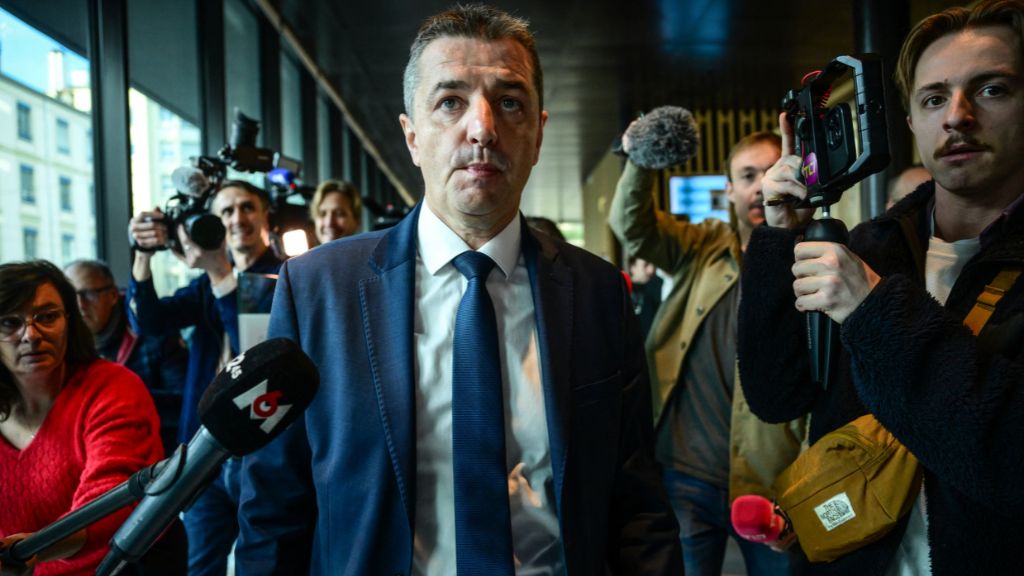
    A French court has delivered a landmark verdict in a high-profile political corruption case, sentencing Saint-Etienne Mayor Gael Perdriau to four years imprisonment for blackmailing a political opponent using a covertly recorded sex tape. The Lyon court found the 53-year-old mayor guilty on multiple charges including blackmail, criminal conspiracy, and misappropriation of public funds.

    The case centered on Perdriau’s attempt to control former deputy mayor Gilles Artigues, a conservative Catholic politician who had expressed opposition to same-sex marriage. Prosecutors demonstrated that Perdriau orchestrated the filming of Artigues with a male sex worker in a hotel room in early 2015, maintaining the compromising material as political leverage.

    Presiding Judge Brigitte Vernay declared Perdriau “entirely guilty” following a trial that exposed severe ethical breaches in local governance. The court additionally imposed a five-year ban from public office effective immediately, along with a suspended sentence.

    Three co-defendants, including the mayor’s former chief of staff and another deputy, received prison sentences for their roles in orchestrating the scheme. During proceedings, prosecutor Audrey Quey characterized Perdriau as the “decision-maker” who maintained “his finger on the nuclear button” regarding the tape’s potential release.

    Artigues testified to experiencing severe psychological distress, describing himself as a “puppet” in city hall meetings and revealing he had contemplated suicide. The former deputy welcomed the verdict, stating he could now “rebuild my life” after years of psychological torment.

    Perdriau maintained his innocence throughout the trial and immediately announced plans to appeal the decision. The case has raised significant questions about ethical standards in French municipal politics and the lengths to which officials might go to maintain political control.

  • Asia floods death toll tops 1,100 as troops aid survivors

    Asia floods death toll tops 1,100 as troops aid survivors

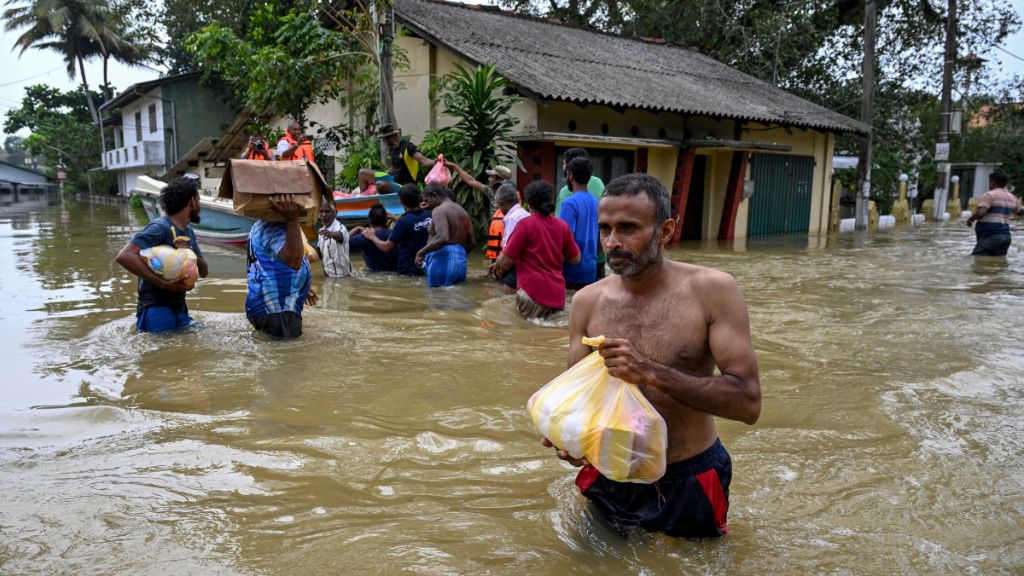
    Southeast Asia confronts a mounting humanitarian crisis as monsoon-triggered flooding and landslides have claimed over 1,100 lives across multiple nations, with Indonesia and Sri Lanka bearing the heaviest casualties. The catastrophic weather systems unleashed torrential rainfall across Sri Lanka, Indonesia’s Sumatra island, southern Thailand, and northern Malaysia throughout last week, overwhelming infrastructure and emergency response capabilities.

    In Indonesia, the death toll reached 593 with approximately 470 individuals still missing, marking the nation’s deadliest natural disaster since the 2018 Sulawesi earthquake and tsunami. President Prabowo Subianto visited North Sumatra on Monday, stating that ‘the worst has passed, hopefully’ while emphasizing the government’s priority to deliver aid to isolated communities. Despite mounting pressure to declare a national emergency, the administration has not publicly requested international assistance. The Indonesian military has deployed three warships carrying humanitarian supplies and two hospital ships to inaccessible regions.

    Sri Lanka faces equally devastating circumstances with 355 confirmed fatalities and 366 people missing following Cyclone Ditwah. President Anura Kumara Dissanaka declared a state of emergency, characterizing the flooding as ‘the largest and most challenging natural disaster in our history.’ The government has actively sought international aid and deployed military helicopters for rescue operations, though one crash north of Colombo resulted in a pilot’s death on Sunday.

    Survivors across affected regions describe harrowing escapes and complete devastation. Misbahul Munir, a 28-year-old from North Aceh, recounted wading through neck-deep water to reach his parents’ home, finding everything destroyed by floodwaters. ‘I have only the clothes I am wearing,’ he told reporters through tears, expressing gratitude for his family’s survival amid widespread casualties.

    Meteorological experts note that while the region is experiencing its annual monsoon season, climate change has intensified rainfall patterns and turbocharged storm systems. The flooding in southern Thailand has killed 176 people, representing one of the country’s deadliest flood incidents in a decade, leading to public criticism of relief efforts and the suspension of two local officials. Malaysia reported two fatalities from flooding in Perlis state.

    As waters begin receding in some areas, authorities brace for extensive relief operations and damage assessment. The catastrophe underscores growing vulnerabilities to extreme weather events across Southeast Asia, with recovery efforts expected to continue for weeks.

  • Caribbean observes World AIDS Day

    Caribbean observes World AIDS Day

    GEORGETOWN, Guyana — The Caribbean region faces a critical juncture in its decades-long battle against HIV/AIDS, with significant funding reductions threatening to undermine remarkable progress achieved thus far. Dr. Wendy Telgt Emanuelson, Director of the Pan Caribbean Partnership Against HIV/AIDS (PANCAP) Coordinating Unit, has issued a powerful declaration of resilience despite these financial headwinds.

    In her World AIDS Day address, Dr. Emanuelson acknowledged that the path toward eliminating AIDS by 2030 ‘was never meant to be easy,’ but emphasized that recent financial challenges represent ‘one of the most significant tests the region has faced in decades.’ She stressed that these cuts extend beyond mere spreadsheet numbers, potentially jeopardizing essential medicines, prevention programs protecting youth, and the collective hope that has been building across Caribbean territories.

    The region has adopted the theme ‘Overcoming disruption, transforming the AIDS response’—a call that resonates deeply across Caribbean nations. Dr. Emanuelson framed this not as a mere slogan but as a testament to the resilience that has historically defined Caribbean people. While acknowledging the ‘strong crosswinds of global funding cuts,’ she asserted that regional resolve ‘has not been shaken; it has been steeled.’

    Highlighting the region’s proven capacity to overcome adversity, the PANCAP director noted that Caribbean communities have consistently demonstrated the ability to ‘build stronger, stand firmer and innovate smarter when faced with storms.’ The vision of an AIDS-free Caribbean—where no mother transmits HIV to her child, no life is shortened by AIDS, and stigma becomes a relic of the past—remains an unwavering commitment.

    Dr. Emanuelson reaffirmed the region’s dedication to achieving the 95-95-95 targets (95% of people living with HIV knowing their status, 95% of diagnosed individuals receiving treatment, and 95% of those on treatment achieving viral suppression), citing the transformative power of treatment and community mobilization. She noted that several Caribbean nations have already eliminated mother-to-child transmission of HIV—a significant milestone in the public health landscape.

    This hard-won progress, achieved through the dedication of governments, healthcare professionals, civil society, and individuals living with HIV, constitutes a foundation that will not be allowed to crumble. Instead, the region is transforming its approach by forging more efficient, integrated, and sustainable responses. This includes empowering community leadership, streamlining supply chains, and maximizing the impact of every available resource.

    Dr. Emanuelson extended gratitude to international partners, frontline healthcare workers, advocates, and community leaders, emphasizing that their solidarity, dedication, and voices remain crucial. She delivered a direct message to those living with and affected by HIV across the Caribbean: ‘We see you, we stand with you and we reaffirm our promise: you are not alone.’

    The PANCAP director concluded with a firm commitment that the region will not surrender its hard-fought gains, vowing to navigate challenges with determination, innovate purposefully, and unite behind a common vision. While acknowledging that the journey has become steeper, she affirmed that the destination remains unchanged: realizing an AIDS-free Caribbean for generations to come.

  • Ejecting huddled masses

    Ejecting huddled masses

    In a decisive response to the fatal attack on National Guard personnel in Washington DC, President Donald Trump has declared an immediate and permanent suspension of immigration from all Third World nations. This drastic measure aims to enable what the administration describes as a necessary recovery period for the United States’ immigration system.

    The incident that precipitated this policy shift involved the death of service member Sarah Beckstrom, who was part of a 2,000-strong National Guard deployment addressing security concerns in the capital. The alleged perpetrator, identified as Rahmanullah Lakanwal, previously collaborated with the CIA in Afghanistan as a GPS tracking specialist before entering the United States through the Operation Allies Welcome resettlement program. This program facilitated the relocation of approximately 190,000 Afghans following the 2021 military withdrawal.

    This announcement represents the most recent implementation of President Trump’s increasingly stringent immigration framework. The administration has concurrently suspended all pending immigration requests from Afghan citizens and initiated a comprehensive reevaluation of every Green Card issued to migrants from countries deemed concerning. USCIS Director Joseph Edlow will oversee this rigorous review process.

    Earlier in June, the White House established precedent for these measures by issuing formal restrictions on entry from 19 nations—including Haiti, Cuba, and Venezuela—citing protection from terrorist activities and public safety threats as justification. Current statistics indicate over two million immigrants await asylum decisions or court hearings.

    The administration’s approach marks a fundamental departure from traditional American immigration philosophy, explicitly rejecting the celebrated invitation embodied in the Statue of Liberty’s call to ‘give me your tired, your poor, your huddled masses yearning to breathe free.’ Instead, the policy direction favors what critics characterize as isolationism and exclusion rather than diversity and acceptance.

    This strategic pivot occurs despite substantial evidence of immigrants’ economic contributions. Research indicates that half of Fortune 500 companies were established by immigrants or their descendants, while migrant students founded approximately one-quarter of U.S. billion-dollar startups. Economic studies consistently demonstrate that immigrant workforce participation revitalizes and strengthens national economies.

    Recent regulatory changes, including raising the H-1B visa application fee to $100,000, have already significantly constrained American businesses’ capacity to recruit international talent. These developments suggest that promising graduates from abroad will increasingly seek opportunities outside the United States.

    The Trump administration’s immigration vision appears to prioritize homogeneity over diversity, implementing policies that critics argue may fundamentally weaken America’s competitive advantages and global standing for generations to come.

  • Chef Rondell Thompson tops Maggi Food Court Caribbean season 5

    Chef Rondell Thompson tops Maggi Food Court Caribbean season 5

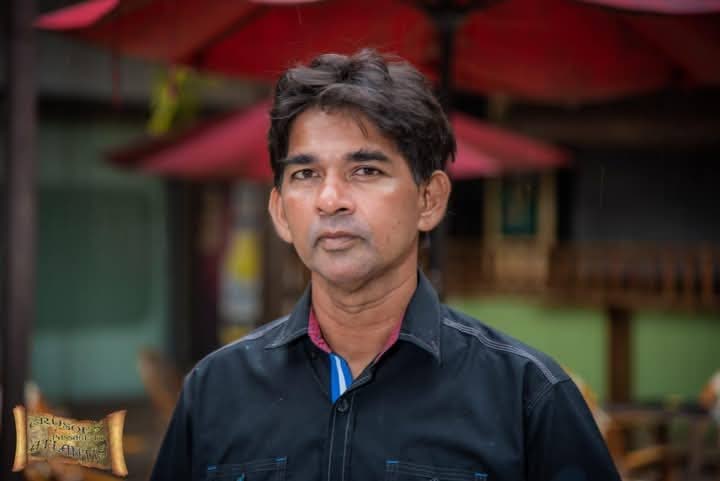
    At just 28 years old, Rondell Thompson has emerged as one of the Caribbean’s most promising culinary talents, recently claiming the prestigious title of Maggi Food Court Caribbean Season Five Champion. As head chef of the Chaud Restaurant Group, Thompson now oversees three kitchens and manages a team of nearly 30 culinary professionals, representing a remarkable ascent from his humble beginnings in Cocorite’s Freedom Street.

    Thompson’s culinary philosophy, which he describes as ‘Caribbean vogue on a plate – flair, technique, modern, executive, flavourful,’ reflects both his creative vision and technical mastery. His journey began in childhood kitchens where family gatherings sparked his initial fascination with cooking. ‘From age six, I was always the first to help my mom and aunties in the kitchen,’ Thompson recalled. ‘Those moments formed the passion and drive that shaped me into the chef I am today.’

    His professional pathway included foundational years at Hyatt Regency Trinidad’s banquet department, where he gained invaluable front-of-house experience while studying culinary arts. This dual perspective provided unique insights into both kitchen operations and customer service dynamics. Thompson attributes much of his development to mentorship from esteemed chefs including Devon Joseph, Simmone Edwin, Jenny Francis, and Jeremy Lovell.

    The newly crowned champion’s credentials extend beyond his recent victory. He previously earned National Junior Chef of Trinidad and Tobago (2017) and National Chef of the Year (2018) honors, alongside multiple medals at Miami’s Taste of The Caribbean competition. His academic foundation includes a bachelor’s degree in culinary management from TT Hospitality and Tourism Institute.

    Thompson’s Maggi Food Court victory followed a second-place finish in season four, demonstrating his persistent dedication to culinary excellence. The competition brought together top chefs from across the Caribbean, including eight Jamaican contenders, three from Trinidad and Tobago, and representatives from St Lucia, Barbados, Guyana, and Suriname. Thompson’s winning performance featured five distinct cuisine interpretations, including a standout British-inspired fifth course of warm bread pudding with Milo-rum caramel and vanilla chantilly.

    Looking forward, Thompson envisions expanding his brand through international experiences, potential masterclasses, and eventually establishing his own catering company specializing in exclusive dining events. He remains committed to promoting Caribbean fine dining while emphasizing the importance of fundamentals, continuous learning, and resilience for aspiring culinary professionals. ‘This career isn’t for the weak,’ Thompson noted, underscoring the discipline and determination required for culinary success.

  • Christmas with the Ramsinghs at Naparima College

    Christmas with the Ramsinghs at Naparima College

    Theater enthusiasts are in for a nostalgic journey to 1960s Trinidad as Total Chaos Productions presents “Christmas with the Ramsinghs” at Naparima College Auditorium on December 6th. This theatrical experience promises to transport audiences to a bygone era of traditional Caribbean Christmas celebrations.

    Written, directed, and produced by Paul Bansilal, the production serves as an enhanced version of the popular “A Window to the Past” series, specifically tailored for Ramsinghs franchise enthusiasts. Set in 1961 within the authentic backdrop of Sea Village in southern Trinidad, the play meticulously recreates the challenges and charms of Christmas preparations during that period.

    The narrative captures the resourcefulness of the Ramsingh family as they navigate the limitations of their time, including the labor-intensive process of washing salt butter for baking and using sugarcane tops to beat common fowl eggs—a testament to traditional culinary methods before modern conveniences.

    A talented ensemble of twelve actors brings the production to life, featuring Simone Ramrattan in the lead role of Joyce, while Bansilal himself portrays the miserly character of Ramsingh. The cast includes Cindy Seepaul as Sita and Nazim Mohammed as Boysie, supported by accomplished performers Hubert Ramlal, Willard Gopaul, Pschie Haynes, Ian Wason, Anamarina Mohan, Lee Mohammed, Sabrina Ali, and Merlyn Jinkoo.

    Tickets for the 7 PM performance are available at multiple locations including Valani’s Drugs in San Fernando, Pharmacy Décor and Beyond in Palmiste, RIK Bookstore branches at Gulf City and Price Plaza, Mohammed’s Bookstore in Teddys Mall and Princes Town, Ramsingh’s Sports World in Couva, and Charran’s Bookstore in Chaguanas.

  • Da Silva blames toss, pitch, rain for Super50 loss

    Da Silva blames toss, pitch, rain for Super50 loss

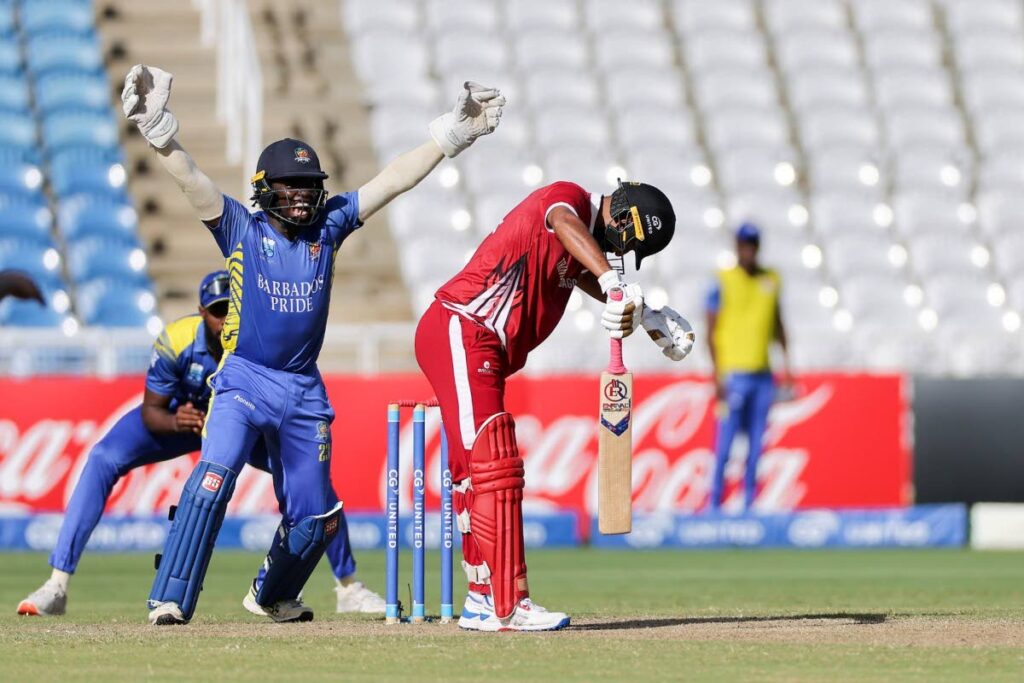
    In a stunning display of cricketing prowess, Barbados Pride emphatically ended their seven-year championship drought by crushing Trinidad and Tobago Red Force with a commanding nine-wicket victory in the CG United Super50 Cup final. The November 29 showdown at Brian Lara Cricket Academy in Tarouba witnessed the visitors dismantle the home team’s ambitions with remarkable efficiency, chasing down Red Force’s modest total of 168 runs with 20.3 overs remaining.

    Barbadian skipper Kyle Mayers orchestrated the triumphant campaign with an unbeaten 89-run masterclass, demonstrating the aggressive yet intelligent leadership philosophy he implemented throughout the tournament. ‘My approach centers on empowering players through positivity and fearless cricket,’ Mayers revealed following the championship victory. ‘We aimed to be strategically aggressive while maintaining smart decision-making in crucial moments.’

    The Pride’s bowling unit established the foundation for their success, with Joshua Bishop’s exceptional performance earning him the Curtly Ambrose Award for his eight wickets at an impressive average of 13.37. The team’s depth proved particularly advantageous this season, as Mayers noted: ‘Barbados possesses widespread cricketing talent. Our achievement stems from assembling these quality players and positioning them for optimal performance.’

    For the Red Force, the final represented a disappointing conclusion to a challenging tournament plagued by weather disruptions and inconsistent performances. Captain Joshua Da Silva acknowledged his team’s shortcomings, particularly regarding their familiarity with home conditions. ‘The pitches weren’t up to standard, especially during daytime matches where excessive spin created difficulties,’ Da Silva conceded. ‘I accept responsibility for our batting performance—we simply didn’t execute adequately.’

    Despite the defeat, Da Silva highlighted several positive developments, including the emergence of young talents Cephas Cooper, Abdul-Raheem Toppin, and Shatrughan Rambaran. The tournament also marked the final Regional Super50 appearance for veteran Jason Mohammed, who concludes his career with a record 3,827 runs, leaving both a significant void and opportunities for new players to shape the team’s future.

    The victory secured Barbados’ eighth overall title in the regional 50-over competition while extending Trinidad and Tobago’s wait for a record fifteenth championship to the 2026 season.

  • Courts under scrutiny as activist presses Chief Justice for answers on delayed judgments

    Courts under scrutiny as activist presses Chief Justice for answers on delayed judgments

    In a significant move toward judicial transparency, Freedom Law Chambers has formally requested Chief Justice Ronnie Boodoosingh to disclose comprehensive records detailing extensively delayed court judgments. The request, filed under freedom of information provisions on November 25, comes amid growing public concern over prolonged judicial delays affecting citizens’ access to justice.

    Representing civic activist and former Oilfields Workers’ Trade Union official Anthony Dopson, the legal firm highlights how chronic delays in judgment delivery undermine constitutional rights and public confidence in the judicial system. The submission references numerous complaints from citizens and workers experiencing multi-year waits for judgments, repeatedly postponed hearings, and unresolved appeals.

    Attorney Aasha Ramlal, who signed the formal request, articulated that these delays directly contravene the Judiciary’s constitutional mandate to uphold the rule of law and ensure timely justice. The firm has given the Chief Justice until December 25 to respond, warning that any non-committal reply would violate statutory requirements for timely disclosure under Section 15 of the FOIA.

    The extensive request seeks detailed documentation including: all cases where High Court judges, masters, registrars, and Court of Appeal judges have reserved judgments for over six months; outstanding decisions on applications or costs beyond three months; unassessed cost statements pending for more than one year; appeals awaiting written reasons exceeding six months; and statistical data on judicial decisions reversed by the Court of Appeal over the past five years.

    This initiative follows a similar 2022 request that revealed significant discrepancies in the Judiciary’s record-keeping, with at least 27 matters omitted from official lists of delayed judgments. Ramlal emphasized that accurate data is essential for evaluating judicial performance, resource allocation, and administrative efficiency within the court system.

    The letter further argues that transparency serves as a crucial performance measurement tool for the Judicial and Legal Services Commission in evaluating judges for promotions. It notes that many countries routinely publish such information for public inspection, establishing accountability benchmarks for judicial officers.

    The context of this request includes recent developments in judicial reform. Finance Minister Davendranath Tancoo announced in October proposed reforms to enhance judicial efficiency, including creating a Judiciary Chancellor position to oversee case management—a recommendation previously advocated by Prime Minister Kamla Persad-Bissessar.

    The urgency of addressing judicial delays is underscored by specific cases, including that of Daniel Agard, a convicted murderer who has appealed to the Chief Justice regarding delayed rulings in his judicial review lawsuit. Similarly, relatives of successfully appealed murder convictions await clarity on retrial timelines, highlighting the human impact of systemic delays.

    Ramlal concluded that Dopson intends to publish any information received, enabling public scrutiny and ensuring comprehensive accountability across the judicial system.

  • World Aids Day: Reducing Aids-related deaths in the Caribbean

    World Aids Day: Reducing Aids-related deaths in the Caribbean

    The Caribbean region has emerged as a global leader in HIV/AIDS response, achieving the most significant reduction in AIDS-related mortality worldwide according to the latest UNAIDS data. Between 2010 and 2024, the region recorded a remarkable 62% decline in deaths, surpassing the global average of 54% and outperforming all other regions monitored by the international health organization.

    This extraordinary progress, detailed in the July 2024 Global AIDS Update Report titled ‘AIDS, Crisis and the Power to Transform,’ is largely attributed to the expanded availability of antiretroviral treatment (ART) throughout the Caribbean. The region’s success stands in stark contrast to Eastern Europe and Central Asia, which reported a concerning 48% increase in AIDS-related deaths during the same period.

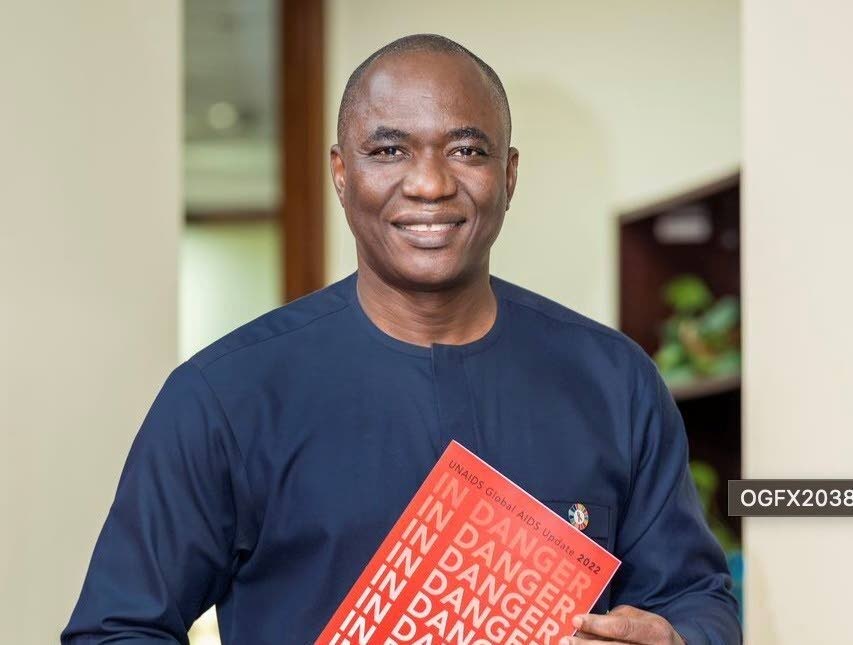
    Dr. Richard Amenyah, Director of UNAIDS Multi-Country Office in the Caribbean, praised the achievement as particularly noteworthy given the region’s numerous challenges. “The Caribbean’s stellar performance shows the resilience of a region constrained by social, economic challenges, high debt, declining external funding, and natural disasters,” Amenyah stated, emphasizing how “critical political leadership is to safeguard people’s health without distinction.”

    The statistical transformation has been dramatic: in 2010, only 53,000 people living with HIV received treatment in the Caribbean, with 13,000 adults and children succumbing to AIDS-related conditions that year. By 2024, treatment coverage expanded to 250,000 people—including 50,000 added between 2020-2024 alone. Current metrics show 85% of HIV-positive individuals know their status, 74% receive treatment, and 66% achieve viral suppression, a substantial increase from 33% in 2017.

    Despite celebrating these advancements, UNAIDS officials expressed concern about the pace of reducing new HIV infections. While global new infections have decreased by 40% since 2010, the Caribbean has managed only a 21% reduction. The 2024 data revealed 15,000 new infections, with Haiti, Dominican Republic, Cuba, and Jamaica accounting for 90% of cases. Young people aged 15-24 represent 25% of new infections, highlighting a critical demographic requiring targeted intervention.

    The report calls for enhanced integration of HIV services into broader health systems, strengthened community partnerships, and addressing social determinants like stigma and discrimination. Caribbean governments are urged to increase domestic funding—which rose from 30% in 2023 to 38% in 2024—and ensure programmatic sustainability to achieve the 2030 goal of ending AIDS as a public health threat.

  • THA minority leader demands removal of Tobago radar

    THA minority leader demands removal of Tobago radar

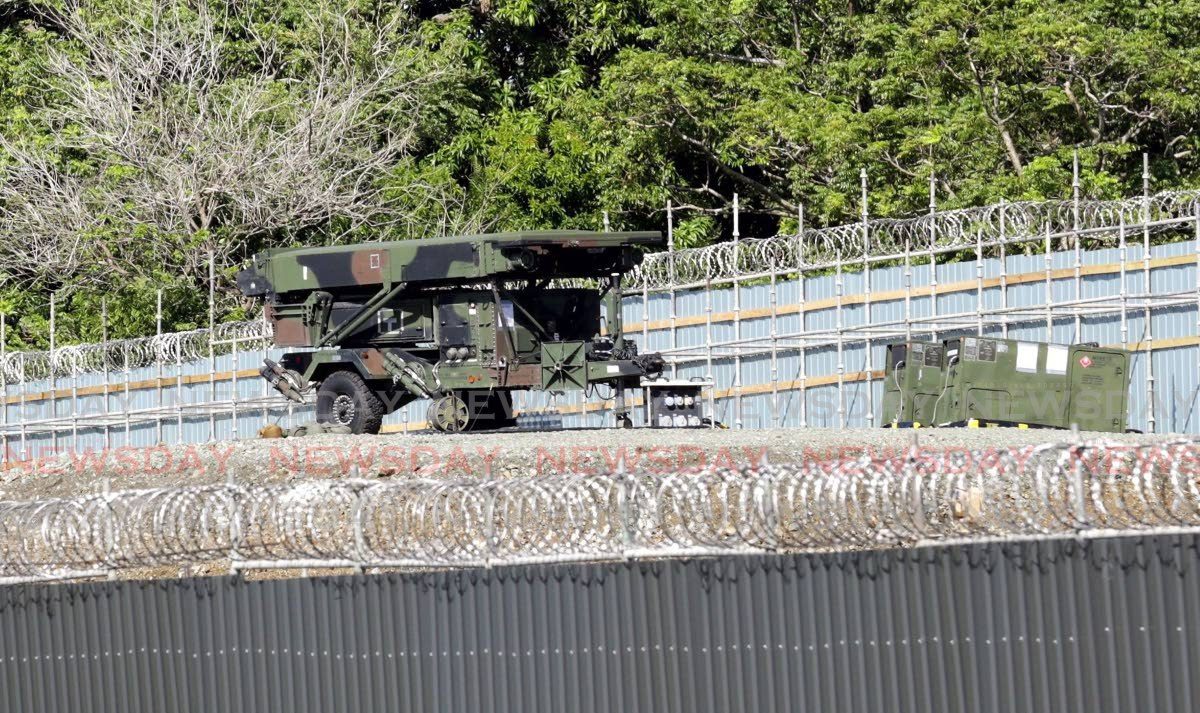
    A significant political confrontation has emerged in Tobago regarding the undisclosed installation of a US military radar system at ANR Robinson International Airport. The controversy ignited when a US military transport plane was spotted at the facility, prompting questions about its purpose. Prime Minister Kamla Persad-Bissessar initially stated the presence was related to US Marines assisting with roadworks, but later acknowledged the radar’s existence as a “national security matter” she had attempted to keep confidential.

    Tobago House of Assembly Chief Secretary Farley Augustine expressed surprise at the installation, leading to emergency meetings with Attorney General John Jeremie, Defence Minister Wayne Sturge, and Chief of Defence Staff Commodore Don Polo. Augustine subsequently announced receiving assurances that the radar would not be used for offensive operations against Venezuela or other nations.

    Defence Minister Sturge maintains the system serves exclusively for domestic security, specifically combating increased illegal flights and drones trafficking weapons and narcotics into Trinidad and Tobago. However, PNM Tobago Council Political Leader Ancil Dennis has launched vehement opposition, demanding immediate removal of the equipment and accusing the government of deception.

    Adding complexity to the situation, an unnamed military source described the system to Newsday as a “battlefield operational radar” typically deployed near conflict zones. This characterization has fueled speculation about potential US preparations for regional military engagement, particularly regarding Venezuela. Sturge dismissed these claims as unfounded, noting the nearby USS Gerald Ford aircraft carrier possesses superior tracking capabilities.

    Tourism industry representatives have expressed alarm, with Tobago Hotel and Tourism Association president Reginald MacLean reporting cancellations and warning the military presence makes the island a potential target. The situation continues developing with the PNM expected to address the matter formally in upcoming media briefings.