作者: admin

  • Tourism Top Producers from around the globe gather in Antigua and Barbuda for Black Pineapple Awards

    Tourism Top Producers from around the globe gather in Antigua and Barbuda for Black Pineapple Awards

    The Caribbean nation of Antigua and Barbuda is set to celebrate its most productive travel industry partners during the prestigious 2025 Black Pineapple Awards ceremony. Organized collaboratively by the Ministry of Tourism and the Antigua and Barbuda Tourism Authority (ABTA), this gala event acknowledges the exceptional contributions of travel professionals from key source markets who have significantly driven tourism growth to the twin-island destination.

    Approximately seventy elite travel advisors from the United States, United Kingdom, Europe, Canada, the Caribbean, and Latin America will converge at Sandals Grande Antigua Resort and Spa on December 5, 2025, for the honors ceremony. These distinguished agents have demonstrated remarkable success in promoting Antigua and Barbuda as a premier travel destination.

    The Honourable Charles Fernandez, Minister of Tourism, emphasized the importance of these partnerships, stating: ‘The Black Pineapple Awards represent our profound gratitude for the excellence and experiences delivered by our travel advisors. Each recommendation they make directly contributes to our destination’s prosperity, and such dedication deserves proper recognition.’

    Colin C. James, CEO of ABTA, highlighted the successful collaboration: ‘Our travel agent partners have developed a genuine affinity for Antigua and Barbuda, which has translated into outstanding sales performance across all markets. Their investment in promoting our destination matches our own commitment, and we take pride in celebrating their achievements.’

    Accompanying the honorees will be the Directors of Tourism for each region—Dean Fenton (USA), Cherrie Osborne (UK and Europe), Charmaine Spencer (Caribbean and Latin America), and Tameka Wharton (Canada)—alongside Business Development Managers from respective markets.

    The awards ceremony will feature several distinguished categories, including the Director’s Award for exceptional room night sales, the CEO’s Award for market-specific booking performance, the Minister’s Award for consistent destination promotion, and the Prime Minister’s Global Award—the highest honor presented to the top-performing advisor across all markets for extraordinary annual revenue generation. The global award winner will receive a unique artisan-crafted wooden sculpture depicting the twin islands featuring the iconic Antigua Black pineapple.

    Beyond the awards gala, recipients will experience an exclusive curated itinerary showcasing Antigua and Barbuda’s premier attractions. The program includes accommodations at luxury resorts such as Blue Waters Resort, Galley Bay Resort and Spa, and Royalton Chic, complemented by activities ranging from welcome receptions at Tamarind Hills to comprehensive land and sea tours. Cultural highlights include visits to the UNESCO World Heritage Site at Shirley Heights, the Frigate Bird Sanctuary, and the picturesque Princess Diana Beach in Barbuda.

  • PM Mitchell recommends enactment of laws to fight downside of social media

    PM Mitchell recommends enactment of laws to fight downside of social media

    Prime Minister Dickon Mitchell of Grenada has issued a compelling call for legislative action across Caribbean nations to address the pervasive negative impacts of social media platforms. Speaking as a guest on the Government Information Service’s Spice Morning show on December 3, 2025, Mitchell characterized social media environments as breeding grounds for bullying, abuse, and systematic character defamation.

    The Prime Minister emphasized that even technologically advanced nations are recognizing the dangers of unregulated digital spaces, which he warned could fundamentally undermine social cohesion. ‘We here in the Caribbean have to be concerned about having unfiltered access for all kinds of negativity that floats around in social media and what it does to our mental health and mental wellness,’ Mitchell stated during the broadcast.

    Mitchell highlighted the current regulatory vacuum in the region, noting the absence of comprehensive policies to address misinformation, disinformation, and false information circulating online. He articulated the need for protective measures for vulnerable individuals who may lack the emotional resilience to withstand online harassment.

    Beyond immediate harms, the Prime Minister identified a broader cultural concern, describing much of social media content as ‘mindless, numbless, pointless decadence’ that distracts from constructive societal development. He contrasted the current environment of trolling and abuse with the potential for platforms to highlight positive community-building efforts.

    Mitchell called for a collaborative approach involving multiple sectors of society, urging churches, civil society organizations, and trade unions to join the conversation about digital responsibility. He warned that today’s targets might be politicians, but tomorrow’s victims could include religious leaders, civil society representatives, or union officials, making this a universal societal concern requiring comprehensive regulatory solutions.

  • President Simons en koning Willem-Alexander benadrukken gelijkwaardige toekomstrelatie

    President Simons en koning Willem-Alexander benadrukken gelijkwaardige toekomstrelatie

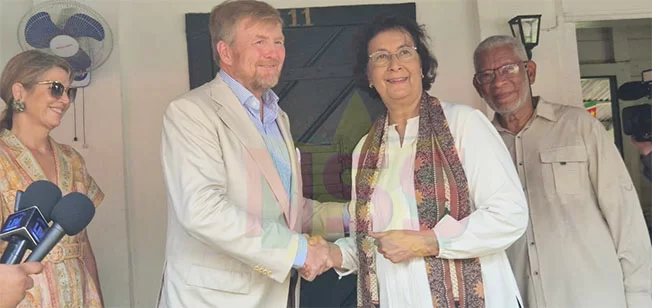
    In a significant diplomatic engagement held in Fredriksdorp, Commewijne, Dutch King Willem-Alexander and Surinamese President Jennifer Simons outlined a transformative vision for bilateral relations between their nations. The high-level discussion, which occurred during the King’s state visit, addressed critical issues including visa liberalization, educational cooperation, and historical reconciliation.

    The pressing matter of visa acquisition difficulties for Surinamese citizens seeking to visit Netherlands received prominent attention. King Willem-Alexander acknowledged the persistent challenges, revealing that Suriname could formally request visa liberalization from the European Commission—a process where Netherlands has committed to providing support in Brussels. Meanwhile, the monarch emphasized the need for more humane processing of visa applications, recognizing the suboptimal conditions and extended waiting periods currently experienced by applicants.

    Educational and cultural exchange emerged as another cornerstone of the renewed partnership. The King highlighted existing cooperation at university and higher vocational levels while announcing new exchange programs for vocational education. “I’ve truly witnessed the profound connection between our nations,” the monarch stated, indicating this perspective would inform future Dutch policy approaches.

    Regarding the complex historical legacy between the former colony and colonizer, President Simons characterized the reconciliation process as a mutual learning journey. While acknowledging that reparations discussions could occur within established CARICOM frameworks, she firmly asserted Suriname’s independent development path: “We will not wait for reparations to develop our country.”

    Both leaders struck a forward-looking tone in their closing remarks. King Willem-Alexander thanked Suriname for the warm reception and open dialogue, envisioning a future relationship built on friendship and shared history. President Simons described the visit as positively transformative, having “unpacked a package” of opportunities for collaboration on equal footing, signaling a definitive shift from post-colonial dynamics to genuine partnership.

  • CARICOM SG emphasizes the importance of connectivity in advancing regional development at the Connected Caribbean Summit 2025

    CARICOM SG emphasizes the importance of connectivity in advancing regional development at the Connected Caribbean Summit 2025

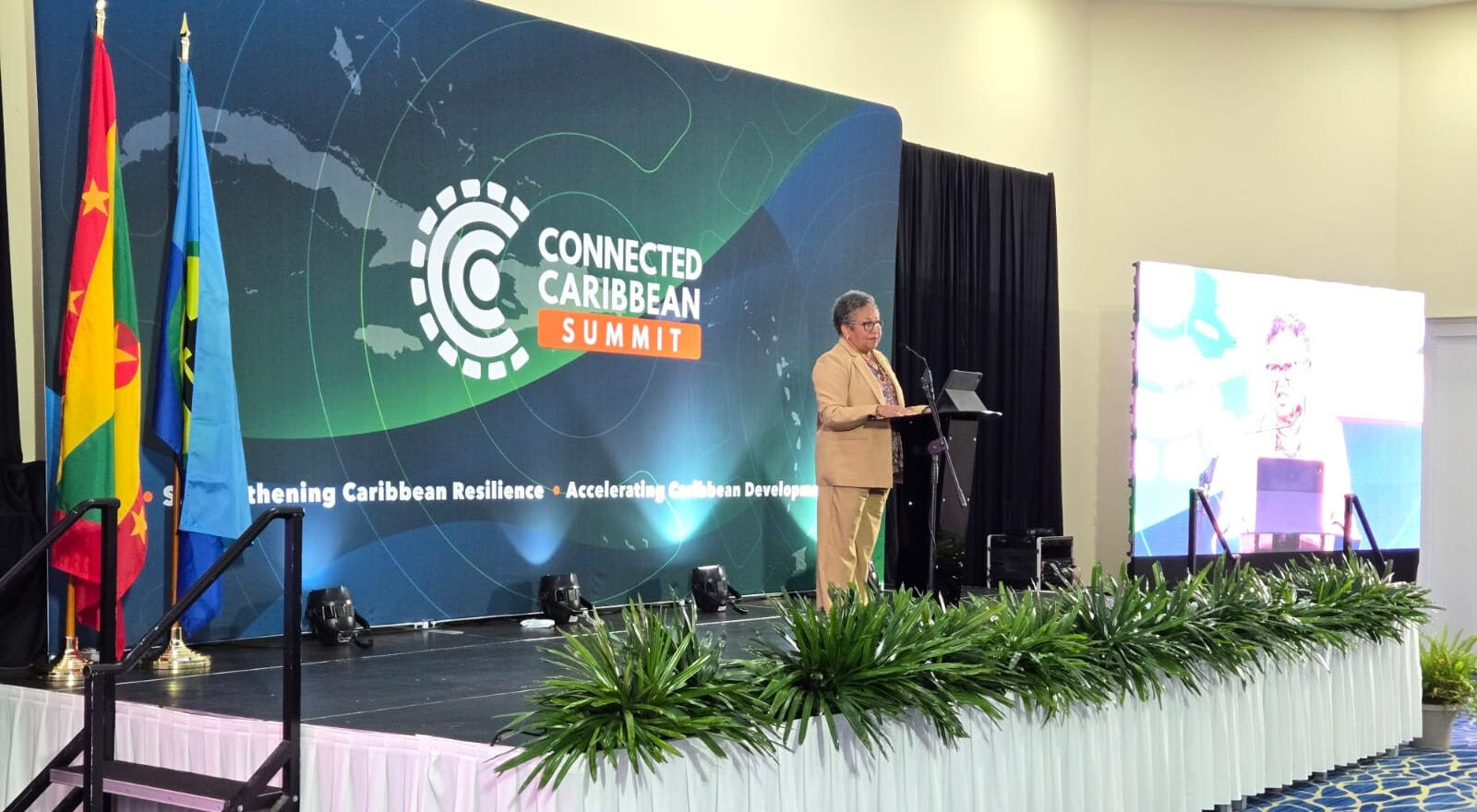
    CARICOM Secretary-General Dr. Carla Barnett has positioned regional connectivity as the fundamental catalyst for economic and social advancement across the Caribbean community. Addressing delegates at the Connected Caribbean Summit 2025 in St. George’s, Grenada, on December 2, Dr. Barnett articulated a comprehensive vision where digital networks, aviation links, and maritime transport serve as the backbone of regional integration.

    In her keynote presentation, the Secretary-General emphasized that robust connectivity infrastructure is indispensable for the full realization of the CARICOM Single Market and Economy (CSME). This ambitious framework, originally conceived in the 1989 Grand Anse Declaration and institutionalized through the Revised Treaty of Chaguaramas, requires seamless transportation and communication systems to facilitate cross-border trade, tourism expansion, and meaningful people-to-people exchanges.

    While acknowledging measurable progress in regional airline operations, port modernization, and digital transformation initiatives, Dr. Barnett confronted persistent challenges head-on. She identified restricted flight availability, prohibitive operational costs, regulatory fragmentation, and uneven port development as critical barriers impeding regional mobility and commercial exchange.

    The digital frontier received particular emphasis, with Dr. Barnett highlighting the region’s achievements in mobile penetration rates and digital literacy programs. She endorsed the strategic implementation of next-generation technologies—including LTE, 5G networks and artificial intelligence—while stressing the imperative of inclusive access for rural and marginalized communities through mechanisms like the Regional Digital Development Strategy.

    “Our regional potential will only be unlocked through sustained innovation, unity, and sustainability,” Dr. Barnett asserted. “Strategic partnerships between public institutions and private enterprises, coupled with targeted investments, will catalyze unprecedented opportunities in tourism, trade, and socioeconomic development.”

    Concluding her address, the Secretary-General challenged summit participants to generate actionable solutions through collaborative dialogue, emphasizing that harnessing connectivity’s transformative power would ultimately forge a more resilient, prosperous, and interconnected Caribbean Community.

  • U.S. Requests Venezuelan Migrant Repatriation Flights Amid Political Tensions

    U.S. Requests Venezuelan Migrant Repatriation Flights Amid Political Tensions

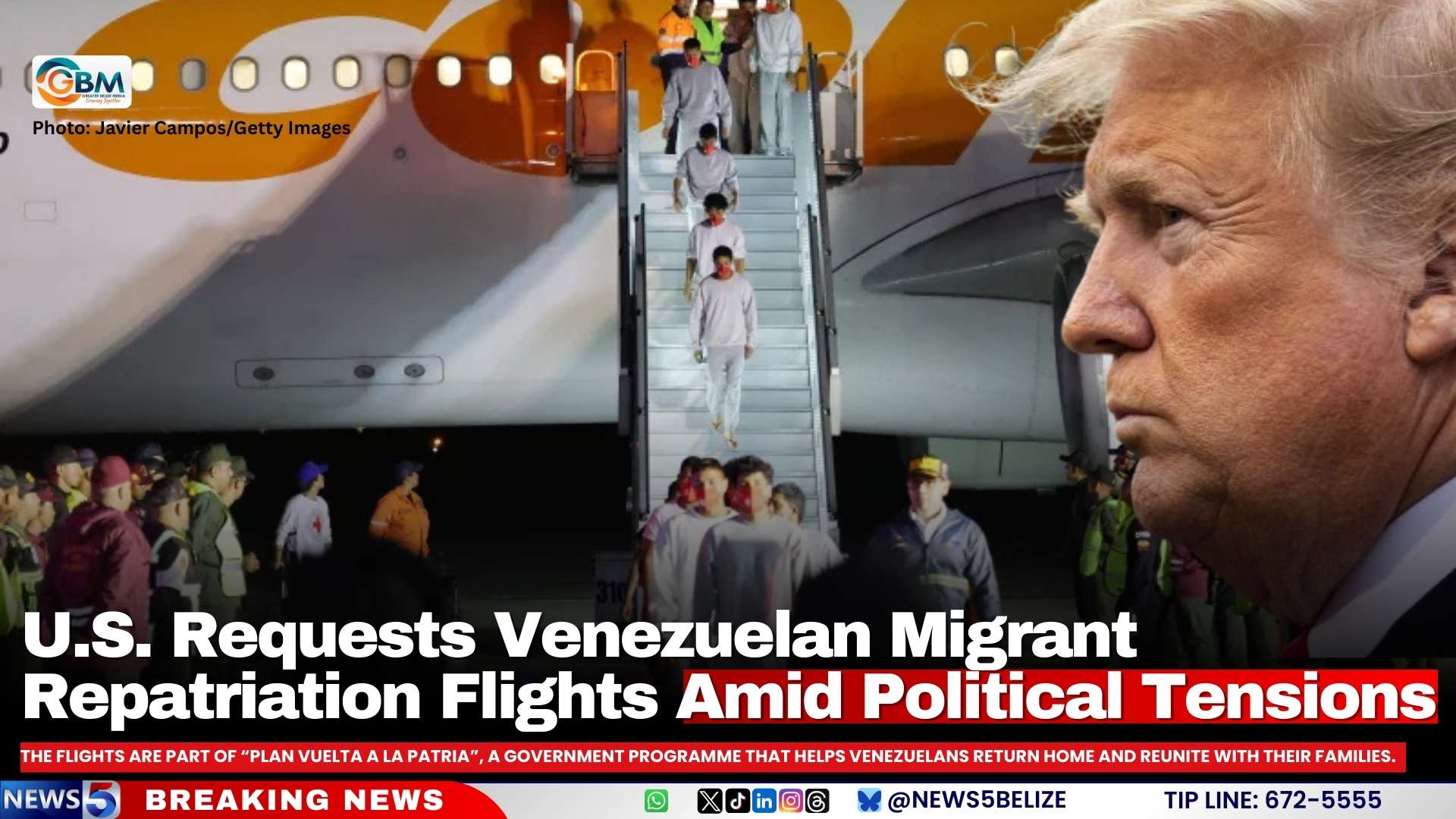
    Despite rapidly deteriorating diplomatic relations, the United States and Venezuelan governments have established an operational channel for migrant repatriation flights. Venezuela’s Transport Ministry officially confirmed receiving and approving a U.S. request to authorize Eastern Airlines to continue operating repatriation flights between Phoenix, Arizona, and Maiquetía International Airport.

    These regularly scheduled Wednesday and Friday flights operate under Venezuela’s ‘Plan Vuelta a la Patria’ (Return to the Homeland Program), which facilitates the voluntary return and family reunification of Venezuelan citizens abroad. The program represents a rare point of cooperation between the two nations currently experiencing significant geopolitical friction.

    The coordination occurs against a backdrop of intensified hostilities. Recent weeks have seen U.S. President Donald Trump escalate military operations in Caribbean and Pacific waters, with reports indicating at least 21 vessels struck since September. Simultaneously, Trump has designated Venezuelan President Nicolás Maduro a ‘narco-terrorist’ and announced the closure of Venezuelan airspace to U.S. flights—measures Caracas has condemned as ‘colonialist threats’ and violations of international law.

    This creates a complex diplomatic paradox: operational cooperation on humanitarian migration matters persists even as both governments exchange increasingly confrontational rhetoric and military posturing.

  • OPINION: Resilience Must Anchor Budget 2026 as Antigua and Barbuda Confronts Defining Challenges

    OPINION: Resilience Must Anchor Budget 2026 as Antigua and Barbuda Confronts Defining Challenges

    As Antigua and Barbuda approaches its pivotal 2026 budget presentation on December 4th, the nation stands at a critical juncture in its development trajectory. Professor C. Justin Robinson, Principal of The UWI Five Islands Campus, articulates a compelling vision for national resilience that transcends conventional economic planning.

    This generation’s challenge mirrors the historical struggles against slavery and colonialism that defined previous eras. While the battles have evolved from physical liberation to structural fortification, the stakes remain equally consequential. The contemporary test involves constructing a nation capable of withstanding intensifying climate disruptions, volatile economic shifts, and external pressures on development programs.

    The budgetary framework presents an unprecedented opportunity to institutionalize resilience as the organizing principle of national policy. This requires moving beyond rhetorical commitments to implement concrete measures across economic, climatic, and institutional domains. More significantly, it demands reconceptualizing resilience as collective endeavor rather than individual preservation—a philosophy captured by the adage that rising tides must lift all boats to prevent universal inundation.

    Antigua and Barbuda’s fiscal foundation demonstrates remarkable transformation. Public debt has plummeted from 131% of GDP in 2004 to 67% today, representing one of the Caribbean’s most successful fiscal turnarounds. Economic performance has been equally impressive, with positive GDP growth in nine of ten pre-pandemic years and robust recovery post-COVID: 8.2% (2021), 9.5% (2022), 8.1% (2023), and 4.3% (2024). The nation now operates with a 3.5% primary surplus, exceeding pre-pandemic output levels.

    The Citizenship by Investment Programme (CIP) warrants strategic consideration, contributing over 70% of non-tax revenue without burdening residents. Recent external pressures—including potential U.S. visa restrictions and EU scrutiny—highlight the necessity of diversifying revenue streams through enhanced tax compliance and broadened domestic tax bases rather than abandoning successful programs.

    Tourism remains the economic bedrock at 60% of GDP, with the 2024 season achieving record arrivals and over $1 billion in planned investments. The challenge involves maximizing sectoral linkages by developing complementary industries: agriculture supplying hotels, creative sectors enhancing visitor experiences, and services expanding to meet evolving demands.

    Climate vulnerability presents existential threats, underscored by Hurricane Irma’s 2017 devastation of Barbuda and Hurricane Melissa’s recent Category-5 destruction in Jamaica. These events confirm scientific consensus about intensifying storm severity due to human-driven warming, necessitating infrastructure investments that transition from adaptation rhetoric to concrete reinforcement.

    The November 2026 Commonwealth Heads of Government Meeting, themed ‘Accelerating Partnerships and Investment for a Prosperous Commonwealth,’ provides providential timing for demonstrating resilience leadership. A comprehensive resilience budget would include: contingency planning for CIP volatility; climate-resilient infrastructure; human capital development exemplified by the $80 million UWI Five Islands Campus expansion; and deepened economic linkages ensuring macroeconomic gains translate into shared prosperity.

    Ultimately, national purpose must transcend individual ambition, measuring success by household security rather than elite fortunes. This ethos echoes ancestral wisdom where communities collectively raised children, rebuilt after storms, and supported vulnerable members. For small island states, this represents not sentimental idealism but survival strategy.

    Budget 2026 constitutes a moral document that can honor the legacy of ancestors who fought for freedom by ensuring future generations remain free from vulnerability. By building structural resilience and social solidarity, Antigua and Barbuda can demonstrate to the world—and itself—what truly transformative governance accomplishes.

  • Johan Sandie benoemd tot directeur van SLM

    Johan Sandie benoemd tot directeur van SLM

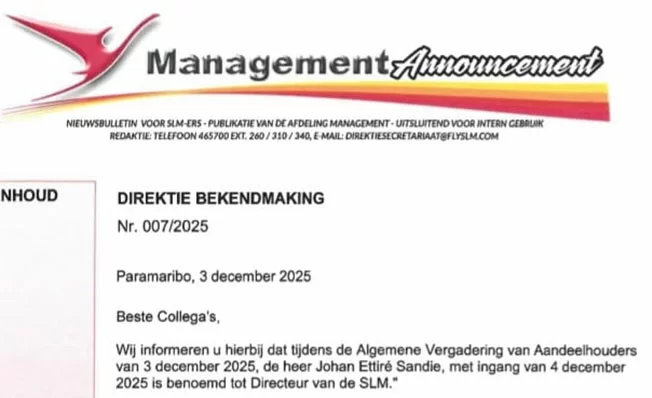
    PARAMARIBO – Surinam Airways (SLM) has announced a significant leadership transition with the official appointment of Johan Etiré Sandie as its new Managing Director. The decision was formally ratified during the General Shareholders’ Meeting on December 3rd, 2025, with Sandie’s tenure commencing effective December 4th, 2025.

    This appointment concludes the interim leadership of Steven Gonesh, who had been serving as acting director during the transition period. Gonesh will remain with the national carrier in a key operational capacity, assuming the role of Deputy Director of Operational Affairs & Accountable Manager, ensuring continuity in the airline’s critical functions.

    The Board of Commissioners expressed formal gratitude to Gonesh for his stewardship and contributions while leading the company on an interim basis. In an official communiqué, the board extended a warm welcome to Sandie, conveying their confidence in his leadership and wishing him both success and wisdom as he undertakes this pivotal executive role.

    The official announcement was formally endorsed by Marlon Telting, President-Commissioner of Surinam Airways. This leadership change comes at a crucial time for the aviation industry as carriers worldwide navigate post-pandemic recovery and operational challenges. Sandie’s appointment signals a new strategic direction for the state-owned airline as it seeks to strengthen its market position and operational efficiency.

  • ARPHA enhances regional monitoring networks for vector-borne illnesses with data analysis training session

    ARPHA enhances regional monitoring networks for vector-borne illnesses with data analysis training session

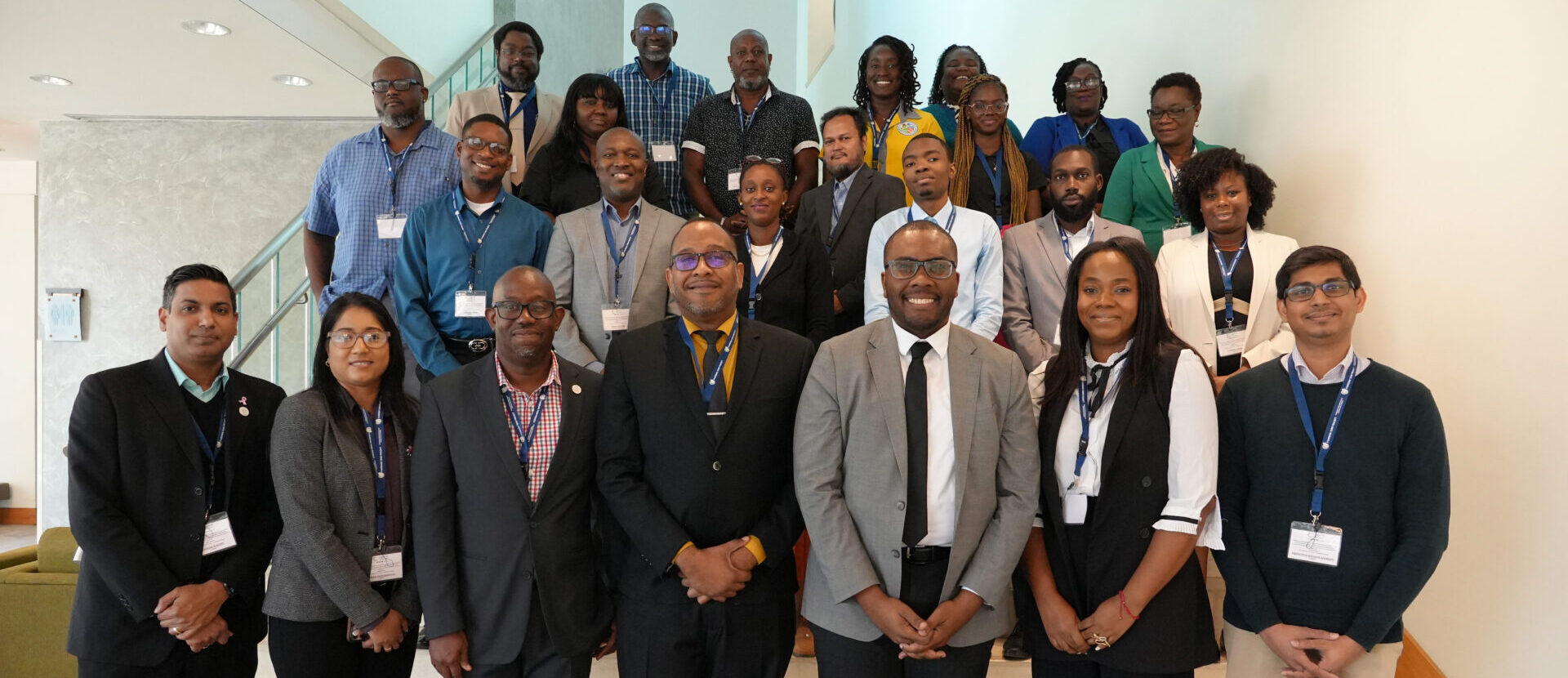
    Trinidad and Tobago recently hosted a pivotal regional workshop organized by the Caribbean Public Health Agency (CARPHA), marking a significant advancement in the region’s public health preparedness. The intensive two-day session, “Enhancing Vector-Borne Disease Monitoring via Data Accuracy, Nowcasting, and Risk Matrix Utilization,” brought together seventeen public health specialists from nine Caribbean nations including Dominica, Barbados, Jamaica, and Guyana.

    The gathering represented a multidisciplinary coalition of epidemiologists, surveillance officials, statisticians, and environmental health experts working to transform how the region addresses mosquito-borne threats. Dr. Lisa Indar, CARPHA’s Executive Director, framed the initiative’s critical importance: “The same tools that help us anticipate dengue, chikungunya, and malaria are precisely what will enable detection and containment of the next pandemic. This investment in superior data systems and Caribbean-tailored decision tools represents our strategic shift from reactive outbreak response to proactive prevention.”

    Building upon foundational work initiated in Barbados last August, the workshop introduced sophisticated nowcasting techniques—innovative epidemiological methods that compensate for reporting delays and data gaps in disease surveillance. This approach provides health authorities with more accurate, real-time understanding of transmission patterns, enabling earlier detection of emerging threats and more reliable risk assessments.

    Dr. Horace Cox, CARPHA’s Director of Surveillance, Disease Prevention and Control, emphasized the interconnected nature of public health threats: “While we cannot predict the next pandemic’s timing or origin, we recognize our environment grows increasingly dynamic and risks continue to escalate. Strengthening our data quality and real-time analysis capabilities directly enhances our regional resilience.”

    The training featured practical exercises integrating epidemiological, entomological, climate, and laboratory datasets. Participants developed skills to translate early warning signals into concrete operational responses, including enhanced surveillance protocols, verification investigations, and rapid vector control measures. A key focus involved aligning early warning outputs with national standard operating procedures to ensure consistent implementation as threat levels intensify.

    Dr. Brian Armour, CARPHA’s Technical Advisor for the Pandemic Fund Initiative, highlighted the regional strategy’s necessity: “Given our geography, population distribution, and tourism dependence, an outbreak in one member state can rapidly evolve into a regional crisis. Pandemic Fund support enables us to develop a comprehensive early warning system integrating indicator-based, laboratory, tourism, and event-based data streams.”

    The workshop also demonstrated how vector-borne disease tools interface with CARPHA’s evolving regional surveillance system, developed through the Pandemic Fund Project. Participants explored technical integration methods that preserve national data sovereignty while enhancing regional coordination. These improvements aim to substantially reduce critical time delays between threat detection, notification, and intervention during public health emergencies.

    This capacity-building initiative directly supports the Pandemic Fund Project’s overarching objectives: strengthening disease surveillance capabilities, developing workforce expertise in data analysis and risk evaluation, and fostering coordinated regional responses to epidemic-prone diseases with pandemic potential.

  • Pratville Primary shares fun day joy with hurricane-ravaged Thornton Primary

    Pratville Primary shares fun day joy with hurricane-ravaged Thornton Primary

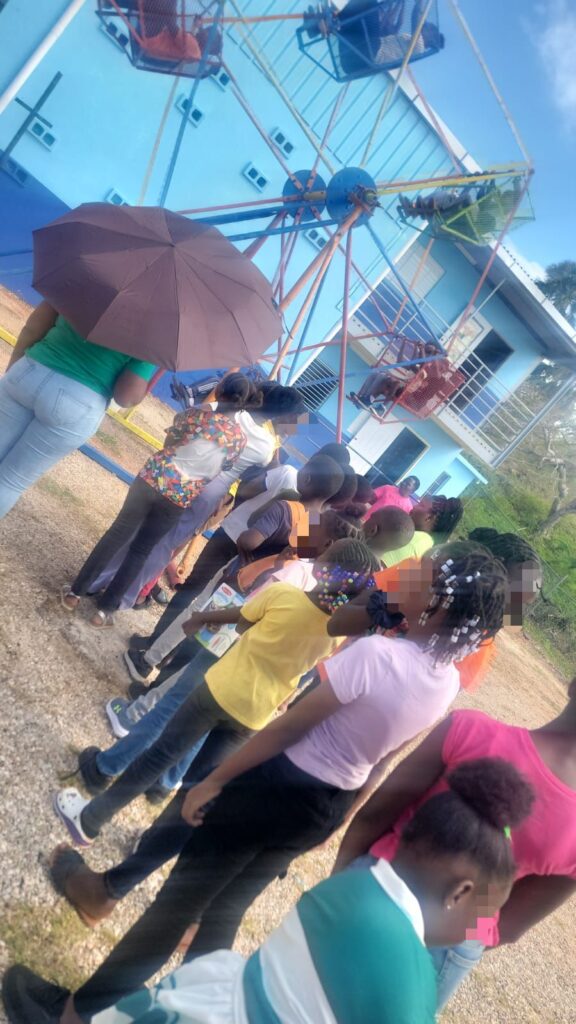
    In a heartwarming display of educational solidarity, Pratville Primary and Infant School from Manchester has launched a transformative partnership with hurricane-affected Thornton Primary School from St. Elizabeth. The initiative commenced with an exhilarating fun day that welcomed 60 students and 13 staff members from the partner institution.

    Principal Tameika Swaby-Johnson of Pratville Primary explained this pioneering School Partnership Initiative aims to support educational recovery in regions impacted by recent natural disasters. Thornton Primary, under Principal Maria Blair’s leadership, was strategically selected for the 2025-2026 academic partnership with guidance from the Ministry of Education and Youth, Region 5, particularly through Community Relations Education Officer Anieta Bailey.

    The inaugural event featured an array of engaging activities including amusement rides, interactive games, and festive entertainment, generously sponsored by longtime benefactor Newton Dennis who has supported the annual fun day for four consecutive years. Students received special treats and gifts throughout the celebration.

    Principal Blair expressed profound gratitude for the initiative, emphasizing how this partnership provides crucial hope and encouragement for her students still recovering from hurricane-related challenges. Her Grade six students particularly anticipate participating in the comprehensive academic exchange program scheduled to begin in January 2026.

    The partnership framework includes academic writing exchanges aligned with Jamaica’s National Standards Curriculum, virtual and in-person collaborative sessions, and joint devotional activities. This inter-parish collaboration represents a model of educational unity designed to foster empathy, resilience, and community-minded leadership among Jamaica’s youth while supporting national recovery efforts.

    Both institutions have committed to maintaining this purposeful alliance as an annually expanding program that benefits students, families, and communities across Jamaica, promoting both academic excellence and national solidarity through shared learning experiences.

  • Rough Treasure Football Showcase postponed due to impact of Hurricane Melissa

    Rough Treasure Football Showcase postponed due to impact of Hurricane Melissa

    The Rough Treasure Football Showcase, a premier scouting event scheduled for December 12-16 in St Elizabeth, Jamaica, has been officially postponed due to widespread devastation caused by Hurricane Melissa. The catastrophic storm, which struck the island on October 28, inflicted severe damage to critical infrastructure including roads, communication networks, and residential areas throughout the planned host venues of Treasure Beach and Munro College.

    Event organizer Sanjay Clacken, a FIFA-certified football agent, emphasized that participant safety and community welfare took precedence over the sporting event. “The safety and well-being of players, coaches, staff, supporters, and the wider community remains our paramount concern,” stated organizers in an official release. The decision reflects the ongoing recovery efforts across Jamaican communities affected by what authorities are calling a national disaster.

    Despite the postponement, organizers reaffirmed their commitment to creating professional pathways for Jamaican football talent. The event’s core mission remains unchanged: to provide visibility and signing opportunities for promising athletes through direct engagement with European coaches and scouts. The organizing team maintains active communication with international football directors to ensure continued focus on player development.

    In a heartfelt statement, organizers described this as “an emotional moment” for all involved, acknowledging the showcase was designed to generate excitement and opportunity for young athletes. The team has shifted focus toward relief initiatives, pledging support for recovery and rebuilding efforts in affected communities.

    The Rough Treasure Football Showcase is expected to return as a symbol of resilience, with organizers promising to announce rescheduled dates when conditions permit. The event aims to mark a new chapter for Jamaican football, embodying hope and determination in the face of adversity.