作者: admin

  • Russia opens two drone production plants in the Middle East

    Russia opens two drone production plants in the Middle East

    Russian technology consortium Futurelab has announced a significant expansion of its strategic operations in the Middle East with the establishment of two comprehensive unmanned aerial systems (UAS) facilities. According to Deputy Director Ilya Shevelev’s statements to Sputnik news agency, these newly inaugurated centers represent a major advancement in the region’s drone technology landscape.

    The facilities, located in two unspecified Middle Eastern nations, will serve dual purposes as both advanced training academies for drone operators and serial production hubs for light and medium-class unmanned aircraft. Shevelev characterized this development as foundational to creating ‘a complete ecosystem for unmanned technologies’ in the region, emphasizing the company’s commitment to fostering long-term technological partnerships.

    Beyond their educational and manufacturing functions, the centers feature exhibition spaces showcasing current drone models, enabling potential clients to evaluate technical specifications and operational capabilities firsthand. Each facility also houses dedicated sales offices responsible for contract negotiations and export coordination, creating an integrated business environment for regional partners.

    Shevelev highlighted that these comprehensive centers represent a strategic milestone in global market penetration for Russian drone technology while simultaneously accelerating the development of the Middle East’s domestic drone industry. This expansion reflects growing international demand for civilian UAS applications and Russia’s increasing role as a technology exporter to emerging markets.

  • Ukrainian drone attack damages Russian port infrastructure

    Ukrainian drone attack damages Russian port infrastructure

    Russian military authorities reported significant drone activity over its southwestern territories, announcing the interception of 41 Ukrainian unmanned aerial vehicles (UAVs) within a 24-hour period. The defensive operations occurred across multiple regions including Samara, Crimea, Saratov, Volgograd, Rostov, and Krasnodar.

    According to an official statement released by the Defense Ministry on Friday, port facilities in Temryuk sustained damage from what was described as “an attack by the Kiev regime.” The assault triggered a fire at the strategic Black Sea port infrastructure, though preliminary assessments confirmed no casualties as port personnel had been safely evacuated before the incident.

    Emergency response teams deployed extensively to contain the blaze, with 32 specialized personnel and eight heavy machinery units engaged in firefighting operations. The ministry emphasized that all necessary measures were being taken to secure the area and assess the full extent of the damage.

    Concurrently, Russia’s federal air transport agency, Rosaviatsia, implemented temporary flight restrictions at ten regional airports including Saratov, Krasnodar, Sochi, and Grozny. These precautionary measures were enacted to ensure civilian aviation safety amid the heightened security situation. The coordinated aviation security protocol affected airports across southern and western Russia, demonstrating the broad geographical impact of the reported drone incursions.

    The military’s comprehensive report detailed precise interception numbers: nine UAVs neutralized in Samara region, nine over Crimea, eight in Saratov region, seven in Volgograd region, seven in Rostov region, and one in Krasnodar region. This systematic breakdown illustrates the widespread nature of the alleged aerial offensive and corresponding defensive response.

  • PAHO launches tool to assist survivors of sexual violence

    PAHO launches tool to assist survivors of sexual violence

    The Pan American Health Organization (PAHO) has launched a groundbreaking assessment instrument designed to revolutionize care for survivors of sexual violence across Latin America. This initiative emerges against a distressing regional backdrop where epidemiological studies indicate approximately one in three women endures physical or sexual violence during their lifetime.

    Unveiled during a specialized webinar focused on enhancing support systems for female survivors, this evidence-based tool equips public health authorities with a standardized methodology to evaluate emergency room and clinic services. Its primary function is to identify critical deficiencies in post-assault medical care and facilitate data-driven improvements in clinical response protocols.

    Britta Monika Baer, PAHO Advisor on Violence and Injury Prevention, emphasized the ethical imperative behind the initiative: “Every woman and girl who has been sexually assaulted deserves timely, sensitive, and comprehensive health care. This tool represents a significant advancement toward ensuring that standard.”

    The development process incorporated extensive collaboration with Ministry of Health teams and regional specialists on gender-based violence, ensuring the tool’s design reflects the operational realities and specific challenges faced by healthcare facilities throughout Latin America. By translating high-level regional commitments into practical action, the instrument enables countries to measure current service quality against survivor needs and implement targeted enhancements.

    This strategic intervention addresses one of the region’s most pressing public health and human rights challenges, creating a pathway toward systemic improvement in trauma-informed care for violence survivors.

  • Food Industry Sustainability Symposium concludes in Cuba

    Food Industry Sustainability Symposium concludes in Cuba

    Havana is currently hosting a significant scientific symposium focused on sustainable food production, organized to commemorate the upcoming centennial of Cuban revolutionary leader Fidel Castro Ruz. The event, taking place at the Meliá Habana Hotel, brings together experts and researchers to address critical challenges in food innovation and technology.

    Academic perspectives are being provided by University of Havana professors Deborah Famadas Rodriguez and Gabriel Hernandez Rodriguez from the Faculty of Mathematics and Computer Science. Meanwhile, policy insights come from Dr. Leiverg Félix Martínez Sosa, a specialist in Science, Technology, and Innovation Policy at Cuba’s Ministry of Science, Technology, and Environment, who is presenting on the national system of science and innovation programs.

    The symposium features a comprehensive program including conferences, panel discussions, poster sessions, and workshops examining current trends in food production development. Key topics span food engineering and technology, food safety protocols, quality control measures, nutritional solutions for vulnerable populations, novel product development, and the application of artificial intelligence in food science.

    Engineer Jesús Rodríguez Mendoza, Director General of the Institute of Research for the Food Industry (IIIA) and president of the organizing committee, emphasized the event’s dedication to Castro’s legacy during the opening ceremony. The IIIA, as Cuba’s leading institution for food industry innovation, is showcasing recent achievements including specialized nutritional products for elderly and pregnant populations, children’s fruit and vegetable juices, reduced-sugar alternatives, and various technical and educational services.

  • Four-Legged Melissa Survivors Find New Homes Abroad

    Four-Legged Melissa Survivors Find New Homes Abroad

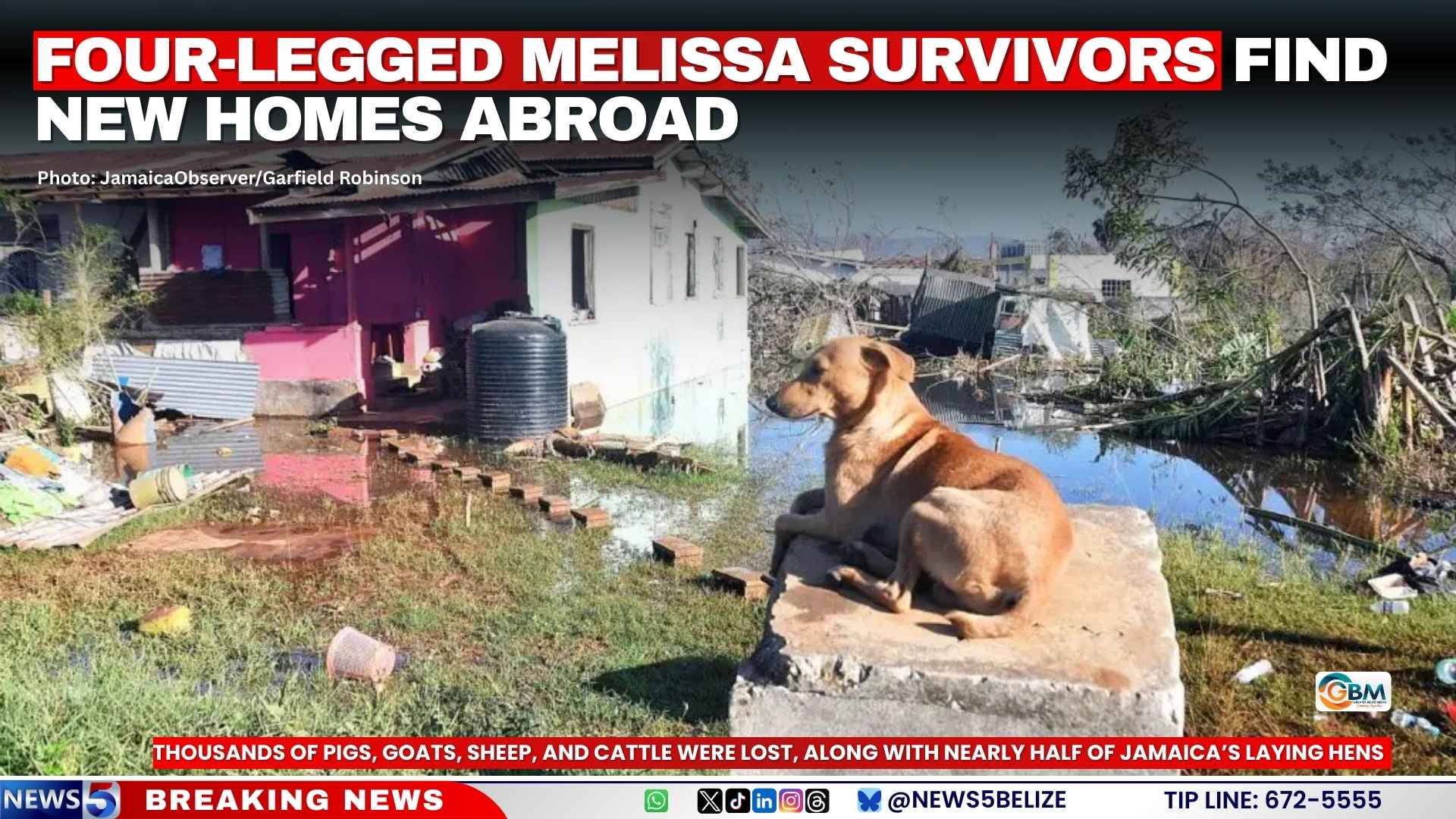
    In a heartening development emerging from the devastation of Hurricane Melissa, over fifty dogs rescued from flood-ravaged areas of Jamaica have successfully been relocated to adoptive families overseas. The initiative, which saw the canines transported to new homes primarily in the United States and Canada, represents a significant secondary outcome of the disaster response efforts.

    Jamaican Agriculture Minister Floyd Green provided details at a recent governmental press conference, clarifying that while the primary mission remained the preservation of human life, concurrent operations were launched to save domestic animals trapped by the catastrophic flooding. Official figures confirm that 58 dogs were evacuated internationally through these coordinated efforts, with a substantial number already integrated into their new households. Minister Green formally noted, ‘The ministry facilitated the export of 58 dogs rescued through these missions.’

    Beyond the immediate rescue, the ministry has initiated a broader support program for the island’s animal population. A series of complimentary veterinary clinics are now being operated nationwide, delivering essential services including medical treatment, vaccination programs, wound management, and nutritional assistance for both livestock and pets affected by the storm.

    The context of this animal rescue is the immense destruction wrought by Hurricane Melissa, which made landfall as a Category 5 hurricane on October 28th. The agricultural sector suffered catastrophic losses, with initial damage assessments of $30 billion subsequently revised upward to a staggering $60 billion following a comprehensive World Bank evaluation. The storm decimated livestock populations, resulting in the loss of thousands of pigs, goats, sheep, and cattle, alongside the death of nearly half the nation’s egg-laying hens and hundreds of thousands of broiler chickens. Total physical damage across the island is currently valued at approximately $8.8 billion. The human toll remains profound, with authorities confirming 45 fatalities and 18 individuals still unaccounted for.

  • Regional Humanitarian Warehouse to aid disaster recovery launches in Guadeloupe

    Regional Humanitarian Warehouse to aid disaster recovery launches in Guadeloupe

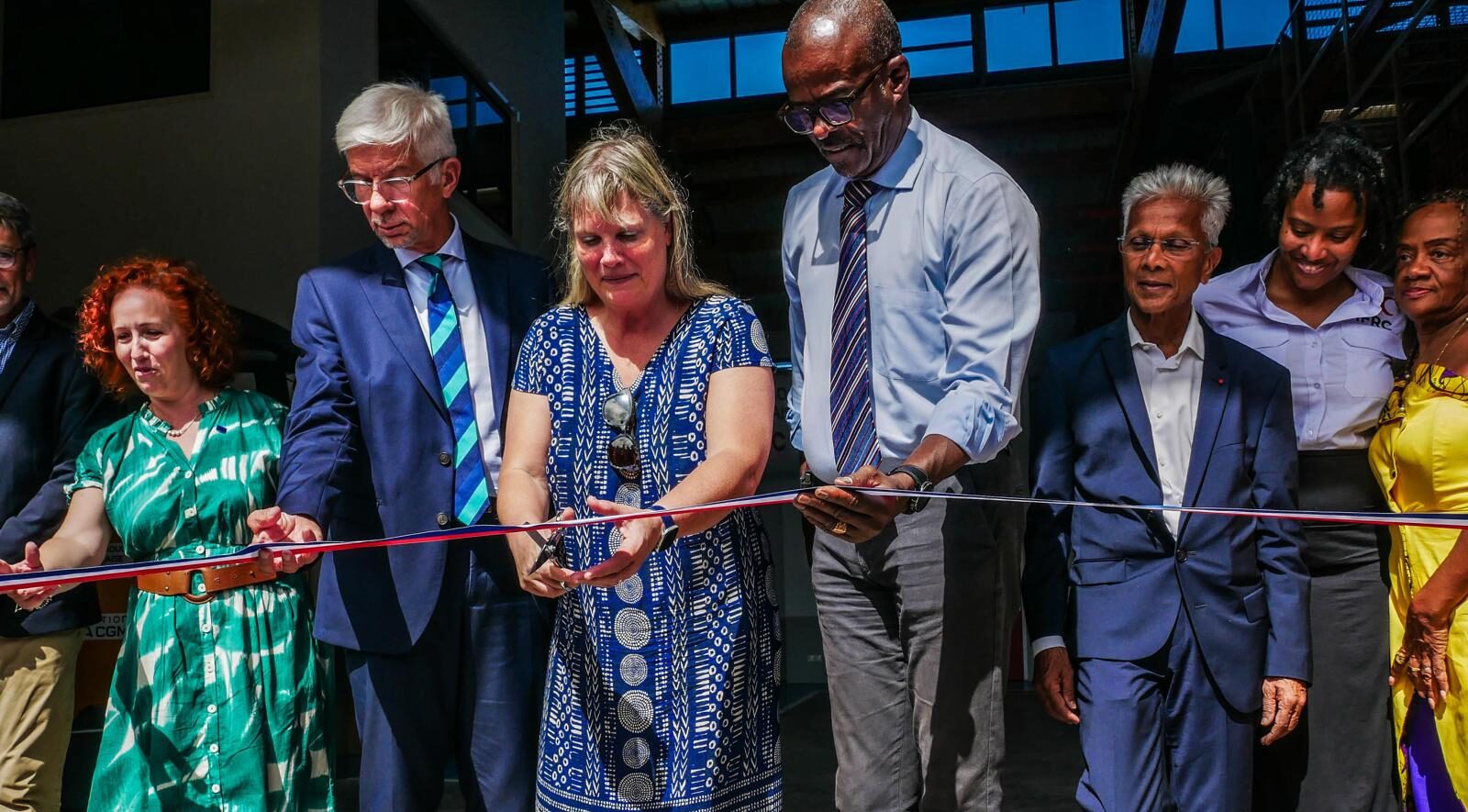
    Caribbean nations, increasingly vulnerable to intensified and frequent severe weather events, have gained a powerful new asset in regional disaster management with the December 4, 2025 inauguration of the Regional Humanitarian Warehouse in Les Abeys, Guadeloupe. This strategic facility represents a transformative step in strengthening collective resilience across the archipelago.

    The inauguration ceremony gathered distinguished figures including Dr. Caroline Cross, President of the French Red Cross, alongside French officials and presidents of Caribbean Red Cross societies from Antigua and Barbuda and St Kitts and Nevis, signaling broad regional endorsement.

    Financed predominantly by the European Union, which contributed €2.4 million (covering 82% of total investment) through its Interreg Caribbean programme under the Ready Together Extension initiative, the warehouse underscores the EU’s sustained commitment to supporting Caribbean and outermost regions.

    Construction initiated in 2023 addresses a critical gap in disaster preparedness. The facility quadruples the French Red Cross’s storage capacity, enabling housing of up to 4,000 household kits. Beyond storage, it incorporates a crisis coordination center and modular training spaces designed to enhance operational readiness through simulated emergencies and skill development.

    Engineered to endure major hurricanes and seismic events, the warehouse integrates advanced sustainable technologies including bioclimatic architecture, photovoltaic energy generation, and rainwater harvesting systems. These eco-conscious features align with the European Green Deal while promoting climate-resilient infrastructure development.

    As a logistical nexus, the hub will facilitate rapid, efficient, and lower-emission distribution of humanitarian aid across Caribbean territories and EU outermost regions, significantly improving response times during crises. The project also aims to cultivate a new generation of disaster management professionals versed in sustainable practices.

    This initiative synergizes with broader EU frameworks including the Cohesion Policy, Strategy for the Outermost Regions, the EU Civil Protection Mechanism, and climate adaptation priorities, forming a cohesive approach to building regional resilience against climate-related hazards.

  • Flow Trinidad promotes GBV campaign to save lives

    Flow Trinidad promotes GBV campaign to save lives

    Following the tragic gender-based violence (GBV) deaths of two employees in 2021, Liberty Caribbean—parent company of telecommunications provider Flow Trinidad—has implemented a comprehensive corporate response that has now gained international recognition.

    The company received the Best Diversity and Inclusion Initiative award at the 2025 Global Connectivity Awards in London on October 22, specifically acknowledged for its GBV policy framework. Dominic Boon, Vice President of People at Liberty Caribbean, revealed the policy emerged from internal reflection after losing employees in Barbados and Puerto Rico to domestic violence incidents.

    This proactive approach includes multiple support mechanisms: temporary housing assistance, office relocation options, counseling coverage, flexible work arrangements, and financial support for legal proceedings. The policy extends protection to all employees and their children, administered through a specially trained HR team that ensures discreet support while maintaining workplace safety.

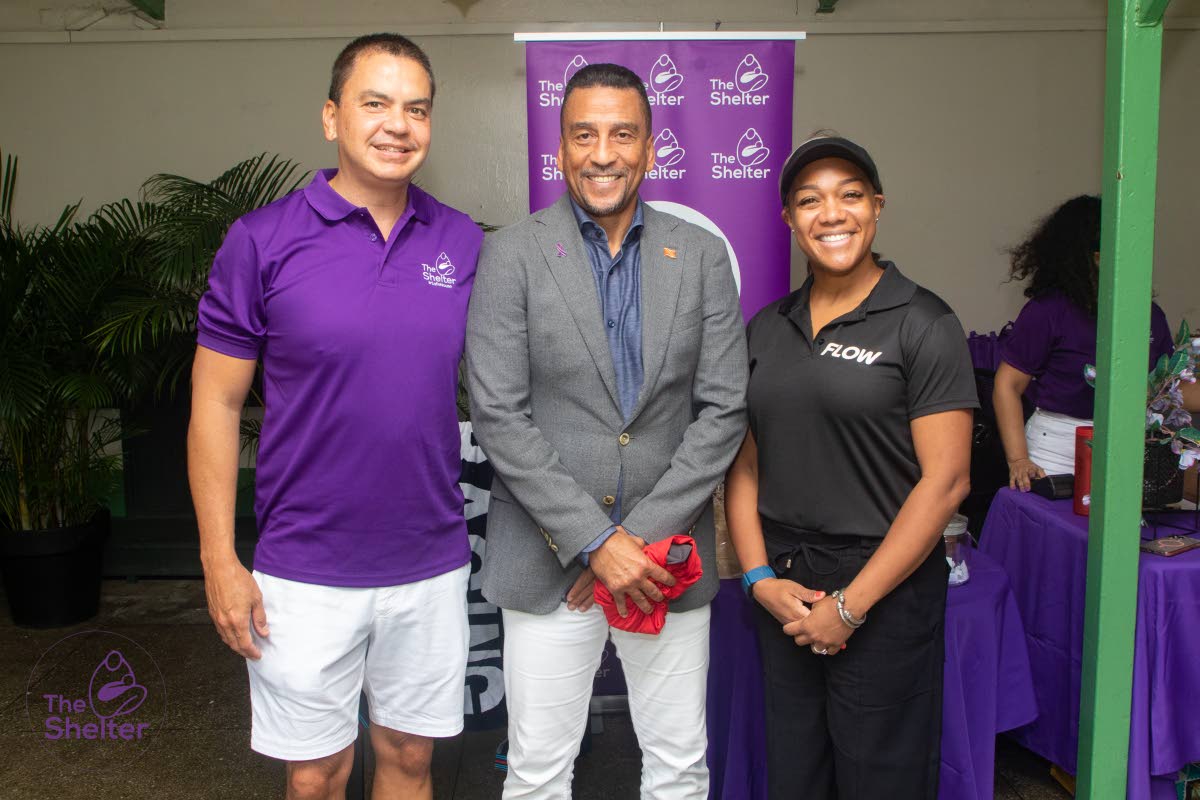
    The company’s GBV awareness efforts are particularly emphasized during the annual 16 Days of Activism campaign (November 25-December 10), with various markets conducting educational seminars. Leadership demonstrates commitment through visible support, including wearing advocacy T-shirts at senior meetings and sponsoring events like The Shelter for Battered Women and Children’s charity golf tournament.

    Liberty Caribbean has also fostered gender diversity organically, resulting in women holding 46% of leadership positions (director level and above), including the CEO role. In Trinidad and Tobago, the entire senior leadership team comprises women—a testament to the company’s belief that diverse leadership yields better decision-making.

    The initiative has already produced tangible results: five employees have utilized the policy this year alone to receive customized support. While the company doesn’t involve authorities without consent, it encourages employees to seek police assistance when facing GBV situations.

    By making their policy openly available to other organizations, Liberty Caribbean aims to create broader regional impact, using their brand recognition to transform societal attitudes and provide actionable support for GBV victims throughout the Caribbean.

  • Our versatile bamboo

    Our versatile bamboo

    Despite its tree-like stature, bamboo is scientifically classified as a type of grass—specifically the largest grass species capable of forming forest-like stands. In Trinidad and Tobago, this versatile plant presents both ecological concerns and cultural significance, creating a complex relationship between native ecosystems and human traditions.

    While Bambusa vulgaris (common bamboo) dominates the landscape, it is surprisingly non-native to the islands, originating from Asia. Trinidad and Tobago hosts several indigenous species including Arthrostylidium pubescens, found at higher elevations, and the potentially endemic Rhipidocladum prestoei, recognized by its distinctive fan-like branching pattern.

    Legally, bamboo receives unique recognition under Trinidad and Tobago’s Forests Act, which categorizes it as a tree when growing on state lands. This classification grants the government regulatory control over harvesting and sales, requiring permits for extraction similar to traditional timber species.

    The cultural applications of bamboo span multiple domains: construction, religious ceremonies, musical traditions, and artistic expression. In Hindu practices, bamboo forms jhandi flags—religious markers planted following puja ceremonies. During Divali celebrations, creatively bent bamboo structures support deyas, symbolizing light’s triumph over darkness. The plant also serves as the foundation for tamboo bamboo ensembles, a percussive musical tradition developed by Afro-Trinidadians in the 1800s that eventually evolved into the steelpan.

    Environmentally, bamboo demonstrates remarkable utility in slope stabilization through its fibrous root systems that effectively combat soil erosion. However, the rapid growth rate of Bambusa vulgaris—reaching up to 30 centimeters daily—poses significant ecological threats. These fast-growing clumps outcompete native vegetation, reduce biodiversity, deplete soil nutrients, and create fire-prone environments through accumulated dry litter.

    Globally, bamboo is gaining recognition as a sustainable resource for construction, textile production, and renewable materials. Trinidad and Tobago appears to be underutilizing this potential resource. Government and research institutions could play pivotal roles in evaluating bamboo’s economic viability through pilot projects that balance ecological conservation with sustainable development.

  • Six girls vie for title in biblical-themed pageant

    Six girls vie for title in biblical-themed pageant

    After an eight-year hiatus, the renowned First Impression Brash and Sassy organization is revitalizing its biblical-themed children’s pageant on December 13th at Union Claxton Bay Senior Secondary School. The event marks a significant comeback following economic challenges and pandemic-related disruptions that temporarily suspended the program.

    Six young delegates aged 7-12 will compete for the title while embodying iconic Women of the Bible. This year’s participants include: Zendaya Pierre as Mary of Nazareth, Jerusha Osborne as Martha, Heaven Rouse as Pharaoh’s daughter, Asia-Leigh Allen as Esther, Zaharah Williams as Hannah, and Destiny Joseph as Eve.

    The competition structure incorporates four distinctive segments: a thematic introduction centered on ‘Jesus Is King’, personalized presentations of their biblical characters, talent demonstrations, and an evening gown parade featuring traditional Christmas colors of red, green, and white. Contestants will additionally be tested on their biblical knowledge through memory verse recitations.

    Norma Bramble-Joseph, founder and coordinator of the 30-year-old organization, emphasizes that the pageant serves as an educational platform to instill biblical values in youth. ‘This concert is the way forward to encourage children to understand biblical values and to include Christ in every aspect of life,’ she stated. The organization has historically focused on ‘training princesses to become queens’ through comprehensive instruction in ethics, self-deportment, fundamental self-care, table etiquette, and biblical lessons.

    The event commences at 5:30 PM, representing both a celebration of faith and a testament to community resilience in maintaining cultural and religious traditions for younger generations.

  • Victims of crime welcome stand-your-ground laws  – Rio Claro under siege

    Victims of crime welcome stand-your-ground laws – Rio Claro under siege

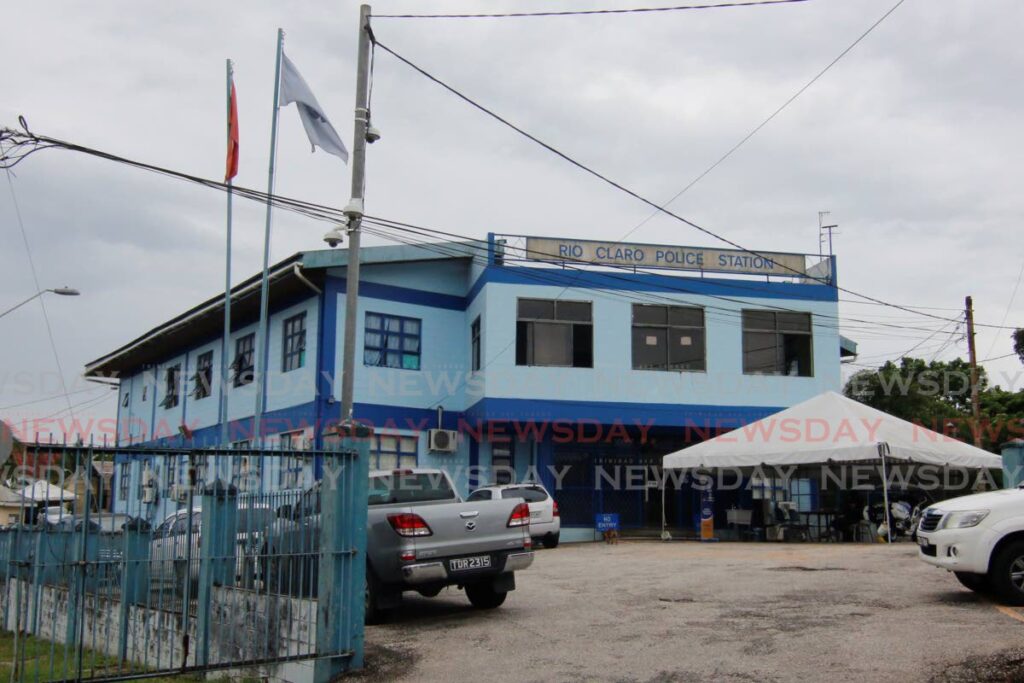
    The Rio Claro community in Trinidad and Tobago finds itself grappling with escalating violent crime as residents express both support and skepticism regarding the newly passed Home Invasion (Self-Defence and Defence of Property) Bill, 2025.

    Recent months have witnessed a disturbing pattern of violent attacks plaguing this eastern district. On November 25, two masked assailants—one armed with a cutlass, the other with a firearm—stormed a San Pedro business establishment around 2:45 pm. The attackers subdued two male proprietors, aged 62 and 50, binding them before brutally beating the victims and ransacking both their commercial premises and residence. The confrontation culminated with the younger victim being shot in the leg before the perpetrators fled.

    This incident follows an earlier assault captured on CCTV footage at a Rio Claro bar, where two masked individuals in long-sleeved clothing accosted a waitress cleaning the lobby. The surveillance recording documented the woman’s terrified screams as she attempted to escape, only to be violently thrown to the floor. The assailants spent two minutes and twenty-five seconds systematically stealing her purse, snacks, and various items from behind the counter.

    Tragedy struck again earlier in November when 58-year-old Sylvan Boodhan of Tabaquite Road was fatally shot in the head during an 8:30 am meeting in San Pedro. Despite residents alerting authorities to the suspected killer’s escape, police response failed to apprehend the individual.

    Local sources speaking under strict anonymity reveal these represent merely a fraction of approximately ten recent attacks, with many occurring in broad daylight since September. A pervasive climate of fear has prevented numerous incidents from being formally reported due to concerns about retaliation.

    This atmosphere of intimidation has severely hampered law enforcement efforts. One business owner disclosed that even when CCTV footage exists, residents routinely refuse to provide evidence to investigators. “Nobody is willing to give the footage. People are saying their cameras are not working. They just safeguard themselves,” the resident explained.

    The community remains divided on legislative solutions. While some residents enthusiastically support the stand-your-ground legislation, believing it will provide essential protection, others question its practical effectiveness. A San Pedro small business owner who nostalgically recalled times when “you could sleep with your door open” argued that enhanced police presence would better address security concerns than the new law.

    Critics point to potential legal pitfalls, noting that homeowners using deadly force might still face murder charges, potentially remaining in custody for over a decade before exoneration. Meanwhile, law enforcement has launched Operation Festive Shield, an anti-crime initiative designed to increase police visibility and strengthen community relationships during the upcoming Christmas and Carnival seasons.

    The legislation, which passed the Senate on December 5 without amendments after clearing the House of Representatives on November 26, eliminates the duty to retreat when defending one’s dwelling and permits the use of defensive force, including lethal measures, against home invaders. Attorney General John Jeremie cited alarming statistical increases in home invasions over the past decade as justification for the bill, emphasizing how such crimes have “resulted in shattered families, loss of life, and a sense of violation both of the person and the sanctity of a person’s home.”