作者: admin

  • Riverbank Basketball Development Project launched

    Riverbank Basketball Development Project launched

    After years of training under inadequate conditions, young basketball enthusiasts in St David, Grenada, are witnessing a transformative development in their sporting landscape. The historic Riverbank grounds, once characterized by insufficient lighting and subpar facilities, are now the focal point of an ambitious multi-phase redevelopment initiative officially launched last Sunday.

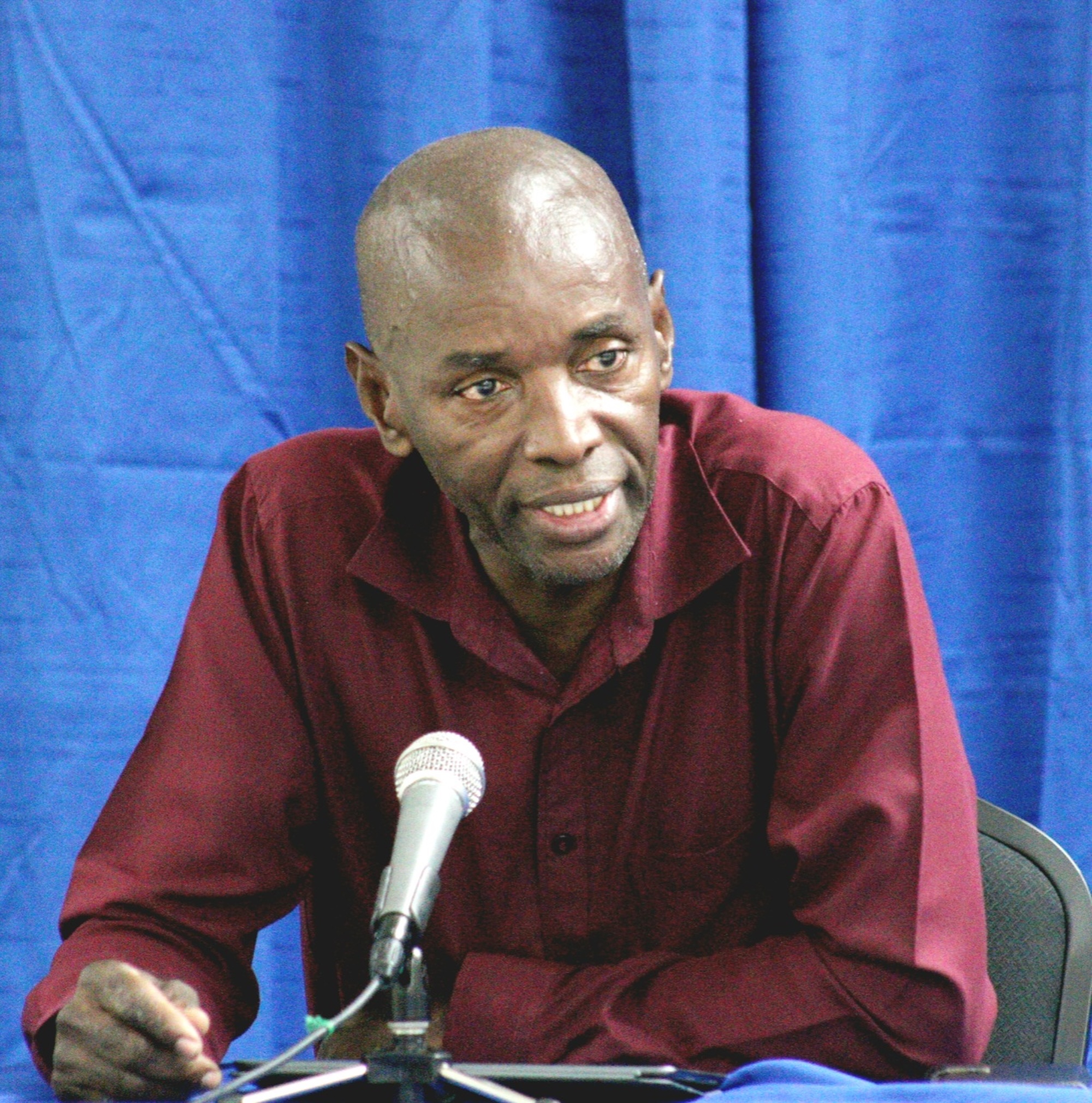
    Spearheaded by the St David Basketball League in collaboration with the St David Parish Sports Council and the Grenada National Basketball Association, the Riverbank Basketball Development Project represents a comprehensive approach to sports infrastructure enhancement. Interim President Brian James highlighted the parish’s longstanding basketball competitiveness despite the absence of formal league structures, which previously forced athletes to seek training opportunities elsewhere under challenging circumstances.

    The project, scheduled for completion by September 2026, encompasses seven distinct phases featuring substantial infrastructure upgrades. These include complete court resurfacing, installation of new backboards, enhanced lighting systems, spectator seating for approximately 150 people, modernized washroom facilities, and a multifunctional community space accommodating media requirements.

    Beyond physical improvements, the initiative emphasizes human capital development through structured training programs for local coaches, referee certification courses, and equipment provision for grassroots basketball programs. Extensive community consultations with residents, youth representatives, and business stakeholders have ensured the project aligns with local needs and aspirations.

    Significant preparatory work has already been completed, including major cleanup operations supported by the Ministry of Infrastructure and the Solid Waste Management Authority, which removed derelict vehicles and cleared the site for construction.

    Senator Seville Francis, Parliamentary Secretary in the Ministry of Youth and Sports, endorsed the project as exemplary of community-driven initiatives aligning with national development priorities. She emphasized sports’ proven effectiveness in building discipline, teamwork, leadership, and resilience among youth, noting that many national leaders began their journeys on community courts similar to Riverbank.

    The project aligns with the ministry’s 2023-2027 strategic mandate focusing on youth mobilization, training, activation, and opportunity creation. Senator Francis highlighted how deliberate investment and collaboration between government agencies, parish councils, and community leaders can generate substantial long-term social benefits.

    Justin Courtney, Chairperson of the St David Parish Sports Council, recognized Riverbank’s historical significance as a breeding ground for national cricket talent and expressed confidence that the renewed basketball focus would yield comparable success. The initiative has received endorsement from Patrick Simmons, Chairperson of the Grenada National Sports Council, who views it as a developmental model for other parishes and sporting disciplines nationwide.

    As approval processes and procurement activities advance, organizers anticipate Riverbank’s emergence as a modern sporting hub that honors its historical legacy while shaping a new future for basketball and community sports in St David. The project is expected to strengthen youth development pathways, promote healthier lifestyles, enhance community engagement, and reinforce sports’ role as a vital tool for national development.

  • Over $100K in Unclaimed Winnings to Go to Charity

    Over $100K in Unclaimed Winnings to Go to Charity

    A substantial six-figure lottery prize in Belize is set to be redirected to charitable causes after the winning ticket holder failed to come forward within the mandatory claim period. Belize Government Lotteries Limited (BGLL) confirmed that $111,111.11 from the December 2025 Million Dalla Jackpot drawing will be donated to charity despite the game’s unprofitable status.

    The unusual circumstance emerged following the December 20, 2025 draw, which featured a total payout of $888,888.88 distributed across nine winning tickets. While eight tickets were successfully redeemed within the statutory 30-day claim window, one ticket worth $111,111.11 remained unclaimed past the January 19, 2026 deadline.

    Under standard BGLL regulations, unclaimed winnings typically revert to the company’s total revenue stream. However, in an exceptional decision, the Board of Directors voted to divert the funds to charitable purposes despite the game’s financial performance. The lottery organization acknowledged that the specific game did not generate profits this year, making the charitable donation particularly noteworthy.

    The identity of the beneficiary organization will be determined during the Board’s scheduled mid-February meeting. This decision represents a departure from standard operational procedure and demonstrates the organization’s commitment to social responsibility even in financially challenging circumstances.

  • Inflation Increased by 0.4% in November 2025

    Inflation Increased by 0.4% in November 2025

    The Statistical Institute of Belize (SIB) reported a 0.4% increase in the Consumer Price Index (CPI) for November 2025, revealing a complex economic landscape where consumer confidence showed modest improvement despite persistent cost-of-living pressures. The inflation data indicates Belizeans expressed slightly greater optimism about household finances even as essential expenses continued their upward trajectory.

    Housing and utilities emerged as primary inflation drivers, with rental costs climbing significantly and liquefied petroleum gas (LPG) prices reaching $128.57 per 100-pound cylinder—a notable increase from $123.97 recorded during the same period in 2024. The healthcare sector experienced substantial price escalations across medical services, including elevated fees for physician consultations, pharmaceutical products, and surgical procedures.

    Food categories demonstrated particular volatility, with beef products, grapes, and watermelon showing marked price increases. The transportation sector provided counterbalancing relief through reduced fuel costs, with diesel prices declining by $0.56 per gallon, regular gasoline decreasing by $0.46, and premium fuel dropping by $0.33 compared to previous year levels.

    Geographic analysis revealed significant regional disparities, with Punta Gorda residents experiencing the steepest cost increases for essential commodities including food staples and educational materials. Conversely, Orange Walk documented modest deflationary trends as fuel and personal care items became more affordable.

    The cumulative inflation for 2025 reached just over 1% year-to-date, indicating moderate price growth across the annual period. These economic indicators present a nuanced picture of consumer sentiment juxtaposed against ongoing financial pressures affecting household budgeting decisions.

  • Liberty Caribbean Named Diamond Sponsor of CANTO Connect 2026

    Liberty Caribbean Named Diamond Sponsor of CANTO Connect 2026

    PORT OF SPAIN, Trinidad & Tobago – In a significant development for Caribbean digital infrastructure, Liberty Caribbean has been announced as the Diamond Sponsor for the prestigious CANTO Connect 2026 conference. The telecommunications giant, which operates Flow, BTC, and Liberty Business networks, will play a pivotal role in shaping the region’s technological dialogue during the February 1-3 gathering at Hyatt Regency Hotel.

    The sponsorship arrangement positions Liberty Caribbean at the forefront of critical discussions surrounding digital transformation throughout the Caribbean basin. The company’s CEO, Inge Smidts, is scheduled to deliver the keynote address on the conference’s opening day, establishing the thematic foundation for industry leaders and policymakers attending the event.

    CANTO Connect 2026 operates under the ambitious theme “Elevate the Caribbean: From Connectivity to Global Competitiveness,” mirroring regional aspirations to enhance digital economic capabilities and international market positioning. The conference will serve as a platform for addressing pressing issues including intelligent connectivity solutions, innovation tailored to Caribbean cultural identity, and human-centric technological development.

    Smidts emphasized the strategic importance of this partnership, stating: “Our Diamond Sponsorship transcends mere financial support – it represents our commitment to steering the Caribbean’s digital destiny. We are positioned to drive resilient network development, groundbreaking innovation, and equitable digital advancement across all communities we serve.”

    The collaboration between Liberty Caribbean and CANTO demonstrates a unified vision to connect populations, empower commercial enterprises, and enable governmental functions through advanced telecommunications infrastructure and progressive policy frameworks. This alliance highlights Liberty Caribbean’s influential role as both catalyst and enabler of regional technological progress, placing the company at the heart of strategic conversations that will determine the Caribbean’s digital future.

  • PMs Skerrit and Browne not to be blamed for CBI and U.S. restrictions, says Astaphan

    PMs Skerrit and Browne not to be blamed for CBI and U.S. restrictions, says Astaphan

    Senior Counsel Anthony Astaphan has vigorously defended the governments of Dominica and Antigua & Barbuda against criticism regarding recent U.S. visa restrictions, asserting both nations implemented comprehensive reforms to their Citizenship by Investment (CBI) programs well before the American policy announcement.

    In an exclusive interview with Antigua.News, Astaphan dismissed opposition claims blaming Prime Ministers Gaston Browne and Roosevelt Skerrit as “ill-informed and misleading.” He revealed that since 2023, the five Eastern Caribbean CBI nations have maintained sustained collaboration with international partners including the United States and European Union.

    A pivotal development occurred in October when U.S. officials specializing in anti-money laundering and counter-narcotics met with regional representatives, culminating in an 81-page agreement establishing a regional CBI Regulatory Authority. This comprehensive framework introduced far-reaching reforms covering enhanced due diligence, residency requirements, and prohibitions on name changes—all subsequently enacted into law.

    “Antigua and Barbuda was the first country to pass and implement the required legislative changes,” Astaphan emphasized, highlighting the government’s proactive stance in addressing international concerns. He noted that despite the U.S. proclamation referencing residency issues, Antigua and Barbuda had already made necessary legal adjustments before the announcement.

    The attorney expressed frustration with critics, stating: “Anyone who continues to criticise the CIP is either completely ignorant of the history of collaboration with the United States, or simply missed the parliamentary sittings and was unaware that the legislation had already been passed.”

    The U.S. action, initiated through a December 16, 2025 proclamation signed by President Donald Trump, cited national security and public safety concerns. The policy aims to protect American citizens from terrorist attacks and other threats, citing weaknesses in foreign identity-management systems that limit proper vetting of travelers.

    Dominica and Antigua & Barbuda are among several nations affected by these restrictions, which have generated significant international media coverage and social media discussion throughout the Caribbean region and beyond.

  • LIVE: Inter-Secondary Schools Debating Competition 2026 Knock Out Round 22nd January 2026

    LIVE: Inter-Secondary Schools Debating Competition 2026 Knock Out Round 22nd January 2026

    The corporate landscape is undergoing a profound transformation as artificial intelligence transitions from an experimental technology to a core component of workforce architecture. A new generation of AI-driven ‘digital employees’ is emerging, capable of performing complex cognitive tasks that were previously exclusive to human workers.

    These sophisticated AI systems represent a significant evolution beyond basic automation tools. They can process natural language, analyze complex datasets, make evidence-based decisions, and adapt to dynamic work environments. Companies implementing these solutions report substantial improvements in operational efficiency, with some departments achieving productivity increases of 30-40% while reducing error rates to near-zero levels.

    The implementation of digital workforce solutions spans multiple industries including financial services, healthcare diagnostics, customer experience management, and research development. Early adopters are reporting not only cost reductions but also enhanced capability to scale operations rapidly without proportional increases in human resources.

    This technological shift is prompting organizations to reevaluate their human capital strategies. Rather than simply replacing workers, forward-thinking companies are developing integrated models where AI handles repetitive analytical tasks while human employees focus on creative problem-solving, strategic planning, and emotional intelligence-dependent roles.

    Workforce analysts suggest that successful implementation requires comprehensive retraining programs and organizational restructuring. The most effective transformations occur when companies view AI as collaborative partners rather than mere tools, creating symbiotic relationships between human and digital workers.

    As this trend accelerates, it’s creating new specializations in AI management and digital workforce coordination. The companies leading this transformation are those that recognize the strategic importance of balancing technological adoption with human capital development, ensuring both technological and human elements evolve in concert.

  • Charles Walwyn Receives Halo Foundation’s Crystal Volunteer Award

    Charles Walwyn Receives Halo Foundation’s Crystal Volunteer Award

    In a distinguished ceremony recognizing philanthropic excellence, The Halo Foundation has conferred its prestigious 2025 Crystal Volunteer Award upon Mr. Charles Walwyn, Managing Director of Grant Thornton. The event celebrated Mr. Walwyn’s remarkable decade-long dedication to supporting the Foundation’s humanitarian mission.

    Her Excellency Lady Sandra Williams delivered a heartfelt tribute to Mr. Walwyn’s enduring generosity, emphasizing his reliable support system that has consistently benefited the organization. “Mr. Walwyn’s door remains perpetually open to our cause,” she remarked during her address. “Each approach we make is met with guaranteed kindness and unwavering support.” Lady Williams also extended recognition to Mrs. Karen Walwyn for her steadfast, though less visible, contributions to their shared philanthropic endeavors.

    The Crystal Volunteer Award represents The Halo Foundation’s highest honor, reserved for individuals demonstrating extraordinary commitment, service, and goodwill toward the organization’s objectives. Mr. Walwyn’s sustained partnership has significantly advanced the Foundation’s youth development initiatives and community outreach programs throughout Antigua and Barbuda.

    The Foundation simultaneously acknowledged its broader network of collaborators and benefactors whose continued engagement ensures the ongoing sustainability and expanding impact of its charitable operations across the twin-island nation.

    The award presentation featured the attendance of distinguished guests including H.E. Sir Rodney Williams, highlighting the event’s significance within the nation’s philanthropic community.

  • Peace Begins Within: Why Mental Health Must Be Central to Peacebuilding in Antigua and Barbuda and the Caribbean

    Peace Begins Within: Why Mental Health Must Be Central to Peacebuilding in Antigua and Barbuda and the Caribbean

    A profound insight emerged from the global stage of the HWPL World Peace Summit in South Korea, where peacebuilders and policymakers convened to address worldwide conflicts. Beyond discussions of ceasefires and international law, a critical pattern surfaced: numerous global conflicts stem not merely from political or resource disputes, but from deep-seated human psychological distress. This revelation finds particular resonance in the Caribbean context, where nations like Antigua and Barbuda face parallel challenges despite their outward stability.

    The Caribbean paradox presents a compelling case study—while the region enjoys relative peace by international standards, underlying pressures manifest through anxiety, substance misuse, and concerning youth mental health indicators. Recent data reveals mental, neurological, and substance use disorders account for approximately 18% of total disability-adjusted life years in Antigua and Barbuda, with particularly alarming statistics among youth: nearly 17% of students aged 13-15 have seriously considered suicide, while 12% have attempted it.

    This mental health crisis represents a fundamental challenge to social stability. The Caribbean’s cultural emphasis on strength and endurance, while historically valuable, has created a silence around emotional suffering that redirects distress into interpersonal conflict, domestic violence, and substance abuse. Public health research confirms that interpersonal violence, alcohol misuse, and suicide share common roots in unresolved trauma, social isolation, and limited access to mental healthcare.

    Institutional responses are evolving but face significant challenges. Antigua and Barbuda’s National Mental Health Policy advocates for integration into primary care, yet implementation struggles with specialist shortages and outdated legislative frameworks. Recent collaborations with the Pan American Health Organization emphasize mental health reform as a national priority, recognizing that strong mental health systems are essential for social stability.

    The paradigm shift required reframes mental health from a private matter to a public peace imperative. Sustainable peacebuilding must address psychological wellbeing as foundational rather than adjacent to peace efforts. This approach demands contextualizing social issues within broader institutional conditions and advancing policy solutions that support emotional resilience at community and national levels.

  • COMMENTARY: Buzzing with purpose – How young Dominicans are building futures through agriculture

    COMMENTARY: Buzzing with purpose – How young Dominicans are building futures through agriculture

    Across the Caribbean nation of Dominica, a transformative shift is underway as young professionals embrace agricultural entrepreneurship through innovative approaches to beekeeping and agro-processing. This movement represents a fundamental reimagining of traditional farming—not as a fallback occupation but as a strategically viable career path combining environmental stewardship with economic opportunity.

    Supported by developmental initiatives from the International Organization for Migration (IOM), this agricultural renaissance empowers both young residents and returning citizens to establish sustainable livelihoods rooted in local resources. Beekeeping has emerged as a particularly attractive venture, offering flexible management requirements that accommodate full-time employment while generating supplemental income.

    Shem Jacob exemplifies this new generation of agricultural entrepreneurs. Balancing his profession as a police officer with ownership of Bud’s Backyard Honey, Jacob launched his apiculture enterprise in 2020 after identifying honey production as an ideal complementary business. “The appeal lies in honey’s non-perishable nature and the bees’ minimal daily maintenance requirements,” Jacob explains. “This flexibility allows me to maintain career stability while building a sustainable business.”

    His operation now produces pure honey and beeswax distributed through local markets and direct sales. Beyond financial benefits, Jacob describes beekeeping as a profoundly grounding experience that connects practitioners to natural systems. “It demonstrates what small creatures can accomplish collectively,” he notes, referencing the hundreds of bees required to produce a single bottle of honey.

    The ecological significance extends far beyond honey production. Bees serve as crucial pollinators for key Dominican crops including cucumbers, peppers, watermelon, coconuts, and citrus fruits. Enhanced bee populations directly contribute to improved agricultural yields, strengthened food security, and increased climate resilience—aligning with national sustainable development objectives.

    Through his position on the board of the Dominica Beekeepers Cooperative Society Ltd., Jacob facilitates training programs and knowledge exchange among island beekeepers. The cooperative additionally connects members with regional opportunities, exposing young agriculturalists to Caribbean-wide best practices.

    “Market saturation isn’t a concern,” Jacob emphasizes. “There’s consistent demand for honey and its byproducts, and we urgently need more beekeepers.” His message to youth underscores agriculture’s dual role in personal income generation and national development: “You’re not only profiting individually but supporting farmers and building the country.”

    IOM recognizes these initiatives as demonstrating how youth engagement in sustainable agriculture advances broader developmental goals—creating dignified employment, enhancing food systems, protecting ecosystems, and fostering community resilience. Dominica’s investment in green livelihoods signals a future where economic advancement and environmental conservation progress synergistically, with young innovators leading this transformative change through modernized approaches to traditional practices.

  • Belize, Guatemala Foreign Ministers Meet at OAS Border Office

    Belize, Guatemala Foreign Ministers Meet at OAS Border Office

    In a significant diplomatic development, the Foreign Ministers of Belize and Guatemala convened on January 22, 2026, at the Organization of American States (OAS) Adjacency Zone Office along their western border. The high-level meeting brought together Belize’s Foreign Affairs Minister Francis Fonseca and Guatemalan Foreign Minister Carlos Ramiro Martínez under the mediation of Antonia Urrejola, Special Representative of OAS Secretary-General Sebastian Kraljevich for the bilateral relationship.

    The strategic dialogue featured comprehensive presentations detailing the OAS office’s operational activities throughout 2025, specifically designed to foster stronger bilateral cooperation between the neighboring nations. Both ministerial delegations engaged in substantive discussions regarding ongoing confidence-building measures and diplomatic channels.

    This meeting represents another critical step in the protracted peace process between Belize and Guatemala, who have been working through international mechanisms to resolve their long-standing territorial differences. The involvement of the OAS continues to provide essential institutional support for these diplomatic efforts, maintaining the momentum toward a judicial settlement at the International Court of Justice where both nations have agreed to pursue a legal resolution to their dispute.