作者: admin

  • Cuban ‘slave labour’ built Argyle?

    Cuban ‘slave labour’ built Argyle?

    Recent allegations by the United States government regarding the exploitation of Cuban professionals in Caribbean nations have sparked intense debate across the region. The controversy centers on whether countries like St. Vincent and the Grenadines (SVG) have benefited from what some characterize as oppressive labor conditions during major infrastructure developments.

    Parliamentary records from SVG between 2009-2011 reveal startling details about the working conditions of Cuban engineers and technicians during construction of the Argyle International Airport. Prime Minister Ralph Gonsalves acknowledged in multiple legislative sessions that 42 Cuban professionals worked alongside 85 Vincentian workers under markedly different terms.

    The Cuban workers reportedly labored 12 hours daily, seven days weekly, with merely one day off per month. Crucially, they received no overtime compensation for hours exceeding the standard eight-hour workday, while their Vincentian counterparts received overtime pay. Prime Minister Gonsalves described the Cubans as “volunteers with a stipend” who received substantially less compensation than market rates for equivalent expertise.

    Financial disclosures showed Cuban engineers earning less than half the salary of junior Vincentian engineers and approximately one-quarter of what international engineering consultants commanded. The Prime Minister framed this arrangement as “solidarity” and emphasized the value of technical assistance provided “in kind,” estimating the earthworks alone represented an $81 million value achieved for only $22.5 million in actual expenditure.

    The fundamental question remains whether these conditions constitute exploitation under international labor standards. While the arrangement provided economic benefits to SVG, the working conditions—including excessive hours without proper compensation and limited rest days—raise serious ethical concerns about human dignity and workers’ rights.

    The United States government’s pressure on Caribbean nations to end these practices reflects broader geopolitical tensions and differing perspectives on international labor standards. This case exemplifies the complex intersection of economic development needs, South-South cooperation, and fundamental workers’ rights in the global arena.

  • President confirms Chapman Challenge to start with Class Three, Four pupils

    President confirms Chapman Challenge to start with Class Three, Four pupils

    Barbados President Jeffrey Bostic has formally initiated the Chapman Challenge, an ambitious youth development program targeting Class Three and Four students across the nation. The presidential office will spearhead the initiative with support from community volunteers, marking a significant step in national efforts to foster resilience and unlock potential among young citizens.

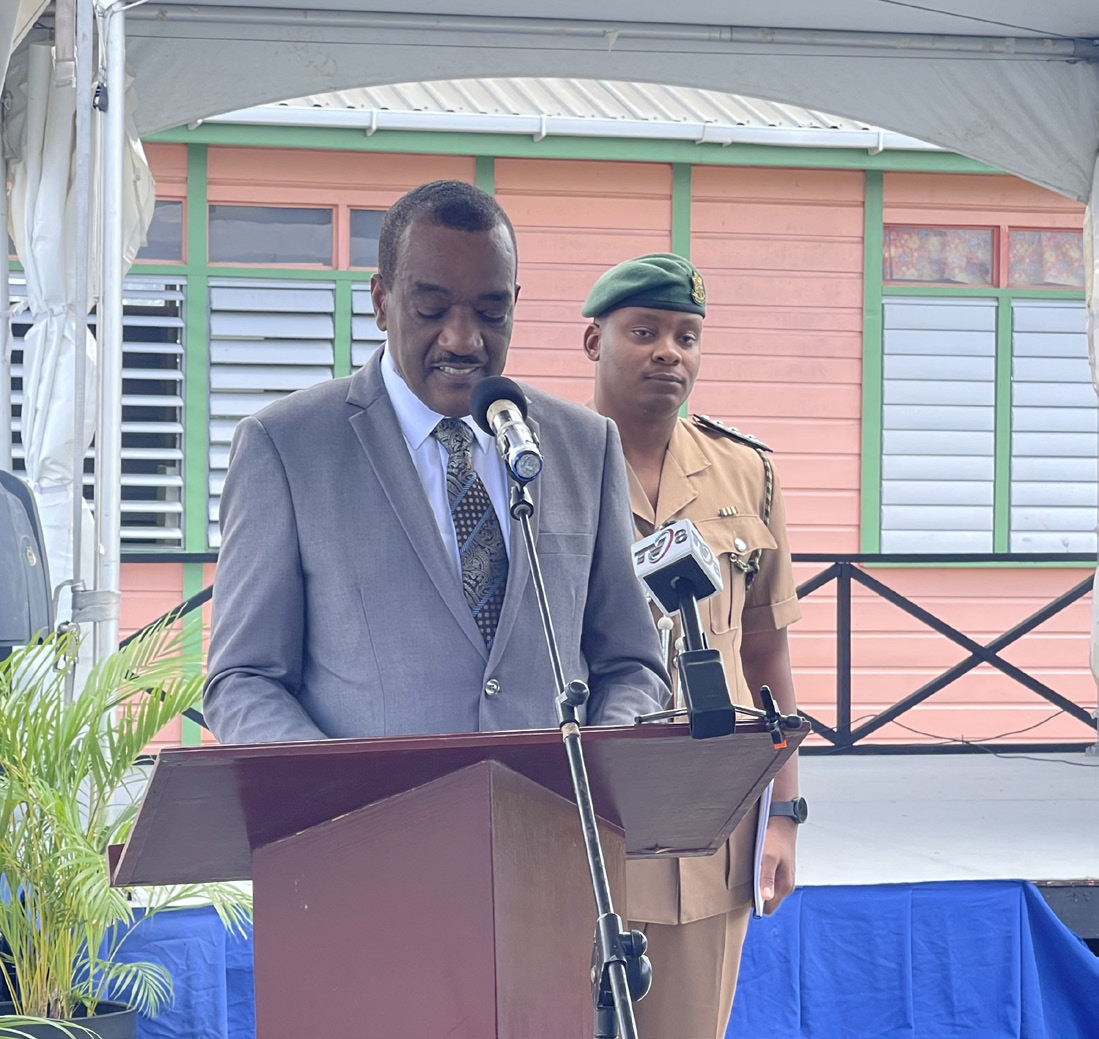
    During a landmark visit to Grantley Prescod Memorial School, President Bostic articulated the program’s core mission: inspiring children to transcend limitations and societal barriers. “This school, like any other school, has its challenges,” Bostic acknowledged before students and educators. “The important thing is the fact that you did not allow the challenges to prevent you from doing what we are doing here today. You rose above the circumstances.”

    The initiative, first announced during Bostic’s November 30 inaugural address, draws its name from Chapman Lane—the community where the president himself grew up before ascending through military ranks as a lieutenant colonel in the Barbados Defence Force and ultimately assuming the nation’s highest office.

    The launch event featured remarkable student performances that embodied the program’s spirit. Young learners from Wilkie Cumberbatch Primary—currently hosted at the St. Barnabas facility during campus renovations—delivered a stirring medley of patriotic songs including ‘Proud to be a Bajan’ and ‘Beautiful Barbados.’ Students further demonstrated their talents through an acrostic presentation honoring presidential qualities, a Spanish-language performance showcasing linguistic skills, and a dance display that continued seamlessly despite technical difficulties.

    President Bostic reinforced his commitment to educational excellence by quoting the host school’s mission statement emphasizing disciplined, creative environments that develop responsible global citizens. “I want to encourage teachers and students alike,” he stated, framing his visit as both motivational opportunity and civic connection.

    The president candidly addressed contemporary educational challenges, recognizing teachers operate in “very difficult and challenging times, perhaps more so than your predecessors ever had to deal with.” He urged educators to maintain unwavering commitment with a rallying cry of “no retreat and no surrender.”

    Adding powerful testimony, Presidential Aide-de-Camp Captain Tevin Maynard—a Wilkie Cumberbatch alumnus—shared his transformative journey with students. Reciting his former school’s motto (“We persevere, we succeed, for life we work”), Maynard delivered an impactful message: “Anything you put your mind to, you can achieve if you are of good character, you persevere and you continue to work hard. Every time people tell you you can’t, prove to them you can.”

    The event culminated in a thoughtful exchange during which students engaged the president with questions about his academic preferences, age, and childhood aspirations, revealing his unexpected path from aspiring teacher to national leader. President Bostic departed with a custom-carved mahogany plaque of the school’s crest, crafted by alumnus Marlon Waterman, symbolizing the enduring connection established through the Chapman Challenge launch.

  • FAO to facilitate International Coffee Day on Oct 1,  highlighting crop’s  global contribution

    FAO to facilitate International Coffee Day on Oct 1, highlighting crop’s global contribution

    In a historic move, the United Nations General Assembly has formally recognized coffee’s profound global significance through a groundbreaking resolution that establishes International Coffee Day. The Food and Agriculture Organization (FAO) will lead observances celebrating coffee’s extraordinary journey from ancient crop to modern cultural phenomenon.

    The resolution transcends coffee’s identity as merely a beverage, acknowledging its deep historical roots, social importance, and cultural symbolism across civilizations. It positions coffee as both a vital agricultural commodity and a universal social ritual that has shaped human interaction for centuries.

    Crucially, the UN resolution documents coffee’s substantial contributions to achieving multiple Sustainable Development Goals. These include combating hunger, reducing extreme poverty, promoting gender equality, and fostering sustainable economic growth through decent work opportunities. FAO analysis demonstrates how coffee production and trade systems support both local communities and global development initiatives.

    FAO Director-General QU Dongyu emphasized: “Coffee represents more than a drink—it’s a comprehensive global commodity chain that sustains millions of farming families and connects rural communities to international markets. This formal recognition will amplify awareness of coffee’s socio-economic importance and enhance its poverty eradication potential.”

    The resolution gained momentum after endorsement during FAO’s 44th Conference in 2025. The organization will now collaborate with the International Coffee Organization and other partners to develop meaningful observances that highlight coffee’s economic impact and promote sustainable industry practices.

    Current statistics underscore coffee’s massive economic footprint: global production exceeded 11 million tonnes in 2024, with approximately 8 million tonnes traded internationally. The industry generates nearly $25 billion in value, with bean trade reaching $34 billion. For numerous developing nations including Ethiopia, Uganda, and Burundi, coffee exports constitute vital foreign exchange earnings, sometimes exceeding food import costs.

    FAO’s extensive support programs for coffee-producing countries include climate adaptation strategies, pest management, agroforestry practices, and development of climate-resilient varieties. Initiatives such as Farmer Field Schools in Panama and cooperative models in Cuba demonstrate practical approaches to environmental challenges. Additional programs in Honduras, Guatemala, and Uganda focus on traceability systems and sustainability standards alignment.

    Through its Hand-in-Hand Initiative and World Bank partnerships, FAO mobilizes investments to enhance smallholder efficiency and income. The formal establishment of International Coffee Day provides a dynamic platform for strengthened collaboration, knowledge exchange, and concerted action toward building a more resilient, inclusive, and environmentally sustainable coffee sector worldwide.

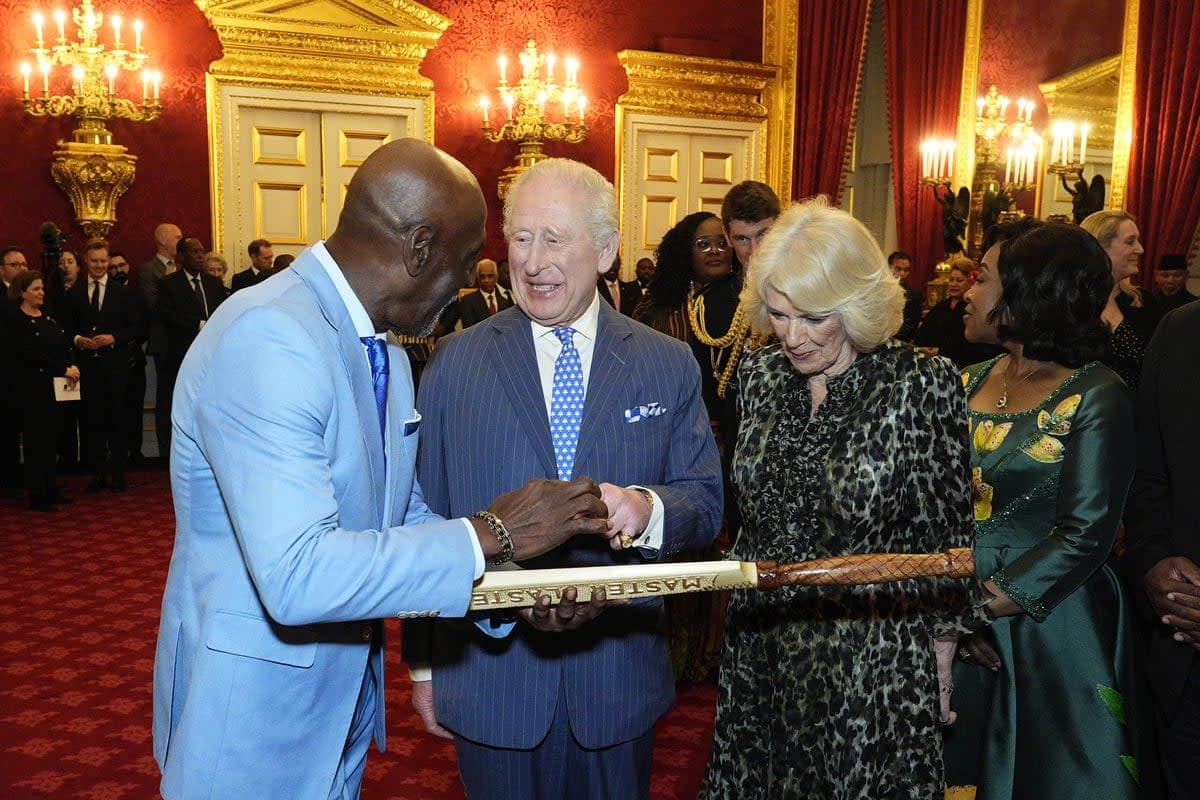
  • ‘It nearly killed me’: King Charles jokes with Sir Viv Richards about his cricket attempts

    ‘It nearly killed me’: King Charles jokes with Sir Viv Richards about his cricket attempts

    In a display of royal humility and sporting humor, King Charles III engaged in a lighthearted exchange with cricket icon Sir Vivian Richards, candidly reflecting on his own amateur attempts at the sport. The monarch, during a special event celebrating the legacy of cricket, quipped that his personal foray into the game had nearly proven fatal, drawing laughter and highlighting the stark contrast between his efforts and the legendary prowess of his companion.

    The interaction occurred at a significant gathering, underscoring the cultural and diplomatic role of sports. Sir Viv Richards, revered as one of the most formidable batsmen in cricket history, represented the West Indies, a region with deep historical ties to the Commonwealth. The King’s self-deprecating remark served as an icebreaker, fostering a warm and relatable atmosphere. This exchange transcended mere small talk, symbolizing a bridge between formal monarchy and popular culture through a shared, albeit humorously mismatched, appreciation for the beloved sport. The event itself was positioned as a celebration of sportsmanship and international camaraderie, with the conversation between the King and the sporting knight providing a memorable human moment within the formal proceedings.

  • ‘Vincy, we have a problem,’ Education Minister says of school violence

    ‘Vincy, we have a problem,’ Education Minister says of school violence

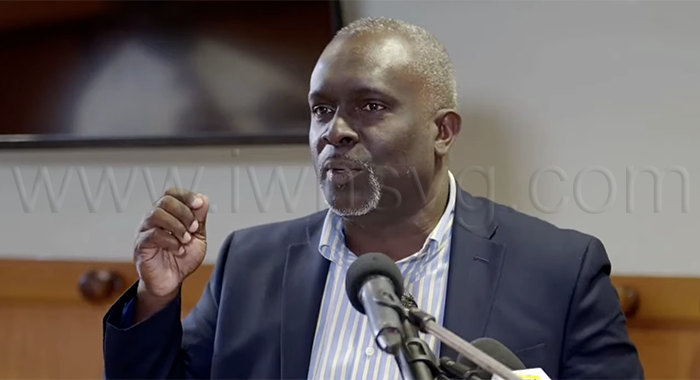
    St. Vincent and the Grenadines’ Education Minister Phillip Jackson has issued a stark warning about the escalating crisis of school violence, dramatically invoking the famous Apollo 13 phrase to emphasize the severity of the situation. Speaking at the National Consultation on School Violence in Kingstown, Jackson declared, “Vincy, we have a problem,” framing the issue as a national emergency requiring collective action rather than isolated institutional responsibility.

    The urgent consultation follows disturbing trends of violent clashes among students and open gang affiliations within educational institutions. The gravity of the situation was underscored by the tragic case of 17-year-old Alia Mc Dowall, who died in March from injuries sustained in a November 2024 stabbing allegedly involving another student. Doriel Duncan, a 17-year-old from Bethel High School, has been charged with wounding with intent and granted bail pending further court proceedings.

    Minister Jackson emphasized that acknowledging the problem represents merely the initial step toward resolution. “The very fact that we are here at this consultation is an indication that we have recognised the problem,” he stated, stressing that true progress requires societal ownership rather than deflection of responsibility.

    The gathering brought together senior police officials, national security stakeholders, education administrators, and students to address the crisis. Jackson called for universal engagement, urging parents, community leaders, clergy, educators, and all citizens to reject school violence and consider their individual roles in combating it.

    Drawing inspiration from President John F. Kennedy’s iconic 1961 inaugural address, Jackson reframed the challenge: “Ask not what your country can do for you—ask what you can do for your country.” He encouraged all stakeholders to consider their personal contribution to reducing bullying, intimidation, gang relationships, and violence in schools.

    The minister analyzed the consultation’s theme—”Safer schools; safer communities”—through the lens of cause and effect, while also proposing an inverse relationship. Jackson argued that school violence often reflects deeper community issues, stating: “The problems in our schools are manifestations of a malaise in our communities.” He described school violence as symptomatic of broader societal illness rather than the disease itself.

    Jackson highlighted research indicating that student performance and behavior are significantly influenced by social bonding and stakeholdership. He suggested simple community-building practices, such as classroom birthday celebrations, to foster responsibility and connection among students. According to the minister, students who feel invested in their school community develop “a stake in conformity” and become protective of their educational environment.

    Conversely, Jackson explained how consistent academic failure—particularly among males facing social pressure to demonstrate toughness—can sever these bonds, increasing delinquency risks. He described the “frustration-aggression cycle” wherein students struggling with literacy and numeracy become alienated in high-pressure academic environments.

    The minister cautioned against dismissing bullying as minor sensitivity, noting that such behavior often transfers from home or community experiences. While emphasizing that bullying shouldn’t become the sole focus, Jackson urged educators to recognize early warning signs and demonstrate serious attention to these issues to prevent escalation.

  • Deputy PM to ask Taiwan for vehicles amidst crime prevention drive

    Deputy PM to ask Taiwan for vehicles amidst crime prevention drive

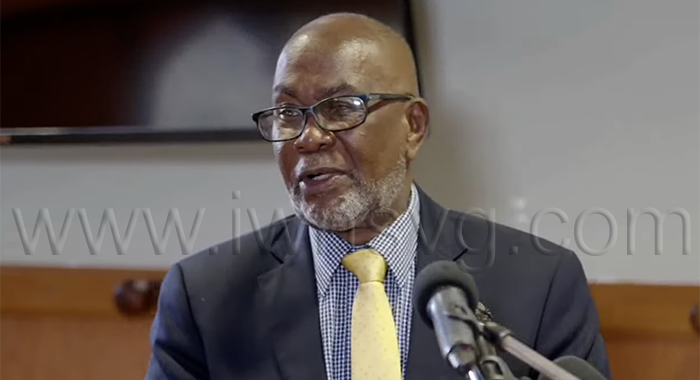
    In a significant move to bolster national security infrastructure, St. Vincent and the Grenadines’ Deputy Prime Minister St. Clair Leacock has announced plans to formally request vehicle donations from Taiwan during an upcoming diplomatic visit. The Minister of National Security revealed this strategic initiative during the National Consultation on School Violence in Kingstown, emphasizing that the contributed fleet would primarily support the revitalization of crime prevention initiatives, including the reintroduction of the Drug Abuse Resistance Education (D.A.R.E.) program in schools.

    The New Democratic Party administration, which assumed power in November 2025, has committed to fully equipping law enforcement agencies, with Leacock stating that adequate resources would eliminate excuses for underperformance. The requested vehicles would be distributed across multiple security sectors: three for the National Commission of Crime Prevention (NCCP), three for the Cadet Force, and a minimum of twelve for the Royal St. Vincent and the Grenadines Police Force.

    Leacock provided compelling economic justification for this preventive approach, noting that while the government spends EC$20,000 annually to incarcerate an individual, it allocates merely EC$620 per cadet through its current EC$186,000 annual subvention to the 300-member Cadet Force. This 90-year-old institution, which Leacock once commanded, requires immediate infrastructure upgrades, with the minister noting that the force currently operates a 21-year-old vehicle.

    The security minister also outlined broader philosophical underpinnings of the administration’s crime prevention strategy, referencing the party’s long-promoted Social, Spiritual and Redemption Charter. This policy framework emphasizes increased involvement of faith-based organizations and youth groups like scouts, guides, and Christian fellowships in societal development. Leacock has directed the NCCP to incorporate this charter into its deliverables alongside police youth club formation.

    Addressing senior police officers directly, Leacock established clear accountability parameters: “Once I have provided you with what you need, don’t come and tell me why X, Y and Z still happening.” The minister additionally committed to requesting laptop computers from Taiwanese partners, responding to specific logistical needs identified by the deputy police chief.

    This resource acquisition strategy forms part of Leacock’s broader commitment to transformative security governance, vowing not to leave office with St. Vincent worse than he found it, and ensuring the administration provides all necessary assets for maintaining law and order.

  • St Bartholomew Primary gets boost in sports gear

    St Bartholomew Primary gets boost in sports gear

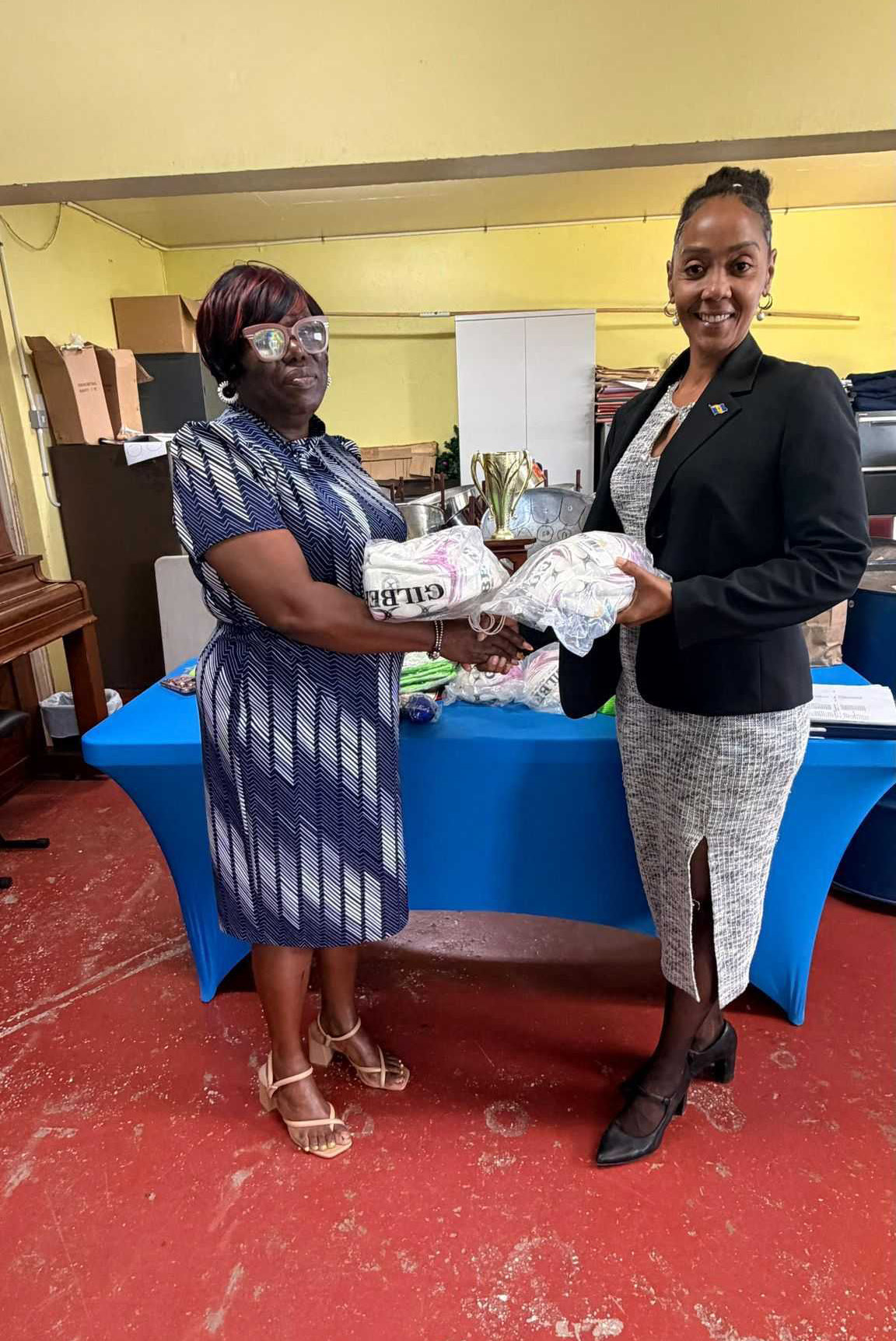
    In a significant boost for youth athletic development, St Bartholomew Primary School’s sports programs received substantial support through a donation of new sporting equipment from Amoy Gilding-Bourne, Vice President of the Democratic League of Women and former Democratic Labour Party candidate for Christ Church East. The contribution, presented on Monday, included comprehensive netball and football gear comprising professional netballs, official bibs, referee whistles, and training skipping ropes.

    Addressing assembled students and faculty, Gilding-Bourne expressed profound admiration for the young athletes’ dedication to sporting excellence. She particularly highlighted the school’s remarkable performance at the recent NAPSAC competitions, noting “a noticeable improvement from previous years” that deserved recognition. The political figure emphasized that such equipment donations represent a strategic approach to youth engagement through athletic development, vowing to continue supporting sports initiatives as part of her community outreach.

    Physical Education instructor Perry Barnett acknowledged Gilding-Bourne’s commitment to fulfilling her promise to the school, while Principal Althea Gill extended formal gratitude for the contribution that will directly enhance training capabilities and competitive preparedness for the institution’s emerging athletes.

  • Martin, Prince and King Swallow Receive Lifetime Achievement Honors at National Music Awards

    Martin, Prince and King Swallow Receive Lifetime Achievement Honors at National Music Awards

    Antigua and Barbuda’s cultural landscape was celebrated as three iconic musical pioneers received Lifetime Achievement Awards during the National Music Awards ceremony. The prestigious honors recognized both living and posthumous contributions that have fundamentally shaped the nation’s artistic heritage.

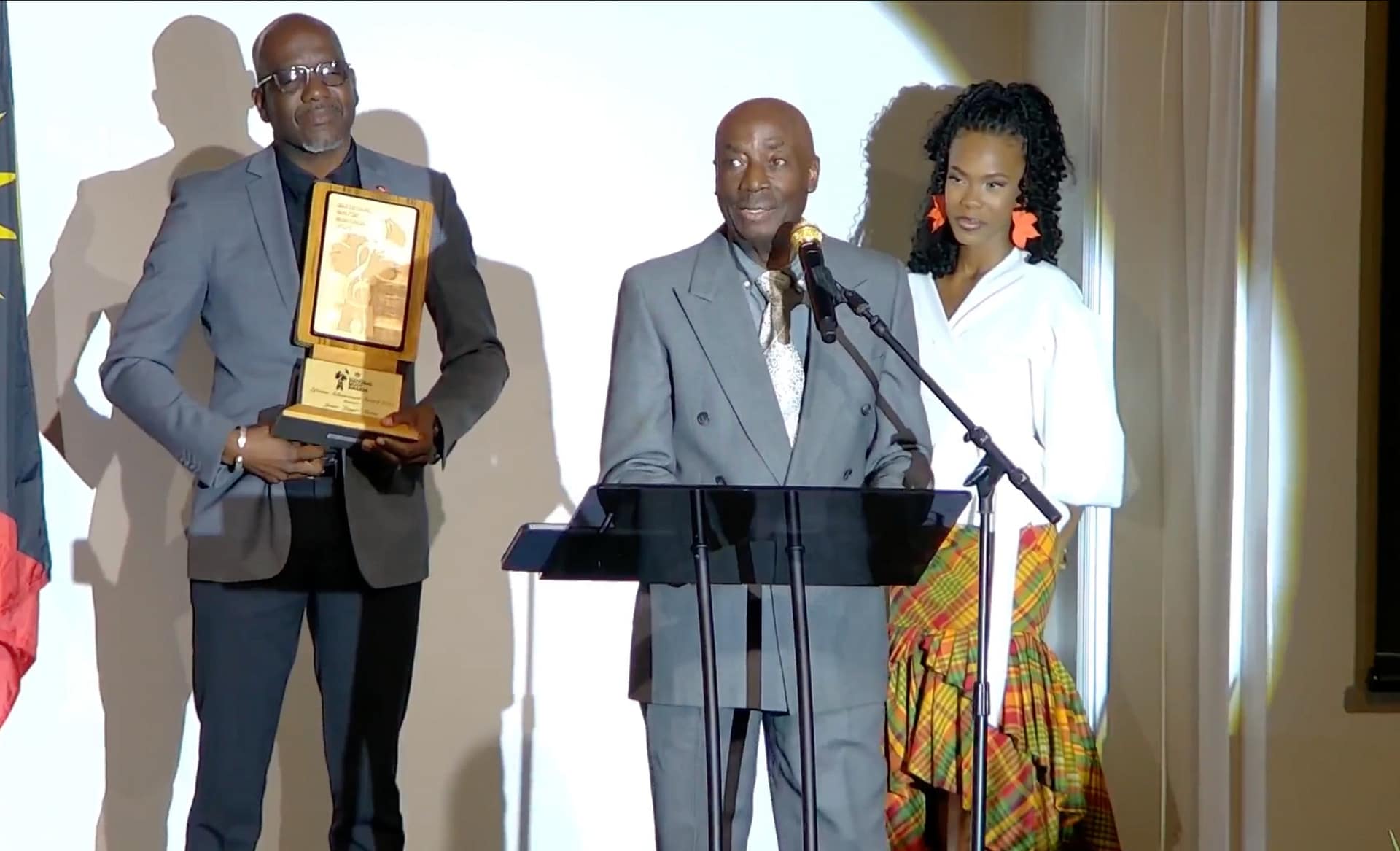
    Junior ‘Jagger’ Martin, a revered musician and cultural advocate, was honored for his extensive decades-long involvement in Antigua and Barbuda’s music industry. Beyond his personal artistic achievements, Martin was specifically recognized for his pivotal role in nurturing and developing local talent, creating pathways for successive generations of musicians.

    The awards ceremony paid special tribute to two late musicians whose legacies continue to resonate throughout the Caribbean. Roland Prince, a transformative figure in Antigua’s musical evolution, received posthumous recognition for his profound impact on the country’s musical landscape. His innovative approaches during his career significantly influenced the direction of Antiguan music.

    Similarly honored was legendary calypsonian Sir Rupert ‘The Mighty Swallow’ Philo, whose posthumous award acknowledged his status as one of Antigua’s most significant cultural figures. Philo’s extensive career spanned multiple decades and produced numerous classic compositions that have become embedded in the nation’s cultural fabric. His work was instrumental in establishing Antigua and Barbuda as a respected voice within the broader Caribbean calypso tradition.

    The Lifetime Achievement Awards formed the centerpiece of an evening that celebrated diverse contributors to Antigua and Barbuda’s music industry, including contemporary artists, performers, producers, and cultural stakeholders. The ceremony highlighted how both historical and current creative efforts collectively strengthen the nation’s cultural identity and artistic legacy.

  • Tian Winter Takes Soca Artist and Recording Artist of the Year Titles, Absent To Receive Awards

    Tian Winter Takes Soca Artist and Recording Artist of the Year Titles, Absent To Receive Awards

    In a remarkable display of artistic recognition, soca sensation Tian Winter achieved a prestigious double victory at the National Music Awards ceremony held Tuesday evening. The Antiguan performer secured two of the event’s most coveted honors: Soca Artist of the Year and Recording Artist of the Year, cementing his status as a leading force in Caribbean music.

    The awards ceremony, which celebrates exceptional contributions to Antigua and Barbuda’s music industry, witnessed Winter triumph over formidable competitors. He surpassed fellow nominee Young Lyrics to claim the Soca Artist of the Year distinction, while simultaneously outperforming both Soca Villain and Niko Wild West to capture the Recording Artist of the Year accolade.

    Notably absent from the festivities, Winter’s awards remained unclaimed as no representative attended the ceremony to accept the honors on his behalf. This absence, however, did little to diminish the significance of his achievements, which underscore another year of remarkable success for the artist.

    Winter’s music continues to resonate powerfully with audiences throughout the Caribbean region and beyond, demonstrating growing international appeal for his distinctive soca sound. The National Music Awards ceremony served as a platform to acknowledge not only performing artists but also producers, bands, and various entertainment figures who have contributed to the sustained development and evolution of the nation’s musical landscape.

  • Minister of Labour pledges gov’t support for establishments hit by fire

    Minister of Labour pledges gov’t support for establishments hit by fire

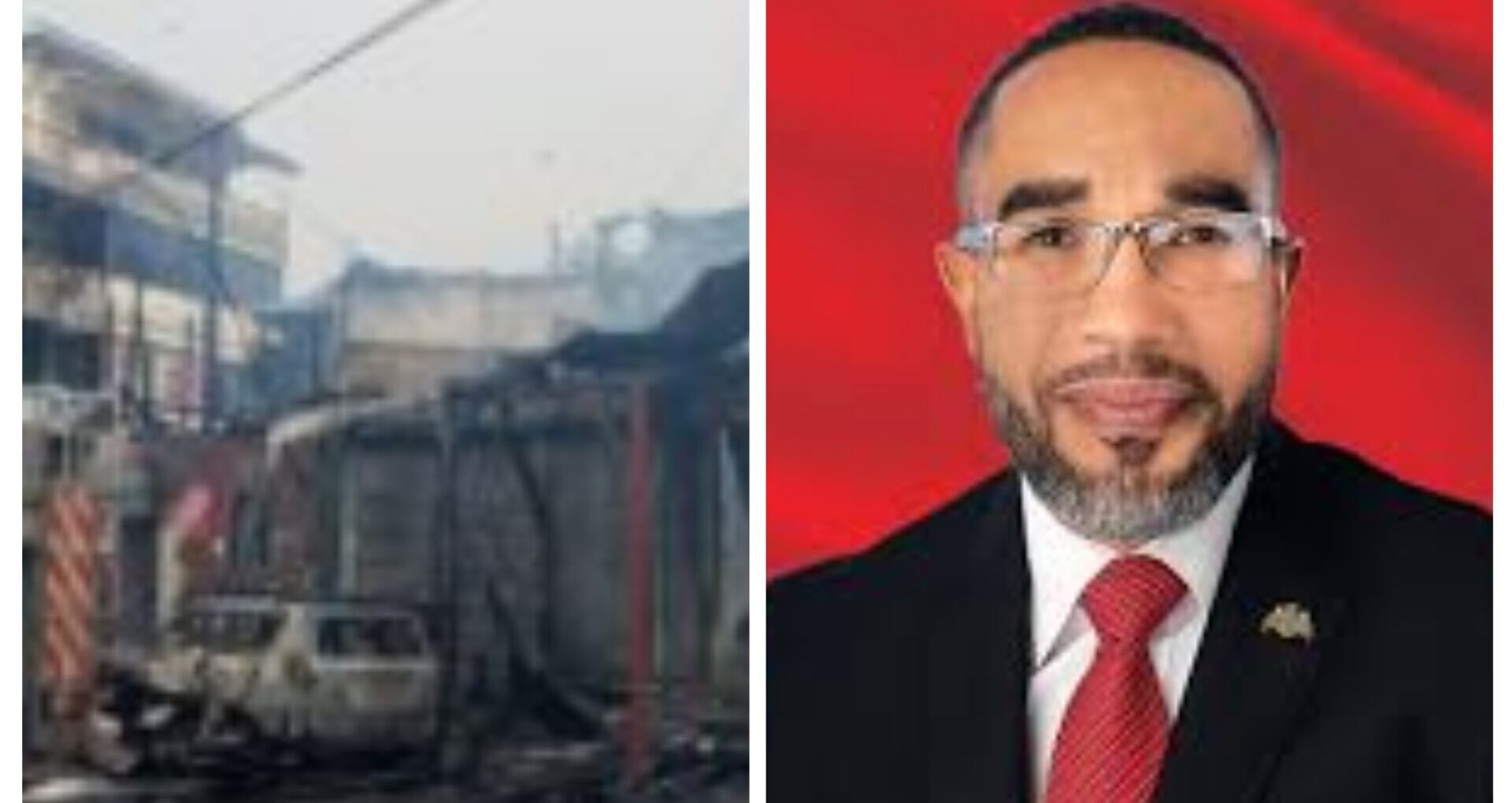
    The Government of Dominica has declared its unwavering commitment to supporting local entrepreneurs devastated by the major fire incident that struck Roseau on March 1st. Daren Pinard, Minister of State with responsibility for Entrepreneurship and Small Business Development, personally convened meetings this week with affected business owners through the Small Business Support Unit.

    This initiative represents part of the administration’s concerted effort to maintain direct dialogue with impacted stakeholders, ensuring that relief measures are precisely tailored to on-the-ground realities. Minister Pinard expressed profound solidarity with business proprietors, employees, and families suffering from the catastrophic event, acknowledging the years of diligent work that established these now-disrupted enterprises.

    During extensive consultations, government officials gathered critical insights into the immediate challenges facing the business community. These structured discussions revealed the substantial scale of losses and identified priority areas requiring short and medium-term intervention.

    The Ministry has initiated comprehensive assessments through its Small Business Support Unit to document damages across affected businesses. This systematic evaluation will determine appropriate assistance levels and ensure that support mechanisms remain precisely targeted and practically effective.

    Minister Pinard further detailed ongoing efforts to facilitate access to support programs, provide business recovery guidance, and coordinate with governmental agencies and development partners. The recovery strategy emphasizes collaborative engagement with all stakeholders to deliver both financial and technical assistance where needed.

    The government official concluded with a firm assurance: “We stand with you during this difficult time, and we will continue to work with you as you navigate the path toward recovery and rebuilding.”