作者: admin

  • Tragic domestic violence incidents spark outrage

    Tragic domestic violence incidents spark outrage

    Trinidad and Tobago faces a devastating surge in gender-based violence as the nation grapples with three separate femicide cases within two weeks, exposing critical failures in domestic violence protection systems. The recent tragedies have sparked national outrage and forced government officials to confront systemic inadequacies in safeguarding vulnerable women.

    The violence culminated with the December 8th murder of Angel Lutchman, a 42-year-old mother of two from Claxton Bay, who was brutally killed by her ex-boyfriend despite having an active restraining order against him. Shazard Mohammed, 29, allegedly stabbed and slit Lutchman’s throat before dying by suicide. The victim’s 12-year-old son made the horrific discovery upon returning home from a relative’s house.

    This tragedy follows the November 23rd murder-suicide involving UNC councillor Romona Victor, 36, killed by her husband Rodney Ramsumair, 45, at their Siparia residence. Just days later on December 7th, Nicole Ovid, 56, was found dead on a pavement in St. James following an alleged altercation with an acquaintance who subsequently surrendered to police.

    Prime Minister Kamla Persad-Bissessar, who had previously vowed to strengthen crisis support systems at Victor’s funeral, now faces mounting criticism. When questioned about concrete plans to address violence against women, the Prime Minister stated she had requested information from Gender Affairs Minister Vandana Mohit but provided no specific timeline or strategy.

    Homeland Security Minister Roger Alexander acknowledged fundamental flaws in the restraining order system, admitting: ‘I have always said that the programme does not work well. We are taking a look at it to see how best we can treat with it.’ He emphasized the need for educational initiatives starting at school level to address domestic violence prevention.

    Opposition leader Mickela Panday delivered a powerful social media statement condemning the cultural acceptance of gender-based violence. The attorney and daughter of former prime minister Basdeo Panday highlighted how ‘coercive control, monitoring, threats, financial manipulation, and isolation break a woman down until she doubts her own reality.’ She criticized victim-blaming tendencies and demanded perpetrator accountability, urging police to treat every report with urgency and properly enforce protection orders.

    Panday proposed comprehensive reforms including increased safe houses, financial support for women escaping abusive relationships, strengthened laws, rehabilitation programs for abusers, and relationship education in schools to break the intergenerational cycle of violence.

    As autopsies for Lutchman and Ovid proceed at the Forensic Science Centre, investigations continue while the nation confronts its gendered violence epidemic that has left multiple families shattered and communities demanding immediate action.

  • PM: Acting WASA CEO is Dain Maharaj

    PM: Acting WASA CEO is Dain Maharaj

    In a significant development within Trinidad and Tobago’s public utility sector, Prime Minister Kamla Persad-Bissessar has officially confirmed the appointment of Dain Maharaj as the interim Chief Executive Officer of the Water and Sewerage Authority (WASA). The announcement came during the December 9 parliamentary session in response to pointed inquiries from Arouca/Lopinot opposition MP Marvin Gonzales.

    During the House of Representatives proceedings, the Prime Minister provided definitive clarification regarding the leadership transition at the state-owned water authority. “The individual designated to serve as acting CEO of WASA is Mr. Dain Maharaj, who remains a current employee of the organization,” Persad-Bissessar stated authoritatively.

    The parliamentary exchange grew notably contentious when Gonzales questioned the circumstances surrounding the departure of former CEO Jeevan Joseph, who had held the position for approximately five months. The Prime Minister firmly rejected the premise of the questioning, asserting that no administrative leave had been imposed regarding the previous acting CEO.

    “The previous interim CEO tendered a resignation based entirely on personal considerations,” Persad-Bissessar clarified. “Therefore, the foundational assumption of your inquiry is fundamentally inaccurate.” This response highlighted the government’s position that the leadership transition occurred through voluntary resignation rather than administrative action.

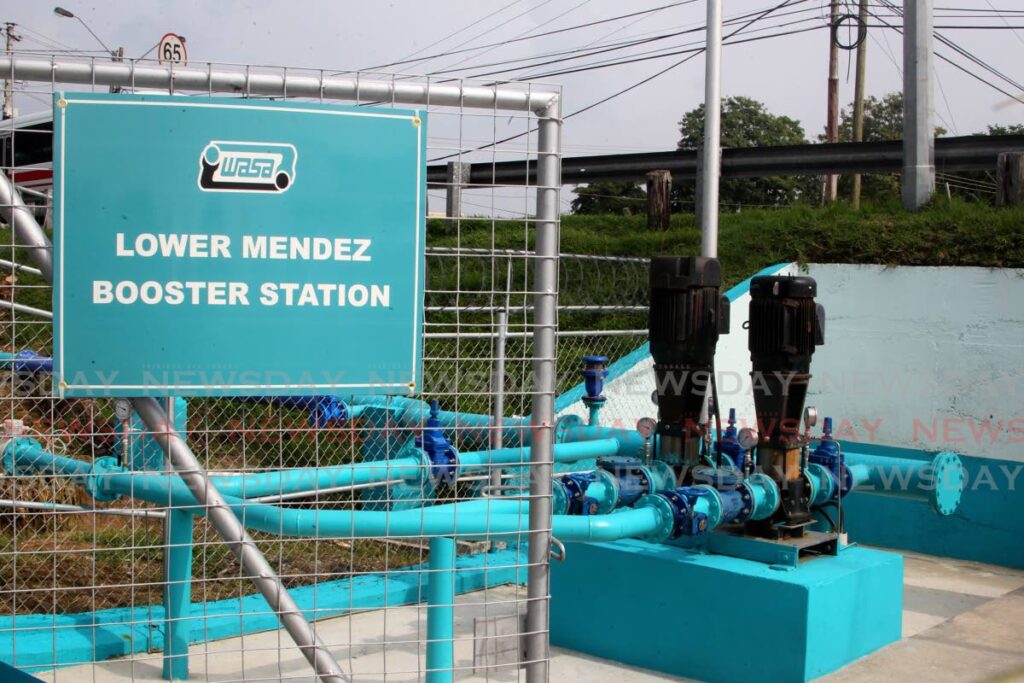
    The appointment comes at a critical juncture for WASA, which faces ongoing challenges in water distribution and infrastructure management across Trinidad and Tobago. Maharaj’s internal promotion suggests continuity within the organization’s operational framework during this transitional period.

  • Race to intercol glory: Signal Hill plot revenge over league champs ‘Naps’

    Race to intercol glory: Signal Hill plot revenge over league champs ‘Naps’

    A highly anticipated showdown between two football powerhouses will culminate at Couva’s Ato Boldon Stadium on December 10 as Signal Hill Secondary confronts Naparima College in the 2025 Coca-Cola SSFL boys’ national intercol final. The match represents a classic underdog versus champion narrative, with Tobago’s Signal Hill attempting to replicate their 2010 triumph against the same opponents while ending a 15-year trophy drought.

    Naparima College enters the final as firm favorites, having recently secured their fifth premier division title since 2014 with a narrow 2-1 victory over Signal Hill just two weeks prior. That November 27 encounter saw Naparima establish an early 2-0 advantage through goals from Sebastian James and prolific Tobago-born striker Riquelme Phillips before weathering a spirited Signal Hill comeback.

    Signal Hill coach Downie Marcelle acknowledges the challenge ahead, stating, “We must respect Naparima’s status as the league’s best team, but simultaneously believe in our capabilities. Our players demonstrate exceptional hunger for success in this final.” Marcelle’s squad advanced to the championship match with a hard-fought 1-0 semifinal victory against St Anthony’s College, courtesy of a 76th-minute goal from substitute Siel Mills.

    The Tobago team faces potential lineup complications as Mills battles hamstring discomfort that prevented him from training on December 9. Regardless of his availability, Marcelle has prepared tactical adjustments to counter Naparima’s offensive strengths, particularly focusing on containing wingers Jayden Caprietta and Arron Raymond while limiting space for Phillips.

    Naparima manager Percy Samlalsingh recognizes the emerging rivalry between the programs, noting, “The previous encounter demonstrated minimal separation between our squads. This final will ultimately be determined by which team commits fewer errors and capitalizes on scoring opportunities.” The southern school seeks their ninth national intercol title and first since 2018, with several Upper Six players including captain Jerrel Cooper, goalkeeper Adriano Baptiste, and midfielders Xarion France and Ryan Radellant aiming to conclude their SSFL careers with championship glory.

    This senior final initiates an unprecedented trilogy of championship meetings between the institutions, as they are scheduled to compete in both under-14 and under-16 national finals within the coming week, potentially establishing a new enduring rivalry in secondary schools football.

  • PM, 2 others cleared of privileges breaches

    PM, 2 others cleared of privileges breaches

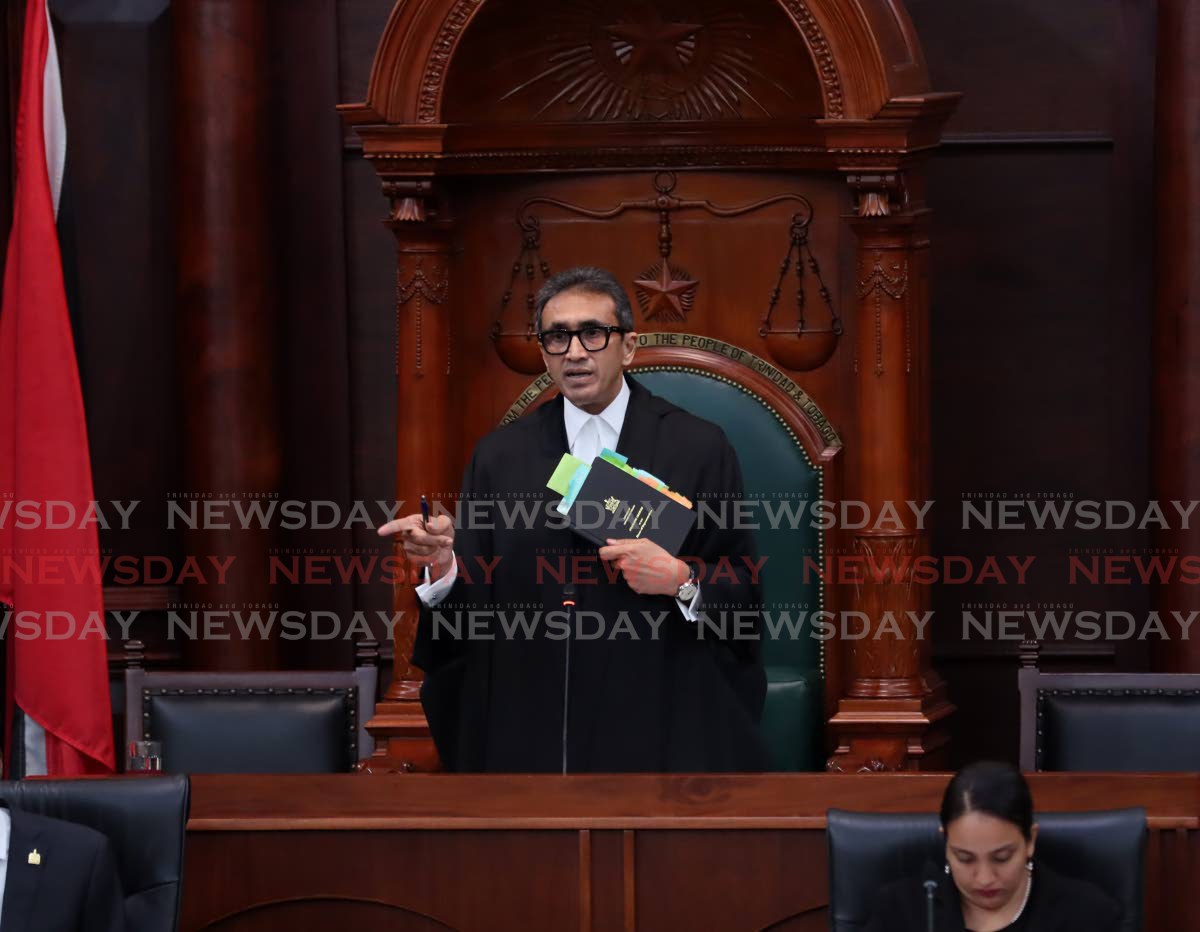
    In a landmark ruling that has significant implications for parliamentary conduct standards, House Speaker Jagdeo Singh has dismissed multiple privilege complaints against Trinidad and Tobago’s political leadership, declaring one key motion against Prime Minister Kamla Persad-Bissessar ‘stillborn.’

    The Speaker’s comprehensive decision, delivered during the December 9 parliamentary session, addressed three separate privilege motions filed by opposition members following heated exchanges in the November 21 sitting.

    Central to the ruling was the complaint brought by Diego Martin North/East MP Colm Imbert against Prime Minister Persad-Bissessar. The controversy stemmed from an exchange where the PM told Imbert to ‘stop pointing at me,’ to which he responded ‘Why not?’ before Persad-Bissessar retorted, ‘Because I will cuff you down.’

    Speaker Singh invoked UK parliamentary precedent, emphasizing that privilege powers should only be exercised to protect members from ‘substantial interference’ with their official duties. He determined that the exchange constituted ‘light-hearted banter’ rather than a genuine threat, noting that laughter followed the interaction and no point of order was raised at the time.

    ‘The personal view of the member was irrelevant,’ Singh stated, adding that ‘mere words in themselves do not, ipso facto, constitute a breach of privilege.’

    The Speaker also dismissed a complaint by Arouca/Lopinot MP Marvin Gonzales based on alleged unparliamentary language from background audio in social media footage. Singh criticized the evidentiary standards, noting the absence of official Hansard records and the failure to raise objections during the actual proceedings.

    A third complaint by Couva South MP Barry Padarath alleging harassment was deemed ‘devoid of merit altogether’ for failing to meet procedural requirements.

    Singh expressed concern about the potential floodgates of ‘frivolous complaints’ if evidentiary standards were lowered, warning against allowing external parties to ‘scour every single second of parliamentary time for hot mic conversations.’

    The Speaker concluded with a call for heightened decorum, urging members to ‘exemplify productive and respectful debate’ and reminding them to turn off microphones during private conversations to avoid future controversies.

  • Fireworks Bill passes with unanimous support in House

    Fireworks Bill passes with unanimous support in House

    In a historic legislative move, Trinidad and Tobago’s House of Representatives has unanimously approved the Summary Offences (Amendment) Bill, 2025, establishing comprehensive regulations for fireworks usage through a permit system. The decisive 38-0 vote on December 9 marks a significant shift in public safety policy regarding explosive celebrations.

    Attorney General John Jeremie, championing the legislation, emphasized that fireworks represent more than celebratory items—they constitute serious explosive devices capable of causing substantial damage, injury, and even fatalities. The bill emerges from growing concerns over public safety incidents, including a recent tragedy involving a newborn’s death in October attributed to fireworks misuse.

    The legislation introduces a structured permit system administered by the Commissioner of Police, prohibiting individuals under 18 from obtaining permits. It mandates advance notification to the Fire Service 14 days prior to any fireworks display and establishes explicit restrictions regarding locations, specifying half-mile exclusion zones around hospitals, airports, zoos, animal shelters, farms, and protected natural areas.

    Notably, the bill preserves traditional celebration windows, allowing firework usage without permits on public holidays from 8-9 PM and on December 31 from 11:30 PM to 12:30 AM. Enforcement mechanisms include fixed penalty notices, with provisions for contesting tickets through the District Criminal and Traffic Court.

    The legislative process began in 2020 with a comprehensive law reform commission review, culminating in a 2021 draft that incorporated public feedback. A groundbreaking evidentiary provision allows video recordings from mobile devices as admissible evidence in enforcement cases.

    While opposition MP Symon De Nobriga expressed support for the bill, he raised concerns about enforcement practicality, potential video evidence manipulation, and the need for stronger regulations regarding fireworks sales to minors. He additionally highlighted possible conflicts with traditional celebration venues like Queen’s Park Savannah, which falls within restricted zones near medical facilities and the zoo.

    The legislation represents a balanced approach between cultural traditions and public safety, aiming to mitigate risks while preserving celebratory practices under controlled conditions.

  • Marina workers, residents raise safety concerns after Monos Island kidnapping — Peninsula of fear

    Marina workers, residents raise safety concerns after Monos Island kidnapping — Peninsula of fear

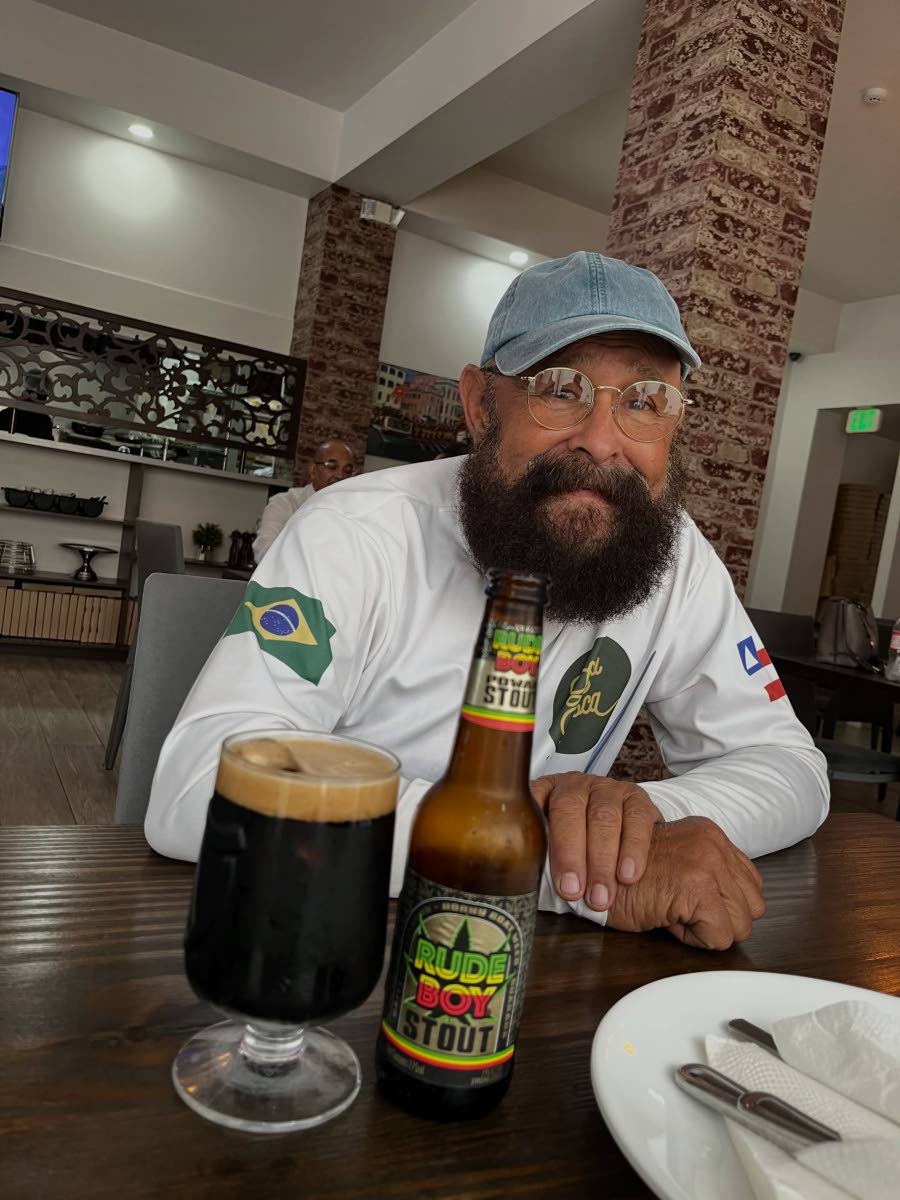
    The tranquil waters surrounding Trinidad’s Down D Islands have been shattered by anxiety as the three-day kidnapping ordeal of renowned 70-year-old boating expert Derek ‘Stones’ Tardieu and his wife Clarabelle continues unabated. The maritime community, once considered a safe haven, now grapples with unprecedented security concerns as authorities scramble to address systemic vulnerabilities.

    At Tardieu Marine Ltd in Chaguaramas, boatmen expressed profound unease about their exposure to criminal elements. ‘We operate without any meaningful protection,’ one marine worker revealed, drawing disturbing parallels to established extortion schemes in other coastal areas. ‘The pattern from Sea Lots, where boat owners face monthly payments to criminal entities, appears to be spreading to our waters.’

    The security vacuum stems from insufficient patrols by Coast Guard and Marine Police units, leaving workers fundamentally vulnerable. Despite having communication radios, the prohibition against firearms aboard vessels creates critical safety gaps. ‘When armed intruders board, our options vanish within seconds,’ another boatman explained. ‘The psychological toll is constant—we’re perpetually calculating risks in what was once our sanctuary.’

    Yohan Goviah, President of the Island Property Owners Association, articulated the community’s shaken confidence: ‘This incident forces us to reconsider our security paradigm. Our proximity to Venezuela and the porous maritime border create inherent challenges, while law enforcement agencies face resource constraints that limit 24/7 surveillance capabilities.’

    Investigative developments reveal sophisticated criminal tactics. The kidnappers communicated via a Colombian-numbered phone, demanding a $2.5 million ransom in a voice message from Tardieu. Subsequent social media circulation showed disturbing footage of the couple held at gunpoint with a military-grade M-26 grenade—a weapon variant produced in Colombia—pressed against Tardieu’s chest.

    Minister of Homeland Security Roger Alexander acknowledged institutional shortcomings: ‘We inherited limited assets for coastal protection, but are developing coordinated responses with defense counterparts.’ His comments referenced ongoing debates about maritime radar systems, particularly one installed in Tobago that failed to detect the kidnappers’ approach.

    The Trinidad and Tobago Police Service has classified the investigation as high-priority, mobilizing specialized resources while urging media restraint to protect the victims’ safety. Western Division ACP Henry encouraged community reporting of extortion attempts, pledging immediate response to credible threats.

    As the search operation continues across the complex maritime border region, the incident has exposed fundamental security deficiencies in Trinidad’s coastal communities, raising urgent questions about sustainable protection strategies for vulnerable maritime populations.

  • CPO meets with Police Association executive

    CPO meets with Police Association executive

    In a significant development for Trinidad and Tobago’s law enforcement community, Chief Personnel Officer Dr. Daryl Dindial convened with newly elected TT Police Service Social Welfare Association (TTPSSWA) president Ishmael Pitt and executive members on December 9. The meeting, held at the Personnel Department headquarters in St. Clair, marked a pivotal step in fostering collaborative relations between government administration and police representatives.

    During the cordial exchange, both parties engaged in substantive discussions addressing critical organizational matters. While explicitly characterized as preliminary talks rather than formal negotiations, the dialogue encompassed several pressing issues including the ongoing job evaluation exercise, comprehensive pension reform proposals, enhancements to the group health plan, and potential timelines for resuming official bargaining sessions.

    Dr. Dindial emphasized the administration’s commitment to maintaining transparent and productive channels of communication with all stakeholders. The meeting notably served as an occasion to honor outgoing TTPSSWA president Gideon Dickson, whom the CPO praised for his principled leadership and dedication to advancing members’ welfare during his tenure. Dickson’s stewardship was credited with significantly strengthening the association’s advocacy capabilities and achieving tangible benefits for personnel.

    The constructive nature of the discussions has established a foundation for continued engagement, with follow-up dialogues scheduled for early January 2026. Dr. Dindial concluded the proceedings by extending seasonal greetings to all police service members and their families, acknowledging their service during the holiday period. This meeting occurs against the backdrop of the association’s previous acceptance in February 2023 of a four percent remuneration offer covering the 2014-2019 periods.

  • AT&LU President Calls for Increase to $500 Minimum Pension

    AT&LU President Calls for Increase to $500 Minimum Pension

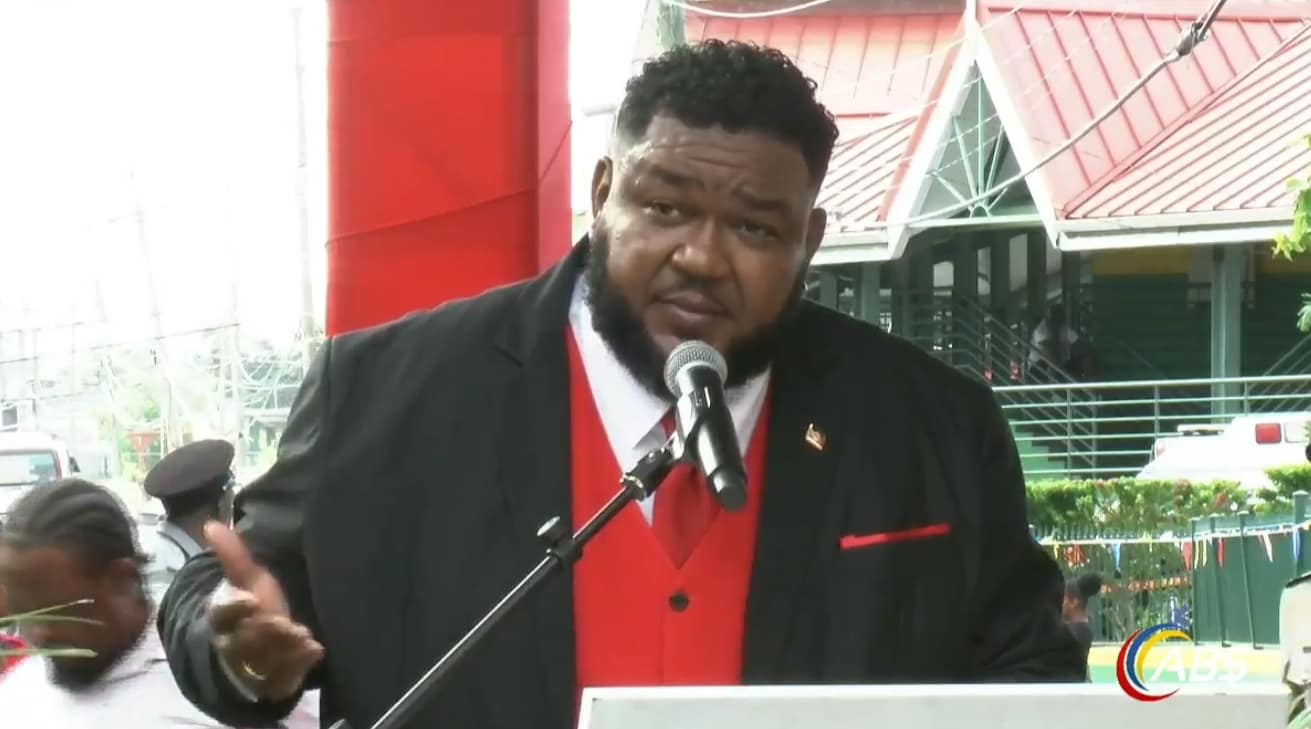
    In a powerful address during the VC Bird Day commemorations, Antigua and Barbuda Trades and Labour Union (AT&LU) President Bernard De Nully delivered a compelling plea to government officials for immediate pension reform. Speaking before an audience that included the Governor General and Prime Minister, De Nully declared the current $500 monthly minimum pension fundamentally inadequate for retirees’ survival needs.

    De Nully challenged cabinet members directly, posing the rhetorical question: “It is time to move beyond the $500. A minimum. Is that livable? The answer is no.” He expressed confidence in the government’s capacity to implement change, stating, “We can do better. And we will do better, for I have faith in my leaders.”

    The union leader contextualized his appeal within the historical legacy of Antigua’s labor movement, highlighting how both the AT&LU and Antigua and Barbuda Labour Party were established on principles protecting society’s most vulnerable members. He emphasized that these institutions “have always acted to protect and to advance the interests of these two groups—the youth and the elderly.”

    De Nully recounted four transformative achievements spearheaded by the labor movement over five decades: the 1967 Constitution, the 1974 Social Security system implementation, the 1978 Medical Benefits Scheme, and the 1994 Education Levy. He clarified that Social Security represents “a forced system of saving. An investment that is returned to the worker upon their retirement, ensuring that the elderly are assured a livable income”—not merely a tax.

    Invoking historical precedent, De Nully referenced former Prime Minister Baldwin Spencer’s description of national hero Vere Cornwall Bird Sr. as “unmatched on parallel and unsurpassed” in his national impact. The union president concluded with a personal commitment to strengthen the organization, pledging as the seventh AT&LU leader to “stand in the shoes of this great man” and uphold the principle that “the unity of labor is the salvation of our country.”

  • ICC veroordeelt Soedanese militieleider Abd-Al-Rahman tot twintig jaar cel

    ICC veroordeelt Soedanese militieleider Abd-Al-Rahman tot twintig jaar cel

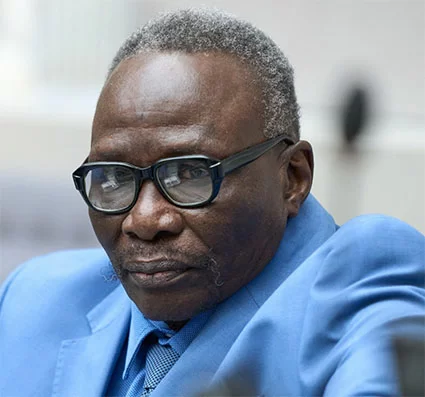
    The International Criminal Court (ICC) has imposed a 20-year prison sentence on Sudanese militia leader Ali Muhammad Ali Abd-Al-Rahman, marking a landmark ruling in one of the court’s most significant African war crimes cases. The conviction comes after Abd-Al-Rahman, widely known by his alias ‘Ali Kushayb,’ was found guilty on 27 counts of crimes against humanity and war crimes committed during the Darfur conflict.

    The extensive list of convictions includes murder, rape, torture, persecution, and other grave human rights violations. As a senior commander of the notorious Janjaweed militias, Abd-Al-Rahman was directly responsible for orchestrating systematic violence against civilian populations in Darfur beginning in 2003.

    ICC prosecutors presented overwhelming evidence demonstrating his central role in coordinating attacks that targeted non-Arab ethnic groups, resulting in widespread displacement, sexual violence, and mass casualties. The court’s sentencing deliberation emphasized the particular brutality of the crimes and their devastating impact on countless communities.

    This ruling represents a crucial milestone in the international community’s pursuit of accountability for atrocities committed during the Darfur conflict, which the United Nations estimates claimed approximately 300,000 lives and displaced over 2.7 million people. The ICC characterized the sentence as a vital step toward delivering justice for thousands of victims who suffered under the Janjaweed’s campaign of terror.

    The case sets important precedents for international justice mechanisms and demonstrates the ICC’s ongoing commitment to addressing impunity for mass atrocities, particularly in conflict zones where civilian populations face targeted violence.

  • PM Browne Urges Youth to Take Available Jobs, Warns That ‘Easy Life’ Leads to Crime and Violence

    PM Browne Urges Youth to Take Available Jobs, Warns That ‘Easy Life’ Leads to Crime and Violence

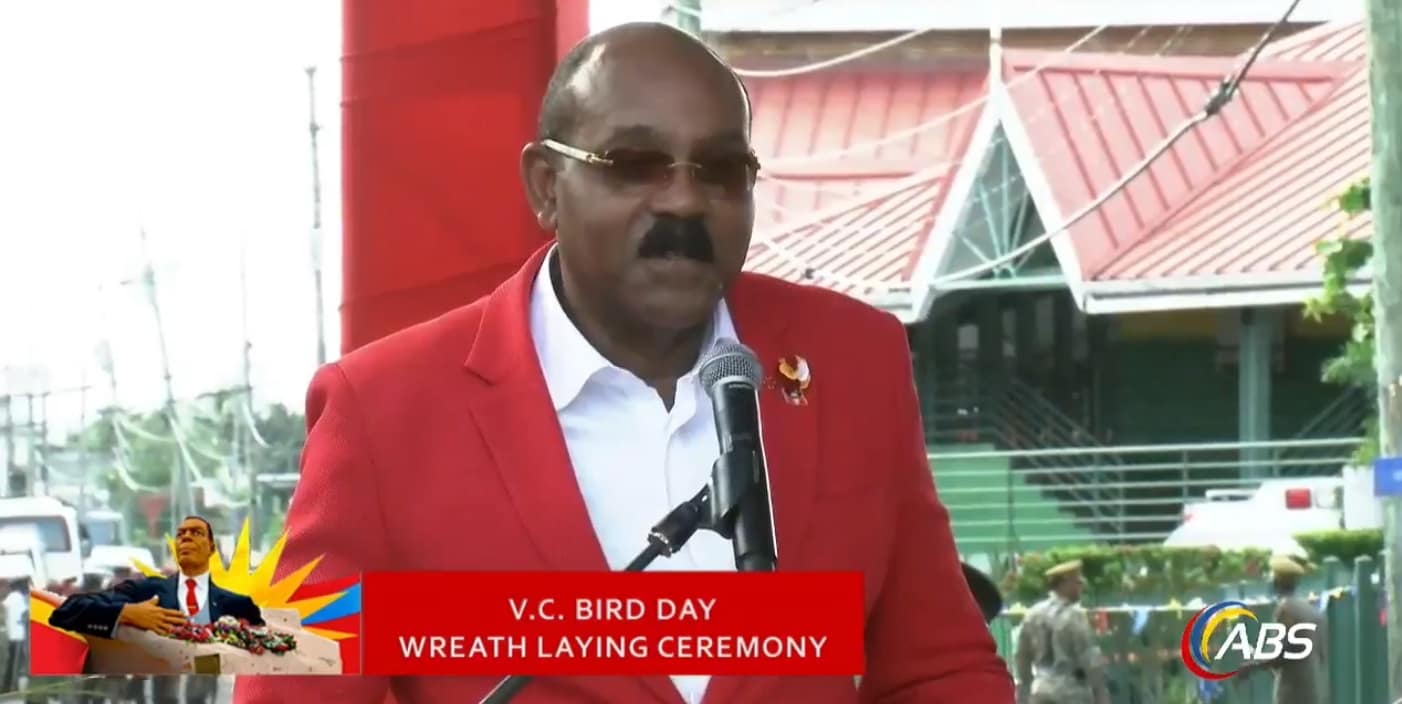
    Prime Minister Gaston Browne of Antigua and Barbuda has issued a compelling call to the nation’s youth, emphasizing the critical connection between employment and social stability. Addressing attendees at the VC Bird Day ceremony, the national leader revealed that approximately 54,000 jobs currently exist throughout the twin-island nation, with an additional 4,000 positions created within the past year alone.

    The Prime Minister expressed concern about emerging workforce trends, particularly the tendency among young citizens to selectively reject available employment opportunities. He cautioned against this growing preference for idleness, warning that such attitudes create vacancies that are increasingly filled by foreign workers from within the region and beyond.

    Browne delivered a stark message regarding the societal consequences of avoiding employment: “There exists no easy path. Pursuing an effortless existence inevitably leads to criminal engagement and violence, which ultimately results in premature mortality.” He directly connected workforce participation to national security, emphasizing that reducing homicides to near-zero and minimizing property crimes requires citizens to choose legitimate employment over illegal activities.

    The national leader offered practical advice to first-time job seekers, encouraging them to accept available positions regardless of initial preferences. “Your career beginning matters less than the fact that you begin. Secure whatever opportunity presents itself while working toward your desired position,” he counseled.

    Browne concluded with a direct appeal to young citizens, framing workforce participation as both a personal development strategy and a civic responsibility essential to maintaining Antigua and Barbuda’s stability and continued development.