作者: admin

  • Alexander: Police on high alert

    Alexander: Police on high alert

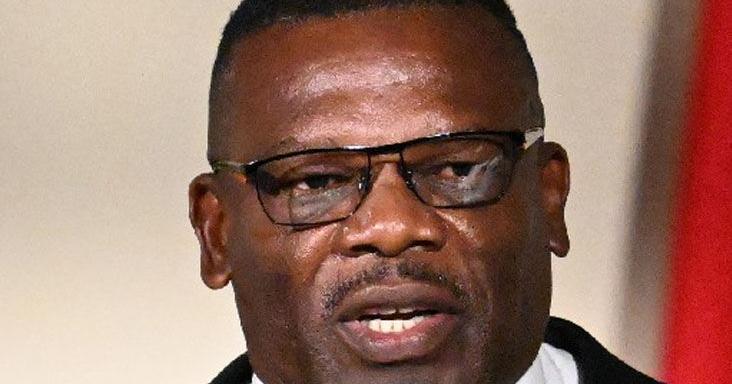
    Trinidad and Tobago’s national security apparatus has been activated to high alert status following the repatriation of hundreds of citizens from the United Kingdom who face serious criminal allegations. Homeland Security Minister Roger Alexander confirmed that law enforcement agencies have received intelligence from the Ministry of Foreign and Caricom Affairs regarding individuals returning with histories of alleged murder and firearms trafficking.

    The development comes after the UK government implemented visa requirements for Trinidad and Tobago nationals in March 2025, responding to a significant surge in asylum applications. Foreign Minister Sean Sobers revealed that approximately 700 citizens who had sought asylum in Britain have been returned to Trinidad and Tobago in recent months, representing between 90-97% of all applicants.

    Minister Alexander expressed particular concern about returning individuals who allegedly continued criminal operations from abroad. “Some were operating via phone and other means to direct activities here,” Alexander stated, emphasizing that investigations into these individuals continued despite their overseas presence.

    The Homeland Security Minister condemned what he characterized as systematic abuse of the UK’s asylum process, noting that some returnees had falsely claimed persecution based on sexual orientation—assertions he described as “far from the truth.” Alexander framed the repatriations as part of a broader international trend where nations are taking stronger stances against foreign nationals who engage in criminal behavior within their borders.

    In a related development, authorities reported the successful implementation of a new digital arrival and departure platform that commenced operations without significant technical issues. The minister noted that immigration officials remain on standby to address any potential complications, though initial passenger compliance has resulted in positive operational feedback.

  • Rowley denies PNM drug link

    Rowley denies PNM drug link

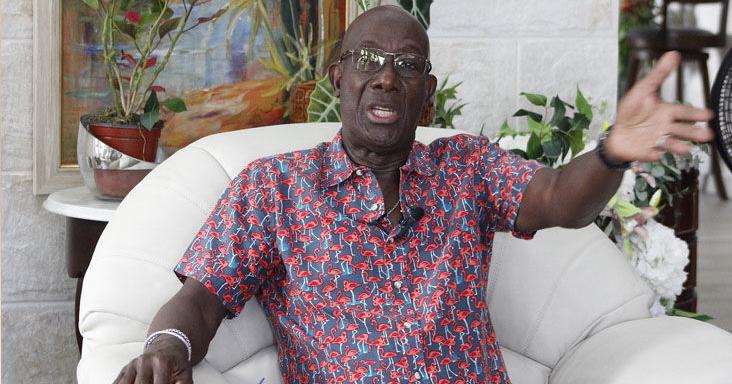
    In a fiery response to parliamentary accusations, former Trinidad and Tobago Prime Minister Dr. Keith Rowley has publicly condemned current Prime Minister Kamla Persad-Bissessar for what he characterizes as baseless criminal allegations against his political party. The confrontation emerged following Persad-Bissessar’s statements in Parliament on Friday, where she insinuated that the People’s National Movement (PNM) had constructed its headquarters using narco-trafficking proceeds and maintained connections to pedophile networks.

    Rowley, addressing journalists at his Glencoe residence during a press conference, delivered a scathing rebuttal to these claims. He emphasized his long-standing tenure with the PNM since 1974, including fifteen years of leadership, and challenged the Prime Minister to produce substantiating evidence for her serious allegations. Employing the culturally charged term ‘jamette’—a local derogatory expression implying promiscuity and lack of integrity—Rowley asserted that only someone with such characteristics would level grave accusations without proof.

    The former Prime Minister referenced historical contexts, including the murder of businessman Danny Guerra in Sangre Grande, suggesting possible connections to previous states of emergency and political tensions. Additionally, Rowley revived allegations concerning human trafficking within the United National Congress (UNC), claiming that Persad-Bissessar had prior knowledge of such activities yet appointed the accused individual to a ministerial position.

    Rowley further cautioned about the international ramifications of unsubstantiated claims, arguing that they tarnish the nation’s reputation globally. He criticized the Prime Minister for allegedly prioritizing political maneuvering over evidential accountability and called for thorough police investigations into the matters he raised.

  • Four women rescued in human trafficking bust

    Four women rescued in human trafficking bust

    In a landmark enforcement action, Trinidad and Tobago’s Counter Trafficking Unit (CTU) has secured its first Preventive Detention Order following a sophisticated international operation coordinated with Interpol. The operation, codenamed ‘Operation Purple Ryain,’ culminated in the arrest of a 42-year-old businessman and the liberation of four Venezuelan females from severe exploitation conditions.

    The breakthrough occurred on March 7th in Rio Claro, where CTU officers executed a search warrant at a Fraser Street property after weeks of intelligence-driven surveillance. The suspect, identified as Ryan Mark, was apprehended under the Emergency Powers Regulations of 2026 and remains in custody under the unprecedented detention order.

    Among those rescued were two teenagers aged 15 and 17, along with two adult women aged 27 and 30—the latter being the mother of the younger teenager. Preliminary investigations revealed disturbing evidence of prolonged physical abuse, including visible branding and violence marks, with some victims reportedly confined at the location for over two years.

    The operation also led to two Venezuelan nationals being held as persons of interest at the Immigration Detention Centre, while four others were transferred to Immigration Enforcement authorities.

    CTU Deputy Director Dane-Marie Marshall characterized the operation as ‘an international coordination’ that demonstrated the unit’s commitment to crippling human trafficking networks. ‘This is a good day. Four people being rescued in one operation is a fantastic day,’ Marshall stated, emphasizing the unit’s dedication to ending human trafficking in Trinidadian society.

    The rescued survivors are currently receiving comprehensive support through the CTU’s victim assistance framework, including medical treatment, psychosocial services, and protective measures. The operation involved collaborative efforts between the Trinidad and Tobago Defence Force and the Police Service’s Special Investigations Unit.

    Authorities indicate that charges under the Trafficking in Persons Act are imminent, with further legal actions expected as investigations progress. The CTU has renewed its call for public vigilance, urging citizens to report suspected trafficking cases through their dedicated hotline and WhatsApp reporting channels.

  • What SoE? Daylight killing is 75th for the year

    What SoE? Daylight killing is 75th for the year

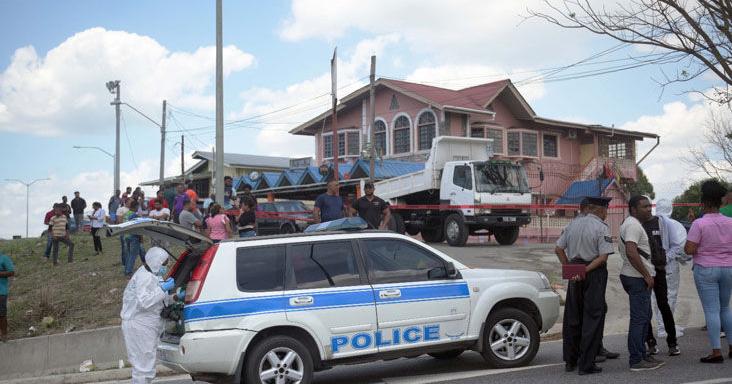
    In a brazen midday execution that has raised serious questions about crime prevention effectiveness, 39-year-old contractor Shandon Arjoon was fatally shot multiple times near a construction site in South Oropouche on Tuesday. The father of one was developing land for commercial and private use along the Oropouche Main Road when a masked assailant approached and opened fire with a handgun around 11:20 a.m.

    According to eyewitness accounts, the shooter wearing a ski mask fled the scene immediately after the attack, entering a waiting vehicle that sped away from the crime location near the St. Mary’s Interchange. Bystanders reported hearing between three to five gunshots, with one witness describing how they had just exchanged greetings with Arjoon moments before the shooting erupted.

    The murder has taken on broader significance as it occurred despite Trinidad and Tobago currently operating under a state of emergency. Clint Arjoon, the victim’s uncle and president of the Fyzabad Chamber of Commerce, openly questioned the effectiveness of these emergency measures, noting that the killer managed to operate in a busy area adjacent to a major highway without apprehension.

    Investigations reveal that Arjoon had previously reported multiple death threats to the La Brea Police Station related to a property dispute in Vessigny. Family members expressed frustration with law enforcement’s response, stating that despite formal complaints, inadequate protection was provided. The victim’s distraught father, Keith Arjoon, offered minimal commentary to media, simply characterizing the country’s crime situation as “bad” while expressing skepticism about the likelihood of his son’s killer being apprehended.

    This incident has sparked renewed concerns about Trinidad’s ongoing crime epidemic, with the national murder toll reaching 75 by Tuesday evening—slightly below last year’s tally of 83 at the same date. Economic implications were also highlighted, with business leaders noting that persistent criminal activity continues to drive migration and negatively impact the nation’s economic stability.

  • RADAR HEADS OUT

    RADAR HEADS OUT

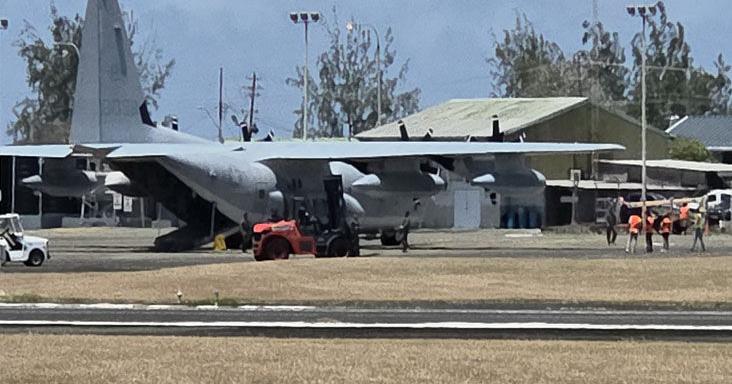
    A United States Marine Corps KC-130J aircraft executed a covert operation in Tobago yesterday, reportedly extracting the sophisticated AN-TPS-80 Ground/Air Task Oriented Radar (G/ATOR) system that had been stationed at the ANR Robinson International Airport. Intelligence sources confirm the aircraft originated from Roosevelt Roads in Puerto Rico, completing a round-trip mission to retrieve the mobile defense apparatus.

    The radar’s disappearance marks a dramatic development in a four-month geopolitical saga that began when the US military installed the system last year. The Trinidad and Tobago government had consistently characterized the radar’s presence as part of counter-narcotics operations, authorized at the personal request of Prime Minister Kamla Persad-Bissessar.

    However, former military commander Lieutenant Norman Dindial, who previously headed the National Coastal Surveillance Radar Centre, contends the system’s removal exposes its true purpose. “It shows that it was not supposed to be used for drug interdiction,” Dindial stated. “This $50 million piece of equipment was in our territory doing nothing for our stated needs. I believe its mission was to support the incursion in Venezuela.”

    The timeline reveals strategic patterns: The radar first appeared in late November following high-level discussions between Prime Minister Persad-Bissessar and General Dan Caine, Chairman of the US Joint Chiefs of Staff. This installation preceded Operation Absolute Resolve and coincided with increased US military activity in Caribbean waters.

    Current geopolitical context suggests the radar may be redeployed to address Middle Eastern conflicts. The New York Times recently documented Iranian strikes damaging US communication and radar systems across seven military sites. Dindial theorizes the Tobago radar is being repositioned to strengthen US assets in the Persian Gulf: “There is a gap in the sensory aspect over there, and the US military is repositioning its assets.”

    The government’s narrative has faced previous challenges. In December, the Trinidad and Tobago Police Service claimed the radar generated intelligence leading to a $171 million marijuana seizure, though manufacturer Northrop Grumman subsequently clarified the system wasn’t designed to track maritime or ground targets. Defense Minister Wayne Sturge had recently asserted the radar would remain for the “foreseeable future” to compensate for limited coast guard capabilities.

  • Duartian Institute urges caution on Haiti crisis

    Duartian Institute urges caution on Haiti crisis

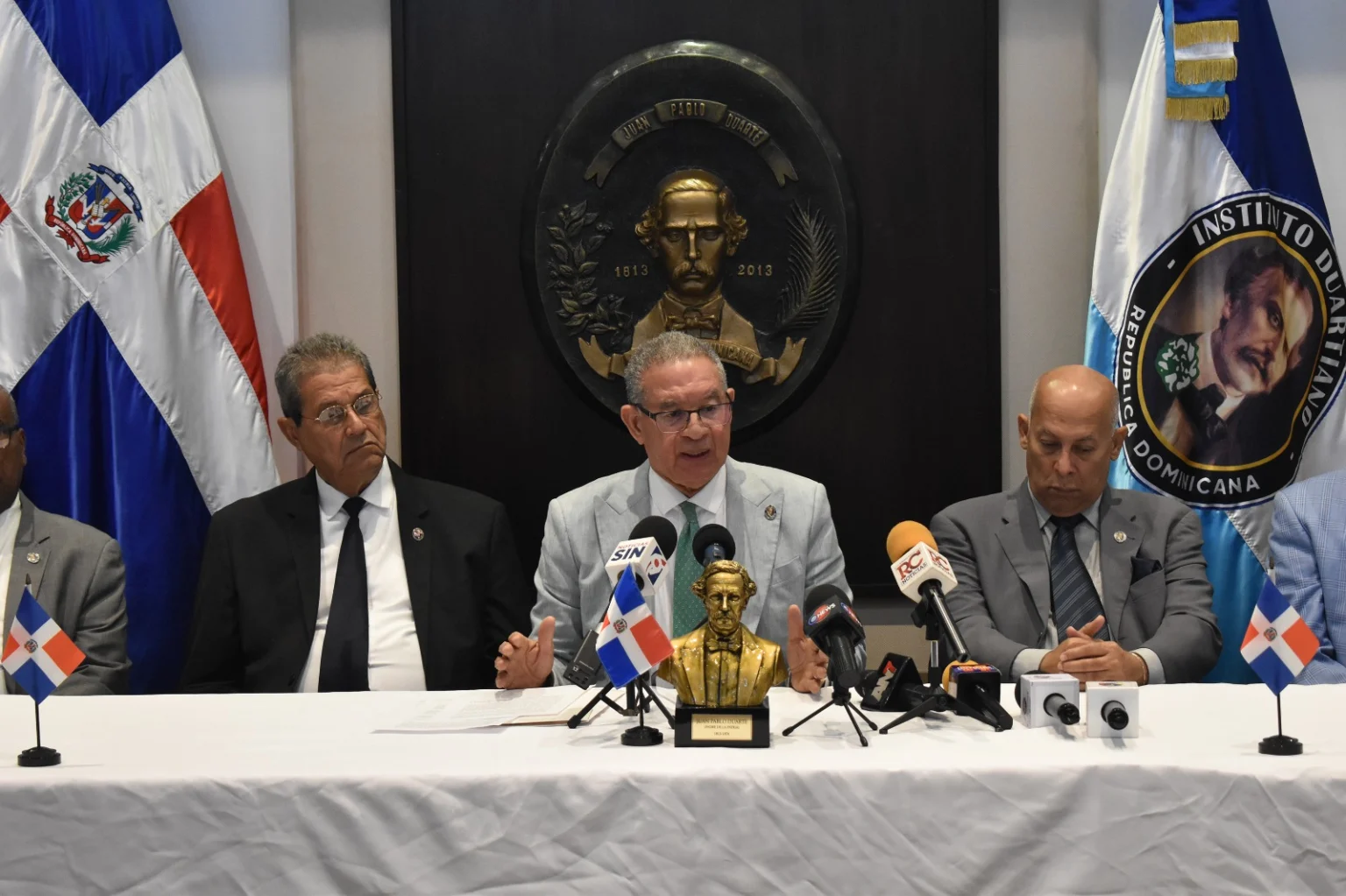
    SANTO DOMINGO – A prominent Dominican intellectual institution has issued a strong recommendation for national authorities to maintain a prudent approach toward neighboring Haiti’s escalating security crisis, explicitly opposing any form of direct military engagement against armed factions.

    The Duartian Institute, through its president Gómez Ramírez, articulated that primary responsibility for resolving Haiti’s gang violence rests with global and regional bodies including the United Nations and the Organization of American States. Ramírez emphasized that the Dominican Republic has historically adhered to a foreign policy grounded in sovereignty and non-intervention in other states’ domestic affairs.

    In a significant critique of current diplomatic maneuvers, the institute openly questioned Foreign Minister Roberto Álvarez’s involvement in international dialogues concerning Haiti. The organization reaffirmed that the Dominican constitution explicitly prioritizes national sovereignty and cautions that any departure from this principle could jeopardize the nation’s institutional integrity and stability. The statement serves as both a policy recommendation and a constitutional reminder to government officials.

  • Child support defaulters could face travel and license renewal restrictions

    Child support defaulters could face travel and license renewal restrictions

    Santo Domingo is poised for a significant overhaul of its child support enforcement mechanisms through groundbreaking legislation introduced in the Chamber of Deputies. Legislator Carlos De Pérez has proposed a comprehensive reform bill that would establish one of the most rigorous child support compliance systems in the region, featuring severe consequences for delinquent parents including travel restrictions, license renewals prohibitions, and potential deportation for those residing overseas.

    The legislative proposal centers on the creation of a National Registry of Child Support Providers (RENADA), an integrated digital platform that would enable real-time monitoring through sophisticated interagency coordination. This system would connect with the Central Electoral Board and national financial institutions, triggering automatic enforcement actions within merely five days of missed payments. The implementation of mandatory bank transactions would further ensure complete transparency and financial traceability.

    Additional revolutionary measures include inflation-adjusted payment structures, retroactive debt collection protocols, and the extension of support obligations until age 21 for students pursuing education. The legislation introduces nighttime detention for persistent defaulters, establishes international cooperation mechanisms for tracking overseas obligors, and creates an emergency fund for cases of genuine insolvency. In a notable provision, the bill mandates full reimbursement of previously paid support if paternity is subsequently disproven, creating a balanced system of accountability for all parties involved.

  • U.S. to require US$15,000 visa bond for 12 countries

    U.S. to require US$15,000 visa bond for 12 countries

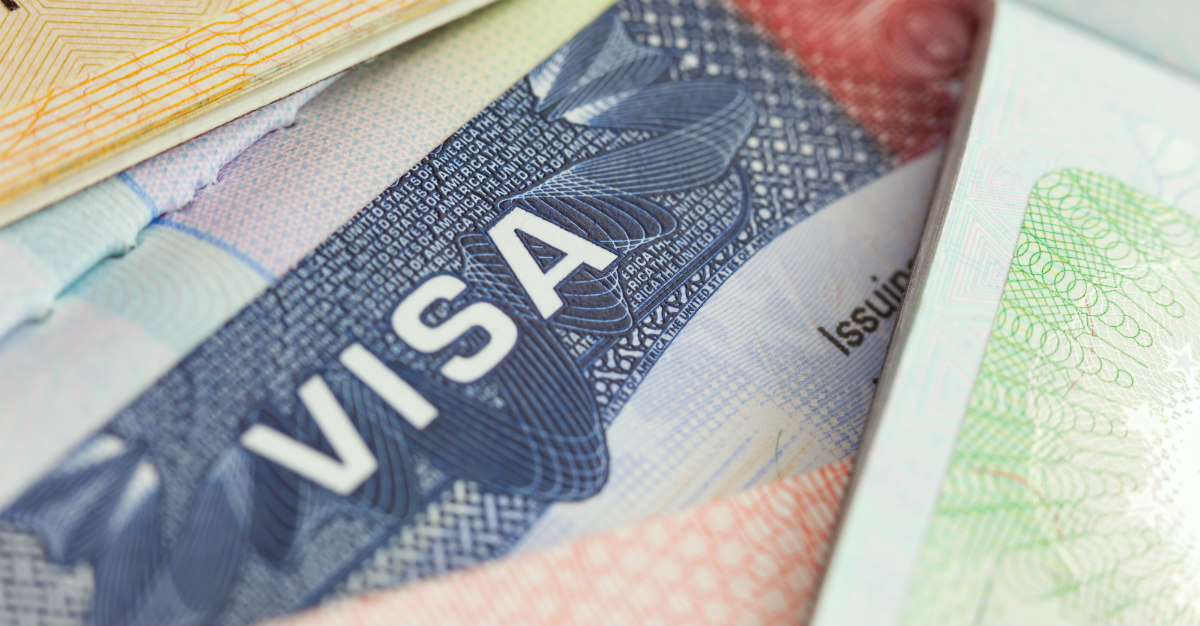
    In a significant expansion of immigration policy, the U.S. State Department has unveiled plans to implement a $15,000 bond requirement for B1/B2 visa applicants from twelve additional countries effective April 2. The newly designated nations include Nicaragua, Cambodia, Ethiopia, Georgia, and Tunisia, joining an existing list of countries subject to the financial guarantee program originally initiated during the Trump administration.

    The controversial measure functions as a refundable security deposit, with the full amount returned to travelers who adhere to all visa conditions and depart the United States within their authorized period. However, applicants who overstay their visas will forfeit the bond, with the funds being allocated toward covering deportation expenses.

    According to official estimates from U.S. immigration authorities, the average cost of deporting an individual exceeds $18,000. The administration projects that this expanded bond requirement could generate approximately $800 million in annual savings for taxpayers while simultaneously creating a stronger financial disincentive against visa violations. The policy represents the latest effort by U.S. officials to address chronic issues of visa overstays through economic mechanisms rather than solely relying on enforcement actions.

  • Carolina Mejía welcomes delegations for Santo Domingo 2026 Games

    Carolina Mejía welcomes delegations for Santo Domingo 2026 Games

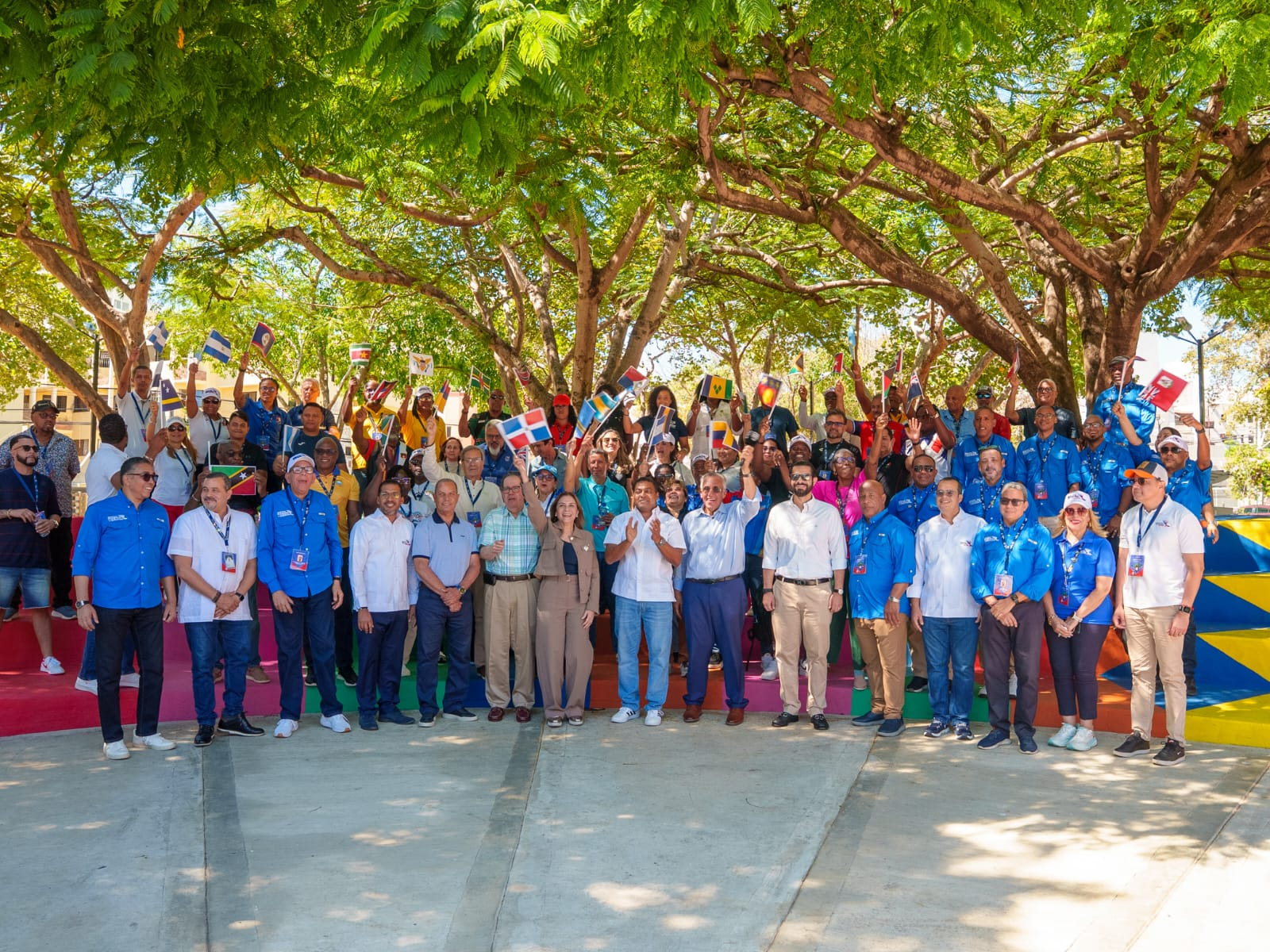
    Santo Domingo rolled out the welcome mat for international sports officials as Mayor Carolina Mejía hosted a pivotal gathering at the revitalized Taíno Park. The event brought together delegation leaders from 37 participating nations ahead of the Central American and Caribbean Games Santo Domingo 2026.

    The reception, attended by organizing committee chairman José Monegro and other distinguished officials, served as a ceremonial precursor to the major sporting event. During the proceedings, Mejía emphasized the transformative potential of hosting the Games, characterizing them as a monumental opportunity for national development and international recognition.

    The newly renovated Taíno Park will function as both a competition venue and a symbolic centerpiece for the Games. In a unique display of unity and environmental consciousness, organizers revealed that each national delegation will plant a native tree within the park grounds when the Games commence on July 24, 2026.

    This arboreal ceremony will establish a living legacy of the international gathering, representing both cultural exchange and environmental stewardship. The planting ritual will precede the athletic competitions that will continue through August 8, creating a permanent green monument to regional cooperation and sporting camaraderie.

  • Faced with threats from the empire, Cuba stands firm

    Faced with threats from the empire, Cuba stands firm

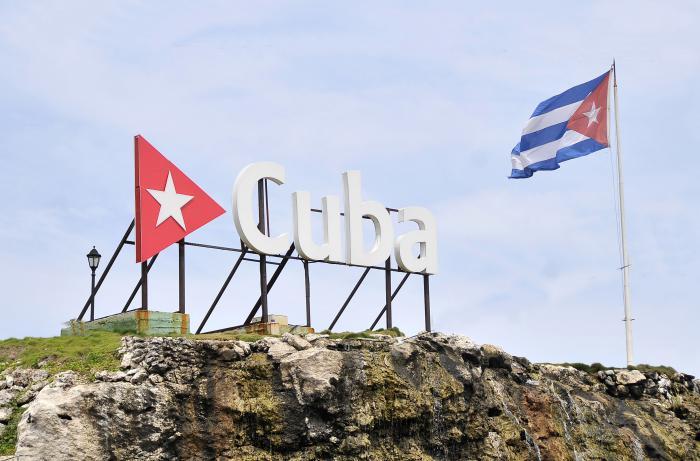
    Cuban President Miguel Díaz-Canel Bermúdez has issued a stark warning through social media channels, declaring that the nation stands prepared to mount formidable resistance against any external aggressor confronting the Caribbean island. The First Secretary of the Communist Party of Cuba articulated this position while addressing what he characterized as daily threats from the United States aimed at overthrowing Cuba’s constitutional order.

    President Díaz-Canel condemned what he described as six decades of economic warfare against Cuba, asserting that Washington utilizes Cuba’s economic difficulties—which he attributes directly to U.S. policies—as justification for further hostility. He framed these actions as collective punishment against the Cuban people orchestrated by an empire seeking to seize national resources and undermine sovereignty.

    The Cuban head of state’s sentiments were reinforced by Foreign Minister Bruno Rodríguez Parrilla, who serves on the Political Bureau of the Communist Party. Rodríguez echoed the administration’s stance, emphasizing that neither economic blockade nor energy embargo would compromise Cuba’s exercise of sovereignty or diminish the creativity of its people in overcoming challenges.

    Both officials presented a unified front regarding Cuba’s determination to preserve independence, with Rodríguez asserting that any act of imperialist aggression would confront the indomitable will of the Cuban population in defending their homeland. The statements emerge amid ongoing tensions between the two nations despite periodic diplomatic engagements.