作者: admin

  • Chester Williams Questions Police Role After Cyberbullying Case Collapses

    Chester Williams Questions Police Role After Cyberbullying Case Collapses

    A controversial cyberbullying case that captivated Belize has concluded with acquittal, raising serious questions about judicial process and potential misconduct within law enforcement. Former Police Commissioner Chester Williams has openly speculated about possible collusion between police personnel and the defendant after charges against Nichole Gilda McDonald were unexpectedly dismissed last Friday.

    The case originated in March 2025 when McDonald, then a 37-year-old matron with the Youth Cadet Corps, faced allegations of using computer systems to disseminate false information targeting Williams. The charges stemmed from Facebook comments she made regarding Opposition Leader Shyne Barrow’s assertions about a ‘narco state’ operating within Belize.

    McDonald’s ordeal included four nights in detention, sixteen court adjournments, numerous court appearances, and ultimately the loss of her employment. She described the experience as profoundly stressful, claiming she was denied essential medication, food, and water during her detention period. Despite numerous individuals commenting on Barrow’s post, McDonald maintains she was selectively targeted for prosecution.

    The case’s collapse has raised eyebrows, particularly because Williams—the primary complainant—was never summoned to provide testimony. Williams expressed bafflement at the judicial outcome, stating he remains completely uninformed about the proceedings and openly questioning whether undisclosed coordination occurred between McDonald and police officials.

    This development highlights ongoing concerns about the application of cyberbullying laws and the potential for selective enforcement within Belize’s justice system, while simultaneously demonstrating the profound personal consequences that legal proceedings can inflict on defendants, even those ultimately acquitted.

  • Lotteries Committee Cracks Down on Unregistered Raffles

    Lotteries Committee Cracks Down on Unregistered Raffles

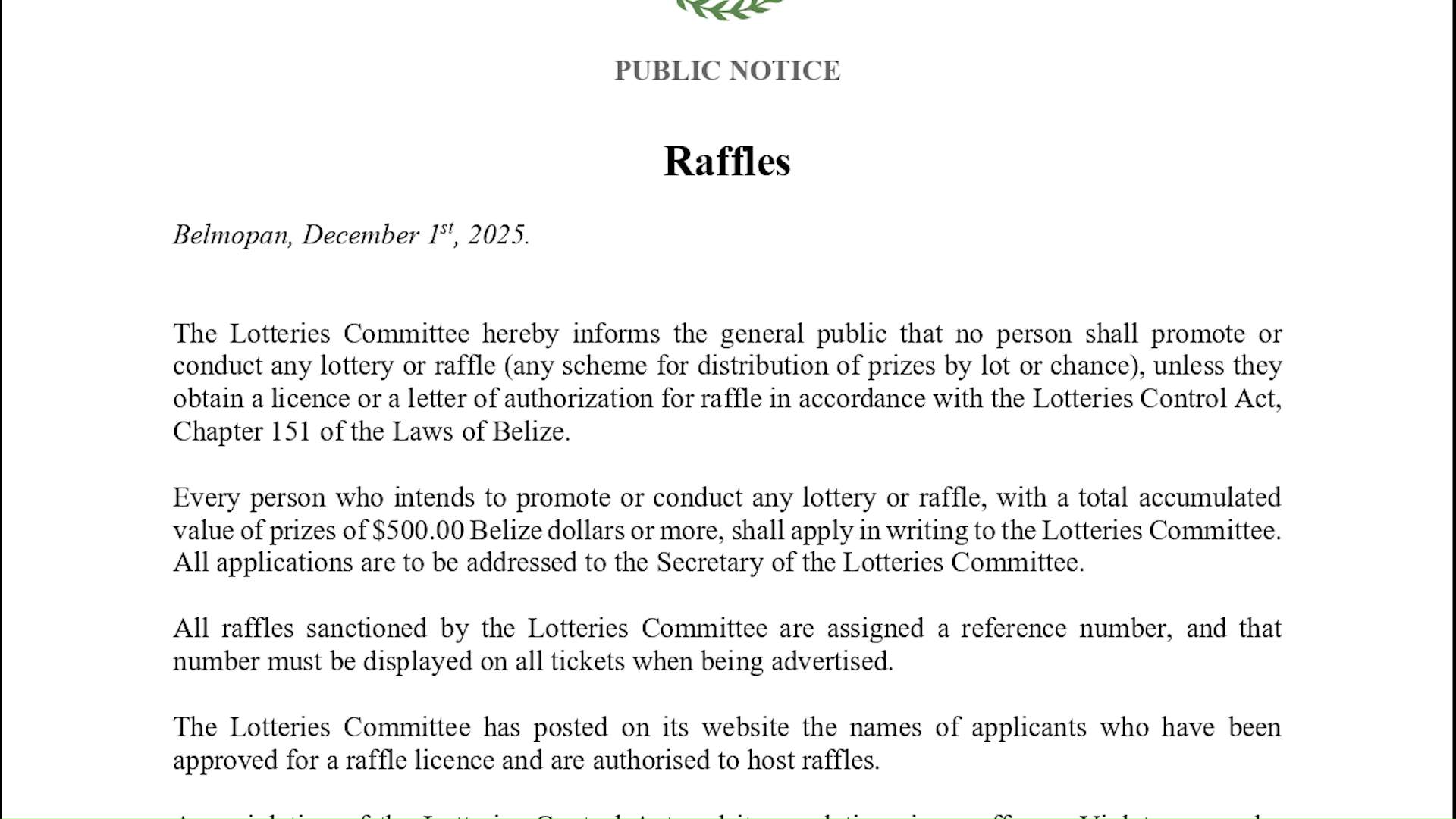
    The national Lotteries Committee has issued a stringent reminder to both corporations and private individuals that all raffle activities must be formally registered in compliance with the Lotteries Control Act, extending to seasonal holiday promotions and Christmas giveaways. This regulatory enforcement aims to bolster consumer protection mechanisms and ensure operational transparency within promotional schemes.

    According to the latest advisory, raffles featuring prizes valued under five hundred dollars will be exempt from licensing fees, though mandatory registration remains compulsory. For higher-value prizes exceeding this threshold, organizers must pay a five percent tax calculated exclusively on the prize’s market value, irrespective of ticket sales volume.

    Lewin Samuels, Secretary of the Lotteries Committee, provided explicit clarification regarding the policy rationale. “This framework is designed for entities seeking to spread Christmas cheer while maintaining legal compliance,” Samuels stated. He emphasized the critical consumer protection aspect, noting recurring instances where winners couldn’t claim unregistered raffle prizes due to absent regulatory oversight.

    Samuels addressed common objections regarding registration fees: “While organizers perceive raffles as charitable gestures, participants typically must purchase goods or services for eligibility. The nominal fee structure—merely five percent of the prize value—is minimal compared to potential revenue from ticket sales.”

    The Committee has specifically adapted regulations for small-scale holiday raffles, such as those offering turkeys or beverages tied to boledo number drawings. While maintaining registration requirements for all activities, the fee waiver for sub-$500 prizes aims to eliminate financial burdens while preserving consumer safeguards.

  • Holiday Giveaways Face Strict Registration Rules

    Holiday Giveaways Face Strict Registration Rules

    The national Lotteries Committee has issued a definitive directive mandating compulsory registration for all raffles and giveaway events, eliminating any ambiguity about optional participation. This regulatory requirement encompasses even charitable initiatives conducted by schools, churches, and medical fundraising campaigns, which while eligible for complimentary licenses, must still undergo formal registration procedures.

    According to Lewin Samuels, Secretary of the Lotteries Committee, the regulatory framework explicitly authorizes minors under sixteen years to sell raffle tickets, creating a distinctive exception to standard gambling age restrictions. “Raffles organized by individuals for amounts under five hundred dollars qualify for free licensing,” Samuels clarified, “including bazaars and NGO promotions supporting their services.”

    The enforcement mechanism carries substantial financial penalties for non-compliance. Initial offenses for operating unregistered raffles may incur fines reaching ten thousand dollars, with subsequent violations doubling to twenty thousand dollars. Officials emphasize that consumer vigilance constitutes a critical component of regulatory enforcement, urging participants to verify the legal status of any raffle before purchasing tickets.

    Samuels specifically advised potential participants: “Consumers should proactively inquire whether raffles are registered with the Lotteries Committee. By neglecting to ask these pertinent questions, purchasers essentially forfeit their eligibility for regulatory protection should the event prove illegitimate.” This warning underscores the shared responsibility between organizers and participants in maintaining legal compliance within the fundraising ecosystem.

  • Iguana Street Gets a Facelift, But One Resident Pays the Price

    Iguana Street Gets a Facelift, But One Resident Pays the Price

    A municipal infrastructure project in Belize City has yielded unintended consequences, leaving one homeowner displaced amid otherwise welcomed urban improvements. The City Council’s recent initiative to refurbish the long-deteriorated Iguana Street involved deploying engineering crews and construction equipment to enhance road conditions through comprehensive compaction work.

    While the project represents significant progress for the community’s infrastructure, resident Allison Jenkins experienced catastrophic property damage when his stilt-supported wooden residence collapsed last Friday. Jenkins attributes the structural failure to intense vibrations from heavy machinery operating adjacent to his property, asserting that the seismic impact compromised the foundational integrity of his home.

    The situation presents a complex scenario where municipal enhancement initiatives inadvertently create civilian casualties. City authorities acknowledge the incident but indicate no clear liability exists, characterizing the event as an unfortunate byproduct of urban development. The case highlights the delicate balance between public improvement projects and private property protection, raising questions about mitigation strategies for infrastructure-adjacent dwellings.

    Local officials continue to assess the incident while proceeding with the roadway rehabilitation, which remains broadly popular among most Iguana Street residents who have endured substandard road conditions for years.

  • Nearly a thousand illegal immigrants detained on December 1

    Nearly a thousand illegal immigrants detained on December 1

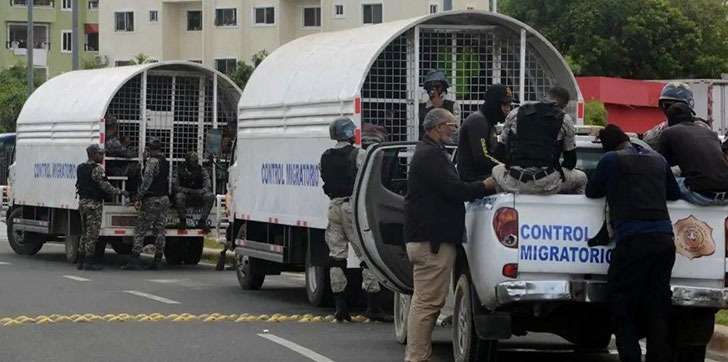
    SANTO DOMINGO – In a significant nationwide enforcement operation, Dominican authorities detained hundreds of individuals for immigration violations this week. The General Directorate of Migration (DGM) executed coordinated interdiction operations on Monday, December 1, 2025, resulting in the apprehension of 587 persons found to be residing in the country without legal status.

    The operations spanned multiple strategic locations, highlighting a comprehensive approach to border and internal control. Key areas targeted included the northern border regions of Cañongó and Dajabón, the eastern tourist zone of Verón, the southern locality of Felipina de Bahoruco, the southwestern port city of Barahona, and Villa Vásquez in Monte Cristi. Operations were also conducted in Los Ríos, a sector of the capital, Santo Domingo.

    In a demonstration of inter-agency collaboration, the DGM received an additional 407 individuals transferred from separate interdiction initiatives conducted by the nation’s security forces. The Dominican Army referred 233 persons, the National Police transferred 63, and the Specialized Border Security Corps (CESFRONT) contributed 111 referrals.

    Combining both its own operations and the inter-agency transfers, the DGM processed a total of 994 individuals for irregular immigration status. Following official procedures, the vast majority—917 persons—were subsequently deported from the country. The DGM emphasized that these actions are not isolated incidents but rather constitute a routine component of its ongoing national immigration control strategy. This strategy is implemented in tight coordination with various security and border protection agencies across the Dominican Republic to maintain the integrity of the nation’s immigration laws.

  • Trio on charges for GY$4.4 million fraud

    Trio on charges for GY$4.4 million fraud

    Three Guyanese nationals have been formally charged in a significant fraud case involving GY$4.4 million (approximately US$21,000) allegedly obtained through deceptive practices and document forgery from a local entrepreneur. The accused individuals include Paul Watson, 49, from Old Road, Zeelugt; along with Parbattie “Paro” Sharma and Omar Rudolph, 55, both residents of Independence Street, La Grange. According to police authorities, the purported financial crimes occurred between September 2024 and May 2025, targeting a 43-year-old business owner from La Union Public Road. The defendants appeared before Magistrate Rabindranauth Singh at the Vreed-en-Hoop Magistrates’ Court, where they faced joint charges of obtaining money by false pretence plus four separate counts of forging official documents. While the accused did not enter pleas during the initial hearing, the court granted each defendant bail set at GY$300,000. The proceedings have been formally adjourned until February 17, 2026, allowing for further investigation and preparation of evidence in this developing financial crime case that has drawn attention to business security practices in the Demerara region.

  • Dominican Republic showcases gastronomy and culture in France

    Dominican Republic showcases gastronomy and culture in France

    The Dominican Republic achieved remarkable success at the international cultural and commercial exposition ‘Flavors of the World 2025’ in southern France, significantly enhancing its global profile through an immersive showcase of national assets. Under the leadership of Consul General Ana Emilia Báez Santana, the Dominican delegation transformed the event into a strategic platform for presenting the country’s diverse cultural heritage, tourism potential, artistic excellence, and musical traditions while simultaneously forging new economic partnerships.

    The European debut of the Dominican Ballet, directed by cultural manager Héctor Farías, emerged as a spectacular centerpiece with its vibrant performance of traditional Dominican folklore. Attendees numbering over 900 experienced an authentic sensory journey through the republic’s offerings, including traditional culinary specialties, live musical performances, premium tobacco displays, and Ron Barceló rum tastings. The event solidified its status as a premier destination for genuine cultural exchange, with each national pavilion providing unique opportunities for cross-cultural engagement and discovery of global culinary traditions.

    This institutional presence in southern France successfully advanced the Dominican Republic’s strategic objectives of promoting its tourism sector, gastronomic excellence, cultural wealth, and investment opportunities to an international audience, creating valuable pathways for future economic and cultural collaboration.

  • SOVA:  Alleen beëdigd en ingeschreven advocaten mogen in Suriname optreden

    SOVA: Alleen beëdigd en ingeschreven advocaten mogen in Suriname optreden

    The Suriname Bar Association (SOVA) has issued a definitive clarification regarding legal service provision within the country, emphasizing that only attorneys formally sworn in by the Court of Justice and registered on the official tableau possess the authority to offer legal services. This statement comes in response to the recent establishment of a foreign law firm’s branch in Suriname.

    According to the nation’s Advocatenwet (Attorney Act), legal practitioners must meet three critical criteria: fulfill statutory educational requirements, receive formal swearing-in by the Court of Justice, and maintain active registration on the official tableau. The admission process involves soliciting advisory opinions from both the Prosecutor General and SOVA, with swearing-in ceremonies conducted only after positive recommendations and thorough verification of all qualifications. Any legal activities performed without proper tableau registration constitute a violation of Surinamese law.

    Foreign attorneys face additional regulatory hurdles. Regardless of their international qualifications, they cannot practice law in Suriname until completing the local admission process, including Court-administered swearing-in and official registration. Until fulfilling these requirements, they are prohibited from offering legal services or client representation.

    The legislation does provide limited exceptions for attorneys from countries with which Suriname maintains agreements on free movement of persons and services. These visiting lawyers must register with the Court and may only operate in collaboration with a locally registered Surinamese attorney. They cannot present themselves as fully licensed advocates and must strictly adhere to activities specified in their registration documentation.

    Legal consultants operate outside the Advocatenwet’s scope and consequently face no oversight from the Attorney Disciplinary College. This regulatory gap exposes citizens to heightened risks, as these consultants cannot perform functions exclusively reserved for licensed attorneys and operate without proper disciplinary safeguards.

    The Bar Association urges citizens to verify legal representatives’ credentials through SOVA’s official website, which maintains the complete registry of authorized practitioners. While Surinamese attorneys operate under clear disciplinary frameworks, foreign practitioners and consultants lack equivalent accountability mechanisms.

    SOVA reaffirmed its commitment to protecting both citizens’ legal rights and the integrity of the legal profession, vowing to ensure all foreign firms establishing local operations comply fully with Surinamese statutory requirements.

  • TAMCC Council update on negotiations with Grenada Public Workers’ Union

    TAMCC Council update on negotiations with Grenada Public Workers’ Union

    The T A Marryshow Community College (TAMCC) Council has provided the Grenadian public with a comprehensive update regarding its ongoing negotiations with the Grenada Public Workers’ Union (GPWU), marking a significant development in the institution’s labor relations history.

    Upon assuming leadership in August 2022, the current council inherited substantially strained industrial relations at the college. Demonstrating decisive action, the new administration successfully restored stability by resolving outstanding disputes and implementing salary increases totaling over EC$12.3 million for all TAMCC employees, covering the period from 2017 to 2024.

    In a groundbreaking move toward sustainable labor harmony, the council initiated negotiations for institution-specific Collective Bargaining Agreements (CBAs), diverging from previous practices that extended broader public sector agreements to the college. This strategic shift represents the first instance where TAMCC will establish tailored agreements addressing its unique operational requirements.

    After months of intensive negotiations, the TAMCC Negotiating Team developed comprehensive CBAs for 2025 and 2026-2028, which received council approval before submission to Cabinet for final consideration. The Cabinet has subsequently called for additional dialogue between TAMCC and the unions, expressing particular concerns regarding specific agreement components that require resolution before finalization.

    The negotiation process encountered increased tension when GPWU issued a November 26, 2025 communication demanding formal CBA signing by December 3 and insisting on specific December deadlines for retroactive salary payments and increases. The council responded by reminding the union of its president’s prior written agreement (dated September 10, 2025) to a structured three-phase approval process involving sequential endorsement by the Negotiating Team, TAMCC Council, and Cabinet before formal ratification.

    Documentary evidence confirms that GPWU President Daisy Hazzard and TAMCC Negotiating Team Chair Learrie Barry jointly acknowledged completion of negotiations and committed to the established approval protocol. Despite current tensions, the council maintains a conciliatory posture, proposing new meeting dates with GPWU and emphasizing the necessity of compromise to achieve mutually acceptable resolutions.

    Through an open letter from the Council Chair, TAMCC has maintained transparency with its employees regarding the negotiation status, reaffirming institutional commitment to resolving matters in the best interests of both the college and the nation.

  • Dominican government activates holiday security plan

    Dominican government activates holiday security plan

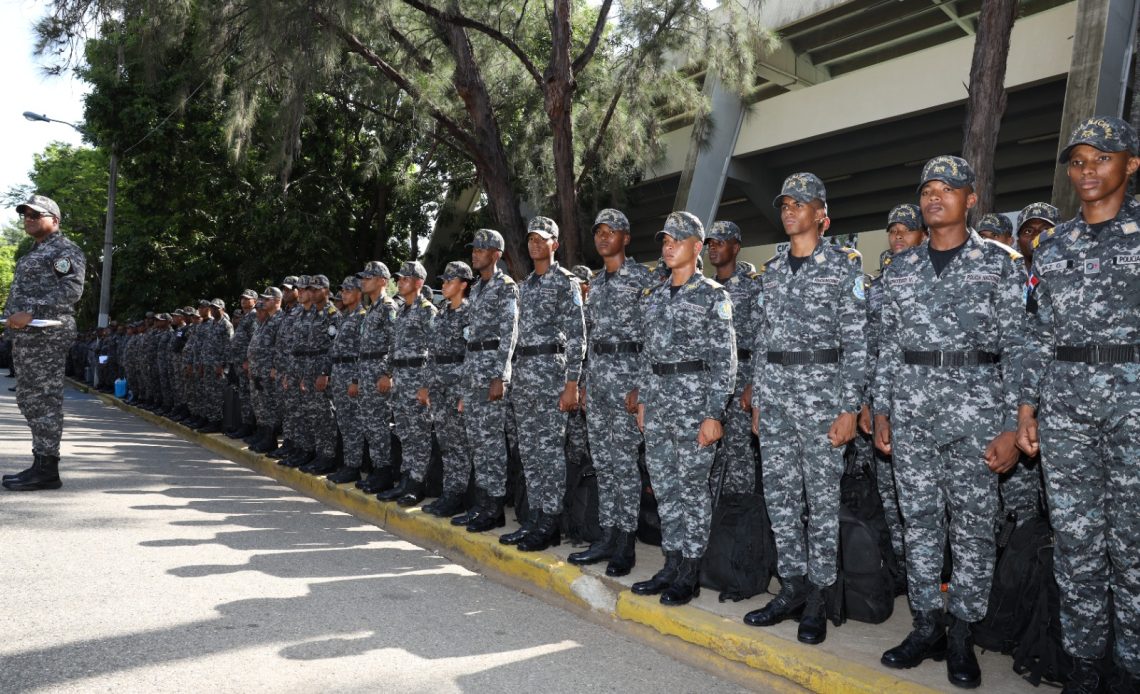
    The Dominican government has announced a significant expansion of its annual holiday security initiative, deploying twice as many personnel as last year’s operation. Interior and Police Minister Faride Raful revealed that the enhanced security plan will commence on December 3, 2024, and continue through January 10, 2025, with police and military units maintaining heightened visibility nationwide.

    Dubbed ‘Operativo Garantía de la Paz en Navidad’ (Operation Christmas Peace Guarantee), this year’s initiative builds upon last year’s deployment of 19,000 National Police and Armed Forces members. The comprehensive security framework will implement round-the-clock preventive measures, intelligence monitoring, and investigative operations across major transportation corridors, tourist destinations, and residential areas.

    Strategic patrols will focus on crime prevention targeting theft, public nuisance violations, and traffic incidents. The General Directorate of Traffic Safety and Land Transport (Digesett) will implement special measures to regulate holiday travel flow and prevent accidents as thousands of citizens embark on seasonal journeys.

    A multi-agency collaboration brings together numerous institutions including the Attorney General’s Office, Public Health and Environment ministries, National Drug Control Directorate (DNCD), State Economic Dining Halls, municipal authorities, and the Emergency Operations Center. Supplementary support will come from the 911 emergency system, Civil Defense, Dominican Red Cross, and Fire Departments, creating an integrated safety network throughout the festive season.