作者: admin

  • NEW DNO POLL: Should work on the International Airport be paused over freshly raised public concerns about the environmental impact?

    NEW DNO POLL: Should work on the International Airport be paused over freshly raised public concerns about the environmental impact?

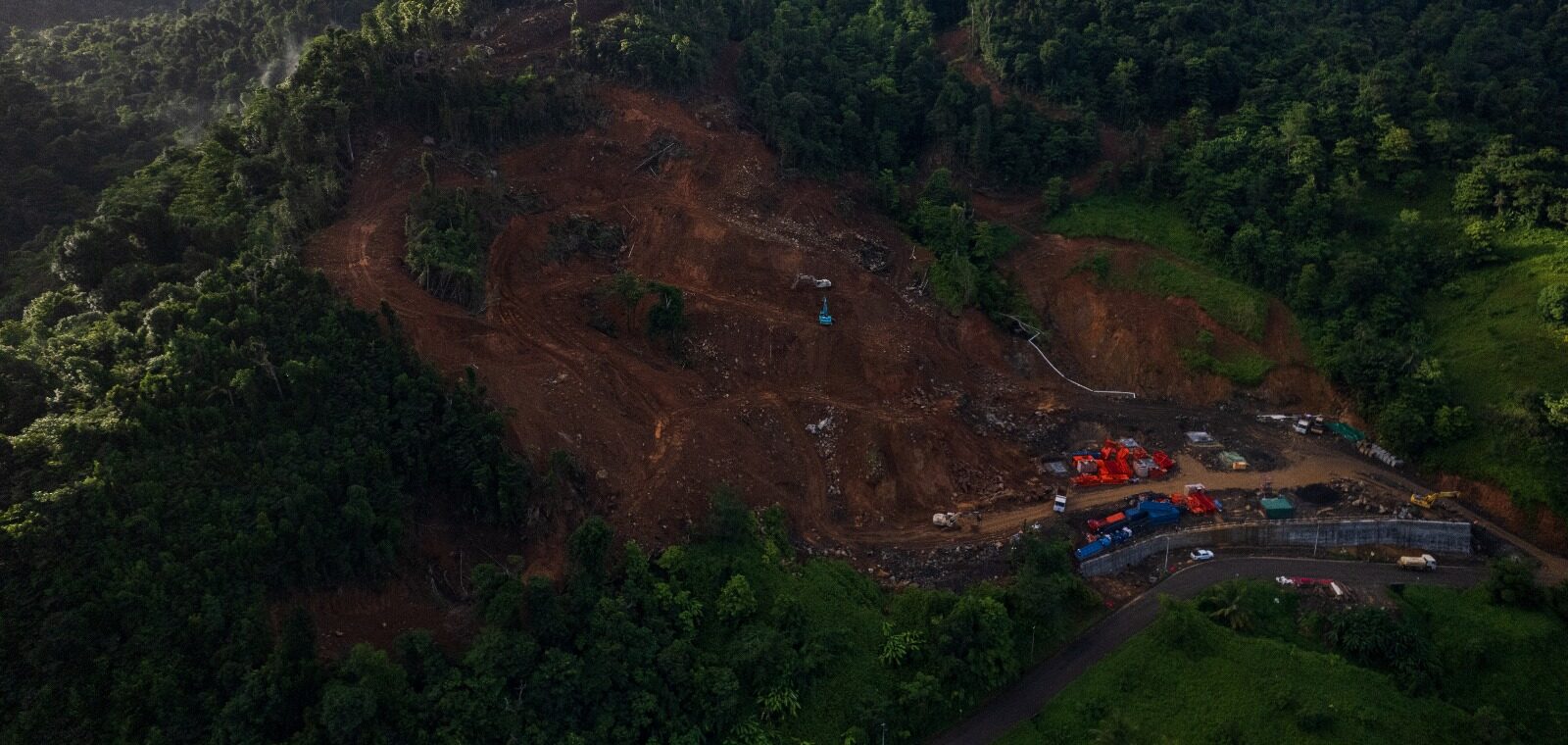
    Growing environmental apprehensions surround the ongoing development of Dominica’s International Airport, with citizens and experts urging immediate governmental intervention. Former Chief Physical Planner Annie Edwards has emerged as a prominent voice demanding an immediate suspension of construction activities, citing severe ecological disruptions already observable in the Marigot region.

    The primary environmental concern centers on significant sediment discharge into local river systems, transforming previously clear waterways into turbid, brown flows. Edwards warns this sedimentation phenomenon represents just the initial manifestation of broader ecological damage. Additional alarms have been raised regarding potential encroachment into legally protected forestry zones, suggesting possible violations of environmental preservation statutes.

    This developing situation has sparked substantial public discourse, with media outlets initiating official polls to gauge citizen sentiment. The critical question posed to the public asks whether construction should be halted until all environmental compliance standards undergo thorough verification and are completely satisfied. These poll results, expected within fourteen days, are anticipated to influence governmental decision-making regarding the project’s continuation.

    The controversy highlights the enduring tension between infrastructural development and environmental conservation, particularly significant for Dominica’s ecology-sensitive landscape. Public commentary continues to expand across various platforms as stakeholders await both official responses and comprehensive environmental impact assessments.

  • Placencia’s Shoreline Is Eroding… But How Bad Is It?

    Placencia’s Shoreline Is Eroding… But How Bad Is It?

    The Belizean government has initiated a landmark scientific investigation to address accelerating coastal degradation along the Placencia Peninsula. The Department of the Environment (DOE) has formalized a collaborative agreement with Placencia and Seine Bight Village Councils to conduct an exhaustive analysis of the erosion crisis threatening the region’s infrastructure and ecological stability.

    For decades, residents have witnessed the gradual disappearance of their shoreline, with beachfront properties sustaining damage and community anxiety growing about long-term viability. While localized initiatives emerged previously—including the 2016 formation of the Placencia Peninsula Citizens for Sustainable Development volunteer group that removed unauthorized coastal structures—these efforts remained fragmented and insufficient against the scale of the problem.

    During Monday’s memorandum signing ceremony, Minister Orlando Habet of Sustainable Development, Climate Change, and Solid Waste Management emphasized the unprecedented nature of the challenge: “This erosion is not only reshaping the coastline; it is affecting social well-being, economic stability, and community safety. It is causing a level of economic uncertainty along the peninsula that has never been experienced before.”

    The absence of comprehensive scientific data has historically hampered effective policy response. Although previous studies indicated erosion as a primary resident concern and linked it to uncontrolled development practices—with sand mining activities noted as early as 1987 exacerbating downstream erosion—no holistic assessment existed.

    The newly commissioned research will be conducted by environmental consultancy Community and Practice in partnership with coastal geomorphology specialists from the University of South Florida. Their multidisciplinary approach will map shoreline transformation patterns, identify sustainable sand sources for beach replenishment, and develop evidence-based mitigation strategies to preserve the peninsula’s future.

  • Apprenticeship summit charts path to skilled green workforce

    Apprenticeship summit charts path to skilled green workforce

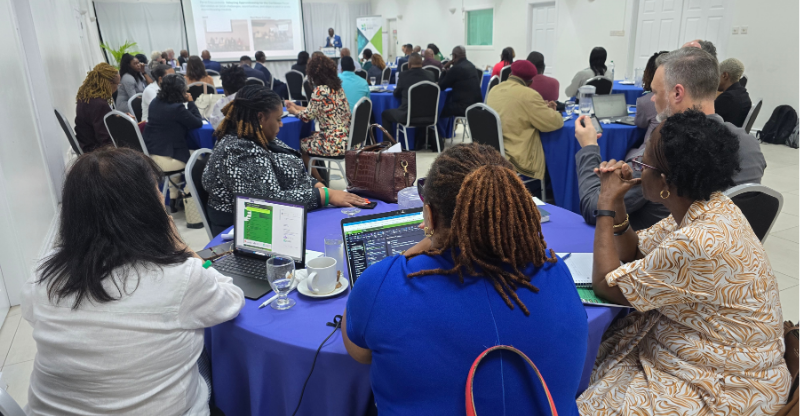
    Saint Lucia became the epicenter for Caribbean workforce development as regional technical education leaders convened for a groundbreaking two-day Apprenticeship Summit from December 4-5. The gathering, hosted under Canada’s Skills to Access the Green Economy (SAGE) programme at Rodney Bay’s Bay Gardens Hotel, marked a strategic effort to align vocational training with emerging environmental economic opportunities.

    Educators, policy architects, and industry representatives from across CARICOM member states collaborated to establish a standardized apprenticeship framework designed to equip workers with sustainable skills. Perry Thomas, Executive Director of Saint Lucia’s TVET Council, highlighted the summit’s critical mission: “We are rationalizing existing regional models to create a harmonized Technical and Vocational Education and Training system through the Caribbean Association of National Training Authorities.”

    The summit built upon pilot initiatives already implemented in six nations—Grenada, Saint Lucia, Dominica, Guyana, Belize, and Jamaica—which provided foundational data and implementation models. These programs demonstrated the potential for standardized trades training across diverse Caribbean economies.

    Pat Bidart, Senior Technical Advisor for SAGE, emphasized the practical implications: “We’re addressing skills gaps among existing tradespeople—carpenters, mechanics, and other technicians who possess partial knowledge but require comprehensive training. Enhanced skills development will directly improve housing construction, automotive repair, and multiple technical sectors.”

    The Canadian-funded initiative represents a coordinated response to both economic and environmental challenges, aiming to create a workforce capable of driving sustainable development throughout the region. Organizers expressed confidence that the summit would ignite the necessary passion and commitment to develop future-ready workers who can advance CARICOM’s green economic transformation.

  • Toerismesector slaat alarm: Goudwinning bedreigt voortbestaan Brownsberg Natuurpark

    Toerismesector slaat alarm: Goudwinning bedreigt voortbestaan Brownsberg Natuurpark

    The Suriname Hospitality and Tourism Association (SHATA) has issued an urgent environmental alert regarding the escalating crisis at Brownsberg Nature Park, an internationally recognized conservation and tourism destination in Brokopondo district. What initially began as concerns about inadequate maintenance has rapidly evolved into a full-scale ecological emergency due to proliferating gold mining operations.

    Multiple sites within the protected area now show severe degradation. The Witikreek area has been transformed into an active gold mining site, while guides at the Irene Falls recently confronted heavy machinery and experienced intimidation when attempting to document the destruction. Simultaneously, the Leo Valley sector continues to suffer from extensive deforestation and excavation caused by illegal mining activities.

    Industry representatives Dinesh Ramlal of Travel The Guianas, along with Dick Lock and Lieke Verwoerd of Unlock Nature, have formally communicated the tourism sector’s grave concerns to government authorities and relevant institutions. They emphasize the critical need for immediate intervention before Brownsberg sustains irreversible damage.

    SHATA’s communications underscore Suriname’s unique position: “As one of the world’s few nations where nature requires not restoration but merely protection, preserving Brownsberg has never been more urgent. In an era where healthy ecosystems are becoming increasingly scarce—and may soon hold greater literal value than gold—effective conservation is paramount.” The association notes that despite repeated warnings from NGOs, guides, tour operators, and concerned citizens, substantive protective measures remain absent.

    The association has outlined an eight-point action plan demanding:
    1. Immediate enforcement against illegal gold mining operations within and surrounding the park
    2. Establishment of a permanent security and surveillance outpost staffed by military police, regular police, or LBB personnel
    3. Development of a comprehensive, sustainable management strategy integrating conservation, security, and tourism
    4. Restoration of essential infrastructure including access roads and accommodation facilities
    5. Structured collaboration between government agencies, guides, tour operators, NGOs, and local communities
    6. Professionalization of the governing foundation STINASU
    7. Support for temporary initiatives including crowdfunding campaigns
    8. Creation of an investment-friendly framework for public-private partnerships

    SHATA maintains that while the situation remains critical, it is still reversible. With robust government intervention supported by tourism sector professionals and conservation experts, Brownsberg could be restored and repositioned as one of Suriname’s most valuable natural treasures.

  • Belize Celebrates Gales Point Traditions on UNESCO Heritage List

    Belize Celebrates Gales Point Traditions on UNESCO Heritage List

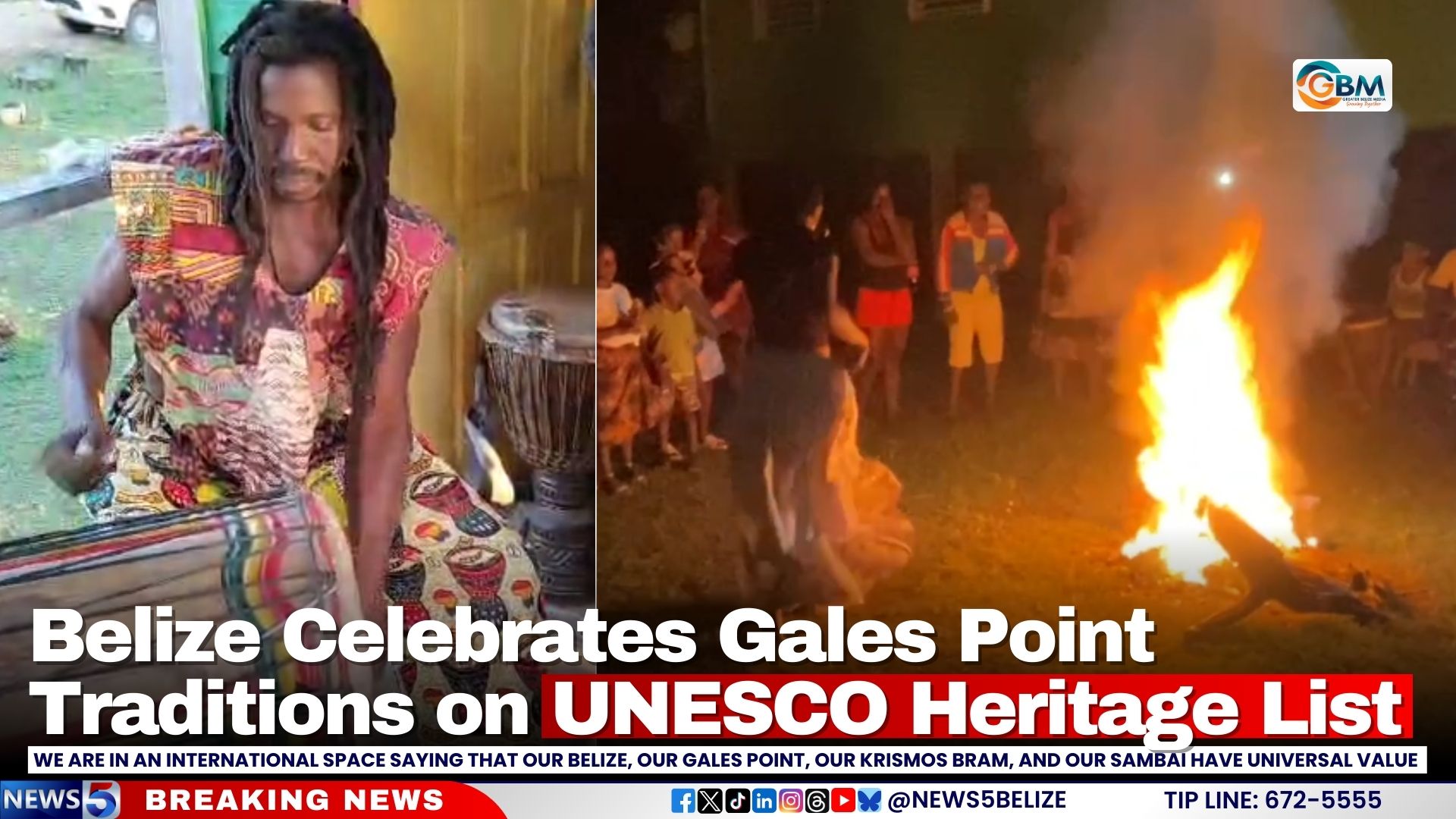
    The vibrant cultural traditions of Gales Point Manatee village in Belize have achieved global recognition as UNESCO officially inscribed the community’s Krismos Bram and Sambai practices on its Representative List of the Intangible Cultural Heritage of Humanity. The announcement emerged from the 20th session of UNESCO’s Intergovernmental Committee convening in New Delhi, India on December 9, 2025.

    This prestigious designation celebrates generations of cultural preservation through distinctive musical and dance traditions that form the community’s cultural heartbeat. The Krismos Bram and Sambai represent more than artistic expression—they serve as living connections to ancestral heritage, bringing together villagers and diaspora members annually for communal celebrations featuring traditional food, drink, and house-to-house dancing.

    Rolando Cocom, Director of the Institute for Social and Cultural Research, described the recognition as “a remarkable day for our communities to celebrate and enjoy the shared culture we have in Belize.” He emphasized that “the international community agreed with us that the living heritage of the Manatee Village is part of the shared human culture that we should all share and protect.”

    Selene Solis of the National Kriol Council highlighted the significance for the small community, noting the designation “elevates the visibility of this cultural event and brings visibility to a small community that isn’t often seen.” She added that the recognition affirms that “our Belize, our Gales Point, our Krismos Bram, and our Sambai have universal value” and represent “pillars of safeguarding” for future generations.

    The UNESCO acknowledgment validates decades of dedication by Gales Point families, elders, and cultural leaders who have maintained these traditions against modernization pressures, ensuring their continuity as pillars of Belizean cultural identity.

  • Grenada opens honorary consulate in Guyana

    Grenada opens honorary consulate in Guyana

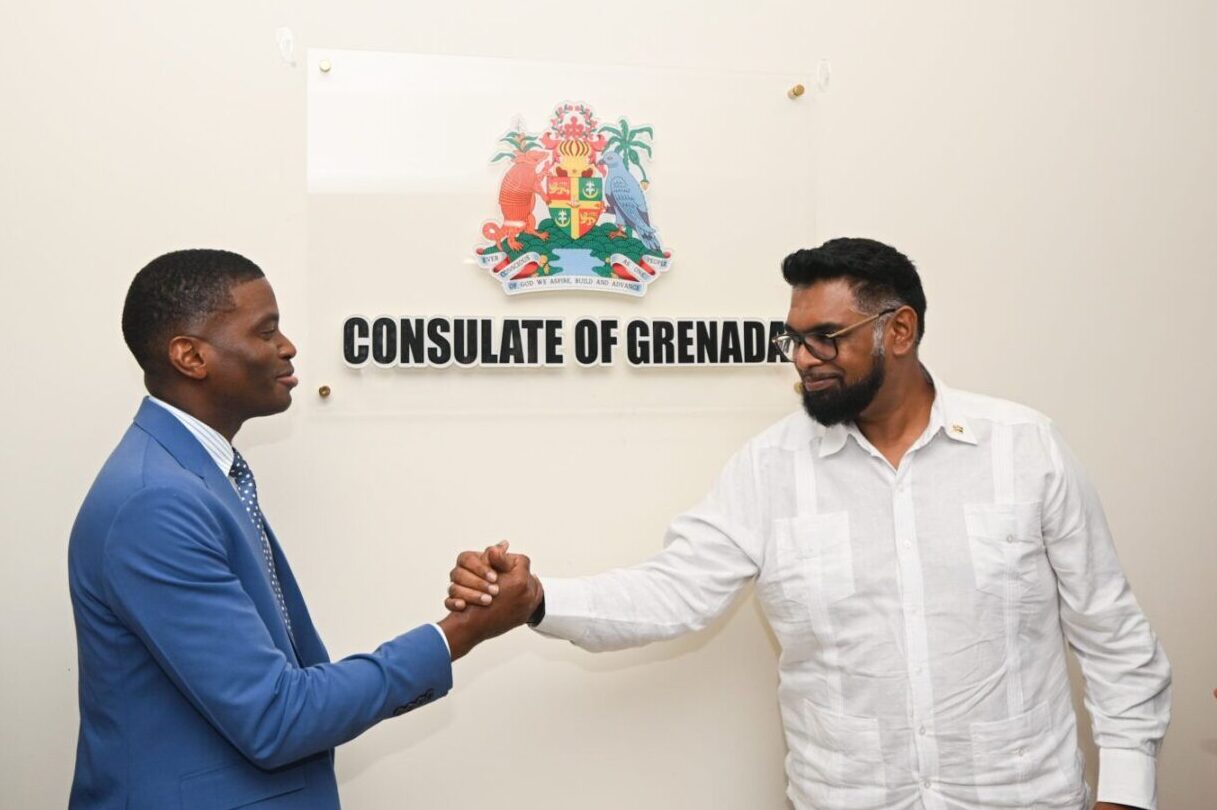
    In a significant move to bolster regional cooperation, Grenada has officially inaugurated an honorary consulate in Georgetown, Guyana, marking a new chapter in bilateral relations between the two Caribbean Community (Caricom) nations. The ceremony, held on Monday evening, was attended by high-level officials including Grenadian Prime Minister Dickon Mitchell and Foreign Minister Joseph Andall, alongside Guyanese President Irfaan Ali.

    President Ali articulated a visionary proposal for integrated tourism offerings, combining Grenada’s renowned ‘Spice Isle’ attractions—featuring beaches, yachting, and cultural charm—with Guyana’s world-class eco-tourism assets of rainforests, waterfalls, and wildlife. This synergy aims to create multi-destination packages, enhancing regional competitiveness while requiring improved air connectivity to realize its full potential.

    Prime Minister Mitchell emphasized the strategic importance of investing in regional partnerships, acknowledging Guyana’s ‘rock hard’ support during Grenada’s recovery from Hurricane Beryl in 2024. He critiqued the conventional practice of establishing distant diplomatic missions with nations lacking shared interests, affirming that this consulate represents a ‘deliberate step’ to strengthen political, economic, and diplomatic ties within the Caribbean backyard.

    The consulate will be headed by Komal Singh, a prominent Guyanese businessman and former Private Sector Commission chairman, who has been appointed as Honorary Consul. Singh pledged to function as a bridge for business, investment, education, and cultural exchange, stimulating Grenadian engagement with opportunities in Guyana.

    Beyond tourism, both leaders highlighted advanced discussions on regional food security, with plans to formalize an elaborate bilateral agreement by early next year. Guyana aims to become a reliable supplier of quality food at consistent prices, while also proposing joint investment in modernizing Grenada’s spice industry through enhanced processing and packaging capabilities.

    Foreign Minister Andall expressed optimism that the consulate would catalyze extended trade relations not only between Guyana and Grenada but across the entire Caricom bloc, signaling a collective stride toward economic resilience and regional integration.

  • UWP joins calls for halt to quarrying at Deux Branche

    UWP joins calls for halt to quarrying at Deux Branche

    A significant environmental and legal confrontation is unfolding in Dominica as the United Workers Party (UWP) – Team Dominica forms a coalition with residents of Concord, the Kalinago Territory, and Marigot, alongside environmental experts and geologists. The alliance demands an immediate halt to quarrying operations at Deux Branche in Concord, condemning them as unlawful and ecologically devastating.

    The UWP, in an official press release, detailed the extensive damage already inflicted, particularly on the Pagua River, which has suffered from severe sedimentation. This degradation has directly harmed local livelihoods, disrupting recreational uses, diminishing tourism prospects, and compromising traditional food sources for Concord communities.

    Central to the dispute is a alleged violation of the nation’s Physical Planning Act. The party asserts the operation lacks the mandatory planning approval, directly contravening Section 17(1) of the legislation. This statute explicitly requires prior authorization from the Development and Planning Authority for any development, a category which includes quarrying activities contingent on a completed environmental impact assessment (EIA).

    The UWP expressed profound disturbance over what it characterizes as a ‘blatant disregard’ for legal protocols, ostensibly justified by the international airport project and associated developments. These projects, the party contends, are generating substantial negative externalities and community stress spanning from Concord to Woodford Hill.

    Emphasizing non-negotiable environmental safeguards, the UWP underscored the critical function of EIAs. These studies are designed to meticulously evaluate social, ecological, and economic ramifications, identify potential hazards, and prescribe mitigation measures. In certain scenarios, an EIA may conclude that a proposed location is fundamentally inappropriate for development due to insurmountable environmental risks.

    A particularly alarming dimension of the controversy involves the quarry’s alleged encroachment into the Central Forest Reserve. This protected rainforest, established in 1952, constitutes a cornerstone of Dominica’s natural heritage. It acts as a refuge for rare species and unique ecosystems, protected under a suite of laws including the Forests Act, the Forestry and Wildlife Act, the National Parks and Protected Areas Act, and the National Forest Policy of 2022, all mandating conservation, sustainable management, and biodiversity protection.

    In its concluding remarks, the UWP issued a direct appeal to the Roosevelt Skerrit administration, urging an immediate cessation of the current operation and the pursuit of an alternative site for quarrying where environmental and social impacts would be substantially mitigated.

  • Have A Fire Free Christmas

    Have A Fire Free Christmas

    Fire safety authorities in Belize have issued critical warnings to the public following two devastating residential fires that occurred in Belize City on Friday night, both originating from electrical malfunctions. The incidents have left multiple families displaced during the holiday season, highlighting the increased fire risks associated with seasonal decorations and appliances.

    The first emergency response occurred on Aloe Vera Street, where a plugged-in tablet device ignited a bedroom in Diane Pelayo’s residence. Through coordinated efforts between family members and neighbors, the blaze was contained before consuming the entire structure. Despite their successful intervention, the family’s six children faced immediate displacement, forced to sleep on cardboard flooring at a neighbor’s home while cleanup operations commenced.

    Within hours, firefighters confronted a second conflagration on Hibiscus Street, where an electrical fan sparked flames in Porfirio Cardona’s household. While all occupants escaped with their lives, the property and all possessions were destroyed. One family member required hospitalization for burn injuries and smoke inhalation, underscoring the human cost of electrical hazards.

    Fire prevention experts emphasize that seasonal traditions significantly increase household risks. Christmas lighting displays, decorative arrangements, and increased cooking activity collectively create elevated fire hazards. Electrical safety recommendations include utilizing Underwriters Laboratory-certified surge protectors, LED lighting systems, and rigorous inspection of all decorative lighting for damage prior to installation.

    Belize Electricity Limited (BEL) reinforces previous advisories regarding outlet monitoring, emphasizing that all electrical points should remain “cool to the touch” during operation. The utility provider specifically warns against outlet overloading, noting that multi-adapter use with existing cords represents a frequent cause of electrical failures. “Overloading circuits is not only impractical but frequently initiates residential fires,” stated BEL representatives.

    Culinary safety protocols recommend maintaining constant supervision of cooking processes, implementing timer systems, and establishing three-foot safety perimeters around cooking areas for children and pets. Authorities further advise maintaining accessible fire extinguishers and exercising particular caution during frying operations.

    These incidents serve as sobering reminders that holiday celebrations require heightened safety awareness to prevent similar tragedies during this festive period.

  • 1,166 new citizens under the CBI from January to September

    1,166 new citizens under the CBI from January to September

    Grenada’s Investment Migration Agency (IMA), formerly known as the Citizenship by Investment Unit, has released comprehensive statistics revealing significant developments in the nation’s citizenship program during the third quarter of 2025. According to the latest data, citizens from 55 different countries received approval for Grenadian citizenship through the Investment Migration Program between July and September 2025.

    The approval distribution shows a notable concentration from six key jurisdictions: Nigeria (15%), China (13%), Iraq, the United States, Pakistan, and Egypt. Collectively, these nations accounted for 51% of the 135 new citizens approved during the quarter. The total number of approvals for the first three quarters of 2025 reached 1,166 individuals, maintaining the program’s steady growth trajectory since its inception in 2014, during which over 20,000 people have obtained Grenadian citizenship.

    A significant operational pause occurred in August 2025 when no approvals were processed due to the Cabinet of Ministers’ recess period, during which no official meetings were conducted. This temporary suspension highlights the program’s structured governance framework requiring ministerial oversight.

    Finance Minister Dennis Cornwall, presenting the 2026 budget statement to Parliament on December 1, emphasized the program’s evolving significance. “The Citizenship By-Investment Programme has become a substantial contributor to government revenues, tourism development, and job creation,” Cornwall stated. “Our Program continues to rank among the most reputable globally, featuring deeply entrenched, robust due diligence processes developed over its 11-year history.”

    The government announced forthcoming regulatory amendments designed to stimulate local participation. In the coming weeks, Grenada will implement revised regulations reducing fees by 70% for local developers initiating new projects within priority economic sectors under the CBI Program. This strategic move responds to advocacy from local business communities seeking enhanced involvement in the investment migration ecosystem.

    Financially, the program has exceeded expectations, with 2025 revenues surpassing the projected EC$165.9 million forecast in the annual budget. Looking ahead to 2026, the Ministry of Finance has projected IMA revenues to reach EC$173,973,807, indicating continued confidence in the program’s sustainable growth and economic contribution.

  • Saint Lucia, Indonesia agree to boost coconut, fruit processing

    Saint Lucia, Indonesia agree to boost coconut, fruit processing

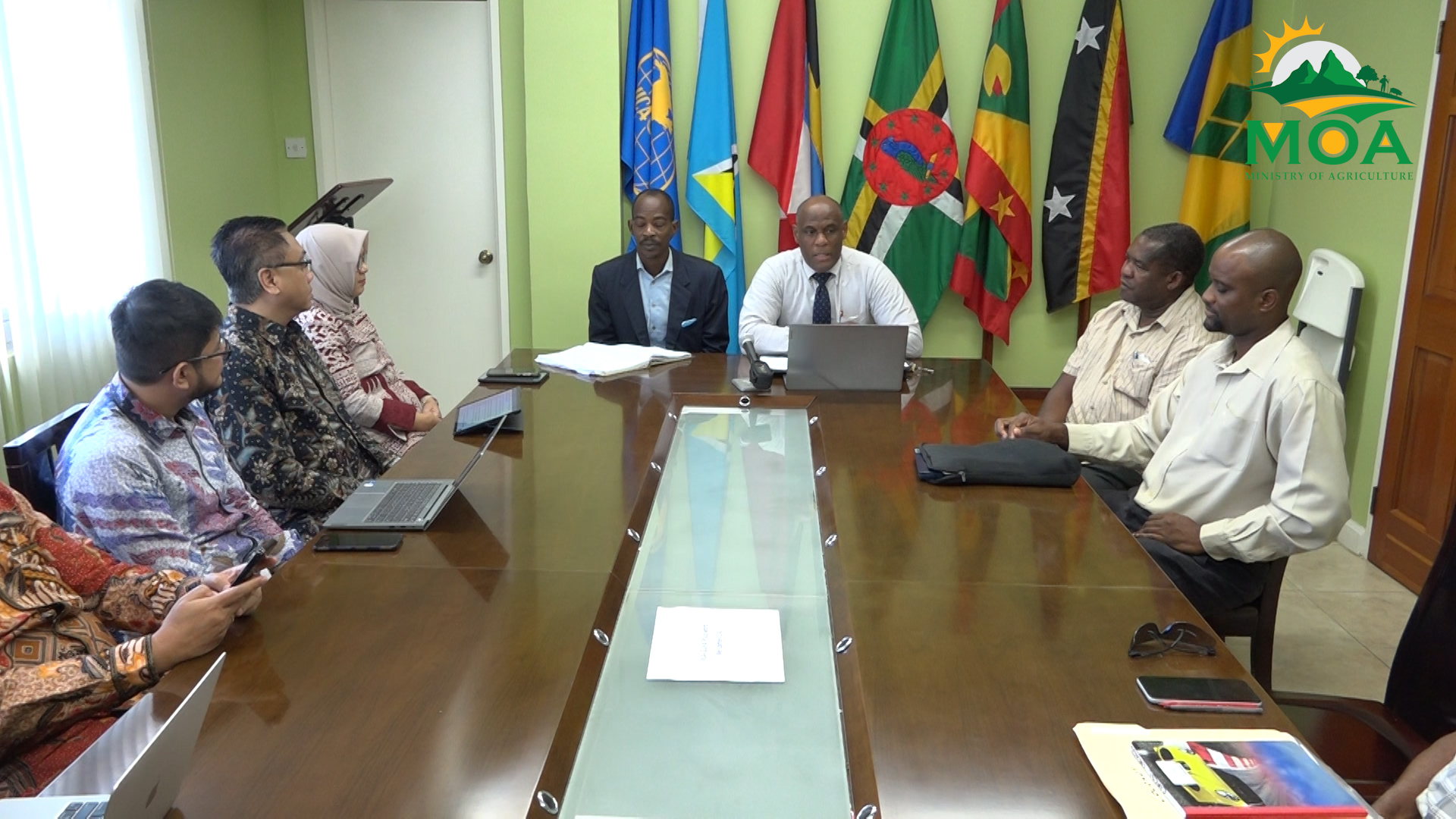
    In a significant development for South-South cooperation, the Caribbean nation of Saint Lucia and Southeast Asia’s Indonesia have formalized an ambitious agricultural partnership with concrete projects scheduled to commence in 2026. This collaboration represents a strategic alignment between two nations separated by vast geographical distance but united in their agricultural development objectives.

    The partnership framework was solidified during high-level discussions in Castries, where officials from both governments endorsed a comprehensive roadmap for modernizing Saint Lucia’s agricultural infrastructure. This agreement follows extensive field assessments conducted by Indonesian agricultural specialists who identified key areas for technological transfer and capacity building.

    Central to the cooperation are plans to revolutionize Saint Lucia’s coconut industry through advanced processing techniques, expanded cultivation of oil-producing varieties, and the introduction of modern agricultural machinery. The partnership will additionally focus on developing value-added production chains for mangoes, breadfruit, and other tropical fruits indigenous to the Caribbean region.

    Kemuel Jn Baptiste, Director of Agricultural Services for Saint Lucia, emphasized the practical implementation framework: “Today’s discussions confirmed the operational details outlined in our roadmap. The division of responsibilities is clear – Saint Lucia will provide personnel and technical expertise, while Indonesia will supply advanced plant materials and agricultural equipment.”

    The sentiment was strongly echoed by Indonesian representative Herry Laksono, who characterized Saint Lucia as Indonesia’s priority partner in the Caribbean region. “Despite the considerable geographical distance spanning approximately 18,000 kilometers, our nations share compatible development objectives that necessitate collaborative effort,” Laksono stated.

    This bilateral cooperation is strategically significant for both parties: Saint Lucia gains access to Indonesian agricultural technology and expertise to enhance food security and rural development, while Indonesia establishes a strategic foothold for agricultural cooperation within the Caribbean community.

    With implementation scheduled for 2026, both governments anticipate the partnership will generate substantial economic benefits for farming communities and contribute to sustainable agricultural development across Saint Lucia.