作者: admin

  • New Chapter for UDP As Taegar‑Panton Unveils Reform Agenda

    New Chapter for UDP As Taegar‑Panton Unveils Reform Agenda

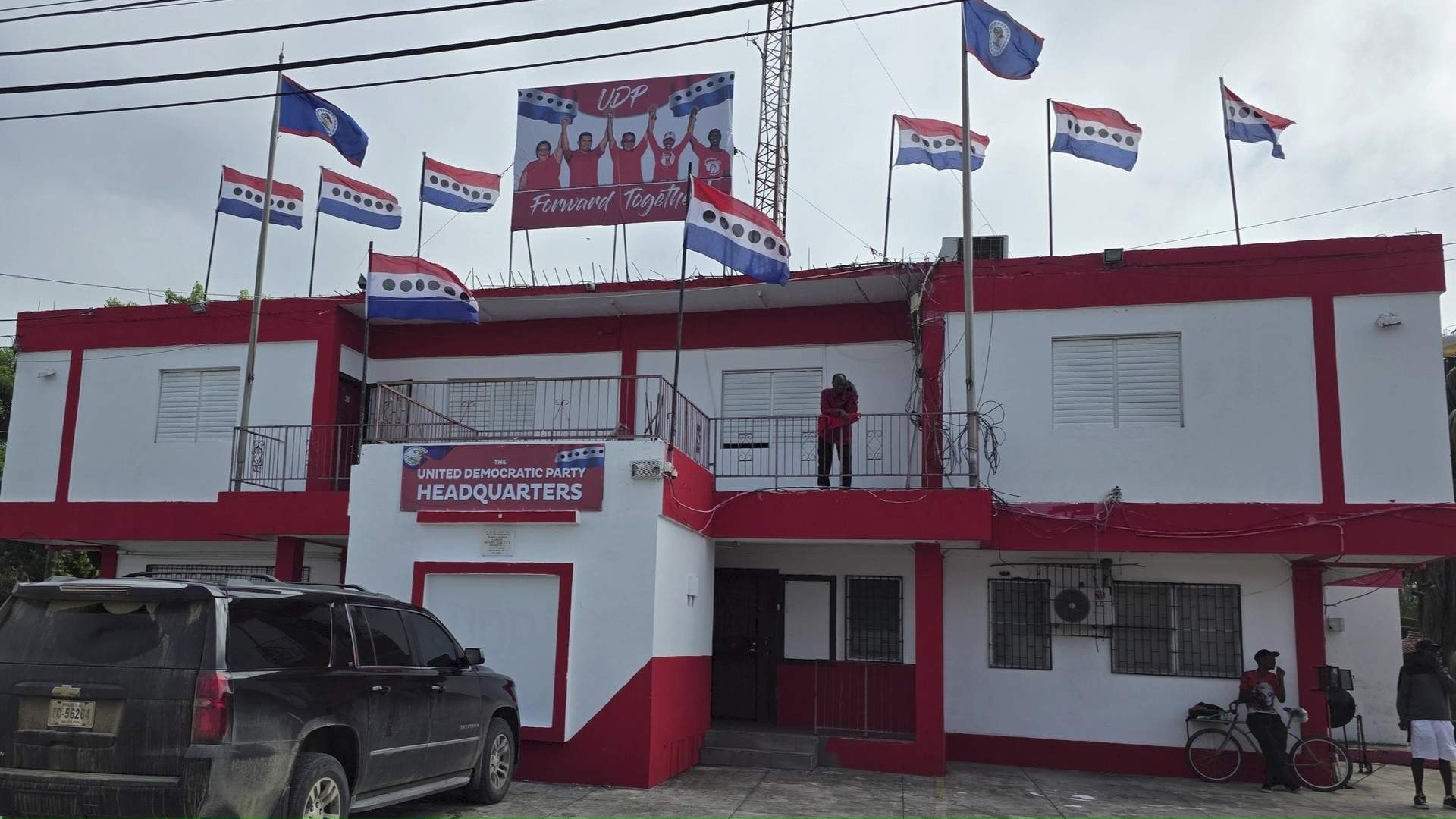
    In a significant political development, the United Democratic Party (UDP) has embarked on a transformative journey under its newly elected leadership. Tracy Taegar-Panton, recently appointed as party leader, marked this new chapter by convening the UDP’s first press conference at their official headquarters on Youth for the Future Drive—a symbolic departure from their previous temporary premises on Euphrates Avenue.

    The event, held on December 9, 2025, signaled a deliberate shift from recent internal turbulence as Panton unveiled an ambitious reform agenda designed to revitalize the party’s structure and public standing. Addressing supporters and media representatives, the UDP leader emphasized that the reform initiative represents not merely a response to past difficulties but rather a strategic blueprint for future growth and effectiveness.

    Panton identified several critical areas requiring immediate attention, including constitutional ambiguities, inadequate committee operational standards, and public disputes that have compromised the party’s credibility. She acknowledged the existence of a ‘democratic deficit’ within the organization where members frequently felt marginalized in decision-making processes.

    The newly announced reform program aims to establish transparent procedures, standardized operating rules for all committees, and mechanisms to ensure broader member participation. Panton extended an open invitation to all Belizeans to participate in what she characterized as a national movement toward renewed political engagement, emphasizing that the future of both the UDP and Belize itself depends on collective effort and shared commitment.
  • Panton’s Appeal Sparks Support to Fix UDP Headquarters

    Panton’s Appeal Sparks Support to Fix UDP Headquarters

    BELIZE CITY – United Democratic Party leader Tracy Taegar-Panton has initiated a remarkable grassroots fundraising campaign to address the party’s severe financial challenges and physical infrastructure needs. In a public appeal made on December 9, 2025, Panton revealed the UDP is essentially rebuilding from “ground zero” following significant setbacks.

    The campaign has generated an unexpected groundswell of support from Belizean citizens across economic spectrums. Contributions have ranged from modest $50 donations intended for worker lunches to more substantial sums of $170 or more earmarked for essential cleaning supplies, paint, and critical hardware including toilets and basins. Beyond financial contributions, Panton emphasized the value of “sweat equity” from volunteers, particularly noting the involvement of young engineers committed to democratic participation.

    Panton acknowledged the party’s comprehensive assessment process currently underway to evaluate both physical infrastructure requirements and outstanding financial liabilities. The UDP leader framed the reconstruction effort as symbolic of the party’s broader reform agenda, stating the organization would “rise from the ashes” to establish a solid foundation for effective opposition governance.

    Addressing potential critics, Panton invoked the party’s history of successful fundraising events like barbecues, indicating willingness to employ similar strategies if necessary. She emphasized there was “no shame” in collective rebuilding efforts aimed at creating both financial stability and operational capacity to implement the party’s reform initiatives.

  • Senator Taveras launches bold bid to shield Dominican politics from criminal infiltration

    Senator Taveras launches bold bid to shield Dominican politics from criminal infiltration

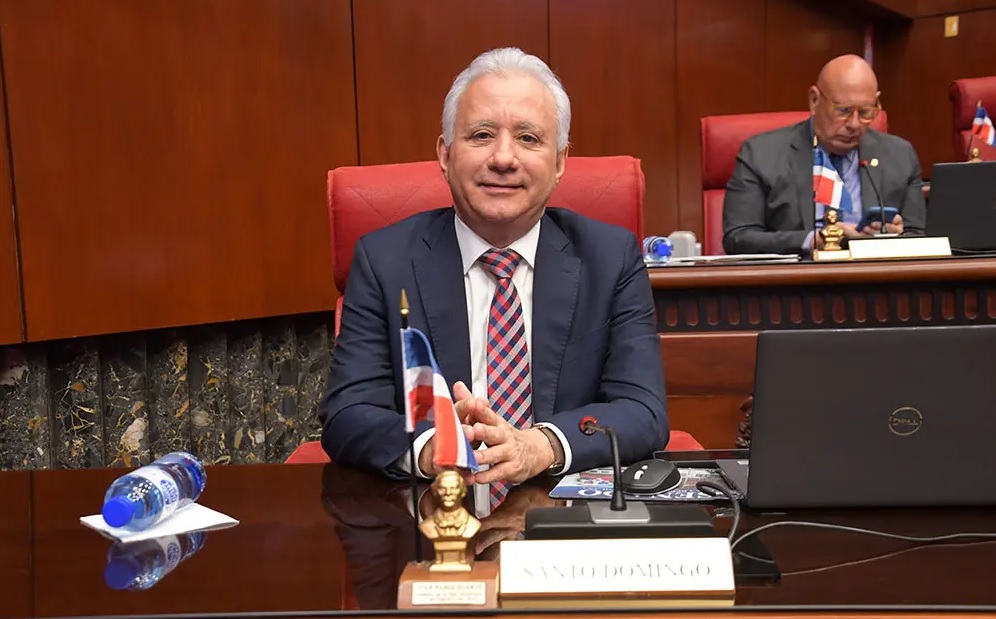
    SANTO DOMINGO – In a bold legislative initiative, Senator Antonio Taveras Guzmán has put forward two groundbreaking bills designed to fortify the Dominican Republic’s political system against infiltration by organized crime elements. The senator expressed grave concerns about individuals implicated in drug trafficking, money laundering, and criminal associations increasingly penetrating political circles, a phenomenon he characterizes as transforming politics into a ‘criminal marketplace.’

    The first legislative proposal would reclassify all political parties, movements, and groups officially recognized by the Central Electoral Board (JCE) as non-financial reporting entities. This reclassification would subject them to stringent anti-money laundering and counter-terrorism financing protocols as stipulated in Law 155-17. The complementary bill seeks to establish criminal liability for political organizations under the nation’s penal code (Law 74-25), making parties directly accountable for accepting illicit funding.

    This legislative approach fundamentally elevates legal accountability for political institutions. Organizations that fail to prevent or report illegal financial contributions would face comprehensive investigations, substantial financial penalties, and potential criminal prosecutions—effectively eliminating traditional immunity for political entities.

    Senator Taveras emphasizes that this initiative centers on preserving electoral integrity, stating, ‘The infiltration of illicit funds into politics constitutes nothing less than the prostitution of democracy.’ He contends that without these crucial legal protections, political parties risk becoming ‘conduits for criminal activity’ rather than vehicles for public service.

    Should these measures become law, they would revolutionize political financing practices. Political organizations would be mandated to implement sophisticated compliance mechanisms, undergo regular financial audits, and maintain absolute transparency in campaign financing. Even the most prominent political campaigns would be subject to exhaustive forensic examination.

    Beyond technical reforms, Taveras highlights the profound societal implications of this legislation. By explicitly criminalizing financial corruption within political structures, the Dominican Republic would demonstrate both domestic and international commitment to excluding criminal influence from democratic institutions. ‘This transcends mere punishment—it’s about revitalizing public trust in our democratic system,’ the senator concluded.

  • Panton Pushes Enforcement, Rejects Costly Motorcycling Course

    Panton Pushes Enforcement, Rejects Costly Motorcycling Course

    United Democratic Party Leader Tracy Panton has launched a vehement critique against the Ministry of Transport’s proposed mandatory motorcycling course, characterizing the initiative as nothing short of “a hustle” designed to impose additional financial burdens on working-class citizens. The political leader articulated her position during a recently convened press conference, originally scheduled the previous week but postponed due to parliamentary committee obligations.

    Panton emphasized her party’s firm opposition to any legislative measures that would exacerbate the economic strain on ordinary citizens through new taxes and fees. Instead of implementing costly training requirements, Panton advocates for enhanced enforcement mechanisms as the most viable pathway to improving road safety.

    The UDP leader revealed that multiple significant bills—including occupational safety legislation, the NHI Bill, BELCOGEN Bill, Motorcycle Bill, Domestic Violence Bill, and Tobacco Bill—have encountered procedural delays within the government’s legislative agenda. According to Panton, these delays stem from disagreements among government backbenchers from both northern and southern constituencies who lack cabinet-level insight but recognize the potential negative impact on their constituents.

    Panton challenged the fundamental efficacy of the proposed motorcycle course, questioning whether it would genuinely contribute to safer highways while simultaneously imposing financial hardships. She called for more critical examination of policy initiatives that disproportionately affect those already struggling with rising living costs, positioning her party as defenders of economic fairness for Belize’s working population.

  • A Kenny Rogers song for Comrade Ralph

    A Kenny Rogers song for Comrade Ralph

    In a notable shift of tone, a recent commentary acknowledges former Prime Minister Ralph Gonsalves as a significant Caribbean intellectual force while subtly suggesting his political era should conclude. The analysis recognizes Gonsalves’ strategic political maneuvering that brought together the Movement for National Unity and St. Vincent Labour Party, effectively ending his political exile and positioning him as champion for Vincentians disillusioned with previous leadership under Sir James and the New Democratic Party.

    The piece credits Gonsalves’ early administration with substantial achievements, including the ambitious ‘university graduate in every household’ initiative and the tangible fulfillment of ‘no child left behind’ promises. His tenure witnessed remarkable infrastructure development with expanded road networks, bridges, and the notable completion of Argyle International Airport, establishing his reputation as a visionary leader during his political prime.

    However, the commentary introduces a critical转折, noting that despite these accomplishments, many citizens eventually perceived a disconnect between Gonsalves’ public persona and political actions. The analysis invokes the adage that ‘power corrupts,’ suggesting the leader’s later tenure failed to maintain initial public trust.

    While acknowledging Gonsalves’ permanent mark on Caribbean political civilization, the commentary frames his failure to secure a sixth term as potentially fortunate. It concludes with diplomatic yet firm advice borrowed from Kenny Rogers’ lyrical wisdom about knowing ‘when to fold ’em’ and ‘when to walk away,’ emphasizing that St. Vincent and the Grenadines will continue building upon foundations laid by previous leaders including Gonsalves.

  • DIGICEL : List of Winners of the 9th Edition «Konbit Pou Chanjman»

    DIGICEL : List of Winners of the 9th Edition «Konbit Pou Chanjman»

    In a significant boost to community development efforts across Haiti, the Digicel Foundation has unveiled the 18 winning organizations of its ninth annual “Konbit Pou Chanjman” (Collective for Change) initiative. Each awardee will receive $12,000 in funding, totaling $216,000 in grants dedicated to grassroots projects addressing critical needs throughout the Caribbean nation.

    The selected organizations represent diverse geographical regions and sectors, with projects spanning agricultural development, environmental protection, youth empowerment, and economic advancement. The awarded groups include peasant farmer associations, fishing cooperatives, community development organizations, and faith-based initiatives, demonstrating the program’s comprehensive approach to addressing Haiti’s multifaceted challenges.

    Geographic distribution of awards shows broad national coverage: Artibonite (2 organizations), Centre (1), Grand’Anse (2), Nippes (1), North (1), Northeast (1), Northwest (2), South (3), Southeast (3), and West (2). This ensures development resources reach communities across Haiti’s varied landscape, from coastal regions to mountainous interior areas.

    Notable recipients include the Crête-à-Pins Marmelade Farmers’ Organization focusing on agricultural sustainability, the Space for Reflection, Research and Action (ERRA) promoting community dialogue, and the Exemplary Youth Initiative for the Propagation of the Gospel combining spiritual and community development work.

    The Konbit Pou Chanjman program, now in its ninth year, represents one of Haiti’s most sustained corporate social responsibility initiatives, having channeled millions of dollars into community-driven development projects. The program’s name derives from the traditional Haitian concept of “konbit” – a collective work group where community members unite to achieve common agricultural or development goals.

    This year’s selection process involved rigorous evaluation of project proposals based on their potential for sustainable impact, community involvement, and alignment with local development priorities. The funding will enable organizations to implement projects designed to create lasting positive change in their respective communities.

  • UDP Criticizes Government Vetting Amid Rocha Cantu Fallout

    UDP Criticizes Government Vetting Amid Rocha Cantu Fallout

    A significant political confrontation has emerged in Belize following revelations about Mexican billionaire Raul Rocha Cantu’s involvement in the country’s investment sector. The United Democratic Party (UDP) has launched severe criticism against the current administration for its alleged failure to conduct proper due diligence on foreign investors.

    Rocha Cantu, currently under investigation by Mexican specialized prosecutors for serious criminal activities including fuel and arms trafficking, drug smuggling, and connections to organized crime, had reportedly secured a strategic position in Belize’s Dangriga Port Project. In May 2025, his Mexico-based Legacy Group announced its formal engagement to lead the conceptual and technical oversight of the new state-of-the-art port facility.

    This development followed a meeting between Belize’s Prime Minister and Rocha Cantu to discuss trade and investment opportunities. However, Southern Deep Port Development Limited has since distanced itself from the Mexican investor, claiming that while discussions occurred, no formal partnership was established and that Legacy Holdings’ website contained unauthorized information.

    Godwin Haylock, Area Representative for Queen Square, delivered a scathing assessment: “The reality is that this government is in a feeding frenzy to eat up every business opportunity for themselves.” He highlighted Rocha Cantu’s alleged connections to the tragic Casino Royal attack in Monterey that claimed fifty-two lives, questioning why any responsible government would engage with an individual sought by Mexican authorities.

    The opposition argues that the government’s desperation for foreign investment has compromised national security protocols, with no concerning information reportedly emerging from the Financial Intelligence Unit or Special Branch investigations.

  • Belize Celebrates UNESCO Recognition of Krismos Bram and Sambai

    Belize Celebrates UNESCO Recognition of Krismos Bram and Sambai

    In a landmark achievement for cultural preservation, Belize has secured international recognition for two of its most cherished Creole traditions. UNESCO officially inscribed Krismos Bram and Sambai onto its Representative List of the Intangible Cultural Heritage of Humanity during ceremonies in New Delhi, India, on December 9, 2025.

    The announcement marks the culmination of a decade-long effort by Belizean cultural authorities and community representatives. The recognition places these centuries-old traditions alongside Belize’s Garifuna language, music, and dance as globally protected cultural treasures.

    Krismos Bram, a vibrant Christmas procession unique to the village of Gales Point Manatee, involves community members moving from house to house during Christmas and Boxing Day celebrations. The tradition features rhythmic drumming, spirited dancing, communal feasting, and storytelling that dates back to 18th-century Maroon settlements of formerly enslaved Africans.

    Sambai, its complementary tradition, involves participants forming dynamic circles around bonfires, maintaining rhythmic connection through generations. Both practices represent profound cultural resilience, transforming historical hardship into enduring artistic expression.

    Cultural leaders from Gales Point emphasized the traditions’ significance. Master Drummer Emmeth Young noted, ‘Krismos Bram evolved from the slave people that used to settle in my village, making it very important in our culture.’ Master Dancer Sharlene Andrewin added, ‘Only in Gales Point will you find the real thing—live Braming and Sambai that continues today.’

    The UNESCO designation brings more than prestige. Rolando Cocom, Director of the National Institute of Culture and History (NICH), highlighted how the recognition strengthens preservation efforts and youth engagement. Selene Solis of the National Kriol Council emphasized how this ‘elevates the visibility of cultural events from small communities that aren’t often recognized for their value.’

    The achievement prompted nationwide celebrations, with villagers in Gales Point gathering at dawn for a watch party. Political leaders across parties offered congratulations, with UDP Leader Tracy Panton specifically acknowledging the late cultural ambassador Myrna Manzanares and her mother Iris Abraham for their lifelong advocacy.

    This UNESCO recognition ensures international support for safeguarding these traditions while amplifying Belize’s cultural contributions on the world stage.

  • Erosion Threatens Homes and Livelihoods in Placencia

    Erosion Threatens Homes and Livelihoods in Placencia

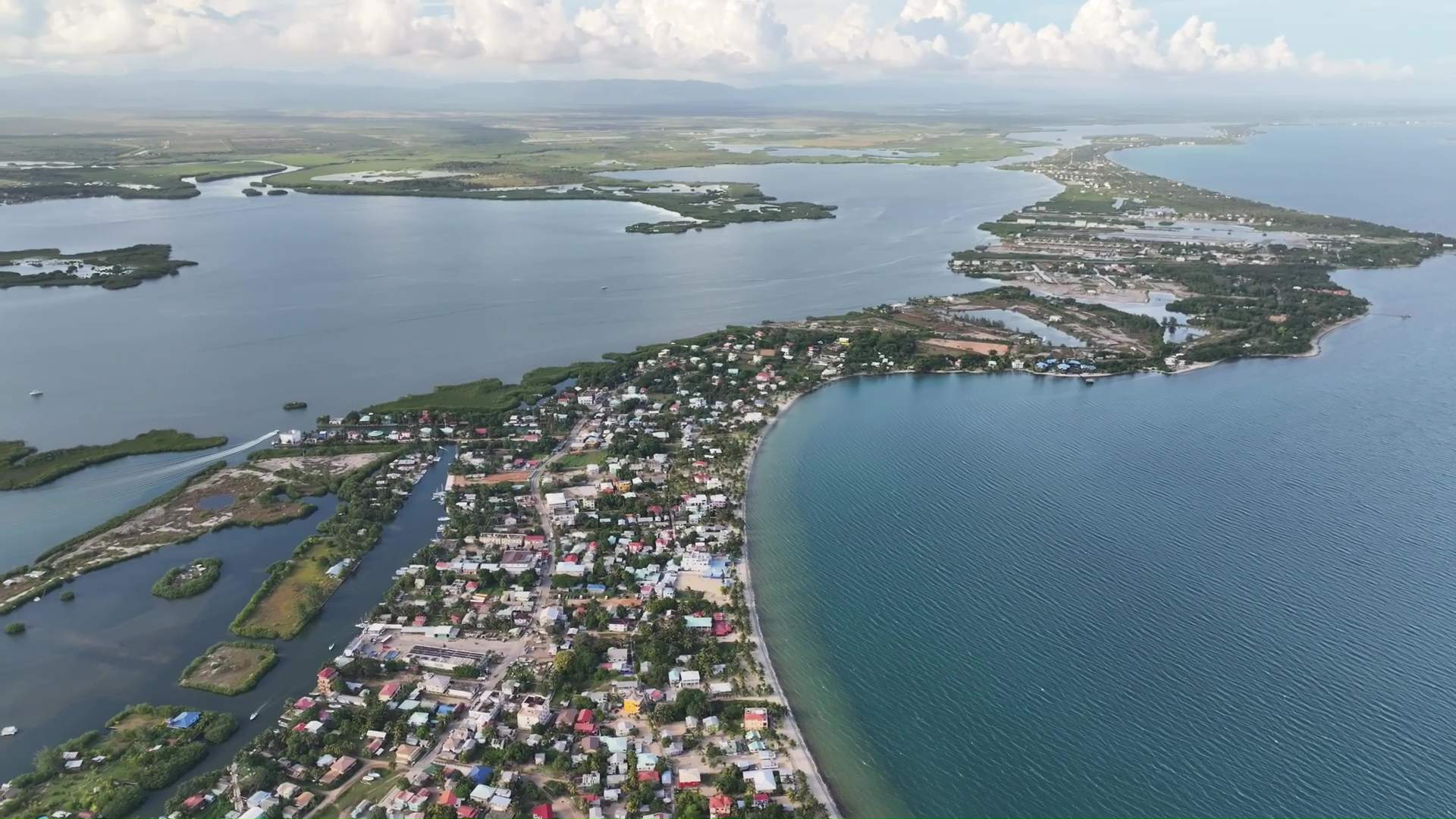
    The picturesque Placencia Peninsula in Belize faces an escalating environmental emergency as accelerated coastal erosion jeopardizes homes, businesses, and the region’s economic foundation. This Caribbean community, renowned for its stunning beaches and vibrant tourism industry, now confronts a reality where each high tide brings properties perilously closer to the advancing waters.

    Minister of Sustainable Development Orlando Habet addressed the severity of the situation, emphasizing the multifaceted crisis: “Residents have witnessed firsthand the loss of beaches, collapsing shoreline, saltwater intrusion, and threats to homes, tourism facilities, and livelihoods. This erosion is reshaping not only our coastline but also affecting social wellbeing, economic stability, and community safety.”

    The Belize Department of Environment has initiated a comprehensive scientific partnership to diagnose the erosion causes and develop sustainable solutions. This collaborative effort brings together government agencies, the Placencia Village Council, and academic experts from the University of South Florida, who have been conducting long-term research through the Strong Coasts initiative.

    Dr. Maya Trotz, leading the University of South Florida research team, noted the unexpected severity of Placencia’s erosion compared to other studied areas: “We were initially focused on environments like Caye Caulker that faced different erosion dynamics. The peninsula’s situation has revealed complex, multifaceted challenges requiring specialized attention.”

    The forthcoming study will employ advanced topographic, hydrographic, and bathymetric surveys spanning from Riversdale to Placencia, analyzing sediment composition from beaches, rivers, and offshore areas. This scientific approach aims to move beyond theoretical assessment toward practical, engineering-based solutions that balance environmental preservation with community protection.

    Warren Garbutt, Chairman of the Placencia Village Council, expressed cautious optimism: “This initiative brings hope for sustainable solutions that can preserve our coastline’s integrity while safeguarding the natural beauty that defines our peninsula for future generations.” The project represents a critical test of Belize’s ability to harmonize economic development with climate resilience in an era of increasing environmental uncertainty.

  • Social: Support measures for displaced and vulnerable people during the holiday season (video)

    Social: Support measures for displaced and vulnerable people during the holiday season (video)

    In a significant humanitarian effort, the Haitian government has unveiled a comprehensive support package for citizens displaced by violence and those facing extreme vulnerability during the holiday season. The announcement came during the 30th edition of ‘Tuesdays of the Nation’ on December 9, 2025, at the Prime Minister’s Office.

    Serge Gabriel Colin, Director General of the Economic and Social Assistance Fund (FAES), detailed the multi-faceted assistance program that will be implemented across several regions including Port-au-Prince, the Central Plateau, Artibonite, and Petit-Goâve—the latter recently devastated by Hurricane Melissa.

    The relief measures encompass substantial enhancements to existing aid programs, featuring escalated distribution of hot meals, nutritional provisions, and hygiene kits within displacement camps. Community restaurants operated by FAES will significantly increase their meal service capacity during this critical period.

    A culturally significant initiative involves the preparation of the traditional Independence Day soup, symbolizing national solidarity and shared heritage. The most substantial financial component includes direct cash transfers of 10,000 gourdes each to 20,000 household leaders and vulnerable individuals.

    Colin emphasized the government’s allocation of several hundred million gourdes specifically for these humanitarian efforts, with a considerable portion dedicated to the cash transfer program. The FAES, serving as the technical arm of the Ministry of Social Affairs, is mobilizing its network of 105 community restaurants to execute these initiatives.

    The director reaffirmed the administration’s commitment to both immediate humanitarian support and long-term security restoration throughout the nation, highlighting the dual approach of addressing urgent needs while working toward sustainable stability.