作者: admin

  • Chelsea looking to sign Khadija ‘Bunny’ Shaw

    Chelsea looking to sign Khadija ‘Bunny’ Shaw

    A significant transfer development is unfolding in the Women’s Super League as Chelsea Football Club positions itself to secure a landmark signing of Khadijah ‘Bunny’ Shaw, the prolific Jamaican striker currently with Manchester City. With Shaw’s existing three-year contract, originally signed in June 2021, set to conclude this summer and no extension finalized, the reigning WSL champions have identified an opportunity to bolster their attacking lineup with the league’s most formidable scorer.

    Shaw’s performance metrics this season present a compelling case for her valuation. The 26-year-old forward dominates the WSL scoring chart with an impressive tally of 15 goals across merely 16 league appearances, establishing a substantial lead over her closest competitors. Aston Villa’s Kirsty Hanson trails distantly with nine goals, while Arsenal’s Vivianne Miedema follows with eight, underscoring Shaw’s singular effectiveness in front of goal.

    The potential acquisition represents more than just a routine transfer—it would constitute a strategic coup that could recalibrate the competitive balance within English women’s football. Shaw’s integration into Chelsea’s system would provide manager Emma Hayes with additional firepower as the club pursues domestic and European honors. For Manchester City, losing their top scorer without transfer compensation would represent a significant setback, potentially necessitating a restructuring of their attacking options ahead of the new season.

    This developing situation reflects the increasingly competitive nature of women’s football transfers, where elite clubs aggressively pursue proven talent to maintain competitive advantages. The outcome of these negotiations will undoubtedly influence both clubs’ preparations for the 2023-2024 campaign and could reshape the WSL’s attacking hierarchy.

  • Turkey talking to US, Iran in bid to end war

    Turkey talking to US, Iran in bid to end war

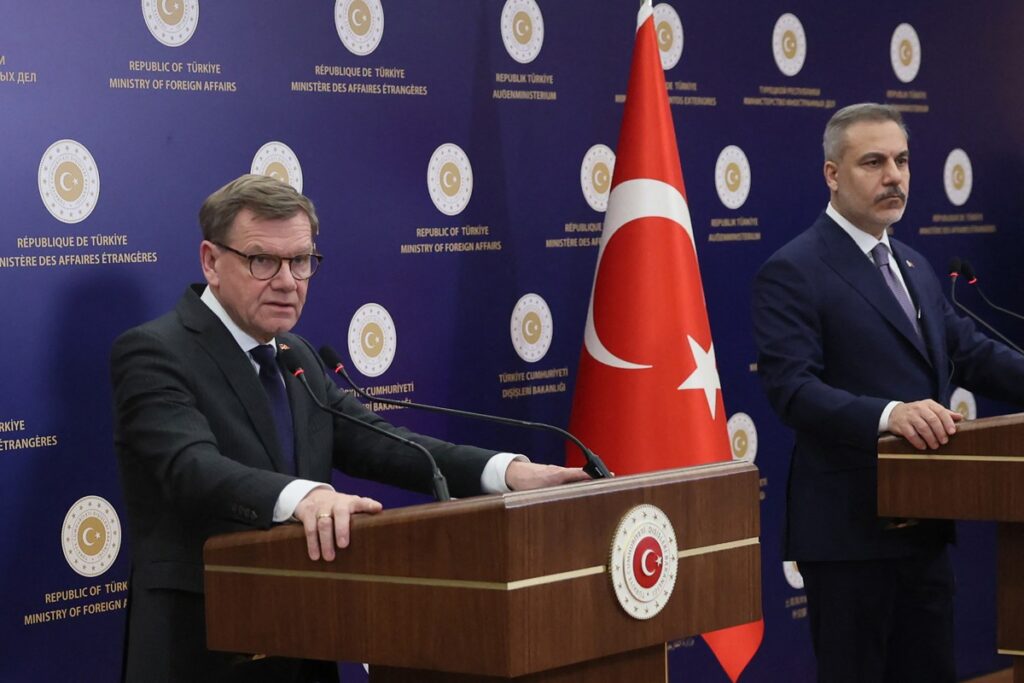
    ANKARA — Turkish Foreign Minister Hakan Fidan announced on Thursday that Ankara is engaged in high-stakes diplomatic communications with both Washington and Tehran in a concerted effort to de-escalate the intensifying Middle Eastern conflict, now entering its thirteenth day of hostilities.

    Speaking at a joint press conference with German counterpart Johann Wadephul, Fidan characterized the current phase as representing “the most intense moments of the war” while emphasizing Turkey’s commitment to facilitating negotiations. “The fundamental question remains: what possibilities exist for meaningful negotiation, and to what extent can diplomacy prevail?” Fidan posed during the briefing.

    The Foreign Minister explicitly condemned the initial strike against Iran as “both unjust and unlawful,” while simultaneously criticizing Iran’s subsequent retaliatory actions against Gulf nations. The conflict originated on February 28 following coordinated U.S.-Israeli operations against Iranian targets, which triggered widespread Iranian retaliation across the region.

    Fidan reported that Turkey has maintained “intensive” diplomatic engagement since the conflict’s inception aimed at conflict resolution. Echoing this urgency, Minister Wadephul emphasized the immediate priority must be “preventing further escalation” before addressing long-term regional security architecture.

    Additionally, Fidan issued strong condemnation of Israel’s military campaign in Lebanon, noting the displacement of approximately one million civilians and warning of potential state collapse. “Israel’s offensive operations must cease before the complete disintegration of Lebanese governance structures,” Fidan stated, highlighting the catastrophic regional implications of such collapse.

    The Lebanon theater emerged following Hezbollah’s retaliation against Israel for the killing of Iranian Supreme Leader Ayatollah Ali Khamenei in initial strikes. Lebanese authorities report Israeli counteroperations have resulted in over 687 fatalities and the registration of more than 800,000 displaced persons.

    Addressing humanitarian concerns, Minister Wadephul acknowledged Turkey’s prudent preparation for potential refugee flows from Iran while noting no significant movements have yet materialized. “We share a common interest in preventing such population displacements,” Wadephul affirmed, referencing Turkey’s previous experience during the Syrian civil war.

  • WATCH: Two drivers injured in three-vehicle crash in Central Village

    WATCH: Two drivers injured in three-vehicle crash in Central Village

    A significant traffic disruption unfolded on the Mandela Highway in Central Village, St. Catherine, during Thursday’s morning commute following a serious three-vehicle collision. The incident, which occurred shortly after 6:00 a.m., involved a stationary Jamaica Urban Transit Company (JUTC) bus, which was struck from behind by a Suzuki motor car. The impact of the initial collision subsequently caused the Suzuki to collide with a second vehicle of the same make.

    The force of the crash resulted in two motorists sustaining injuries severe enough to require immediate hospital transport. Medical authorities have not yet released information regarding their current conditions, leaving the severity of their injuries unknown.

    The aftermath of the collision created a substantial eastbound traffic pile-up extending through the Chinatown area of Central Village. The congestion significantly hampered the flow of the morning rush hour, prompting an official response from local law enforcement.

    The St. Catherine police division has issued a public advisory, strongly urging motorists to exercise extreme caution when approaching the affected area. Authorities are recommending that drivers seek alternative routes to bypass the incident scene entirely while emergency crews and traffic investigators continue their work at the location.

    Further updates on the situation, including the official cause of the accident and the condition of those injured, are expected to follow as the investigation progresses.

  • Holmwood Technical finding its stride after the storm

    Holmwood Technical finding its stride after the storm

    In a remarkable display of resilience, Holmwood Technical High School’s track team emerged victorious at the 20th annual Burger King 5K & Relay in Kingston, Jamaica, despite facing severe challenges from Hurricane Melissa that damaged their school’s girls’ dormitory five months earlier.

    The journey to the starting line was fraught with obstacles for the renowned track program. Head Coach Dave Anderson revealed the profound impact on both training schedules and student morale following the hurricane devastation. ‘Our team was significantly affected, particularly our female athletes whose living quarters were damaged,’ Anderson explained, noting recovery had been ‘slow but steady.’

    Event organizers recognized Holmwood’s two-decade loyalty to the competition and intervened with crucial sponsorship covering transportation, meals, and entry fees. This support proved instrumental in enabling the team to compete for the event’s enhanced prize pool, which reached a record J$2 million this year.

    The 20th anniversary edition featured a strategic expansion, welcoming corporate teams, gyms, and running clubs alongside traditional school competitors. This diversification more than doubled participation compared to previous years, creating unexpectedly fierce competition.

    Despite these challenges and the disadvantage of a late-season schedule that prevented some top runners from participating, Holmwood Technical achieved outstanding results. The team secured multiple victories including first and third places in female categories, claimed the female team championship title, and earned second place in the male team division.

    For team vice-captain Florence Nafamba, the event represented more than financial rewards. ‘This is a tremendous opportunity and support system for our school,’ she emphasized. ‘It allows us to achieve personal bests and enhance our training program.’

    Burger King Jamaica executive Rashai Graham reaffirmed the company’s commitment to youth sports development, stating: ‘We’re proud to sponsor remarkable schools like Holmwood Technical. Despite their circumstances, their determination and grit helped them emerge victorious. Their achievements demonstrate that with strong community support, young people can overcome and succeed.’

    As the event concluded at Emancipation Park, Coach Anderson expressed gratitude for the partnership that transformed a athletic competition into a symbol of recovery and hope for the hurricane-affected students.

  • Sweeping education overhaul looks to lower school age to four

    Sweeping education overhaul looks to lower school age to four

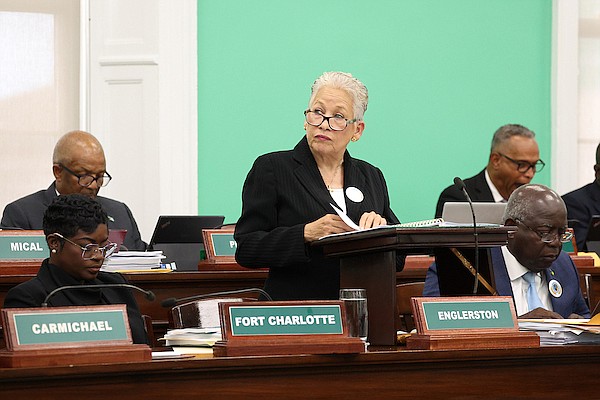
    The Bahamian government, under the Davis administration, has introduced a transformative Education Bill that represents the most substantial reform of the nation’s education framework in over six decades. This comprehensive legislation aims to modernize the educational landscape through multiple strategic interventions.

    Central to the proposed reforms is the reduction of compulsory school attendance age from five to four years. This adjustment mandates that children who reach four years of age by September 30 must be formally enrolled in educational institutions, effectively integrating pre-primary education into the compulsory system for the first time. The requirement extends until age sixteen, unless students satisfy graduation prerequisites earlier.

    The legislation establishes a tripartite classification system for educational institutions, formally recognizing public schools, private schools, and home schools as distinct categories. Homeschooling arrangements, previously operating without statutory oversight, will now require compliance with prescribed standards, adherence to approved requirements, and submission to governmental monitoring. The government reserves authority to terminate homeschooling arrangements that fail to meet established legal benchmarks.

    Private educational institutions face enhanced regulatory requirements, including mandatory accreditation through the National Accreditation and Equivalency Council of The Bahamas. Existing institutions must apply for registration within a six-month grace period, with penalties of up to $10,000 for non-compliance. The legislation creates a structured pathway for accreditation, ensuring quality standards across private educational providers.

    The bill mandates implementation of a national curriculum with measurable learning outcomes, replacing the previous system that granted broad ministerial discretion without enforceable standards. This standardized curriculum applies to both public and private institutions, ensuring educational consistency nationwide.

    Financial governance undergoes significant strengthening through requirements for school boards to comply with the Public Finance Management Act. School principals will assume accounting officer responsibilities, with all ministry-allocated funds and donated resources subject to prescribed management protocols. The Minister gains authority to appoint licensed public accountants for auditing school board accounts, with audit reports transmitted to the Minister of Finance and presented to Parliament.

    The legislation modernizes compulsory attendance enforcement mechanisms, defining clear jurisdictions and powers for attendance officers while establishing specific reporting obligations for schools regarding truancy. The educational structure expands from three stages (primary, secondary, and further education) to four formal stages: pre-primary, primary, secondary, and post-secondary/tertiary education.

    Additionally, the framework formally incorporates special education, alternative education, adult education, and educational programs operated in collaboration with penal or rehabilitation institutions into the national system, creating a more inclusive educational ecosystem.

  • Strike on Beirut seafront kills 8 as Israel threatens to ‘take territory’

    Strike on Beirut seafront kills 8 as Israel threatens to ‘take territory’

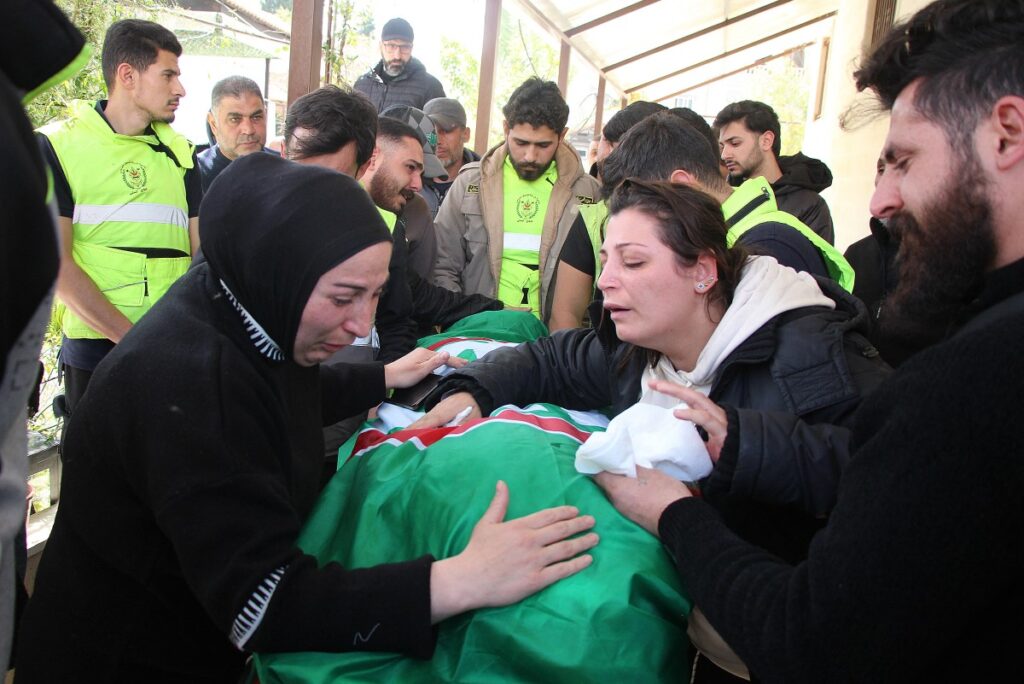
    BEIRUT — A targeted Israeli airstrike on Beirut’s Ramlet al-Bayda seafront district resulted in eight fatalities and 31 injuries on Thursday, according to Lebanon’s health ministry, marking a significant escalation in cross-border hostilities. The attack represents the third direct hit on central Beirut since the broader Middle East conflict began.

    Israeli Defense Minister Israel Katz issued a stark warning prior to the strike, declaring he had ordered military preparations for expanded operations in Lebanon. He specifically cautioned Lebanese President that if the government cannot restrain Hezbollah from attacking northern Israel, Israeli forces would “take the territory and do it ourselves.”

    The strike occurred amid heightened tensions following Hezbollah’s announcement of a major operation against Israel on Wednesday night. The militant group launched approximately 200 rockets and 20 drones toward Israel—its largest barrage since the conflict’s inception. Hezbollah claimed these attacks targeted military intelligence facilities near Tel Aviv and bases south of Haifa.

    At the scene in Ramlet al-Bayda, an AFP correspondent documented significant damage including a destroyed motorcycle and two damaged vehicles. Security forces cordoned off the typically bustling area where blood stains marked the pavement and a small impact crater was visible.

    The strike particularly affected displaced populations sheltering in the area. Aseel Habbaj, who had fled bombings elsewhere in Lebanon, described waking to the explosion that subsequently injured her husband. Neighbor Dalal al-Sayed, who had pitched tents at the seaside believing it safer than southern Lebanon, declared “We won’t leave, we will stay here even if we die” despite the attack.

    Concurrently, Israeli forces struck Hezbollah strongholds in Beirut’s southern suburbs and the residential area of Aramoun, killing three additional people and wounding a child. Lebanon’s National News Agency reported multiple Israeli strikes across southern regions where Hezbollah maintains significant influence.

    The conflict has produced devastating humanitarian consequences, with Lebanese authorities reporting over 687 fatalities and approximately 800,000 registered displaced persons since hostilities intensified following the killing of Iranian Supreme Leader Ayatollah Ali Khamenei in US-Israeli strikes last week.

  • Attacks on oil tankers off Iraq kills one

    Attacks on oil tankers off Iraq kills one

    BAGHDAD, Iraq—A lethal assault on commercial oil tankers in waters near Iraq has intensified regional hostilities, resulting in the death of an Indian crew member and escalating fears of a broader conflict disrupting global energy supplies. The incident represents a significant escalation in Iran’s campaign against Western interests following recent U.S. and Israeli military actions.

    Iran’s Revolutionary Guards publicly claimed responsibility for targeting the Marshall Islands-flagged vessel Safesea Vishnu, alleging the ship ignored warnings and was U.S.-owned. They remained silent regarding a simultaneous attack on the Maltese-flagged tanker Zefyros approximately 50 kilometers from Iraq’s coastline.

    The attacks triggered immediate humanitarian and diplomatic consequences. While Iraqi port authorities initially reported all 51 crew members from both vessels had been rescued unharmed, India’s embassy in Baghdad confirmed one Indian national had died in the assault and 15 other Indian crew members required evacuation.

    This maritime aggression occurred alongside aerial bombardments targeting Iran-backed militias in Iraq. Security officials reported at least nine fighters from Harakat Ansar Allah al-Awfiya, a U.S.-blacklisted group, were killed in airstrikes near the Iraqi-Syrian border. Although no party claimed responsibility, the militia blamed the United States and Israel.

    The strategic Strait of Hormuz, conduit for approximately 20% of globally traded oil, has seen severely restricted tanker traffic since Iran vowed to halt all Gulf oil exports while hostilities continue. Iraq’s crude production and exports have subsequently plummeted, threatening the economic stability of a nation where oil revenues constitute 90% of the national budget.

    Iraq’s oil ministry issued a statement emphasizing that ‘the safety of navigation in international maritime corridors and energy supply routes must remain free from regional conflicts,’ reflecting growing concern over the country’s vulnerability as a proxy battleground between Washington and Tehran.

  • My Jamaican Table by Andre Fowles

    My Jamaican Table by Andre Fowles

    Jamaica’s culinary landscape, a vibrant tapestry woven from Taíno, African, Indian, European, and Asian influences, takes center stage in Chef Andre Fowles’ acclaimed new cookbook, ‘My Jamaican Table: Vibrant Recipes From A Sun-Drenched Island’. The publication, which debuted on March 10, transcends a mere collection of recipes, positioning itself as a profound narrative on culture, community, and resilience through food.

    Fowles, a three-time ‘Chopped’ champion and international consultant, channels his Kingston tenement yard upbringing into over 100 modern and traditional dishes. He articulates a philosophy where cuisine embodies legacy and connection, stating, ‘I learned about chopping, stirring, and tasting from my mother and grandmother, but more importantly, about Jamaica’s warmth, effervescence, and perseverance.’

    The compendium navigates the full spectrum of Jamaican eating, from breakfast staples like Mackerel Rundown to iconic Beef Patties and communal Curry Goat. Fowles masterfully bridges tradition and innovation, presenting classic Jerk Chicken alongside inventive fusions such as Oxtail and Gnocchi and a Rum Cake Tiramisu. Each recipe is crafted with accessible instructions, ensuring the island’s complex, spice-forward flavors can be recreated globally.

    Earning a spot in Bon Appétit Magazine’s ‘The Best New Cookbooks of Winter 2026’, the project has garnered prestigious acclaim. The foreword, penned by Bruce Springsteen, lauds Fowles as an artist whose dishes carry ‘a sense of history, place, and heart,’ comparing their impact to a powerful musical chord.

    Beyond the kitchen, the book serves a philanthropic purpose. A portion of its pre-sales proceeds supports the Savanna-la-Mar Inclusive Academy, aiding relief initiatives for its surrounding community. Through partnerships with cultural organizations, Fowles ensures the project actively reinvests in the Caribbean communities that inspire it.

    The launch was celebrated with events including a signing at BEM Books & More in Brooklyn and a forthcoming collaborative four-course dinner with Chefs Lonie Murdock and Corwin Hemming at Isla Restaurant in Washington, DC, on March 18.

  • Defence questions cops’ video recording of Klans accused

    Defence questions cops’ video recording of Klans accused

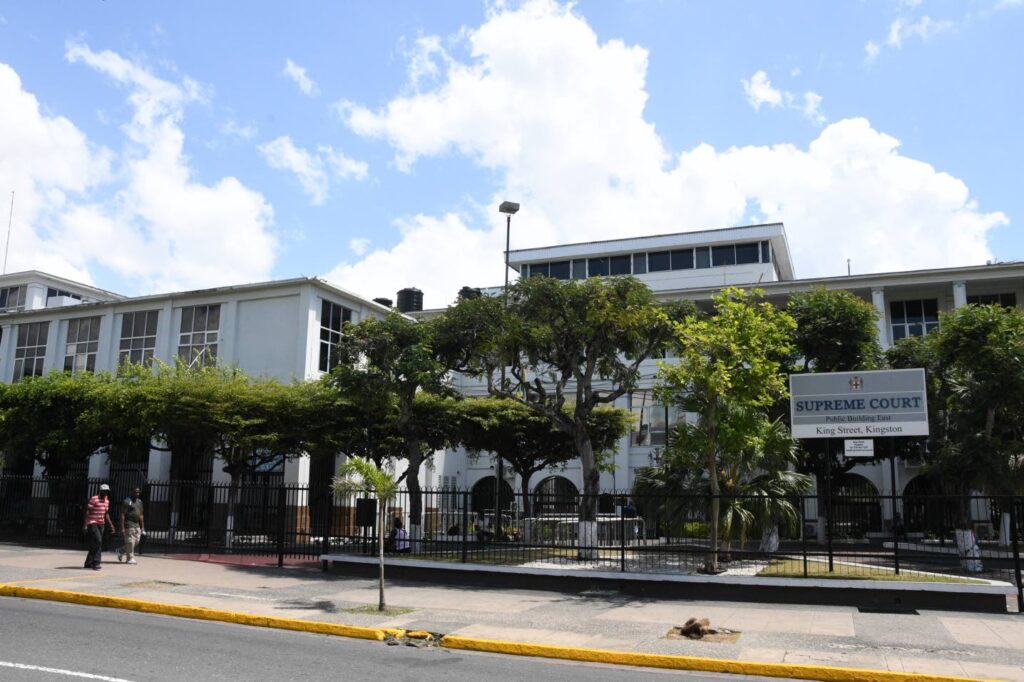
    A significant judicial inquiry has been initiated within Jamaica’s Supreme Court regarding allegations that law enforcement personnel improperly photographed and recorded defendants currently on trial. The controversy emerged during proceedings against 25 alleged members of the Tesha Miller faction of the Klansman Gang, who face 16 criminal charges spanning from August 2017 to November 2022.

    Defense attorney Tamika Harris brought the matter to Justice Dale Palmer’s attention, reporting she witnessed multiple uniformed officers capturing images of the accused as they were transported from court facilities in a prison vehicle. Harris asserted she immediately challenged the officers’ actions, to which they reportedly responded that all defendants’ photographs already existed within police databases.

    The prosecution team, led by an acting deputy director of public prosecutions, stated they had no prior knowledge of these activities. When questioned, a deputy superintendent of police responsible for court security offered a contradictory account, explaining that the Constabulary Communication Unit had been documenting the work of Specialized Operations personnel rather than specifically recording defendants.

    Justice Palmer expressed grave concerns about potential procedural violations, emphasizing that capturing defendants’ images during an ongoing trial without proper authorization constitutes highly improper conduct. The judge issued explicit directives that any footage containing defendant imagery must not be reproduced, shared, or published, and should instead be immediately deleted if discovered.

    Defense representatives maintained that their clients’ right to fair identification procedures may have been compromised, requesting thorough examination of all captured material. Despite judicial skepticism about practical implications for the trial’s identification phases, Justice Palmer ordered all relevant footage be submitted for his review before the next hearing date.

    The court has scheduled the next proceedings for March 16, allowing time for proper investigation of these allegations and examination of the contested visual materials.

  • Holness accuses Bunting of bias as PAAC mandate squabble continues

    Holness accuses Bunting of bias as PAAC mandate squabble continues

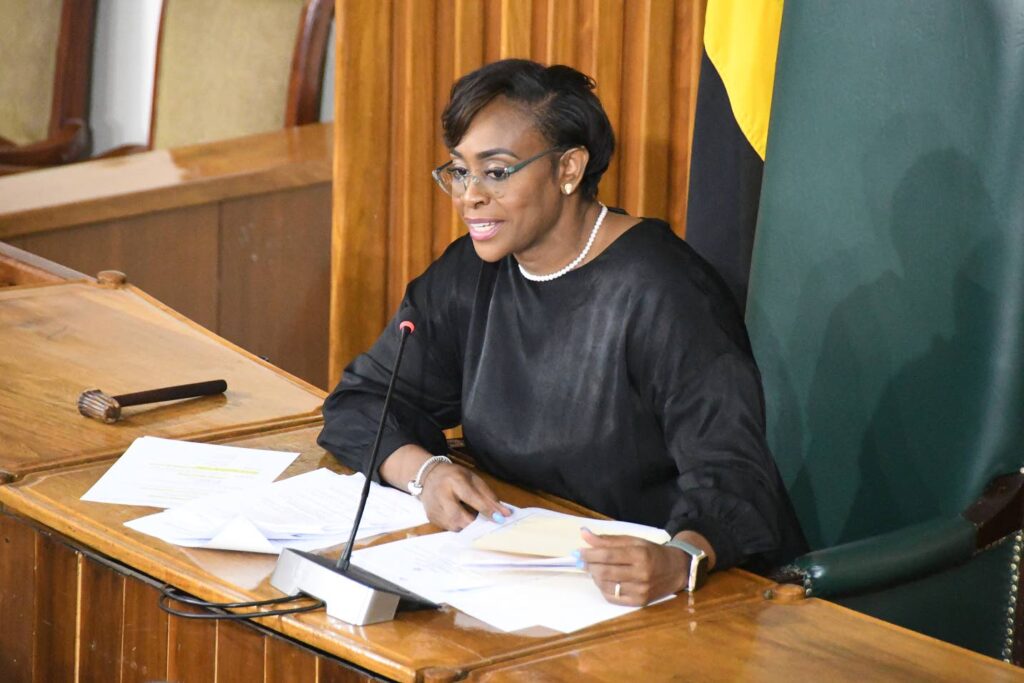
    Jamaica’s parliamentary proceedings descended into renewed acrimony on Wednesday as tensions within the Public Administration and Appropriations Committee (PAAC) reached boiling point. Juliet Holness, Member of Parliament for St Andrew East Rural and Speaker of the House, launched a direct challenge against Committee Chairman Peter Bunting’s leadership, accusing him of systemic bias in managing committee proceedings.

    The confrontation emerged during deliberations about the fundamental scope and authority of the PAAC, with Holness contending the committee has progressively exceeded its mandated jurisdiction. She specifically criticized Bunting’s management approach, asserting his recognition of speakers demonstrated partiality rather than neutral procedural oversight. “I observed, for my first two meetings, I remember asking a question and being rushed while other members were allowed to extend their questioning indefinitely,” Holness stated.

    Beyond procedural concerns, Holness expressed profound frustration with what she characterized as widespread disrespect and inadequate preparation among committee members. She notably suggested some legislators rely on artificial intelligence tools rather than substantive understanding, remarking that “some fast learners continue to be stupid and use chatGPT for their questions.”

    The central constitutional question revolved around whether the PAAC should maintain narrow focus on expenditure review or expand into broader administrative efficiency examinations. Holness maintained the committee should concentrate exclusively on monitoring how approved public funds are utilized, particularly during budget cycles.

    Chairman Bunting vigorously defended his interpretation of the committee’s mandate under Standing Order 73A, arguing for a more expansive view of its responsibilities. He contended that jurisdictional overlap is inevitable when examining large-scale government programs that cross multiple sectors. Using hurricane recovery efforts as an example, Bunting explained such initiatives naturally encompass infrastructure, education, and other domains, making narrow jurisdictional boundaries impractical.

    In response to accusations of partiality, Bunting asserted his leadership maintains careful neutrality. “The fact that from time to time members on both sides may be upset with me suggests to me that I am achieving impartiality,” he countered, drawing parallels to Holness’s own responsibilities as House Speaker.

    The dispute represents an institutional crisis concerning parliamentary oversight mechanisms and the appropriate boundaries between specialized committees in Jamaica’s governance structure.