作者: admin

  • UDP Condemns US Pressure to Choke Cuba as “Collective Punishment”

    UDP Condemns US Pressure to Choke Cuba as “Collective Punishment”

    Regional political forces are mobilizing against renewed United States efforts to sever Cuba’s energy supply lines, with opposition figures condemning the strategy as humanitarian coercion. Tracy Panton, a prominent opposition leader, characterized Washington’s pressure campaign to disrupt oil shipments to Havana as an act of ‘collective punishment’ that threatens devastating civilian consequences.

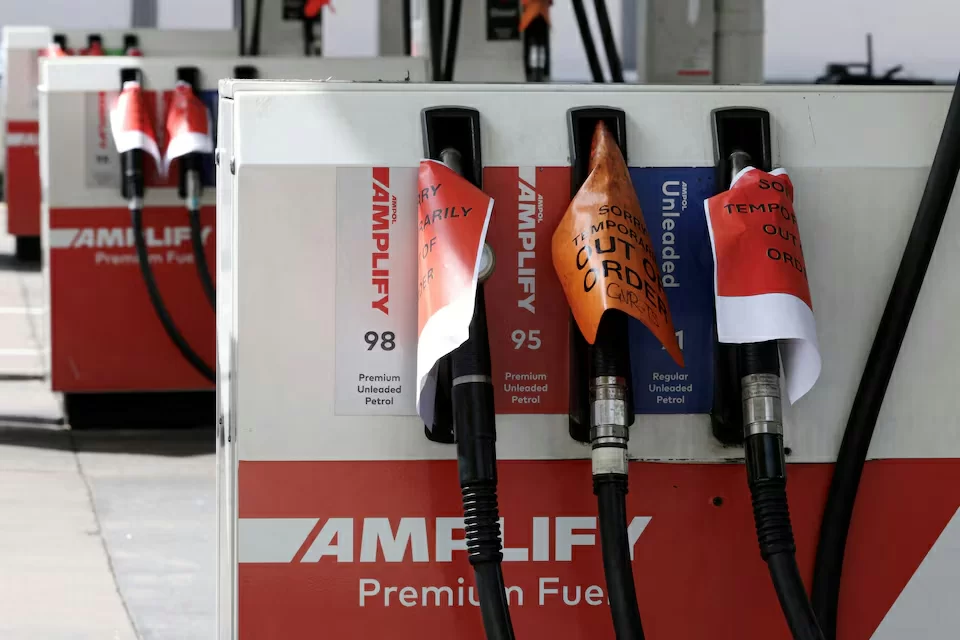
    The emerging confrontation escalated over the weekend when former US President Donald Trump publicly urged regional fuel suppliers to terminate petroleum exports to Cuba. This directive targets the island nation’s most critical infrastructure needs, potentially crippling healthcare systems, water purification facilities, food refrigeration networks, and transportation services.

    Panton emphasized that energy deprivation strategies inherently lack precision, arguing that ‘measures designed to cut off an entire population from power resources constitute indiscriminate collective punishment rather than targeted sanctions.’ The political leader warned that normalizing such coercive tactics creates dangerous precedents that could eventually threaten other nations.

    Mexico, currently serving as Cuba’s primary petroleum provider, confirmed Sunday its commitment to delivering humanitarian assistance while advocating for diplomatic resolution. Panton urged Belize to join regional allies in demanding negotiated solutions that prioritize civilian protection, stating that ‘political disputes must never be pursued through policies that risk mass human suffering.’

    The opposition leader called for coordinated action through the Caribbean Community (CARICOM) framework while reaffirming solidarity with both Cuban citizens and government institutions. This developing situation highlights growing regional resistance to extraterritorial sanctions policies and sets the stage for renewed diplomatic tensions in the Western Hemisphere.

  • Public Works Urges Motorists to “Respect the Cones” as Road Upgrades Continue Across Antigua and Barbuda

    Public Works Urges Motorists to “Respect the Cones” as Road Upgrades Continue Across Antigua and Barbuda

    The Public Works Department of Antigua and Barbuda has launched a renewed public safety campaign, imploring motorists to ‘Respect the Cones’ as extensive national road enhancement initiatives progress. This urgent appeal follows a troubling pattern of safety equipment tampering, including the unauthorized relocation and theft of traffic cones, alongside vehicles trespassing onto freshly laid road surfaces before they have properly cured.

    Department officials emphasize that traffic management devices are deployed with precise strategic intent to safeguard both the traveling populace and construction personnel. Their displacement jeopardizes public safety, risks structural damage to uncured concrete and drying asphalt, and can lead to significant delays in project timelines, ultimately impacting national infrastructure development.

    The campaign outlines critical guidelines for public cooperation:
    – Traffic cones must remain undisturbed in their designated positions.
    – Barricaded areas, clearly marked as hazardous, must be strictly avoided by both pedestrians and drivers.
    – All instructions from road construction crews must be followed without exception.
    – Motorists are reminded that the curing process for new pavement cannot be visually assessed and requires a mandated drying period.

    The government expresses sincere appreciation for citizen compliance, underscoring that collective adherence to these protocols is fundamental to the successful and timely modernization of the nation’s transportation network.

  • Dominican official joins colleagues in Grenada for workshop on high-resolution land degradation reporting

    Dominican official joins colleagues in Grenada for workshop on high-resolution land degradation reporting

    Grenada is currently hosting a pivotal five-day regional workshop focused on enhancing land conservation reporting capabilities across Caribbean Small Island Developing States (SIDS). The event, which commenced on February 2 and continues through February 6, brings together twenty-six environmental specialists including Josh Baron from Dominica’s Department of Forestry, Wildlife and Parks.

    The technical workshop, formally titled ‘Regional Technical Workshop on High-Resolution SDG 15.3.1 and PRAIS SO1 Reporting for Caribbean SIDS,’ represents a significant capacity-building initiative for the region. Participants from all 13 Caribbean SIDS will engage in an immersive program designed to strengthen national reporting mechanisms on land degradation through advanced Geographic Information Systems (GIS) applications.

    Core curriculum components include sophisticated training in high-resolution land cover analysis, assessment of land productivity trends, precise measurement of soil organic carbon, and comprehensive integration of these indicators into Sustainable Development Goal 15.3.1 evaluations. Additionally, attendees will develop specialized skills in generating PRAIS-compliant datasets with complete metadata documentation.

    A primary objective of this gathering is the establishment of a Caribbean GIS Community of Practice dedicated to land degradation monitoring and Land Degradation Neutrality (LDN) initiatives. This professional network will support ongoing implementation of the United Nations Convention to Combat Desertification (UNCCD) through the Performance Review and Assessment of Implementation System (PRAIS) platform.

    The workshop is funded by the Global Environment Facility (GEF), with the United Nations Environment Programme (UNEP) serving as Implementing Agency and the Partnership Initiative for Sustainable Land Management (PISLM) acting as Executing Agency. Technical training is delivered in collaboration with Apacheta, creating a robust multilateral partnership aimed at strengthening regional environmental governance and sustainable land management practices.

  • Missing Cat That Went Viral Found Safe, Reunited With Owners

    Missing Cat That Went Viral Found Safe, Reunited With Owners

    A heartwarming community effort in Antigua has successfully concluded with the safe return of a lost pet cat to its visiting American owner. The animal welfare organization Paaws Antigua confirmed the successful reunion on Monday, following a widespread search initiated after the feline’s accidental release in the Willoughby Bay area.

    The incident gained significant public attention after being featured on Antigua News Room, prompting Paaws to assist in circulating the owner’s appeal for information. The story quickly gained traction across the island, resulting in numerous tips from concerned citizens. The breakthrough came when the wandering cat entered a local residence, where alert residents immediately recognized the animal from the circulating notices. They secured the pet and promptly contacted the authorities.

    In a notable display of community spirit, the couple who found the cat declined the $500 reward offered by the grateful U.S. national. Instead, they requested that the financial incentive be donated to a local charitable organization. Paaws Antigua facilitated this charitable gesture, highlighting the altruistic nature of the successful recovery operation. The organization praised the collaborative effort between media, citizens, and animal welfare groups that led to this positive outcome.

  • PM to participate in high‑level panel at World Governments Summit 2026

    PM to participate in high‑level panel at World Governments Summit 2026

    Grenadian Prime Minister Hon. Dickon Mitchell is set to represent the Caribbean nation at the prestigious World Governments Summit (WGS) 2026, scheduled for February 3-5 in Dubai, United Arab Emirates. The Prime Minister’s participation will feature a significant appearance on February 4th during a high-level leadership panel examining the transformative forces reshaping governmental investment strategies worldwide.

    Prime Minister Mitchell will share the platform with two distinguished regional counterparts: Hon. Philip J Pierre, Prime Minister of St. Lucia, and Hon. Dr. Natalio D Wheatley, Premier of the Virgin Islands. Their collective discussion, titled ‘What Forces Are Reshaping Government Investment Decisions?’, will explore contemporary challenges and innovative approaches to public sector investment in an era of global uncertainty.

    Beyond the panel discourse, Prime Minister Mitchell’s itinerary includes an extensive series of bilateral engagements with international partners and strategic stakeholders. These diplomatic meetings will concentrate on fortifying cooperative alliances, identifying potential investment ventures, advancing climate adaptation projects, and strengthening Grenada’s multilateral relationships across critical development sectors.

    The Prime Minister’s involvement in the summit highlights Grenada’s dedicated approach to strategic, sustainable investment frameworks that bolster national resilience, improve public service delivery, and establish foundations for prolonged economic prosperity. His address will showcase Grenada’s distinctive experience in harmonizing tourism-centric economic expansion with climate preparedness initiatives, infrastructure modernization efforts, and responsible fiscal governance.

    During Prime Minister Mitchell’s international mission, governmental responsibilities will be temporarily assumed by Hon. Lennox Andrews as acting Prime Minister, ensuring continuous governance and administrative stability throughout this diplomatic absence.

  • Mexico Sends Aid to Cuba Amid Trump Threats to Halt

    Mexico Sends Aid to Cuba Amid Trump Threats to Halt

    In a bold geopolitical move, Mexican President Claudia Sheinbaum has declared her nation will dispatch critical humanitarian assistance to Cuba this week. This decision comes amid escalating pressure from the United States, which has publicly demanded the cessation of Mexican oil shipments to the communist-led island.

    President Sheinbaum unveiled the aid initiative during a public address on Sunday, explicitly refuting assertions that the matter was a topic of discussion in her recent 40-minute telephone conversation with U.S. President Donald Trump. This statement directly counters Trump’s Friday declaration, wherein he claimed to have instructed Mexico to halt its oil exports to Cuba and threatened punitive tariffs against any nation persisting in fuel deliveries.

    The Cuban populace is currently grappling with a devastating economic and energy catastrophe. Severe fuel scarcities have precipitated daily nationwide blackouts exceeding 12 hours, critically hampering medical facilities, disrupting food supply chains, and crippling essential public services.

    This crisis intensified significantly following a pivotal event in January: a U.S. military intervention that ousted Venezuelan President Nicolás Maduro. Subsequently, Venezuela, a historical ally and key benefactor, suspended its oil exports to Cuba. This vacuum propelled Mexico’s state-owned petroleum company, Pemex, to become Cuba’s primary oil provider, though recent data indicates a notable decline in shipment volumes, attributed to sustained diplomatic pressure from Washington.

    President Sheinbaum issued a stark warning, asserting that severing this vital supply line would risk precipitating a ‘large-scale humanitarian crisis’ for the Cuban people. This stance unfolds against the enduring backdrop of the comprehensive U.S. trade embargo, which has been enforced against Cuba since 1962.

  • PUP Northern Caucus Backs BTL’s Smart Acquisition

    PUP Northern Caucus Backs BTL’s Smart Acquisition

    In a significant development within Belize’s telecommunications sector, the Northern Caucus of the governing People’s United Party has unanimously endorsed Belize Telemedia Limited’s proposed acquisition of Speednet (Smart). The endorsement emerged from a special meeting convened in Orange Walk on Saturday, representing electoral divisions across Corozal, Orange Walk, and Belize Rural South.

    According to caucus representatives, BTL executives presented a comprehensive case for the consolidation, emphasizing how the merger would eliminate redundant operations, enhance efficiency, and facilitate substantial infrastructure investment. The company projects that these operational improvements would translate into superior service quality, expanded network coverage, and accelerated technological advancements for consumers nationwide.

    Financial projections presented to caucus members indicate potential revenue growth from approximately $167 million to $207 million following the acquisition. Notably, dividends per share are forecast to surge by over 200%, potentially benefiting major institutional shareholders including the Social Security Board of Belize. This financial boost could contribute significantly to the long-term viability of the Social Security Fund.

    This political endorsement contrasts sharply with mounting public opposition. Last Tuesday, United Democratic Party supporters and several labor unions staged demonstrations outside BTL headquarters, demanding increased transparency regarding the acquisition terms. The UDP has announced plans for additional protests scheduled for Wednesday.

    Simultaneously, the Belize Communications Workers for Justice conducted separate demonstrations on Friday, highlighting unresolved severance payment issues and announcing intentions to maintain protest activities throughout the week. This opposition underscores the complex stakeholder landscape surrounding the proposed telecommunications consolidation.

  • PRESS RELEASE: IICA Director General  and CAF President and Vice President discuss the role of financing in expanding scientific and technological revolution in agriculture of the Americas

    PRESS RELEASE: IICA Director General and CAF President and Vice President discuss the role of financing in expanding scientific and technological revolution in agriculture of the Americas

    In a significant development for hemispheric agriculture, the Inter-American Institute for Cooperation on Agriculture (IICA) and CAF – Development Bank of Latin America and the Caribbean have established a strengthened partnership to address critical funding gaps in the agricultural sector. The alliance was formalized during the International Economic Forum for Latin America and the Caribbean 2026 in Panama City, where IICA Director General Muhammad Ibrahim met with CAF Executive President Sergio Díaz Granados and Vice President Christian Asinelli.

    The high-level meeting, attended by numerous heads of state and government ministers, focused on creating innovative synergies between the development bank and the specialized agricultural agency. Key discussion areas included health initiatives, soil restoration projects, water resource management, and development programs for specific crops. Díaz Granados outlined CAF’s ambitious Agricultural Prosperity Strategy, which aims to provide $8.5 billion in financing by 2030 with emphasis on social and territorial inclusion.

    Director General Ibrahim, who assumed his position in January 2026, emphasized the urgent need to bridge the financial divide preventing widespread adoption of agricultural technologies. “Clearly, input costs are rising, and this affects competitiveness,” Ibrahim stated during forum sessions. “Financial considerations must be a central component of any strategy aimed at transforming food systems to satisfy increasing demands.”

    The IICA leader detailed how the organization has been developing innovative programs to provide guarantees helping small farmers overcome credit access barriers. He explained that while science offers numerous solutions to boost productivity and improve resilience, many cannot advance beyond initial stages due to financing limitations, inadequate regulatory frameworks, and insufficient infrastructure.

    CAF Vice President Asinelli highlighted IICA’s pivotal role in reinforcing Latin America and the Caribbean’s position as a solution to global challenges, noting that agriculture remains a structural mainstay of regional economies despite financial obstacles affecting productivity.

    Beyond the CAF meetings, Director General Ibrahim engaged in multiple bilateral discussions with regional leaders including Jamaica’s Minister of Industry, Investment and Commerce Aubyn Hill, Panama’s Ambassador to the OAS Ana Irene Delgado, and Portuguese Parliament Member Paulo Neves, who also serves as President of the Institute for the Promotion of Latin America and the Caribbean in Portugal.

    During the forum’s panel discussions, particularly the session on “Agriculture and Food for the Sustainable Transformation of Latin America and the Caribbean,” Ibrahim advocated for stronger alliances between scientific and financial stakeholders. He emphasized the need to develop diverse financial mechanisms that account for the realities small farmers face while promoting sustainable food production systems and accessible healthy diets.

  • Bus accident kills at least 16 pilgrims in north-east Brazil

    Bus accident kills at least 16 pilgrims in north-east Brazil

    SAO PAULO, Brazil – A tragic bus accident has claimed the lives of at least 16 individuals, including four children, following a religious pilgrimage in northeastern Brazil. The catastrophic event occurred on Tuesday when the vehicle veered off a curved roadway and overturned in the rural interior of Alagoas state.

    Official reports indicate the bus was transporting approximately 60 passengers returning from celebrations honoring Our Lady of Candelaria, an annual religious festival in Ceara state that draws massive devotion every February 2. The impact ejected numerous passengers while trapping others beneath the wreckage in what rescue officials described as an exceptionally severe collision.

    Colonel Andre Madeiro, director of the Alagoas Aviation Department who participated in emergency operations, provided harrowing details at a press conference. “The bus departed the road on a curve, overturned completely, and ejected multiple victims,” he stated. “Others were critically trapped beneath the vehicle. This was a profoundly severe accident, even by atypical standards.”

    The Alagoas regional government confirmed the fatalities included seven women, five men, and four children, noting the investigation remains ongoing due to the “highly complex” nature of the incident. Survivors, including one critically injured child, were transported to local hospitals where they remain under medical supervision.

    In response to the tragedy, Alagoas Governor Paulo Dantas declared three official days of mourning. “I extend my deepest solidarity to families and friends enduring this moment of immense sorrow,” Dantas expressed via social media platform X.

    This incident highlights Brazil’s ongoing struggle with roadway safety, coming just months after 17 fatalities occurred in a similar bus accident in Pernambuco state last October when a driver lost control of the vehicle.

  • Audit exposes weaknesses in ODPEM’s procurement practices

    Audit exposes weaknesses in ODPEM’s procurement practices

    A comprehensive real-time audit of Jamaica’s Hurricane Melissa relief efforts has revealed severe systemic failures within the Office of Disaster Preparedness and Emergency Management (ODPEM), raising serious concerns about the management of public resources during national emergencies.

    The Auditor General’s Department (AuGD) investigation, presented to the House of Representatives, uncovered multiple violations of established procurement protocols and inadequate oversight mechanisms. The audit specifically examined the governance framework, distribution processes, and internal controls designed to prevent fraud and misuse of disaster relief funds.

    According to financial data provided by the Ministry of Finance and the Public Service, the government awarded 420 contracts totaling $11.13 billion in response to Hurricane Melissa. ODPEM accessed $207 million of the $350 million authorized withdrawal from the National Disaster Fund (NDF) for relief operations.

    The audit identified a critical failure in oversight, revealing that the National Disaster Fund Committee (NDFC) convened only twice since its appointment in September 2020, with its last meeting occurring in June 2022. The committee’s term expired in September 2023, and as of December 2025, no new appointments had been made, constituting a direct violation of the Disaster Risk Management Act.

    A particularly troubling finding involved the procurement of 200 Starlink satellite communication devices costing $12.12 million. The investigation determined that Energy, Transport and Telecommunications Minister Daryl Vaz improperly initiated the procurement through ministerial instruction rather than through ODPEM’s Director General, contravening the Public Procurement Act of 2015. The devices were delivered to the Office of the Commissioner of Police on November 14, 2025, yet ODPEM only began preparing required procurement documentation five days after delivery.

    The audit further revealed that only 120 devices were distributed to 17 entities, with just 13 entities confirming receipt of 86 devices. Physical inspections at eight locations found all 41 examined devices remained unused and in storage, defeating their purpose for emergency connectivity in hurricane-affected parishes.

    Additional findings included $59.6 million worth of relief items (food, tarpaulin, and water) that were not recorded in ODPEM’s inventory system, indicating a complete lack of effective tracking and accountability measures for critical emergency supplies.

    The AuGD has recommended urgent appointment of a new NDFC, immediate improvement of inventory management systems, and implementation of a structured deployment plan for all Starlink devices. ODPEM has committed to addressing these deficiencies by January 30, 2026.