作者: admin

  • President Abinader inaugurates El Cercado–Hondo Valle–Juan Santiago highway

    President Abinader inaugurates El Cercado–Hondo Valle–Juan Santiago highway

    President Luis Abinader has officially opened the El Cercado–Hondo Valle–Juan Santiago highway, a transformative infrastructure initiative in the Dominican Republic’s southern border province of Elías Piña. This strategic project, long neglected for years, signifies a major governmental commitment to regional integration and economic revitalization.

    Constructed by the Ministry of Public Works under the direction of Minister Eduardo Estrella, the 22-kilometer roadway represents an investment exceeding RD$1 billion. The infrastructure dramatically slashes travel duration, reducing the journey from the capital, Santo Domingo, to Hondo Valle from over six hours to approximately four. This enhancement promises to revolutionize mobility for local residents, agricultural producers, and commercial transporters alike.

    The highway’s inauguration is projected to deliver profound socioeconomic benefits. By bridging the municipalities of El Cercado, Hondo Valle, and Juan Santiago, it effectively ends decades of isolation for surrounding communities in Elías Piña and San Juan provinces. Officials project that over 45,000 individuals will experience direct and indirect advantages, including strengthened local commerce, improved access to essential services, and new economic opportunities in rural zones.

    This development is strategically designed to curb urban migration by fostering sustainable growth in agricultural production and tourism within the border region. The project also emphasizes improved road safety and reinforces the government’s dedication to comprehensive territorial integration and security, marking a pivotal step in the nation’s broader regional development agenda.


  • Guyana: een economie die explodeert, terwijl dagelijks leven onbetaalbaar wordt

    Guyana: een economie die explodeert, terwijl dagelijks leven onbetaalbaar wordt

    Guyana presents a study in economic contrasts as it undergoes one of the world’s most rapid transformations. While massive infrastructure projects reshape the coastal landscape around Georgetown and Demerara, the population grapples with living costs disproportionately high compared to local incomes. This divergence between macroeconomic indicators and daily reality defines South America’s fastest-growing economy.

    Since commencing oil production in late 2019, Guyana has achieved extraordinary economic expansion. GDP surged over 60% in 2022, followed by 20-30% annual growth in 2023 and 2024, with projections of 12-15% growth for 2025. The offshore Stabroek Block operations, led by ExxonMobil with Chevron and CNOOC, now exceed 600,000 barrels daily, driving unprecedented government revenues and foreign reserves.

    Despite these indicators, daily life reveals a different story. Senior journalist Denis Chabrol of Demerara Waves describes Guyana as effectively dollarized, with prices for imported goods mirroring US levels while average monthly incomes range between $500-600. Georgetown residents require approximately $750 monthly for basic survival excluding transportation, creating significant financial pressure.

    The monetary system exacerbates these challenges. The Bank of Guyana maintains an artificial exchange rate stability around GYD 208-215 per USD, masking a structural dollar shortage. Strict currency controls force businesses and citizens through lengthy dollar acquisition processes, fostering a parallel market where dollars trade 10-20% above official rates. These additional costs ultimately transfer to consumers.

    Wage growth remains constrained, particularly in non-oil sectors including education, healthcare, retail, and government services. This deliberate policy to avoid inflation acceleration has diminished purchasing power as fixed costs for housing, food, and transportation escalate dramatically. Street interviews near Stabroek Market reveal food prices increasing 60-100% over five years, with rents approaching Caribbean and US levels.

    Additional complications arise from migration patterns. The oil boom has attracted workers from Venezuela and Cuba, primarily filling construction, hospitality, and domestic service roles. While some positions remain unfilled by locals, the increased demand for housing and services further drives inflation in urban centers.

    Environmental challenges accompany economic growth, with waste accumulation along waterways and streets indicating inadequate waste management systems struggling to match urbanization pace.

    Guyana now stands at a historical crossroads. Without reforms in currency policy, wage development, and social investment, the nation risks falling prey to the ‘resource curse’ – where impressive economic growth coincides with decreasing affordability of daily life. For neighboring Suriname, anticipating its own oil industry emergence by 2028, Guyana’s experience serves as both mirror and warning about managing natural resource wealth for sustainable, inclusive development.

  • Rodrigues woos investors to Rupununi

    Rodrigues woos investors to Rupununi

    Guyana’s Minister of Tourism, Industry and Commerce Susan Rodrigues has issued a compelling call to action for domestic investors, urging them to capitalize on emerging opportunities in the Region Nine (Upper Takatu-Upper Essequibo) area. This appeal comes alongside significant infrastructure advancements, including the ongoing construction of the critical Linden-Lethem Road and planned development of a major international airport in Lethem.

    Addressing attendees at the Georgetown Chamber of Commerce and Industry’s annual awards ceremony, Minister Rodrigues emphasized that Guyanese businesses should not delay their strategic positioning until project completion. “Now is the time to make strategic decisions about your presence, your services and your role in that region,” she asserted, highlighting that the roadway will create direct access to substantial economic zones in neighboring Brazil.

    The Minister confirmed that contract awarding for the modern Lethem airport has been finalized, with construction scheduled to commence in 2026. Rodrigues delivered a sense of urgency to potential investors, stating plainly: “If you are not there, you’re almost late already.

    Tourism development features prominently in the government’s regional strategy, with Rupununi identified as one of ten priority locations for eco-lodge construction. Rodrigues specifically invited GCCI members to submit proposals for these initiatives, noting they represent “potential opportunities for business expansion through engagement and partnership with local communities.”

    The investment push coincides with Guyana’s remarkable tourism growth trajectory. Official projections indicate a 20 percent increase in visitor numbers compared to the previous year, with the Caribbean Tourism Organization confirming the country achieved the region’s “highest percentage increase” in tourist arrivals during the first seven months of 2025.

  • Montecristi and Dajabón producers to receive RD$23 million for solar energy projects

    Montecristi and Dajabón producers to receive RD$23 million for solar energy projects

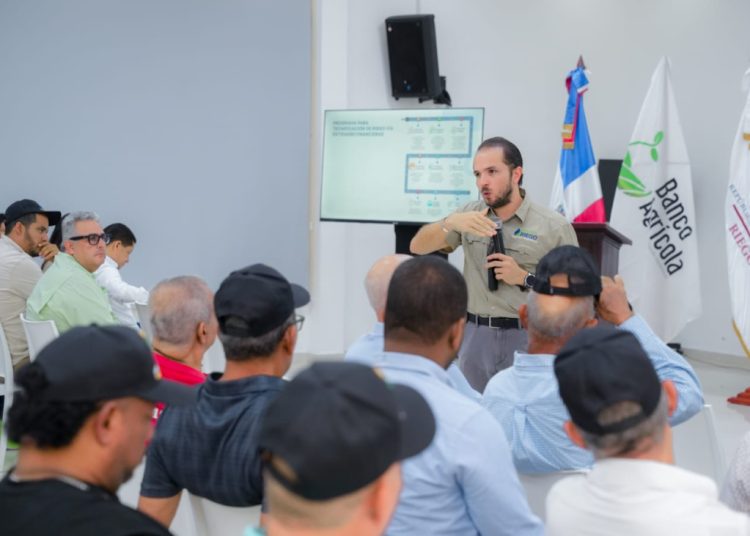
    The Dominican Republic’s agricultural sector is embracing renewable energy through a major government-backed initiative. The National Irrigation Technology Directorate (TNR) and the Agricultural Bank (Bagrícola) have announced a new funding round under the Fund for the Promotion of National Irrigation System Technology (Fotesir), specifically targeting agricultural producers in the northwestern provinces of Montecristi and Dajabón.

    This program provides substantial non-refundable incentives covering up to 25% of project costs, backed by an investment of RD$23 million (approximately US$390,000). The primary objective is to facilitate the adoption of solar-powered irrigation systems that reduce production expenses, enhance climate resilience, and advance sustainable farming practices across the nation.

    Operating under the Bagri-Riego program framework, this initiative will accept applications until February 6, 2026. It represents a strategic effort to modernize Dominican agriculture by decreasing reliance on fossil fuels while promoting environmentally conscious farming methods.

    Claudio Caamaño Vélez, Director of TNR, emphasized that solar energy integration is crucial for agricultural modernization. “Photovoltaic technology serves as a transformative tool for reducing energy costs, boosting productivity, and strengthening national food security while simultaneously supporting our environmental commitments,” Vélez stated.

    Steven Baldera, Project Coordinator at Bagrícola, revealed enhanced financing terms accompanying the technological incentives. Loan repayment periods have been extended from five to seven years with reduced interest rates, including special provisions of 7% financing for female agricultural producers and zero-interest loans for young farmers.

    The program has already generated significant interest nationwide, with hundreds of producers participating. Montecristi and Dajabón now join other regions benefiting from these renewable energy and irrigation technology projects.

    Eligibility is restricted to small and medium-scale agricultural producers—both individuals and legal entities—operating in the two northwestern provinces. Projects are limited to 60 kilowatts of installed capacity. Priority consideration will be given to proposals that demonstrate: replacement of conventional energy sources with solar irrigation technology, improved water efficiency, rehabilitation of existing pumping equipment, and measurable reduction of environmental impact. These criteria align with the government’s broader vision for a more competitive and sustainable agricultural sector.

  • Dominican Republic assumes presidency of Regulatel at Punta Cana assembly

    Dominican Republic assumes presidency of Regulatel at Punta Cana assembly

    PUNTA CANA – In a significant development for regional telecommunications governance, the Dominican Republic has been elected to preside over the Latin American Association of Telecommunications Regulators (Regulatel) for the second time. The leadership transition occurred during the 28th Plenary Assembly of Regulatel, hosted in Punta Cana, where Guido Gómez Mazara, President of the Dominican Institute of Telecommunications (Indotel), formally accepted the presidency from Colombia.

    Gómez Mazara characterized the appointment as a strategic opportunity to enhance collaborative efforts among regional regulators. He emphasized that Regulatel functions as a vital platform where regulatory authorities, telecommunications operators, and international partners converge to tackle shared challenges within the telecommunications and digital economy landscapes of Latin America and the Caribbean.

    The Dominican Republic’s leadership agenda will prioritize several critical initiatives: bridging the persistent digital divide, bolstering digital security measures, elevating service quality and affordability, and modernizing regulatory frameworks to keep pace with accelerating technological innovation. Gómez Mazara underscored that an inclusive approach to digital transformation is paramount to ensuring equitable access to technological advancements across all societal segments.

    A notable aspect of this presidency involves fostering bi-regional cooperation between Latin America and Europe. Regulatory entities including Spain’s National Commission for Markets and Competition (CNMC) and the Body of European Regulators for Electronic Communications (BEREC) are expected to play instrumental roles in this collaboration. The partnership aims to align regulatory standards, enhance market predictability, and drive sustainable development throughout the telecommunications sector.

    This marks the Dominican Republic’s second tenure leading Regulatel, having previously held the presidency in 2011. This recurrence solidifies the nation’s influential status in shaping regional discourse concerning telecommunications policy, digital transformation strategies, and digital economic development, demonstrating its sustained commitment to fostering innovation and inclusive growth throughout Latin America.

  • Former SENASA Director Santiago Hazim sent to 18 months of pretrial detention in major corruption case

    Former SENASA Director Santiago Hazim sent to 18 months of pretrial detention in major corruption case

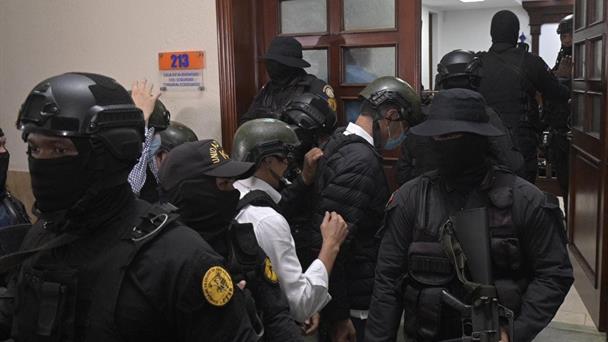
    In a landmark ruling that has sent shockwaves through the Dominican Republic’s public health sector, a National District court has mandated 18 months of pre-trial incarceration for former National Health Insurance (SENASA) director Santiago Hazim and six co-defendants. The decision comes in response to their alleged involvement in a sophisticated financial fraud scheme that reportedly defrauded the state-run insurer of over RD$15 billion.

    The Permanent Attention Office of the National District issued the detention order following extensive evidentiary presentations from the Public Prosecutor’s Office, which has characterized the case as one of the most significant corruption investigations in recent Dominican history. Prosecutors have identified Hazim as the purported mastermind behind a criminal network that operated undetected for approximately five years, employing falsified documentation and altered records to conceal systematic financial malfeasance within the health insurance system.

    In a contrasting development, the judicial authority demonstrated leniency toward three additional defendants who provided substantive cooperation with investigative authorities. These individuals received alternative restrictive measures including house arrest and international travel prohibitions rather than incarceration.

    According to official allegations, the organized network implemented elaborate mechanisms to divert public health funds while simultaneously creating complex financial structures to hide illegally acquired assets. The prosecution further contends that Hazim engaged in deliberate obstruction of justice through witness intimidation tactics designed to compromise the investigation’s integrity.

    This case has triggered intensified public scrutiny regarding the management of national health resources and amplified demands for enhanced transparency mechanisms within Dominican public institutions. The scale of the alleged fraud has prompted nationwide discussions about institutional accountability and governance reforms in the country’s public health administration.

  • Dominican Rep. : Export volume to Haiti will exceed US$1 billion (2025)

    Dominican Rep. : Export volume to Haiti will exceed US$1 billion (2025)

    The Dominican Republic’s export economy with Haiti is poised to break the $1 billion barrier in 2025, according to the latest trade data released by the General Directorate of Customs (DGA). Between January and October 2025, bilateral trade reached $982.9 million, dominated by $977.13 million in Dominican exports to Haiti with only $5.77 million in return imports.

    This substantial trade flow represents a remarkable 30.09% increase compared to the same period in 2024, highlighting one of the Caribbean’s most dynamic economic relationships despite regional challenges. The trade ecosystem involves 1,212 exporters from 20 Dominican provinces trading 1,821 different product categories, demonstrating significant diversification in commercial exchange.

    The export structure reveals that 70.07% of shipments operate under the national regime, followed by free trade zones (22.67%), temporary admission (3.80%), and re-export mechanisms (3.45%). Dominant export categories include unalloyed iron or steel bars (11.01%), hydraulic cements including colored variants (9.43%), and wheat or mixed grain flour (6.27%), positioning the Dominican Republic as a critical supplier of industrial, construction, and food production inputs to Haiti.

    Free trade zone exports show particular concentration in textiles, with knitted t-shirts and undershirts accounting for 35.09% of shipments, followed by other cotton fabrics (29.26%) and textile yarns and ropes (5.24%).

    Conversely, imports from Haiti have experienced a dramatic 56.81% decline, reflecting diminished production capacity likely attributable to ongoing political instability and security challenges within Haiti. This growing trade imbalance underscores the asymmetric nature of the economic relationship between the two neighboring nations.

  • Dozens protest at Palace of Justice over SENASA corruption and RD$15 billion embezzlement

    Dozens protest at Palace of Justice over SENASA corruption and RD$15 billion embezzlement

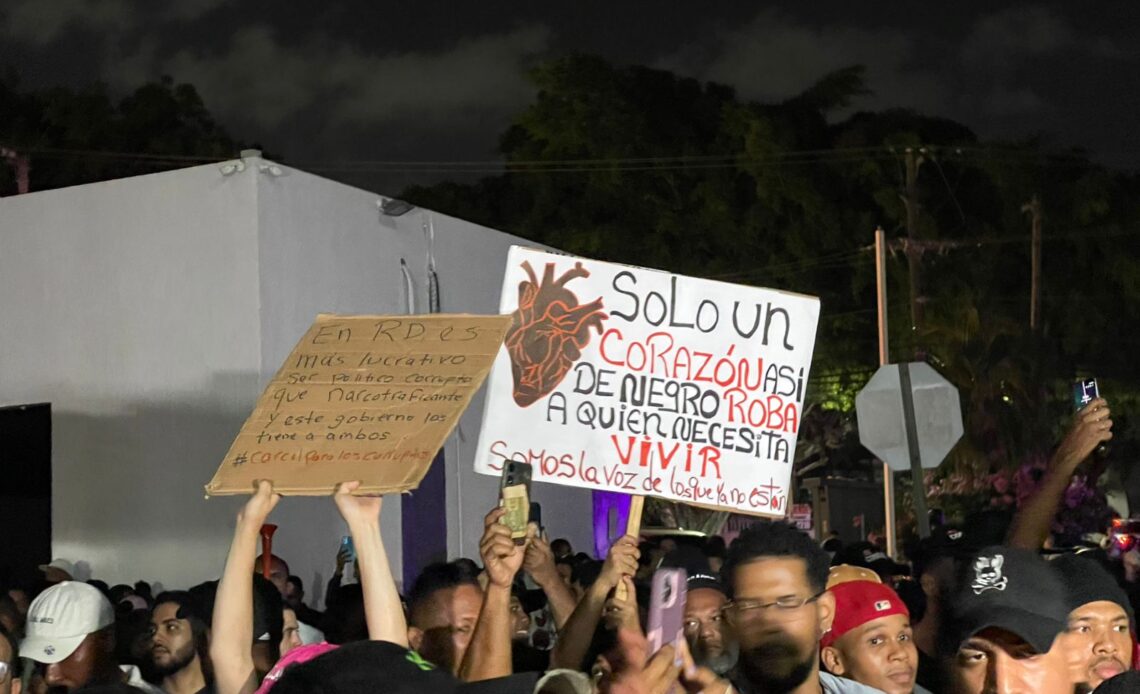
    SANTO DOMINGO – Public outrage erupted outside the Palace of Justice as dozens of demonstrators mobilized to demand accountability in a massive corruption scandal involving the National Health Insurance (SENASA). The protest coincided with judicial hearings to determine pretrial detention for individuals accused of embezzling over RD$15 billion from the state-run health insurer.

    Protesters carried placards calling for transparency and stringent anti-corruption measures, while civil society organizations emphasized that partial recovery of stolen funds would be meaningless without severe legal consequences. Police presence intensified around the courthouse to ensure order during proceedings that have captured national attention due to their implications for public health financing.

    The scandal, known as Operation Cobra, centers on former SENASA director Dr. Santiago Hazim and reveals a devastating financial collapse within the institution. According to newly released 2024 financial statements, SENASA’s net worth plummeted from a positive RD$2.9 billion in 2023 to a staggering negative RD$14.5 billion this year—a situation bordering on technical insolvency.

    Despite generating RD$75.4 billion in revenue, operating expenses surged to nearly RD$79 billion, resulting in losses exceeding RD$6.2 billion. This deficit was primarily driven by healthcare claim payments totaling RD$56.9 billion, alongside reinsurance and operational costs. With responsibility for providing health coverage to more than 7.6 million citizens, SENASA now faces urgent demands for financial restructuring and enhanced oversight mechanisms to prevent further mismanagement of public resources.

  • Tweede Huisartsen Spoedpost geopend aan Nieuwweergevondenweg

    Tweede Huisartsen Spoedpost geopend aan Nieuwweergevondenweg

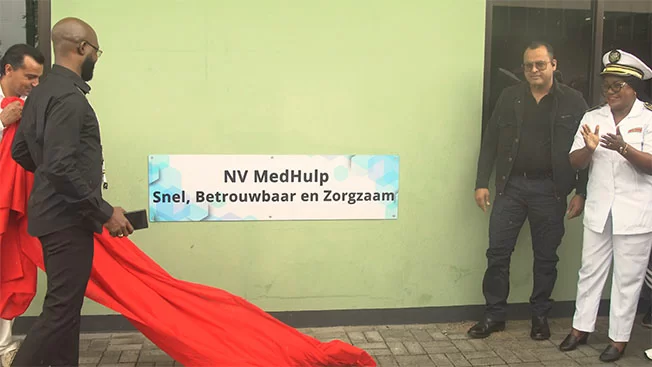
    Suriname’s healthcare system has taken a significant step forward with the inauguration of its second General Practitioner Urgent Care Center at Nieuwweergevondenweg 6. Health Minister André Misiekaba officially opened the facility on Saturday, describing it as a crucial component in the government’s broader strategy to enhance healthcare accessibility and gradually strengthen medical services nationwide.

    The new center addresses the overwhelming pressure on existing emergency services, particularly the Emergency Department at Paramaribo Academic Hospital (AZP), which handles the most critical and complex cases around the clock. Minister Misiekaba highlighted international models, specifically noting how neighborhood-based facilities in the United States operate their own emergency units to stabilize patients before potential transfers.

    Through the Regional Health Service (RGD), Suriname aims to develop a comparable system where urgent care centers manage less acute cases within communities. This approach allows hospital emergency departments to focus on life-threatening situations while patients with non-critical conditions receive treatment closer to home, resulting in more efficient allocation of healthcare resources.

    Minister Misiekaba also addressed ongoing staffing challenges, acknowledging that despite recruiting specialized nurses from countries including the Philippines, operating rooms and ICU beds remain limited. To fully restore AZP’s capacity, the government has allocated funds in the 2026 budget to attract additional specialized nursing staff.

    A third GP Urgent Care Center in Meerzorg is already in planning stages to accommodate growing demand in the area and improve healthcare access for much of Commewijne district. The minister urged citizens to first utilize their nearest urgent care facility, allowing nurses to determine if hospital referral is necessary—a practice that brings healthcare closer to communities while reducing strain on emergency departments.

    The first urgent care center operates at the State Health Fund on Fred Derbystraat. With this second opening, Suriname moves closer to establishing a better distributed, accessible, and community-focused healthcare structure.

  • Politic : 3rd meeting of the OAS Group of Friends of Haiti

    Politic : 3rd meeting of the OAS Group of Friends of Haiti

    Washington D.C. witnessed a significant diplomatic gathering on December 11, 2025, as the Organization of American States convened the third meeting of its Group of Friends of Haiti. The session featured Laurent Saint-Cyr, President pro tempore and Coordinator of Haiti’s Transition Council, as special guest, marking a pivotal moment in international support for the Caribbean nation.

    The assembly conducted a comprehensive review of recent developments following OAS Secretary General Albert Ramdin’s fact-finding mission to Haiti. Delegates examined progress on the established roadmap while strengthening coordination mechanisms between the OAS, United Nations, CARICOM, and Haitian transitional authorities. Participants unanimously emphasized the critical importance of Haitian-led processes encompassing security initiatives, governance frameworks for 2026, and preparations for credible electoral proceedings.

    President Saint-Cyr acknowledged the OAS’s steadfast solidarity while declaring the joint roadmap had entered a decisive implementation phase. He identified security restoration as the nation’s paramount priority, stressing the urgent need to transform international commitments into concrete actions. “The magnitude of needs demands expanded, immediate, and sustained engagement,” Saint-Cyr asserted, calling upon the entire diplomatic group to intensify support measures.

    The transitional leader specifically highlighted the essential deployment of the Gang Repression Force (FRG) as imperative for ensuring successful elections. Both OAS and Inter-American Development Bank representatives reaffirmed their commitment to supporting Haiti’s National Identification Office in modernizing electoral registers and enhancing technical capacities for free, inclusive voting processes. Additional priorities included developing modern prison infrastructure and reintegrating children forcibly recruited by armed groups.

    Secretary General Ramdin pledged continued close collaboration with Haitian authorities and international partners, particularly focusing on security enhancement, governance strengthening, and national identity card issuance—fundamental prerequisites for democratic elections. “Our collective efforts remain dedicated to achieving the peace, stability, and democratic renewal that the Haitian people rightfully deserve,” Ramdin affirmed.

    Concluding the meeting, Saint-Cyr reiterated the Transitional Council’s determination to restore security, execute the roadmap, organize elections, and protect vulnerable populations while acknowledging that “Haiti cannot overcome challenges of this magnitude without international partnership.”