作者: admin

  • Prime Minister fulfils commitment with establishment of Advisory Committee to review Special Sustainability Zones Authorisation Act

    Prime Minister fulfils commitment with establishment of Advisory Committee to review Special Sustainability Zones Authorisation Act

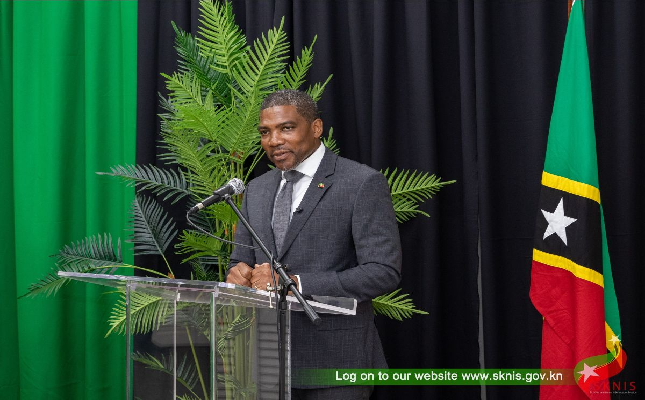
    In a significant move toward transparent governance, Prime Minister Honourable Dr. Terrance Drew has formally established an independent Advisory Committee to conduct a comprehensive review of the Special Sustainability Zones Authorisation Act (SSZA Act) of 2025. This action fulfills the commitment made during national roundtable discussions held last month.

    The newly formed ad hoc committee comprises representatives from fifteen key civil society organizations and professional bodies, reflecting the government’s dedication to inclusive policymaking. Participating organizations span diverse sectors including religious groups, financial institutions, legal associations, medical professionals, construction industries, and conservation entities such as the Saint Christopher National Trust.

    Notably, the committee’s mandate extends beyond domestic consultation. Regional institutions including the Organisation of Eastern Caribbean States Authority, OECS Bar Association, and Caribbean Development Bank have been invited to provide written expertise, acknowledging the legislation’s broader implications across the Eastern Caribbean region.

    Prime Minister Drew emphasized that the SSZA Act itself does not establish any specific development zones but rather creates a structured legal framework for future evaluation processes. The legislation incorporates parliamentary oversight and constitutional safeguards to ensure accountability.

    The Advisory Committee is tasked with examining the Act’s provisions, addressing public concerns, and recommending potential amendments or procedural enhancements. Their work will be guided by international best practices and the principles of the Sustainable Island State Agenda, with all findings to be submitted to Federal Cabinet for consideration.

    This initiative represents a robust approach to balancing economic development with environmental sustainability and national sovereignty, setting a precedent for participatory governance in the Caribbean region.
  • E-Bike Stolen in Martin Village; Owner Appeals for Its Return

    E-Bike Stolen in Martin Village; Owner Appeals for Its Return

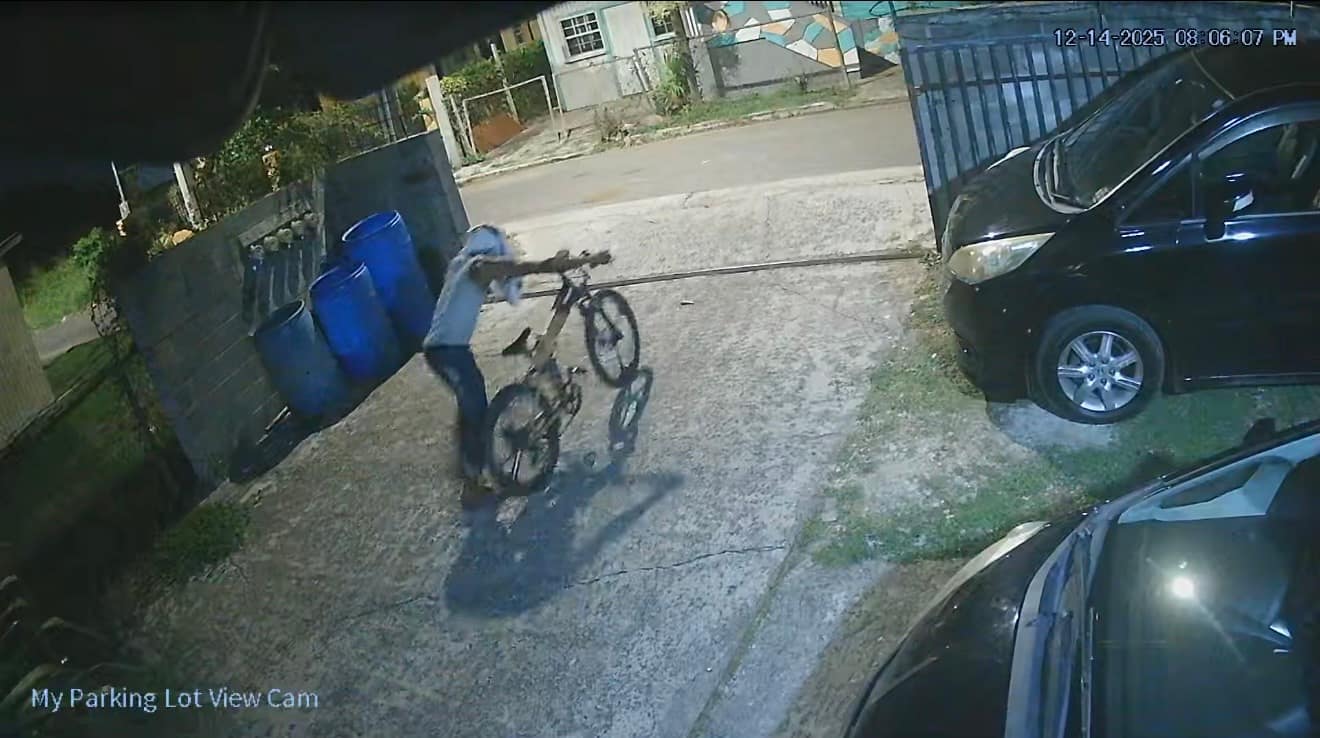
    A theft incident has been reported in Martin Village, where an electric bicycle was stolen during the morning hours yesterday. The crime occurred at approximately 8:05 a.m., marking a concerning violation of community security and personal property rights.

    The bicycle’s owner has issued a heartfelt appeal directly to the perpetrator, requesting the voluntary return of the valued personal transportation device. This plea emphasizes the importance of respecting others’ possessions and demonstrates a compassionate approach to resolving property crimes.

    Community safety advocates note that such incidents disrupt the sense of security in residential areas like Martin Village, where residents typically expect peaceful coexistence. The theft of personal mobility devices particularly impacts daily commuting routines and represents both financial and practical losses for victims.

    Local authorities have been notified of the incident and are likely reviewing available surveillance footage or witness accounts from the area. The timing of the theft during morning hours suggests the perpetrator may have capitalized on typical morning routines when residents might be less vigilant.

    This case highlights broader concerns about property crimes in residential communities and the need for increased awareness regarding personal asset protection. The owner’s decision to publicly appeal for the bike’s return rather than immediately pursuing punitive measures presents an interesting approach to conflict resolution in community theft cases.

  • Matthew Says National Festivals to Move Away From Last-Minute Planning, better budgeting

    Matthew Says National Festivals to Move Away From Last-Minute Planning, better budgeting

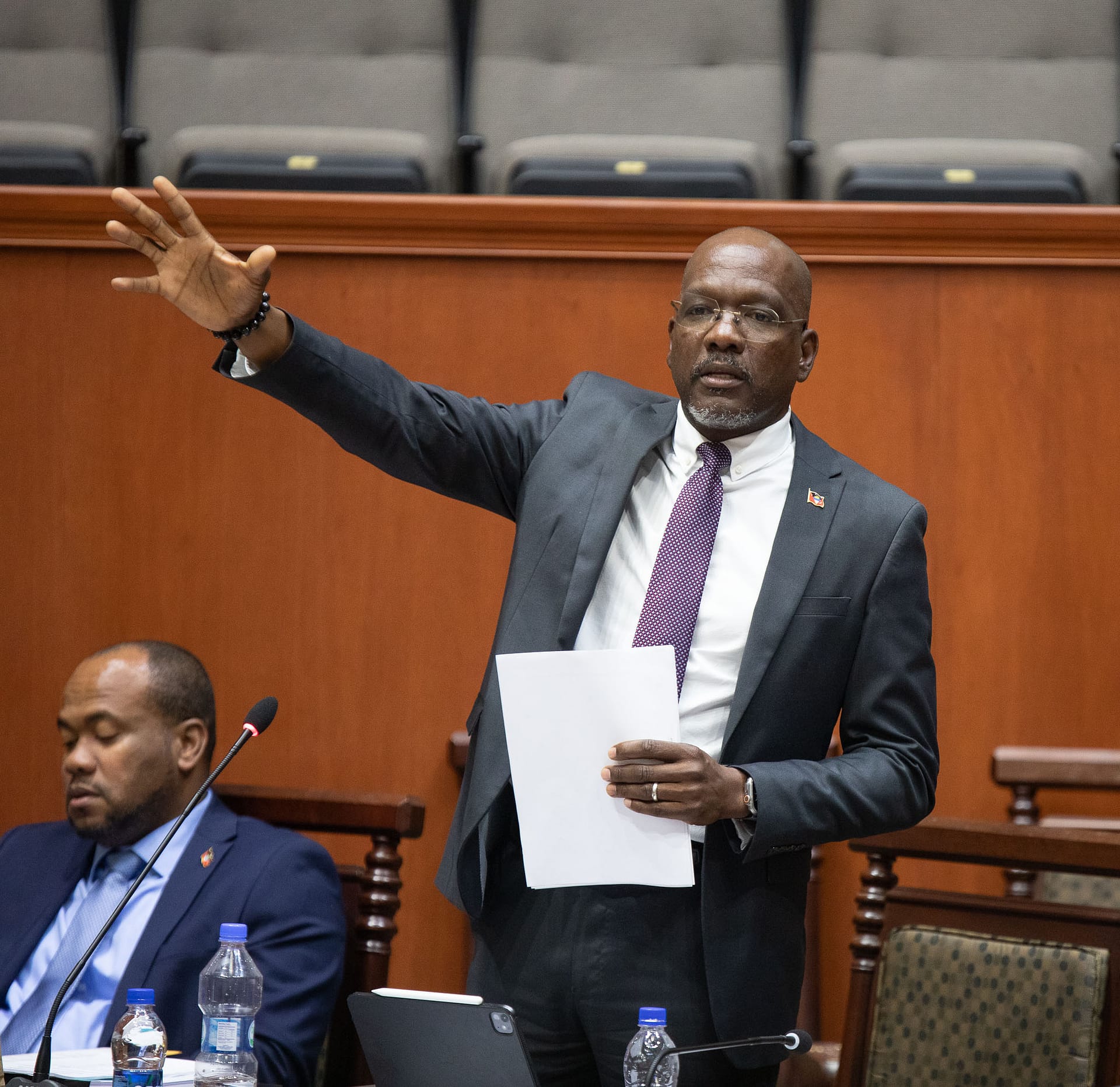
    The Antiguan government has announced a transformative policy shift in the management of national cultural festivals, including the renowned Carnival, moving from last-minute arrangements to a structured planning and funding framework. Culture Minister Daryll Matthew unveiled the new strategy during the 2026 Budget Debate, emphasizing the need to eliminate the traditional ad-hoc approach that has long characterized event organization.

    Minister Matthew articulated to Parliament that the existing system creates undue pressure on cultural practitioners, stating, ‘For too long, we have been doing this at the last minute.’ The new framework will implement advanced planning cycles and predictable financing mechanisms, enabling organizers, performers, costume designers, stage builders, and technicians to prepare adequately without relying on rushed arrangements.

    The policy represents a fundamental reclassification of cultural activities from mere entertainment to a recognized economic sector. ‘We have to reposition culture as an economic driver,’ Matthew asserted, highlighting the industry’s potential to generate employment, income, and professional skills development. This repositioning aims to provide stronger institutional support for cultural workers whose livelihoods depend on festival activities.

    Beyond immediate operational improvements, the minister connected the reforms to broader youth development objectives. The structured approach creates defined pathways for young people to pursue training, income generation, and career building within the creative industries. The changes form part of a comprehensive modernization effort to ensure national festivals contribute meaningfully to economic activity rather than functioning as pressure-filled one-off events.

    The government’s initiative addresses long-standing concerns about the sustainability of cultural production while recognizing its substantial economic potential. The reformed system promises to elevate production standards, reduce professional uncertainty, and foster a more professional environment for cultural practitioners across Antigua’s festival landscape.

  • Malone, Gaillard to Represent Antigua and Barbuda at Youth Sailing World Championships

    Malone, Gaillard to Represent Antigua and Barbuda at Youth Sailing World Championships

    Antigua and Barbuda will showcase its emerging sailing talent on the global stage as Shanoy Malone and Emily Gaillard secure qualification for the prestigious 2025 Youth Sailing World Championships in Portugal. The two athletes will compete in the highly competitive ILCA 6 single-handed dinghy categories, with Malone representing in the men’s division and Gaillard in the women’s division.

    The international regatta, commencing December 12, 2025, will assemble the world’s most promising youth sailors across various disciplines. This selection underscores Antigua and Barbuda’s enduring maritime heritage and strategic investment in nurturing competitive sailing prospects.

    Both sailors have developed their expertise through structured pathways including the Antigua Yacht Club’s developmental initiatives, regional sailing competitions, and the World Sailing Emerging Nations Programme—a dedicated effort to enhance competitive capabilities in developing sailing nations. Their progression demonstrates the effectiveness of these programs in identifying and refining athletic potential.

    The championship serves as a critical platform for young sailors to gain international experience against elite competition, potentially paving the way for future Olympic participation. Antigua and Barbuda’s continued presence at this level highlights the nation’s commitment to sporting excellence and youth development through maritime sports.

  • $5.4M Spent on School Repairs, Major Upgrades Planned for Four Schools in 2026

    $5.4M Spent on School Repairs, Major Upgrades Planned for Four Schools in 2026

    Antigua’s education infrastructure has undergone a significant $5.4 million transformation during the summer of 2025, with comprehensive repairs and upgrades completed across nearly all schools on the island. Education Minister Daryll Matthew revealed these developments during the recent Budget Debate, highlighting the government’s strategic approach to enhancing learning environments while minimizing disruption to academic calendars.

    The extensive summer initiative, executed quietly over a three-month period, brought substantial improvements to educational facilities without attracting public attention. Students returned to find newly constructed classroom blocks, modernized bathroom facilities, refurbished learning spaces, and updated furniture across multiple institutions. Minister Matthew emphasized the discreet nature of these enhancements, noting that many improvements were discovered by students and faculty upon their return.

    Looking ahead to 2026, the government has announced an ambitious second phase of infrastructure development targeting four specific institutions: Antigua Girls’ High School, All Saints Secondary School, Sir Novelle Richards Academy, and Golden Grove Primary School. This upcoming project will be implemented through a strategic partnership with the Caribbean Development Bank, focusing on addressing critical capacity challenges and facility limitations.

    Golden Grove Primary School, identified by Minister Matthew as “the most overcrowded primary school in Antigua and Barbuda,” represents a particular priority in the forthcoming development phase. The comprehensive upgrade program will include construction of new classrooms, extensive refurbishment of existing facilities, and modernization of specialized learning spaces including information technology laboratories, home economics facilities, and bathroom infrastructure.

    The government’s multi-phase infrastructure program demonstrates a deliberate strategy to improve learning conditions while systematically addressing long-standing capacity constraints within the education system. This approach combines immediate, widespread improvements with targeted, large-scale developments to create sustainable educational environments that support academic excellence across Antigua.

  • Matthew Says Roads, Drainage and Youth Facilities Targeted for St. John’s Rural South

    Matthew Says Roads, Drainage and Youth Facilities Targeted for St. John’s Rural South

    Significant infrastructure enhancements are transforming St. John’s Rural South constituency, with road rehabilitation, drainage improvements, and upgrades to community facilities either finalized or in active development phases. Local MP Daryll Matthew presented these advancements during the recent parliamentary debate on the 2026 national budget, outlining a comprehensive vision for community development.

    Matthew emphasized that modernizing physical infrastructure remains a cornerstone of his constituency agenda, with focused efforts on improving road conditions and water management systems. These projects are strategically designed to serve a dual purpose: strengthening foundational utilities while simultaneously revitalizing public spaces dedicated to youth programs, cultural events, and athletic activities.

    “There should be no barrier to entry,” Matthew declared, connecting these tangible improvements to a broader philosophical commitment to equitable access, opportunity, and holistic community advancement. The renovation of community centers and recreational areas is a key component of this initiative, aimed at providing residents with safe, functional, and inviting environments for organized civic engagement.

    The planning and execution of these developments are being guided by a principle of collaborative engagement. Matthew stressed that ongoing dialogue with constituents is instrumental in prioritizing projects and shaping the implementation strategy. This ensures that development efforts are directly responsive to the expressed needs of the community. Furthermore, the MP framed these local investments as integral to national objectives, explicitly linking improved community infrastructure and spaces to the broader goal of enhancing educational and training outcomes for all citizens.

  • Scrub Life Cares’ Menstrual Health Policy Motion Ranked Among Top Three Global Priorities at the 2025 International Association for Adolescent Health World Congress

    Scrub Life Cares’ Menstrual Health Policy Motion Ranked Among Top Three Global Priorities at the 2025 International Association for Adolescent Health World Congress

    A groundbreaking policy motion advocating for the global integration of menstrual health and comprehensive sexual education into adolescent health policies has achieved top-tier recognition at the 2025 International Association for Adolescent Health (IAAH) World Congress. Submitted by Scrub Life Cares, a community-based nonprofit from Antigua and Barbuda, the initiative secured placement among the conference’s top three global priorities after receiving overwhelming 96.2% support from international delegates.

    The motion addresses critical barriers to adolescent health and education, particularly in Caribbean regions where menstrual inequity persists as a significant challenge. Research consistently demonstrates that many young girls miss school or reduce participation in daily activities due to limited access to menstrual products, accurate information, and supportive environments. These challenges are further exacerbated by insufficient comprehensive sexual education, leaving adolescents without essential knowledge to make informed health decisions.

    Founder and CEO Tanya Ambrose, MPH, described the powerful moment when the motion received immediate positive feedback during her presentation. ‘Hearing that encouragement in real time affirmed that this work matters far beyond our borders,’ Ambrose shared. ‘It was validation not just personally, but for the communities and region we represent.’

    This achievement marks a significant milestone for both Antigua and Barbuda and the wider Caribbean region. Among ten motions selected for presentation, Scrub Life Cares’ submission stood as the only Caribbean-originated proposal, effectively centering Caribbean perspectives and lived experiences within global health policy discussions.

    The virtual congress, which transitioned online due to Hurricane Melissa, convened adolescent health professionals from over twenty countries across six continents. While passed motions are not binding for the incoming IAAH Council, they establish the foundation for the organization’s Policy Agenda and guide advocacy priorities, strategic planning, and program development for the upcoming term.

    Beyond policy advocacy, Scrub Life Cares was scheduled to present original qualitative research on day three of the conference, though organizers are currently reassessing research presentations due to the hurricane’s impact. The organization remains committed to sharing evidence-based research informed by Caribbean experiences to advance global adolescent health practices.

    This recognition strengthens Scrub Life Cares’ ongoing initiatives to integrate menstrual health education into national school curricula, expand public-private partnerships for product accessibility, and support adolescent-centered public health systems throughout the Caribbean. As Ambrose emphasized, ‘This achievement belongs to every girl, parent, educator, advocate, and health professional working toward a future where menstrual health is recognized as a human right.’

  • Extreemrechtse José Antonio Kast gekozen tot president Chili

    Extreemrechtse José Antonio Kast gekozen tot president Chili

    Chile has elected José Antonio Kast as its new president following a decisive runoff election on Sunday. The ultra-conservative Republican Party candidate secured a substantial victory with over 58% of the vote, defeating leftist contender Jeannette Jara who garnered approximately 41%. This electoral outcome represents the most significant political realignment in Chile since the end of Augusto Pinochet’s dictatorship in 1990.

    The presidential race proceeded to a second round after the November 16th, 2025 initial election failed to produce an absolute majority winner. Kast, who qualified as the second-place finisher in the first round, ultimately triumphed over Jara despite her endorsement from the incumbent left-wing government.

    Kast’s successful campaign centered on three core issues: public security, immigration control, and economic recovery plans. These themes resonated strongly with Chilean voters amid growing concerns about crime rates and migration patterns. His victory signals a pronounced rightward turn in a nation that has been governed predominantly by center-left coalitions for three decades.

    Constitutional protocols dictate that Kast will not assume office immediately. The presidential inauguration is scheduled for March 11, 2026, when he will succeed current President Gabriel Boric following a standard transition period.

    While Kast’s administration is expected to implement substantial policy changes regarding public safety and immigration, governing may prove challenging without an absolute congressional majority. This political reality may necessitate negotiation and compromise to advance his complete legislative agenda.

  • OPINION: From Community Pride to Career Advantage: Why Behaviour Now Matters More Than Ever

    OPINION: From Community Pride to Career Advantage: Why Behaviour Now Matters More Than Ever

    A profound transformation is reshaping global recruitment and admissions practices, marking a significant departure from traditional evaluation methods. Where organizations once prioritized technical proficiency through the 40/60 rule—40% behavioral assessment versus 60% technical competence—a new paradigm has emerged. The contemporary 60/40 model now reverses these priorities, placing greater emphasis on behavioral attributes while technical abilities assume secondary importance.

    This strategic shift is grounded in empirical evidence demonstrating that technical expertise alone fails to guarantee effective performance, employee retention, or team cohesion. Hiring managers increasingly recognize that most organizational objectives are achieved through collaboration, communication, and trust. Research consistently indicates that interpersonal skills, adaptability, and accountability serve as stronger predictors of long-term success than job-specific technical capabilities.

    The service economy further amplifies this transition, where employee behavior directly influences brand reputation and customer loyalty. A single negative interaction can undermine years of technical excellence, demonstrating that poor behavior impacts not only workplace morale but also revenue generation.

    Consequently, organizations now prioritize emotional intelligence (EQ) over traditional intelligence quotient (IQ) metrics. A global talent survey reveals that over 90% of hiring professionals consider behavioral skills equally or more important than technical competencies during recruitment decisions. Employers recognize that while technical skills can be rapidly acquired, behavioral traits including integrity, empathy, resilience, and professionalism require sustained developmental investment.

    This behavioral emphasis extends beyond corporate recruitment into educational admissions. Universities and tertiary institutions increasingly evaluate applicants based on community engagement, volunteerism, leadership demonstrated, and civic participation alongside academic performance. Personal statements and reference letters now assess character, values, and social contributions with equal weight to academic achievements.

    Empirical studies on graduate employability confirm this trend, showing that students with robust communication skills, teamwork experience, and civic involvement transition more successfully into the workforce. Community involvement has evolved from merely commendable to strategically valuable, with acts of kindness and positive social behavior now serving as indicators of employability and leadership potential.

    The fundamental message is clear: who you are and how you behave now matter as much as what you know. As the 60/40 behavioral-first model continues to dominate hiring and admissions decisions, individuals investing in behavioral development will be better positioned for success in the evolving global workforce.

  • Spreading Holiday Cheer at the St. Christopher Outreach Centre

    Spreading Holiday Cheer at the St. Christopher Outreach Centre

    In a heartwarming display of corporate social responsibility, executives and staff from St. Kitts-Nevis-Anguilla National Bank Limited personally served meals during the Annual Soup Kitchen Christmas Luncheon at St. Christopher Outreach Centre on December 15, 2025.

    Managing Director Terrence Crossman and CEO Anthony Galloway led the bank’s volunteer contingent in distributing warm meals and engaging with community members during the festive event. This initiative represents a tangible manifestation of the financial institution’s National Cares Initiative, which demonstrates the organization’s sustained dedication to creating meaningful social impact within the communities it serves.

    The Christmas luncheon provided both nourishment and human connection during the holiday season, particularly benefiting vulnerable populations. Bank representatives noted that such outreach programs form an integral component of their corporate philosophy, emphasizing that financial institutions bear responsibility beyond mere economic transactions.

    Organizers expressed profound gratitude to all participants and contributors who facilitated the successful execution of this community event, highlighting the collaborative spirit that characterizes such philanthropic endeavors during the holiday period.