作者: admin

  • Uber opens registration for taxi drivers in Saint Lucia

    Uber opens registration for taxi drivers in Saint Lucia

    Uber Technologies has initiated the registration process for licensed taxi operators in Saint Lucia, marking a significant step toward the official debut of its ride-hailing services on the island nation. The December 16 announcement confirms the platform will operate exclusively under the Uber Taxi framework, requiring all participating drivers to hold valid taxi licenses and certifications.

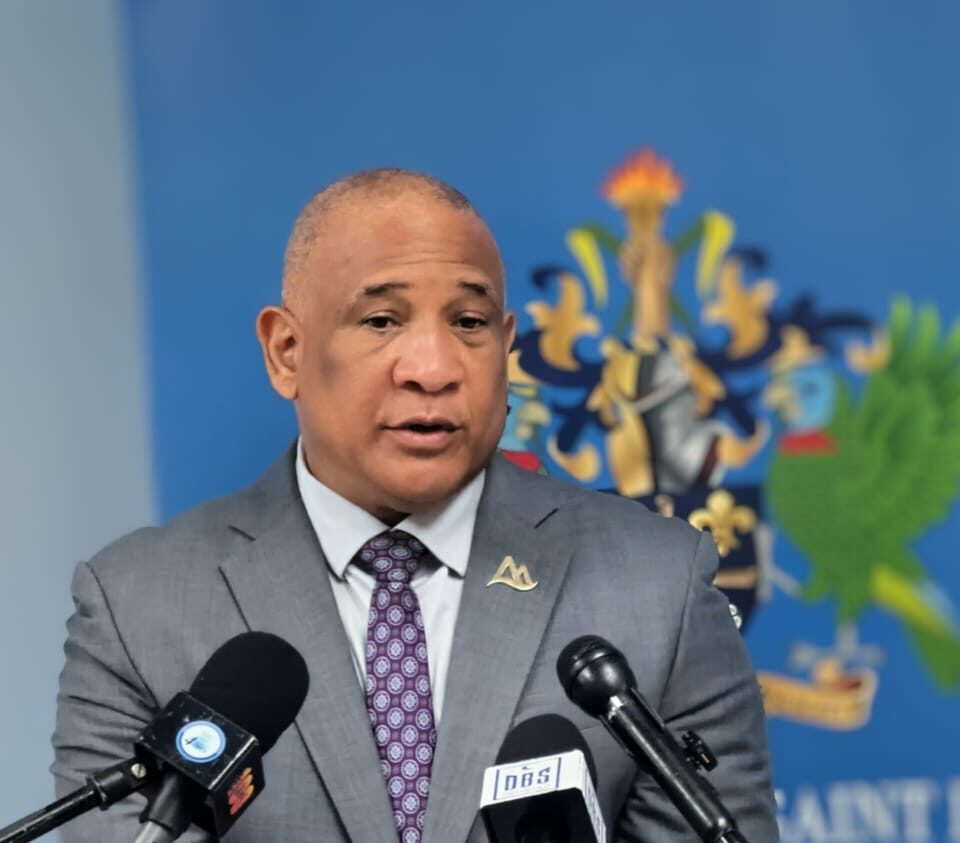
    Jorge Cordero, General Manager for Uber’s Saint Lucia operations, emphasized the strategic focus on leveraging technology to enhance earning potential for local drivers. “We’re seeking licensed taxi professionals who want to expand their client base through digital innovation,” Cordero stated. “This initiative specifically targets the growing demographic of tourists who already prefer the Uber ecosystem during their travels.”

    The company is implementing a dual approach to market entry: directly onboarding individual drivers through the Uber Driver application while simultaneously engaging with established taxi associations and transportation enterprises across the island. This collaborative model aims to integrate existing transportation infrastructure with Uber’s technological platform.

    Prospective drivers must undergo a comprehensive verification process, submitting documentation including valid driving credentials, taxi permits, insurance certifications, banking information, photographic identification, and completed background checks. The Uber Taxi model already operates successfully in multiple Caribbean markets including Barbados, Jamaica, and the Dominican Republic, demonstrating the viability of this approach in similar tourism-driven economies.

    Uber’s expansion strategy focuses on connecting licensed operators with both residents and visitors, particularly targeting the substantial tourist population already familiar with the application’s functionality. The company confirms that while driver onboarding is currently underway, an official service launch date will be announced following completion of preparatory phases.

  • Dominican Republic launches SciELO RD, its first national open-access scientific journal collection

    Dominican Republic launches SciELO RD, its first national open-access scientific journal collection

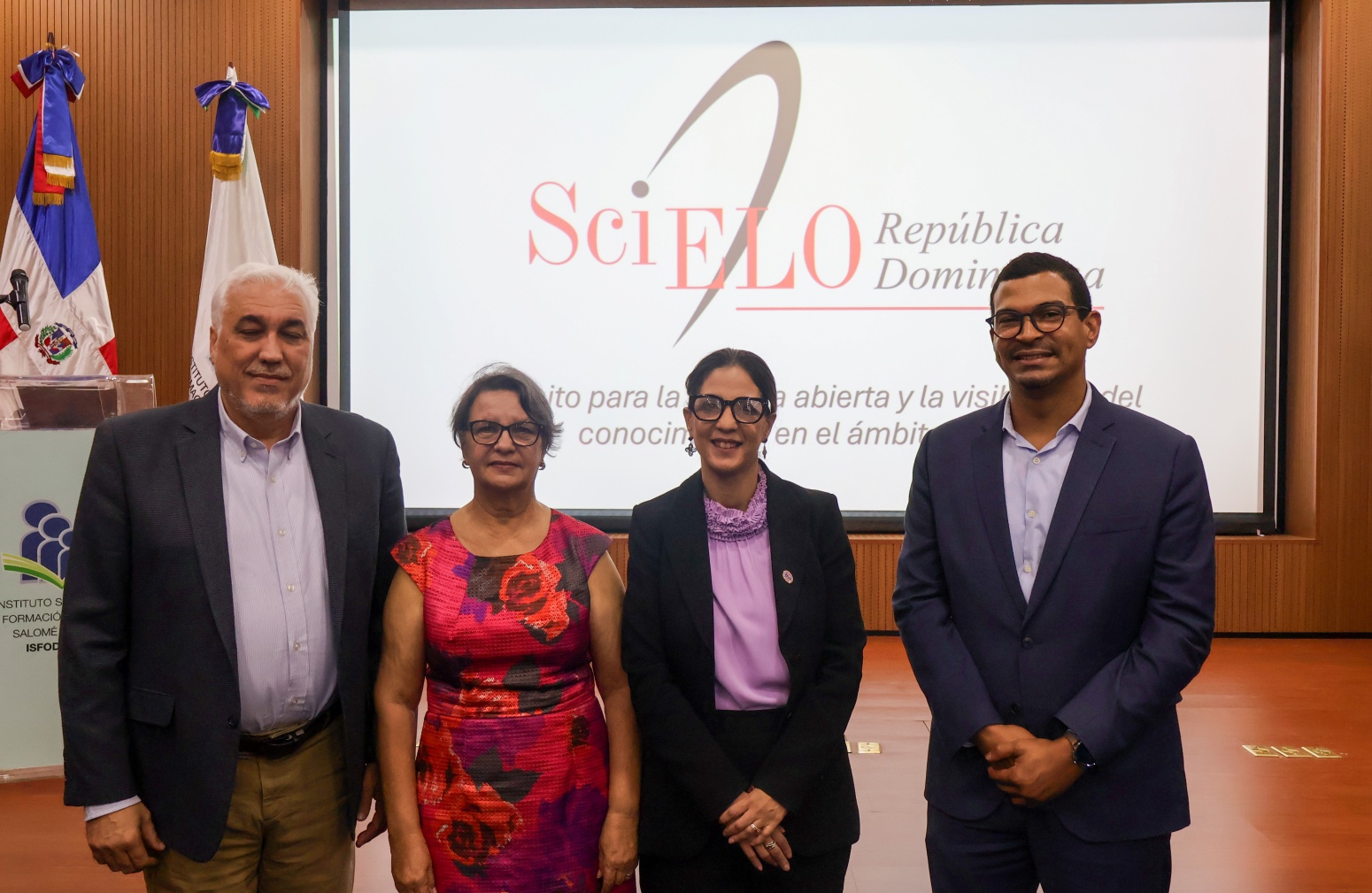
    SANTO DOMINGO – In a transformative move for its academic landscape, the Dominican Republic has officially inaugurated SciELO RD (SciELO República Dominicana), marking the establishment of the nation’s premier open-access scientific journal collection within the global SciELO network. This strategic initiative, unveiled through a collaborative effort between the Salomé Ureña Higher Institute for Teacher Training (ISFODOSU) and the Association of University Rectors (ADRU), is poised to dramatically enhance the international reach and accessibility of Dominican scholarly work.

    The newly launched portal represents a significant infrastructural investment in the country’s research capabilities. By integrating with the prestigious SciELO platform, Dominican journals gain entry into an ecosystem renowned for its rigorous peer-review standards and commitment to open data, effectively positioning local research alongside contributions from nations with more mature scientific infrastructures.

    Nurys del Carmen González, Rector of ISFODOSU, emphasized her institution’s pivotal role as the project’s technological and financial backbone, providing essential servers, specialized personnel, and sustained funding. This development aligns with broader institutional advancements, including increased investment in scientific productivity, the professionalization of academic publishing, and the strengthening of research collectives.

    ADRU President Odile Camilo characterized SciELO RD as a foundational policy instrument designed for long-term national research enhancement. Citing evidence from countries with established SciELO collections, Camilo pointed to measurable gains in editorial quality, global visibility, and research culture development. She advocated for stable governance, sustainable financing, and the formal recognition of SciELO-indexed publications in faculty evaluation systems and higher education policies.

    Vladimir Figueroa, ISFODOSU Research Director, detailed the portal’s operational framework during the presentation, hailing it as a watershed moment for open science and the global dissemination of knowledge originating from the Dominican Republic. This launch formally integrates the nation into a regional network dedicated to promoting editorial excellence and the unimpeded international flow of academic research.

  • Pierre outlines government priorities following decisive election victory

    Pierre outlines government priorities following decisive election victory

    Following a decisive electoral victory, Prime Minister Philip J. Pierre has committed to steering a government dedicated to inclusivity and public service. At his administration’s inaugural press conference, Pierre characterized the December 1st results as a powerful endorsement from the Saint Lucian populace, which he asserts imposes a solemn duty to govern in the nation’s best interests.

    The briefing served as a platform to detail an extensive national development strategy, with significant emphasis on advancing critical infrastructure projects. The redevelopment of Hewanorra International Airport remains a top priority, with the air traffic control tower construction and terminal modernization proceeding as planned. Prime Minister Pierre confirmed the conclusion of an international tender process, with bid evaluations currently underway. Project commencement is slated for early next year, while enhancements to runway and ancillary airside facilities will extend into 2026.

    Concurrently, the Gros Islet–Castries highway project is gaining momentum. With engineering designs in their final stages, the government anticipates issuing contractor tenders imminently. Pierre confirmed full funding is secured, with Phase One construction expected to initiate within the first quarter of the coming year.

    In the healthcare sector, equipment installation is ongoing at the new St Jude Hospital facility. While partial services have already transitioned, a full operational shift is projected for completion by the end of the first quarter of next year. The Prime Minister expressed considerable satisfaction with the project’s advancement, deeming the facility fully ‘fit for purpose.’

    Further public investments are progressing on schedule. The House of Justice project is anticipated to reach completion in 2027 after a two-year construction period. The new Gros Islet and Northern Police Headquarters are scheduled for occupancy in the upcoming first quarter. Educational infrastructure will also see enhancements, with school building extensions set for finalization by September, ensuring student access to improved facilities for the new academic year.

    Additional developments include preparatory work for the fifth wing of the Owen King EU Hospital, with construction beginning in the first half of next year. Projects for a new super administrative building and the Soufrière elderly home are also advancing, with construction starts planned in the coming months.

    Cabinet restructuring introduced a new ministry devoted to continuing education, special education, and early childhood development. The upcoming budget will feature concrete measures toward universal early childhood education, aiming to provide free access for every child at the earliest opportunity. The agriculture portfolio has been broadened to encompass climate change and nutrition, aiming to forge stronger connections between food production, public health, tourism, and school feeding programs.

    In a gesture of political unity, Prime Minister Pierre extended congratulations to Opposition Leader Allen Chastanet on his electoral retention, acknowledging it as a significant accomplishment. Pierre assured that Chastanet would receive all entitled protocols and privileges, firmly stating his administration’s commitment to respecting opposition figures.

    The government’s forthcoming budget will also prioritize human development, incorporating targeted initiatives for young men to counter frustration and foster engagement, with planned collaborations with institutions like the Centre for Adolescent Renewal and Education (CARE). Concluding his address, Pierre championed healthy debate and inclusive governance over intimidation, urging national unity and collective progress following the electorate’s clear verdict.

  • CARPHA and Small Arms Survey partner to advance Caribbean health and security frameworks

    CARPHA and Small Arms Survey partner to advance Caribbean health and security frameworks

    In a significant move to address regional security challenges, the Caribbean Public Health Agency (CARPHA) and the Small Arms Survey have formalized a three-year strategic partnership through a Memorandum of Understanding. This groundbreaking collaboration aims to enhance arms and ammunition management while mitigating risks associated with illicit small arms throughout the Caribbean region.

    The agreement represents a novel convergence of public health expertise and security research, combining CARPHA’s regional health leadership with the Small Arms Survey’s internationally recognized capabilities in arms monitoring and security analysis. This interdisciplinary approach seeks to develop comprehensive solutions to the complex interplay between armed violence and public health outcomes.

    CARPHA Executive Director Dr. Lisa Indar emphasized the critical nature of this collaboration during the signing ceremony, noting that violence and firearm-related injuries present escalating public health challenges across Caribbean communities. The partnership will enable strengthened surveillance systems, generate robust research data, and support member states through evidence-based policies designed to protect civilian lives and enhance community wellbeing.

    Dr. Nicolas Florquin, Head of Data and Analytics at the Small Arms Survey, welcomed the agreement as a strategic advancement in regional security response capabilities. The Geneva-based organization, an associated program of the Geneva Graduate Institute, brings decades of specialized experience in reducing illicit arms proliferation and armed violence through policy-relevant knowledge generation and capacity development.

    Under the agreement’s framework, the partners will pursue five key objectives: integrating firearm-related injury data into health surveillance systems; conducting joint studies on the health impacts of firearm violence; developing capacity-building materials for multiple government ministries; supporting evidence-based policymaking for Caricom governments; and facilitating public awareness campaigns using research findings.

    This innovative partnership marks a paradigm shift in addressing armed violence through public health methodologies, underscoring CARPHA’s commitment to regional health security while supporting member states in creating safer environments for Caribbean citizens.

  • Reach Within launches Joy Box Project

    Reach Within launches Joy Box Project

    In Grenada, the charitable organization Reach Within has initiated its annual Joy Box Project, calling upon community members to contribute to the welfare of at-risk youth during the holiday season. Since its establishment in 2003, the organization has dedicated itself to enhancing the lives of countless children and teenagers residing in foster care and residential homes across the island.

    The Joy Box Campaign represents a holistic approach to youth support, combining essential nutritional provisions with enriching experiences designed to foster emotional resilience, positive social connections, and practical life skills. Each donated box helps fund critical programs including therapeutic counseling, cultural activities like drumming and dance, swimming lessons, and educational toolkits, while simultaneously stocking the organization’s food pantry.

    A particularly pressing issue addressed by Reach Within is the transition of teenagers from state care upon reaching adulthood. With no transitional living facilities currently available in Grenada, many young adults face significant challenges when aging out of the child protection system at 18.

    The organization maintains a dedicated drop-in center on Lucas Street in St. George’s, offering comprehensive support services including bathing facilities, vocational training, life skills education, clothing resources, and a welcoming environment staffed by professionals who recognize every individual’s inherent dignity and potential.

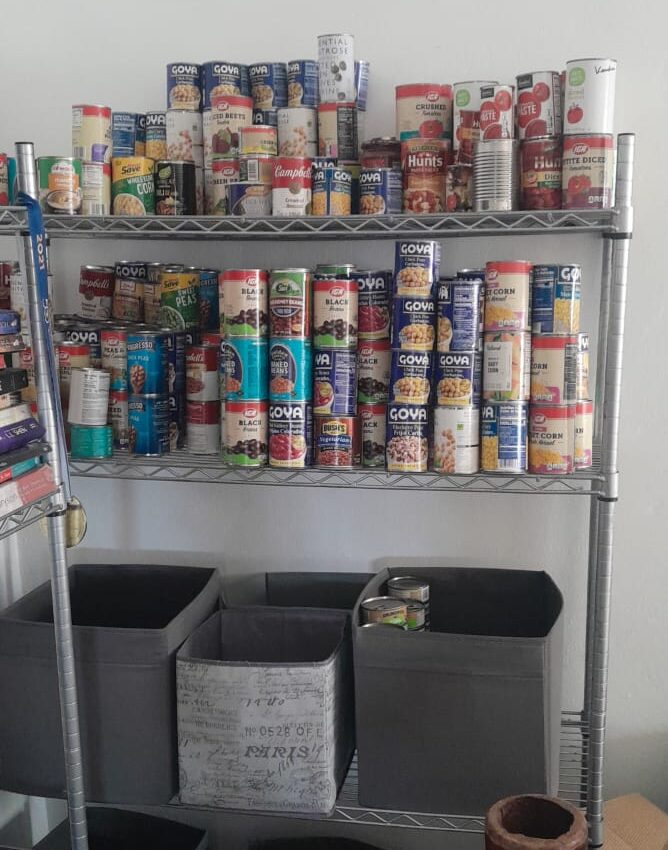
    Community participation is encouraged through donations of nutritious food items such as fresh produce, grains, canned goods, eggs, and protein sources. These contributions will be assembled into special Christmas Joy Boxes, providing tangible support while conveying a powerful message of care and validation to vulnerable youth.

    The Reach Within Drop-In Centre will accept donations during specified hours on December 16th (5-7 PM), December 18th (4-6 PM), and December 19th (4-6 PM). Additional information regarding donation procedures and alternative support methods is available through General Manager Donnet Williams or via the organization’s official website.

  • Central Castries advance to two-day cricket final

    Central Castries advance to two-day cricket final

    Central Castries has decisively advanced to the championship match of the Saint Lucia National Cricket Association (SLNCA) Premier League Two-Day tournament, securing a seven-wicket victory against Babonneau in the semifinal clash at Mindoo Phillip Park. The team’s triumph was orchestrated by an extraordinary bowling performance from Kymani Sexius, complemented by critical batting contributions throughout the lineup.

    The match commenced with Central Castries winning the toss and electing to field—a decision that immediately paid dividends. Seamer Dillan John set the tone by dismissing opener Dane Edward for a duck on just his third delivery. This breakthrough initiated a spectacular collapse for Babonneau, primarily engineered by Sexius. The bowler’s devastating spell included taking four consecutive wickets, leaving the opposition reeling at a precarious 24-5 within the first innings. Shervon Joseph offered a brief counterattack with a 34-run knock, but Babonneau was ultimately bundled out for a meager 90 runs. Sexius finished with a remarkable first-innings figure of 6-20 from 8.5 overs.

    In response, Central Castries established a commanding position built on a formidable 87-run partnership between Theo Edward and Jamaal James. Edward, fresh from national Under-23 duties, played a dominant innings of 66 from 58 balls, while James provided sturdy support with 55 runs. Their efforts guided Central to a declaration at 209-9, securing a substantial 119-run first-innings lead. Shervon Joseph emerged as the most successful bowler for Babonneau, claiming 4-41.

    Facing a massive deficit, Babonneau displayed significantly improved resilience in their second innings. Shervon Joseph anchored the effort with a patient 70 from 164 deliveries, well-supported by Qwaine Henry’s 52. Their partnership helped post a more competitive total of 229, setting Central Castries a target of 111 for victory. Sexius again featured prominently with the ball, taking 3-65 to complete a match haul of nine wickets.

    The run chase encountered early turbulence as Central Castries lost three quick wickets. However, composure prevailed through Vernilius Gabriel and Stephen Naitram, who guided their team to the target with an unbroken partnership. Gabriel sealed the victory in style, hammering an unbeaten 40 from just 32 balls, while Naitram contributed a fluent 31 not out.

    Central Castries now prepares to challenge the defending champions, Gros Islet, in the tournament final scheduled for December 19-20 at the same venue, with the coveted title at stake.

  • CIP records to be made public, Hilaire says

    CIP records to be made public, Hilaire says

    In a significant move toward governmental transparency, Saint Lucia’s Deputy Prime Minister Dr. Ernest Hilaire has declared the administration will publicly disclose all records pertaining to the nation’s Citizenship by Investment Programme (CIP). The announcement came during the inaugural pre-Cabinet briefing of the new government term, signaling a decisive break from previous practices.

    Dr. Hilaire emphasized that revealing the program’s complete documentation—including operational audit reports, annual assessments, and financial statements—is essential for rehabilitating Saint Lucia’s international standing. The disclosure aims to address both global concerns and domestic skepticism that have shadowed the initiative. These documents will be formally presented in Parliament during an upcoming session, though not immediately.

    The minister attributed previous criticisms to political opposition, characterizing them as a ‘hate campaign’ that undermined national interests. He asserted that a properly managed CIP could substantially fund infrastructure projects including housing developments, road networks, and bridge construction. Recent legislative reforms have reportedly fortified the program with reinstated pre-2016 safeguards such as annual quotas, financial requirements, and provisions for a more diverse oversight board with enhanced expertise.

    Following a recent electoral victory that secured the Saint Lucia Labour Party a second consecutive term, the government now focuses on implementing its revised framework. Dr. Hilaire expressed optimism about the program’s potential to drive national development over the next five years, describing the period as potentially the nation’s ‘most glorious years’ through intensified and expanded CIP operations.

  • Holiday waste collection changes residents should note

    Holiday waste collection changes residents should note

    The Saint Lucia Solid Waste Management Authority (SLSWMA) has issued an important public service announcement regarding modifications to regular waste collection services during the upcoming holiday season. Official communications confirm that no garbage collection operations will occur on Thursday, December 25, 2025, in observance of Christmas Day, or on Thursday, January 1, 2026, for New Year’s Day celebrations.

    Residents whose regular waste collection days fall on these statutory holidays must consult the officially revised collection schedule published by the SLSWMA. The authority emphasizes that only specifically designated areas referenced in the amended schedule will experience service interruptions during this period.

    Comprehensive details, including precisely identified affected communities and their corresponding rescheduled collection dates, have been visually presented through official graphical materials disseminated by the waste management authority. These informational graphics provide clear guidance on alternative collection arrangements implemented to maintain sanitation standards throughout the holiday period.

    Municipal officials strongly encourage all residents to diligently follow the updated collection timetable to prevent missed pickups. Citizens are advised to place their waste materials at designated collection points exclusively on their newly assigned days to ensure efficient service delivery and maintain community cleanliness during the festive season.

  • Dominican Republic pushed out its $3M Startup

    Dominican Republic pushed out its $3M Startup

    The recent announcement of HEVA’s $3 million pre-seed funding round reveals a troubling pattern within the Dominican Republic’s innovation ecosystem rather than celebrating another diaspora success story. Dominican-American founder Héctor Alex Terrero’s AI-native healthcare platform secured substantial venture backing only after relocating operations from Santo Domingo to the United States, despite two years of effort to build within his home country.

    HEVA represents precisely the type of venture-scale startup that Dominican institutions rhetorically support—operating at the intersection of AI, healthcare, and cross-border services that align with the nation’s promoted identity as a medical tourism hub. Yet when Terrero attempted to establish his previous fintech venture Moneda and later HEVA from within the Dominican Republic, he encountered systemic barriers rather than substantive support.

    The funding consortium that ultimately backed HEVA—including Collide Capital, Flybridge, Benchstrength, and Techstars—operates within jurisdictions equipped with modern venture infrastructure: robust investor protection frameworks, banking systems accommodating cross-border transactions, and regulatory environments that recognize technology startups as legitimate asset classes rather than novelties.

    This case study exposes fundamental weaknesses in the Dominican innovation economy:

    1. Structural deficiencies in venture capital infrastructure, including inadequate investor protections and misalignment between public policy and venture risk profiles
    2. Regulatory friction that penalizes modern corporate structures like Delaware C-corps and international banking arrangements
    3. Cultural confusion between traditional small businesses optimized for stability and venture-backed startups designed for exponential growth
    4. Predatory local investment terms offering small capital in exchange for disproportionate equity and control
    5. Disconnect between institutional rhetoric and actionable support mechanisms, with panels and networking events substituting for substantive ecosystem development

    The consequences extend beyond individual startups. The Dominican Republic loses high-skill employment opportunities in engineering, product development, and operations; forfeits regulatory learning that could inform future policy decisions; and diminishes investor confidence in local tech talent and jurisdiction viability.

    Parallel research from Successment Venture Labs examining risk modeling deficiencies reveals broader systemic issues. Outdated credit scoring mechanisms prioritize formal paperwork over behavioral data, excluding approximately half the workforce operating in informal sectors despite demonstrating reliability. This risk-aversion mentality permeates both investment decisions and institutional support frameworks.

    The solution requires moving beyond branding exercises to address technical foundations: modern investor protection laws, distinct legal and tax regimes for venture-backed startups, banking reforms accommodating cross-border capital flows, and domestic investment vehicles structured for appropriate risk-return profiles rather than control-seeking arrangements.

    Until these structural reforms occur, the Dominican Republic will continue exporting its most promising ventures while celebrating their diaspora successes—a pattern that benefits LinkedIn narratives more than domestic economic development.

  • Dominican government doubles nationwide distribution of flu and essential medicines

    Dominican government doubles nationwide distribution of flu and essential medicines

    The Dominican government has activated a comprehensive emergency response protocol to address increased influenza virus circulation during seasonal temperature changes. Through its Essential Medicines Program and Central Logistics Support (Promese/CAL), the nation is implementing strategic measures to double the distribution of influenza treatments and essential medications across all regions.

    Official reports confirm that Promese/CAL’s central warehouses currently maintain adequate inventory levels to meet nationwide demand for influenza therapeutics. The medical reserve includes a substantial buffer stock exceeding 5.5 million units of critical medications, including vitamin C supplements and amoxicillin antibiotics, ensuring consistent supply chain continuity.

    In preparation for the peak respiratory illness season, the institution conducted a complete inventory audit during November, followed by the execution of a phased national distribution strategy throughout December. This systematic approach has successfully restored regular replenishment cycles following a temporary administrative hiatus.

    The government has additionally initiated a strategic procurement procedure to prevent medication shortages through February, allocating RD$73.7 million for the acquisition of 80 categories of essential pharmaceuticals. This investment secures over 230,000 units of cold and influenza medications, including analgesics like acetaminophen and ibuprofen, along with cod liver oil supplements.

    These coordinated actions demonstrate the administration’s strengthened commitment to ensuring equitable access to affordable, high-quality medical treatments for all citizens. The enhanced distribution framework significantly bolsters public health protections during periods of elevated seasonal illness transmission.