作者: admin

  • Trump orders total blockade of sanctioned oil tankers linked to Venezuela

    Trump orders total blockade of sanctioned oil tankers linked to Venezuela

    In a dramatic intensification of pressure on Caracas, former U.S. President Donald Trump has declared a comprehensive naval blockade prohibiting all sanctioned oil tankers from entering or departing Venezuelan waters. This decisive action represents the most aggressive measure to date in Washington’s campaign against the administration of Venezuelan President Nicolás Maduro.

    Through an official communication on Truth Social, Trump asserted that substantial U.S. military assets have encircled Venezuela within Caribbean territories. He leveled serious accusations against the Maduro government, claiming it utilizes national petroleum resources to bankroll narco-terrorism operations, human trafficking networks, kidnapping schemes, and various illicit enterprises. The former president framed this maritime blockade as essential to halt prohibited crude exports and recover assets allegedly expropriated from United States interests.

    This blockade significantly expands ongoing U.S. naval operations in international Caribbean waters, previously justified as counter-narcotics initiatives targeting regional drug trafficking organizations. Although White House officials haven’t quantified the expected impact on tanker movements, energy analysts anticipate substantial disruptions to Venezuelan petroleum exports with potential ramifications for global oil markets.

    The escalation follows intensified activities by U.S. Southern Command, which has interdicted over thirty vessels since August accused of narcotics transportation and sanctions evasion. Most notably, American forces recently captured the sanctioned Skipper tanker—a vessel long associated with Venezuela’s so-called “shadow fleet”—while it transported crude near Venezuela’s coastline. The apprehended ship was escorted to a U.S. port where legal proceedings to confiscate its cargo are underway.
  • Cooperation : Haiti and Mexico celebrate 195 years of diplomatic relations

    Cooperation : Haiti and Mexico celebrate 195 years of diplomatic relations

    PORT-AU-PRINCE, Haiti – In a significant demonstration of international camaraderie, Haiti and Mexico commemorated 195 years of uninterrupted diplomatic relations during an official ceremony held December 16, 2025, at the Montana Hotel in Port-au-Prince.

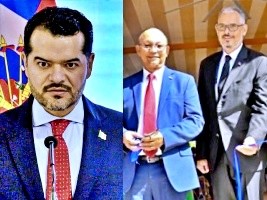
    The event, characterized by both solemn reflection and warm conviviality, assembled high-ranking officials from both nations. Prime Minister Alix Didier Fils-Aimé led the Haitian delegation alongside Presidential Transition Advisor Leslie Voltaire and Foreign Affairs Minister Jean-Victor Harvel Jean-Baptiste. The Mexican contingent was headed by Ambassador José de Jesús Cisneros Chávez, with Haitian Ambassador to Mexico Hubert Labbé also in attendance alongside numerous diplomatic corps representatives.

    The ceremony featured the inauguration of a historical exhibition showcasing archival photographs and documents chronicling nearly two centuries of bilateral cooperation. Prime Minister Fils-Aimé personally participated in the ribbon-cutting ceremony that unveiled this visual narrative of international friendship.

    During the proceedings, Haitian officials reaffirmed their government’s unwavering commitment to strengthening bilateral ties with Mexico across multiple strategic sectors. The partnership prioritizes collaborative initiatives in healthcare, education, national defense, security enhancement, and agricultural development – all oriented toward sustainable development and mutual prosperity.

    Presidential Advisor Voltaire delivered an address highlighting the exemplary nature of Haitian-Mexican relations, noting their foundation in shared historical struggles for freedom and independence. He referenced Haiti’s early support for Latin American independence movements as one of history’s first instances of South-South cooperation.

    Voltaire further emphasized Mexico’s substantial contributions to Haitian development through educational scholarship programs, cultural exchanges, and technical cooperation projects. He characterized Mexico as an indispensable strategic partner in Haiti’s ongoing reconstruction and sustainable development efforts, underscoring the relationship’s evolution from historical solidarity to contemporary partnership.

  • PM Drew tables EC$1 billion budget addressing government priorities for 2026

    PM Drew tables EC$1 billion budget addressing government priorities for 2026

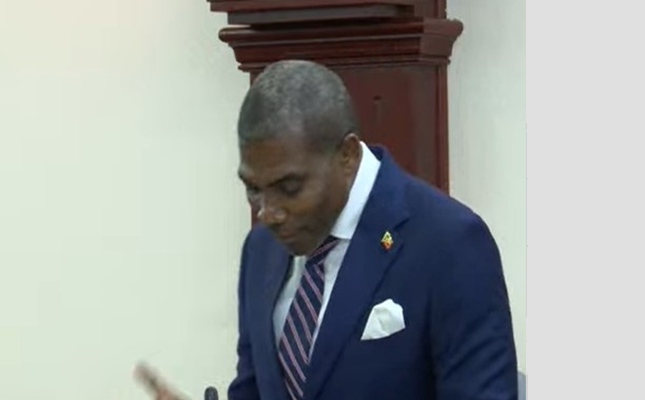
    In a comprehensive parliamentary address spanning nearly five hours on December 16, 2025, Prime Minister Dr. Terrance Drew presented a transformative EC$1.07 billion national budget for the 2026 fiscal year. The financial blueprint outlines a strategic shift away from dependency on the Citizenship by Investment Programme while addressing critical national priorities including healthcare enhancement, economic expansion, crime reduction, infrastructure modernization, and cost-of-living mitigation measures.

    The budget framework establishes a three-year fiscal strategy emphasizing strengthened public financial management, increased governmental transparency, and improved service delivery mechanisms. Dr. Drew highlighted the necessity of this approach given current economic challenges, particularly declining CBI revenues that have traditionally served as the Federation’s primary economic pillar.

    Financial projections indicate total revenue and grants for 2026 are estimated at $894.8 million, with recurrent revenue expected to reach $855.7 million. The government anticipates recurrent expenditure of $879.8 million for 2026, alongside capital expenditure and net lending projected at $167.2 million. Medium-term forecasts suggest revenue growth to $899.1 million with average annual expenditure of $892.4 million for 2027-2028.

    The budget addresses the 2025 fiscal deficit, where government expenditure reached $1.04 billion (35.6% of GDP) against revenues of $732.7 million. Public debt is projected to rise to $1.7 billion by year-end 2025, underscoring the need for fiscal reforms.

    Notably, the Prime Minister announced that public servants will receive traditional double salary payments, while government officials and their advisers will be excluded from this benefit. The administration has committed to implementing tax policy reforms designed to create a more equitable and modernized tax system supported by enhanced compliance measures.

  • Economy : Strategic priorities of the Ministry of Commerce and Industry (video)

    Economy : Strategic priorities of the Ministry of Commerce and Industry (video)

    In a significant development for Haiti’s economic landscape, Commerce and Industry Minister James Monazard unveiled an ambitious portfolio of strategic priorities during the 31st edition of Tuesdays of the Nation on December 16, 2025. The presentation, hosted at the Prime Minister’s Office, detailed comprehensive programs, reforms, and structural projects designed to stimulate national economic growth.

    The ministry’s forward-looking agenda includes the implementation of a digital Professional Identity Card (CIP) application platform, representing a significant step toward modernizing Haiti’s professional documentation system. Minister Monazard provided particularly encouraging updates regarding the HOPE/HELP legislation renewal, indicating that the process is nearing completion with only one final procedural step remaining within the U.S. Congressional framework. The unanimous endorsement by a Congressional Commission signals strong bilateral support, with implementation expected imminently barring unexpected complications.

    Entrepreneurship development features prominently in the ministry’s strategy, with both the Youth Entrepreneurship Support Program (PAPEJ) and Women’s Entrepreneurship Support Project (PAEF) demonstrating measurable progress. Financial backing has already been secured for two of the ministry’s fourteen active initiatives during the initial quarter of the 2025-2026 fiscal year. The PAEF initiative has successfully launched its second cohort, while PAPEJ continues to advance according to established benchmarks.

    The Integrated Business Development Program (PIDE) constitutes another cornerstone of the economic strategy, focusing support on local and regional ventures across critical sectors including agro-industry, manufacturing, and biotechnology. Special emphasis is being placed on revitalizing traditional industries such as sewing and shoemaking through targeted strengthening initiatives.

    A distinctive regional development approach is being implemented with particular concentration on the Great North and Great South regions, where the majority of program beneficiaries will be selected. This geographical focus aligns with Minister Monazard’s vision of decentralizing economic activity and promoting balanced regional development throughout Haiti.

  • Punta Cana International Airport set for busiest year ever in 2025

    Punta Cana International Airport set for busiest year ever in 2025

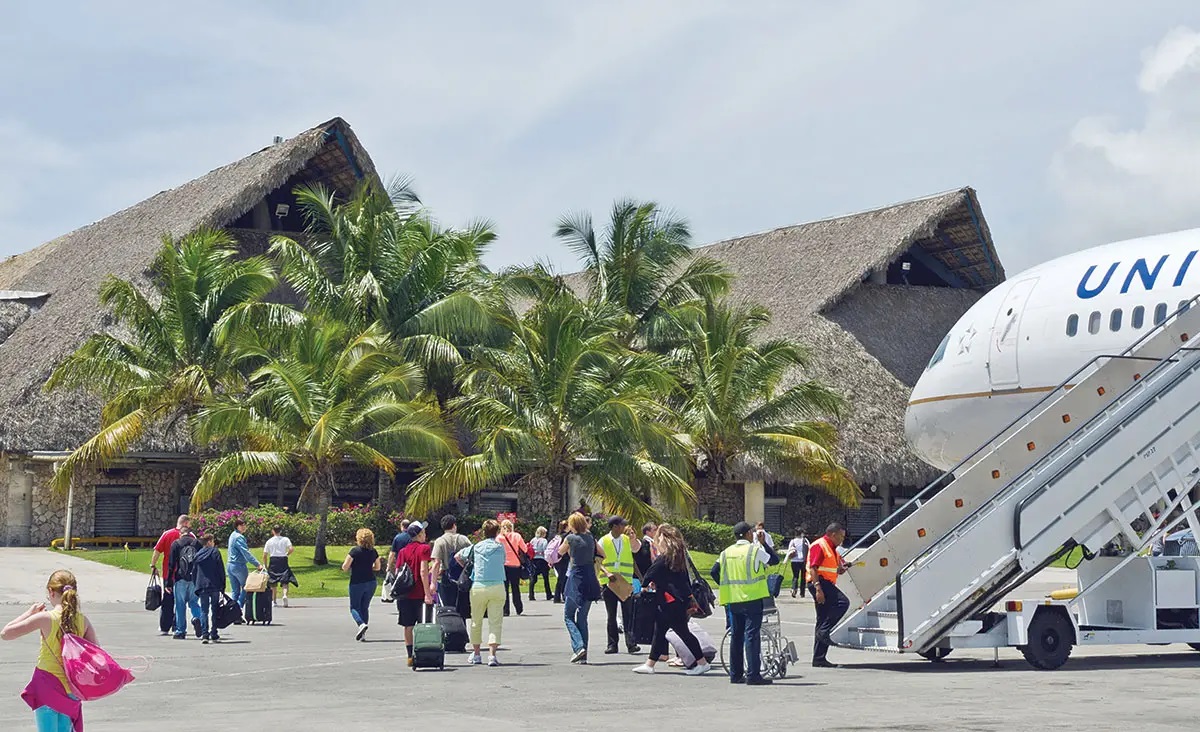
    PUNTA CANA – Aviation authorities at Punta Cana International Airport (PUJ) project that 2025 will become the most active period in the facility’s operational history, with unprecedented levels of passenger movement and flight activities anticipated.

    Giovanni Rainieri, Director of Airside Operations, indicated that December 2025 is expected to be the peak month, concentrating the highest volume of daily passenger and flight operations. Data shared with N Digital reveals that over one million passengers holding confirmed tickets are projected to transit through the terminal by December 31, 2025, cementing PUJ’s status as the Dominican Republic’s primary aviation gateway.

    A new single-day passenger record is forecast for December 29, with approximately 51,000 travelers expected across 155 flights—surpassing the previous milestone of 50,000 passengers. During the week spanning December 24 to December 31, airport officials anticipate processing around 300,000 passengers, including 245,000 international arrivals. Simultaneously, weekly flight operations are predicted to reach an all-time high of 850 inbound and outbound movements, exceeding the prior record of 786.

    Average daily passenger traffic is projected to rise significantly in the latter half of December, exceeding 40,000 travelers per day—a notable increase from the 30,000 daily passengers recorded in the first two weeks of the month. This substantial surge has necessitated expanded staffing and enhanced security protocols.

    To accommodate the increased operational load, multiple national agencies have amplified their presence at the airport. These include the National Drug Control Directorate (DNCD), the General Directorate of Migration, the Specialized Airport and Civil Aviation Security Corps (CESAC), and the Dominican Institute of Civil Aviation (IDAC).

  • FLASH : Citizens of 34 countries affected by total or partial restrictions on entering the USA

    FLASH : Citizens of 34 countries affected by total or partial restrictions on entering the USA

    In a significant expansion of immigration restrictions, the Trump administration has enacted sweeping travel limitations affecting citizens from 34 countries through executive action. The updated policy, implemented on December 16, 2025, introduces a comprehensive framework of entry prohibitions targeting specific nations based on security assessments and diplomatic considerations.

    The revised travel ban now imposes complete entry restrictions on nationals from 19 countries, including seven newly added nations: Burkina Faso, Laos, Mali, Niger, Sierra Leone, South Sudan, and Syria. This expansion builds upon existing restrictions initially implemented in June 2025, which previously targeted 12 countries including Afghanistan, Myanmar, Chad, the Republic of Congo, Equatorial Guinea, Eritrea, Haiti, Iran, Libya, Somalia, Sudan, and Yemen.

    Additionally, the executive order establishes partial travel restrictions for citizens of 15 countries: Angola, Antigua and Barbuda, Benin, Ivory Coast, Dominica, Gabon, Gambia, Malawi, Mauritania, Nigeria, Senegal, Tanzania, Tonga, Zambia, and Zimbabwe. These partial restrictions vary in scope and application based on visa categories and specific circumstances.

    Notably, the policy also prohibits entry to individuals holding travel documentation issued or endorsed by the Palestinian Authority, reflecting broader diplomatic considerations in the administration’s immigration framework.

    The expanded restrictions represent the most comprehensive travel ban implemented during President Trump’s administration, significantly altering entry protocols for affected nationals and generating substantial implications for international travel, diplomatic relations, and global mobility patterns. The policy continues to prioritize national security concerns while reshaping America’s immigration landscape through executive authority.

  • Israeli Embassy recognizes Dominican institutions for security cooperation

    Israeli Embassy recognizes Dominican institutions for security cooperation

    SANTO DOMINGO – In a significant diplomatic gesture, the Israeli Embassy in the Dominican Republic hosted a formal awards ceremony this Tuesday to honor multiple Dominican security institutions for their outstanding collaboration in protection operations. The event, organized by the embassy’s Security Division, brought together representatives from various branches of the Dominican security apparatus that have demonstrated exceptional commitment to safeguarding Israeli diplomatic interests.

    Israeli Ambassador Raslan Abu Rukun addressed attendees, emphasizing the critical nature of international security partnerships amid growing global security challenges. “The professionalism and unwavering dedication of Dominican authorities have been instrumental in maintaining the security of our diplomatic mission,” Ambassador Rukun stated, expressing profound appreciation for the collaborative efforts.

    The Embassy’s Head of Security provided additional context, noting that the coordinated response mechanisms and rapid intervention capabilities of Dominican institutions have created an effective protective shield against potential threats. This security partnership, he emphasized, transcends routine protocol and represents a deeper mutual commitment to protecting lives and maintaining stability.

    Distinguished units receiving recognition included the Ministry of Defense, National Intelligence Directorate, National Police, National Drug Control Directorate, Dominican Army, CESAC, and several specialized tactical units. The ceremony highlighted specific instances of successful cooperation that have enhanced security protocols for the diplomatic mission.

    The Israeli Embassy formally reaffirmed its commitment to expanding security coordination with the Dominican Republic, noting that such cooperation not only ensures physical protection but also strengthens the foundational bonds between the two nations. This bilateral security arrangement represents a model of international partnership that benefits both countries’ strategic interests while fostering greater diplomatic trust and operational synergy.

  • Dominica and Antigua added to U.S. entry restrictions under Trump proclamation

    Dominica and Antigua added to U.S. entry restrictions under Trump proclamation

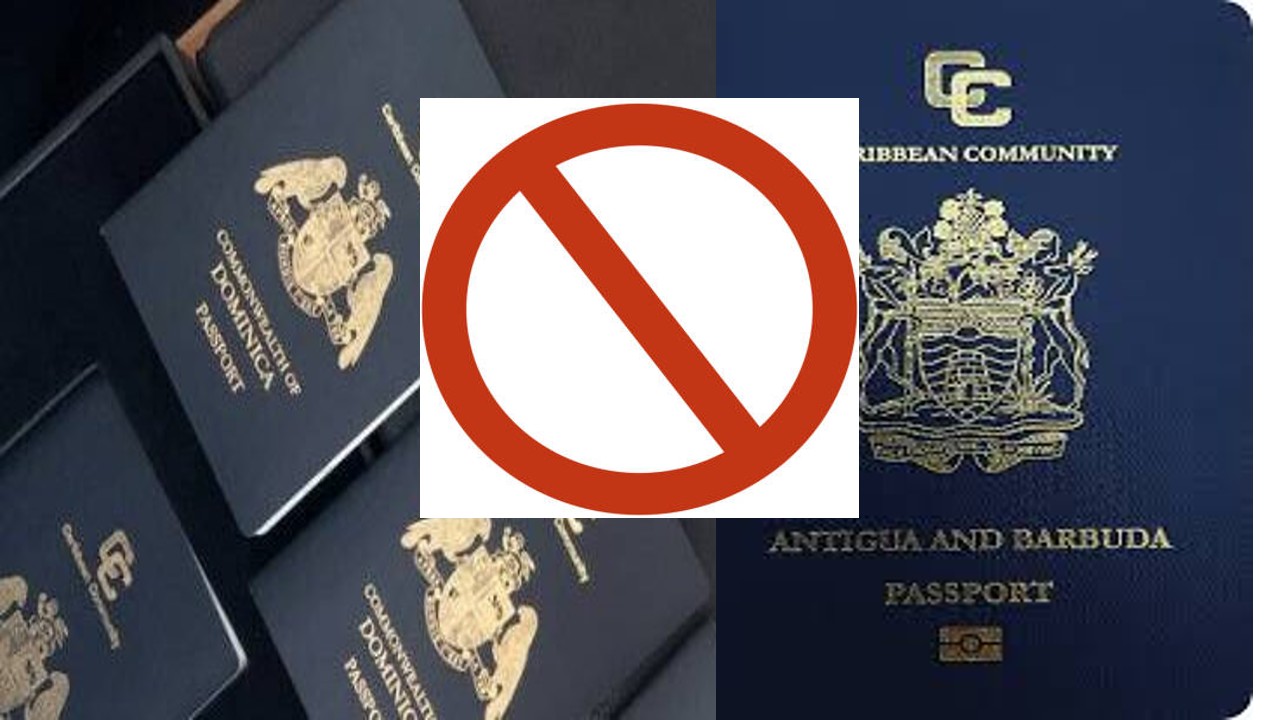
    The United States has significantly expanded its travel restriction policies targeting several Caribbean nations, citing substantial national security vulnerabilities. President Donald Trump’s December 16th proclamation adds Dominica and Antigua and Barbuda to existing entry limitations previously imposed on Haiti and Cuba.

    The executive order specifically identifies weaknesses in foreign identity-management systems as creating unacceptable risks for American security agencies. According to the document, these deficiencies severely hinder the U.S. government’s ability to conduct thorough vetting procedures for travelers seeking entry into the country.

    Haiti continues to face comprehensive entry suspensions covering both immigrant and nonimmigrant travel categories. Cuba maintains its partial restrictions across similar visa classifications. The newly designated nations—Antigua and Barbuda and Dominica—now face specific limitations that bar their nationals from entering the United States as immigrants or on B-1, B-2, B-1/B-2, F, M, and J visas.

    A central concern highlighted in the proclamation involves Citizenship-by-Investment (CBI) programs operated by both newly added countries. These initiatives permit individuals to obtain citizenship through financial investment without establishing residency, creating potential pathways for citizens from restricted countries to acquire new passports and apply for U.S. visas under different nationalities.

    U.S. law enforcement and State Department assessments have historically identified CBI programs as vulnerable to exploitation, including identity concealment, asset hiding, and circumvention of existing travel and financial restrictions.

    Notably exempt from the restrictions are lawful permanent residents, dual nationals traveling on passports from non-designated countries, specific diplomatic and official visa categories, and individuals attending major international sporting events. Refugees and asylees already within the United States also remain exempt, with the proclamation explicitly preserving rights to seek humanitarian protections under U.S. law.

    The restrictions will become effective at 12:01 a.m. EST on January 1, 2026, with mandatory reviews scheduled every 180 days to assess whether measures should be continued, modified, or terminated. The U.S. government will concurrently engage with affected nations to improve screening, vetting, and information-sharing protocols.

  • US President bans and restricts entry of nationals from three Caribbean countries

    US President bans and restricts entry of nationals from three Caribbean countries

    In a significant immigration policy move, the Trump administration has announced stringent entry restrictions targeting nationals from three Caribbean Community (CARICOM) member states. Effective January 1, 2026, citizens of Antigua and Barbuda, Dominica, and Haiti will face either complete bans or limited access to the United States.

    President Donald Trump justified these measures as essential for national security, citing inadequate screening protocols and information-sharing deficiencies in these nations. The policy represents an extension of travel restrictions initially implemented during his first term, which were subsequently upheld by the Supreme Court.

    The administration specifically highlighted concerns regarding Citizenship by Investment (CBI) programs offered by Antigua and Barbuda and Dominica. These initiatives grant citizenship to foreign investors without requiring residency, creating potential security vulnerabilities according to U.S. officials. Trump’s executive order noted that such programs could enable individuals from already restricted countries to obtain secondary citizenship and bypass existing travel bans.

    Under the new regulations, consular officers will substantially reduce visa validity periods for nationals of these Caribbean nations to the maximum extent permitted by law. The restrictions apply comprehensively to both immigrant and nonimmigrant visas, including B-1, B-2, B-1/B-2, F, M, and J categories.

    The policy expansion also affects several additional countries beyond the Caribbean region. Afghanistan, Burma, Chad, Republic of the Congo, Equatorial Guinea, Eritrea, Iran, Libya, Somalia, Sudan, and Yemen will face complete entry restrictions. Meanwhile, Angola, Benin, Côte d’Ivoire, Gabon, The Gambia, Malawi, Mauritania, Nigeria, Senegal, Tanzania, Tonga, Zambia, and Zimbabwe will encounter partial limitations.

    The administration emphasized that these measures result from unsuccessful diplomatic engagements aimed at improving information-sharing practices and security protocols with the affected nations.

  • Agro-chemicals from Guyana allegedly smuggled into Suriname

    Agro-chemicals from Guyana allegedly smuggled into Suriname

    Surinamese authorities have apprehended a 63-year-old businessman identified by initials J.P. in connection with an illicit cross-border agro-chemical smuggling operation. The arrest occurred Monday at a storage facility on Ramawat Soechitweg in western Suriname following actionable intelligence received by local law enforcement.

    Police surveillance operations led to the discovery of ten containers of unauthorized herbicides concealed within a truck bed at the specified location. According to official statements from the Suriname Police Corps, the suspect confessed to transporting the regulated substances from neighboring Guyana utilizing unauthorized border crossing points known locally as ‘back track’ routes.

    Investigations reveal the detained individual intended to distribute the contraband chemicals through his agricultural supply retail establishment. Law enforcement officials have impounded both the chemical shipments and the transportation vehicle used in the operation.

    Following judicial review, the suspect remains in pretrial detention pending completion of the criminal investigation. This incident marks the second major smuggling case between the two South American nations within recent weeks, following last month’s interception of illegally transported fuel from Guyana destined for unauthorized sale in Suriname.

    The case highlights ongoing challenges in border security coordination between Suriname and Guyana, particularly regarding regulated agricultural materials that require proper certification and taxation for cross-border commerce.