作者: admin

  • Danilo Medina and U.S. Ambassador hold meeting on Dominican political situation

    Danilo Medina and U.S. Ambassador hold meeting on Dominican political situation

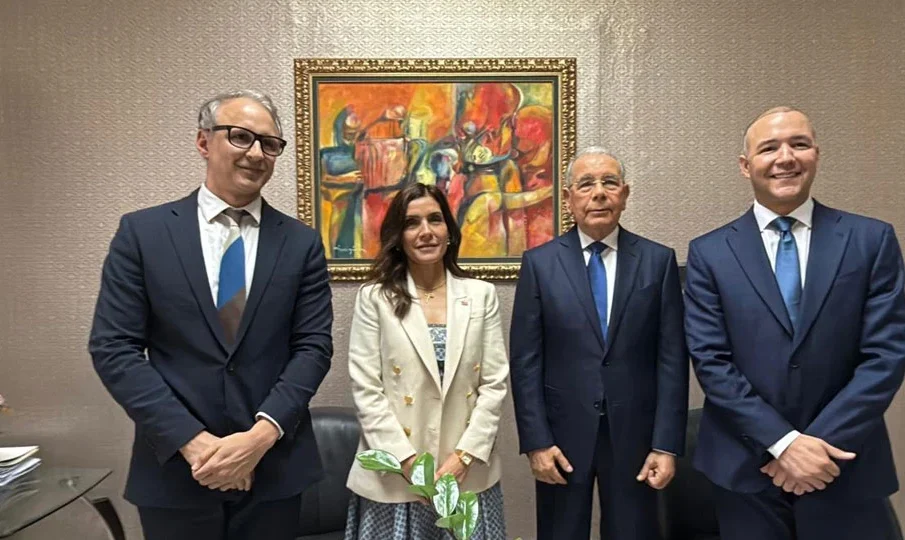
    In a significant diplomatic engagement, former Dominican Republic President Danilo Medina convened with United States Ambassador Leah Francis Campos to address the nation’s current political landscape and reinforce democratic governance frameworks. The high-level discussion unfolded at the Santo Domingo headquarters of the Dominican Liberation Party (PLD), marking a pivotal moment in bilateral political relations.

    The extended two-hour dialogue featured comprehensive exchanges regarding institutional strengthening and democratic values, with Ambassador Campos being accompanied by senior embassy officials while Medina was joined by PLD Secretary General Johnny Pujols. This meeting represents the continuation of strategic efforts to enhance cooperation between Dominican political leadership and United States diplomatic channels.

    In a symbolic conclusion to the proceedings, the PLD delegation presented Ambassador Campos with a curated collection of literary works by Professor Juan Bosch, the party’s founding intellectual and former Dominican president. This gesture underscored the cultural and historical dimensions of the bilateral relationship while emphasizing shared democratic principles.
  • Message from the CARICOM Reparations Commission International Day of Remembrance of the Victims of Slavery and the Trans-Atlantic Slave Trade

    Message from the CARICOM Reparations Commission International Day of Remembrance of the Victims of Slavery and the Trans-Atlantic Slave Trade

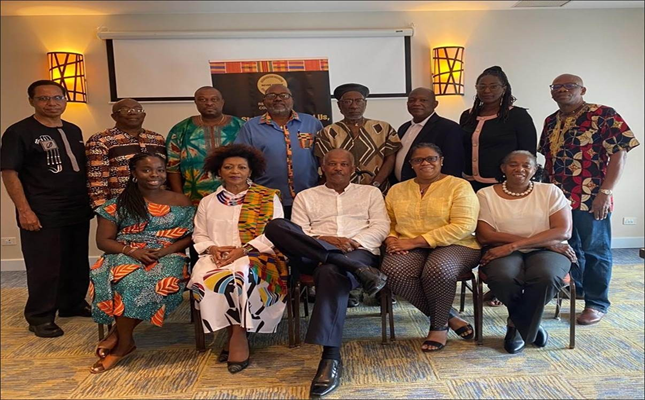
    On the occasion of the International Day of Remembrance of the Victims of Slavery and the Trans-Atlantic Slave Trade, the CARICOM Reparations Commission has issued a powerful declaration demanding comprehensive reparatory justice. The Commission commemorated the approximately 15 million African men, women, and children who suffered through the brutalities of chattel enslavement across the Americas for more than three centuries.

    The statement acknowledged both the profound trauma inflicted through the Middle Passage and the systematic denial of basic humanity, while simultaneously honoring the courageous resistance and relentless defiance demonstrated by enslaved peoples against European-dominated racial oppression. This resistance ultimately contributed to ending one of history’s most extensive human rights violations.

    The Commission emphasized that the CARICOM Ten Point Plan for Reparations provides a strategic framework for addressing historical injustices through concrete measures. These include calls for formal restitution, comprehensive compensation programs, and the implementation of sustained initiatives to dismantle persistent structural and institutional racism rooted in colonial legacies.

    A significant development highlighted in the declaration is the African Union’s designation of 2026-2035 as the Decade for Reparations, which represents a historic commitment to strengthening global reparations movements. This initiative establishes a platform for enhanced collaboration between African nations, Caribbean communities, and the broader African diaspora in pursuing unified reparatory justice.

    The Commission characterized the transatlantic slave trade as a carefully orchestrated crime against humanity that systematically fueled European economic development while deliberately underdeveloping African and Caribbean regions. The enduring consequences of these exploitative systems continue to shape contemporary global inequalities.

    As the reparatory justice movement reaches a critical juncture, the Commission reaffirmed its commitment to ongoing advocacy, diplomatic engagement, and public education initiatives. The statement concluded with a compelling appeal to the international community to recognize that achieving justice for victims of African enslavement constitutes a fundamental advancement of universal human rights.

  • Clare Hall Health Center Promotes HPV Awareness in St. John’s

    Clare Hall Health Center Promotes HPV Awareness in St. John’s

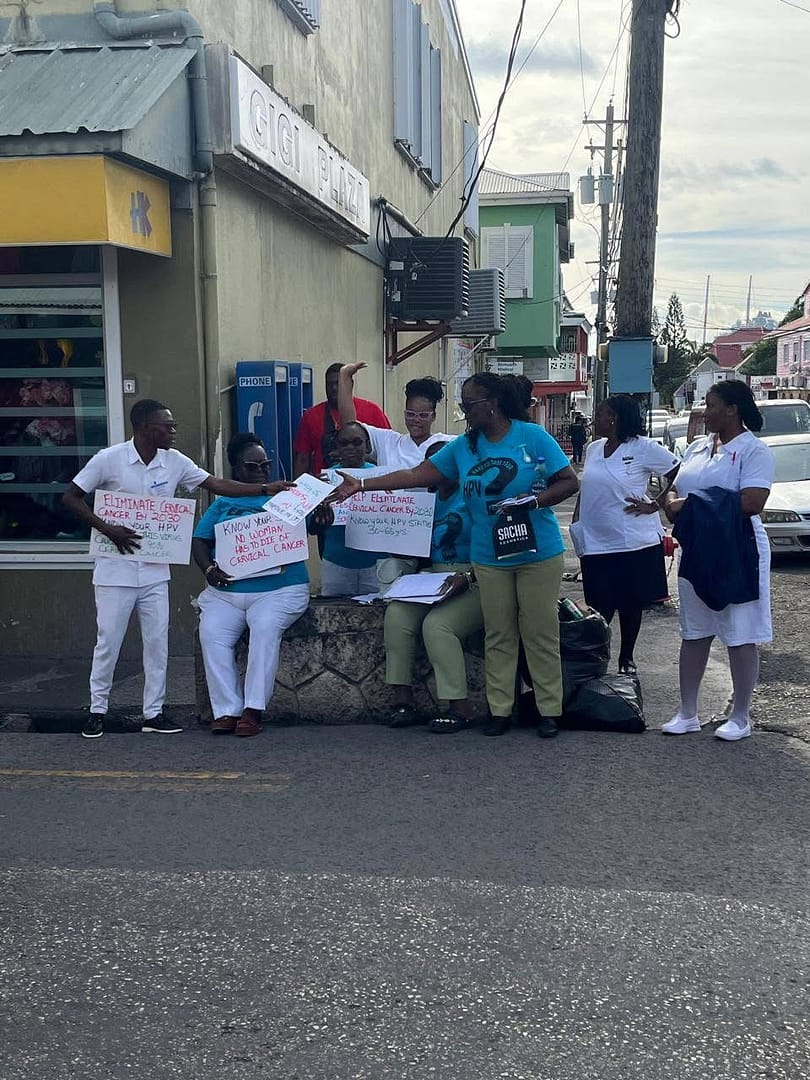
    In a proactive public health campaign, medical professionals from Clare Hall Health Center recently mobilized across St. John’s to raise critical awareness about Human Papillomavirus (HPV). The initiative featured an urban outreach where healthcare workers distributed educational materials and initiated conversations with citizens about HPV’s role in cervical cancer development, prevention strategies, and the lifesaving potential of early detection.

    Nurse Gretcene Quallis, speaking at the event, clarified a common medical misconception by delineating the distinct purposes of HPV screening and Pap smear tests. “Whereas a Pap smear identifies existing cancerous or precancerous cervical changes,” she stated, “HPV screening detects the presence of the virus itself—often long before symptoms emerge. Many individuals can harbor HPV asymptomatically for a decade or more, making early viral detection paramount.”

    Health authorities recommend routine HPV screening for adults aged 30 to 65, with negative results warranting rechecks every five years. Positive detections of high-risk strains necessitate further diagnostic procedures, including Pap smears, to assess potential cellular abnormalities.

    Nurse Quallis also underscored prevention through immunization, highlighting the free HPV vaccine available to all adolescents and young adults aged 9–26. The vaccine specifically targets HPV variants most frequently linked to cervical cancer.

    This educational campaign aligns with Antigua and Barbuda’s broader national strategy to eradicate cervical cancer through enhanced public knowledge, accessible vaccination, and systematic early screening programs.

  • ‘Patch’ gunned down

    ‘Patch’ gunned down

    In a development that intensifies concerns over organized crime violence, Rondell Adolphus, a quarry supervisor with known gang affiliations, was assassinated at a Matura resort just ten days after the killing of his employer, former state of emergency detainee Danny Guerra. The 34-year-old, also known as “Patch” or “Ponkie,” was shot multiple times late Monday night under circumstances mirroring the tactical precision of a professional hit.

    According to police reports, Adolphus had checked into Trini River Lime Resort alone approximately at 1 a.m. and was later joined by a female companion. The attack occurred when he exited his cabin to retrieve ice from a nearby machine. His companion reported hearing multiple gunshots before discovering Adolphus lying in a pool of blood. Despite emergency response efforts, he was pronounced dead before paramedics could arrive.

    Crime scene investigators recovered substantial ballistic evidence, including ten spent .223 shell casings, one live .223 round, and five spent 9mm shell casings, indicating the involvement of multiple firearms and potentially multiple assailants.

    Both Adolphus and Guerra had been previously detained under November 2022’s state of emergency measures pursuant to the Anti-Gang Act of 2021. Official detention orders identified Adolphus as a member of an Organized Crime Group involved in arms trafficking, money laundering, and illegal quarrying operations. The order specifically cited intelligence indicating the group’s plans to assassinate a government minister and escalate public violence using high-powered firearms.

    While police have not formally connected the two killings, investigators acknowledge both victims were linked to threats against Defense Minister Wayne Sturge. The minister has faced multiple security incidents since last year, including a July 29, 2022, attack where his convoy was ambushed with rocks in Wallerfield, and an August 9, 2022, incident where security details drew weapons on a suspicious vehicle approaching the minister’s car.

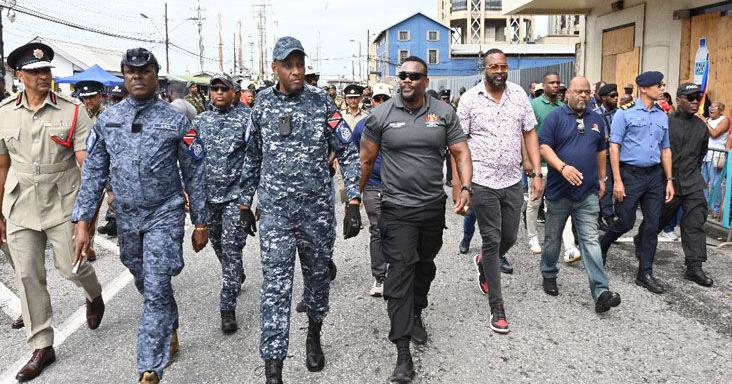
    The killings have generated widespread concern among those associated with Guerra’s operations, with several relatives avoiding his March 19 funeral due to safety fears. Homeland Security Minister Roger Alexander has publicly urged against speculation while appealing for credible information to assist ongoing investigations led by Region 2 Homicide investigators.

  • Six children lost during Carnival all reunited with parents

    Six children lost during Carnival all reunited with parents

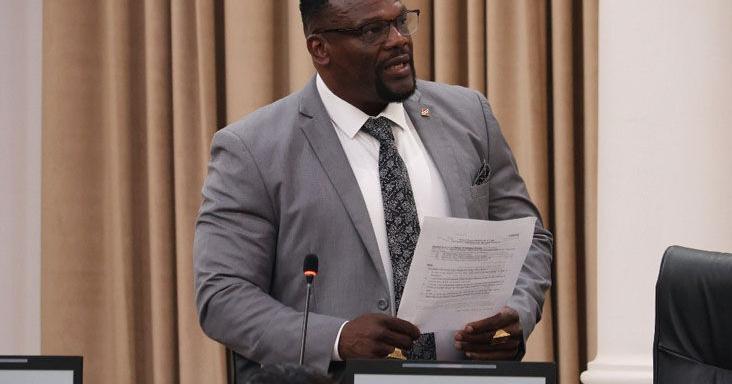
    Trinidad and Tobago’s national Carnival 2026 celebrations concluded with a perfect safety record regarding child protection incidents, according to official Senate testimony. Minister of Homeland Security Roger Alexander revealed that six children were formally reported as separated, lost, or missing during the festivities, with all successfully reunited with their families within approximately one hour of official police notification.

    The disclosure came in response to questioning from Independent Senator Dr. Desirée Murray during Tuesday’s Senate session, which sought detailed information about child safety protocols during mass public events. Minister Alexander elaborated on the sophisticated response framework that enabled these efficient reunifications, highlighting immediate officer engagement, supervisory notifications, coordinated search procedures, and secure temporary holding arrangements as key components.

    Notably, the minister confirmed that no formal psychosocial counseling services were required following these incidents, as all children were unified safely without reported injuries or trauma. The Trinidad and Tobago Police Service (TTPS) maintains comprehensive statistical records of such occurrences at both divisional and Operational Command Centre levels, enabling continuous monitoring and protocol refinement.

    Internal analysis identifies specific risk patterns: separation incidents occur most frequently during high-density crowd events, peak festive hours, and predominantly involve children under 12 years old. Minister Alexander emphasized the TTPS’s rigorous screening and vetting processes to ensure secure reunifications, operating under established protocols embedded within multiple regulatory frameworks including Public Order Policing Protocols, Carnival Operational Plans, and Child Protection Procedures developed in coordination with specialized social services agencies.

    These comprehensive measures undergo annual reviews as part of structured operational planning cycles for national events, with additional assessments triggered by any significant incidents requiring procedural adjustments.

  • CoP: Joshua probe  at ‘advanced stage’

    CoP: Joshua probe at ‘advanced stage’

    The Trinidad and Tobago Police Service (TTPS) has reached an advanced stage in its investigation into the controversial police-involved shooting that resulted in the death of Joshua Samaroo and left Kaia Sealy with paralysis injuries. Police Commissioner Allister Guevarro confirmed that investigative files are being prepared for submission to the Office of the Director of Public Prosecutions (DPP), pending only the final forensic report.

    Commissioner Guevarro, speaking during a televised interview with TV6, emphasized the thoroughness of the ongoing investigation and pledged public transparency once the process reaches completion. “The investigative file is now in a state of readiness for the TTPS to return to the Office of the Director of Public Prosecutions, Mr. Roger Gaspard,” Guevarro stated. “However, we are currently awaiting the final report from the Forensic Science Centre before submitting the complete file for further direction.”

    The January 20 incident, which was captured on viral video footage, shows police officers pursuing Samaroo and his wife before their vehicle crashed into a drain in St. Augustine. The subsequent shooting, which left Samaroo deceased and Sealy paralyzed, has sparked significant public outrage and intensified scrutiny regarding police use of force protocols.

    Multiple investigations are currently underway, with parallel probes being conducted by the Professional Standards Bureau and the Police Complaints Authority. The Commissioner’s previous decision not to suspend the involved officers—instead providing them with counseling—had drawn criticism from both the public and the Law Association of Trinidad and Tobago.

    In related developments, police authorities are monitoring circulating information about planned protests outside various police stations seeking justice for Samaroo and Sealy. Acting Assistant Commissioner of Police for the North West Division Garvin Henry confirmed that a promotional flier had come to police attention, listing over 15 police stations—including the Red House and Police Administration Building—as potential protest sites.

    Henry noted that thorough checks with relevant authorities revealed no official applications for protest permissions. “I have reached out to stations including those in the Western Division to determine whether any application has been made,” Henry stated, adding that no such permissions had been granted for protests allegedly scheduled for upcoming months.

    While acknowledging that the current state of emergency does not explicitly prohibit protest action, Henry emphasized that any demonstrations must follow proper procedures outlined in the Summary Offenses Act. The Act requires formal application, investigation, and final approval from the Commissioner of Police. Henry warned that unauthorized protests would be handled “in accordance with the law” to maintain public order and safety.

  • 19 arrested in schools in  3 months, says Alexander

    19 arrested in schools in 3 months, says Alexander

    Trinidad and Tobago’s Minister of Homeland Security, Roger Alexander, has declared the nation’s School-Oriented Policing Initiative a successful endeavor following the arrest and charging of 19 students for various offenses during its initial implementation phase from September to December 2025. The disclosure was made during a Senate session in response to an inquiry from Opposition Senator Melanie Roberts-Radgman.

    Launched as a cornerstone of the government’s broader security strategy, the program involves the strategic deployment of Trinidad and Tobago Police Service (TTPS) officers to educational institutions deemed ‘high risk.’ Minister Alexander emphasized that the primary objective is prevention and protection, creating a visible law enforcement presence to deter violence and ensure the prompt addressing of any threats to the safety of students and staff.

    According to official data provided to the Express newspaper, the charges brought against the 19 students included:
    – One count of assault with a weapon
    – Two counts of possession of a weapon
    – One combined charge of possession of a weapon and assault with a weapon
    – Five counts of marijuana possession
    – Three counts of possession of marijuana for the purpose of trafficking
    – One combined charge of trafficking marijuana and weapon possession
    – Two counts of robbery involving laptops
    – Two counts of assault by beating
    – Two counts encompassing obscene language, resisting arrest, and disorderly behavior

    In subsequent remarks, Minister Alexander positioned the initiative as a decisive break from the policies of the former administration, which he accused of allowing school violence to ‘flourish.’ He credited Prime Minister Kamla Persad-Bissessar with mandating the direct intervention of police within schools and the legal prosecution of violent students.

    Beyond enforcement, the Minister is advocating for a holistic approach to the root causes of student misconduct. Following visits to four schools in his Tunapuna constituency, Alexander reflected on the prevalence of students from single-parent households, sharing his own background to illustrate that one’s origins do not predetermined one’s future. However, he also issued a stern call for greater parental accountability, announcing his intention to bring legislation to Cabinet that would legally hold parents responsible for their children’s actions. He argued that behavior modeled at home is often replicated in schools, and that the state cannot be solely responsible for child-rearing.

  • Phillip apologises, donates ‘fine’

    Phillip apologises, donates ‘fine’

    A government official’s parking decision has ignited a national conversation about disability rights and accountability in Trinidad and Tobago. Phillip Alexander, a Minister in the Ministry of Housing, has publicly apologized and made a symbolic $2,000 donation after being photographed parking in a disabled parking spot at a Maraval SuperPharm on March 15.

    The incident, which quickly circulated on social media under the hashtag #ParkingSpotGate, showed Alexander’s vehicle occupying a space reserved for persons with disabilities. The minister initially claimed a security guard had directed him to park there, but later reconsidered his position.

    In a remarkable scene captured on video, Alexander returned to the exact parking spot where the violation occurred to make a public apology alongside representatives from the Trinidad and Tobago Chapter of Disabled Peoples International (TTCDPI). Standing with chairman Andre Herbert, a wheelchair user, and secretary Usha Rampersad, Alexander acknowledged his error without qualification.

    “Regardless of the situation and whatever those circumstances were that led me to park here, if I say it’s wrong, it’s wrong,” Alexander stated, referencing his longstanding advocacy for disability rights. The minister presented a cheque for $2,000 – the exact amount of the fine he could have received under the Motor Vehicles and Road Traffic Act.

    TTCDPI chairman Herbert accepted the apology while acknowledging Alexander’s historical support for disability causes, noting: “He’s been our voice even before he became a minister.”

    The incident has prompted broader institutional response. Temporary Opposition Senator Kyron James, who himself lives with arthrogryposis multiplex congenita (AMG), called for police to charge the minister during a Senate debate on a Comprehensive National Strategic Plan for Persons with Disabilities. James emphasized that designated parking spaces are not mere conveniences but essential accessibility tools that enable participation in everyday activities.

    The controversy has highlighted ongoing challenges in disability advocacy and the importance of consistent accountability, even for those who historically supported disability rights initiatives.

  • The UWI Five Islands Campus and T.A. Marryshow Community College Strengthen Regional Educational Ties

    The UWI Five Islands Campus and T.A. Marryshow Community College Strengthen Regional Educational Ties

    In a landmark move set to reshape the Caribbean educational landscape, The University of the West Indies (UWI) Five Islands Campus and T.A. Marryshow Community College (TAMCC) have formalized a comprehensive partnership agreement. This strategic alliance represents a significant advancement in regional academic cooperation, designed to create seamless educational pathways and enhance resource sharing between Grenada and Antigua’s premier institutions.

    The collaboration establishes an articulated framework allowing TAMCC graduates direct entry into specialized degree programs at UWI Five Islands, effectively eliminating academic transition barriers. The partnership extends beyond student mobility to include joint research initiatives, faculty exchange programs, and shared utilization of laboratory facilities and digital learning resources.

    This institutional synergy addresses critical regional challenges including educational accessibility, curriculum standardization, and the development of workforce-ready graduates equipped with 21st-century skills. By leveraging their combined academic strengths, the institutions aim to create a more integrated Eastern Caribbean educational ecosystem that promotes sustainable development and regional competitiveness.

    The initiative has garnered strong support from government education ministries and regional organizations, recognizing its potential to transform higher education delivery throughout the Organization of Eastern Caribbean States (OECS). This model of inter-institutional cooperation establishes a new benchmark for academic partnerships across the Caribbean basin, potentially inspiring similar collaborations throughout the region.

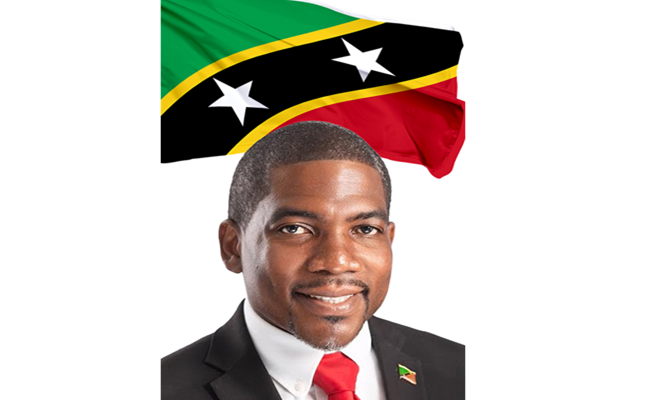
  • Statement from the Hon. Dr. Terrance Drew, CARICOM Chair and Prime Minister of St. Kitts and Nevis / reappointment of the Secretary-General of CARICOM

    Statement from the Hon. Dr. Terrance Drew, CARICOM Chair and Prime Minister of St. Kitts and Nevis / reappointment of the Secretary-General of CARICOM

    In a significant move ensuring regional leadership continuity, the Caribbean Community (CARICOM) has confirmed the reappointment of Dr. Carla Barnett as its Secretary-General for a second term. The decision was formally ratified during the Fiftieth Regular Meeting of the Conference of Heads of Government, convened from February 24-27, 2026, in St. Kitts and Nevis.

    The announcement was made public on March 25, 2026, by the Hon. Dr. Terrance Drew, Prime Minister of St. Kitts and Nevis and current CARICOM Chair. The reappointment received the required majority support from CARICOM Heads of Government, demonstrating strong regional consensus for Dr. Barnett’s continued stewardship.

    Dr. Barnett’s second term is scheduled to commence in August 2026, extending her leadership of the regional body that represents approximately sixteen million citizens across fifteen Member States and six Associate Members. CARICOM, established on July 4, 1973, through the Treaty of Chaguaramas (later revised in 2001), stands as one of the developing world’s most successful integration models.

    The organization operates through four fundamental pillars: economic integration, foreign policy coordination, human and social development, and security cooperation. The CARICOM Secretariat, the Community’s principal administrative organ headquartered in Georgetown, Guyana, facilitates these objectives under the Secretary-General’s leadership.

    CARICOM’s vision centers on creating an integrated, inclusive, and resilient Community driven by knowledge, excellence, innovation, and productivity. The organization strives to function as a unified competitive force globally while ensuring citizens’ security, guaranteed human rights, social justice, and shared prosperity across economic, social, and cultural dimensions.