作者: admin

  • AKTA announces plans for awarded grant, to strengthen ecosystem restoration and community livelihoods in Castle Bruce

    AKTA announces plans for awarded grant, to strengthen ecosystem restoration and community livelihoods in Castle Bruce

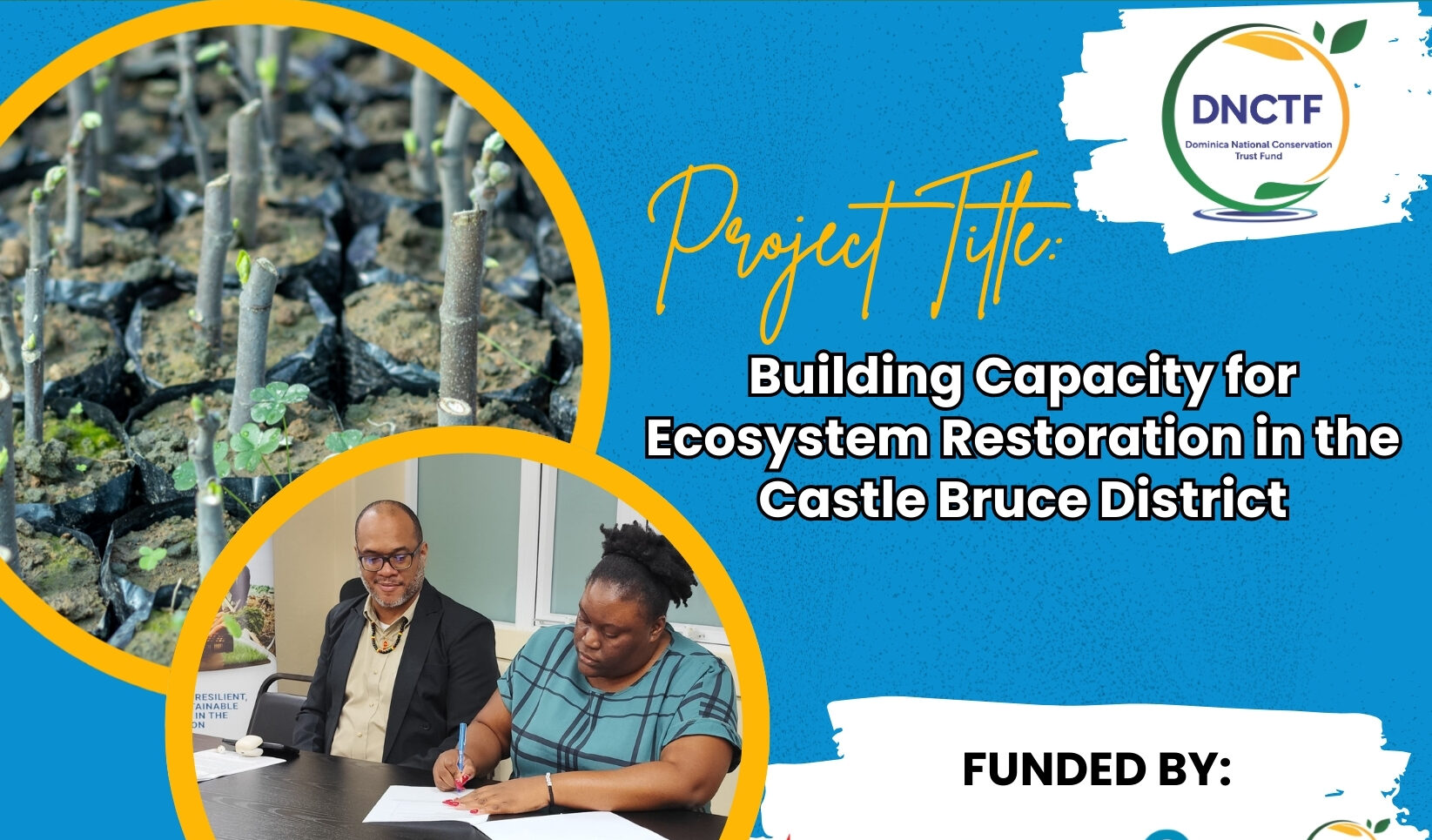
    The Anse Kouanari Tourism Association (AKTA) has unveiled comprehensive plans for a groundbreaking environmental initiative funded by the Dominica National Conservation Trust Fund. Titled “Building Capacity for Ecosystem Restoration in the Castle Bruce District,” the project represents a significant investment in community-led conservation efforts supported by multiple international partners including the Caribbean Biodiversity Fund, CUSO International, and the Government of Canada.

    This strategically located initiative targets the biodiverse yet vulnerable Castle Bruce District, situated adjacent to both the Kalinago Territory and the Morne Trois Pitons National Park. The region faces mounting environmental pressures including land degradation, climate change impacts, and diminishing native plant populations. The project directly addresses these challenges through a multi-faceted approach centered on ecological restoration and community empowerment.

    The comprehensive program encompasses four primary components scheduled to commence in the coming weeks. First, extensive training sessions will equip up to 25 participants—including local farmers, community residents, and agricultural students—with advanced skills in plant propagation techniques such as budding, grafting, and nursery management. Second, educational resources will be developed including a visually accessible pictorial guide documenting native, indigenous, and pollinator-friendly agroforestry species.

    Third, the establishment of three specialized nurseries will form the project’s productive backbone. These facilities will be managed by a woman farmer, the Castle Bruce Secondary School, and a local model farm, collectively producing hundreds of native plants for reforestation and soil stabilization. Fourth, a community-wide agroforestry planting initiative will be implemented with ongoing mentorship and monitoring systems to ensure long-term viability.

    Project organizers anticipate substantial environmental and socioeconomic benefits including enhanced pollinator habitats, improved soil stability, increased availability of native plant species, and strengthened community capacity in sustainable agriculture practices. The initiative also creates new livelihood opportunities in nursery management and agroforestry, building upon AKTA’s previous successful beekeeping programs to integrate apiculture with broader conservation objectives.

    AKTA will collaborate with key institutional partners including Dominica’s Ministry of Agriculture, Fisheries, Blue and Green Economy; the Forestry, Wildlife and Parks Division; the National Beekeepers Cooperative Society; and educational institutions. Project Manager Naomi Bannis-Sampson expressed gratitude for the funding, stating: “This enables us to grow knowledge, grow trees, and grow opportunities for communities across the Castle Bruce District,” highlighting the transformative potential of this community-driven conservation investment.

  • Vaktrainingen geven nieuwe kansen aan inwoners van Albina

    Vaktrainingen geven nieuwe kansen aan inwoners van Albina

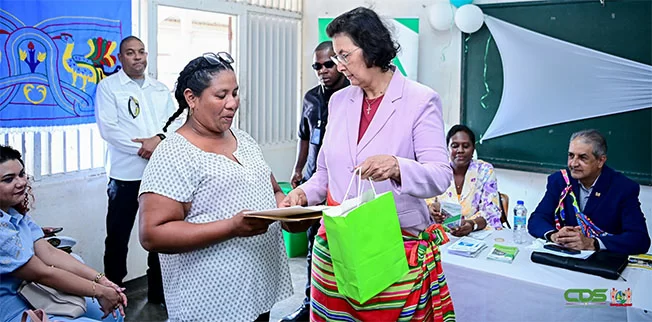
    Seventy-five residents of Albina, Suriname, have achieved a significant milestone toward economic self-sufficiency after completing nine months of intensive vocational training. The certificate awarding ceremony, held Tuesday at the VOJ-school in Albina, showcased the tangible outcomes of the “Wroko Fu Mek Moni” project, which equips participants with practical skills to generate independent income.

    The comprehensive training program covered diverse trades including textile crafts, electrical and home installation, assistant hairdressing and barbering, and assistant construction works. This initiative is implemented by the Labor Mobilization and Development Foundation (SAO), an operational arm of the Ministry of Health, Welfare, and Labor (VWA), specifically targeting the enhancement of self-reliance and employment prospects in district communities.

    President Jennifer Simons, who attended the closing ceremony, expressed strong appreciation for the project’s concrete achievements. Female participants presented self-made clothing items, while other graduates demonstrated their skills by repairing the school’s entrance gate and constructing a collection basin. The Head of State emphasized that investing in vocational skills directly contributes to production capabilities and income generation opportunities.

    Simons highlighted that while Suriname’s developing oil and gas sector presents new economic opportunities, it remains essential for citizens to acquire relevant skills to provide services within and around this industry. “During this government term, we aim to transition people from poverty to welfare through production. This requires craftsmanship and creativity,” she stated. The President encouraged graduates to further develop their acquired knowledge and announced that the Foundation for Productive Work Units will provide additional entrepreneurial training for those interested in starting businesses.

    Along with their certificates, all successful participants received starter kits containing essential tools to practice their trades immediately. VWA Vice Minister Raj Jadnanansing urged graduates to become project ambassadors who motivate others to enroll. He also announced that VWA and SAO will soon organize awareness campaigns in Albina and surrounding areas, focusing on educating youth about the dangers of drug and alcohol abuse.

    District Commissioner Marvin Vyent of Northeast Marowijne emphasized the importance of such training programs for young people, noting that the district holds significant potential particularly in hospitality, while vocational training creates broader professional opportunities for both employment and self-employment.

    SAO Director Joyce Lapar described the graduation as a milestone achievement, noting that for some participants, this marked the first formal certificate they had ever earned. She expressed gratitude to the business community, National Army, school administration, and the President for their support, stating: “Your presence underscores the importance of vocational training, capacity building, and SAO’s role in this process. We greatly appreciate this recognition.”

  • Car crashes into tree on Friars Hill Road

    Car crashes into tree on Friars Hill Road

    Authorities are conducting a thorough investigation into a vehicular incident that occurred on Friars Hill Road near the ABS area, where a Suzuki Ignis departed from the roadway and collided with a tree. The vehicle sustained significant damage to its frontal structure during the impact.

    Remarkably, the solitary driver emerged from the collision completely unscathed, requiring no medical intervention despite the substantial damage to the vehicle. Preliminary assessments from law enforcement indicate the automobile veered off the traveling lane prior to making contact with the tree, though the precise circumstances leading to the deviation remain undetermined as the inquiry continues.

    This incident marks the second collision at this specific location within a remarkably short timeframe of just over thirty days, raising questions about potential road safety issues in this particular stretch of Friars Hill Road. Traffic division officials are examining multiple factors including road conditions, visibility, and driver behavior that might contribute to repeated incidents at this site.

  • Failure to comply with PAC summons can amount to contempt of Parliament

    Failure to comply with PAC summons can amount to contempt of Parliament

    Grenada’s Public Accounts Committee (PAC) Chairman Emmalin Pierre has issued a stern warning that public officials failing to comply with parliamentary summonses will face serious consequences for breaching parliamentary authority. The declaration came during an awareness seminar held on December 16, 2025, attended by audit department officials and statutory body directors.

    Pierre emphasized that non-compliance with lawful summonses or document requests constitutes a serious violation not just against the committee but against the Parliament of Grenada itself. The opposition leader, who assumed her position in February 2025, stressed that the PAC’s fundamental duty involves safeguarding the Audit Department’s independence while ensuring it receives adequate resources to fulfill its mandate.

    The recently conducted seminar aimed to clarify institutional roles, minimize misunderstandings, and foster collaborative relationships rather than confrontational dynamics. This initiative followed PAC members’ participation in specialized training at the UK Parliament in July 2025, demonstrating the committee’s commitment to international best practices in governmental oversight.

    Pierre articulated that effective oversight of public funds requires practical implementation beyond theoretical frameworks, necessitating professional and respectful relationships that preserve the Auditor General’s autonomy. She urged participants to view PAC recommendations as improvement tools rather than criticism, emphasizing the critical importance of timely information sharing and constructive responses to audit findings.

    The committee’s work ultimately centers on maintaining public trust, with Pierre noting that citizens directly experience the consequences of weak accountability systems. Strong oversight mechanisms, she argued, build democratic confidence and enhance service delivery effectiveness across government institutions.

    The PAC comprises cross-parliamentary representation including Kate Lewis-Peters and Dr. Clarice Modeste from the Lower House, alongside Salim Rahaman and Roderick St Clair from the Upper House, forming a five-member body dedicated to financial accountability and governance oversight.

  • Concrete Truck Accident on Buckley’s Line

    Concrete Truck Accident on Buckley’s Line

    Emergency services were dispatched to Buckley’s Line following a significant traffic incident involving a heavy-duty concrete transport vehicle and a critical utility structure. The collision, which occurred earlier today, resulted in substantial damage to an electrical pole, raising immediate concerns for public safety and potential service disruptions in the surrounding area.

    Preliminary reports from first responders indicate the specialized commercial vehicle, carrying a full load of ready-mix concrete, veered off course and made direct impact with the power infrastructure. The force of the impact caused visible structural compromise to the pole, though the full extent of the damage to both the vehicle and electrical systems remains under assessment by authorities.

    Utility crews from the local power provider were quickly on scene to evaluate the integrity of the electrical infrastructure and initiate necessary repairs. Traffic management units implemented temporary diversions to facilitate emergency response operations and ensure the safety of motorists while cleanup and investigation procedures continued.

    No injuries have been reported at this time, though the incident serves as a stark reminder of the potential hazards associated with heavy vehicle operations in areas with above-ground utility installations. An official investigation into the precise circumstances leading to the collision has been initiated by relevant transportation authorities.

  • Cuba strengthens programs on agriculture

    Cuba strengthens programs on agriculture

    Havana witnessed a significant gathering of agricultural experts, community representatives, and academic professionals this Wednesday for a specialized workshop on tropical agriculture development. The event, organized by the Alejandro de Humboldt Institute of Fundamental Research in Tropical Agriculture (INIFAT) in partnership with the International Committee for the Development of Peoples (CISP), focused on preserving and leveraging Cuba’s rich agricultural heritage.

    The workshop formed part of the broader initiative ‘Conservation and dissemination of scientific knowledge and results of basic research in tropical agriculture.’ Participants discussed strategies for enhancing the scientific and historical collections maintained by INIFAT, particularly those housed in the institution’s archives and library in Santiago de Las Vegas.

    A key component of the project involves the integration of renewable energy solutions through the ‘Green Line, Renewable Energy Communities and Food Security’ project in Pinar del Río, funded by the Italian Agency for Development Cooperation (AICS). This energy aspect complements the broader objectives of sustainable agricultural development.

    The diverse attendance included not only INIFAT managers and specialists but also officials from the Agro-Forestry Business Group (GAF) and students from the Information Sciences program at the University of Havana’s Faculty of Communication.

    Central to the discussions was the announcement of several progressive programs designed to modernize Cuban agriculture. These initiatives include the comprehensive digitization of Cuba’s agricultural documentary heritage, improvements to material conditions in agricultural research facilities, enhanced training programs to strengthen staff capabilities, and the development of new information services to support academic and scientific applications.

  • OP-ED: Immigration restrictions on nationals from Antigua and Barbuda and Dominica – An analysis of crime rates, CBI program security, and ethical considerations

    OP-ED: Immigration restrictions on nationals from Antigua and Barbuda and Dominica – An analysis of crime rates, CBI program security, and ethical considerations

    A recent policy proclamation by the United States government imposing entry restrictions on nationals from Antigua and Barbuda and Dominica has sparked significant debate regarding its empirical foundation and ethical implications. Issued on December 16, 2025, and justified on national security grounds, this measure faces mounting scrutiny from immigration experts and ethicists alike.

    Extensive criminological research demonstrates that immigrants from Caribbean nations consistently exhibit lower crime rates than native-born U.S. citizens. Comprehensive studies reveal immigrant incarceration rates significantly below those of U.S.-born individuals, with undocumented immigrants showing conviction rates 26–61% lower for serious crimes including homicide. While specific data on Antiguan and Dominican nationals is limited due to small diaspora populations, aggregated Caribbean immigrant statistics align with these broader trends, showing substantially lower incarceration and conviction rates compared to native-born Americans.

    The Citizenship by Investment (CBI) programs operated by Antigua and Barbuda and Dominica incorporate multilayered security protocols that exceed many standard visa requirements. Both nations mandate rigorous background checks through Interpol, World-Check, and third-party international vetting firms. Antigua and Barbuda requires certified documents, police certificates, and enhanced due diligence fees ranging from US$7,500–$8,500 for main applicants. Dominica has implemented mandatory interviews since 2024 alongside sophisticated vetting procedures, with primary applicant fees set at US$7,500. These programs maintain substantial rejection rates for high-risk applicants, demonstrating proactive risk management.

    Ethical considerations present further challenges to nationality-based restrictions. Philosophical frameworks emphasize the violation of equal moral worth when policies discriminate based on arbitrary birth circumstances rather than individual risk assessment. Such measures echo historical exclusions rooted in racial and ethnic prejudice, conflicting with fundamental human rights principles. From a moral perspective, collective punishment of entire nationalities for hypothetical risks contradicts religious imperatives of hospitality and presumes guilt by association—a fundamental violation of justice principles.

    Legal experts note that legitimate restrictions require proportionate, evidence-based justification. The absence of data indicating higher criminality among Antiguan or Dominican nationals undermines claims of necessity under international law standards. The sophisticated due diligence mechanisms within CBI programs further negate security rationales for blanket restrictions.

    The comprehensive analysis concludes that empirical evidence, security protocols, and ethical frameworks all fail to support nationality-based entry restrictions. Policy recommendations emphasize individualized assessment approaches that respect human dignity while maintaining security through evidence-based methods rather than collective stigma.

  • Honduras sees no end in sight to the post-election crisis

    Honduras sees no end in sight to the post-election crisis

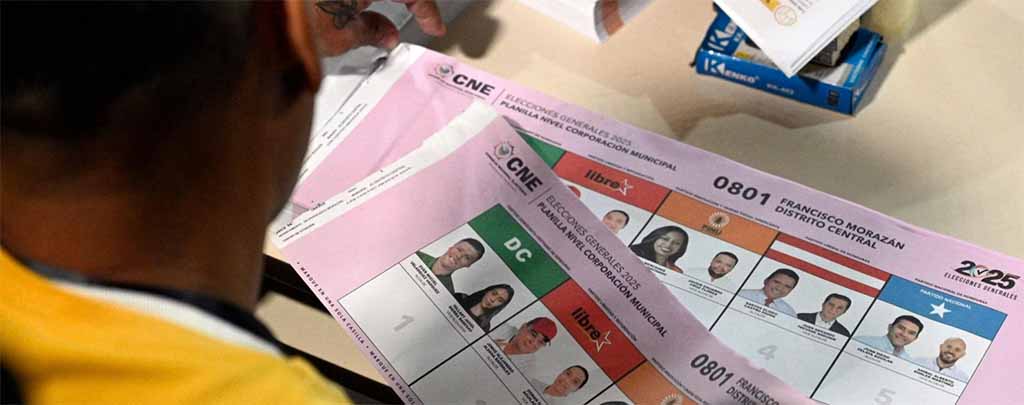
    Honduras faces a deepening electoral crisis after the National Electoral Council (CNE) decisively rejected a comprehensive recount of all presidential ballots. The contentious decision emerged from a majority vote that dismissed appeals from two major political parties seeking to examine 19,167 disputed votes.

    The tripartite CNE, composed of representatives from Honduras’ dominant political forces—the right-wing National Party (PN), the right-wing Liberal Party (PL), and the left-wing ruling Liberty and Refoundation Party (Libre)—reached an impasse during its latest plenary session. PL magistrates Ana Hall and Cossette López formally challenged the recount motion presented by Libre council member Marlon Ochoa, who cited substantial evidence of voting record irregularities.

    According to suspended preliminary results from the electoral authority, PN candidate Nasry Asfura—known for his alignment with former U.S. President Donald Trump—maintains a narrow lead with 40.54% of the vote. Trailing closely behind is Salvador Nasralla of the PL party with 39.19%. Both Nasralla and Libre have jointly accused the National Party of attempting electoral fraud and have demanded a nationwide recount.

    The electoral process has been paralyzed for several days amid these allegations. Most notably, Libre candidate Rixi Moncada, who led pre-election polls before the November 30 vote, now sits in third position with just 19.29% of counted ballots, adding further controversy to the unresolved electoral outcome.

  • ICAP condemns U.S. naval blockade against Venezuela

    ICAP condemns U.S. naval blockade against Venezuela

    Cuba’s Institute of International Relations (ICAP) has issued a forceful condemnation of recent US measures against Venezuela, characterizing them as an unlawful application of what they term the ‘Trump Corollary’ to the Monroe Doctrine. The institute asserts that this policy shift has been formally embedded within US foreign policy documentation, including the National Security Strategy for the Americas.

    In an official statement, the Cuban institution dismissed Washington’s justifications regarding counter-narcotics operations and anti-terrorism efforts as mere ‘facade’ arguments. ICAP maintains these pretexts conceal illegitimate intentions that pose significant threats to both regional stability and global peace. The organization further denounced the naval blockade maneuver as a form of ‘hybrid warfare’ that deliberately escalates tensions toward potential military confrontation.

    The underlying objectives, according to ICAP, include the appropriation of Venezuela’s substantial natural resources and the application of coercive pressure against a sovereign nation. The statement reaffirms Cuba’s ‘unwavering solidarity’ with President Nicolas Maduro’s administration and the Venezuelan people, while issuing an urgent appeal to international stakeholders.

    ICAP specifically calls upon social movements, parliamentary bodies, national governments, and global organizations to unanimously reject what they characterize as a ‘rude imperial act’. The institute advocates for widespread mobilization to defend national sovereignty, maintain peace, and uphold the fundamental principles enshrined in the United Nations Charter. The statement concludes with emphatic declarations: ‘No naval blockade! No to imperialist looting! Hands off Venezuela!’

  • Math Results a ‘Serious Problem,’ Senator Brown Urges Focused Intervention

    Math Results a ‘Serious Problem,’ Senator Brown Urges Focused Intervention

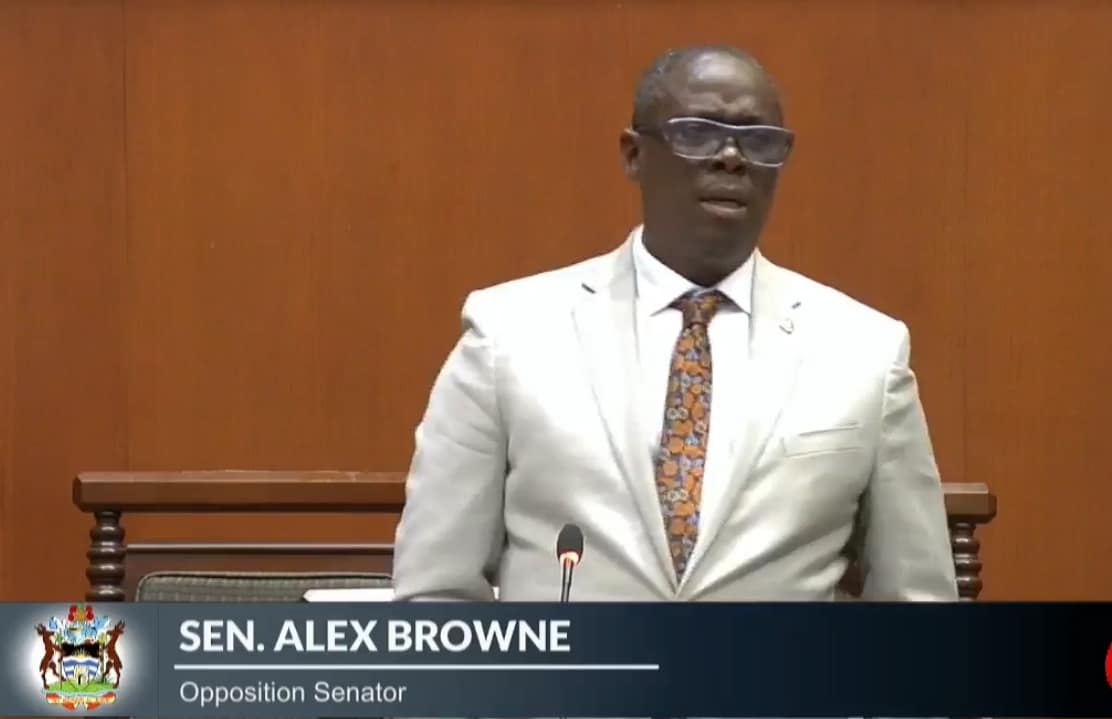
    During the 2026 Budget Debate in the Upper House, Senator Alex Brown issued a stark warning about a persistent national challenge: Antigua and Barbuda’s severe underperformance in mathematics education. The senator emphasized that despite the education sector consistently receiving substantial government funding, the nation’s academic results remain critically below regional standards.

    Brown presented compelling data drawn from several years of Caribbean Secondary Education Certificate (CSEC) examinations, revealing a troubling pattern. While the broader Caribbean region maintains an average pass rate in mathematics around 40 percent, Antigua and Barbuda’s performance languishes in the 20s—a significant deficit that threatens student advancement and national development.

    “There’s obviously a problem with maths, and we need to find a solution,” Brown asserted before his fellow senators. “I don’t have the antidote solution, but there has to be a focus.”

    The senator acknowledged the Education Ministry’s considerable budgetary allocations but stressed that financial investment alone proves insufficient without measurable improvements in educational outcomes. He called for strategic, targeted interventions specifically designed to enhance mathematics instruction, including specialized training and support for mathematics teachers.

    Highlighting the critical importance of mathematics proficiency, Brown noted that competence in both mathematics and English remains essential for university matriculation. He urged policymakers to treat the mathematics education crisis as an urgent national priority, directly linking academic performance to students’ future opportunities and the country’s long-term socioeconomic development.