作者: admin

  • Festival of Lights spotlights colour, community

    Festival of Lights spotlights colour, community

    The vibrant streets of Castries came alive on December 12th as Saint Lucia witnessed two significant events converging on the eve of National Day celebrations. The capital city experienced unprecedented activity with both the annual Festival of Lights procession and the swearing-in ceremony of a new ministerial Cabinet drawing massive crowds.

    By mid-afternoon, vehicular movement had slowed to a crawl as commuters navigated through congested thoroughfares, marking what locals consider the unofficial commencement of Christmas festivities. The Cultural Development Foundation orchestrated a spectacular parade featuring elaborately handcrafted lanterns that originated from Vigie playing field and progressed toward the city center.

    The procession showcased Saint Lucian cultural heritage through multiple artistic expressions: traditional masqueraders, papa jab characters, folk dancers, and stilt walkers accompanied by the rhythmic performances of the Royal Saint Lucia Police Band, drummers, and steelpan artists. A convoy of ornately decorated motorcycles and vehicles added contemporary flair to the traditional celebration, creating a multidimensional visual spectacle.

    As the parade reached William Peter Boulevard, thousands of spectators lining the streets witnessed the event’s first climactic moment. The focus subsequently shifted to Derek Walcott Square for the official inauguration ceremony of the Festival of Lights, featuring musical performances by the Barclays Choir of Barbados alongside cultural presentations by group Woule’ Te’ Te’ and artists Diana Phillip, Gersham, and TC Brown.

    Simultaneously, the cultural capital of Belle Vue hosted its own parallel celebrations, complete with Christmas hat-decorating competitions and performances by the Metaphorical Dancers. Community organizer Kendal Elva emphasized how these celebrations fostered communal unity and embodied the authentic spirit of the holiday season.

  • Single-Lane Traffic on Old Parham Road Friday as C.O. Williams Carries Out Asphalt Repairs

    Single-Lane Traffic on Old Parham Road Friday as C.O. Williams Carries Out Asphalt Repairs

    Residents and commuters in Antigua are advised to prepare for temporary traffic disruptions as C.O. Williams (Antigua) Limited initiates critical asphalt rehabilitation works. The infrastructure project will focus on a segment of Old Parham Road adjacent to Christ the King High School, with operations scheduled for Friday, December 19th, 2025.

    To facilitate these essential repairs, authorities will implement single-lane traffic control measures beginning at approximately 8:00 AM. Motorists should anticipate significant travel delays and are strongly encouraged to consider alternative routes or adjust their travel schedules accordingly.

    Despite the temporary transportation inconveniences, all local businesses along the affected corridor will maintain regular operating hours throughout the construction period.

    The road rehabilitation initiative forms part of the broader Second Road Infrastructure Rehabilitation Project spearheaded by the Government of Antigua and Barbuda. C.O. Williams representatives have expressed regret for any disruptions caused, emphasizing that these necessary repairs will ultimately deliver enhanced road surface quality and improved driving conditions for the community.

    For additional information or specific inquiries regarding the construction timeline and traffic management plans, concerned citizens may contact the C.O. Williams Project Office directly at 562-9573 during standard business hours.

  • Fontaine warns of bleak future for Dominica amid concerns about U.S. travel ban and environmental destruction

    Fontaine warns of bleak future for Dominica amid concerns about U.S. travel ban and environmental destruction

    In a stark address to the nation, United Workers Party Leader Dr. Thomson Fontaine has issued grave warnings about Dominica’s escalating political and environmental crises following his recent re-election as opposition leader. Speaking at a press conference, Fontaine identified two immediate threats: impending U.S. travel restrictions against Dominican citizens and systematic destruction of the country’s protected rainforests.

    The political leader revealed that beginning January 2026, thousands of Dominicans will face denied entry to the United States, mirroring similar sanctions already implemented by Canada and the United Kingdom. Fontaine emphasized these restrictions would severely impact students pursuing international education, families attending overseas ceremonies, and patients requiring specialized medical treatment abroad.

    Fontaine directly attributed these diplomatic consequences to the Roosevelt Skerrit administration’s mismanagement of the Citizenship by Investment program. He alleged that fifteen years of inadequate due diligence enabled criminal elements to exploit Dominican passports, resulting in eroded international trust. ‘This government had ample opportunity to reform the program but instead channeled billions into projects benefiting a select few while ordinary citizens face the repercussions,’ Fontaine stated.

    The UWP has initiated legal action demanding accountability for the CBI program’s finances, with a court hearing scheduled for January 26, 2026. Fontaine recalled raising concerns about passport sales as early as 2009, only to be dismissed as unpatriotic by the ruling administration.

    Regarding environmental degradation, Fontaine accused the government of orchestrating an ‘unprecedented assault’ on Dominica’s natural heritage. He specifically condemned quarrying operations within the Central Forest Reserve at Deux Branches, conducted without mandatory environmental impact assessments. Contrary to government claims that these activities are essential for airport construction, Fontaine noted that alternative rock sources exist throughout the island.

    The opposition leader connected current rainforest destruction to earlier incursions at Cabrits National Park, warning that unchecked exploitation threatens Dominica’s international reputation as the ‘Nature Island.’ He pledged solidarity with affected communities in Concord, Kalinago Territory, and Marigot, alongside environmental advocates demanding immediate cessation of quarry operations.

    Amid growing economic hardship and social unrest, Fontaine described citizens as facing ‘a bleak Christmas and an even darker future.’ He urged Dominicans to demonstrate compassion for vulnerable communities and muster courage to demand systemic change through democratic processes. ‘We must fight for accountability, transparency, and environmental preservation,’ Fontaine concluded, positioning these issues as central to the nation’s survival.

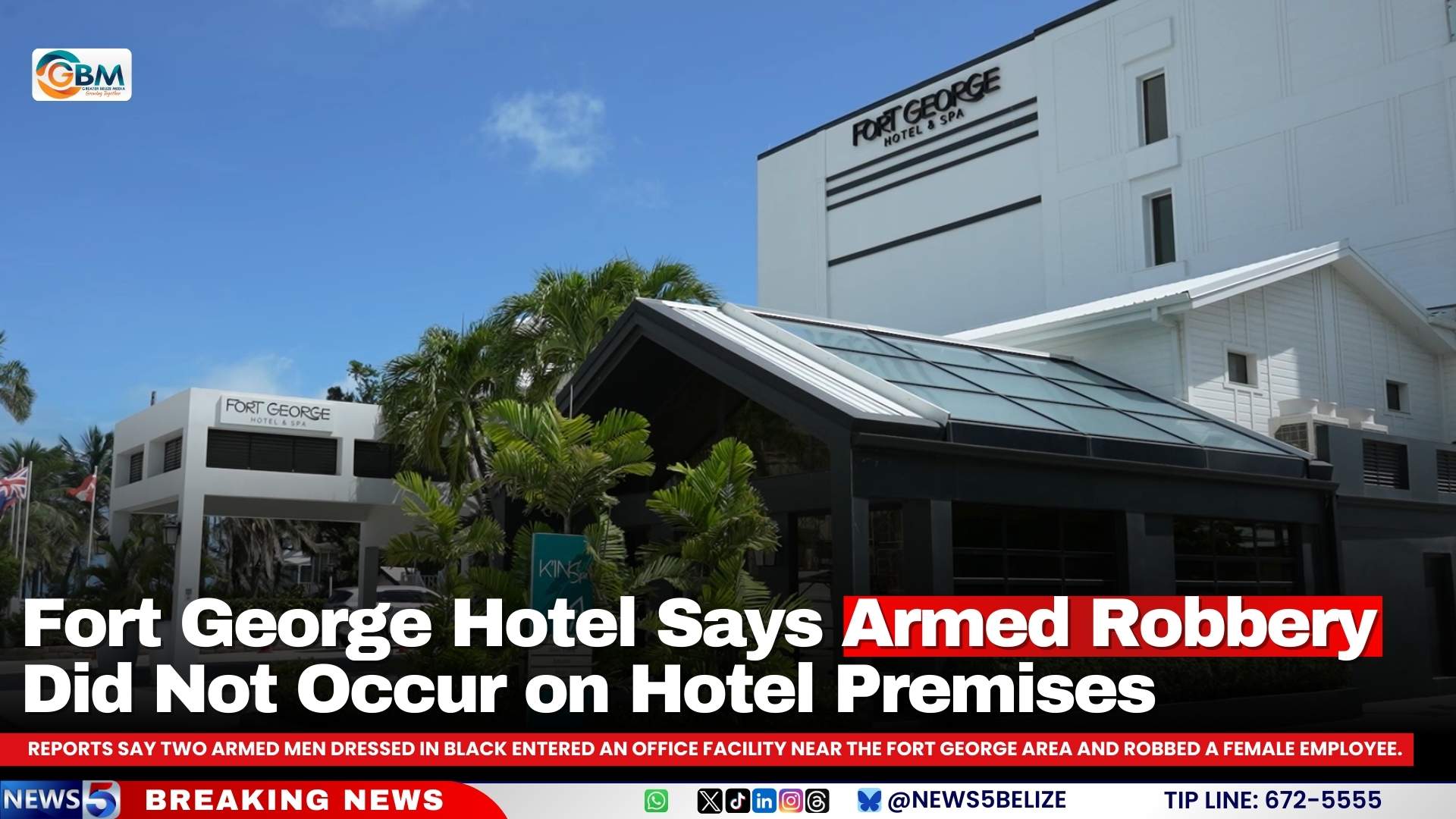
  • Fort George Hotel Says Armed Robbery Did Not Occur on Hotel Premises

    Fort George Hotel Says Armed Robbery Did Not Occur on Hotel Premises

    The Fort George Hotel & Spa in Belize City has formally addressed circulating media reports, explicitly stating that a recent armed robbery in the area did not transpire on its property or involve any hotel guests or operations. This clarification comes in the wake of a criminal investigation launched by local authorities concerning an incident reported on Wednesday evening.

    According to police reports, the robbery targeted a separate office facility located near the hotel district. Two unidentified assailants, clad in black and armed with 9mm pistols, conducted the operation. The victim, a 33-year-old female employee working as an accounts payable clerk, was accosted by the suspects. They allegedly demanded money, subsequently restrained her in a different office within the facility, and made their escape with a significant haul.

    The stolen items included a cash pan containing $9,000 in Belizean currency, the employee’s personal purse, various identification documents, and two Samsung mobile phones. The hotel’s management, in its official communication, sought to distance its establishment from the event, emphasizing that its guest areas and operational integrity remained entirely unaffected and that visitor safety was never at risk.

    Authorities continue their investigation into the armed robbery, pursuing leads to apprehend the suspects. The hotel’s statement serves to correct the geographical inaccuracies in initial reports and to reassure current and prospective guests of its secure environment.

  • Govt mulls income threshold to avoid cutting benefits for disabled workers

    Govt mulls income threshold to avoid cutting benefits for disabled workers

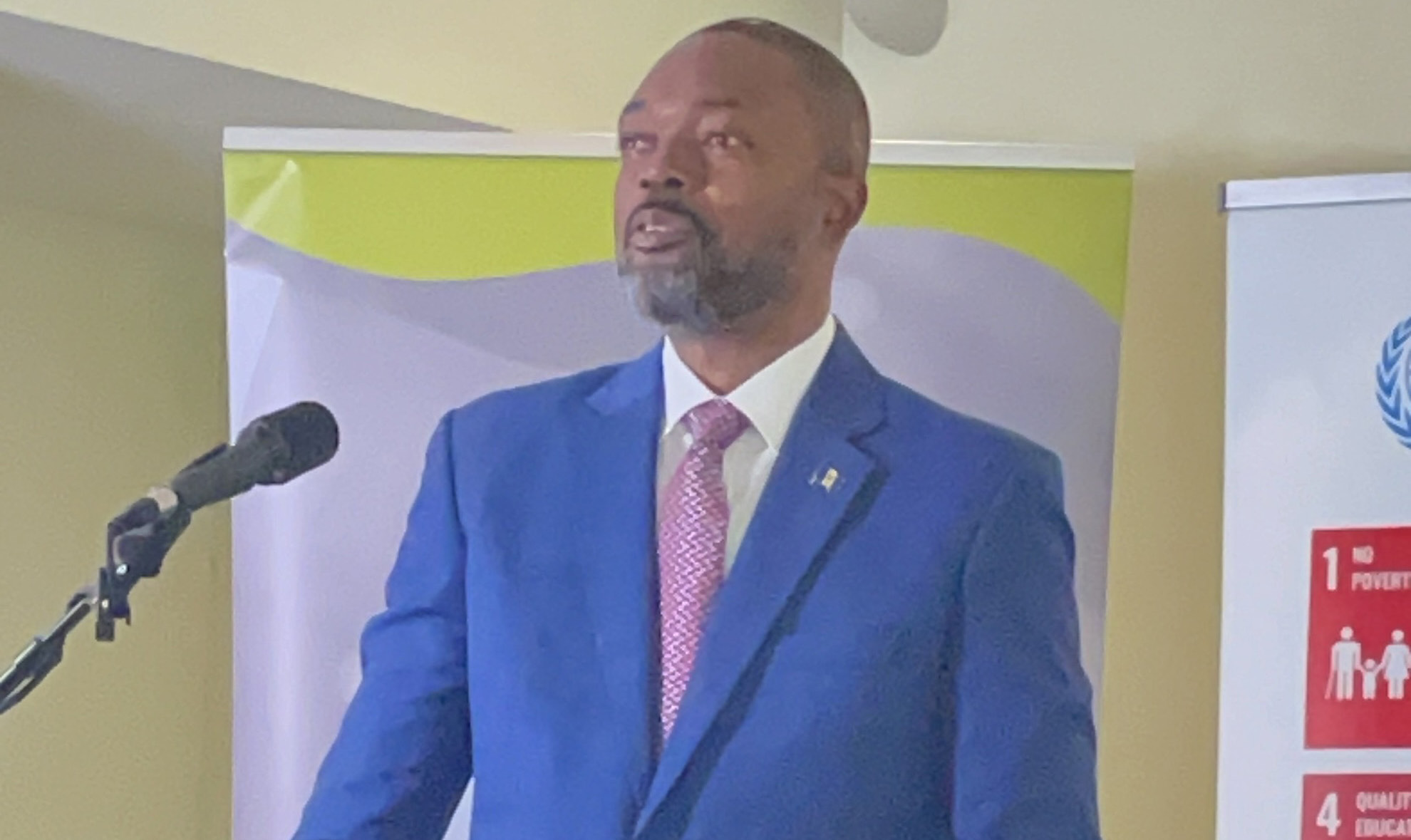
    The Barbadian government is undertaking a significant reform of its disability benefits system, specifically targeting the rule that automatically terminates financial support when recipients begin earning income. Minister of Labour Colin Jordan revealed the policy review to Barbados TODAY, emphasizing the administration’s commitment to creating a more flexible social safety net.

    The comprehensive reassessment addresses fundamental flaws in the current framework that inadvertently penalize disabled individuals seeking employment. Under existing regulations, any earned income immediately triggers benefit withdrawal, creating a substantial disincentive for workforce participation. The revised approach will establish an income threshold system where beneficiaries can maintain partial state support while earning modest wages.

    Minister Jordan articulated the policy’s rationale during a disability sensitivity training event for employers, noting that many disabled persons can only manage part-time or reduced work schedules. “There are some people with disabilities who can’t work full time every day,” Jordan stated. “They may be working three or four half days weekly—this represents meaningful employment within their capabilities but often provides insufficient income for independent living.”

    The National Insurance and Social Security Service (NISSS) is spearheading the review process, with particular attention to the program’s unique funding structure. Unlike standard National Insurance benefits financed through contributions, the special needs program draws directly from the government’s Consolidated Fund, acknowledging that many recipients cannot make consistent financial contributions.

    This welfare initiative serves approximately 1,600 beneficiaries, providing crucial assistance for basic living expenses including transportation, healthcare access, and essential personal items. The minister highlighted that minimum wage provisions often remain inaccessible to this population, making continued support necessary for dignified existence.

    The proposed reforms build upon recent legislative expansions that broadened eligibility criteria beyond the previously narrow focus on deaf-mute individuals. Updated regulations now include autism, cerebral palsy, advanced multiple sclerosis, and Down syndrome, significantly extending the program’s reach.

    While no definitive timeline exists for implementation, Minister Jordan indicated potential progress before mid-2025. The government is concurrently promoting workplace inclusion through employer education programs, encouraging businesses to create accommodating environments for disabled workers. The ultimate objective remains balancing workforce participation incentives with appropriate ongoing support for vulnerable citizens whose earning capacity may fluctuate due to health considerations.

  • LETTER: Pile of Garbage in Soul Alley, St. John’s

    LETTER: Pile of Garbage in Soul Alley, St. John’s

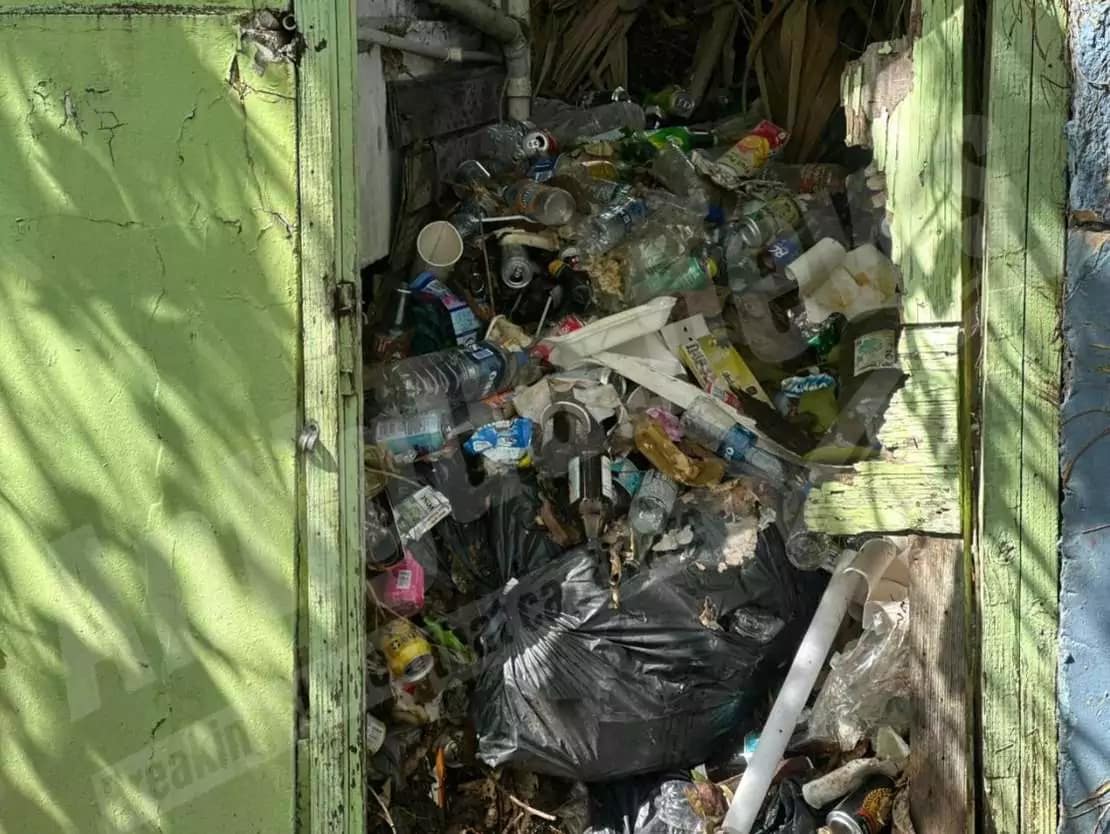
    A mounting public health and environmental crisis has emerged in the historic Soul Alley district of St. John’s, Antigua and Barbuda, where accumulated waste is threatening both community welfare and the nation’s tourism-dependent economy. Photographic evidence reveals an extensive pile of decomposing refuse—including plastic bottles, food containers, and general waste—creating unsanitary conditions near culturally significant areas frequented by tourists.

    The alley’s strategic location near key tourist attractions, port facilities, and local businesses makes the neglect particularly visible to international visitors. Beyond the visual blight, the situation presents tangible health risks through pest infestation and foul odors that contradict the island nation’s carefully cultivated image as a pristine Caribbean destination.

    This environmental neglect raises fundamental questions about municipal waste management systems, enforcement of anti-littering regulations, and public accountability. Local authorities face mounting pressure to address what residents describe as systemic failures in urban maintenance rather than isolated incidents.

    The concerned citizen’s letter highlights the intersection of urban governance, public health, and economic sustainability. Tourism represents a cornerstone of Antigua and Barbuda’s economy, making environmental preservation both an ecological imperative and an economic necessity. The situation underscores how neglected public infrastructure can directly impact national reputation and livelihood.

    Community advocates demand immediate remediation through comprehensive waste removal followed by implementation of sustainable management practices. Proposed solutions include regular collection schedules, public education campaigns, strategic signage, and stricter enforcement of environmental regulations targeting both residents and businesses.

    The Soul Alley situation exemplifies broader challenges facing small island developing states balancing tourism development with environmental stewardship. How authorities respond may set precedents for urban management throughout the Caribbean region where similar waste management challenges persist.

  • Cuba works on recovering the National Power Grid

    Cuba works on recovering the National Power Grid

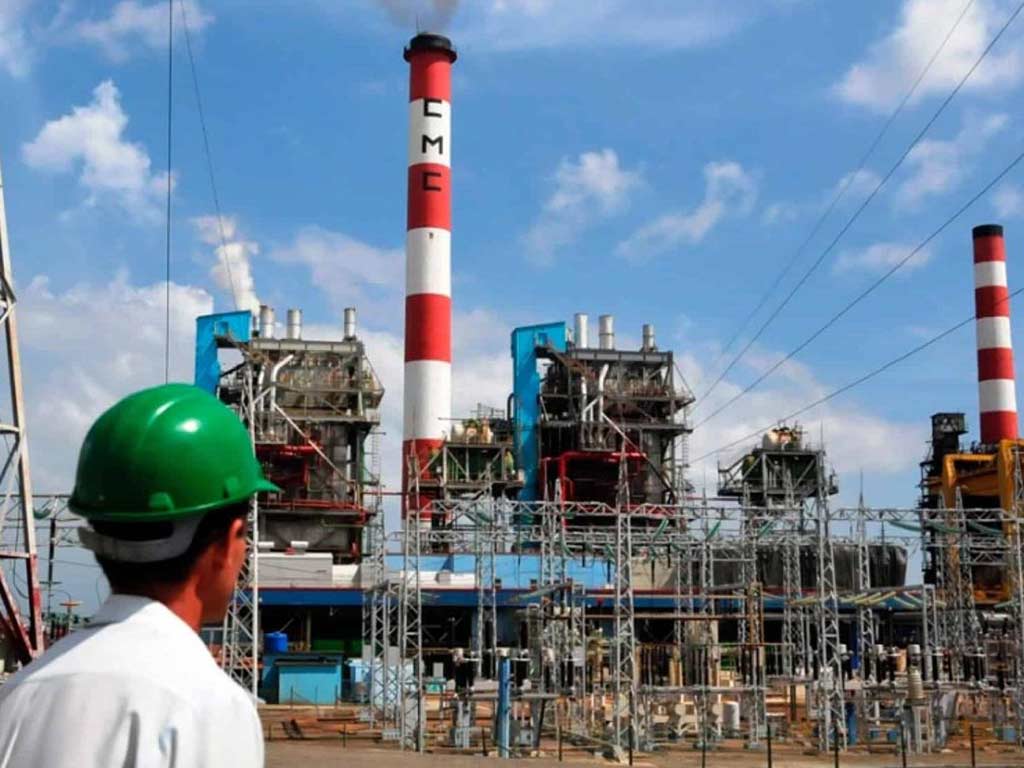
    Cuba’s national energy authority has reported a significant yet insufficient recovery in its power generation capacity. Recent efforts have successfully restored 422 megawatts (MW) to the distributed generation network, elevating its total operational capacity beyond the 1,000 MW threshold. Concurrently, an additional 228 MW has been brought back online within the centralized generation system.

    A major stride in renewable integration has been achieved with the synchronization of 778 MW of new capacity from 41 photovoltaic solar parks. These installations are now playing a pivotal role in the national grid, contributing more than 30% of Cuba’s total electricity generation during peak sunlight hours.

    Despite these advancements, government officials acknowledge the persistence of a severe energy crisis. The national power system continues to operate under extreme duress, grappling with an average daily generation deficit ranging between 1,500 and 1,700 MW. The situation has deteriorated further in recent days, with the shortfall exceeding 2,000 MW.

    This critical power deficit has resulted in service disruptions occurring throughout the day and night, creating widespread public dissatisfaction and inflicting substantial damage to economic activity. Authorities attribute the ongoing crisis primarily to generation instability and a critical shortage of fuel supplies for distributed generation units. Approximately 1,000 MW of potential generation capacity remains unavailable due to these fuel constraints, highlighting the deep-rooted challenges facing Cuba’s energy infrastructure.

  • Venezuela says Trump wants to turn back the clock 200 years

    Venezuela says Trump wants to turn back the clock 200 years

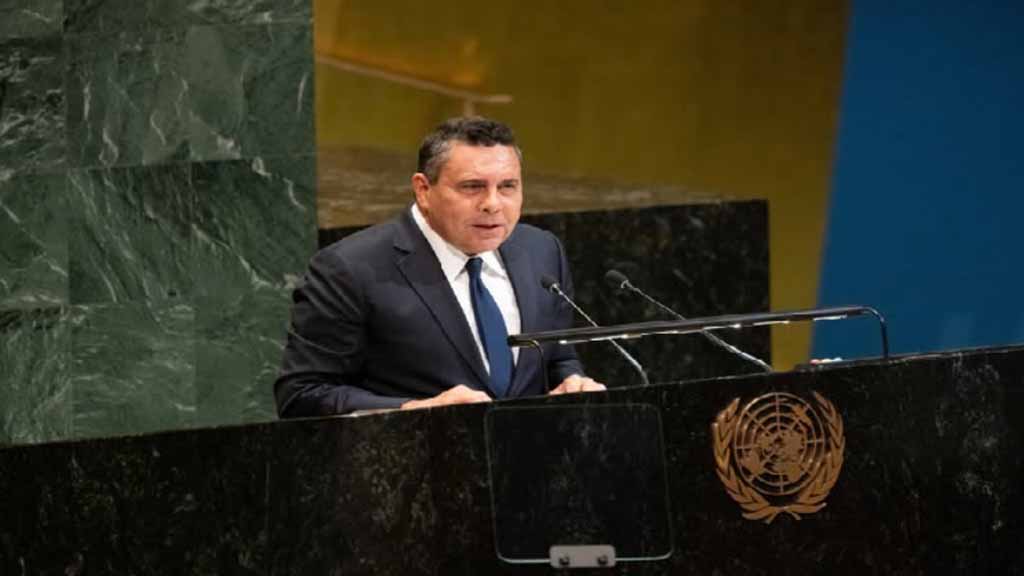
    At the 80th session of the United Nations General Assembly during the International Day against Colonialism, Venezuela’s diplomatic representative delivered a scathing condemnation of former U.S. President Donald Trump’s controversial statements regarding Venezuelan territory and natural resources. Ambassador Samuel Moncada referenced Trump’s December 16 declaration that “Venezuelan lands and oil belong to him and must be handed over immediately,” accompanied by threats of naval and air blockades using what Trump characterized as “the most powerful navy in history” if compliance was not forthcoming.

    The Venezuelan diplomat characterized this proclamation as a “monstrous declaration” that defies all established international legal frameworks. Moncada systematically cited multiple pillars of international law that Trump’s statement violated, including the UN Charter, customary international law, resolutions from both the Security Council and General Assembly, jurisprudence from international courts, and the German Convention.

    In his address, Moncada labeled the threat as “a grotesque violation of all civilizational norms” and explicitly defined it as modern colonialism and a crime of aggression. He drew historical parallels between current U.S. foreign policy approaches and the destructive behaviors of malign actors preceding World War II, asserting that such gunboat diplomacy has no legitimate place in 21st-century international relations. The ambassador warned that these actions are imposing chaos and destruction on the global diplomatic landscape, undermining decades of progress in international law and cooperation.

  • Cuba committed to social justice, says Prime Minister

    Cuba committed to social justice, says Prime Minister

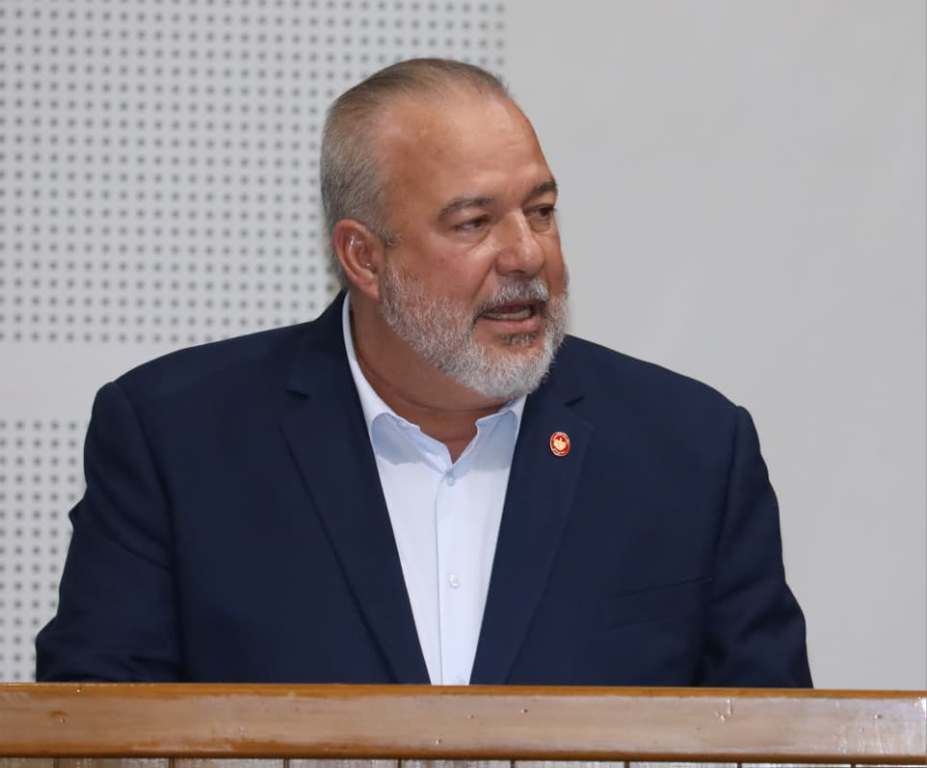
    Cuban Prime Minister Manuel Marrero Cruz presented a comprehensive economic revitalization report to the National Assembly, outlining both progress and challenges facing the Caribbean nation. In his address, Marrero identified national security and homeland protection as fundamental strategic priorities for the Cuban state, emphasizing the heightened preparedness of military and interior ministry forces in response to escalating regional tensions.

    The government restructuring initiative has shown measurable progress, with authorities working to streamline the Central State Administration by reducing the number of governmental agencies. This administrative overhaul forms part of broader economic correction measures designed to address systemic distortions in the Cuban economy.

    Healthcare indicators revealed concerning trends, with infant mortality rates climbing to 9.8 per 1,000 live births—a significant increase from the 7.0 rate recorded during the same period last year. Despite implemented interventions, the healthcare system continues to face substantial challenges in reversing this negative trajectory.

    Education reforms continue with the ongoing implementation of the Teaching Process Quality Improvement Program, though specific outcomes and metrics were not detailed in the presentation.

    Most alarmingly, Marrero highlighted Cuba’s accelerating demographic crisis as one of the nation’s most pressing challenges. Current projections indicate the population will decline to 9.6 million by 2025 and further plummet to approximately 7.7 million by 2050, representing a severe population contraction that threatens long-term economic and social stability.

    The Prime Minister acknowledged the coordinated efforts between military institutions, the Communist Party, government entities, and mass organizations in addressing these multifaceted challenges while maintaining national security preparedness.

  • NAGICO Insurances upgraded to A- (Excellent) by AM Best

    NAGICO Insurances upgraded to A- (Excellent) by AM Best

    In a significant development for the Caribbean insurance sector, NAGICO Insurances has received a substantial credit rating upgrade from globally recognized agency AM Best. The Group’s Financial Strength Rating has been elevated from BBB+ to A- (Excellent), positioning the company among the top-tier insurance providers in the region.

    The upgraded rating reflects AM Best’s comprehensive evaluation of NAGICO’s reinforced balance sheet, consistently enhanced operational performance, rigorous risk management protocols, and successful implementation of its strategic vision across diverse Caribbean markets. This assessment acknowledges the insurer’s strengthened financial resilience and disciplined business approach.

    For policyholders, business partners, and regulatory authorities, the A- designation serves as an independent validation of NAGICO’s capacity to honor its commitments, particularly crucial in a geographic area susceptible to natural disasters and economic fluctuations.

    Kyria Ali, Chief Executive Officer of NAGICO Insurances, expressed considerable pride in this achievement, stating: “This AM Best rating upgrade represents an independent endorsement of our financial robustness and strategic management. For our clients throughout the Caribbean and France, it confirms the trust they have placed in our ability to support their families and businesses during critical moments.”

    The A- (Excellent) rating from AM Best, a specialized insurance industry rating agency, signifies exceptional capital strength, sustained financial improvement, prudent underwriting standards, and a viable long-term business strategy. This classification establishes NAGICO as a premier insurance group with demonstrated stability and reliability.

    Operating effectively in the Caribbean demands exceptional resilience and forward-thinking risk management. NAGICO has established its credibility through billions of US dollars in claims payments following natural catastrophes, including hurricanes and volcanic eruptions. Recent strategic investments in reinsurance protection, governance frameworks, and talent acquisition have further strengthened its operational foundation.

    Imran McSood Amjad, Executive Chairman of NAGICO Insurances, emphasized: “Our region faces distinctive challenges from climate vulnerabilities to economic instability. This rating enhancement mirrors the deliberate actions taken by our leadership to fortify the Group’s financial position, governance structures, and risk mitigation capabilities.”

    The rating improvement represents a collective accomplishment involving NAGICO’s employees, partners, and stakeholders throughout its operational network. It highlights the Group’s dedication to sustainable expansion, robust governance, and consistent value delivery to clients and partners.

    Looking forward, NAGICO remains committed to leveraging technological advancements to enhance customer experiences, introducing innovative insurance products, and contributing to regional development initiatives.

    Established in 1982, the NAGICO Group delivers comprehensive property, casualty, life, and health insurance solutions across 32 locations in the Caribbean and Metropolitan France.