作者: admin

  • Leger des Heils deelt dit jaar fors minder kerstpakketten uit

    Leger des Heils deelt dit jaar fors minder kerstpakketten uit

    The Salvation Army in Suriname faces a significant reduction in its annual Christmas outreach program, distributing only 800 food parcels this holiday season compared to 1,400 last year. The organization had targeted a fundraising goal of SRD 1 million to support 1,500 packages for those in need but fell substantially short of this objective.

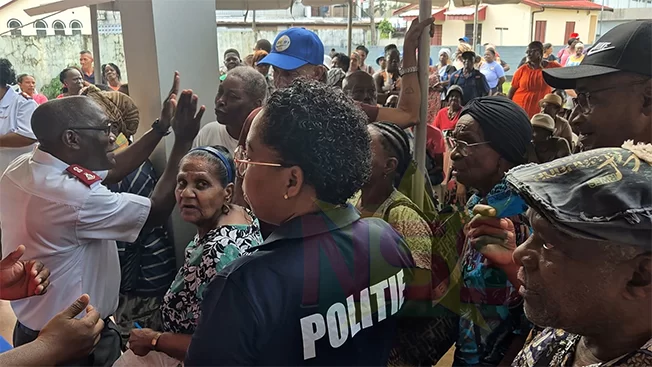
    Distribution commenced this morning at the Salvation Army’s Paramaribo headquarters, where over 600 recipients collected their packages. According to PR officer Guillermo Demon, the remaining 200 parcels will be distributed across the Para, Coronie, Saramacca and Nickerie regions.

    The event began with prayers and Christmas wishes before nearly descending into chaos as demand dramatically exceeded supply. Police intervention was required to maintain order and ensure the orderly continuation of the distribution process. Following the official allocation, a group of hopeful individuals remained on the premises in the vain expectation that additional packages might become available.

    Demon noted that hundreds of registered applicants ultimately faced disappointment. ‘Demand is increasing, but our resources and finances are diminishing,’ he observed. Despite the setback, Demon maintained a philosophical perspective: ‘This is indeed a decline. But as a Christian organization, we don’t complain or mourn. We prayed and worked toward this goal. Whatever the result, we thank the Lord. We will examine how to improve next year.’

  • No cash grant promise broken; more cash grants coming but “you have to earn too”- Jagdeo

    No cash grant promise broken; more cash grants coming but “you have to earn too”- Jagdeo

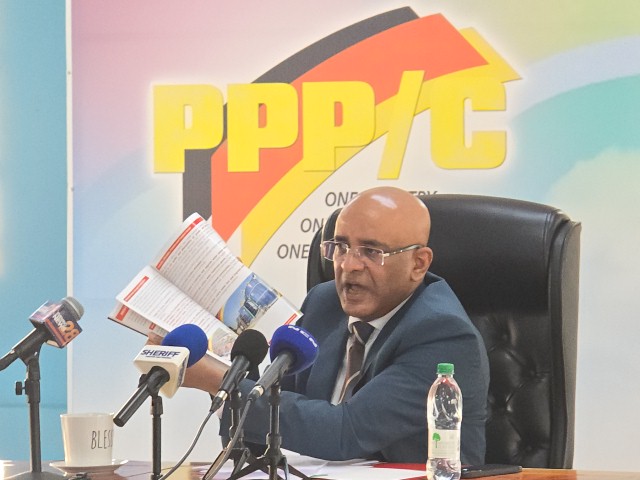
    Guyana’s Vice President Bharrat Jagdeo has firmly refuted claims that his administration broke a promise to distribute cash grants before Christmas 2025. During a press briefing on Thursday, Jagdeo presented his party’s election manifesto to demonstrate that no specific pre-holiday payout commitment had been made.

    The Vice President explained that no funds have been allocated in the Treasury for such disbursements, emphasizing that implementing the cash transfer program would require parliamentary approval and several months of preparation. He recalled that earlier this year, the government needed five months to execute a similar program, which encountered challenges including attempted system exploitation.

    Jagdeo characterized President Irfaan Ali’s previous comments about potential Christmas payments as humorous remarks rather than policy commitments. “Jocularly, the President said if you’re good people… and this is what they are building their campaign on,” he stated, referencing opposition claims from We Invest in Nationhood (WIN) and A Partnership for National Unity (APNU).

    The Vice President confirmed that cash grants of GY$100,000 would be distributed following the approval of the 2026 National Budget early next year, with projected costs exceeding GY$60 billion. However, he cautioned citizens against developing dependency on government transfers, emphasizing that “You got to earn too. Cash grants should help supplement what you have.”

    Jagdeo outlined broader social programs including soft loans and grants for small business development through a planned US$200 million development bank, financial support for housing programs, and community improvement initiatives. He revealed plans for over GY$800 billion in housing investments for hundreds of thousands of families over the next five years, alongside increased support for children, pensioners, and workers.

  • Second Person Killed in Less Than a Month by Highway House Collision

    Second Person Killed in Less Than a Month by Highway House Collision

    Belize faces a mounting road safety emergency as another life was claimed in a collision involving a transported residential structure on Wednesday night. Dean Perez, 38, became the second fatality in under a month after crashing into a house being moved along the George Price Highway near Mile 18.

    Initial reports indicate Perez was traveling eastbound toward Belize City when the catastrophic impact occurred. The incident has triggered an outpouring of grief from bereaved family members, with one relative posting an emotional tribute online: “When mama was on her dying bed she said Cher take care of your brothers and sister. I did. I am trying. I love my siblings like my own children. Dean, you hurt me so, so bad.”

    This tragedy compounds an already devastating period for the family, who were still mourning the murder of Raynard Garbutt Jr. and his colleague Robert Crawford just last Thursday. Their bodies were discovered after their commercial truck was robbed and abandoned on the Hummingbird Highway.

    The latest fatality echoes the November 29th incident that claimed the life of 53-year-old Julian Bol on the Thomas Vincent Highway under strikingly similar circumstances. These parallel tragedies have ignited urgent concerns regarding the safety protocols governing oversized load transportation throughout Belize’s highway network.

    In response to growing public safety threats, the Department of Transport implemented new regulations in August restricting house transportation and oversized structure movements to nighttime hours between 9:00 p.m. and 5:00 a.m. daily. These measures were specifically designed to mitigate traffic congestion, prevent property damage, and eliminate roadway obstructions during peak travel periods.

  • CARPHA and the Healthy Caribbean Coalition reaffirm partnership to enhance the Caribbean’s response to non-communicable diseases

    CARPHA and the Healthy Caribbean Coalition reaffirm partnership to enhance the Caribbean’s response to non-communicable diseases

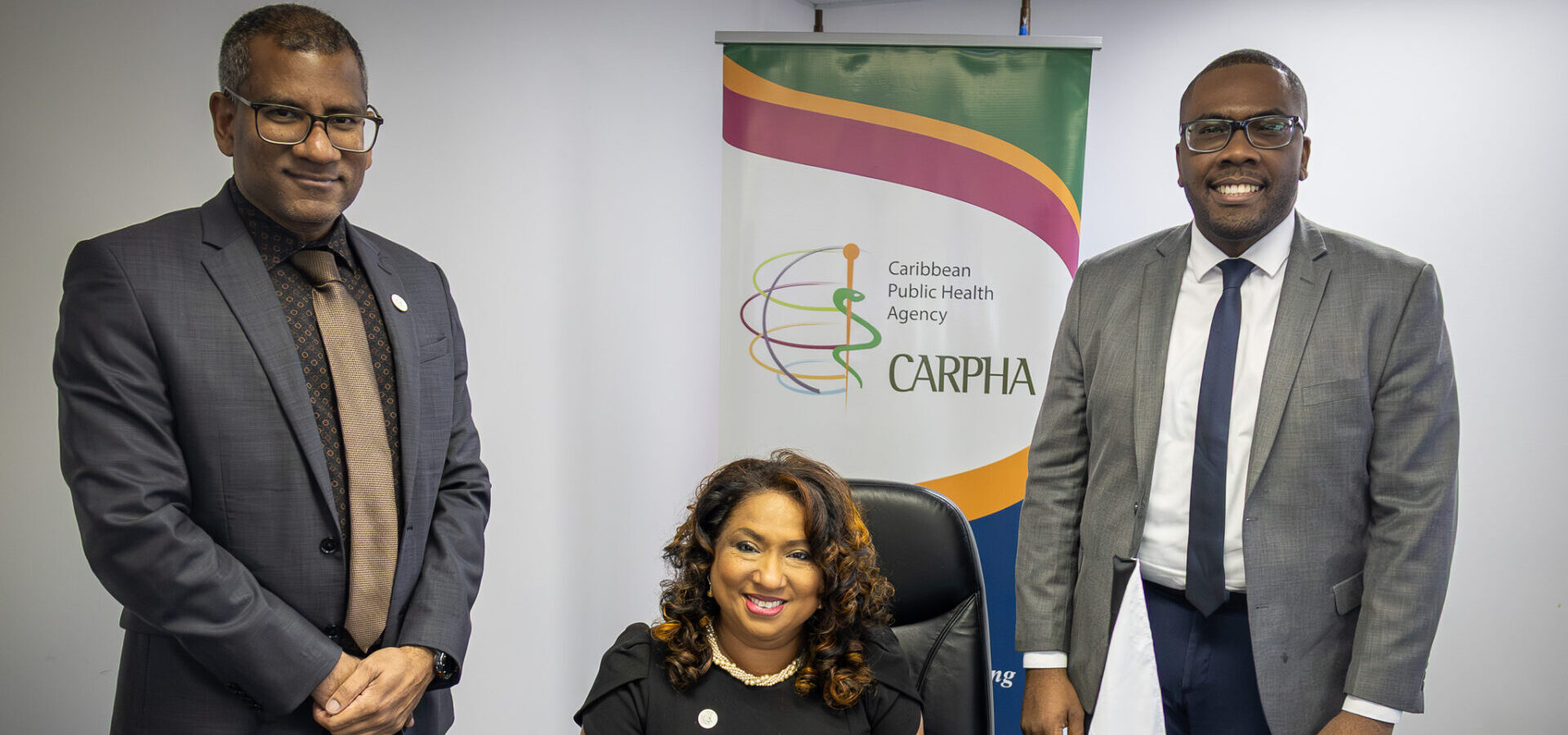
    In a significant move to address the Caribbean’s persistent health challenges, the Caribbean Public Health Agency (CARPHA) and the Healthy Caribbean Coalition (HCC) have formally extended their collaborative partnership through a new five-year Memorandum of Understanding. This strengthened alliance specifically targets the region’s escalating Non-Communicable Disease (NCD) crisis through coordinated scientific and advocacy initiatives.

    The renewed agreement builds upon eight years of established cooperation, combining CARPHA’s technical expertise in public health research with HCC’s robust civil society networks. The partnership will focus on enhancing policy implementation, advancing disease surveillance systems, and amplifying health education across CARICOM member states.

    Dr. Kenneth Connell, President of HCC, emphasized the strategic importance of this collaboration: ‘This third consecutive MOU demonstrates civil society’s valued role as a strategic partner in public health. Our joint efforts will accelerate regional health measures as we approach the 2030 Sustainable Development Goals.’

    CARPHA Executive Director Dr. Lisa Indar highlighted the practical implications: ‘Our collaboration ensures CARPHA’s evidence-based research translates into meaningful community action. Together we can accelerate policy implementation and empower Caribbean populations to make healthier choices.’

    The partnership framework encompasses five strategic pillars:

    1. Knowledge Development and Dissemination: Implementing innovative communication strategies to distribute scientifically sound information to stakeholders and improve health literacy

    2. Organizational Capacity Building: Leveraging combined resources to strengthen civil society groups’ capabilities in implementing health initiatives

    3. Expanded Partnership Networks: Developing broader coalitions to advance whole-of-society approaches to NCD prevention and policy coherence

    4. Enhanced Advocacy Mechanisms: Strengthening civil society’s ability to hold governments accountable for regional and international NCD commitments

    5. High-Level Governance Engagement: Engaging with regional bodies including COHSOD, COTED, and Heads of Government meetings to advance the NCD agenda

    This reinforced collaboration arrives at a critical juncture as the Caribbean contends with disproportionately high rates of diabetes, hypertension, cardiovascular diseases, cancer, and respiratory illnesses. Both organizations reaffirm their commitment to creating a unified, resilient response to the region’s NCD crisis through continued collaboration with governments, civil society, and local communities.

  • 50 trees, one legacy: disability advocates plant hope along Barbados Trailway

    50 trees, one legacy: disability advocates plant hope along Barbados Trailway

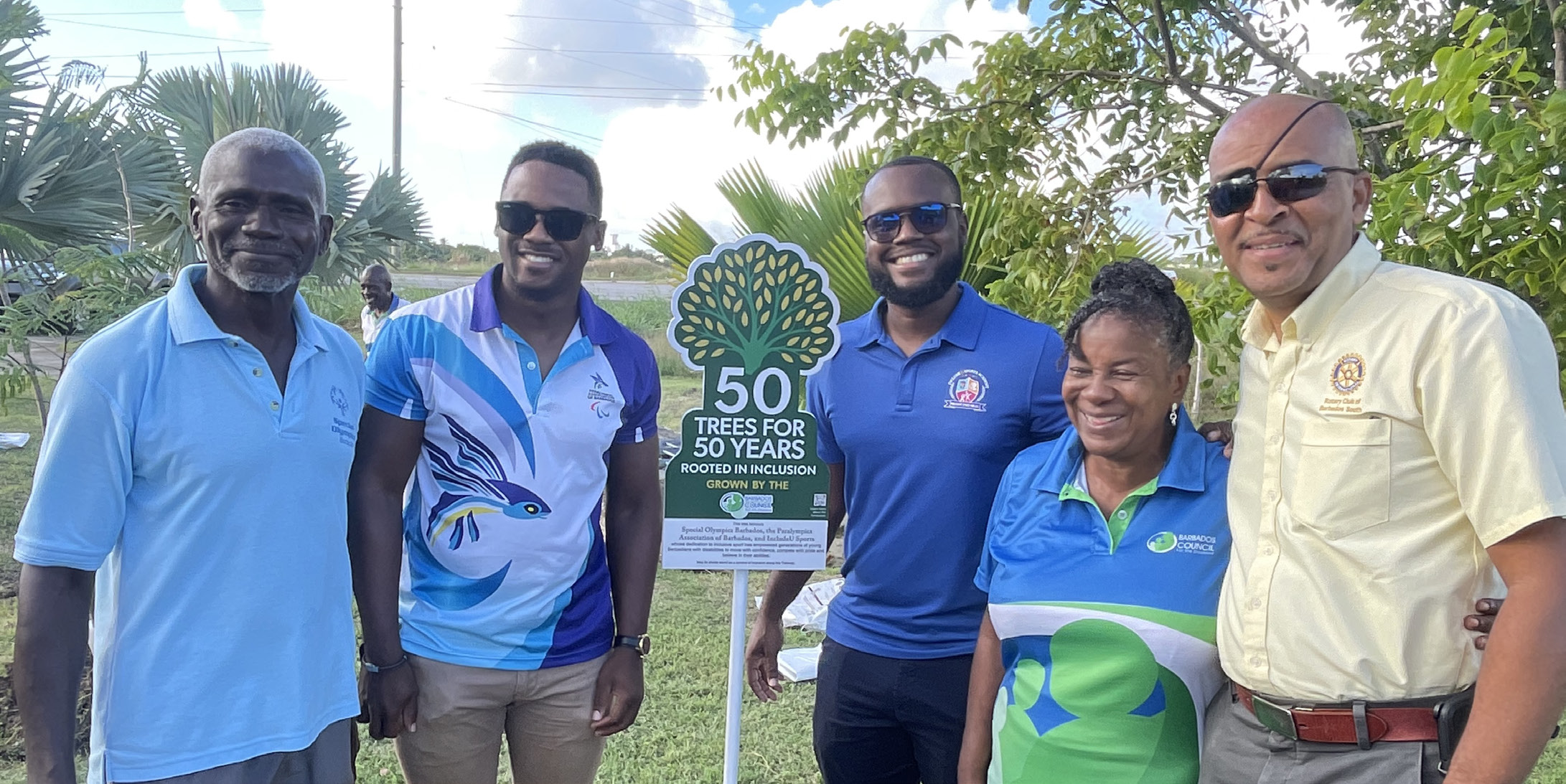
    In a powerful fusion of environmentalism and social advocacy, the Barbados Council for the Disabled (BCD) launched a landmark tree-planting ceremony Wednesday evening along the Barbados Trailway in St. George. The event, which gathered disability organizations, sports leaders, and community partners, inaugurated a year-long initiative to plant 50 trees across the island by June 2025—each serving as a living tribute to individuals and organizations that have advanced disability inclusion over five decades.

    BCD President Patricia Padmore-Blackman framed the initiative as a profound symbol of commitment to inclusion and hope. “This activity symbolizes our dedication to finding ways of including persons with disabilities and others,” she declared before an audience that included representatives from Barbados’ foremost disability organizations. The council expressed particular gratitude to its partners, acknowledging their “invaluable contribution to persons with disabilities” while looking forward to “going from strength to strength” in their collaborative journey.

    The ceremony attracted significant leadership from Barbados’ disability sports community. Ryan Brathwaite, President of the Paralympic Association of Barbados, celebrated the BCD’s 50-year legacy as having “stood the test of time” and emphasized his organization’s commitment to championing disability sports alongside the council. Roger Dyall, Acting National Director of Special Olympics Barbados, highlighted the often-invisible nature of intellectual disabilities, stressing that “it is very, very important for those persons with disabilities to be seen, to be heard, to have jobs and to be recognized in the community for their contribution.”

    Accessibility and inclusion emerged as central themes throughout the evening. Ralph Luther, Lead Volunteer for the Barbados Trailway Project, emphasized that the trailway was designed as more than infrastructure—it represents a conscious effort to create “a safe space and set standards for Barbados” where people of all abilities can exercise and belong. The trailway’s commitment to accessibility includes soliciting user feedback to continuously improve inclusive design.

    The innovative project incorporates technology to enhance its educational impact. According to BCD Operations Manager Roseanna Tudor, each tree will feature a QR code providing historical information about honored organizations including the Paralympic Association, Special Olympics Barbados, and IncludeU Sports Academy. This digital dimension transforms the living memorial into an interactive educational resource for trailway visitors.

    Supported by organizations including Kiwanis, Pride of Barbados, and the Rotary Club of Barbados South, the initiative has already planted three mahogany trees with more scheduled throughout the coming months. The project will culminate in June 2025 as the BCD’s anniversary year concludes, leaving a growing legacy that honors those who have empowered Barbados’ disability community.

  • PM Briceño Sets 2026 Agenda for Workers with NTUCB

    PM Briceño Sets 2026 Agenda for Workers with NTUCB

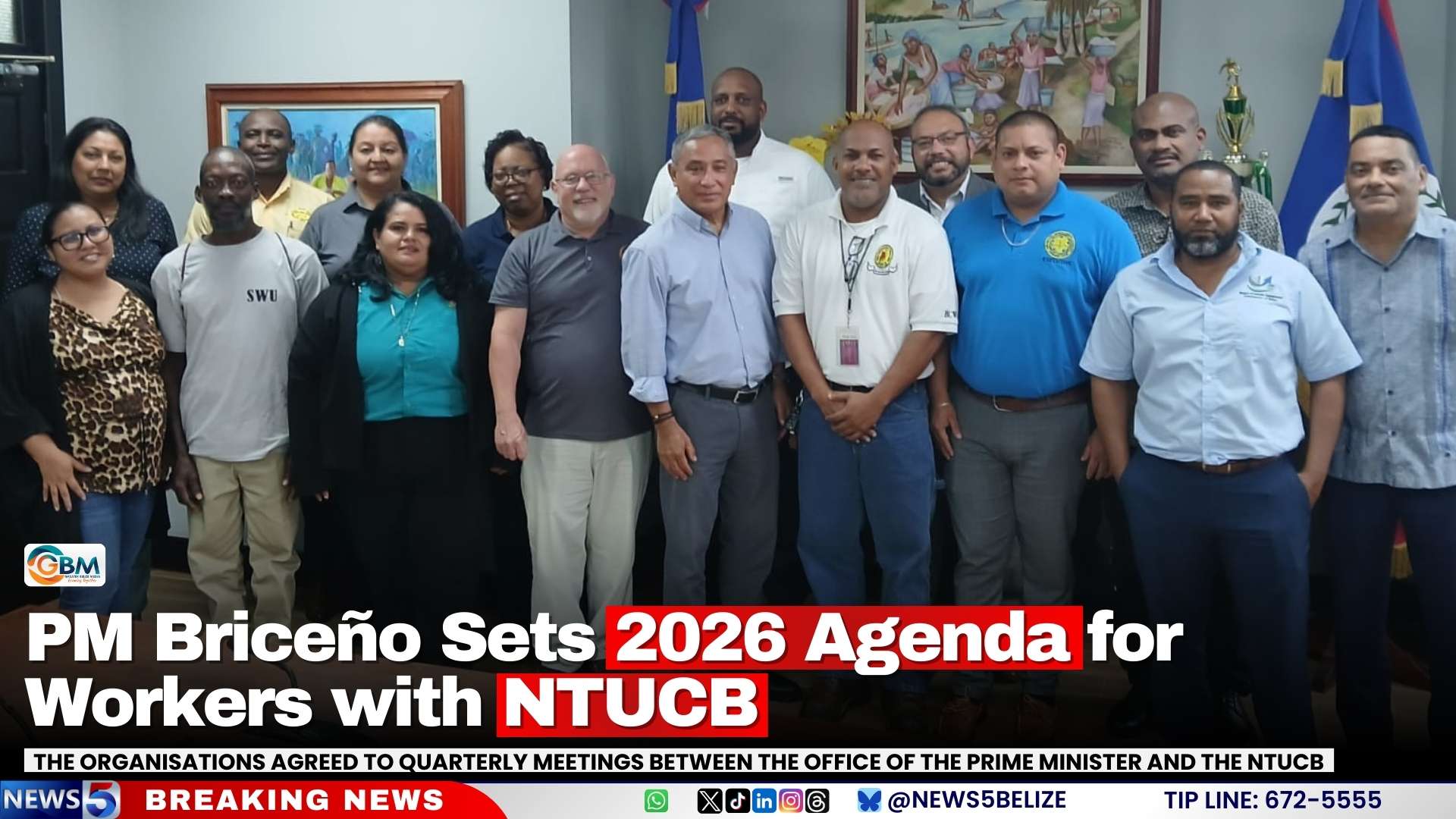
    In a significant development for Belize’s labor landscape, Prime Minister John Briceño has established a comprehensive 2026 agenda through constructive dialogues with the National Trade Union Congress of Belize (NTUCB). The December 15 meeting yielded multiple governmental commitments addressing both labor concerns and broader governance issues.

    The administration pledged to advance the Occupational Safety and Health Bill to its second reading during Parliament’s inaugural 2026 session. Additionally, the government will proceed with the Whistle-blowers Bill upon completion of final stakeholder consultations and aims to conclude the national redistricting process by year’s end.

    Substantial anti-corruption measures formed another critical component of the agreed agenda. The government committed to advancing Campaign Finance Legislation, enhancing enforcement capabilities under the Civil Asset Recovery and Unexplained Wealth Act, and bolstering the operational capacity of oversight institutions including the Integrity Commission and Ombudsman’s office. An investigation into potential non-disclosure of audited financial statements by statutory bodies will also be initiated.

    Regarding international labor standards, both parties agreed to review pending International Labor Organization conventions. The Prime Minister further committed to convene a meeting with utility unions before January 2026 concludes.

    Prime Minister Briceño characterized the negotiations as productive, noting that while governmental and union perspectives sometimes differ, both parties engaged in good faith negotiations resulting in meaningful agreements. To maintain this constructive dialogue, the Office of the Prime Minister and NTUCB will institute quarterly meetings commencing March 2026, establishing a formal mechanism for addressing worker concerns proactively.

  • HRMAB: Barbadian workers should benefit from Bill

    HRMAB: Barbadian workers should benefit from Bill

    Amid parliamentary deliberations on Barbados’ Economic Diversification and Growth Fund Bill, the Human Resource Management Association of Barbados (HRMAB) has emphasized the critical need for equitable distribution of high-level management positions for local professionals. HRMAB President Tisha Peters, while acknowledging her organization’s ongoing review of the proposed legislation, articulated concerns that workforce implications risk being overshadowed by broader economic and political debates.

    The proposed legislation, which allocates $225 million from the Consolidated Fund over three years, aims to attract qualifying international companies that commit to creating substantial employment opportunities domestically. To qualify, enterprises must demonstrate significant offshore presence while pledging to generate at least 100 sustainable jobs for Barbadians maintained over seven years, alongside compliance with national tax obligations.

    Peters specifically highlighted the association’s focused interest on ensuring that forthcoming hotel developments and investment projects incorporate balanced representation of local and expatriate talent across all organizational tiers. “The focus should prioritize an equitable mix of domestic and international expertise at every employment level,” Peters stated. “We must see Barbadian managers advancing into leadership roles—without these opportunities, we cannot achieve genuine equitable distribution.”

    This position emerges against a backdrop of scholarly and professional skepticism. Notable critics including economist Jeremy Stephen, Professor Troy Lorde, Professor Don Marshall, and attorney Tricia Watson have questioned the bill’s capacity to drive meaningful economic diversification. Watson particularly warned against potential inequities stemming from insufficient oversight mechanisms for local workforce inclusion.

    Prime Minister Mia Mottley has addressed transparency concerns by committing to regulatory requirements mandating ministerial accountability to Parliament when deviating from advisory committee recommendations. This amendment seeks to strengthen governance frameworks while maintaining the bill’s core objective of stimulating foreign exchange earnings and sustainable economic growth through monitored private sector investments.

    The ongoing discourse reflects deeper tensions between foreign investment attraction and domestic capacity building, positioning workforce equity as a pivotal component in Barbados’ economic development strategy.

  • Mother Demands Justice After Losing Second Son to Hit-and-Run

    Mother Demands Justice After Losing Second Son to Hit-and-Run

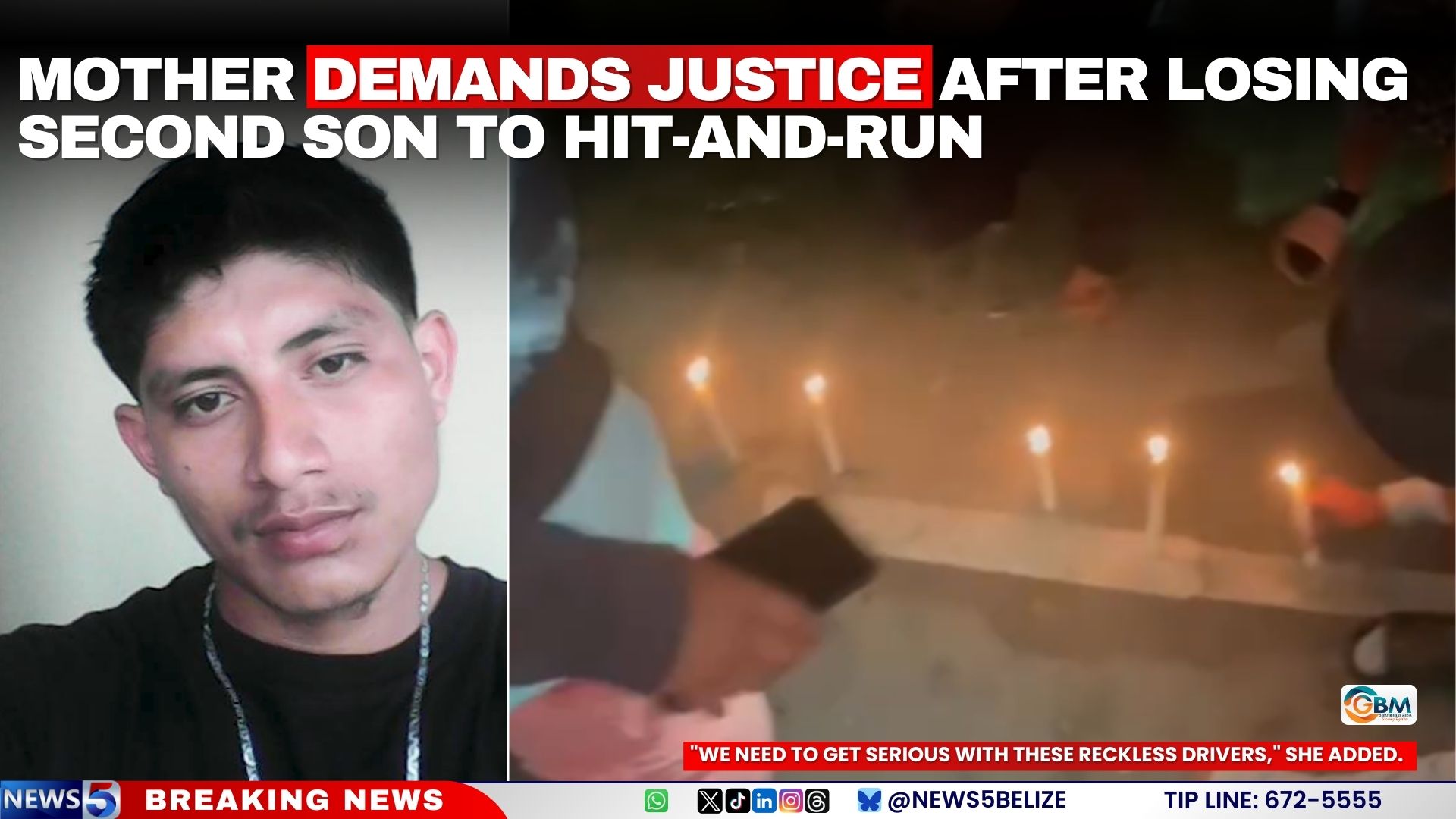
    In a devastating recurrence of tragedy, Marta Magaña Nibul is confronting the unimaginable loss of a second child to a fatal hit-and-run incident. Her son, 31-year-old security guard Mark ‘Bul’ Magaña, succumbed to injuries sustained after being struck by an SUV on Bullet Tree Road in the early hours of Thursday, December 18th, 2025.

    Authorities report that the collision occurred as Magaña was walking. The responsible motorist fled the scene without rendering aid, leaving the victim with critical injuries. Magaña was initially transported to San Ignacio Hospital for emergency treatment before being transferred to a medical facility in Belize City, where he was later pronounced dead. His body is currently held at the morgue.

    The devastating news was delivered to his mother via a telephone call from police around 2:45 a.m. Recounting the traumatic exchange, Nibul described the officer’s vague yet grave assessment of her son’s condition, which foreshadowed the tragic outcome.

    Magaña, a dedicated father of three young children aged ten, six, and nearly two, had accepted an extra hour of work that evening in his continual effort to provide for his family. His mother emphasized his relentless work ethic, stating he never refused any employment opportunity.

    This incident marks the second profound loss for Nibul, who revealed her other son died under strikingly similar circumstances sixteen years prior. Now, channeling her grief into action, she is issuing a powerful public plea for justice and stricter accountability for reckless drivers, emphasizing the urgent need for systemic change to prevent further tragedies.

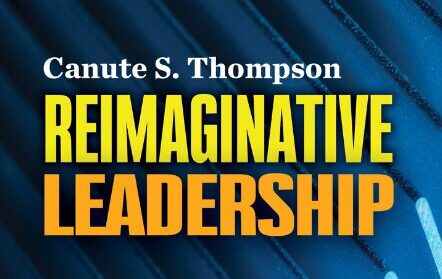
  • UWI Prof. Canute S. Thompson’s ‘Innovative Leadership’ recognized at the 2025 Goody Business Book Awards

    UWI Prof. Canute S. Thompson’s ‘Innovative Leadership’ recognized at the 2025 Goody Business Book Awards

    The University of the West Indies Press has announced significant international recognition for one of its published works. ‘Reimaginative Leadership: Concepts and Applications’ by author Canute S. Thompson has been selected as a finalist in the Leadership category of the prestigious Goody Business Book Awards, as revealed in the November 2025 ceremony.

    This annual awards program celebrates exceptional publications that demonstrate substantial social impact across multiple domains including Business, Health, Leadership, and Technology. Each year, the awards distinguish over 100 authors through approximately 50 winners and 50 finalists, highlighting works that make meaningful contributions within their specialized fields.

    Thompson’s groundbreaking work challenges traditional organizational leadership frameworks by proposing a reconceptualized approach specifically designed for twenty-first century challenges, with particular relevance to Caribbean contexts. The publication advocates for a leadership philosophy founded on principles of care, courage, trust, and accountability. It introduces nine foundational concepts aimed at rehumanizing the dynamic between leaders and their team members while providing practical strategies for addressing the complexities of contemporary organizational environments.

    The author expressed profound gratitude for this recognition, noting: ‘I am exceedingly grateful and proud of yet another award-winning publication. This marks my third publication through UWI Press, with all three receiving awards—a testament to the Press’s rigorous peer-review system and their exceptional ability to identify manuscripts with significant potential.’ Thompson extended appreciation to both the anonymous peer reviewers and supportive colleagues who contributed to the manuscript’s development.

    Christine Randle, Director of UWI Press, commended the achievement, stating: ‘This finalist recognition reflects the exceptional quality and thought leadership embodied in this book. It represents a well-deserved honor that we are thrilled to celebrate.’

    Published by the not-for-profit scholarly UWI Press established in 1992, ‘Reimaginative Leadership’ joins a distinguished catalog of Caribbean scholarship. The press has built a reputation for amplifying Caribbean voices and perspectives across numerous academic disciplines, further solidifying the region’s intellectual contributions to global discourse.

  • US Technical Assistance Field Team supports Grenada’s Maritime Security

    US Technical Assistance Field Team supports Grenada’s Maritime Security

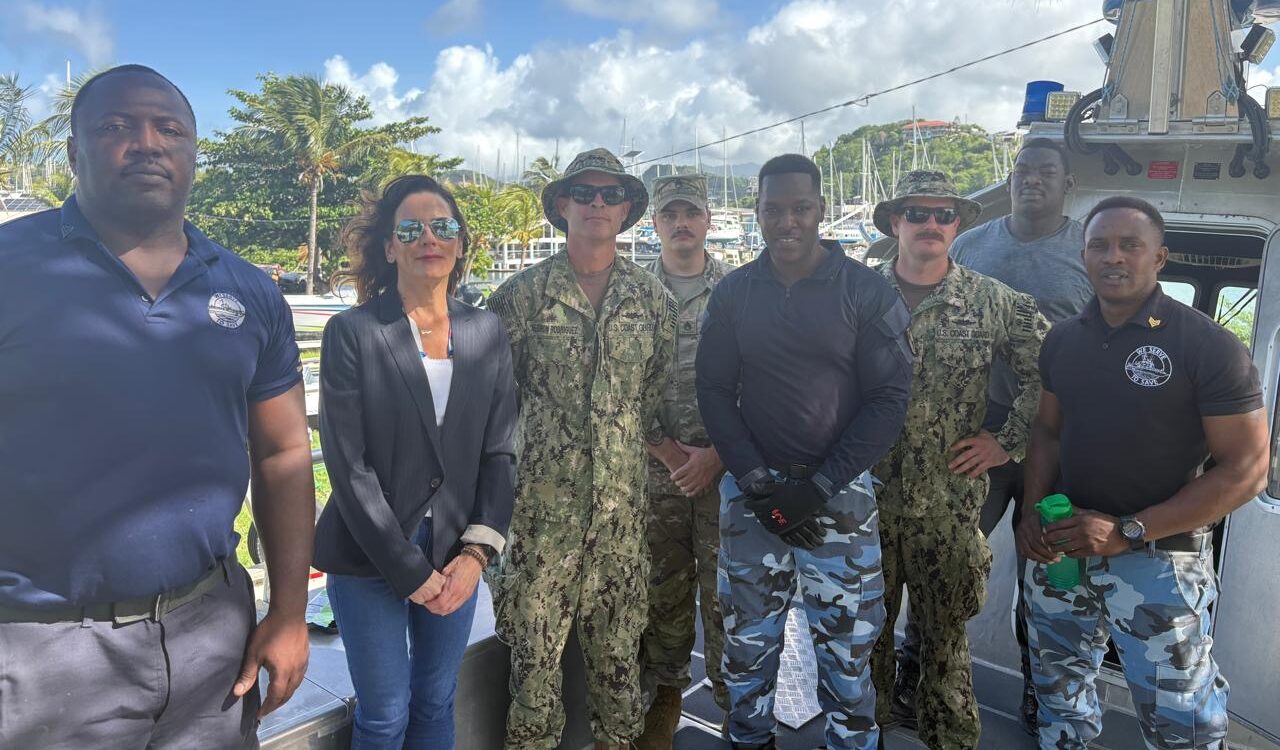
    A specialized team from the United States Southern Command has arrived in Grenada this week to provide crucial technical assistance for repairing maritime assets utilized by the Royal Grenada Police Force Coast Guard. This deployment responds to an official request from the Grenadian government under the framework of the Caribbean Basin Security Initiative Technical Assistance Field Team (CBSI-TAFT) program.

    The technical assistance mission brings together a multidisciplinary team of U.S. Coast Guard and Army engineers and logistics experts who are collaborating directly with their Grenadian counterparts. This cooperative engagement highlights the ongoing security partnership between the two nations and demonstrates Grenada’s proactive approach to maintaining regional security capabilities.

    Grenada has established itself as a valuable partner for the United States in Caribbean security matters. The current technical assistance visit represents the latest in a series of collaborative efforts aimed at enhancing maritime security operations and counter-trafficking capabilities throughout the region. These joint initiatives contribute to creating a safer Caribbean environment while reinforcing the enduring diplomatic and security relationship between the United States and Grenada.

    The maritime asset repair program forms part of broader regional security cooperation efforts that address shared challenges and promote operational readiness. Both nations have expressed mutual appreciation for the opportunity to work collaboratively on these security enhancements, recognizing the importance of maintained and fully operational maritime resources for effective law enforcement and border protection operations.