作者: admin

  • Why the Union Power Station is active again

    Why the Union Power Station is active again

    In a strategic move to enhance national energy security, Saint Lucia Electricity Services Limited (LUCELEC) has repurposed the decommissioned Union Power Station into a critical standby facility. This initiative marks a significant step in fortifying the island’s electrical infrastructure against potential disruptions.

    The Union facility, once a cornerstone of northern Saint Lucia’s power supply, was rendered obsolete in 1990 when the centralized Cul De Sac Power Station became the nation’s sole generation source. Alongside its southern counterpart in Vieux Fort, the Union plant was phased out due to operational limitations from aging infrastructure and insufficient capacity.

    Recent reactivation efforts have transformed the site into a reliability asset. Ormond Reece, LUCELEC’s Senior Planning Manager, confirmed the station now serves as emergency capacity to satisfy regulatory mandates requiring uninterrupted service even during major generator failures. “This investment ensures LUCELEC meets its statutory obligation to maintain sufficient, reliable capacity,” Reece stated to St. Lucia Times.

    The standby capacity also supports grid stability during renewable energy integration. Reece emphasized that “it helps reduce the risk of system interruptions and supports a more stable grid as renewable integration continues.”

    This development coincides with broader regional energy modernization. The World Bank recently approved a $131.87 million Caribbean Efficient and Green Energy Buildings Project, encompassing Saint Lucia, Grenada, and Guyana. The initiative targets reduced fossil fuel dependence through retrofitting 500 public buildings with energy-efficient technologies and solar panels, aiming for minimum 20% energy savings.

    However, legislative progress faced setbacks. The Electricity Supply Bill, designed to enable independent renewable power producers, stalled in Parliament after stakeholders requested extended review time for the complex legislation. The proposed framework maintains LUCELEC’s grid control while allowing third-party generation, acknowledging the market’s limited size for competing infrastructure.

    Looking forward, LUCELEC advances its 10MW solar farm on the southeast coast with full construction approval. Bidding for the project opens January 16, 2026, with construction anticipated by Q2 2026. Concurrently, the company will develop an Integrated Resource and Resiliency Plan through a multi-stakeholder process to guide Saint Lucia’s energy transition aligned with National Energy Policy goals.

  • PHOTOS: Road Works Underway in Golden Grove Extension

    PHOTOS: Road Works Underway in Golden Grove Extension

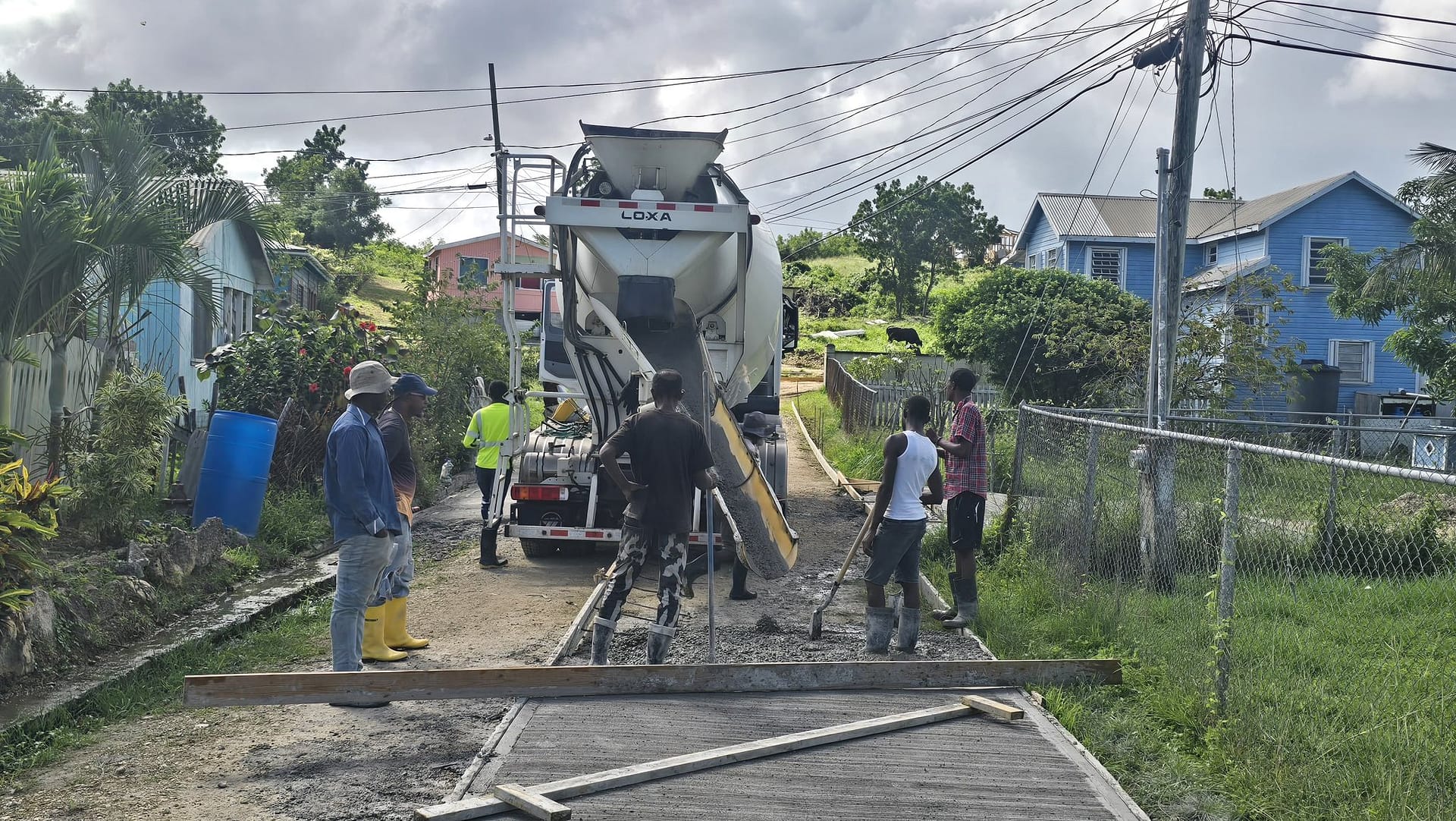
    Transport authorities have issued a public advisory for motorists and local residents regarding ongoing infrastructure maintenance along the Golden Grove Extension corridor. The road rehabilitation initiative, currently in its active phase, necessitates heightened vigilance from all commuters traversing this sector.

    Officials from the Department of Public Works confirmed the project involves comprehensive resurfacing and safety enhancements, part of a broader municipal infrastructure upgrade program. While specific timelines remain fluid, project coordinators estimate completion within the coming fortnight, weather conditions permitting.

    The construction zone features reduced speed limits, temporary traffic control measures, and periodically altered lane configurations. Transportation analysts suggest these necessary improvements will ultimately enhance road safety and traffic flow, though short-term inconveniences are inevitable.

    Commuter advocates recommend exploring alternative routes during peak travel hours where feasible. Emergency service providers have been notified of the temporary traffic pattern changes to ensure uninterrupted response capabilities throughout the construction period.

    Real-time traffic updates are available through the city’s official transportation mobile application and variable message signs positioned along approaching thoroughfares. The public works department emphasizes that all scheduled work complies with contemporary safety standards and environmental regulations.

  • Shortcomings of trade unions

    Shortcomings of trade unions

    A critical examination of trade union efficacy reveals systemic challenges in organizational communication and global advocacy. While skeptics frequently accuse unions of prioritizing narrow, parochial concerns over broader national and international developments, this perspective often lacks substantiated evidence. However, the conspicuous silence of many unions regarding proposed governmental policies inadvertently lends credibility to these criticisms.

    Within the Caribbean region and beyond, a significant communication deficit persists among trade unions operating across various territories. Struggling unions frequently fail to alert their regional counterparts about ongoing challenges, creating isolation that severely impedes their ability to mobilize support during crises. This fragmentation highlights the urgent need for establishing robust communication networks to foster meaningful solidarity.

    The absence of cohesive communication structures raises fundamental questions about inter-union collaboration mechanisms. Those unions affiliated with regional or international bodies typically seek support from these organizations during emergencies, yet this approach remains inadequate without stronger grassroots connections among neighboring unions.

    Experts emphasize that information sharing and experience exchange significantly enhance membership confidence and strengthen both individual and collective union actions. Despite this, many local unions neglect their public visibility, failing to leverage media platforms to promote their agendas effectively.

    Union leadership must prioritize highlighting workers’ suffering, rights violations, and systemic hardships while advocating for decent work conditions, social protection frameworks, and sustainable employment opportunities. Crucially, unions must articulate positions on political issues and policy decisions affecting workers across social, economic, and political dimensions.

    Global political leaders who command media attention often address labor-related matters indirectly, yet their primary focus remains centered on power dynamics rather than substantive issues like collective bargaining, worker organization, or labor protection.

    There is growing consensus that trade union leaders at international, regional, and local levels must adopt more visible and assertive stances regarding critical issues including worker displacement, refugee crises, labor migration, imprisonment of union leaders, forced labor practices, and human trafficking. Additional pressing concerns demand attention, particularly gender pay disparity and workplace inclusion for persons with disabilities.

    Most alarmingly, numerous governments worldwide have ratified the eight core ILO Conventions while simultaneously implementing labor policies that contradict these commitments. Trade unions must acknowledge their own complicity in this predicament, having permitted political elements to co-opt their messaging under the pretext of representing working-class interests. Substantial evidence indicates that political actions frequently diverge from rhetorical commitments and worker expectations.

  • A Caribbean Christmas message: The gift we give our children

    A Caribbean Christmas message: The gift we give our children

    As Barbados enters the festive season, the traditional celebrations of gift-giving, family gatherings, and culinary delights like great cake and sorrel take on deeper significance. Beyond the surface-level merriment, this period serves as a profound national moment for collective reflection and recommitment to core values that define the Barbadian identity.

    The season illuminates a crucial dichotomy among the nation’s youth: while many children experience Christmas with joy and security, others confront less visible challenges including poverty-induced household strains, community instability, overwhelming educational difficulties, and unexpressed emotional burdens. This contrast underscores the necessity for expanded communal support systems, emphasizing that national strength emerges from mutual care and protection.

    Child development transcends private upbringing, representing instead a collaborative national project requiring four interdependent pillars: parental nurturing of respect and resilience, educational adaptation to individual learning needs, student commitment to academic excellence, and governmental provision of essential resources for struggling families. This integrated approach ensures no child remains marginalized.

    Education stands as Barbados’ most transformative legacy—an engine of independence, democratic foundation, and bridge between present circumstances and future possibilities. Its value manifests through multiple dimensions: personal empowerment through critical thinking skills, financial security via improved employment prospects, poverty cycle interruption across generations, and enhanced community health literacy and civic participation.

    Parental modeling represents perhaps the most valuable Christmas offering—the cultivation of fearless yet respectful confidence. Children absorb ethical standards through observed behavior when adults choose integrity over convenience and kindness over anger. Simultaneously, parents must balance cultural traditions of respect with encouraging children to develop assertive self-advocacy skills, creating cycles of empowered communication.

    Governmental responsibility extends beyond funding to encompass modernized educational standards, competitive teacher compensation aligned with international models like Singapore and Scandinavia, targeted family communication about education’s value, and inclusive policies ensuring equitable access. Teachers serve as frontline interpreters of national values, with influence stretching far beyond classroom instruction.

    This Christmas issues a communal call to action: reaffirm foundational values of kindness, responsibility, and fairness through practical support for vulnerable neighbors, encouragement for children, appreciation for dedicated educators, and assistance for resource-limited parents. Every child deserves recognition of their inherent worth and potential for greatness.

    The season’s ultimate blessing would bring household peace, parental strength, educator rest, student courage, and national unity—carrying into the new year a renewed commitment to the children who will shape Barbados’ future. The true Christmas spirit manifests not in receiving, but in giving to the nation’s most precious resource: its youth.

  • Ministry of Agriculture participated in CHOGM Training

    Ministry of Agriculture participated in CHOGM Training

    Antigua and Barbuda has initiated comprehensive security preparations for the upcoming 2026 Commonwealth Heads of Government Meeting (CHOGM) through an intensive training program conducted by the Canadian Armed Forces. The two-week workshop, described by participants as exceptionally rigorous, brought together key security personnel from multiple government ministries, the Antigua and Barbuda Defence Force (ABDF), the Royal Police Force, and the Office of National Drug Control Policy (ONDCP).

    Held at Camp Blizzard under the direct supervision of the Ministry of Foreign Affairs, the training program represents the initial phase of the nation’s security strategy for hosting the prestigious international gathering. Canadian military experts delivered specialized instruction aimed at enhancing the capabilities of local security forces in managing large-scale international events.

    The collaborative initiative underscores the strengthening bilateral relations between Canada and Antigua and Barbuda while demonstrating the Caribbean nation’s proactive approach to ensuring a secure environment for the high-profile summit. This preparatory phase focuses on establishing robust security protocols, coordination mechanisms, and emergency response procedures necessary for successfully hosting world leaders and dignitaries.

    The training initiative marks a significant milestone in Antigua and Barbuda’s journey toward becoming the third Caribbean Community (CARICOM) member state to host the Commonwealth’s premier political gathering, following The Bahamas (1985) and Trinidad and Tobago (2009).

  • Sagicor Brings Christmas Magic to New Orleans and Chapman Lane Communities

    Sagicor Brings Christmas Magic to New Orleans and Chapman Lane Communities

    Sagicor Life Inc recently illuminated the holiday season through a vibrant Christmas celebration for families and children from the New Orleans and Chapman Lane communities in St. Michael, Barbados. The event, held at the New Orleans Police Community Outpost, attracted over 150 participants who enjoyed an afternoon of music, entertainment, and festive camaraderie.

    This gathering represents a strategic component of Sagicor’s ongoing support for the Learning in Harmony Homework Programme, an educational partnership with the Barbados Police Service. The initiative delivers academic lessons, mentorship opportunities, and comprehensive support for youth in surrounding neighborhoods.

    Sergeant Wendell Weeks, Coordinator of the Homework Programme, expressed profound inspiration at the community response. “The exceptional turnout surpassed our expectations,” Weeks noted. “Witnessing such enthusiastic participation from children and parents reaffirms the programme’s vital role in community development. Corporate partnerships like ours with Sagicor amplify our impact beyond what we could accomplish independently.”

    Paul Inniss, Executive Vice President and General Manager of Sagicor Life Inc (Barbados), emphasized the company’s philosophical commitment to community investment. “Christmas fundamentally embodies unity, generosity, and mutual support—values that this event perfectly captures,” Inniss stated. “By investing in our youth and communities, we contribute to shaping more promising futures. Our collaboration with the Barbados Police Service creates environments where children feel recognized and empowered throughout the year, truly embodying the seasonal spirit.”

    The celebration featured recreational activities, gift distributions, and meaningful community engagement, highlighting the tangible benefits of corporate-community partnerships. Sagicor continues to dedicate resources to initiatives that empower Barbadian youth, strengthen community connections, and generate sustainable social impact.

  • Digicel becomes Cbean’s first to achieve CIPS Ethical Procurement, Supply Kitemark Accreditation

    Digicel becomes Cbean’s first to achieve CIPS Ethical Procurement, Supply Kitemark Accreditation

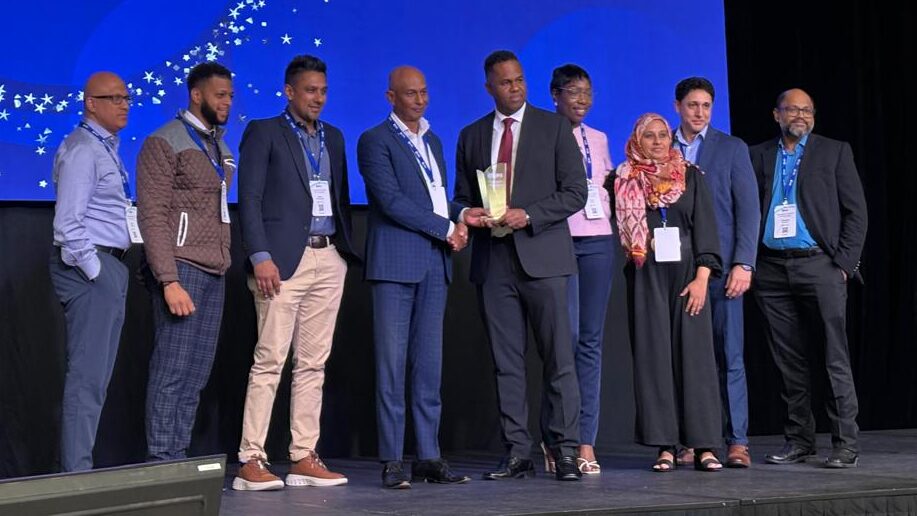
    In a landmark achievement for Caribbean corporate governance, Digicel Group has secured the Chartered Institute of Procurement & Supply (CIPS) Corporate Ethical Procurement & Supply Kitemark—becoming the region’s inaugural recipient of this distinguished global recognition. The honor was formally presented during the inaugural CIPS Caribbean Conference and Awards ceremony at Trinidad’s Hyatt Regency last week, where Digicel’s procurement leadership accepted the accreditation.

    This prestigious kitemark serves as independent validation of Digicel’s comprehensive commitment to ethical sourcing methodologies, supplier integrity protocols, and robust governance frameworks. The certification process involves rigorous independent audits that assess consistent ethical implementation throughout organizational procurement ecosystems.

    Arshad Ali, Director of Group Procurement, Supply Chain & Real Estate at Digicel, emphasized the strategic significance of this accomplishment: ‘This accreditation embodies our fundamental business philosophy. It reflects the substantial advancements we’ve achieved in institutionalizing ethical, transparent, and accountable procurement processes across our operations. Furthermore, it strengthens our dedication to establishing new benchmarks for responsible sourcing and supply chain governance throughout the Caribbean region.’

    For consumers and commercial partners, the CIPS endorsement provides tangible assurance regarding Digicel’s ethical operational standards. Procurement determinations now systematically incorporate ethical considerations alongside traditional commercial metrics, ensuring all business interactions prioritize integrity and accountability. Partners benefit from transparent engagement frameworks, clearly defined ethical standards, and enhanced relationship sustainability founded on compliance and mutual trust.

    Michael Watson, Chief Compliance and Cyber Security Officer for Digicel Group, added: ‘This recognition underscores our continuous improvement in ethics and compliance programming. It provides stakeholders with concrete evidence of Digicel’s adherence to world-class ethical benchmarks throughout our supply network.’

    This industry milestone reinforces Digicel’s strategic positioning as an ethical leadership proponent, demonstrating how responsible corporate growth strategies can generate sustainable value for Caribbean economic development.

  • Sagicor Bank named Barbados’ Best Consumer Digital Bank

    Sagicor Bank named Barbados’ Best Consumer Digital Bank

    Sagicor Bank (Barbados) has achieved unprecedented recognition in the financial technology sector, securing an impressive 18 awards from Global Finance magazine’s World’s Best Digital Bank Awards for 2025. The institution, which pioneered digital-only banking in Barbados, has been crowned the nation’s Best Consumer Digital Bank for the second consecutive year, demonstrating remarkable growth from its 10 awards in the previous cycle.

    The prestigious international financial publication, established in 1987 and renowned for its financial industry authority, has conducted these awards for 26 years across multiple categories and regions. Sagicor’s accolades include Barbados’ Best Digital-Only Bank, Best Digital Payments Strategy, and Best in Lending—the latter marking a repeated triumph for the bank’s lending division.

    CEO George Thomas characterized the awards as validation of the bank’s transformative approach to Barbados’ banking landscape. ‘When we first opened our doors, we committed to offering a better banking experience for Barbadians,’ Thomas stated. ‘We’ve built on last year’s progress by actively listening to our clients and adapting accordingly, resulting in this significant award increase from 10 to 18.’

    Thomas extended congratulations to his team for their dedication and thanked clients and business partners for their continued support. The sentiment was echoed by Global Finance’s founder Joseph Giarraputo, who noted that award-winning institutions exemplify innovation in cloud technology and mobile-first strategies that deliver secure, personalized banking experiences.

    The first-round honorees for Latin America and the Caribbean were announced in August 2024, with Sagicor now eligible for regional and global recognition in the second round. The ultimate winners will be revealed at the inaugural Global Finance World’s Best Digital Banks Awards Ceremony on October 7 at London’s historic 8 Northumberland Avenue.

  • Analysts: Cabinet built for control, continuity, calculated risk

    Analysts: Cabinet built for control, continuity, calculated risk

    Prime Minister Philip J. Pierre’s newly unveiled Cabinet emphasizes strategic continuity rather than radical transformation, according to political analysts Rahym Augustin-Joseph and Earl Bousquet. The February 12th announcement revealed a structure where Pierre maintains control over critical portfolios including Finance, National Security, Justice, while assuming additional responsibilities for Constituency Development and People Empowerment.

    Augustin-Joseph, a Rhodes scholar and political commentator, characterizes the arrangement as a clear centralization of authority within the Westminster system. “This configuration leaves no ambiguity regarding accountability,” he noted. “The Prime Minister stands at the center of governance, meaning governmental success or failure will directly correlate with his performance across these key areas.”

    Veteran analyst Bousquet offered a contrasting perspective, interpreting the cabinet composition as a deliberate equilibrium between experience and innovation. He emphasized that the structure reinforces Pierre’s longstanding position that no minister possesses exclusive control over any portfolio, describing the reshuffle as demonstrating both continuity and adaptability.

    The government’s economic strategy remains anchored by Dr. Ernest Hilaire, who retains Tourism and Investment while gaining Commerce oversight. This consolidation brings major agencies including Invest Saint Lucia, Export Saint Lucia, and Lucian Carnival under his unified direction. As Deputy Prime Minister, Hilaire continues shaping Saint Lucia’s global economic presence, building upon his first-term achievements in revitalizing the Saint Lucia Jazz and Arts Festival and expanding Lucian Carnival.

    Augustin-Joseph highlighted the critical nature of Hilaire’s role, stating, “The administration’s fortunes are intrinsically linked to his performance, given tourism’s fundamental importance to our economy.” Bousquet concurred, noting Hilaire’s collaborative environment within cabinet ensures he won’t operate in isolation, with former Commerce Minister Emma Hippolyte remaining available for policy continuity consultation.

    The cabinet maintains several experienced figures, with Stephenson King continuing as senior minister and Alva Baptiste retaining External Affairs—a decision analysts attribute to requiring steady diplomacy amid global uncertainties. Bousquet interpreted King’s reassignment from Infrastructure as reinforcing Pierre’s message that experience doesn’t guarantee entitlement, characterizing it as affirming collective responsibility rather than demotion.

    Infrastructure responsibilities transition to Shawn Edward, a move Augustin-Joseph suggests addresses public concerns regarding infrastructure delivery. Education, Youth Development, Sports and Digital Transformation consolidate under Kenson Casimir, despite public debate about the expanded workload. Bousquet defended the appointment, citing Casimir’s electoral success and demonstrated resilience.

    The most discussed appointment proved to be Lisa Jawahir’s elevation to Agriculture, Fisheries, Food Security and Climate Change. While critics questioned her background, Bousquet dismissed assumptions that formal training alone determines competency, noting her regional parliamentary work on food security and climate change initiatives. Her appointment marks Saint Lucia’s first female Agriculture Minister, representing broader inclusion efforts that have increased female representation in both Cabinet and Senate.

    Other significant changes include Jeremiah Norbert assuming a newly created Conflict Resolution portfolio addressing crime and social cohesion concerns, while Emma Hippolyte’s expanded ministry unites equity, labour and social justice under centralized leadership. Danny Butcher joins Education with responsibility for Early Childhood, Continuing and Special Education and Digital Transformation, supporting foundational reforms.

    Analysts ultimately agree this cabinet configuration prioritizes delivery above symbolism. Augustin-Joseph summarizes it as “more continuity than change,” while Bousquet characterizes it as “a forward-looking team tasked with fulfilling manifesto promises made by the SLP and its independent affiliates—a cabinet appointed to deliver not just for today, but for the future.”

  • Voorzitter Politiebond bekritiseert structurele problemen korps

    Voorzitter Politiebond bekritiseert structurele problemen korps

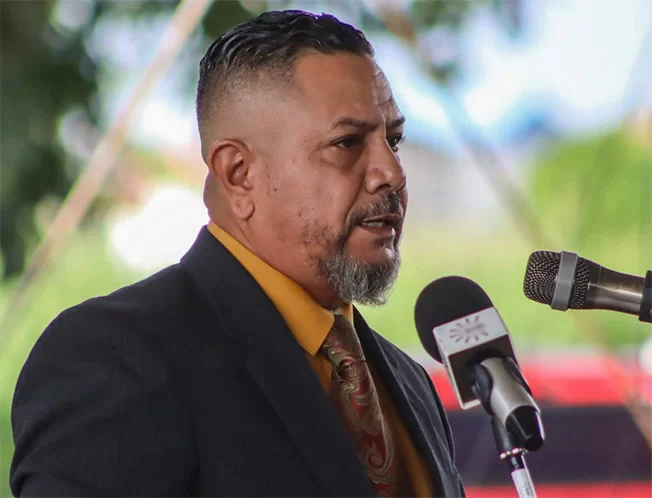
    In a striking address during Friday’s police promotion ceremony, Suriname Police Union Chairman Chief Inspector Revelino Eijk delivered a powerful critique of the deteriorating working conditions and legal protections within the Suriname Police Force (KPS). While congratulating newly promoted officers, Eijk emphasized that structural deficiencies within the corps demand immediate attention rather than continued neglect.

    Eijk articulated that promotions represent more than mere rank advancements—they signify recognition of dedication, discipline, professionalism, and loyalty to both the police force and Suriname. He stressed that promotions constitute earned rights under legal frameworks rather than organizational favors, bringing not only expanded authority but greater responsibilities, including exemplary conduct within the corps and toward society.

    The union leader highlighted policing as a vocation rather than conventional employment, noting its inherent risks to personal safety and sacrifices in private life. Consequently, appreciation, fairness, and clear career trajectories become essential components for officer retention and morale. Transparent and equitable promotion processes, according to Eijk, fundamentally contribute to motivation, trust, and organizational cohesion.

    Eijk expressed particular concern for officers who met service duration, performance, and evaluation criteria yet were overlooked for promotions. He asserted that a professional police corps can only function effectively when every member feels recognized and valued.

    The Police Union chairman positioned his organization as a constructive partner in collaborations with KPS, the Ministry of Justice and Police, and other unions, though emphasizing this cooperation isn’t unconditional. Agreements must be honored, and decisions affecting officers’ legal status must adhere to proper governance principles. Eijk noted that trust is increasingly undermined by broken commitments and inadequate communication.

    Eijk detailed critical operational shortcomings: inadequate training programs despite high policing standards, severe shortages of uniforms, equipment, patrol vehicles, computers, and other essential resources. Multiple police facilities operate in disrepair with substandard sanitation and unhygienic conditions.

    Financial protections for officers raised additional concerns. Promotion-related financial resolutions frequently experience prolonged delays, deferring monetary recognition. When back payments eventually occur, significant portions are withheld through taxation, transforming promotions into financial burdens rather than rewards for some officers. Eijk revealed that some officers have retired without receiving their entitled financial benefits.

    Eijk further criticized investigative procedures against officers accused of criminal offenses or duty violations, noting these processes often lack diligence and proper administrative principles in disciplinary actions. He referenced a recent judicial ruling that vindicated an officer dismissed in 2013 after twelve years, requiring full reinstatement with back pay.

    All these issues, Eijk concluded, revolve around a central concept: trust. Trust in the organization, agreements, and leadership isn’t automatic but must be earned and maintained. The Police Union urges authorities to address these challenges as systemic problems requiring structural solutions rather than isolated incidents. Investing in personnel, resources, training, and proper legal status constitutes essential prerequisites for sustainable security and professional policing.