作者: admin

  • Not so Grand Market for St Elizabeth

    Not so Grand Market for St Elizabeth

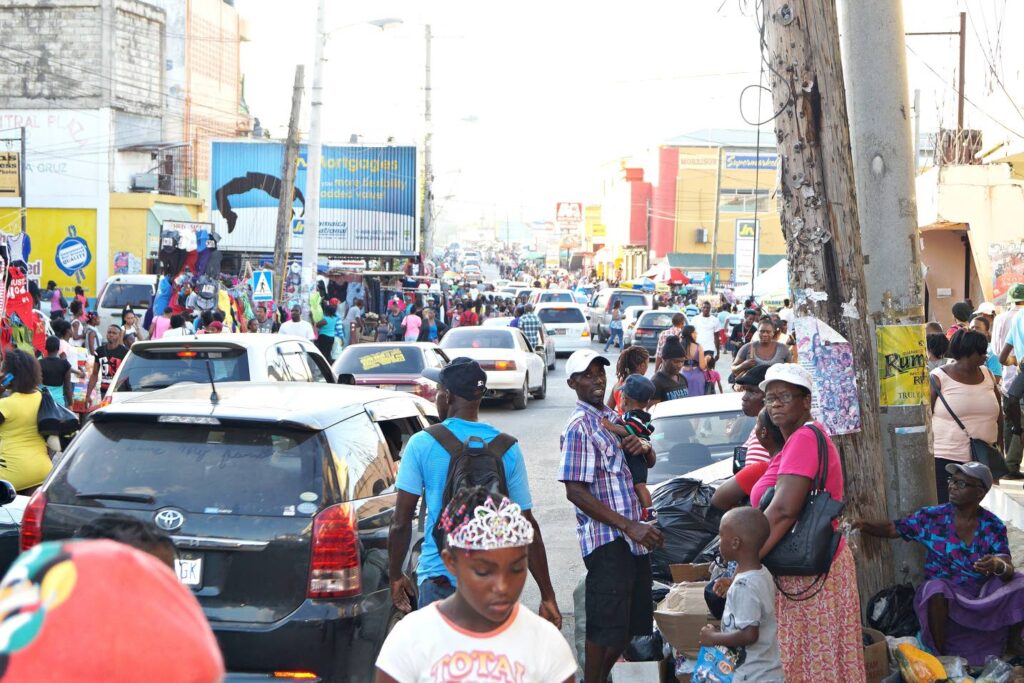
    The historic Jamaican tradition of Grand Market faces severe disruption in St Elizabeth this Christmas Eve, with local business leaders predicting a dramatically scaled-back celebration due to ongoing recovery efforts from Hurricane Melissa’s devastation.

    Howard Hendriks, President of the St Elizabeth chapter of the Jamaica Chamber of Commerce, revealed that approximately 93 establishments in the parish remain non-functional or severely compromised since the October 28 storm. The hurricane’s impact has particularly affected the three major towns that traditionally host the vibrant celebrations—Black River, Santa Cruz, and Junction.

    Black River’s commercial district remains at a complete standstill, while Santa Cruz experiences significantly slowed business activity. This has shifted commercial momentum to Junction, which has unexpectedly become the parish’s primary commerce hub as it was cleared of debris earliest.

    “The biggest Grand Market in Jamaica you can ever see is in Santa Cruz,” Hendriks told the Jamaica Observer. “Santa Cruz is always full on Grand Market night, and I don’t envision seeing that capacity of crowd this year because you need businesses to sustain it.”

    The tradition of Grand Market dates to colonial times when enslaved Africans were granted limited freedom during Christmas to sell surplus produce and handmade goods. Today, it transforms town centers into all-night street fairs featuring last-minute shopping, street food, music, and festivities that often continue into Christmas morning.

    Hendriks described the likely scenario: “It may be a minuscule version of Grand Market because people are going to want to get some things, but you have to have electricity to have the sound system going to build that party vibe.”

    The recovery disparity between urban and rural businesses has become particularly apparent. Small businesses—including grocery shops and bars that operate “hand to mouth”—face existential challenges without access to formal banking support or disaster recovery resources.

    “The recovery for the small business sector is non-existent,” Hendriks explained. “These people don’t really go to the bank to borrow money to sustain their business. They rely on informal financial systems like round robin and partna draws, which have been completely disrupted.”

    Energy infrastructure remains a critical obstacle, with generator costs running approximately $5,000 Jamaican dollars per night for fuel—an unsustainable expense for businesses already struggling with transportation challenges for perishable goods into hill communities.

    Hendriks has engaged with the Office of Disaster Preparedness and Emergency Management (ODPEM) to address recovery needs, but acknowledges that without restored electricity and substantial support, “commerce is basically totally ripped up, and we don’t know when it will return.”

  • Sagicor Bank reopens in storm-hit Black River

    Sagicor Bank reopens in storm-hit Black River

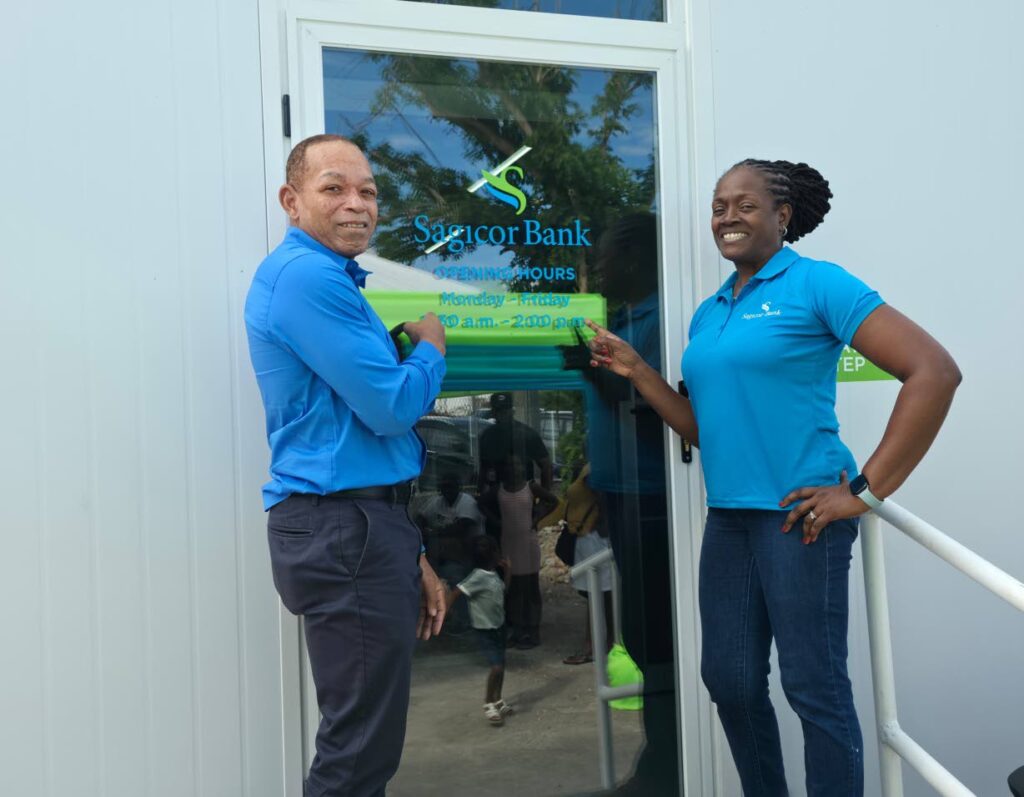
    Sagicor Bank Jamaica has successfully restored banking services to the isolated community of Black River, St. Elizabeth, following the devastating impact of Hurricane Melissa in late October. The branch, which constitutes the town’s sole financial institution, resumed operations on Friday after sustaining severe structural damage from storm surges that shattered windows and flooded the interior.

    Facing a critical lack of financial access, local residents and businesses had been without essential banking services for nearly two months. Bank CEO Chorvelle Johnson Cunningham emphasized the institution’s commitment to rapid recovery, stating, “Our immediate priority was to reestablish operations in Black River to support our clients and the community’s rebuilding efforts during this challenging period.”

    The bank implemented an innovative temporary banking facility on the original site, which processed approximately 500 transactions during its two-day soft launch beginning December 15. This reopening forms part of Sagicor Group Jamaica’s comprehensive $200-million recovery initiative, with significant allocations addressing broader community needs.

    Christopher Zacca, President and CEO of Sagicor Group Jamaica, highlighted the strategic importance of the banking restoration: “While this branch reopening stimulates economic recovery at the community level, our parallel initiatives focus on reconstructing healthcare facilities, educational infrastructure, and social support systems across western Jamaica.”

    The parent company has designated $100 million specifically for clinic restoration in affected regions, with $40 million already distributed for staff relief programs. Sagicor Bank Jamaica, the nation’s third most profitable commercial bank and part of the Sagicor Financial Company Ltd network, conducted an official reopening ceremony on December 19, 2025, marking a significant milestone in the region’s recovery journey.

  • Big cost of climate change on Jamaica

    Big cost of climate change on Jamaica

    Jamaica faces an existential threat to its economic foundation and developmental trajectory as climate change evolves from an environmental concern into a paramount national security issue. Professor Michael Taylor, a leading climate scientist at The University of the West Indies, Mona, delivered a stark warning that the nation’s partial resilience measures equate to no resilience at all in the face of cascading climate impacts.

    The interconnected nature of Jamaica’s infrastructure means that failure in one sector could trigger catastrophic breakdowns across the entire economy. Professor Taylor revealed that a single major climate event could wipe out 30-40% of Jamaica’s GDP—not through obvious weaknesses already addressed, but through overlooked downstream sectors that could become ignition points for widespread devastation.

    The evidence is already apparent. Hurricane Melissa inflicted unprecedented losses of $1.3 trillion, equivalent to 41% of GDP, dwarfing the damage from Hurricane Ivan in 2004 (6.8% of GDP). What makes the current situation particularly dire is the accelerating frequency of extreme weather events, leaving insufficient recovery time between disasters.

    Beyond dramatic hurricanes, Jamaica struggles to quantify slower climate threats, including record-breaking heat waves and sea-level rise. The scientific tools to measure these gradual but damaging effects remain underdeveloped, creating critical data gaps that hinder effective policy formulation.

    In response, Jamaican institutions are developing innovative solutions like the Jamaica Systemic Risk Assessment Tool (J-SRAT), which aims to comprehensively assess risks across sectors. Researchers are also working to quantify the value of ecosystem services and nature-based solutions that could prevent future losses.

    The economic implications are already materializing. Minister Matthew Samuda warned that climate risk is reshaping Jamaica’s physical and financial landscape, with insurance premiums rising beyond affordability in vulnerable coastal areas. Some regions are becoming effectively uninsurable and unlivable, directly constraining investment, housing development, and national growth.

    The consensus is clear: Jamaica must develop context-specific solutions rather than importing foreign approaches. Addressing this crisis requires coordinated action from academia, government, and the private sector to transform climate resilience from an environmental concern into a core development priority.

  • Rebuilding history

    Rebuilding history

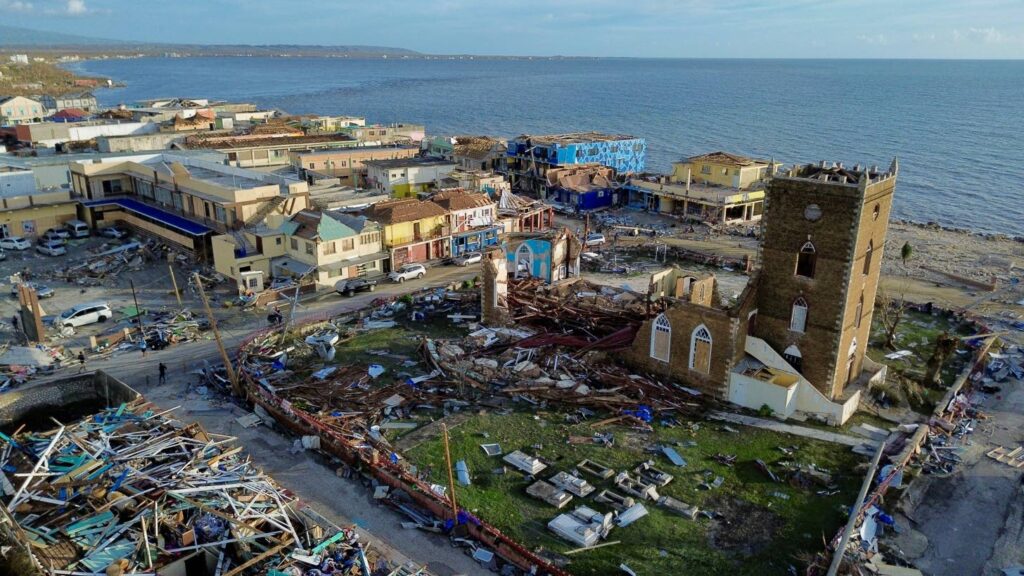
    In the wake of Hurricane Melissa’s devastating path through Jamaica, leading architectural conservationists are advocating for expert-led restoration of the nation’s damaged heritage structures. Preservation specialists Pat Green and Sarah Ann Hodges emphasize that immediate professional intervention is crucial to salvage both physical materials and historical knowledge from affected sites.

    The Category 5 hurricane, one of the most powerful Atlantic storms in recorded history, caused extensive damage to centuries-old churches, courthouses, and schools when it made landfall on October 28 with sustained winds of 185 mph. While acknowledging the storm’s unprecedented strength, both experts identified systemic neglect and poor maintenance practices as significant factors exacerbating the destruction.

    Registered architect and conservation consultant Pat Green stressed the urgency of professional assessment before cleanup operations begin: “My concern is that bulldozers might scrape up everything without proper evaluation. We need heritage professionals on the ground to guide the salvaging process—this isn’t just debris but valuable knowledge, technology, and reusable materials.”

    Preservation architect Sarah Ann Hodges, co-founder of Kingston 10 Architects, outlined immediate priorities: “Where roofs are damaged, the critical first step is preventing further water intrusion. We must literally pick up the pieces—collect timbers, commemorative stones, and tiles—and ensure these materials aren’t diverted elsewhere.”

    Both experts highlighted the educational opportunity presented by the damage. Green explained, “Examining these structures reveals construction techniques that need to be passed to younger generations. Many assume these buildings were entirely European imports, but my research shows they were designed and built by Jamaican craftspeople using local materials—a testament to our ancestors’ ingenuity.”

    The architects proposed two conservation approaches: either preserving ruins as historical monuments while constructing modern facilities within them, or rebuilding structures to original specifications with strengthened connections and reinforcements. They pointed to successful post-disaster reconstructions after Jamaica’s 1907 earthquake and 1951 Hurricane Charlie as models.

    A recurring theme in both interviews was Jamaica’s problematic maintenance culture. Hodges noted the paradox: “People meticulously maintain their cars but expect buildings to look after themselves. Then they’re surprised when structures collapse.” Green identified termite damage from untreated lumber and inferior building materials as particular vulnerabilities.

    Despite the devastation, Green remains optimistic about recovery prospects, citing historical precedents: “After the 1907 earthquake, major rebuilding occurred within years. The same happened post-Hurricane Charlie and in Belize after Hurricane Hattie. Recovery is possible with sufficient will and proper techniques.”

    The extensive damage to structures like St John’s Anglican Church in Black River serves as both a tragedy and a wake-up call for improved preservation practices across Jamaica’s architectural heritage.

  • 2025 Festive Firs

    2025 Festive Firs

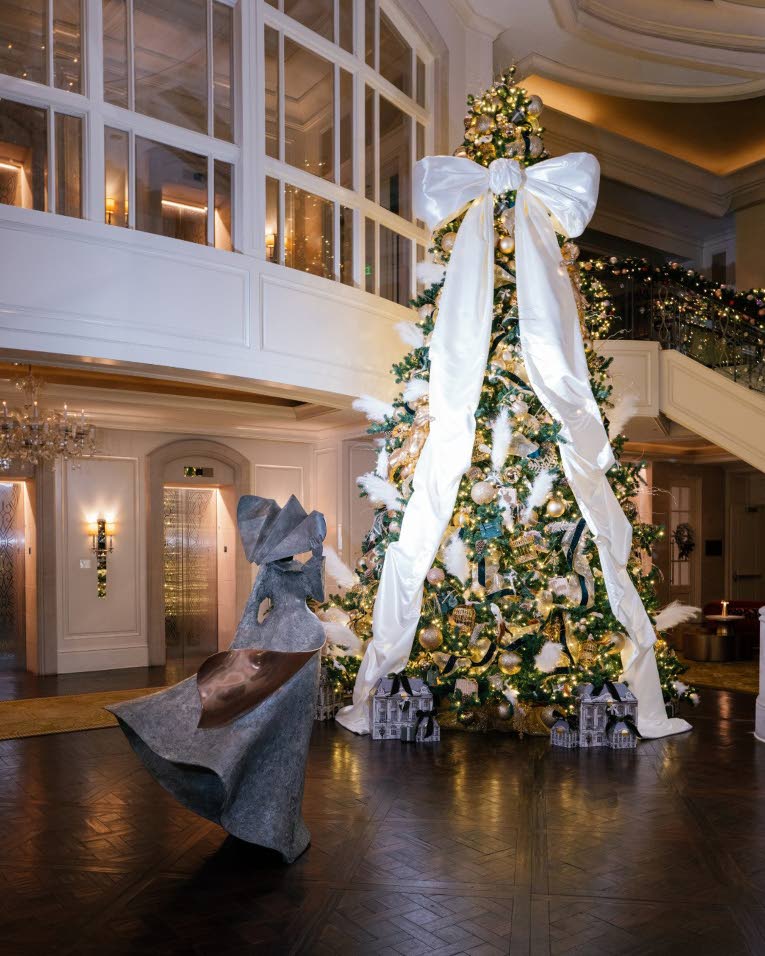
    MIAMI – Bal Harbour Shops has elevated its seasonal celebrations through an exclusive collaboration with the iconic Italian luxury brand Ferragamo. The upscale Miami shopping destination now features a spectacular holiday tree installation in its Center Courtyard, reimagined through Ferragamo’s distinctive design lens.

    The innovative display transforms the traditional holiday tree into a sophisticated art installation where signature Ferragamo silk scarves float as balloon ornaments. This creative approach turns the tree into a vibrant canvas that showcases exceptional color harmony, artisanal craftsmanship, and whimsical elegance. Located at 9700 Collins Avenue in Bal Harbour, Florida, the Ferragamo Boutique has orchestrated this immersive experience that seamlessly blends high fashion with holiday tradition.

    The installation represents a growing trend among luxury retailers to create immersive, Instagram-worthy holiday experiences that transcend conventional shopping. By integrating their signature textiles into the holiday display, Ferragamo has demonstrated how luxury fashion houses can creatively engage with customers during the festive season. This collaboration follows similar high-profile holiday installations at other premium locations including L’Ermitage Beverly Hills with Vera Wang and New York’s Bergdorf Goodman, though each maintains its unique artistic interpretation of seasonal celebrations.

    This artistic holiday presentation offers visitors an opportunity to experience the intersection of fashion, art, and seasonal tradition, providing a sophisticated alternative to conventional holiday decorations while maintaining the joyful spirit of the season.

  • ‘No one to work’

    ‘No one to work’

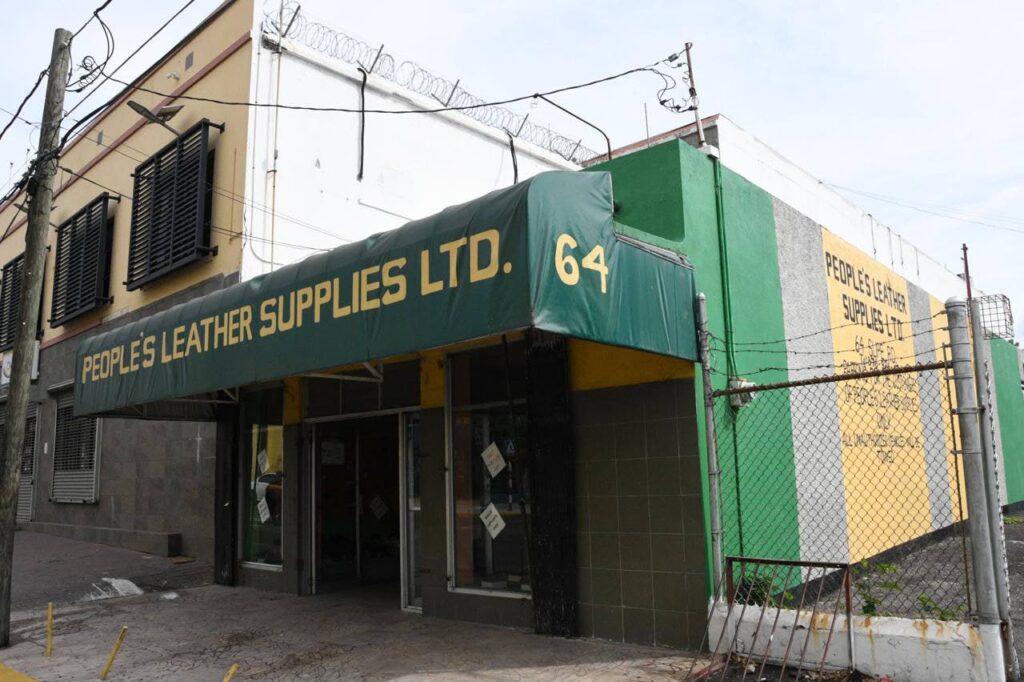
    KINGSTON, Jamaica – A seventy-year legacy in Jamaica’s leathercraft industry is concluding not due to market pressures or declining sales, but because of an irreplaceable human capital shortage. People’s Leather Supplies Limited, a cornerstone supplier for artisans, shoemakers, and educational institutions, is shuttering its operations permanently after failing to secure a successor to its longstanding leadership.

    For over half a century, Hope Smith has stewarded the family enterprise established by her father. Her impending retirement at year’s end marks the finale of an era, a decision compelled by the absence of a willing family heir. This succession vacuum was tragically exacerbated by the death of her brother, the intended successor, followed by the retirement of veteran staff members.

    In an exclusive interview, Smith revealed the core dilemma: her children and grandchildren reside overseas with no interest in returning to manage the specialized trade. Recruitment efforts proved equally futile, with Smith citing a generational disconnect in work ethic. ‘These young people come in, and everybody’s on the phone… It’s just a different generation,’ she lamented.

    Despite generating millions in annual revenue and attracting potential buyers, Smith found none prepared to operate the complex business independently. Proposals that required her continued involvement were firmly rejected. ‘After two years without a vacation and now being in my retirement years, I just want to be out,’ she stated.

    The closure strategy prioritizes preserving the company’s esteemed reputation over a risky transition. Smith has chosen to retain the business name and property within the family, nurturing hope for a future revival by subsequent generations. The company’s sole remaining location on Slipe Road will be leased to a hardware retailer, following the earlier shutdown of its downtown Kingston branch during the pandemic.

    The company occupies a unique market niche, providing an extensive range of specialized materials—from leather and insoles to dyes and specialized vinyl for schools—unmatched by competitors. Its clientele includes major local brands like Bridget Sandals.

    The final weeks have been marked by impactful closing sales, with loyal customers stockpiling essentials and purchasing discounted finished goods. From a peak of nine employees, the staff has dwindled to three, with transition assistance provided to the remaining workers.

    Expressing profound gratitude to decades-long patrons, Smith shared her emotional conflict: ‘I know they’re really disappointed but there comes a time when you have to make a decision about what is best for you as an individual.’ She concluded with poignant regret, wishing family circumstances had allowed the legacy to continue.

  • Philip J. Pierre: “They cannot read me; I’m a mystery.”

    Philip J. Pierre: “They cannot read me; I’m a mystery.”

    Prime Minister Philip J. Pierre has embarked on his second consecutive term following a landmark electoral victory that solidifies his political legacy in Saint Lucia. The December 1, 2025 general election saw Pierre’s Saint Lucia Labour Party secure a commanding majority with 14 out of 17 parliamentary seats, marking his record seventh term as MP and making him only the third prime minister since independence to achieve back-to-back terms.

    The administration’s first term was characterized by significant advancements in national infrastructure and social programs. The most notable achievement came with the November 16 handover of the reconstructed St. Jude Hospital, finally replacing the temporary facilities at George Odlum Stadium that had served healthcare needs since the original hospital’s destruction by fire in 2009. The new facility is scheduled to become fully operational within the first quarter of 2026.

    Economically, Pierre introduced Saint Lucia’s largest-ever national budget at $2.06 billion for the 2025/2026 fiscal year. This financial plan builds upon documented successes including record-low single-digit unemployment, substantial tourism growth, increased foreign investment, and strengthened consumer confidence. While acknowledging potential global economic uncertainties, the government maintains that its fiscal policies have created capacity for unprecedented support to vulnerable populations.

    The administration has demonstrated particular commitment to youth development and sports, exemplified by an additional $500,000 allocation for sports equipment following the Prime Minister’s Independence T20 Cup final. This funding supplements a previously announced $1 million commitment and will be distributed through the Ministry of Youth Development and Sports with priority given to communities most in need.

    Pierre’s political persona, encapsulated in his parliamentary declaration “They cannot read me; I’m a mystery,” has resonated with the electorate and even inspired musical compositions by local DJs. Following his December 6 swearing-in ceremony at Government House, the Prime Minister characterized his electoral mandate as a profound expression of public trust that would drive his people-first governance approach.

    The administration has immediately moved to implement key campaign promises, including the approval of a VAT-free day on December 22, 2025, excluding certain items such as motor vehicles, fuel, alcohol, tobacco, and firearms. Looking forward, Pierre has outlined an ambitious development agenda including:

    – Continued redevelopment of Hewanorra International Airport with new air traffic control tower and terminal improvements
    – Construction commencement on the Gros Islet to Castries highway project within first quarter 2026
    – Equipment installation and operational transition for St. Jude Hospital
    – Preparatory work for the fifth wing of Owen King EU Hospital with construction expected in first half 2026
    – House of Justice project completion targeted for 2027
    – New police headquarters in Gros Islet and northern regions operational by first quarter 2026
    – School building extensions scheduled for September completion
    – Development of super administrative building and Soufrière elderly home

    Structural governmental changes include the creation of a new ministry dedicated to continuing education, special education, and early childhood development, with ambitions toward universal early childhood education. The agriculture portfolio has been expanded to include climate change and nutrition, strengthening connections between food production, public health, tourism, and school feeding programs.

    Emphasizing human development investment, the forthcoming budget will include targeted programs for young men addressing frustration and social challenges through collaborations with institutions like the Centre for Adolescent Renewal and Education (CARE). As he assumes his second term, Prime Minister Pierre has committed to governing with “purpose, discipline, and confidence” in pursuit of making Saint Lucia “the best place to live and work.”

  • De toekomst is van ons, Surinamers

    De toekomst is van ons, Surinamers

    Suriname stands on the brink of a transformative economic era as it prepares to join the ranks of oil-producing nations within the coming years. This transition promises substantial foreign investments and sectoral growth extending beyond energy into logistics, infrastructure, maritime services, and financial sectors. However, this development brings to the forefront a critical challenge: ensuring that the wealth generated from Suriname’s natural resources actually benefits its citizens rather than being diverted through international corporate structures.

    At the heart of this challenge lies transfer pricing—the practice of setting prices for transactions between companies within the same multinational corporation. When entities like TotalEnergies conduct internal transactions involving services, equipment rentals, licenses, royalties, and technical expertise across different jurisdictions, the assigned prices determine where profits are recorded and taxes are paid. If these internal prices don’t reflect Suriname’s economic reality, value created locally can easily shift abroad.

    The stakes are considerable. Even during the current preparatory phase, significant tax revenues are potentially being lost. As more international corporations establish operations across energy, logistics, construction, and service sectors, this leakage could accelerate. Suriname maintains a 36% corporate tax rate, among the highest in the region, creating incentives for multinationals to report profits in lower-tax jurisdictions despite conducting economic activities within Suriname’s borders.

    This issue transcends mere taxation—it represents a fundamental question of economic justice. Surinamese citizens have long endured high tax burdens, inflation, and economic uncertainty. Proper transfer pricing regulations would enable the country to secure future revenues without further increasing pressure on households. By establishing clear rules for profit allocation and taxation rights aligned with contemporary global developments, Suriname can claim its fair share of resource wealth.

    Globally, countries have served as profit transit points for corporations like Apple, Shell, and Starbucks, where wealth generated in one jurisdiction is shifted elsewhere through fiscal engineering. Suriname now has the opportunity to learn from these experiences and implement robust transfer pricing policies before production and capital flows become entrenched. Such measures could secure substantial revenues throughout the oil and gas production lifecycle.

    The choices made today regarding fiscal governance will determine whether future income streams benefit Surinamese society or disappear invisibly abroad. The nation’s deep-sea wealth won’t automatically translate into prosperity—it requires deliberate policy design to ensure value remains where it’s created.

  • ‘Presidential Walk of Fame’ introduces plaques mocking former presidents

    ‘Presidential Walk of Fame’ introduces plaques mocking former presidents

    In a controversial move that has sparked widespread debate, former President Donald Trump has established a “Presidential Walk of Fame” within the White House grounds. This installation features plaques bearing sharply critical commentaries placed beneath official portraits of previous commanders-in-chief, particularly targeting Barack Obama and Joe Biden.

    The inscriptions, written in Trump’s characteristic social media style, present scathing assessments of his predecessors’ administrations. The plaque dedicated to President Biden—notably displayed without a portrait—contains particularly harsh language, describing him as “the worst President in American History” and alleging he assumed office through “the most corrupt Election ever seen in the United States.”

    While Trump has publicly characterized the exhibit as “a tribute to past Presidents, good, bad, and somewhere in the middle,” factual verification efforts have identified multiple claims on the plaques as unfounded or misleading. This installation represents the latest in a series of controversial modifications Trump has made to the White House complex.

    Among previous contentious renovations was the removal of the historical Rose Garden to accommodate a grand ballroom project, funded by supporter contributions with estimated costs approaching $400 million. Construction continues on this significantly expanded facility, which is planned to exceed the scale of any existing structure within the White House campus.

    The Presidential Walk of Fame has raised questions about the appropriate treatment of historical presidential legacies and the traditional decorum associated with the nation’s highest office.

  • Police association warns of rising risks, mulls new ‘risk allowance’ request

    Police association warns of rising risks, mulls new ‘risk allowance’ request

    The Barbados Police Association (BPA) has issued a stark warning about the escalating dangers faced by law enforcement personnel, declaring policing an increasingly perilous profession. Association President Inspector Wendley Carter revealed that if the ongoing public service regrading exercise fails to adequately address these risks, the organization will formally petition the Mia Mottley administration for a specialized compensation package.

    Rather than the previously proposed ‘hazard allowance,’ the BPA now advocates for a comprehensive ‘risk allowance’ that would encompass the entire police service. Inspector Carter explained this terminological shift reflects the evolving nature of threats officers confront, both on and off duty. “We are moving away from ‘hazard allowance’ because it might be a risk… there are different types of risks in the police service,” Carter stated during an exclusive interview with Barbados TODAY.

    The timing of this initiative is strategically linked to the government’s current compensation review. Carter indicated that if the regrading results prove unsatisfactory, the association will aggressively pursue additional compensation measures. This approach aims to retain experienced personnel while making the service more attractive to new recruits.

    Carter highlighted an alarming trend of experienced officers leaving for better-paying positions at institutions like the Central Bank and University of the West Indies. “If I left the police service to go to the Central Bank or The UWI, that means I am getting more than what I am getting in the service,” he noted, emphasizing the recruitment challenges stemming from non-competitive compensation.

    The risk allowance proposal gains urgency following recent violent incidents against officers, including a shooting attack mentioned by Carter. He stressed that modern policing risks extend beyond traditional duty hours, as officers remain vulnerable even when off-duty due to their recognizable professional status.

    The BPA leader called for governmental action to address both compensation issues and recruitment shortages, warning that without competitive packages, the police service cannot attract sufficient qualified candidates to maintain public safety standards.