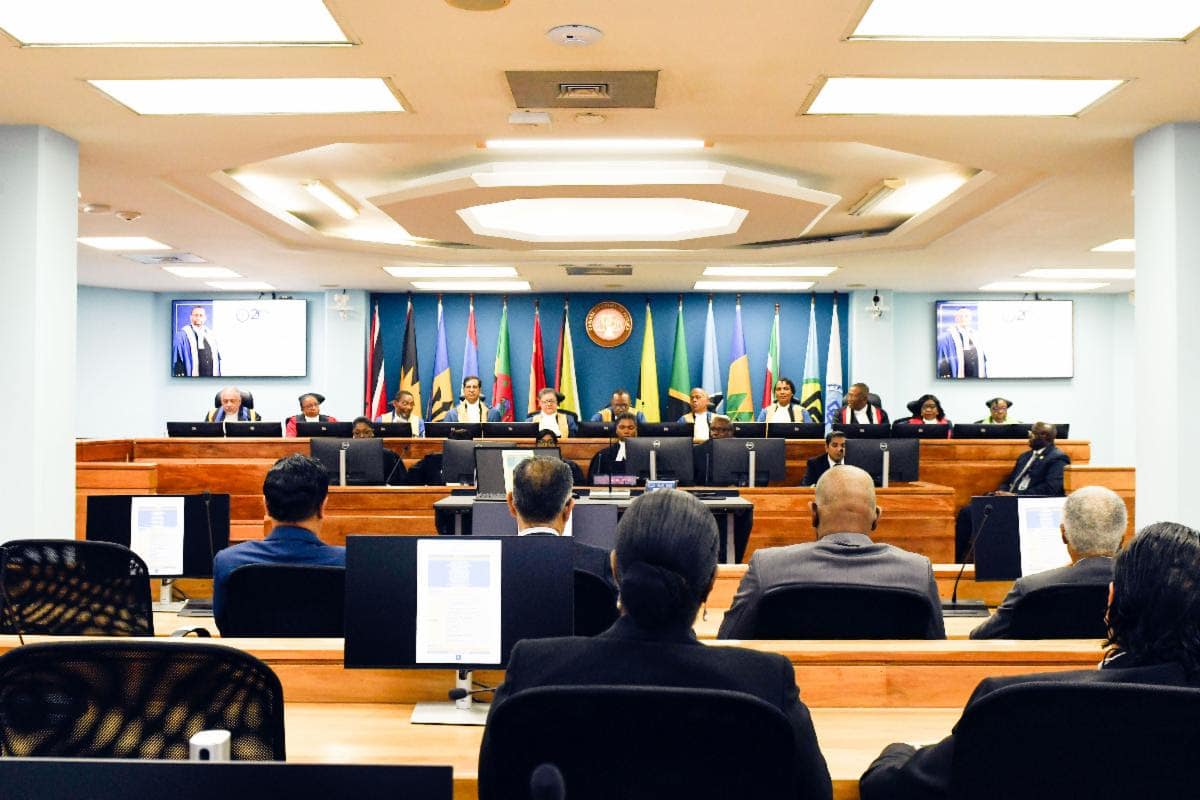
On October 6, 2025, the Caribbean Court of Justice (CCJ) held a Special Sitting at its headquarters in Port of Spain, Trinidad and Tobago, to commemorate the inauguration of the Honourable Mr Justice Winston Anderson as its fourth President. The event was attended by Heads of Judiciaries from Barbados, Belize, Guyana, the Eastern Caribbean Supreme Court, and Trinidad and Tobago, alongside regional dignitaries and judicial representatives. Justice Anderson, who assumed the presidency on July 6, 2025, in Montego Bay, Jamaica, has a distinguished career spanning academia and law, including roles as a professor at The University of the West Indies (UWI) and founding Chairman of the CCJ Academy for Law. In his address, President Anderson highlighted the CCJ’s role in enhancing access to final appellate justice for Caribbean citizens, citing a 450% increase in appeals from Barbados since the court’s establishment. However, he emphasized the need for full compliance with the CCJ Agreement to maximize its impact on regional jurisprudence. The ceremony featured speeches from prominent figures, including Chief Justice Ivor Archie of Trinidad and Tobago, who praised Anderson’s vision for accessible justice, and CARICOM General Counsel Lisa Shoman, who underscored the CCJ’s importance in fostering regional integration and stability. The event concluded with a vote of confidence from former CCJ President Sir Dennis Byron, who lauded Anderson’s contributions to landmark cases and regional crime-fighting initiatives.
作者: admin
-
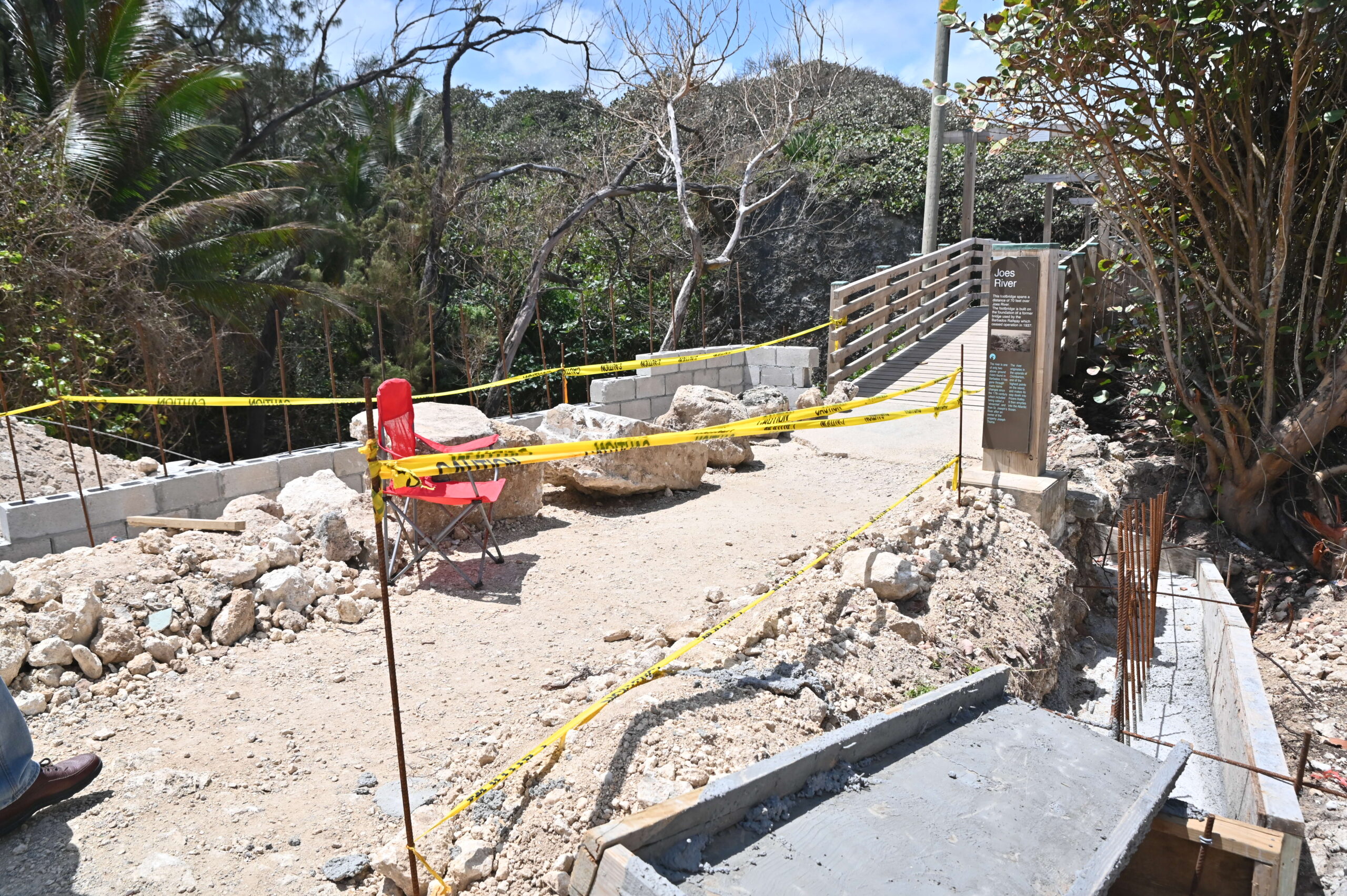
Joe’s River right-of-way dispute heads to trial
A protracted conflict between the residents of Joe’s River, St Joseph, and a private developer over access to one of the area’s most cherished natural landmarks is poised to be resolved in the High Court next month. The trial, scheduled for three days starting November 10, will address the ongoing dispute that has persisted for several years. At the heart of the controversy is Ullswater Investments Limited’s construction of concrete columns, which locals argue will obstruct their access to essential community areas, including Joe’s River and the iconic Teacup and Saucer lookout point. The trial will feature testimonies from both the residents and the developer, Richard Hains. Over 20 residents and individuals from Bathsheba have submitted witness statements asserting their prescriptive right-of-way to these locations, further intensifying the legal battle.
-

OPINION: The Nation Disapproves Christian United Protests
A wave of discontent has swept across the nation as Christians United, a religious group, staged protests against the Daniel 2 statue at Glorious Hope Ministries on All Saints Road. The statue, which symbolizes the biblical dream of Daniel and the promise of Christ’s second coming, has become a focal point of controversy, sparking division within the Christian community. Many citizens are baffled by the protests, questioning why a group identifying as Christian would oppose a scripture-based symbol meant to inspire faith and theological reflection. The Daniel 2 statue is not an object of worship but a reminder of spiritual significance, deeply rooted in biblical teachings. Elderly members of the community have expressed shame and disbelief, lamenting the internal conflict among church groups. This discord has raised concerns about the broader implications for religious harmony in the nation. Critics argue that such protests send a message of conflict rather than unity, urging Christians United to reconsider their stance and focus on fostering mutual respect and understanding. The statue, like other cultural and spiritual symbols in Antigua and Barbuda, holds cultural, spiritual, and economic value. The nation is calling for peace and unity, emphasizing the importance of respecting diverse beliefs and allowing religious symbols to serve as sources of inspiration and education. Social advocate Peetron Thomas has highlighted the need for harmony, urging all parties to prioritize the greater good over division.
-

APNU tells Azruddin Mohamed to defend himself publicly, “come clean” on accusations against govt officials
In a bold move, Guyana’s opposition party, A Partnership for National Unity (APNU), has called on Azruddin Mohamed, the country’s incoming Opposition Leader, and his father, Nazar ‘Shell’ Mohamed, to publicly defend themselves against a series of serious allegations. These accusations, both domestic and international, include fraud, money laundering, and tax evasion linked to gold exports and the purchase of a luxury Lamborghini. APNU emphasized that Azruddin, given his new political role, must address these charges transparently to reassure the public of his compliance with the law. This demand comes after talks between APNU and Azruddin’s We Invest in Nationhood (WIN) party collapsed over leadership disputes in regional councils following the September 1 elections. WIN, which secured 16 seats, has accused APNU of colluding with the ruling People’s Progressive Party Civic (PPPC) to marginalize them. APNU, which won only 12 seats, has also criticized Azruddin for allegedly withholding incriminating evidence against government officials, urging him to disclose any such information publicly. The situation is further complicated by a pending US extradition request for the Mohameds, who have vowed to challenge it in court. APNU has stressed the importance of due process and warned against political interference in the legal proceedings.
-
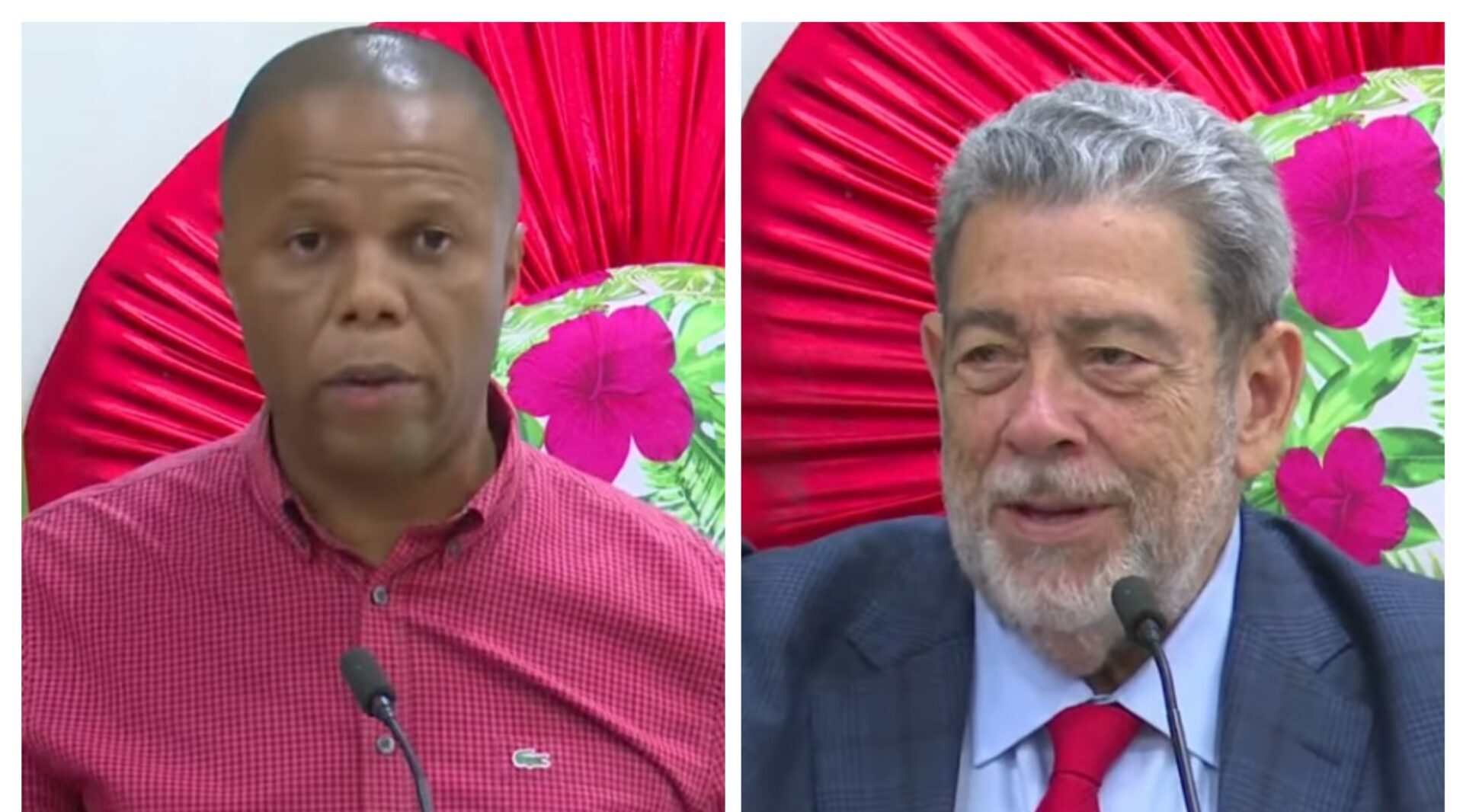
Rosie Douglas’ legacy lives on in Dominica’s durability, say speakers at memorial lecture
The 25th annual Roosevelt ‘Rosie’ Douglas Memorial Lecture, held at the State House Conference Room, brought together prominent leaders to reflect on the enduring legacy of the late Prime Minister of Dominica, Rosie Douglas, and the progress of the Labour Party. Prime Minister of St. Vincent & the Grenadines, Dr. Ralph Gonsalves, and Acting Prime Minister of Dominica, Hon. Fidel Grant, delivered insightful speeches, highlighting the resilience and achievements of Dominica despite decades of challenges. Gonsalves, the keynote speaker, emphasized Dominica’s ability to thrive despite natural disasters, economic crises, and the COVID-19 pandemic. He credited Prime Minister Roosevelt Skerrit for steering the nation through these adversities, urging humility and gratitude. Grant, on the other hand, underscored Douglas’s vision as the foundation of the Labour Party’s success, particularly in education and housing. He pointed to universal access to secondary education, free college tuition, and affordable housing initiatives as evidence of the current administration’s commitment to Douglas’s ideals. The event served as a platform to honor Douglas’s contributions to nation-building and the empowerment of small states, reaffirming his lasting impact on Dominica’s political and social landscape.
-
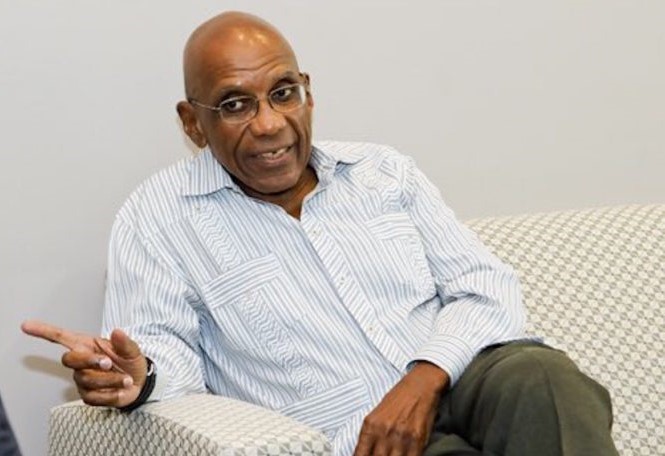
Former central bank governor urges easing of foreign exchange restrictions for cultural workers
Dr. Delisle Worrell, former Governor of the Central Bank of Barbados, has urged the government to facilitate unrestricted access to foreign currency for cultural practitioners, asserting that this policy could significantly enhance the growth of the Caribbean’s cultural industries. In his October Economic Letter, Dr. Worrell emphasized that such a measure would be the most impactful way to support the sector, particularly in light of the economic challenges faced by regional governments. He argued that domestic restrictions on foreign currency availability often incentivize cultural professionals to relocate abroad, thereby diminishing local talent pools. While concessions on importing specialized equipment could also aid the industry, Dr. Worrell noted that these are harder to implement effectively. He highlighted the limitations of financial support for cultural initiatives in countries where essential public services like healthcare, education, and infrastructure remain underfunded. Despite these challenges, Dr. Worrell acknowledged the global success of Caribbean cultural industries, which span sports, music, literature, and the arts, providing livelihoods for thousands of talented individuals. However, he pointed out that the economic benefits of these industries are largely realized abroad, with minimal spillover into local economies. Dr. Worrell also addressed the challenges faced by Cricket West Indies and other cultural events like Trinidad Carnival and Barbados’ Crop Over, which only generate significant domestic economic impact when they attract international tourists. He called for greater awareness of the region’s cultural achievements, suggesting that civil society organizations and the Caribbean diaspora could play a pivotal role in bridging the information gap left by the decline of regional media outlets.
-

Indian High Commissioner: UNC’s election victory was like Divali
The Indian High Commissioner to Trinidad and Tobago, Dr. Pradeep Rajpurohit, drew a striking parallel between the United National Congress (UNC)’s triumph in the April 28 general election and the Hindu festival of Divali. Speaking at a Divali celebration hosted by Prime Minister Kamla Persad-Bissessar at her Siparia constituency office in Penal on October 11, Rajpurohit emphasized the symbolic significance of the UNC’s return to power after a decade in opposition. He described the election victory as a “second Divali,” following the official celebration on October 20, marking the end of what he termed a “decade-long vanvas” (exile) for the UNC. Prime Minister Persad-Bissessar echoed this sentiment, reflecting on her party’s journey back to governance and expressing gratitude to the electorate for their support. The event, organized in collaboration with the Siparia Women’s Association, featured traditional Hindu rituals, cultural performances, and a procession attended by government ministers and diplomats. Rajpurohit also highlighted the warm diplomatic ties between India and Trinidad and Tobago, noting Indian Prime Minister Narendra Modi’s congratulatory message to Persad-Bissessar and his recent visit to the Caribbean nation as part of efforts to strengthen South-South cooperation. The celebration underscored the cultural and political connections between the two nations, with participants engaging in acts of reverence and unity, including the symbolic charanasparsha (feet touching) performed by UNC deputy leader Jearlean John towards Persad-Bissessar.
-
High expectations in first budget of UNC government – Over to you, Mr Tancoo
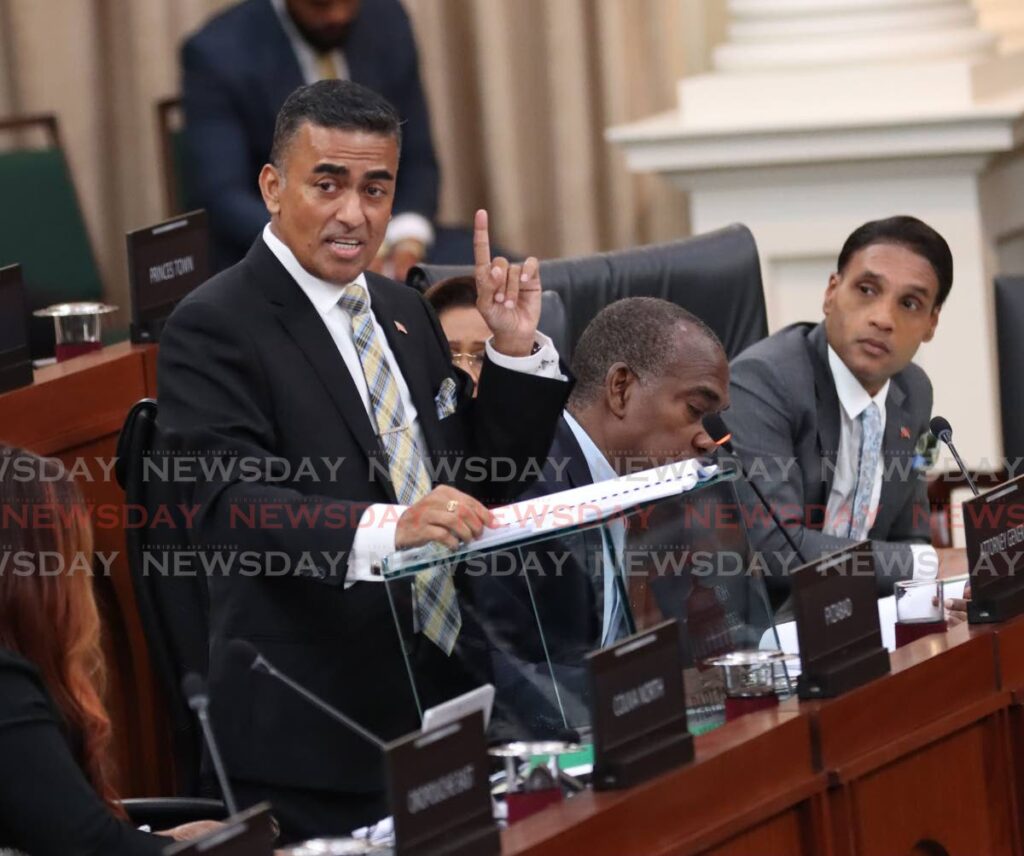
Finance Minister Davendranath Tancoo is set to deliver Trinidad and Tobago’s 2025/2026 national budget today in the House of Representatives, marking his first budget presentation since his appointment following the April 28 general election. This budget is also the first for Prime Minister Kamla Persad-Bissessar in her second term, as the United National Congress (UNC) government faces the challenge of balancing economic realities with campaign promises. The budget comes against a backdrop of economic uncertainty, with Standard & Poor’s (S&P) recently downgrading the country’s credit outlook from stable to negative, citing eroded fiscal and external buffers, limited GDP growth, and ineffective fiscal management. S&P’s report highlighted the cancellation of key projects, including access to Venezuelan natural gas reserves and the proposed Revenue Authority, as factors contributing to the downgrade. Economists have expressed low optimism about the government’s ability to implement meaningful reforms within S&P’s 6-24 month timeframe to avoid further downgrades. The budget is also being framed against low global oil prices, with West Texas Intermediate and Brent crude trading at $59.80 and $72.73 per barrel, respectively. Economists Marlene Attzs and Conrad Enill have advised the government to temper public expectations and adopt a disciplined, medium-term fiscal framework. Key election promises, such as creating 50,000 new jobs and a 10% wage increase for public servants, will be scrutinized as the government navigates these economic challenges. The budget debate is expected to conclude by October 29, with the final budget set to be sent to President Christine Kangaloo for assent.
-
Young: PM eroding Trinidad and Tobago’s reputation by keeping Lee in office
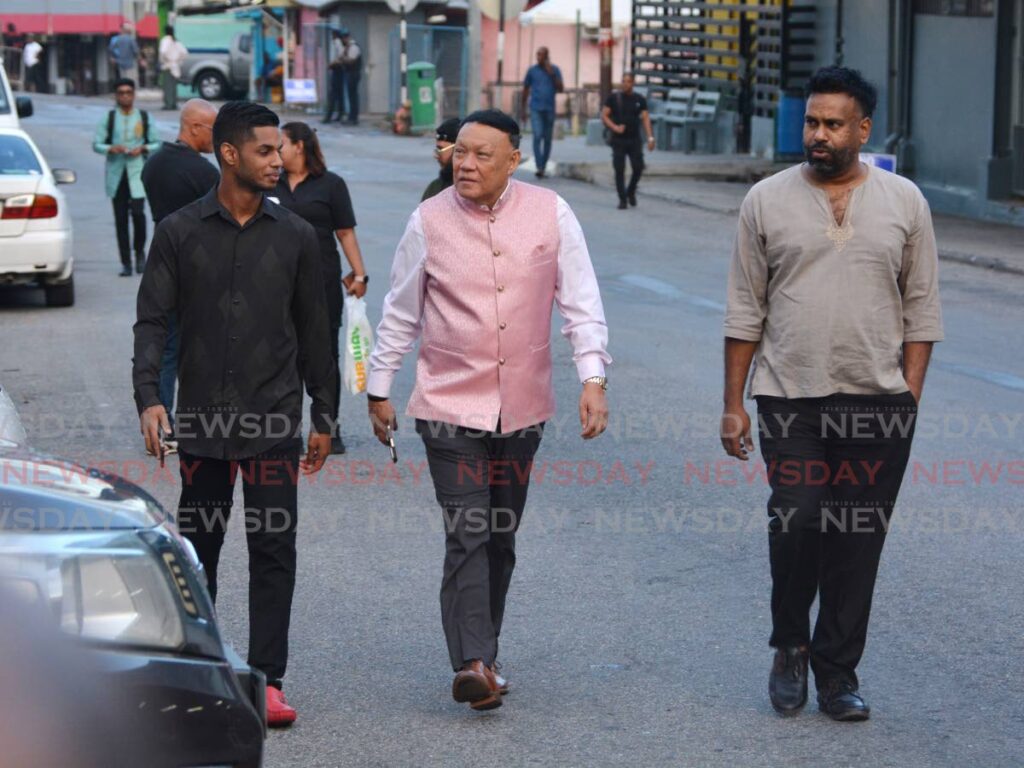
Trinidad and Tobago’s political landscape is embroiled in controversy as former Prime Minister Stuart Young and other prominent figures criticize Prime Minister Kamla Persad-Bissessar for allowing Housing Minister David Lee to remain in Cabinet despite facing criminal charges. Young, in a Facebook post on October 11, argued that Lee’s continued presence in the Cabinet undermines the nation’s reputation and sets a dangerous precedent. He emphasized that individuals charged with criminal offenses should step down until their names are cleared, adhering to the principle of ‘innocent until proven guilty.’ Young called for Lee’s immediate removal, stating that the situation cannot be ignored or accepted by the public. Larry Lalla, a former UNC member and senior counsel, echoed Young’s concerns, highlighting that standard practice dictates public servants charged with crimes should be placed on leave pending trial. Lalla questioned whether this standard should not also apply to ministers, warning of the grave consequences of ignoring this precedent. Lee and businessman Hugh Leong Poi were re-arrested last week on charges related to the misuse of a vehicle tax exemption, allegedly defrauding the State of $1.4 million in tax revenue. Despite the charges, Persad-Bissessar defended Lee, expressing confidence in the courts to deliver a just outcome. The controversy has sparked widespread debate about accountability and ethical governance in Trinidad and Tobago.
-
Speaker Singh: PNM claims that I am biased are unfounded
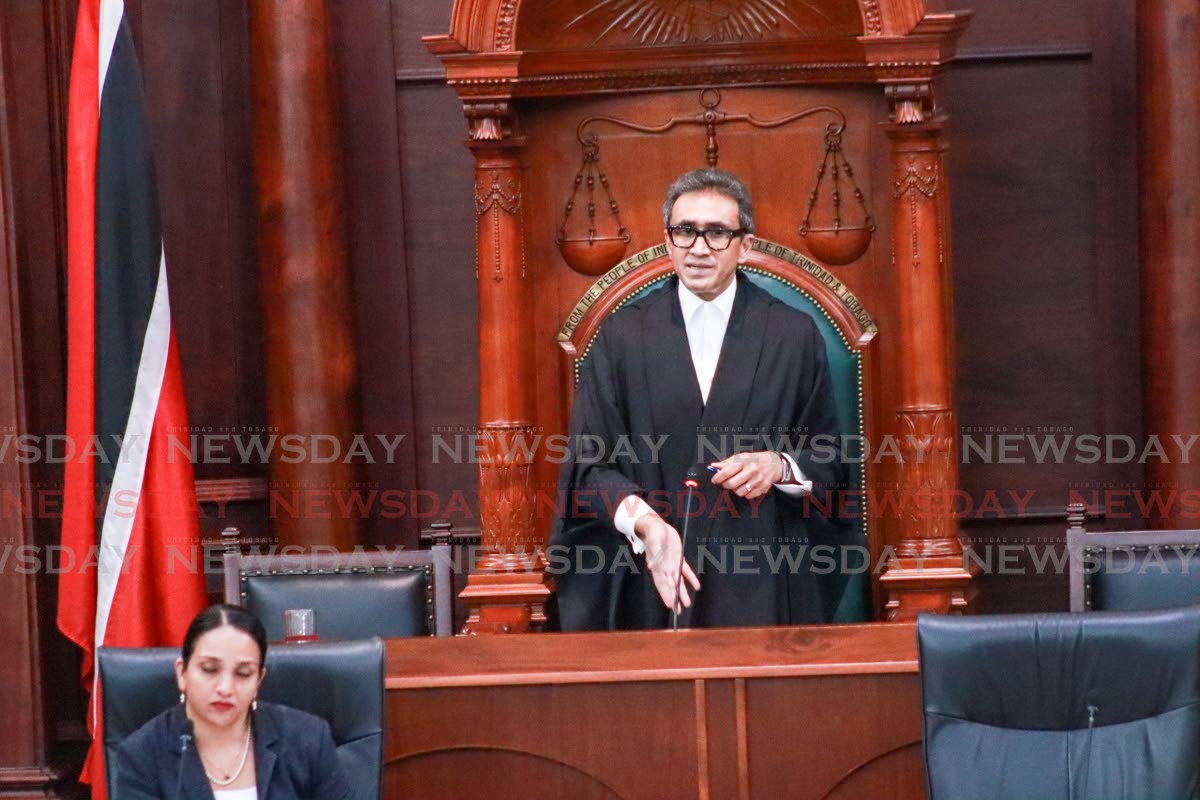
House Speaker Jagdeo Singh has firmly rejected accusations leveled against him by the Opposition People’s National Movement (PNM), labeling them as baseless. The controversy erupted during a parliamentary session on October 10, when the PNM staged a walkout in protest against Singh’s alleged partiality in presiding over the House of Representatives. The debate centered on the motion to appoint Junior Benjamin as Acting Commissioner of Police (CoP) and ACP Kurt Simon as Acting Deputy Commissioner, necessitated by the absence of CoP Allister Guevarro and DCP Suzette Martin, who are attending an international police chiefs conference in Denver, Colorado. In a statement issued shortly after the walkout, the PNM accused Singh of exhibiting a consistent pattern of biased and prejudicial behavior, claiming that his rulings unfairly favor government members while penalizing opposition members. Singh, however, dismissed these allegations in a brief response to Newsday on October 12, stating, “I think it’s unfounded, in my view. Beyond that, I don’t think it’s appropriate for me to further comment on the business of the Parliament in the public domain.” The incident has reignited tensions between the government and the opposition, raising questions about the impartiality of parliamentary proceedings.