作者: admin

  • 96th Cross Country Classic Under Anti‑Doping Watch

    96th Cross Country Classic Under Anti‑Doping Watch

    As one of the most anticipated annual sporting events in Belize, the 96th edition of the iconic Holy Saturday Cross Country Cycling Classic wrapped up in 2026 with stunning new course records and unexpected attention on anti-doping efforts designed to protect the sport’s integrity.

    This year’s competition delivered historic results: after a dominant wire-to-wire victory in the women’s division, Bermuda’s Gabriella Arnold claimed the top spot on the podium. Reflecting on her win, Arnold shared that the race was one of the most challenging she had ever competed in, particularly the brutal headwind that plagued the final 20 miles as she rode alone at the front. This marked only Arnold’s second race in Belize, following a second-place finish at the Caribbean Championships hosted in the country last October, and she confirmed she plans to return to compete again in the future.

    In the men’s race, eight cyclists broke the previous course record in an action-packed contest that came down to a final sprint. United Kingdom rider Jim Brown outpaced all seven of his rivals in the closing stretch to cross the finish line first. After the race, Brown spoke about the extreme heat that tested his endurance, though he noted the consistent headwind actually worked in his favor: any gap he opened up was harder for chasing riders to close, making his late surge more effective.

    While the dramatic on-course action and broken records have drawn widespread excitement across Belize’s cycling community, they have also sparked questions about performance integrity. That is why Belize’s National Anti-Doping Organization (NADO) implemented a comprehensive, structured testing program for this year’s classic, stepping up oversight to guarantee every victory is earned fairly.

    Charlie Slusher, director of Belize NADO, explained the organization’s testing protocol for top-tier events like the Cross Country Classic. NADO typically tests at least five riders per competition, using a mixed selection approach that includes top finishers, riders who turned in unexpectedly exceptional performances regardless of their final placement, and randomly selected competitors to ensure broad coverage. “It is about fairness. Everybody has an equal chance of winning,” Slusher emphasized. “Doping and using performance-enhancing substances is plain cheating, and it is unfair to sponsors who invest significant prize money and to fans who put their faith in clean competition.”

    Beyond upholding competitive fairness, NADO’s work centers on protecting the long-term health of participating athletes. Slusher noted that many athletes who use banned substances take unsafe, excessive doses that can lead to chronic health complications later in life, including kidney and heart damage, even after they retire from competitive cycling. The organization also runs educational programs to help athletes understand the ever-evolving list of banned substances, ensuring they avoid accidental violations that would cost them their eligibility for international competition.

    All samples collected at this year’s race are shipped to a World Anti-Doping Agency (WADA)-accredited laboratory in the United States for analysis, a process that takes up to 14 working days to complete. To enforce full transparency, all prize money is being held by event organizers until all test results are finalized and released publicly. Slusher stressed that the open, WADA-supervised process eliminates any opportunity to hide or alter results, reinforcing the race’s commitment to clean sport.

    For Belize’s most prestigious cycling event, maintaining integrity is key to attracting future participants and growing the sport across the region. NADO’s expanded oversight positions the organization as both a watchdog for fairness and a safeguard for athlete health, ensuring that the Cross Country Classic remains a event where speed, not cheating, takes the spotlight. This report was presented by Shane Williams for News Five.


  • BREAKING: Antigua and Barbuda Will Go To The Polls On April 30

    BREAKING: Antigua and Barbuda Will Go To The Polls On April 30

    On a charged Tuesday night that kicked off the island nation’s next electoral cycle, Prime Minister Gaston Browne stood before thousands of cheering supporters at the Antigua and Barbuda Labour Party (ABLP) headquarters, known locally as People’s Place, and formally announced the timeline for the country’s upcoming general election. Voting is scheduled to take place across Antigua and Barbuda on April 30, 2026, with official candidate nomination proceedings set for April 13, and a national public holiday scheduled for May 1 to accommodate post-election civic adjustments.

    The launch event was a sea of the ABLP’s signature red, as crowds of loyal backers packed the venue’s grounds to capacity. Energizing chants, upbeat music, and roaring cheers filled the air, turning the gathering into a dramatic declaration of the ruling party’s bid to make history by securing a fourth consecutive term in national government.

    Addressing the assembled crowd, Browne framed the 2026 poll as nothing less than a defining crossroads for the small Caribbean nation. He urged registered voters to throw their support behind his administration, pointing to what he characterized as a proven track record of delivering on campaign promises and providing consistent, steady leadership for the country.

    Browne emphasized that his government’s core mission is centered on lifting up and empowering every Antigua and Barbuda citizen, noting that the country has undergone sweeping, widespread transformation since the ABLP first took office in 2014. He reminded the crowd that when his party assumed power, it inherited an economy crippled by steep job losses from the previous United Progressive Party (UPP) administration. Since that time, he argued, the ABLP has methodically rebuilt the national economy, forging a stronger, more resilient nation better equipped to weather external shocks.

    In outlining the administration’s achievements, Browne highlighted ongoing large-scale investments in critical public infrastructure, including extensive road improvement projects and expanded access to clean drinking water across both islands. He also called attention to social policies designed to directly boost working and middle-class living standards, such as nationwide wage increases and targeted support programs that provide financial relief to vulnerable households. Browne stressed that the ABLP has consistently followed through on its past electoral pledges, and all ongoing policy initiatives are designed to continue improving citizen welfare and expanding economic strength.

    He told the energized crowd that the 2026 election presents voters with a clear, straightforward choice between the progressive progress of “Team Labour” and a return to the policies that stalled the country’s growth decades ago. With national progress already underway, Browne argued, voters should not risk undoing the tangible gains the country has made under ABLP leadership.

    As the official electoral timeline gets underway, political activity across Antigua and Barbuda is already ramping up, with all parties set to finalize their candidate slates ahead of the April 13 nomination deadline. The April 30 vote will ultimately decide whether the ABLP holds onto power to extend its 12-year run of governance, or if the opposition will unseat the ruling party to lead the nation into its next chapter.

  • Statement of facts CCCCI construction

    Statement of facts CCCCI construction

    A major construction materials supplier and contractor in Grenada has issued a formal public statement pushing back against recent claims made by the country’s Prime Minister regarding its contractual performance and operational competence. Consolidated Contractors Company Caribbean Inc (CCCCI), a locally based firm that holds a monopoly on key construction materials for Grenada’s infrastructure projects, has released a full breakdown of facts to correct what it frames as misinformation about its work.

    As the exclusive provider of asphalt across the island nation, and the sole supplier of road construction aggregate sourced from its own Mount Hartman Quarry, CCCCI emphasized that it has consistently met all contractual requirements for delivery timelines, volume of materials, and pricing for every client—including the Government of Grenada, third-party subcontractors, and independent contractors.

    Turning to one high-profile unfinished project, the Moliniere Road upgrade, CCCCI clarified the circumstances behind the incomplete road work. The company was contracted by lead contractor Rayneau to lay two layers of asphalt on the approaches to the new concrete segment of the road, over a base that Rayneau was responsible for preparing. Under the terms of the agreement, advance payment was required for each asphalt layer before work would commence. CCCCI confirmed it never installed the second layer because the required advance payment was never received. The firm also noted that the substandard condition of the current road surface stems from two factors beyond its control: the missing second asphalt layer due to non-payment, and an improperly prepared base layer delivered by main contractor Rayneau.

    CCCCl went on to detail significant unresolved payment arrears owed to it by the Government of Grenada across multiple active and completed infrastructure projects. On the ongoing Cliff Road Project, the company has completed 90 percent of the required work, but has only received roughly 25 percent of the total contracted sum—equaling just $4 million of the project’s full $16.5 million price tag. Despite this major breach of payment terms, CCCCI says it has continued work on the project in good faith, prioritizing the best interests of the Grenadian public over enforcing contractual payment requirements.

    For the True Blue Road Project, which CCCCI fully completed in compliance with all contract terms in 2024, the government still owes approximately 30 percent of the total agreed payment, equal to around $1.5 million. Additional unpaid balances for hot mix asphalt supplied by CCCCI to government projects in 2025 add another estimated $3.5 million to the government’s outstanding debt to the firm.

    The statement also addressed a separate prior agreement between CCCCI and the government. As part of a deal to secure three new contracts—two for River Road and one for the Cliff Road Project—the government requested a discount on the Cliff Road project, which CCCCI approved under the expectation that the two River Road contracts would be awarded to the company as agreed. CCCCI followed through on its end of the deal, reducing the Cliff Road project price by roughly $3 million, but the government has not yet awarded the promised River Road contracts to the firm.

    This formal statement from CCCCI marks a rare public break between a major private contractor and the Grenadian government, bringing long-running unresolved contract and payment disputes into the public eye following critical comments from the Prime Minister about CCCCI’s performance. Contact information for CCCCI is listed at the end of the statement for further inquiry: Queen’s Park, St George, Grenada, West Indies, email: [email protected], telephone: +1 (473) 444-3522/403-3522.

  • Government Orders Remote Work for Public Sector Amid Severe Weather

    Government Orders Remote Work for Public Sector Amid Severe Weather

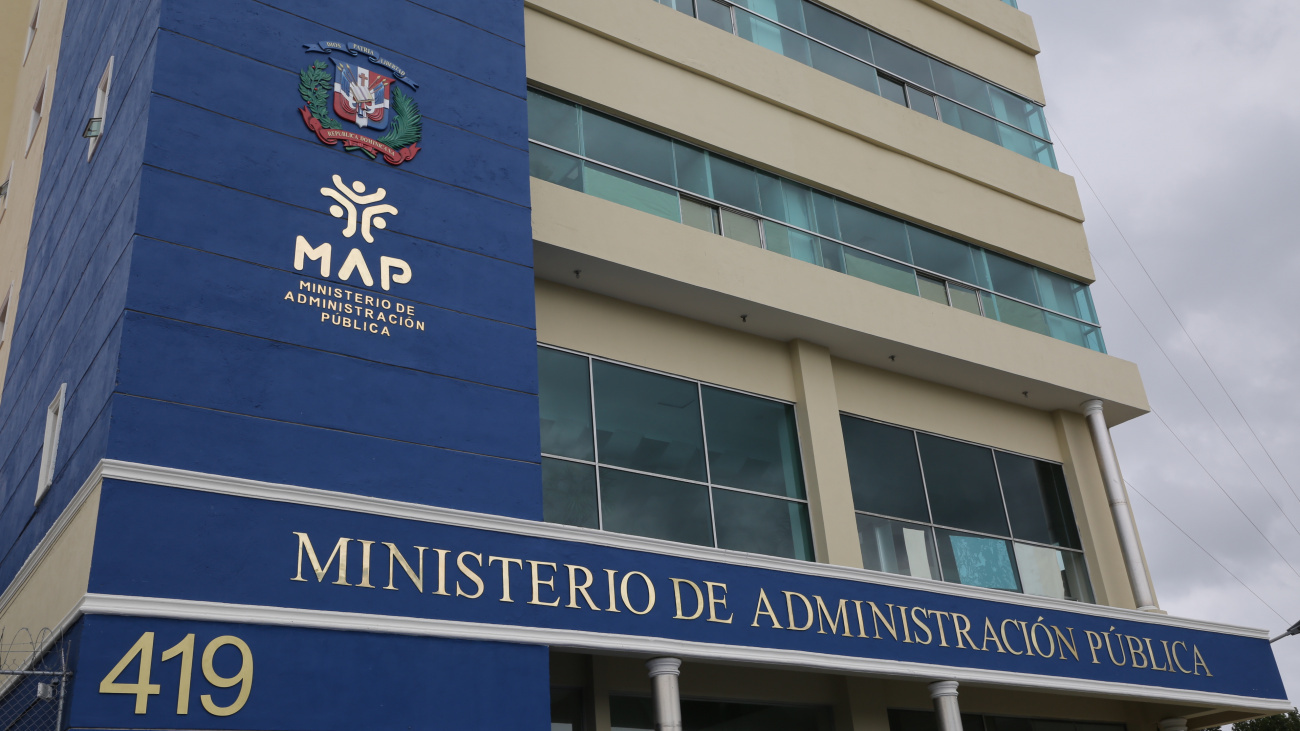
    Amid ongoing adverse weather conditions that have put much of the Dominican Republic on alert, the country’s Ministry of Public Administration (MAP) has issued a formal directive ordering all government agencies to transition to a reduced in-person work scheme, with a strong push toward remote work arrangements for eligible roles.

    The official circular, signed by MAP Minister Sigmund Freund, lays out targeted accommodations for at-risk employees, prioritizing remote work for staff residing in flood-prone or otherwise vulnerable zones, as well as for those who commute into Greater Santo Domingo from outlying areas. Freund’s order emphasizes that these workers should be permitted to carry out their duties off-site whenever their job responsibilities allow, to reduce exposure to dangerous travel and flood-related hazards.

    Under the new policy, government institutions must maintain only the minimum on-site staffing required to keep core operations running safely and consistently. All essential in-person citizen services must remain open and fully functional, with agencies required to pre-arrange personnel rosters to deliver continuous, efficient support to members of the public who rely on in-person assistance.

    The circular specifically underscores that critical frontline services cannot afford any disruption. Sectors including public health, law enforcement and public safety, emergency response, and disaster relief operations are required to maintain full operational capacity to respond to any weather-related emergencies that may arise.

    The policy was rolled out in direct response to official hazard alerts issued by national civil protection bodies, most prominently the country’s Emergency Operations Center (COE). In addition to implementing the reduced work scheme, Freund has directed all institutional heads to maintain constant monitoring of changing weather conditions, and to stand ready to implement stricter adjustments if conditions deteriorate. These further measures could include deeper cuts to in-person work hours or a full temporary suspension of on-site government operations if the adverse weather worsens.

  • Murder, arson accused seeks legal aid

    Murder, arson accused seeks legal aid

    A 54-year-old man facing dual charges of murder and arson has formally requested legal aid representation from the court just moments before he was ordered to be remanded into Dodds Prison. Ricardo Okella Stanford, a resident of Bank Hall in St Michael, appeared before Acting Chief Magistrate Douglas Frederick at the No. 1 District ‘A’ Magistrates’ Court to answer to the two serious allegations brought against him.

    Prosecutors allege that on March 27, Stanford killed 51-year-old Shanell Smith, and deliberately set fire to a property owned by Mohammed Hans. The arson charge outlines that Stanford either intended to destroy or damage the building, or acted with reckless disregard for the risk of the structure being destroyed by fire.

    As Stanford had no legal representation to stand with him in court, he was not required to enter a plea on the two indictable offences. Addressing the court directly, Stanford made a simple but urgent appeal: “Sir, I am asking the court if I can get a legal aid lawyer please.”

    Magistrate Frederick granted the request and scheduled an adjournment of the proceedings until May 5. Responding to the accused’s appeal, the magistrate confirmed: “Of course. You can avail yourself of a legal aid lawyer. They will provide you with the forms and you can fill them out.”

    After the ruling, Stanford thanked the magistrate before court officers led him away from the dock to begin his remand at Dodds Prison. The case will reconvene in early May once the legal aid application process is completed and representation is secured.

  • LVV streeft naar 70% zelfvoorziening in pluimveesector

    LVV streeft naar 70% zelfvoorziening in pluimveesector

    A cohort of 28 new and established small-scale farmers in the eastern Suriname city of Moengo has wrapped up a five-day intensive poultry farming training program, launched by the Directorate of Livestock under the country’s Ministry of Agriculture, Livestock and Fisheries (LVV), as part of a nationwide push to strengthen the domestic poultry sector across all administrative districts. The initiative is rooted in a clear national policy goal: to raise the share of locally produced poultry products on Suriname’s domestic market from the current 35% to at least 70%, cutting reliance on imported goods and strengthening national food security. Unlike many generic agricultural training programs, this course integrates both classroom theoretical learning and hands-on practical training, covering a full spectrum of critical topics that address common gaps for small producers. These include the design and construction of appropriate poultry housing, optimized nutritional strategies for different flocks, routine flock care, basic poultry anatomy, prevention and control of common poultry diseases, and essential business record-keeping to help farmers track costs and profits. LVV officials confirmed that this type of community-focused training is a core component of a national agricultural development program that will be rolled out across all districts and administrative ressort across the country. Trainees who completed the program reported high satisfaction, saying they leave the course motivated to put their newly acquired skills into practice on their own farms, and many expressed enthusiasm to encourage other aspiring farmers in their communities to enter the poultry sector. The LVV has emphasized that poultry farming represents an unusually accessible entry point for small entrepreneurs in Suriname, as it can be launched with a relatively low amount of starting capital and requires manageable levels of ongoing labor input. The sector, ministry officials note, offers viable growth opportunities for both small-scale subsistence producers and entrepreneurs looking to scale up their operations over time. Beyond boosting local supply, the expansion of domestic poultry production also directly contributes to two key national priorities: strengthening Suriname’s overall food security, and creating new, sustainable income streams for rural and community-based producers across the country. At the end of the five-day program, all participating farmers received official completion certificates to mark their participation. The program is one of several ongoing agricultural development initiatives the LVV has implemented to revitalize local food production and support smallholder farmers across the nation.

  • Mexico : Excellence scholarships, call for applications

    Mexico : Excellence scholarships, call for applications

    In a collaborative announcement released through Haiti’s Ministry of Foreign Affairs, the Mexican government and El Colegio de la Frontera Norte (El COLEF), a leading Mexican higher education institution, have officially opened applications for a competitive excellence scholarship program targeted at graduate students for the 2026-2027 academic year.

    The initiative, designed to support advanced academic study at the master’s and doctoral levels, offers a diverse range of discipline-specific programs aligned with pressing global and regional challenges. At the master’s level, eligible fields of study include regional development, applied economics, cultural studies, integrated water management, public action and social development, and comprehensive environmental governance. For doctoral candidates, the program features a Doctor of Philosophy in Social Sciences with a specialized concentration in Regional Studies.

    Admitted scholars will receive substantial financial support to facilitate their studies: all recipients are granted full exemption from tuition fees, alongside a living stipend to cover basic subsistence costs during their program of study, in line with current institutional scholarship regulations.

    Prospective applicants have access to full program details and official registration through El COLEF’s dedicated graduate admissions portal, available at https://posgrado.colef.mx/ingreso/. All application documentation must be submitted no later than the May 15, 2026 deadline. The 2026-2027 academic year is scheduled to kick off on September 1, 2026 for all successful candidates.

  • Fee-free access, security limits for BiMPay – Central Bank

    Fee-free access, security limits for BiMPay – Central Bank

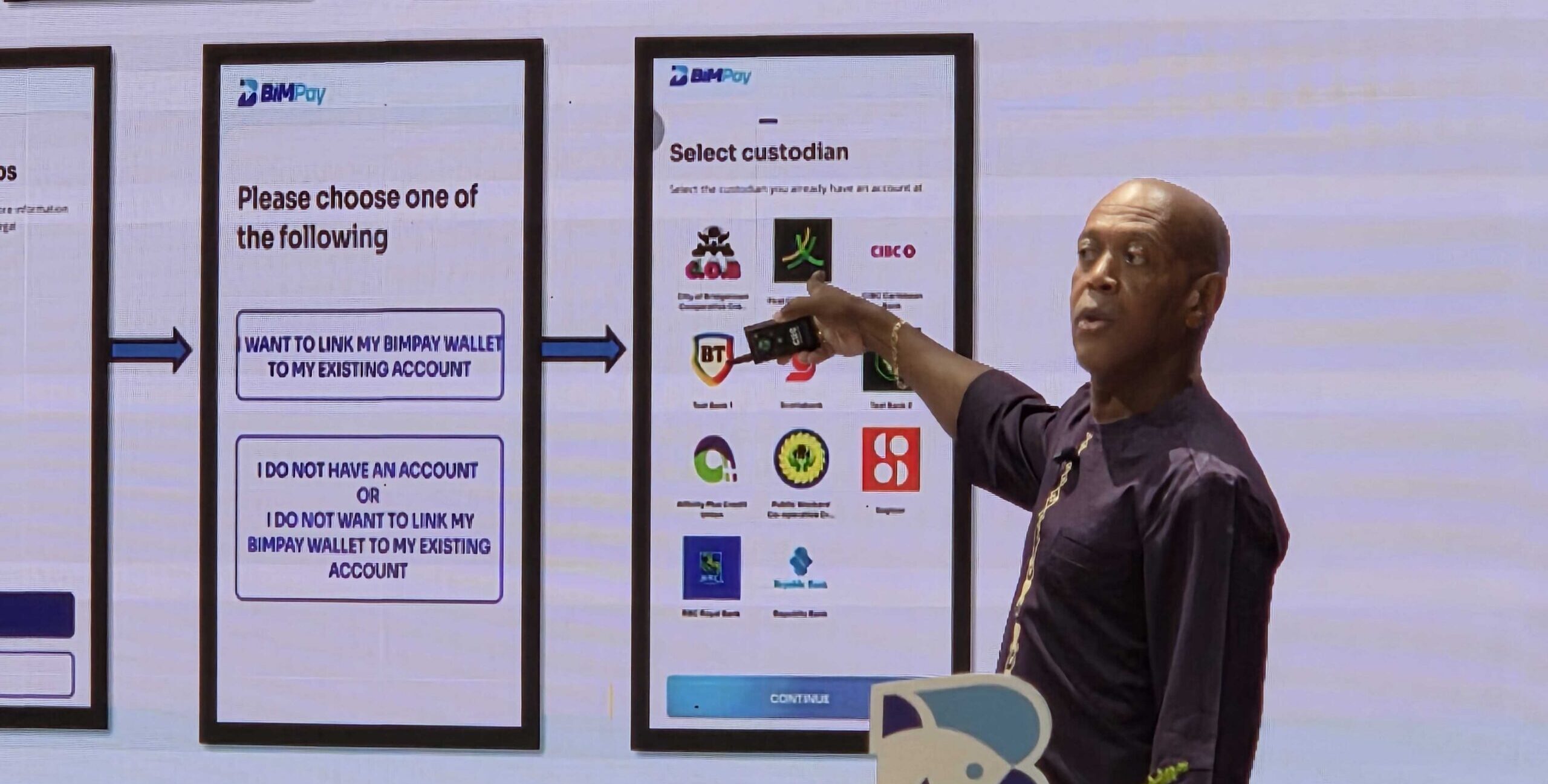
    In a major push to expand access to secure digital financial services across the Caribbean island nation, the Central Bank of Barbados has formally launched its long-awaited instant payment infrastructure, BiMPay, a 24/7 platform that enables fee-free transfers and transactions for most personal and small business users. Announced via an official public statement on Tuesday, the new system is engineered to process domestic money transfers in fewer than 10 seconds at any time of day, eliminating the constraints of traditional banking hours that have long slowed down peer-to-peer and commercial transactions. For individual users, the cost structure is designed to remove common barriers to digital payment adoption: no fees will be charged regardless of the transaction type, whether users are splitting a bill with friends, paying for everyday retail goods, or sending funds to family. Users can also choose their preferred access point, accessing the service through their existing bank’s mobile banking application or a standalone, account-linked BiMPay e-wallet tailored for simplified use. Small business owners will also see significant cost savings under the policy: any enterprise with annual revenue falling below a set threshold will not face transaction charges, matching the zero-fee structure extended to personal users. For larger commercial entities, however, transaction fees will apply, with each participating financial institution given autonomy to set these costs based on the specific banking agreements it holds with its business clients. Technically, the BiMPay infrastructure is built to support single transactions as large as BDS $500,000, though the Central Bank noted that individual and business customer limits will be set by their respective banks and credit unions. These custom limits are calibrated to each customer’s unique risk profile, balancing transaction flexibility with fraud prevention protocols. A key priority driving the system’s design is expanding financial access to the estimated segment of the Barbadian population that remains unbanked or underbanked, lacking access to traditional full-service bank accounts. For this group, the BiMPay e-wallet offers a streamlined onboarding process that requires far less documentation than a standard bank account, opening the door to digital financial participation for those without formal proof of address or credit history. To maintain compliance with global anti-money laundering and counter-terrorism financing (AML/CFT) regulations, however, the Central Bank has put in place targeted receiving caps for these simplified e-wallet accounts. Under the rules, simplified e-wallet users can receive a maximum of BDS $750 per day, BDS $2,500 per month, and BDS $30,000 per year. There are no additional restrictions on spending beyond these receiving limits, meaning users can spend any balance held in their e-wallet freely once funds are deposited. Central Bank officials emphasized that these caps were intentionally crafted to strike a deliberate balance between two core goals: expanding broad access to digital financial tools, and upholding rigorous security and regulatory standards. This framework ensures that even Barbadians without traditional banking documentation can join the formal digital economy, while mitigating the risk of illicit activity that comes with simplified onboarding processes. Inclusivity stands as the foundational pillar of the entire BiMPay project, the Central Bank stressed. By eliminating cost barriers for ordinary citizens and creating a low-barrier entry point for those without extensive formal documentation, the system is designed to ensure every resident of Barbados has the opportunity to leverage the speed and convenience of digital payments. Ultimately, the initiative aims to close the long-standing gap between traditional brick-and-mortar banking services and the fast-growing modern digital economy, making instant, reliable digital transactions accessible to the entire population of Barbados.

  • 223rd anniversary of the death of Toussaint Louverture, Speech by the Prime Minister of Haiti (video)

    223rd anniversary of the death of Toussaint Louverture, Speech by the Prime Minister of Haiti (video)

    On April 7, 2026, Haiti gathered in solemn commemoration to mark 223 years since the passing of Toussaint Louverture, the foundational leader of the Haitian independence movement who died in French captivity on the same date in 1803. Louverture, who led an armed resistance against Napoleon Bonaparte’s plan to reinstate chattel slavery in the former colony, was imprisoned on Napoleon’s orders at Fort de Joux in eastern France, where he spent his final days.

    The official commemoration ceremony, held at the Toussaint Louverture monument located in the heart of Port-au-Prince’s Champ de Mars, drew Prime Minister Alix Didier Fils-Aimé, senior members of his cabinet, and Marie Elisabeth Régine Joseph Haddad, Secretary General of the Haitian Presidency. Following a formal wreath-laying at the monument’s foot, the Prime Minister delivered an address that carried deep historical and national resonance. The event marked a dual celebration, also honoring the 43rd anniversary of the founding of the Museum of the Haitian National Pantheon (MUPANAH), the country’s leading institution preserving Haitian independence heritage.

    In his remarks, Fils-Aimé framed Haiti’s existence as a deliberate, revolutionary milestone rather than a historical footnote. “Haiti is not an accident of history; it is a founding act born of the courage, resistance, and quest for dignity of a people determined to break the chains of slavery,” he told attendees. The Prime Minister emphasized that Louverture’s legacy of anti-colonial resistance and fight for self-determination remains a vital source of inspiration for both current and future generations of Haitians.

    He used the occasion to call for urgent national unity, collective accountability, and a national reconstruction effort rooted in the core values that Louverture fought for: freedom, justice, and full national sovereignty. Fils-Aimé stressed that the annual commemoration goes far beyond a simple ceremonial tribute to the past. Instead, he argued, it represents an ongoing act of loyalty to Haiti’s revolutionary origins and a shared responsibility to uphold the founding promises of the nation. “It is not simply a matter of honoring, but of renewing a vow,” he added, underscoring the ongoing relevance of Louverture’s mission for modern Haiti.

  • Heavy rains flood streets across Greater Santo Domingo and disrupt traffic

    Heavy rains flood streets across Greater Santo Domingo and disrupt traffic

    Early Wednesday brought intense, persistent downpours to the Dominican Republic’s capital region, triggering widespread severe flooding that has upended daily routines for residents across Greater Santo Domingo and the National District. The deluge left major arterial roads submerged, snarled traffic across the urban area, and inundated dozens of residential properties in multiple low-lying communities.

    Three of the region’s busiest transportation corridors—John F. Kennedy Avenue, Duarte Highway, and Núñez de Cáceres Avenue—faced some of the worst flooding. Deep standing water on these key routes brought vehicular movement to a near standstill for hours, with many motorists forced to abandon their vehicles as water levels rose rapidly. In the Los Ríos neighborhood, local residents confirmed that the densely populated “La 800” district was among the most heavily impacted areas, with floodwaters pushing into ground-floor homes and rendering entire neighborhood streets completely impassable to both vehicles and pedestrians.

    Meteorological authorities have linked the extreme rainfall to a low-pressure trough that has spawned highly unstable atmospheric conditions across the majority of the Dominican Republic. With forecasts calling for additional rainfall over the coming hours, public safety officials have issued urgent guidance for residents across the affected region. Authorities are urging the public to stay updated on official weather bulletins, strictly avoid attempting to cross flooded roadways or dry ravines that can quickly become deadly rushing water channels, and implement all necessary emergency precautions to protect people and property ahead of continuing precipitation.