作者: admin

  • Against the  odds

    Against the odds

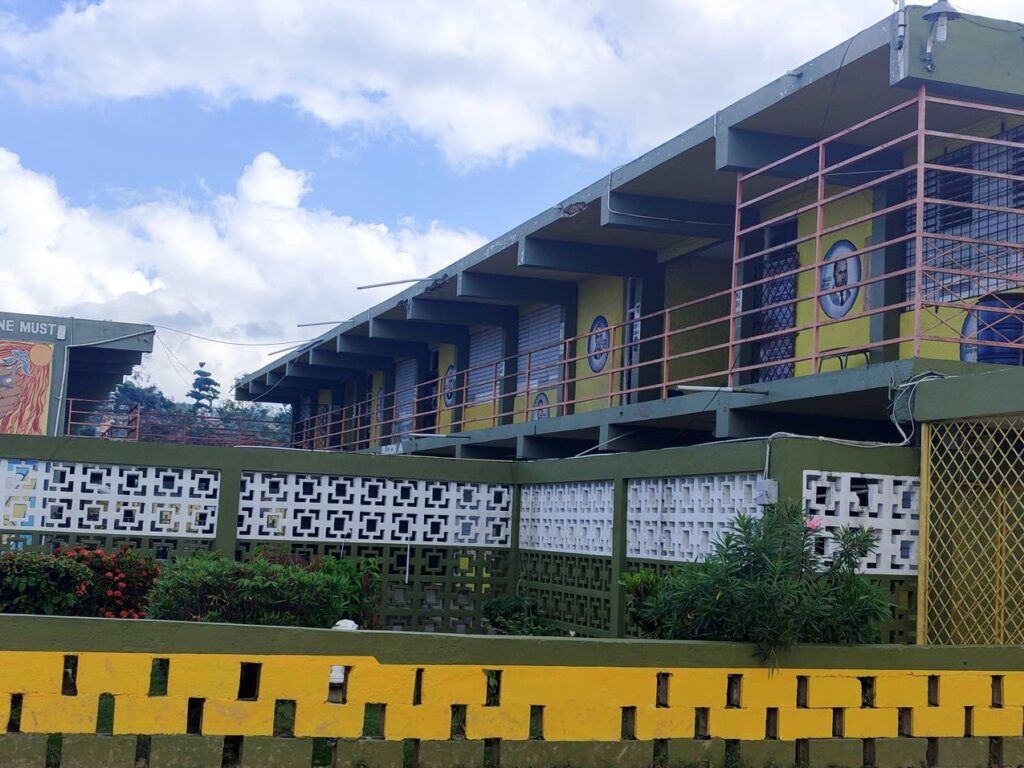
    In an extraordinary display of resilience, multiple educational institutions in St James Parish, Jamaica, are proceeding with full class resumptions today despite sustaining catastrophic damage from Hurricane Melissa two months prior. Among the most severely impacted schools reopening are Maldon High and Catherine Hall Primary, whose administrators acknowledge operating far from ideal conditions while implementing comprehensive contingency measures.

    Maldon High Principal Janet Manning confirmed the school remains substantially below full operational capacity but emphasized their commitment to creating a safe learning environment. “We are nowhere near 100 percent readiness, but we’re addressing critical priorities,” Manning stated, detailing extensive roof damage from the Category 5 hurricane that struck October 28. The institution has implemented temporary roofing solutions using tarpaulins and conducted intensive sanitization campaigns to ensure health standards despite ongoing infrastructure challenges.

    The school faces additional complications including complete power outage throughout the region, necessitating reliance on donated generators for electricity. Accessibility presents another significant hurdle as the primary access road collapsed during the storm, requiring coordinated transportation alternatives through the rural school bus system to ensure student attendance.

    Meanwhile, Catherine Hall Primary School, located in one of the most devastated communities, will receive crucial psychosocial support from UNICEF representatives who will remain on campus for four to six weeks. Principal Kay-Esther Malcolm highlighted the traumatic impact on students, many of whom lost uniforms, textbooks, and home structures during the disaster. “Many children arrive with nothing except their home structures intact,” Malcolm noted, emphasizing the urgency of educational continuity particularly with impending Primary Exit Profile examinations.

    The school endured catastrophic flooding that left classrooms buried under mud deposits, with kindergarten facilities and the cafeteria suffering particularly severe damage. Despite these challenges, staff conducted extensive cleanup operations throughout the weekend, with final deep-sanitization procedures completed last Friday in preparation for today’s reopening. Malcolm acknowledged the critical assistance received from Barracks Road Primary School in Montego Bay, which temporarily accommodated their sixth-grade students during the worst of the recovery period.
  • Baitali sleept staat opnieuw voor de rechter in kwestie Van ‘t Hogerhuysstraat

    Baitali sleept staat opnieuw voor de rechter in kwestie Van ‘t Hogerhuysstraat

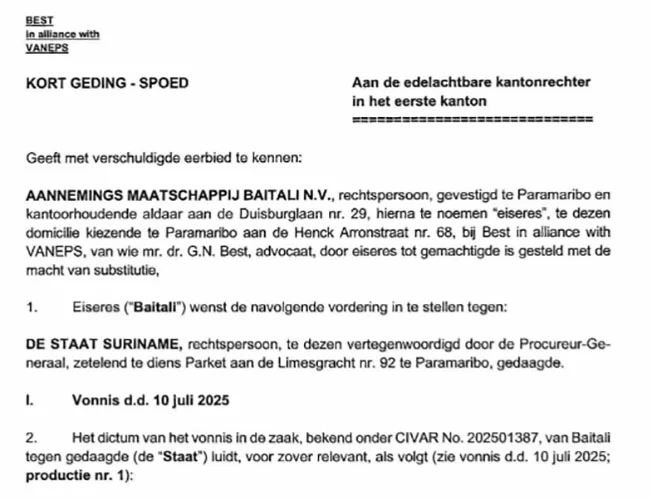
    Baitali NV has initiated another legal proceeding against the Republic of Suriname regarding the Van ‘t Hogerhuysstraat infrastructure project controversy. The company filed a petition requesting the court to compel the State, specifically the Ministry of Public Works, to enforce a previous judicial verdict that favored the construction firm.

    The initial ruling by the cantonal court mandated that the tender process for infrastructure work on Van ‘t Hogerhuysstraat must be reevaluated and reopened for bidding. This judgment explicitly required that Baitali be granted the opportunity to participate in the renewed tender process.

    According to company director Farsi Khudabuks, despite the judgment becoming irrevocable several months ago, the Surinamese government has failed to implement the court’s decision. “The verdict was pronounced with an execution deadline of two days, yet six months have elapsed without any action,” Khudabuks stated in an interview with Starnieuws. The company asserts that authorities have provided no clear explanation for this prolonged non-compliance.

    The case took a complex turn when the Inter-American Development Bank (IDB) initially threatened to withdraw project funding if the court ruling was implemented. However, Khudabuks revealed that the IDB later moderated its position during a high-level visit to Suriname. The bank’s president reportedly assured Suriname’s leadership that as a “law-abiding organization,” the IDB respects judicial decisions within member countries.

    “This development removed any potential obstacles for the State to simply execute the court order,” Khudabuks emphasized. Despite this clarification, implementation remains stalled, prompting Baitali to seek judicial intervention once more.

    In the renewed legal action, the company is petitioning to increase the imposed penalty from SRD 5,000 per day, arguing the current amount proves insufficient to motivate compliance. “Apparently this sum isn’t substantial enough to persuade the State to fulfill its legal obligations,” Khudabuks noted, while stressing that financial penalties serve as legal pressure mechanisms rather than primary solutions.

    The director underscored that settlement negotiations are not being considered: “There exists a court verdict that must be executed. This isn’t a matter of negotiation or compromise—the rule of law must prevail.” The company anticipates a new court hearing shortly to address its enforcement petition.

  • Chinese academician warns of US intentions in Venezuela

    Chinese academician warns of US intentions in Venezuela

    A prominent Chinese Latin America specialist has condemned recent United States actions against Venezuela’s leadership as a violation of international legal standards that establishes a concerning historical precedent. Dr. Sun Yanfeng, Director of the Institute of Latin American Studies at the China Institute of Contemporary International Relations, characterized Washington’s operation as another instance of the U.S. elevating its domestic legislation above established international law.

    In an exclusive interview with The Paper, Dr. Sun criticized the American justification for the action, noting that the U.S. relied solely on its own judicial orders and narcotics trafficking allegations under domestic statutes without presenting internationally verifiable evidence. The analyst emphasized that fundamental principles of international relations—specifically the sovereign equality of nations and the prohibition against interference in internal affairs—explicitly forbid the extraterritorial application of national laws against sitting heads of state.

    The expert drew parallels to a historically significant event from 1989, when United States military forces invaded Panama and apprehended its leader on similar drug-related charges. Dr. Sun described this earlier intervention as establishing a ‘dangerous precedent’ that now appears to be repeating itself in the Venezuelan context.

    Beyond the surface-level narcotics enforcement narrative, Dr. Sun identified broader geopolitical motivations behind Washington’s actions. He asserted that the operation serves strategic American objectives aimed at diminishing Venezuela’s influence as a regional actor that frequently opposes U.S. policies while maintaining close diplomatic and economic ties with both China and Russia.

    This development represents what the analyst considers the first direct U.S. intervention in Latin America during the 21st century, occurring shortly after the implementation of Washington’s newly updated national security strategy. The timing suggests a potential shift in American foreign policy approach toward the region that could have significant implications for international relations and regional stability.

  • Turkiye’s ruling party opposes intervention in Venezuela

    Turkiye’s ruling party opposes intervention in Venezuela

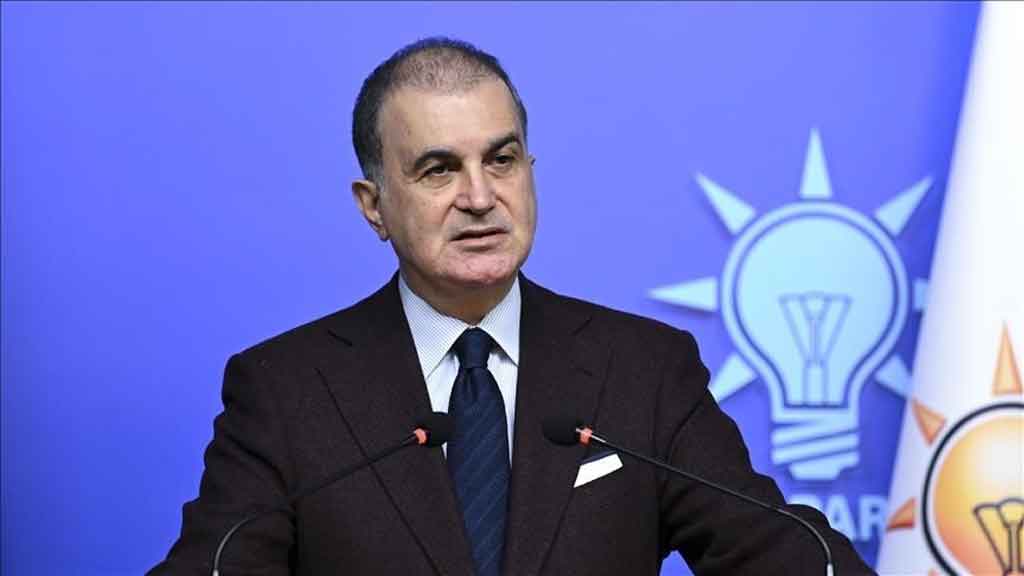
    In a firm declaration of diplomatic principles, Turkey’s ruling Justice and Development Party (AKP) has articulated its unwavering stance on Venezuela’s political sovereignty amid growing international tensions. Party spokesman Omer Celik utilized social media platform X to communicate the AKP’s position, emphasizing that political sovereignty resides exclusively with the Venezuelan people and that his party rejects any initiatives compromising state sovereignty.

    Celik’s statement established that the AKP’s approach to Venezuelan affairs is fundamentally grounded in respect for international legal frameworks and the democratic will of populations. The spokesman recalled that both Turkish President Recep Tayyip Erdogan and the AKP have consistently championed legitimate state sovereignty and territorial integrity as cornerstone principles of their political philosophy and international engagements.

    The declaration comes in response to recent developments that saw the Venezuelan government issue a formal statement on Saturday condemning what it characterized as US aggression aimed at appropriating the country’s strategic natural resources, including its substantial petroleum reserves and mineral wealth. Caracas asserted that these actions represent a deliberate campaign to undermine Venezuela’s political autonomy and economic independence.

    Venezuela’s government simultaneously announced its reserved right to employ legitimate self-defense measures to protect its citizens, territorial boundaries, and national independence. The South American nation additionally called for international solidarity in condemning what it perceives as foreign aggression, seeking broader global support against external pressure campaigns.

    The AKP’s reaffirmation of these principles signals Turkey’s continuing commitment to a foreign policy that prioritizes state sovereignty above geopolitical alignments, maintaining consistency with Ankara’s historical positions on international law and non-interventionist principles.

  • China calls for immediate release of Maduro and his wife

    China calls for immediate release of Maduro and his wife

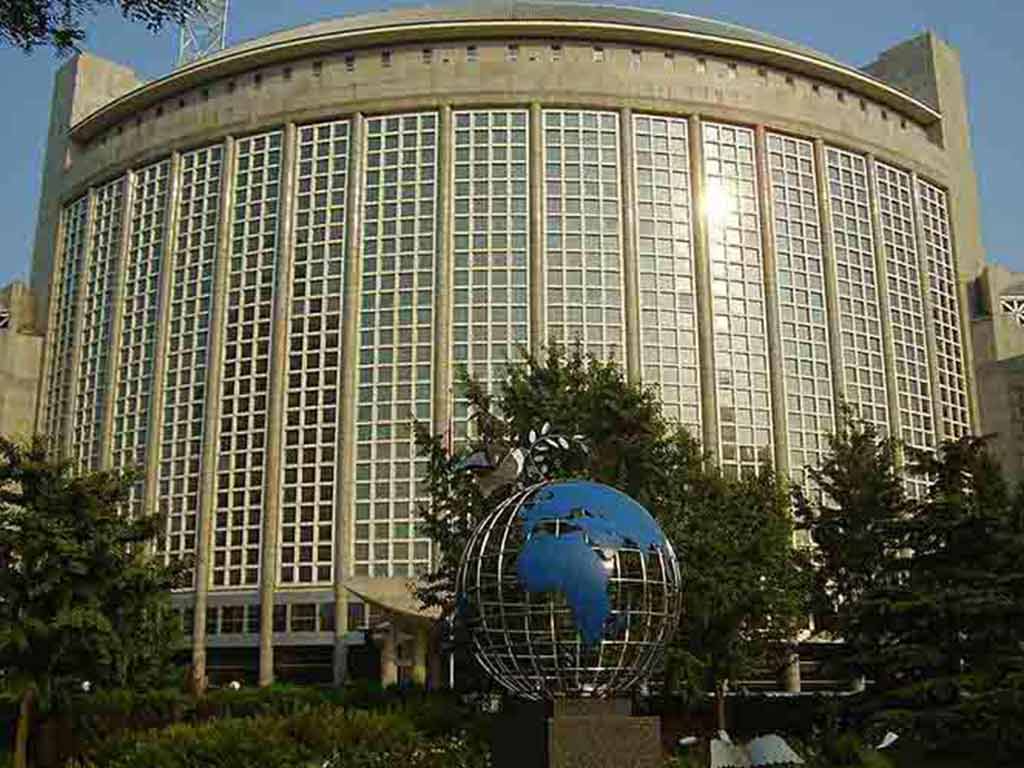
    The Chinese government has issued a forceful condemnation of United States military operations in Venezuela, characterizing Washington’s actions as a severe breach of international legal standards and fundamental principles governing international relations. In an official statement released through its Foreign Ministry, Beijing expressed profound consternation regarding what it termed ‘reckless use of force’ against the sovereign nation of Venezuela and its leadership.

    The diplomatic communiqué emphasized China’s deep concern over the reported detention and coerced deportation of Venezuelan President Nicolás Maduro and his spouse, demanding immediate guarantees for their physical security and personal wellbeing. The Asian nation further called for the prompt and unconditional release of the Venezuelan head of state and his wife.

    Beijing’s position maintains that such military interventions directly contravene the established purposes and principles enshrined in the United Nations Charter. The Chinese statement characterized American conduct as ‘hegemonic behavior’ that not only infringes upon Venezuela’s national sovereignty but also potentially destabilizes regional peace and security throughout Latin America and the Caribbean.

    China has urged the United States to pursue resolution of bilateral differences with Venezuela exclusively through diplomatic channels and peaceful negotiations rather than military confrontation. The escalating situation has attracted concentrated attention from international media outlets, with extensive coverage of the developments unfolding in the South American nation where sovereignty violations and executive kidnapping allegations have created diplomatic upheaval.

  • US action in Venezuela sets ‘catastrophic precedent’ for small states, warns group

    US action in Venezuela sets ‘catastrophic precedent’ for small states, warns group

    The Caribbean Movement for Peace and Integration, based in Barbados, has issued a strong condemnation of the United States’ military operation in Venezuela that resulted in the extraction of President Nicolás Maduro and his wife from the country. The organization characterized the intervention as an unlawful violation of sovereign territory that establishes dangerous implications for developing nations worldwide.

    In an official statement released following the military action, the group warned that this operation creates a catastrophic precedent for smaller nations that exercise their right to determine independent political, economic, and social pathways. The organization framed the intervention as both a crime against peace and a blatant breach of the United Nations Charter, representing what they termed a dangerous escalation threatening the sovereignty of Global South nations.

    The Caribbean Movement specifically cautioned regional governments against maintaining silence, suggesting that inaction would constitute complicity with the violation. The group issued an urgent appeal to Caribbean governments, Latin American nations, Global South countries, intellectuals, artists, social movements, trade unions, and faith communities to activate coordinated solidarity with Venezuela through political pressure, mass mobilization, and cultural resistance.

    Drawing historical parallels, the organization referenced the region’s shared colonial past, noting that Caribbean societies possess deep understanding of external domination dangers and maintain longstanding traditions of resistance to oppression. The statement characterized the operation as an attack on self-determination rights and a reversal of gains achieved by formerly colonized peoples, describing it as the reactivation of colonial warfare as an instrument of political and economic control.

  • Majority in Spain rejects US interference in Venezuela

    Majority in Spain rejects US interference in Venezuela

    Spanish legal and political organizations have issued strong condemnations of U.S. President Donald Trump’s recent actions regarding Venezuela, characterizing them as violations of established international legal frameworks. The Progressive Union of Prosecutors (UPF) formally expressed deep concern over Trump’s Venezuela policies, asserting they represent a fundamental breach of international law standards.

    Igor Zulaika, Head of Politics and International Relations for the Basque political party EH Bildu, escalated the criticism by accusing Trump of actively seeking to ‘destroy international law’ following Saturday’s military action in Venezuela. Zulaika further warned of potential intervention risks in European politics, specifically suggesting Trump might attempt to influence upcoming European elections in favor of far-right movements.

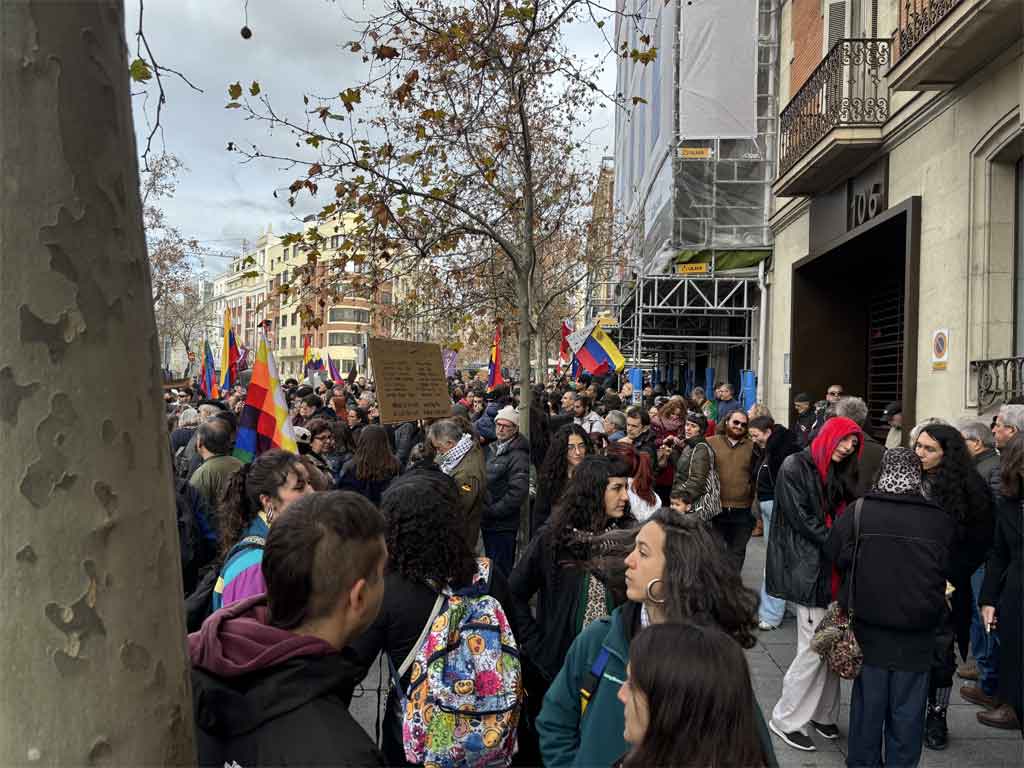
    The diplomatic tensions manifested locally in Bilbao, where demonstrators gathered outside the Venezuelan Consulate shortly before Zulaika’s statements. The Basque representative characterized Trump’s actions as implementing an ‘imperialist plan’ against Venezuela’s sovereignty.

    Glenna del Valle Cabello, Venezuelan Consul in Bilbao, responded to the escalating situation by calling for nationwide mobilization to counter what she described as ‘imperianist aggression’ against her country.

    Broad political consensus against Trump’s Venezuela policy emerged across Spain’s left-wing political spectrum. The United Left, Podemos, and Sumar parties joined major labor unions including Workers’ Commissions and UGT in condemning both the reported kidnapping of Venezuelan President Nicolas Maduro and his wife Cilia Flores, and the White House’s announcement regarding overseeing Venezuela’s democratic transition. The coordinated statements reflect deepening European concerns about U.S. foreign policy approaches in Latin America.

  • Russian air defense downs 90 Ukrainian drones in a single day

    Russian air defense downs 90 Ukrainian drones in a single day

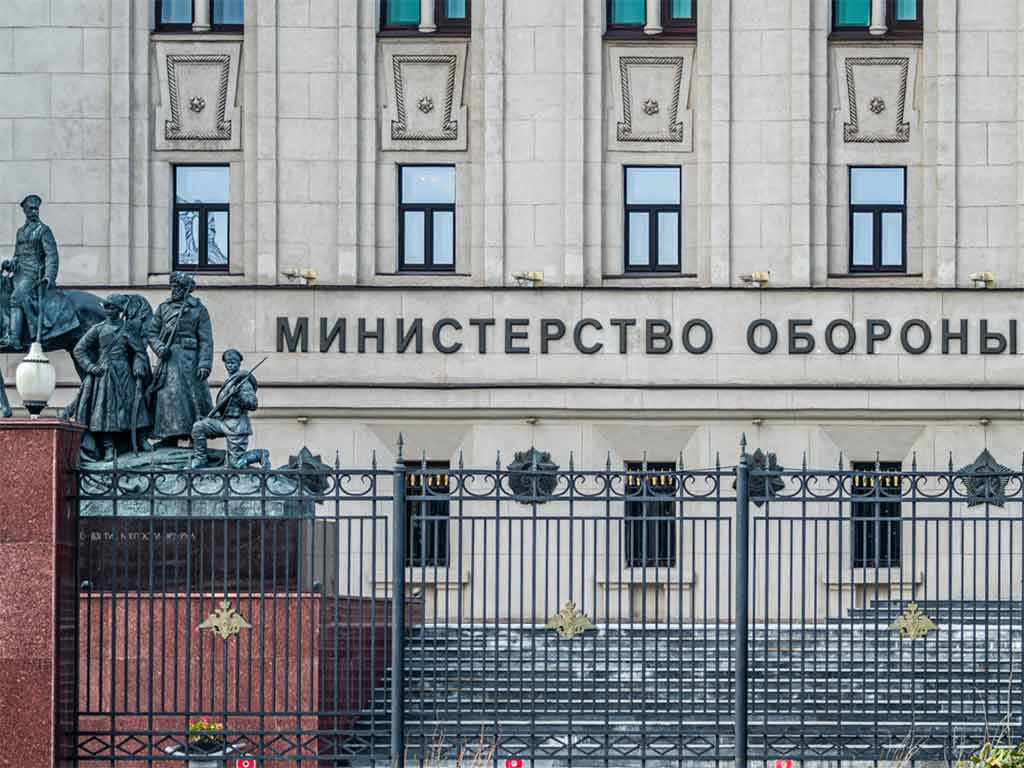
    Russian military authorities have issued a stark warning regarding a significant escalation in Ukrainian unmanned aerial vehicle (UAV) operations targeting Russian territory. In an official statement released on their Telegram channel, defense officials attributed this anticipated increase to substantial losses sustained by Ukrainian armed forces along the front lines of the ongoing conflict.

    The Ministry of Defense provided detailed figures on recent aerial defense operations, announcing the successful interception of 37 drones over the Bryansk region. Additional UAVs were neutralized in other strategic locations: 22 over Kursk, 11 over Kaluga, 11 over Moscow, four over Tula, two over Voronezh, and one each over Belgorod, Rostov, and Oryol territories.

    Concurrently, Russia’s national air transport agency, Rosaviatsia, implemented temporary flight restrictions at multiple airports citing security concerns. The affected airports include those serving Saratov, Tambov, and Yaroslavl, along with two of Moscow’s four major airports—Vnukovo and Zhukovsky International.

    The context for these developments traces back to February 24, 2022, when Russia initiated what it terms a ‘special military operation’ in Ukraine. President Vladimir Putin has consistently framed this campaign as a necessary measure to protect Russian-speaking populations from what he describes as ‘genocide by the Kiev regime.’ Additionally, Russian leadership has emphasized the operation’s strategic purpose in countering perceived national security threats resulting from NATO’s continued eastward expansion toward Russia’s borders.

  • China: South Korean leader boosts a new stage in bilateral ties

    China: South Korean leader boosts a new stage in bilateral ties

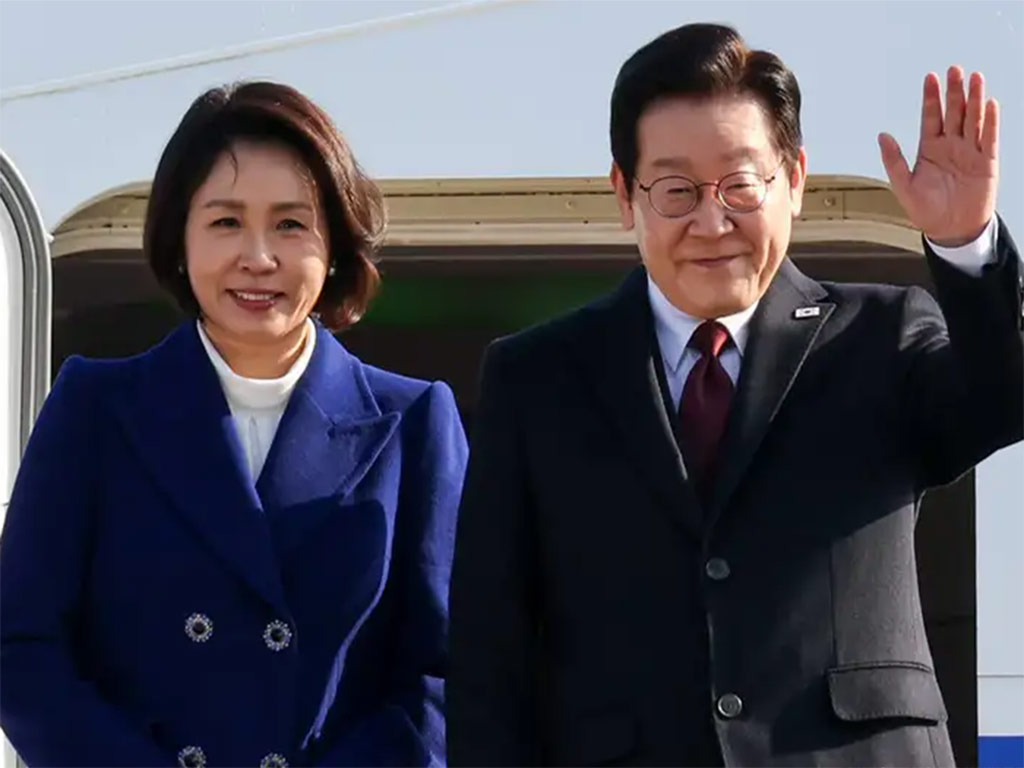
    In a significant diplomatic development, South Korean President Lee is scheduled to undertake his first state visit to China in nearly nine years from January 4-7. The landmark trip follows the recent bilateral summit held in Gyeongju just two months ago, signaling a renewed commitment to enhanced cooperation between the two Asian nations.

    The official itinerary includes high-level talks with Chinese leadership in Beijing during the initial phase of the visit (January 4-6), followed by engagements in Shanghai on January 6-7. According to diplomatic sources from Seoul, the agenda encompasses comprehensive discussions on multiple fronts including supply chain collaboration, investment opportunities, digital economy initiatives, environmental cooperation, and joint efforts against transnational criminal activities. Several memoranda of understanding are anticipated to be signed during the visit.

    South Korean officials emphasized that the primary objective of this diplomatic mission is to reinforce the strategic partnership framework and establish more robust political dialogue channels between the two countries. The timing of the visit holds particular historical significance as it coincides with commemorative events honoring Kim Gu’s 150th birthday and the centenary of the Provisional Government of the Republic of Korea’s establishment. President Lee’s itinerary includes a symbolic visit to the former site of the Korean Provisional Government in Shanghai, underscoring the historical connections between the two nations.

    This state visit represents a crucial step in revitalizing diplomatic relations and addressing mutual concerns while exploring new avenues for economic and strategic collaboration in the region.

  • Frei Betto describes US Attack on Venezuela a crime against humanity

    Frei Betto describes US Attack on Venezuela a crime against humanity

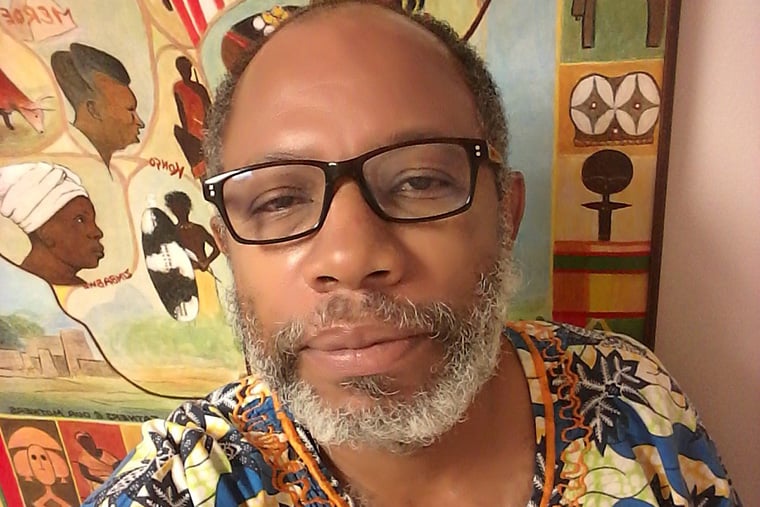
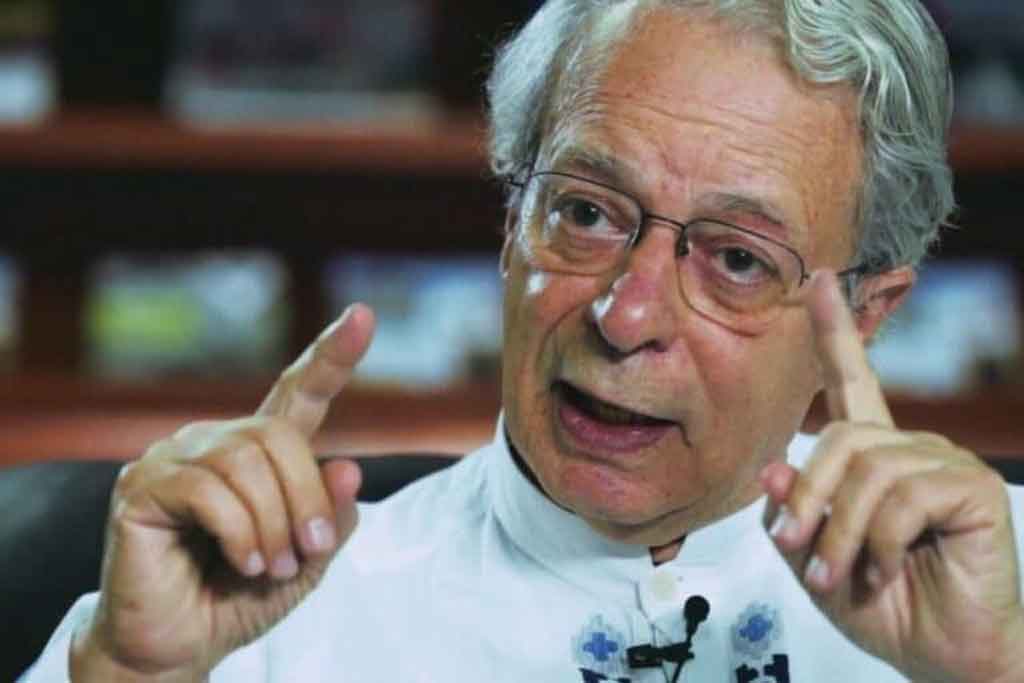
    In a striking condemnation of US foreign policy, prominent Dominican theologian and intellectual Frei Betto has characterized American interventions in Latin America as “imperialist terrorism” and “crimes against humanity.” During an exclusive interview with Prensa Latina, the renowned author of “Fidel and Religion” delivered a comprehensive critique of historical US involvement in regional regime changes.

    Betto articulated that such aggressive actions constitute severe violations of sovereignty and independence across Latin American and Caribbean nations. The intellectual provided a detailed historical account of American-backed operations that resulted in the deposition, disappearance, or death of democratically elected leaders throughout the region.

    The theologian cited numerous case studies, beginning with Jacobo Árbenz, Guatemala’s democratically elected president who was overthrown in a 1954 coup orchestrated by the White House. Árbenz subsequently died under suspicious circumstances—officially recorded as accidental drowning—during his exile in 1971.

    Betto further documented a pattern of interventionism, noting that in the same year as the Guatemala coup, the United States facilitated the establishment of a military dictatorship in Paraguay. This was followed by systematic dismantling of democratic institutions across the continent: Brazil (1964), Argentina (1966 and 1976), Bolivia (1966 and 1971), Uruguay, and most notably Chile in 1973.

    The analysis extended to include the cases of Chilean President Salvador Allende, Panama’s progressive leader Omar Torrijos, and Maurice Bishop, the elected prime minister of Grenada in 1979. Concluding his assessment with a powerful declaration of solidarity, Betto exclaimed: “Long live the people of Venezuela!”