作者: admin

  • Cubans in Ecuador condemn US aggression against Venezuela

    Cubans in Ecuador condemn US aggression against Venezuela

    A prominent international association has issued a forceful condemnation of recent actions targeting Venezuelan leadership, characterizing them as unlawful under established global governance principles. The Association of Caribbean Unity and Regional Entities (ACURE) has formally denounced what it describes as the effective abduction of Venezuelan President Nicolás Maduro and First Lady Cilia Flores, asserting these actions constitute a blatant violation of diplomatic immunities granted to sitting heads of state.

    In an official communiqué disseminated through the Cuban Consulate in Ecuador, ACURE posed a challenging question to United States authorities: “Under which specific tenets of International Law does the United States presume the authority to act as global adjudicator while simultaneously disregarding fundamental international legal standards?”

    The organization additionally expressed strong opposition to President Donald Trump’s assertion of American jurisdiction over Venezuelan affairs during a recent press briefing. ACURE specifically condemned the invocation of the nineteenth-century Monroe Doctrine as justification, labeling this approach “entirely illicit and contrary to contemporary international legal frameworks.”

    Further analysis from the association suggests that potential military engagement would be principally motivated by Washington’s strategic interests in controlling Venezuela’s substantial natural resources, including petroleum reserves, gold deposits, and critical rare earth elements essential for modern technology.

    The statement provided historical context referencing previous military interventions throughout the region, cautioning against the repetition of such patterns driven primarily by economic ambitions rather than humanitarian or democratic concerns. ACURE emphasized the imperative of immediately restoring President Maduro and his wife to their rightful positions while advocating for strengthened respect for national sovereignty and international law as cornerstones of peaceful global coexistence.
  • Spain in mass  drives in support of  Venezuela

    Spain in mass drives in support of Venezuela

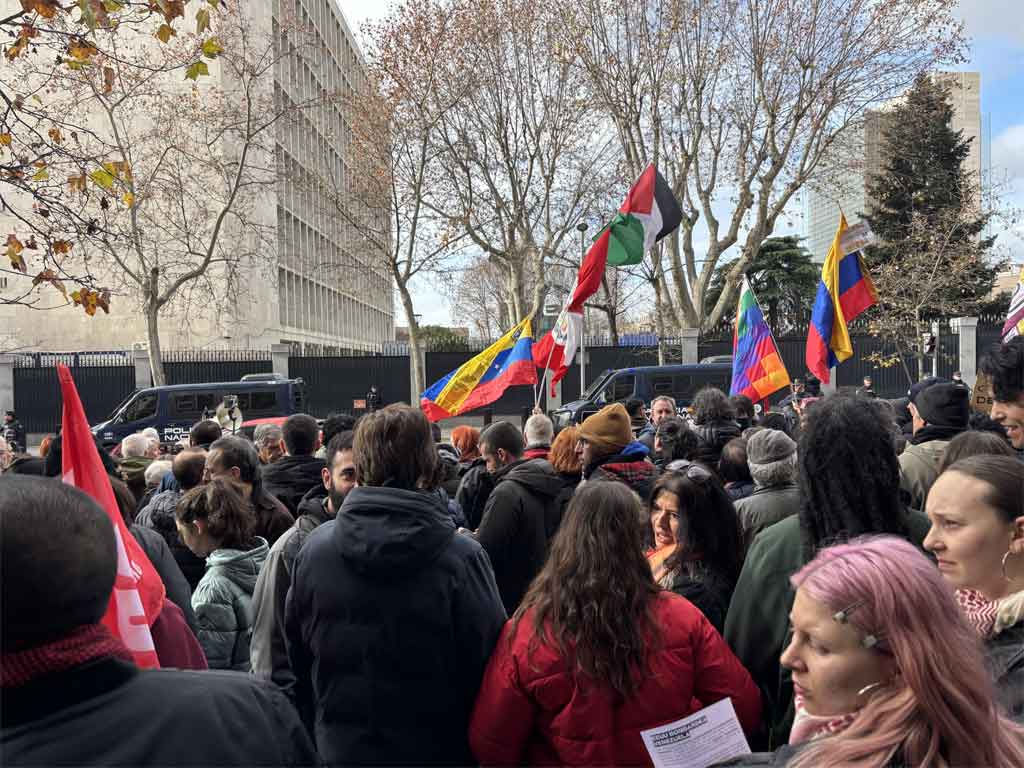
    A substantial crowd of demonstrators convened peacefully outside the United States diplomatic mission in Madrid on Sunday, responding to a mobilization call from the Committee Against NATO and Military Bases alongside the Antifascist International. The assembly, which drew thousands, was met with a significant security presence comprising Spanish Civil Guard and national police forces.

    Protesters vocalized strong opposition to U.S. foreign policy through resonant chants including “Yankees hands off Venezuela” and demands to cease American interference while respecting Latin American sovereignty. The visual symbolism of the gathering extended beyond Venezuelan flags to include Palestinian banners, merging condemnation of Israel’s military actions in Gaza with criticisms of NATO’s escalating militarism and European Union complicity.

    Araceli Escudero, representing the Bolivarian Solidarity Platform and Cuban friendship associations, characterized the event as exceptionally successful. She noted the unprecedented turnout for such a demonstration in recent memory, warning that current developments in Venezuela represent a comprehensive violation of rights with potential to destabilize the entire Latin American and Caribbean region. Escudero’s statements to Prensa Latina emphasized the interconnected nature of global geopolitical struggles against Western interventionism.

  • Social rejection grows in El Salvador against aggression of Venezuela

    Social rejection grows in El Salvador against aggression of Venezuela

    A coalition of international voices has sharply criticized what they characterize as an unprecedented interventionist escalation by the United States government against Venezuela’s leadership. The coordinated response follows reports of operations targeting Venezuelan President Nicolás Maduro and First Lady Cilia Flores, which multiple organizations have denounced as an illegal kidnapping attempt designed to destabilize the legitimately constituted government of the Bolivarian Republic.

    Central to the condemnation is the assertion that these actions represent an extrajudicial application of force that undermines international norms. The movement argues that Washington’s operations seek to effectively decapitate Venezuela’s democratic institutions through means that circumvent established legal frameworks.

    Amid the widespread criticism, Salvadoran legislator Claudia Ortiz of the center-right Vamos party offered a more nuanced perspective. While not defending the Maduro government, Ortiz questioned the methodological implications of such operations, emphasizing that “the challenge for the region is not only to combat organized crime, but to do so without making the exception the rule or weakening the rule of law.” The parliamentarian, quoted extensively in El Mundo, further expressed concerns about the United States exercising power without democratic constraints, warning that “without active institutions, no democracy can withstand the pressure” of such approaches.

    The political condemnation has been amplified by social and popular movements across El Salvador. Multiple labor unions have aligned with statements from the World Federation of Trade Unions, which contends that Washington’s true objective centers on gaining control over Venezuela’s substantial oil reserves. This economic interpretation of geopolitical motives has gained traction among critical voices.

    Adding to the chorus of disapproval, three significant organizations—the Antifascist International El Salvador Chapter, the Operation Solidarity Network, and Mission Miracle—have jointly reaffirmed their rejection of the operations against Venezuela’s leadership. These groups have characterized the actions as violations of national sovereignty that establish dangerous precedents for international relations in the Western Hemisphere.

  • Nestle recalls infant formula in several European countries

    Nestle recalls infant formula in several European countries

    ZURICH, Switzerland — In a significant precautionary move, multinational food conglomerate Nestlé has issued a widespread recall for specific batches of its infant nutrition products across multiple European markets. The decision impacts France, Germany, Austria, Denmark, Italy, and Sweden following the identification of a quality discrepancy in a supplied ingredient.

    The company disclosed on its official digital platforms that rigorous quality control protocols detected an anomaly in arachidonic acid oil—a key nutritional component sourced from an external provider. This discovery prompted immediate comprehensive testing of all related oil mixtures utilized in manufacturing processes.

    Nestlé’s French subsidiary specified that the voluntary recall targets select production lots of Guigoz and Nidal branded formulas. Advanced analytical procedures indicated possible traces of cereulide toxin, a microbial compound known to provoke gastrointestinal disturbances upon consumption.

    Consumers can identify affected products through batch number photographs published on Nestlé’s country-specific websites. Market-specific brand names vary, including Germany’s Beba and Alfamino lines alongside the French products.

    The corporation has established detailed return protocols and reimbursement mechanisms while activating dedicated consumer support hotlines. Company representatives emphasized that no health incidents have been reported in connection with the flagged products to date.

    Nestlé confirmed ongoing coordination with national regulatory authorities across all impacted jurisdictions to ensure compliance with food safety protocols. The company maintains that all actions reflect its commitment to stringent quality standards and preventive consumer protection measures.

  • 48-hour curfew imposed in sections of Manchester Division

    48-hour curfew imposed in sections of Manchester Division

    KINGSTON, Jamaica — Jamaican authorities have declared an extensive 48-hour security curfew encompassing six communities within the Manchester Police Division. The emergency measure affects residents of Canewood, Epping Forest, Oxford, Comfort Hall, Breezy Hole, and Auctembeddie following security assessments by law enforcement agencies.

    The restrictive order took effect at 6:00 PM local time on Monday, January 5, with official provisions mandating its continuity until 6:00 PM on Wednesday, January 7. This temporal lockdown requires all civilians within designated boundaries to remain indoors throughout the specified period unless granted explicit authorization by the operational ground commander.

    Geographical parameters established for the security operation encompass:

    Northern Boundary: Extending 3,400 metres along a designated demarcation from vegetated terrain to the Breeze Hole District border.

    Southern Boundary: Spanning 4,100 metres across specified coordinates terminating at Comfort Hall’s vegetated periphery.

    Eastern Boundary: Covering 5,190 metres of territory extending to Waterloo District’s vegetation line.

    Western Boundary: Measuring 5,000 metres from the southern demarcation point through Evergreen to Roses Valley’s wooded areas.

    Law enforcement personnel will maintain continuous patrols and checkpoints throughout the duration to enforce compliance with the emergency protocol. The measure represents the latest in Jamaica’s ongoing security initiatives to address public safety concerns in designated regions.

  • Jamaicans urged to protect bee population in aftermath of Hurricane Melissa

    Jamaicans urged to protect bee population in aftermath of Hurricane Melissa

    KINGSTON, Jamaica – In the aftermath of Hurricane Melissa’s devastating passage, Jamaican agricultural authorities are issuing an urgent appeal to citizens to assist in preserving the nation’s critically important bee populations. These vital pollinators suffered substantial habitat displacement and resource depletion during the recent extreme weather event.

    Francine Webb, Senior Plant Health and Food Safety Officer at Jamaica’s Rural Agricultural Development Authority (RADA), emphasized the ecological crisis unfolding within the insect ecosystem. The hurricane’s destruction of flowering plants has created severe nutritional shortages for bee colonies across the island, threatening their survival and recovery.

    Webb provided practical guidance for public assistance, noting observations of citizens already providing sugar-water solutions to starving bees. “When you encounter bee swarms, understand they’re not displaying aggression but desperately seeking nourishment,” she explained to JIS News. “These insects pose no threat to humans when approached calmly during their foraging activities.

    The agricultural expert recommended maintaining feeding stations using simple household items like shallow saucers or disposable plates containing sugar-water mixtures. This emergency nutrition support provides crucial energy for bees until natural flowering patterns can reestablish themselves.

    Beyond immediate humanitarian concerns, Webb highlighted the insects’ fundamental role in Jamaica’s agricultural recovery. “Bees serve as essential pollinators for approximately one-third of global food production,” she stated. “Their preservation directly impacts our national food security and agricultural restoration efforts post-hurricane.”

    The campaign represents an unusual intersection of disaster response and environmental conservation, recognizing that ecological rehabilitation remains inseparable from agricultural and economic recovery in hurricane-affected regions.

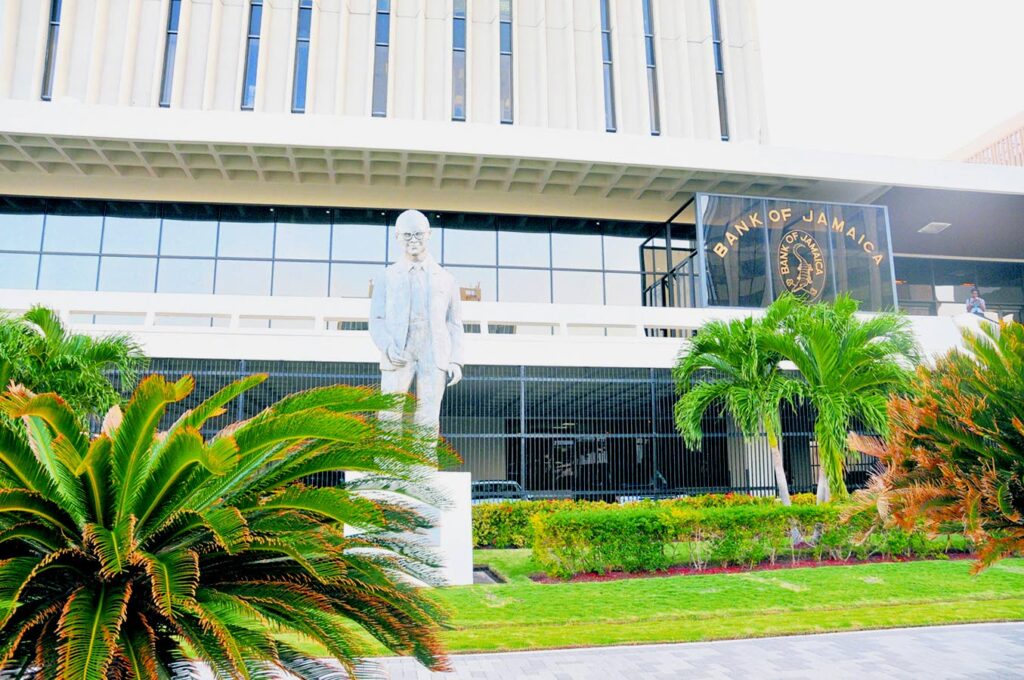
  • Late cash surge lifts December currency growth to central bank’s target

    Late cash surge lifts December currency growth to central bank’s target

    KINGSTON, Jamaica – Jamaica’s monetary authority has reported that a substantial late-month spike in cash requirements enabled the nation’s currency expansion to align with official projections for December 2025, according to finalized data released Monday. This robust finish effectively counterbalanced the unexpectedly subdued pattern documented in preliminary assessments just days prior.

    The Bank of Jamaica (BOJ) disclosed distributing a net total of J$13.1 billion to financial institutions during the final five business days of the month, derived from J$14.1 billion in new issuances minus J$0.9 billion in redemptions. This vigorous end-of-period activity propelled the overall currency inventory growth to J$21.7 billion, representing a 7.2 percent monthly increase.

    This conclusive performance closely matched the central bank’s early-December forecast of 7 percent growth, demonstrating a notable recovery from the mid-month assessment on December 24 that indicated merely 2.9 percent expansion through the first 22 days. Despite this recovery, the monthly growth rate remained below the 8 percent increase recorded in December 2024.

    Jamaica’s circulating currency reached J$322.3 billion by year-end, reflecting a substantial 12.7 percent nominal annual growth that dramatically exceeded the previous year’s 3.1 percent expansion. When adjusted for inflation, the real value of currency holdings surged by an estimated 7.1 percent – a remarkable turnaround from the 1.8 percent real decline witnessed twelve months earlier.

    Monetary officials identified multiple drivers behind this accelerated annual growth, including precautionary cash holdings following Hurricane Melissa, enhanced remittance flows, elevated inflation rates, and economic recuperation from Hurricane Beryl’s impact in July 2024.

    The BOJ expects the majority of additional currency supplied for seasonal demand to return to financial institutions during January. Historical patterns indicate that approximately 68.8 percent of December’s net currency issuance typically gets redeemed in the subsequent month over the past five years.

    The central bank administers daily currency movements based on commercial bank requirements, which themselves respond to heightened withdrawal patterns from both individual and commercial clients during peak expenditure periods. Jamaica’s currency in circulation encompasses all banknotes and coins held by the public plus vault reserves maintained by commercial banks.

  • Treasure Bay Estates lends hand to local sea captain

    Treasure Bay Estates lends hand to local sea captain

    KINGSTON, Jamaica – In the aftermath of Category 5 Hurricane Melissa’s destructive path through Jamaica’s western region, a powerful story of community resilience and compassionate leadership has emerged from Treasure Beach, St. Elizabeth.

    The catastrophic storm, which made landfall on October 28, inflicted severe damage across multiple parishes, threatening livelihoods and infrastructure. Among those most critically affected was local sea captain Allan Daley, whose fishing vessel—essential to his family’s survival—faced near-total destruction when a massive 20-foot shipping container was hurled onto the craft by hurricane-force winds.

    The impact destroyed the boat’s engine and left the structure severely compromised. Ironically, floodwaters from the storm partially stabilized the vessel by adding weight, though it remained in imminent danger of complete loss.

    Recognizing the urgency, the management team from Treasure Bay Estates mobilized immediately alongside community volunteers. Their coordinated response involved stabilizing the damaged boat and preventing further destruction, demonstrating extraordinary solidarity in crisis.

    Captain Daley expressed profound gratitude, stating: ‘The Treasure Bay Estates team and my neighbors arrived when hope was fading. Their support lifted my spirits and saved my livelihood when I faced total ruin.’

    Aubyn Henry, co-principal of Treasure Bay Estates, personally oversaw the relief effort. ‘As an entrepreneur rooted in this community, I believe our true impact is measured by the lives we touch,’ Henry explained. ‘Witnessing Captain Daley’s struggle against this disaster reinforced why collective action matters. We’re now assisting him in sourcing a new engine and restoring his capability to work—this is about restoring hope to his family and strengthening the community we all share.’

    The incident highlights how community-driven initiatives can provide crucial support where formal disaster response may be delayed, offering a blueprint for local resilience in the face of escalating climate-related disasters.

  • Priest warns police: Don’t use uniforms to bully public

    Priest warns police: Don’t use uniforms to bully public

    In a powerful address before dozens of police officers and senior officials, prominent Anglican Archdeacon Dwight Rolle delivered a compelling call for ethical reform within the Royal Bahamas Police Force. The occasion was the Force’s annual church service at Christ Church Cathedral, attended by officers, dignitaries, and community leaders featuring prayers, musical tributes, and honors for fallen personnel.

    Archdeacon Rolle articulated critical concerns regarding societal decay and institutional responsibility. He warned against the dangers of personal ambition and authority misuse, stating emphatically that uniforms should not become instruments for bullying vulnerable citizens. The religious leader identified a cultural shift toward mediocrity where mere paycheck collection supersedes pursuit of excellence.

    Highlighting the essential foundation of community policing, Rolle emphasized that law enforcement effectiveness becomes meaningless without established trust and perceived safety. He reminded officers of their unrecognized role as mentors for younger generations seeking guidance, purpose, and emotional security.

    The archdeacon portrayed policing not as mere employment but as vocational calling requiring radical commitment to national improvement. He detailed alarming social pathologies including narcotics proliferation, firearms trafficking, escalating gang operations, armed robberies, home invasions, and gratuitous violence – all indicating deterioration of the nation’s fundamental bonds.

    Rolle demanded intentional, transformative approaches to address these systemic ills, emphasizing officers’ moral obligation to champion justice, especially for defenseless children. The event also featured addresses by Bahamas Christian Council President Bishop Delton Fernander and National Security Minister Wayne Munroe, who expressed official gratitude for police service.

    Police Commissioner Shanta Knowles concluded the gathering by acknowledging departmental dedication, anticipating successful outcomes through divine guidance, and presenting a financial contribution to support the Christian Council’s community initiatives.

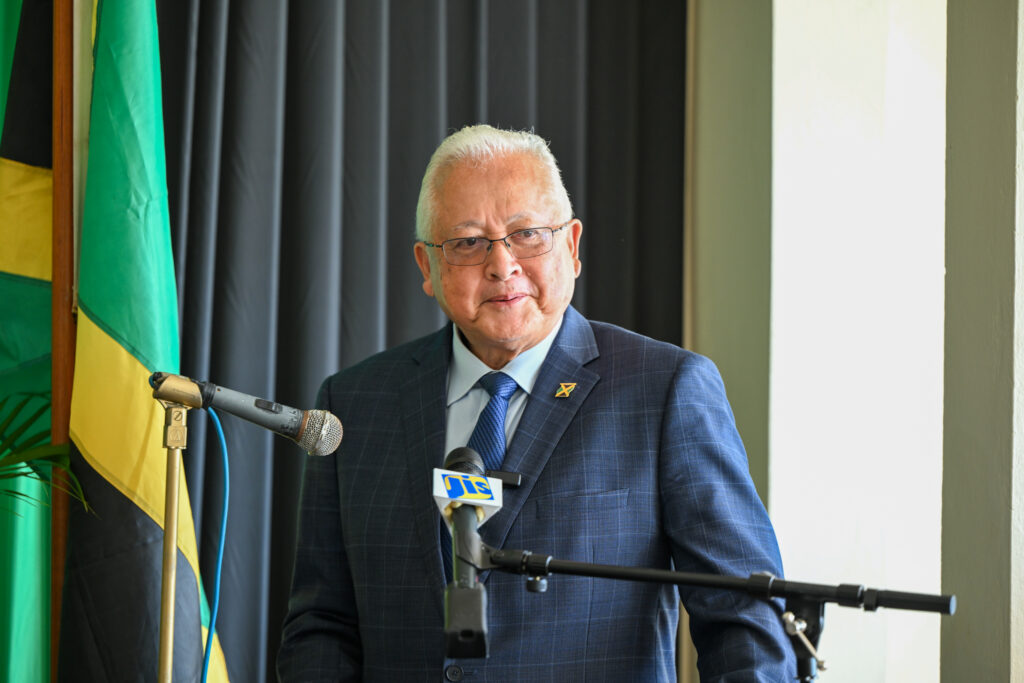
  • JPs cautioned against signing documents for people they don’t know

    JPs cautioned against signing documents for people they don’t know

    Jamaican Justice Minister Delroy Chuck has issued a stern warning to the nation’s justices of the peace (JPs), cautioning them against formally verifying documents for unknown individuals to prevent enabling fraudulent or criminal activities. The minister emphasized that such practices could undermine public trust in the judicial system.

    Speaking at a commissioning ceremony for 34 new JPs in St Thomas parish, Minister Chuck highlighted a specific case where a JP provided a glowing recommendation for an individual who subsequently faced serious criminal allegations at their workplace. The minister contended that proper verification protocols might have prevented this employment and subsequent allegations.

    “When you sign and witness a document and verify identification of someone you don’t know, you have opened the door for corruption,” Chuck stated, urging JPs to decline requests unless they can personally verify identities.

    The ceremony also featured addresses from Custos of St Thomas Marcia Bennett and Permanent Secretary Marsha Henry-Martin. Bennett emphasized the JP’s role extends beyond document authentication to include community leadership and peacemaking responsibilities. She encouraged new JPs to remain accessible to community members and model law-abiding behavior.

    Henry-Martin, responding on behalf of the newly commissioned justices, acknowledged their mandate to “execute in fairness” within Jamaica’s evolving social and economic landscape. She urged her colleagues to serve with “humility, kindness, meekness, and love” to restore community harmony.

    The office of justice of the peace, originating in England in 1361, requires holders to demonstrate unquestionable integrity while protecting individual rights. Jamaican JPs perform varied duties including document authentication, limited judicial functions, court attendance, bail application consideration, and providing legal counsel.