作者: admin

  • “Plastics for Toys” returns to City Hall on January 11

    “Plastics for Toys” returns to City Hall on January 11

    Santo Domingo’s municipal government is set to host the sixth iteration of its innovative environmental program, ‘Plastics for Toys,’ on Sunday, January 11. Spearheaded by National District Mayor Carolina Mejía, the event will operate from 8:00 a.m. to 12:00 p.m. at City Hall, exclusively catering to residents of the National District.

    This community-driven initiative establishes a direct exchange mechanism where participants can trade cleaned and crushed plastic bottles, complete with their caps, for new toys. The program features a tiered exchange system: 500 bottles qualify for a bicycle, while 300 bottles can be redeemed for other assorted toys. To ensure equitable distribution, a limit of two toys per person will be enforced, requiring presentation of valid identification.

    Beyond the environmental exchange, Mayor Mejía has announced accompanying festivities including live children’s entertainment, musical performances, and refreshments. The municipal government emphasized the program’s dual significance, highlighting both its waste reduction achievements and its role in public education. Official data reveals that the ‘Plastics for Toys’ program, along with its sister initiative ‘Plastics for School Supplies,’ has successfully diverted over 33 million plastic bottles from streets and landfills. These efforts collectively represent one of the nation’s most substantial ongoing campaigns for environmental awareness and sustainable practice adoption.

  • Column: Hoop en verbondenheid in een onzekere wereld

    Column: Hoop en verbondenheid in een onzekere wereld

    As 2025 commenced, citizens worldwide embraced diverse resolutions encompassing both material aspirations and profound personal growth objectives. These ambitions ranged from revitalizing neglected relationships and fostering community connections to finally dedicating time to long-pending literary works and planning well-deserved vacations. Many sought the courage to pursue authentic life paths beyond societal expectations.

    The retrospective assessment of 2025 reveals a tapestry of human experience marked by both celebratory milestones and profound grief. Nations collectively mourned the passing of prominent societal figures while individuals faced personal losses of parents, siblings, children, and partners. The year proved particularly unforgiving to children caught in unprecedented humanitarian crises, reminding populations that life rarely unfolds according to predetermined plans.

    Amid these challenges, beacons of hope emerged through academic achievements, marital unions, newborn arrivals, and meaningful anniversaries. New professional and emotional bonds formed across communities, though these connections often went undervalued amidst daily pressures. Despite geographical dispersion, global citizens share celestial observations of the same sun and moon, albeit at different intervals, while exchanging thoughts through mechanisms that frequently defy full comprehension.

    National highlights included democratic elections, the 50th anniversary of Srefidensi celebrations, and the diplomatic visit of the Dutch royal couple. However, the dawn of 2026 presents formidable challenges following the seismic impact of American military actions in Venezuela that reverberated throughout Latin America, the Caribbean, and ultimately the global community.

    Economic interests continue driving both individual and national behaviors, with expansionist ambitions emerging from these financial imperatives. Worldwide tensions escalate as non-participating nations face coercive pressures, while international regulations suffer systematic violations. The global community seeks equitable responses to these developments, recognizing that interconnectedness, solidarity, and unified purpose among nations, organizations, and communities constitute our strongest defense against aggression.

    This new era demands heightened awareness of individual and collective responsibilities. Addressing contemporary challenges requires not merely political or diplomatic solutions but strengthened social cohesion. During periods of uncertainty and division, mutual support, active listening, and collaborative action become paramount.

    Critical questions emerge from these reflections: What lessons has 2025 imparted? How do we approach 2026 with clarity and purpose? In what manner do we perceive our fellow citizens and our shared national identity? What expectations define our collective vision, and most importantly, what concerted actions will we undertake to improve our shared existence?

    The new year presents an opportunity to pursue not only personal objectives but also to reinforce our collective future. Ultimately, it is through people connected by mutual respect and solidarity that meaningful change emerges.


  • Abinader reaffirms Dominican support for democracy in Venezuela

    Abinader reaffirms Dominican support for democracy in Venezuela

    SANTO DOMINGO – Dominican President Luis Abinader has declared that his administration is maintaining vigilant oversight of the political situation in Venezuela, while firmly reiterating its longstanding non-recognition of Nicolás Maduro’s contested presidential mandate. The Dominican leader utilized his social media platforms to underscore this diplomatic stance, tracing it back to the nation’s pivotal role in advancing the Santo Domingo Declaration—a regional initiative demanding unequivocal respect for the electoral will of the Venezuelan populace.

    Emphasizing the deep-rooted bonds of solidarity between the Dominican and Venezuelan peoples, President Abinader reaffirmed his government’s readiness to actively support all endeavors directed at reinstating democratic governance, peaceful coexistence, and national reconciliation within the crisis-stricken nation. He vowed that the Dominican Republic would persist in its unwavering defense of democratic principles, asserting that it would invariably align itself with the cause of democracy regardless of the circumstances.

    This official position has, however, elicited a spectrum of reactions from domestic political factions. Miguel Vargas Maldonado, who leads both the Dominican Revolutionary Party (PRD) and the Socialist International Committee for Latin America and the Caribbean, voiced his endorsement for a resolution that is democratic, peaceful, and negotiated through frameworks of international law.

    Conversely, opposition figures and groups—including former prosecutor Guillermo Moreno, the Broad Front coalition, and the Communist Party of Labor—have issued strong condemnations against any potential foreign military intervention. They warned that such actions would constitute a grave breach of national sovereignty and could dangerously destabilize the wider region. Echoing these concerns, international relations analyst Iván Gatón pointed to the escalating geopolitical friction and the concurrent erosion of multilateral diplomatic engagement across Latin America and the Caribbean.

  • Traffic control operation to begin at 2:00 p.m. on major highways

    Traffic control operation to begin at 2:00 p.m. on major highways

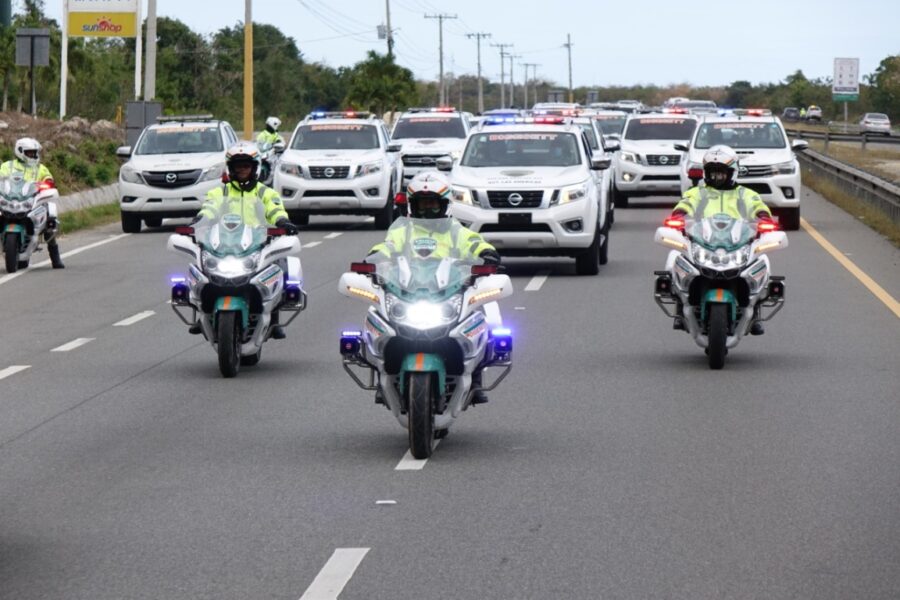
    SANTO DOMINGO – In preparation for the Three Kings Day holiday celebrations, the General Directorate of Traffic Safety and Land Transportation (DIGESETT) has announced a comprehensive simultaneous traffic control initiative scheduled for Monday, January 5, 2026. The operation will commence at 2:00 PM across the Dominican Republic’s primary transportation corridors as a preventive measure against holiday-related accidents.

    The strategic enforcement campaign will focus on regulating vehicular flow, implementing speed restrictions, and enhancing roadway safety during peak travel periods. Key infrastructure segments targeted include the 6 de Noviembre Highway, both sections of the Duarte Highway, the Eastern Corridor, Punta Cana Tourist Boulevard, and adjacent connecting routes where holiday traffic congestion typically peaks.

    DIGESETT authorities have issued urgent advisories to motorists emphasizing compliance with traffic directives, responsible driving practices, strict adherence to sobriety guidelines, mandatory seatbelt usage, and observance of posted speed limitations. The agency confirmed coordinated deployment with complementary road safety organizations to establish multilayered protection protocols aimed at safeguarding travelers and ensuring secure passage during this traditionally high-mobility period.

  • OPEC houdt productie voorlopig gelijk na spanningen rond Venezuela

    OPEC houdt productie voorlopig gelijk na spanningen rond Venezuela

    The Organization of Petroleum Exporting Countries (OPEC) has resolved to maintain current oil production levels, extending its existing output freeze policy in response to ongoing market volatility. This decision emerged from intensive consultations among member states and reflects deepening concerns about market stability following recent geopolitical developments involving Venezuela.

    Global oil markets entered 2025 in a precarious state following a tumultuous 2024 that witnessed worldwide oil producers generating substantial surplus beyond market absorption capacity. This oversupply situation triggered an approximate 18% price decline throughout last year—the most severe contraction since the pandemic-induced crash of 2020. To counteract further price erosion, OPEC members initially implemented production restraints late last year, a strategy now being prolonged.

    While recent U.S. military actions against Venezuela and resultant geopolitical tensions have created market nervousness, analysts confirm these events haven’t yet disrupted global supply chains. Venezuela possesses the world’s largest proven oil reserves, yet its operational output remains severely constrained by international sanctions, aging infrastructure, and chronic underinvestment.

    OPEC leadership expresses particular concern that abrupt policy changes could destabilize the delicate market equilibrium. The cartel aims to prevent additional supply from exacerbating price pressures, especially given uncertain global economic prospects. Market experts note that even if the United States succeeds in revitalizing Venezuela’s oil industry, the process would require massive international investment and several years before the country could resume significant market presence.

    Analysts project moderately volatile pricing patterns throughout 2025, with geopolitical flashpoints potentially causing temporary fluctuations. However, sustained price rallies remain unlikely while production constraints persist and global demand shows only limited growth. The organization continues monitoring market indicators closely, prepared to adjust strategies should fundamental conditions shift substantially.

  • Firefighters invite families to annual Three Kings Day parade

    Firefighters invite families to annual Three Kings Day parade

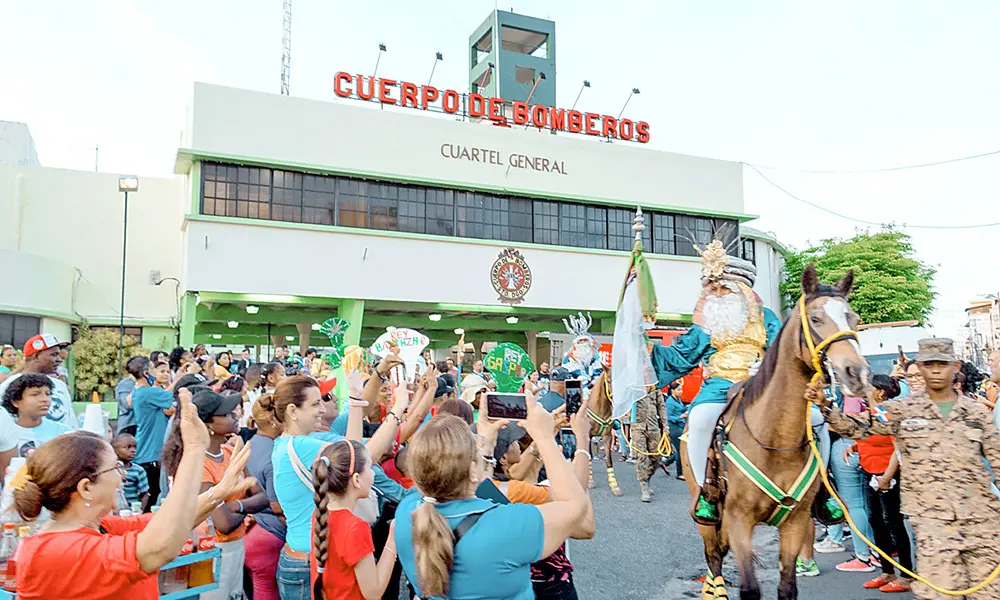
    Santo Domingo’s firefighting authority has officially announced the return of its cherished Three Kings Day procession, maintaining a cultural tradition that dates back to 1948. The National District Fire Department, in coordination with the Mayor’s Office, will host the annual parade commencing at 6:00 p.m. on January 5 from their Mella Avenue headquarters.

    The elaborate celebration will feature the three biblical magi—Melchior, Gaspar, and Balthazar—mounted on horseback as they traverse the historic Colonial City district and surrounding neighborhoods. The procession will be accompanied by the Fire Department’s musical band providing festive melodies, alongside dance performances and candy distribution for children. The evening will culminate with a spectacular fireworks display and refreshments served at the central fire station.

    Fire Chief General José Luis Frómeta Herasme extended a formal invitation to capital residents, emphasizing the event’s significance in preserving cultural heritage and fostering intergenerational connections. This longstanding tradition represents one of the Dominican Republic’s most enduring public celebrations, specifically designed to maintain family-friendly festivities that have united communities across generations for over seven decades.

  • Statement from the Bureau of the Conference of CARICOM Heads of Government on military action in Venezuela

    Statement from the Bureau of the Conference of CARICOM Heads of Government on military action in Venezuela

    In response to recent United States military operations in Venezuela, the Bureau of the Conference of CARICOM Heads of Government convened an emergency session on Saturday, January 3rd, 2026. Comprising representatives from Jamaica, Saint Kitts and Nevis, and Saint Lucia, the regional body issued a formal statement reaffirming its unwavering commitment to established international legal frameworks.

    The Caribbean Community emphasized its dedication to core principles enshrined in the United Nations Charter, particularly the sovereignty and territorial integrity of nations and the fundamental respect for human dignity. The regional bloc articulated a firm position against military intervention, instead championing the imperative of peaceful dialogue and diplomatic engagement as the sole legitimate pathway to resolving the Venezuelan crisis.

    CARICOM’s declaration underscored the necessity of achieving lasting stability, democratic governance, and economic prosperity for the Venezuelan populace through non-violent means. Expressing a readiness to actively facilitate and support all diplomatic initiatives, the organization pledged to operate within a framework of international cooperation and mutual respect among nations.

    Concurrently, the Bureau addressed pressing regional security concerns, confirming that comprehensive measures are being implemented to safeguard the well-being of citizens across member states. Officials are continuously assessing the multifaceted repercussions of the escalating situation, with particular attention to potential disruptions in economic sectors, including critical infrastructure such as regional air travel and commerce.

  • Statement from the Leader of the Opposition of St. Kitts and Nevis Honourable Premier Mark A. G. Brantley January 03, 2025

    Statement from the Leader of the Opposition of St. Kitts and Nevis Honourable Premier Mark A. G. Brantley January 03, 2025

    The Caribbean Community (CARICOM) has initiated urgent diplomatic engagements in response to the unprecedented military intervention by the United States in Venezuela, which resulted in the capture of President Nicolás Maduro and his spouse. The development has sent shockwaves throughout the Western Hemisphere, with regional leaders scrambling to assess the situation and formulate a coordinated response.

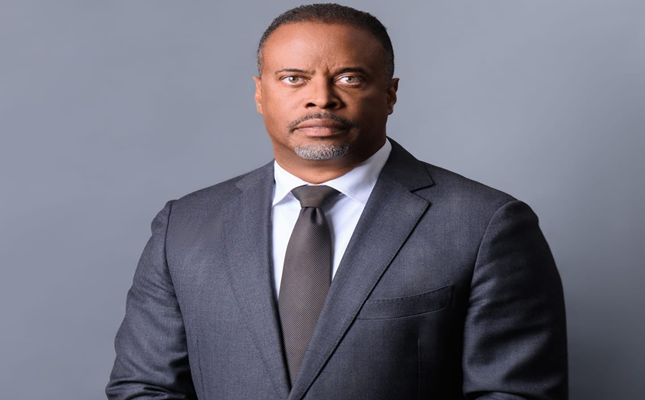
    Honourable Premier Mark A. G. Brantley, Leader of the Opposition in St. Kitts and Nevis, confirmed having conducted emergency consultations with Prime Minister Dr. Terrance Drew, who currently holds the rotating chairmanship of CARICOM. According to Premier Brantley, the regional body has convened an emergency session of heads of government and is actively monitoring the rapidly evolving situation.

    The opposition leader referenced a concise statement from US Secretary of State Marco Rubio indicating that no additional military actions against Venezuela are anticipated following President Maduro’s apprehension. This development marks a significant escalation in the longstanding political tensions between the United States and the Venezuelan government.

    Premier Brantley emphasized the historical friendship between St. Kitts and Nevis and both nations involved in the conflict, expressing earnest hope for an immediate cessation of hostilities. He advocated for diplomatic channels to address outstanding issues, invoking biblical principles that bless peacemakers and encourage perseverance in well-doing.

    The political leader has pledged his full support to Prime Minister Drew and CARICOM’s efforts to engineer a peaceful resolution to the crisis, underscoring the importance of regional stability and the Caribbean tradition of conflict resolution through dialogue rather than military action.

  • U.S. citizen arrested at Puerto Plata Airport with suspected marijuana

    U.S. citizen arrested at Puerto Plata Airport with suspected marijuana

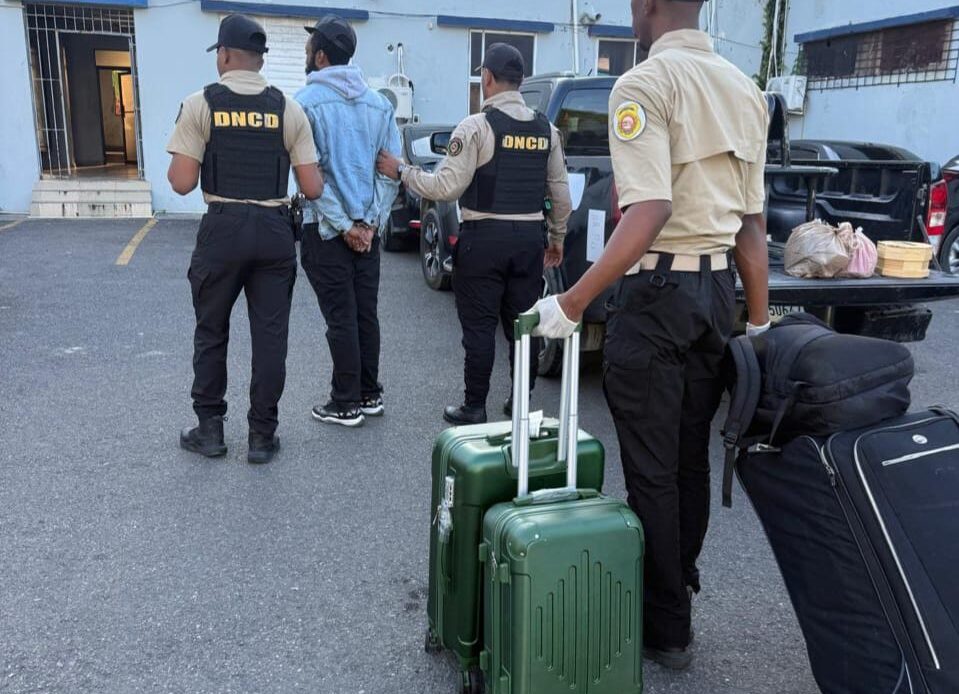
    PUERTO PLATA, Dominican Republic – A significant narcotics interception operation culminated in the arrest of an American citizen at Gregorio Luperón International Airport. The apprehension followed the discovery of a substantial cache of suspected illicit substances and drug paraphernalia within luggage arriving on a flight from Newark, New Jersey.

    Enhanced security protocols proved instrumental in the detection process. Specialized canine units and vigilant security personnel first identified anomalous images during routine X-ray screening of baggage. Subsequently, acting pursuant to directives issued by the Public Prosecutor’s Office, a meticulous inspection of the targeted suitcase was authorized and conducted.

    The search revealed a comprehensive drug distribution kit. Authorities confiscated 17 individually wrapped packages believed to contain marijuana. The seizure was compounded by the discovery of 29 electronic vaping devices, each containing a liquid bearing resemblance to cannabis oil. Further evidence included professional packaging materials such as rolling papers, numerous small plastic bags, glass jars filled with tobacco, sachets of suspected stimulants, various tubes, and multiple cellular phones.

    The individual, whose identity remains undisclosed pending judicial proceedings, is now in custody. The case file has been forwarded to the Permanent Attention Court of Puerto Plata, where prosecutors will seek coercive measures against the detainee for purported infractions under Law 50-88, the nation’s comprehensive statute governing Drugs and Controlled Substances.

    In accordance with standard forensic procedure, the confiscated materials have been transferred to the National Institute of Forensic Sciences (INACIF) for definitive chemical analysis to confirm the exact composition and weight of the substances. Law enforcement agencies have also initiated a broader investigation to uncover potential connections to wider distribution networks and identify any accomplices potentially involved in this transnational smuggling attempt.

  • These are not times for half measures, these are times for defining our positions and taking a stand against fascism and imperial barbarism!

    These are not times for half measures, these are times for defining our positions and taking a stand against fascism and imperial barbarism!

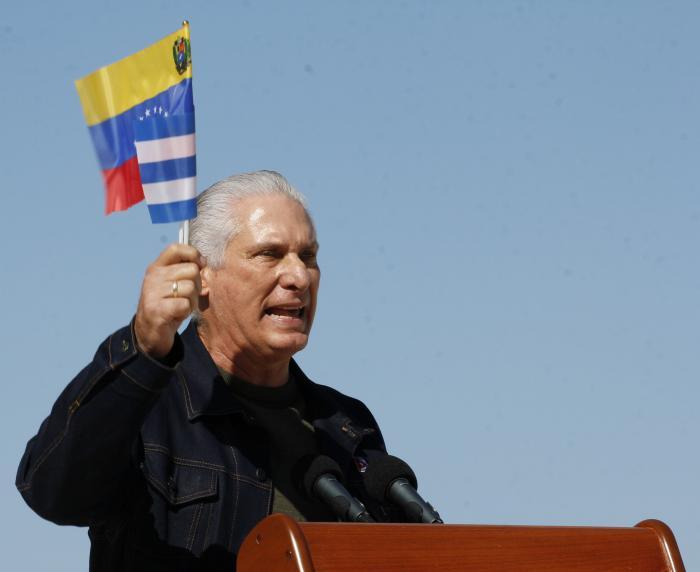
    In a fiery address delivered at Havana’s José Martí Anti-Imperialist Tribune, Cuban President Miguel Díaz-Canel delivered a scathing condemnation of what he termed “U.S. military aggression” against Venezuela and the alleged kidnapping of President Nicolás Maduro. The January 3rd speech framed the operation as an act of “state terrorism” that violates international law and threatens regional stability.

    Díaz-Canel characterized the predawn military action as a “cowardly, criminal, and treacherous” attack motivated by imperialist desires for Venezuela’s oil reserves and natural resources. He explicitly rejected the Monroe Doctrine and what he called the “fallacious narrative of narco-terrorism” that U.S. officials had allegedly propagated to justify intervention.

    The Cuban leader drew historical parallels, invoking Fidel Castro’s warnings about U.S. imperialism from two decades prior and comparing current U.S. leadership to Nazi propagandists employing Goebbels’ principle of repeating lies until they become accepted as truth. He further equated the Venezuela operation to “crimes against humanity committed by Israeli Zionism in the Gaza Strip.”

    Díaz-Canel called for international mobilization against what he described as an illegal regime change operation, emphasizing that the threat extended beyond Venezuela to all of humanity. He demanded proof of life for Maduro and his partner Cilia Flores, while asserting that the United States bears responsibility for their physical safety.

    The speech concluded with revolutionary slogans and declarations of solidarity between Cuba and Venezuela, with Díaz-Canel vowing that both nations would defend Venezuelan sovereignty at “a very high price” if necessary.