作者: admin

  • US Secretary of State praises Ali for leadership in regional security

    US Secretary of State praises Ali for leadership in regional security

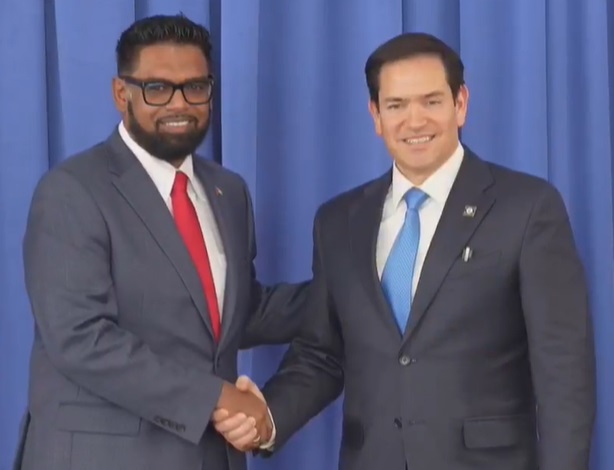
    In a significant diplomatic engagement, US Secretary of State Marco Rubio commended Guyanese President Irfaan Ali for his assertive leadership in regional security matters during their Tuesday morning discussion. The high-level conversation, confirmed by Principal Deputy Spokesperson Tommy Pigott, highlighted Guyana’s expanding role as a crucial security partner in the Western Hemisphere.

    The dialogue occurred against the backdrop of escalating regional tensions, specifically referencing recent US military operations in Venezuela that resulted in the capture of President Nicolas Maduro on narco-terrorism charges. Secretary Rubio utilized the opportunity to reinforce Washington’s commitment to enhancing security collaboration with Guyana, focusing particularly on combating transnational criminal networks, illicit narcotics trafficking, and firearms smuggling that threaten regional stability.

    Both leaders emphasized the critical need for continued cooperation in disrupting foreign terrorist organizations while simultaneously strengthening law enforcement capabilities and border security infrastructure. President Ali received reassurances regarding US support for Guyana’s sovereignty and territorial integrity—a pointed reference to ongoing Venezuelan claims over Guyana’s Essequibo Region.

    Guyana’s Foreign Secretary Robert Persaud confirmed the discussions extended to recent Venezuelan developments and broader hemispheric concerns. President Ali acknowledged US leadership under President Trump and Secretary Rubio, reiterating Guyana’s unwavering commitment to democratic principles, rule of law, and free elections. The Guyanese leader further emphasized his nation’s dedication to collaborative efforts against transnational crimes including drug trafficking, gold smuggling, and narco-terrorism.

    The diplomatic exchange builds upon the expanded military cooperation agreement signed between the two nations in December 2025, though specific details remain classified. Facing persistent Venezuelan territorial claims, Guyana has strategically strengthened defense partnerships with the United States, Britain, and France as protective measures against potential military aggression.

  • Belama Home Destroyed in Suspected Arson

    Belama Home Destroyed in Suspected Arson

    BELIZE CITY — A residential property in the Belama neighborhood was completely ravaged by a destructive fire this Sunday, prompting an ongoing investigation into potential arson. The incident has left homeowner Damian Sanchez confronting substantial financial losses and a disrupted livelihood.

    According to eyewitness accounts, neighbors observed conspicuous smoke emanating from the residence and promptly alerted emergency services. Sanchez, who had relocated to the property merely five months prior, was absent during the initial outbreak. Upon his return, he discovered the interior—including furniture, household appliances, and electrical installations—utterly consumed by flames.

    In a distressing assessment of the damage, Sanchez emphasized the economic hardship of recovering from such an event. “Given the current economic climate, the cost of reconstruction presents an extreme challenge. The value of materials and labor has escalated dramatically, magnifying the magnitude of this loss,” he stated.

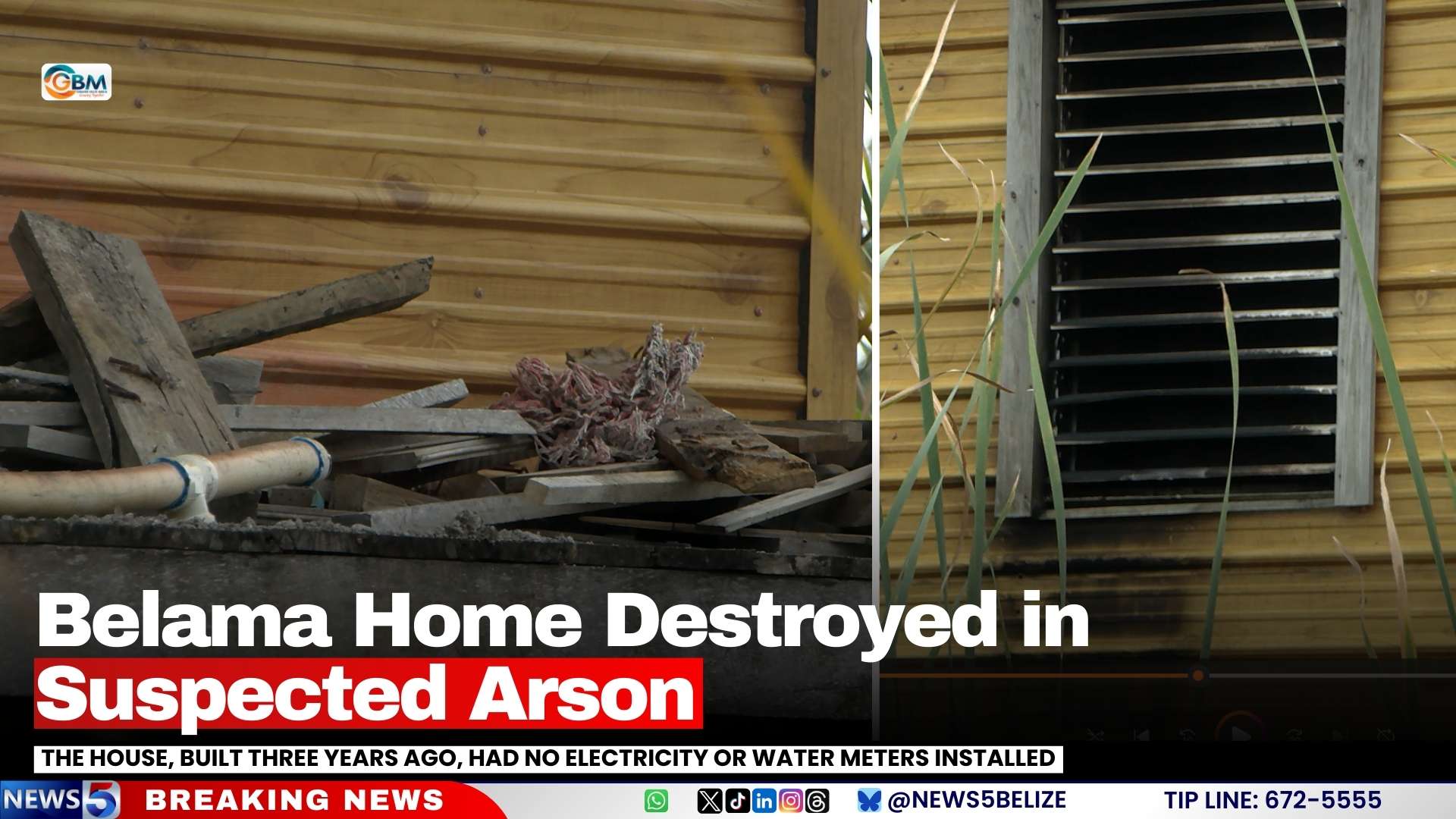
    The house, a relatively recent construction from three years ago, lacked active utility meters, leading the owner to dismiss accidental electrical malfunction as a probable cause. Instead, attention has turned to reports from local residents who witnessed an unidentified individual near the premises driving a white pickup truck shortly before the fire started. The person was seen approaching the entrance but departed abruptly upon noticing they had been observed.

    Further raising suspicions, Sanchez identified a fractured window shutter upon inspecting the aftermath, suggesting possible forced entry. “Fires of this nature do not ignite spontaneously. The evidence strongly implies human intervention,” he commented.

    While authorities have yet to determine the official cause of the blaze, the combination of witness testimony and physical evidence has steered the preliminary investigation toward deliberate criminal action. The local police department continues to gather evidence and interview potential witnesses.

  • No heavy trucks allowed on sinking High Street bridge

    No heavy trucks allowed on sinking High Street bridge

    The Guyanese Ministry of Public Works has declared an immediate weight restriction on the structurally compromised High Street bridge spanning the Cummings Canal in Kingston. Effective Tuesday, January 6, 2026, vehicles exceeding 10 tons are prohibited from using the critical infrastructure link between Lamaha and Cowan Streets.

    This emergency measure follows the discovery of both visible cracking and significant settlement—or sinking—of the bridge structure over recent months. Ministry officials attribute the deterioration to two primary factors: consistent stress from overloaded commercial vehicles and the advanced age of the structure itself.

    The bridge serves as a vital transportation artery for Guyana’s commercial and industrial sectors, facilitating round-the-clock movement of oil sector equipment, construction materials (including sand, cement, and stone), and agricultural products such as rice and paddy. The new regulation will necessitate substantial rerouting for heavy freight operators.

    While the immediate restriction aims to prevent catastrophic failure, the ministry has confirmed that the long-term solution requires complete reconstruction of the bridge. Officials acknowledge the project’s complexity due to the structure’s central location and have pledged to schedule rebuilding operations with minimal disruption to public mobility and commerce.

    The Public Works Ministry has issued formal advisories urging all truck operators to identify alternative routes and comply with the 10-ton weight limit to ensure public safety.

  • COMMENTARY: What Price Are You Willing To Pay For A US Visa

    COMMENTARY: What Price Are You Willing To Pay For A US Visa

    By Yves Ephraim

    CARIBBEAN NATION CONFRONTS DILEMMA BETWEEN VISA PRIVILEGES AND NATIONAL IDENTITY

    Beyond the substantial financial costs of US visa applications—typically exceeding $185 plus travel expenses to Barbados—lies a more profound consideration: what intangible national assets might be sacrificed in pursuit of visa convenience? This examination probes the complex trade-offs between access to American travel and the preservation of fundamental national principles.

    The core debate centers on four essential pillars of sovereignty. Birthright encompasses the authority to reject becoming a refugee processing center for foreign nations. Freedom involves protecting citizen biometrics from foreign surveillance programs without reciprocal data access. Dignity reflects the ability to conduct international relations without succumbing to coercive diplomacy. Sovereignty represents the ultimate right to refuse policies contrary to national interests.

    While US visa privileges undoubtedly provide practical advantages, this analysis questions the catastrophic assumptions surrounding potential visa restrictions. Should the United States implement comprehensive travel bans against Antiguans and Barbudans—a scenario not entirely hypothetical—would societal collapse inevitably follow? Or would alternative travel partnerships and strengthened regional alliances emerge?

    The psychological dimension reveals deeper concerns: does visa anxiety reflect what cultural icons have termed ‘mental enslavement’ or diplomatic Stockholm syndrome? This provocative inquiry challenges citizens to examine their attachment to US travel permissions.

    The ultimate question remains: are citizens prepared to endure potential economic hardships to safeguard national sovereignty? This decision transcends individual travel convenience, representing a collective determination about national direction. Unlike historical forced migrations, contemporary societies possess agency in determining their international relationships.

    The concluding choice presents two stark alternatives: comfortable compliance with external demands or resilient independence despite challenges. This sovereign decision requires courageous sacrifice and will ultimately define the nation’s geopolitical trajectory for generations.

  • Co-op Bank: Annual Shareholders’ Meeting on 29 Jan 2026

    Co-op Bank: Annual Shareholders’ Meeting on 29 Jan 2026

    The Grenada Co-operative Bank Limited has officially announced its upcoming Annual Shareholders’ Meeting, with advanced registration required through a dedicated Zoom platform. The banking institution has directed shareholders to complete their registration via the official link: https://us06web.zoom.us/meeting/register/649HqU4_Tl6enYFkqsj82w.

    In a notable disclaimer, NOW Grenada media outlet has clarified its non-responsibility for opinions, statements, or media content presented by contributors during the meeting. The publication has additionally implemented an abuse reporting mechanism, encouraging users to ‘click here to report’ any concerning content.

    The meeting announcement carries significant tags including ‘agm,’ ‘annual general meeting,’ ‘dividend,’ and references to Tanya Lambert, suggesting key leadership participation and potential dividend discussions. The digital approach to shareholder engagement reflects contemporary trends in corporate governance and financial institution operations within the Caribbean banking sector.

    This development represents the bank’s continued commitment to transparent shareholder communication and modernized corporate practices, potentially setting precedents for regional financial institutions in their annual reporting and stakeholder engagement methodologies.

  • LETTER TO THE EDITOR: Balancing diplomacy and reality – Dominica’s refugee decision under scrutiny

    LETTER TO THE EDITOR: Balancing diplomacy and reality – Dominica’s refugee decision under scrutiny

    Dominican Prime Minister Roosevelt Skerrit’s controversial decision to accept third-country refugees from the United States has ignited intense national debate, balancing diplomatic calculations against domestic practicalities. The arrangement, presented as a strategic move to strengthen bilateral relations with Washington, aims to safeguard Dominican citizens’ access to American travel, education, and employment opportunities while implementing stringent security protocols.

    The announcement has drawn sharp criticism from opposition figures and legal experts who question both the procedural and substantive implications. Prominent attorney Cabral Douglas highlights the absence of parliamentary approval, characterizing the bypass as a concerning erosion of democratic sovereignty. The United Progressive Party has amplified these concerns, citing insufficient public consultation and potential strains on the nation’s housing infrastructure, job market, and social services.

    Beyond the sovereignty questions, practical implementation challenges loom large. The arrangement lacks transparent details regarding security vetting procedures, financial support mechanisms, and resource allocation for refugee integration. Economic analysts note that Dominica’s limited capacity necessitates substantial U.S. support across housing, healthcare, and education sectors to prevent overwhelming domestic systems.

    The geopolitical context reveals additional layers to the decision, with observers noting the timing follows recent U.S. visa restrictions that potentially threatened Dominican interests. While the humanitarian dimension remains undeniable, the success of this initiative hinges on robust security safeguards, transparent governance, and verifiable commitment of American resources. Ultimately, this delicate balancing act between international diplomacy, humanitarian responsibility, and domestic capability will test the Skerrit administration’s ability to protect national interests while honoring global commitments.

  • Tribute to Lissa Joseph, who has died aged 43

    Tribute to Lissa Joseph, who has died aged 43

    The media community in Saint Lucia is grieving the profound loss of Vanessa ‘Lissa’ Joseph, who passed away on January 6, 2026, after a courageous battle with illness. Remembered as both exceptionally talented and deeply cherished, Joseph’s legacy spans nearly two decades of transformative contributions to Caribbean journalism.

    Her remarkable journey began at Corinth Secondary School, where even as a student she demonstrated extraordinary eloquence and command of the English language that signaled her future in media. Joseph launched her distinguished career through Radio Saint Lucia’s Youth Talk programme, quickly establishing herself as a multifaceted talent in feature presentation, documentary narration, and commercial voice work.

    Her professional trajectory included significant tenures with multiple prominent media houses—DBS, Calabash TV, Hot 7 TV, and the Government Information Service (GIS). Colleagues recall her unwavering dedication to the profession even during her health challenges, with her passion for journalism remaining undiminished throughout her struggles.

    In 2021, Joseph returned to DBS Television with renewed vigor, displaying the same characteristic smile, humility, and humor that had become her trademarks. Beyond her on-air presence, she was recognized for her thoughtful advocacy for media development in Saint Lucia, consistently pushing for improvements in professional standards and support for emerging journalists.

    Her final public appearance occurred at the Sandals Media brunch on November 29, 2025, where she actively participated in discussions about bridging generational gaps within the media industry. Alongside prominent figures including Judy Deterville and Earl Bousquet, Joseph helped shape conversations about fostering growth and supporting younger practitioners in the field.

    The news of her passing, delivered against the backdrop of these recent collaborative efforts, has sent shockwaves through the media community. Social media platforms have been flooded with tributes describing her as kind, respectful, sincere, humble, brave, strong, jovial, and profoundly professional.

    Born on October 25, 1982, Joseph is survived by her immediate family and her mother, who remained constantly at her bedside during her final hospitalization and described her daughter as her best friend and confidant. Her passing leaves a significant void not only within media circles but also among the countless Saint Lucians who connected with her through her groundbreaking work.

  • Today marks the anniversary of the death of former Prime Minister Pierre Charles

    Today marks the anniversary of the death of former Prime Minister Pierre Charles

    The Commonwealth of Dominica observes the twentieth anniversary of the passing of former Prime Minister Pierre Charles, who led the nation from 2000 until his untimely death on January 6, 2004. Charles, who represented the Grand Bay constituency as Member of Parliament for nearly two decades, passed away following a cabinet meeting after battling a chronic heart condition.

    Charles’ ascent to the premiership occurred under tragic circumstances when he succeeded Prime Minister Roosevelt Douglas, who had died suddenly in office just three years prior. This marked the second consecutive instance of a sitting prime minister dying while in service, creating a period of significant political transition for the Caribbean nation.

    His political career began with an appointment to the Senate at the remarkably young age of 25 in 1979. After entering electoral politics, Charles secured his parliamentary seat in 1985 as a member of the Dominica Labour Party (DLP), maintaining this position for fifteen consecutive years despite his party being in opposition.

    When the DLP formed a coalition government with the Dominica Freedom Party in 2000, Charles assumed the portfolio of Minister for Public Works and Communications. During Prime Minister Douglas’s eight-month tenure, Charles frequently served as acting Prime Minister, demonstrating his readiness for national leadership.

    Following Douglas’s sudden passing in October 2000, Charles seamlessly transitioned into the role of Prime Minister. Despite undergoing angioplasty surgery in February 2003 and requiring medical leave—during which Osborne Riviere acted as Prime Minister—Charles continued governing until his final day.

    Before entering politics, the Grand Bay native pursued education at Dominica Grammar School and St. Mary’s Academy, followed by teacher’s college. He worked as an educator and community organizer, developing the grassroots connections that would later define his political approach.

  • Should Belize’s BPO Sector Be Unionised?

    Should Belize’s BPO Sector Be Unionised?

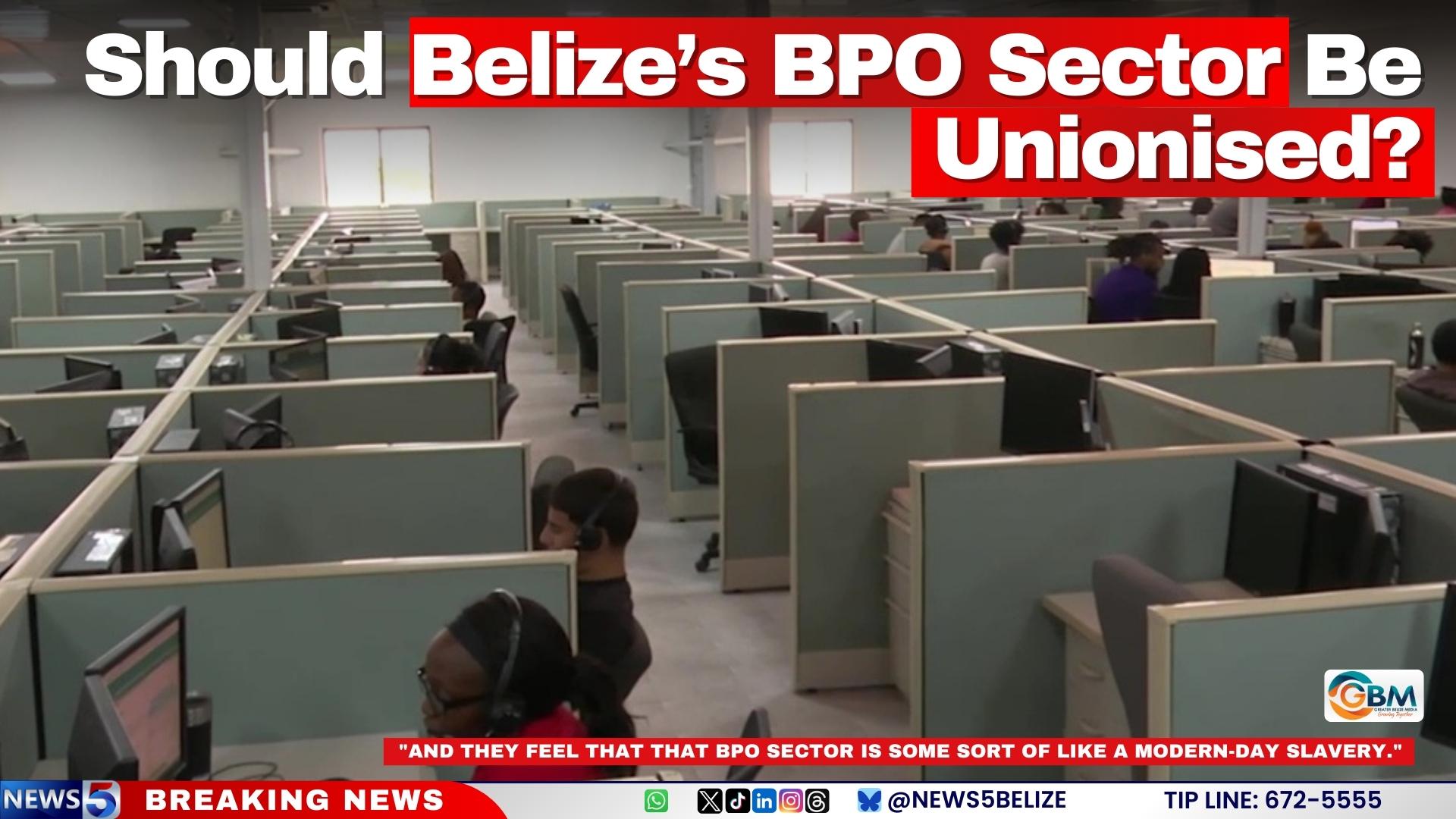
    The National Trade Union Congress of Belize (NTUCB) has launched a significant initiative to organize workers within the nation’s rapidly expanding Business Process Outsourcing (BPO) industry. This movement, spearheaded by Ashley Longford, Director of the Young Vanguard, centers on safeguarding the rights of predominantly young employees who dominate this sector.

    Longford characterized unionization as a fundamental objective for NTUCB, highlighting concerning workplace conditions where employees frequently experience isolation and lack adequate representation. She revealed that many workers metaphorically describe their situation as resembling ‘modern-day slavery,’ emphasizing the urgent need for structural protections.

    Demographic analysis shows Belize’s BPO workforce consists primarily of individuals aged 18-30, with many transitioning directly from secondary education into these positions. This vulnerability prompts concerns about potential exploitation. The Young Vanguard initiative aims to educate these young workers about their legal protections and labor rights under Belizean law.

    According to Longford, formal union representation would empower employees through collective bargaining capabilities and establish crucial accountability mechanisms for employers. This would theoretically reduce fears of unjust termination or mistreatment while promoting more equitable working environments.

    The NTUCB has scheduled preliminary discussions with BPO management representatives for early 2026, intending to facilitate dialogue about mutual benefits. Longford frames this development as a potential ‘win-win’ scenario—enhancing worker security while simultaneously creating more stable and productive operational frameworks for employers.

    This organizing effort represents a critical juncture for Belize’s evolving economic landscape, where balancing business growth with worker protections remains paramount.

  • PM complains about media workers virtually attending news conferences

    PM complains about media workers virtually attending news conferences

    Prime Minister Dickon Mitchell of Grenada has publicly addressed the conspicuous absence of journalists at physical press conferences, attributing the trend to a lingering ‘long Covid’ effect on media engagement practices. During an exclusive interview on the Grenada Broadcasting Network (GBN), the Prime Minister revealed his perplexity at frequently arriving at designated venues only to find empty rooms, with the sole presence being cameras from the Government Information Service (GIS).

    The phenomenon, which Mitchell colloquially termed ‘long Covid,’ reflects a sustained preference for virtual participation that originated during the pandemic’s peak in 2020. Since assuming office in June 2022, the Prime Minister has maintained a hybrid approach to media briefings, offering both in-person and virtual attendance options. However, he noted that most journalists have consistently chosen the remote option, creating what he described as a disconnect in direct government-media interaction.

    Mitchell’s administration has demonstrated particular commitment to public communication during crises, having conducted an impressive 19 news conferences following Hurricane Beryl in 2024 to keep citizens informed about recovery operations. Despite this accessibility, the Prime Minister expressed frustration that media professionals often claim they receive ‘too much information’ during briefings and require additional time to process the content before formulating questions.

    The government’s transition to virtual press conferences began as a necessary adaptation during the Covid-19 pandemic through GIS coordination. This digital approach has persisted as a standard practice, with many journalists continuing to favor remote access despite the restoration of in-person opportunities. Mitchell emphasized his willingness to maintain regular briefings—whether weekly or post-Cabinet—but stressed that meaningful engagement requires physical media presence, noting that he cannot ‘do their work for them.’

    Complementing press conferences, the Prime Minister highlighted his accessibility through regular appearances on radio programs, where he and government officials address public inquiries and provide project updates. While acknowledging room for improvement in government-media relations, Mitchell reaffirmed his commitment to transparency through whatever communication channels prove most effective.