作者: admin

  • Murder Charge Filed in Deadly Timmy’s Bar Attack

    Murder Charge Filed in Deadly Timmy’s Bar Attack

    Authorities in Belize have formally charged 21-year-old Santos Chirinos in connection with a deadly shooting incident that occurred at Timmy’s Bar on New Year’s Eve. The violent episode resulted in the death of 39-year-old Keith Logan and left eight additional patrons injured.

    According to police reports, the shooting erupted spontaneously within the establishment while customers were socializing on December 31st. Following the incident, suspects reportedly fled the scene utilizing motorcycles as their getaway vehicles. Multiple victims required immediate hospitalization, though their current medical conditions remain undisclosed by officials.

    In a surprising development during processing at Independence Police Station, Chirinos allegedly assaulted his legal counsel and escaped custody after being formally arrested on murder charges. Assistant Superintendent of Police Stacy Smith detailed the subsequent manhunt: “Immediate communication was distributed, the area was cordoned off, and after an intensive search, Mr. Chirinos was located on the veranda of an unoccupied property.”

    ASP Smith indicated that additional charges are anticipated pertaining to the other victims injured during the shooting. While the investigation remains ongoing, preliminary evidence suggests the violence may be connected to drug-related conflicts within the Bella Vista area. Investigators have utilized surveillance footage and collected substantial physical evidence to strengthen their case against the accused.


  • Chamber of Commerce Urges Pause on Telecom Takeover

    Chamber of Commerce Urges Pause on Telecom Takeover

    The Belize Chamber of Commerce and Industry has issued a stern warning regarding the potential acquisition of SMART by government-controlled Belize Telemedia Limited (BTL), calling for immediate suspension of the proposed telecommunications merger. The nation’s foremost business advocacy group contends that this high-stakes consolidation lacks essential regulatory safeguards and transparent oversight mechanisms necessary to protect consumer interests and public funds.

    In a detailed statement, Chamber President Giacomo Sanchez emphasized the absence of comprehensive competition legislation and independent regulatory frameworks that would normally govern such significant market restructuring. The organization expressed particular concern that allowing one dominant entity to absorb its competitor could establish market conditions favoring inflated pricing structures, diminished service quality, and stifled innovation within Belize’s already limited telecommunications landscape.

    The Chamber’s analysis identifies multiple unresolved issues including ambiguous ownership structures, questionable valuation methodologies, and the potential involvement of public financial resources—possibly including social security funds—in assuming undue risk. Sanchez specifically referenced BTL’s historical market conduct as generating ongoing competition and consumer protection concerns, noting that these issues remain particularly relevant within the context of industry consolidation.

    Of significant concern to the business community is the perceived conflict of interest arising from Prime Minister Dean Barrow’s dual role as both government leader and ministerial overseer of BTL, compounded by reported familial connections within the telecommunications sector. The Chamber maintains that without established competition protocols, independent financial assessments, and transparent public consultation processes, national interests may be subordinated to arrangements formulated outside public scrutiny.

  • PSU President Supports Chamber, Criticizes Utility Monopolies

    PSU President Supports Chamber, Criticizes Utility Monopolies

    In a significant show of cross-sector unity, Public Service Union (PSU) President Dean Flowers has publicly endorsed the Belize Chamber of Commerce and Industry’s (BCCI) stance on a rumored corporate buyout, while launching a sharp critique against the nation’s state-controlled utility monopolies. Speaking on January 8, 2026, Flowers articulated a firm position that these monopolies are failing the Belizean public despite their dominant market positions.

    Flowers highlighted a central paradox: despite their protected status, utilities like the Water and Sewerage Authority (WASA) and Belize Electricity Limited (BEL) are consistently operating at a financial loss. He argued that this poor performance directly contradicts the expected economic benefit for citizens, who have not seen a corresponding reduction in their utility costs.

    The union president further detailed the broader economic ramifications, revealing that a substantial portion of the national social security pension fund is invested in these underperforming state enterprises. This situation creates a precarious long-term risk for the retirement benefits of Belizean workers. He specifically called out BEL for its contradictory position of requesting additional financial support while simultaneously being unable to generate a profit that would secure the sustainability of the pension investments it holds.

    Concluding his remarks, Flowers expressly commended the BCCI for its recent official response to the economic situation, stating it was ‘on point’ and marking a rare moment of ‘full solidarity’ between the labor and business communities on a pressing national economic issue.

  • PSU Challenges Government Over SARA Transition

    PSU Challenges Government Over SARA Transition

    A significant confrontation has emerged between Belize’s Public Service Union (PSU) and the Ministry of Finance regarding the proposed transformation of the Belize Tax Services Department into a Semi-Autonomous Revenue Authority (SARA). In a sharply worded communication dated January 7th, PSU President Dean Flowers leveled serious accusations against government officials, claiming they had reneged on commitments made merely weeks earlier.

    The dispute centers on what the union characterizes as the ministry’s dismissive approach and excessively narrow consultation parameters. Authorities have attempted to restrict dialogue solely to internal employee matters, effectively excluding broader public scrutiny of what represents a substantial economic reform initiative. The PSU maintains that this approach contravenes fundamental democratic principles by preventing adequate oversight of policy decisions with far-reaching national implications.

    Transparency remains the core issue, with union leadership demanding full disclosure of the studies and analytical frameworks that informed the Cabinet’s decision to proceed with SARA. With a critical January 16th deadline rapidly approaching, the PSU has issued a clear warning that failure to address these concerns will result in the consideration of all available response options. Flowers specifically criticized the Financial Secretary’s position that policy matters fall outside the union’s purview, asserting that in a functioning democracy, citizens and their representatives maintain the right to question decisions potentially affecting the national economy and all Belizeans.

  • Macaw Sanctuary Plans Leave Red Bank Residents Concerned

    Macaw Sanctuary Plans Leave Red Bank Residents Concerned

    In the picturesque village of Red Bank, southern Belize, a government conservation initiative has ignited significant concerns among local residents. The Briceño Administration’s proposal to establish a protected sanctuary for scarlet macaws has raised alarms within this agricultural community, where generations have depended on farming as their primary livelihood.

    Red Bank has long been celebrated as a seasonal haven for the endangered scarlet macaws, attracting birdwatchers and nature enthusiasts between December and March when the birds flock to the area’s abundant fruit trees. However, the recent sanctuary plans have created tension between environmental conservation goals and community economic stability.

    Longtime residents like Guermo Acal, with over thirty years in the village, express frustration over the lack of transparent consultation. “We discovered these developments through media reports rather than direct communication from authorities,” Acal revealed. This communication gap has left villagers uncertain about how proposed sanctuary boundaries might affect their agricultural lands and traditional practices.

    Victoriano Sho, a local farmer, challenges the government’s assertion that farming activities negatively impact the macaw population. “The scarlet macaws return annually regardless of our farming operations,” Sho explains. “They feed and depart undisturbed by our agricultural practices.”

    Sustainable Development Minister Orlando Habet previously indicated that sanctuary establishment might necessitate relocating some farmers while allowing partial access for wood collection—a crucial resource for home maintenance. Yet villagers like Angelita Acal, a mother of five, worry about the practical implications: “If they restrict our farmland, where will we grow the crops that sustain our families and fund our children’s education?”

    The community emphasizes they don’t oppose conservation efforts but seek collaborative planning that balances environmental protection with economic sustainability. With over a hundred residents voicing concerns in recent meetings, Red Bank villagers advocate for inclusive dialogue that respects both the scarlet macaws’ habitat and the human community that has coexisted with these birds for generations.

  • Belize City Property Taxes Get First Update in 13 Years

    Belize City Property Taxes Get First Update in 13 Years

    Belize City residents are encountering a significant shift during this year’s property tax season, marking the first adjustment to the municipal taxation framework in thirteen years. Municipal authorities have declared the existing valuation model, unchanged since 2013, financially unsustainable and have enacted an 18% increase effective 2026.

    Troy Smith, Valuation Manager for the Belize City Council, clarified that escalating demands for public services and current real estate market valuations made the revision unavoidable. A comprehensive feasibility study revealed that aligning taxes with present market values would have necessitated a drastic hike of nearly 50%. The Council, however, intervened to mitigate the burden on homeowners, ultimately approving a substantially lower increase.

    To further alleviate the impact, the new structure incorporates a 15% incentive discount for timely payments. This mechanism means the net effect for compliant taxpayers will be a modest 3% rise. For instance, an annual tax bill of $120 will increase by approximately $28 to $148 before the discount is applied. After claiming the incentive, the homeowner’s final obligation would be roughly $125.80.

    City officials emphasize that the primary objective of this recalibration is to ensure the continuous delivery of essential municipal services without imposing excessive financial strain on the community. The policy reflects a balanced approach to addressing budgetary requirements while maintaining consideration for taxpayer affordability.

  • NTUCB Says No Elections Before Redistricting

    NTUCB Says No Elections Before Redistricting

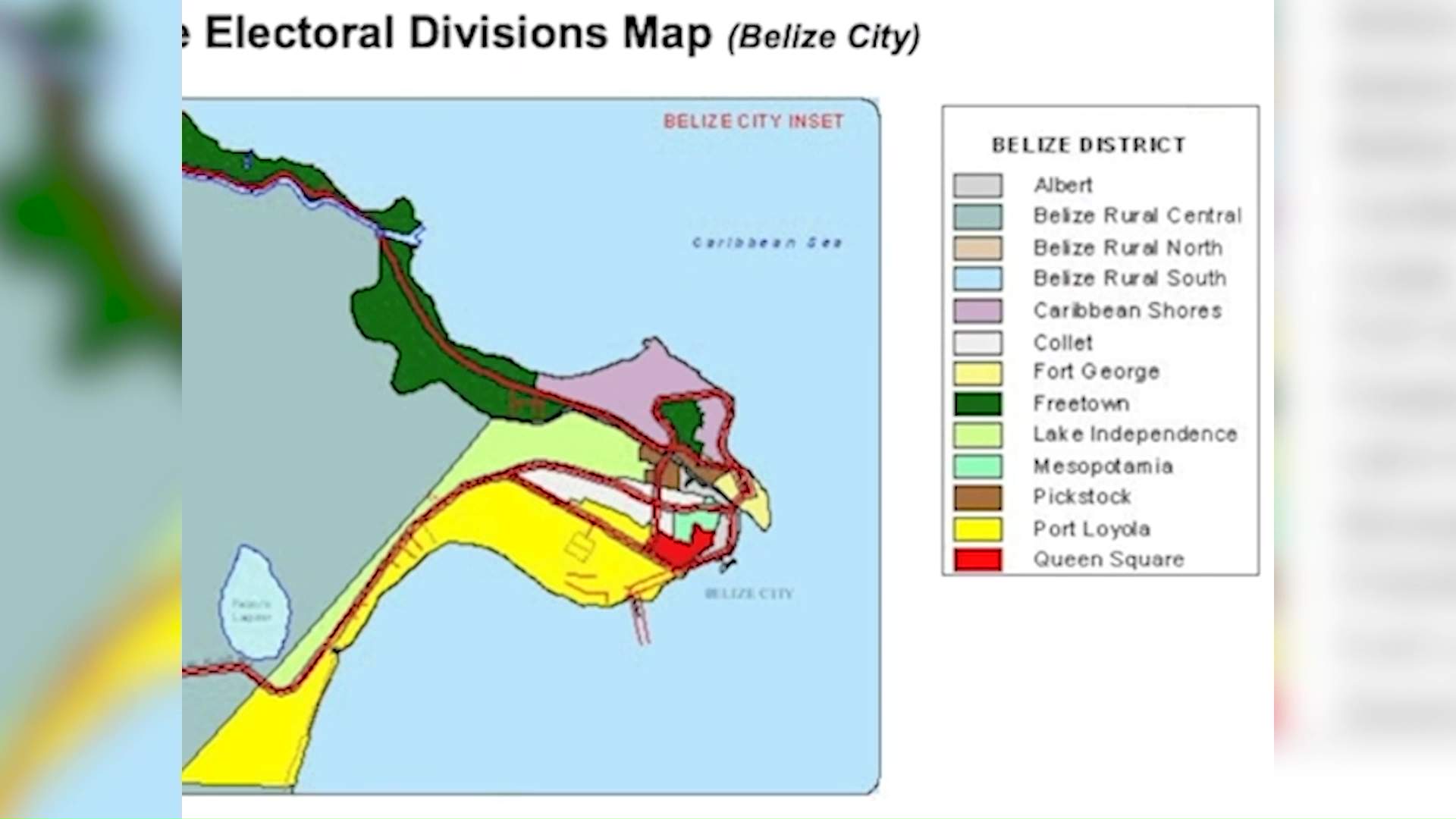
    BELIZE CITY – The National Trade Union Congress of Belize (NTUCB), the country’s premier labor coalition, has declared its firm opposition to any future general elections being conducted prior to the completion of a long-delayed national redistricting process. This constitutional mandate requires the redrawing of Belize’s 31 electoral constituencies to ensure equitable voter representation, a reform that successive governments have pledged but failed to deliver.

    NTUCB President Ella Waight emphasized the critical nature of this issue during a recent press engagement. While acknowledging that the current administration under Prime Minister John Briceño has committed to finalizing the redistricting exercise by the conclusion of 2026, Waight expressed significant skepticism regarding the government’s follow-through, given the historical pattern of unfulfilled promises from various political parties.

    When questioned about the union’s potential response should the government call elections before redistricting, President Waight indicated strong organizational resistance. “I do not see us promoting such an event to happen,” Waight stated, clarifying that while any formal position would require ratification by the NTUCB’s general council representing its eleven affiliate unions, the redistricting issue remains a paramount agenda item for the labor movement.

    The union leader foreshadowed coordinated action should the government proceed without addressing the representation imbalance. “We would definitely have to have some kind of input in it and some kind of way to show that we are not happy,” Waight affirmed, signaling potential mobilization efforts to oppose elections conducted under the current constituency boundaries that fail to meet constitutional standards for equal representation.

  • Overhauled regulation of juries coming- Attorney General

    Overhauled regulation of juries coming- Attorney General

    Guyana’s Attorney General Anil Nandlall announced on Thursday a sweeping modernization initiative for the nation’s justice system, with particular focus on establishing a formal regulatory framework for jury operations—a system currently operating without statutory foundation.

    Speaking at a ceremony marking the delivery of US$400,000 in information technology equipment to key justice institutions, Nandlall revealed ongoing discussions with Chancellor of the Judiciary Roxane George-Wiltshire to develop comprehensive jury regulations. “The Chancellor and I are discussing some type of framework to regulate juries and the way juries function,” Nandlall stated, acknowledging that Guyana currently operates without the formal jury systems common in other jurisdictions.

    The technology transfer, facilitated through the Partnership of the Caribbean and the European Union (PACE) Justice Project, will bolster the capabilities of multiple agencies including the judiciary, Director of Public Prosecutions’ Chambers, Guyana Police Force, and forensic services. Chancellor George-Wiltshire confirmed that eight additional Liberty court recording systems would join recently acquired equipment, bringing the total to 18 courtrooms equipped with modern recording technology. “These systems will definitely enhance court efficiency. A modern judiciary requires clear and reliable systems to ensure a secure official record of court proceedings,” she emphasized.

    Nandlall identified critical gaps in Guyana’s current jury system, noting the absence of standardized procedures for juror oaths, protection mechanisms, exemption protocols, transportation expenses, and overnight sequestration arrangements. He further highlighted that dozens of new companies and agencies remain excluded from the jury pool, necessitating comprehensive reform.

    Beyond jury reform, the Attorney General outlined additional legislative modernization efforts, including plans to replace the 1893 Evidence Act inherited from British colonial rule—legislation he described as “clearly out of sync with modern realities.” Additional initiatives include legislation enabling judge-alone trials, completion of an Alternative Sentencing Bill, and review of the Summary Jurisdiction Offences Act to eliminate outdated provisions. “We don’t necessarily have to wait for the judiciary to strike them down as unconstitutional or as outmoded. We can aggressively and proactively do that,” Nandlall asserted, indicating planned tabling of relevant legislation in the National Assembly.

  • NTUCB Emphasizes Need for Campaign Finance Reform

    NTUCB Emphasizes Need for Campaign Finance Reform

    With Belize’s next General Election approaching in 2027, the National Trade Union Congress of Belize (NTUCB) is intensifying pressure on the government to implement long-promised campaign finance legislation. Union leaders argue that the current absence of regulatory frameworks creates systemic vulnerabilities to corruption and undue influence in the political process.

    NTUCB President Ella Waight has reignited the campaign finance reform debate, highlighting how unregulated political contributions ultimately harm Belizean workers. “We represent workers and we consistently witness corruption concerns surrounding elections,” Waight stated during recent interviews. “When substantial financial entities sponsor political parties during election periods, the subsequent repayment of these favors diverts resources from critical worker needs.”

    The union movement specifically connects unregulated campaign financing to stagnant wage growth, weakened worker protections, and misallocated public funds. Waight emphasized that Belize’s limited national resources must be prioritized for public benefit rather than political debt repayment.

    The NTUCB is currently revising previous draft legislation and coordinating with the Belize Chamber of Commerce and Industry (BCCI) to develop comprehensive regional standards. This collaborative approach seeks to establish transparent spending limits, disclosure requirements, and enforcement mechanisms for political campaigns.

    This push for reform revives a longstanding issue that previous administrations have failed to address despite prior commitments. The absence of campaign finance laws has created an environment where anonymous donations and undisclosed expenditures potentially undermine democratic integrity. The NTUCB’s initiative represents growing civil society demand for accountability measures before the next electoral contest.

  • Late Scholarship Payments Strain Schools Again

    Late Scholarship Payments Strain Schools Again

    A recurring financial crisis is once again troubling educational institutions across Belize as the new school term begins, with administrators reporting significant delays in receiving government scholarship and grant disbursements. This persistent issue, now surfacing at the start of the January 2026 term, has left numerous schools struggling to meet basic operational expenses including utilities and daily administrative costs.

    The pattern has become familiar: complaints initially emerge at the local level through Area Representatives before escalating to the national Ministry of Education. School administrators describe the situation as creating substantial cash flow problems that directly impact educational operations and resource allocation.

    In response to growing concerns, Education Minister Francis Fonseca has acknowledged the challenges while highlighting the government’s expanded financial commitment to education. “Whenever we receive reports of schools experiencing shortfalls, we work directly with them to address these issues,” Fonseca stated. He emphasized that the Belizean government has “dramatically increased its budget for financial assistance to students over the past five years,” providing support to students “at all levels in an unprecedented way.”

    The Minister attributed recent payment delays partially to disruptions caused by the Christmas holiday period while offering assurances that all outstanding payments would be resolved throughout January. Fonseca specifically referenced a recent approval of an additional five million dollars for the Ministry of Education during the last parliamentary session, signaling continued government investment in educational support systems.

    This situation represents an ongoing tension between increased governmental funding for education and administrative execution, highlighting systemic challenges in fund distribution mechanisms that affect educational institutions nationwide.