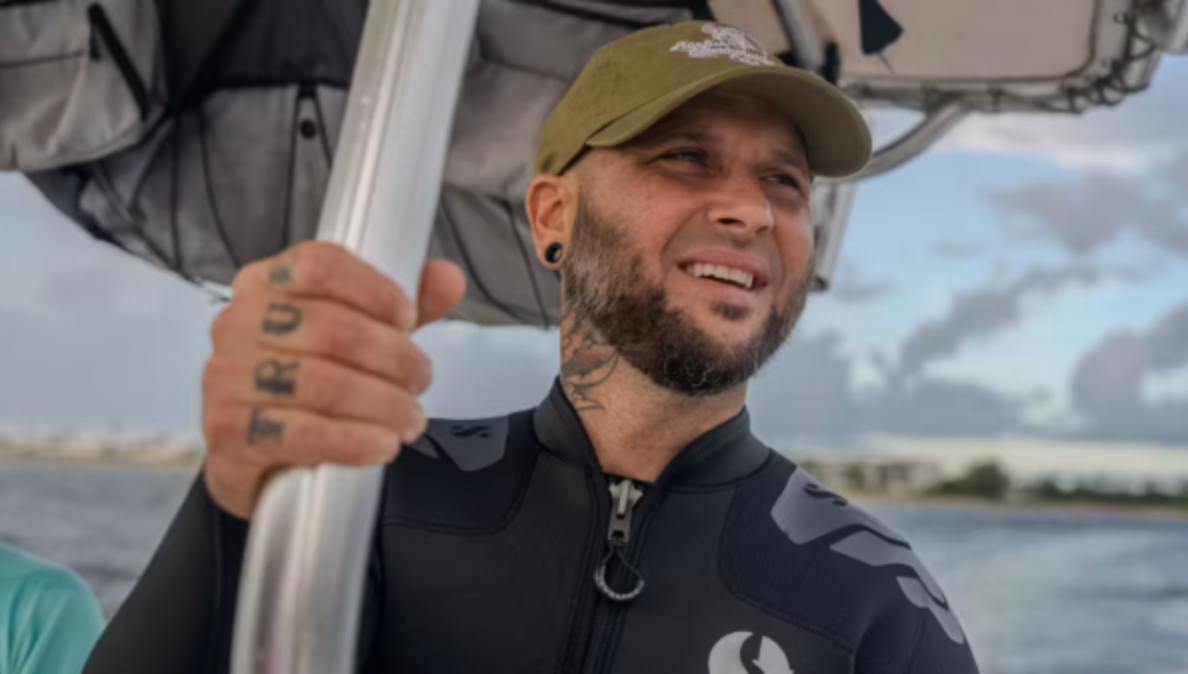
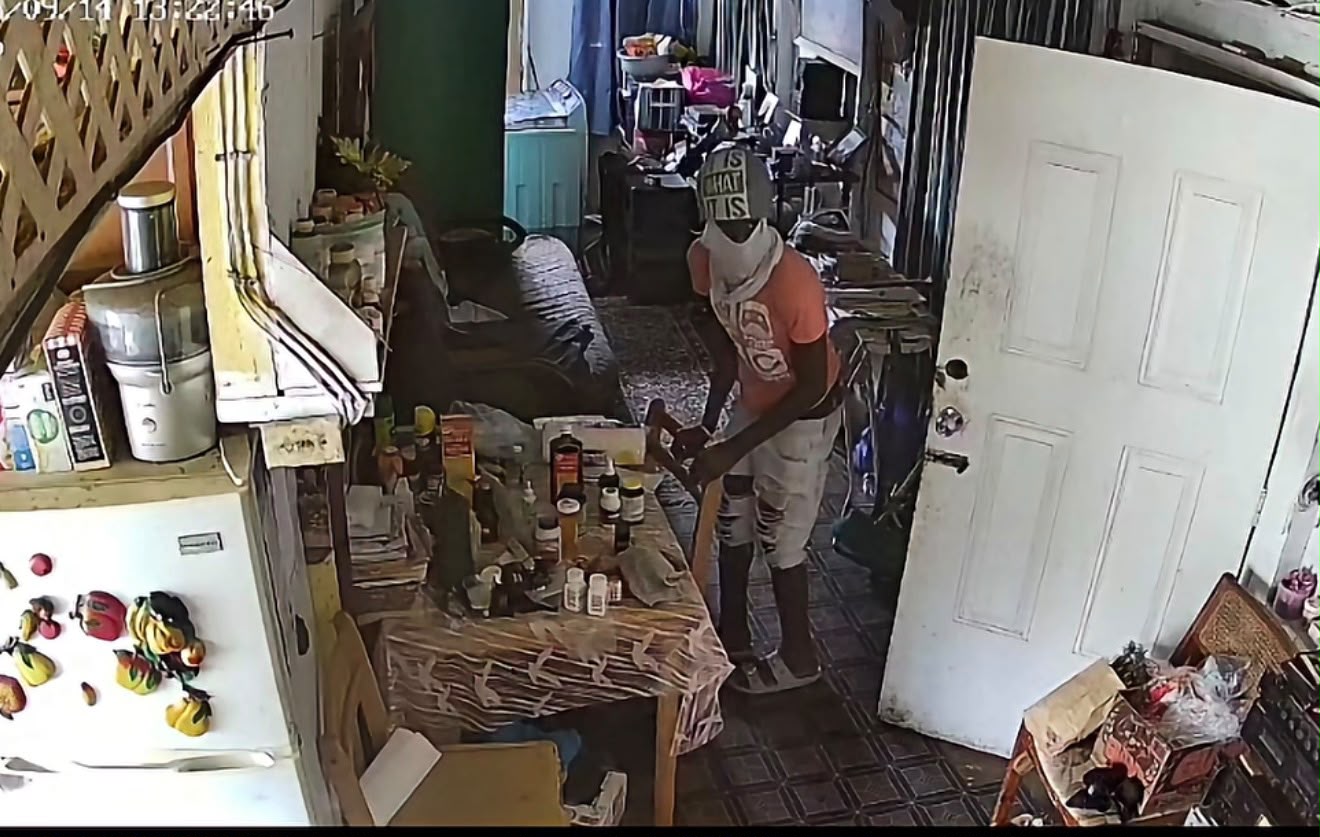
Law enforcement authorities in Barbados are turning to the public for critical help in tracking down an individual wanted for questioning in a high-priority serious criminal investigation. \n\nThe Barbados Police Service (TBPS) confirmed that the ongoing probe centers on a violent incident that unfolded on Valentine’s Day, February 14, at the Waterhall Land location in the neighborhood of Eagle Hall, parish of St. Michael. While details of the incident itself remain undisclosed as the investigation progresses, investigators have emphasized that cooperation from community members will be key to moving the case forward. \n\nPolice officials are issuing a public appeal to all residents and visitors who may hold any information related to the person of interest’s current location. Any tip, no matter how small it may seem, could provide the breakthrough investigators need to advance the inquiry. \n\nMultiple channels have been set up for members of the public to submit information confidentially. Tipsters can reach out directly to Criminal Investigation Department (CID) officers assigned to the Black Rock Police Station via the dedicated phone lines 417-7500 and 417-7501. For urgent reports, the national police emergency line at 211 remains open 24/7. Those who prefer to share information anonymously can contact the independent Crime Stoppers hotline at 1 800-8477, or visit any local police station across the island to speak with an officer in person. \n\nIn addition to the appeal for information, TBPS has issued a clear public reminder about the legal consequences of aiding wanted individuals. Under Barbadian law, deliberately sheltering, hiding, or providing any form of assistance to a person that is wanted by law enforcement is classified as a serious criminal offense. Authorities have stressed that anyone found to have committed this offense will face prosecution and full legal penalties. The reminder is intended to discourage any individuals from interfering with the ongoing investigation.”,
作者: admin
-

T&T wins UN Security Council seat with overwhelming support
In a landmark diplomatic win that marks the Caribbean nation’s return to the United Nations’ most influential decision-making body after more than 20 years, Trinidad and Tobago has been elected to a non-permanent seat on the UN Security Council for the 2027–2028 term, earning overwhelming cross-global support from UN member states.
The election, held Wednesday at UN headquarters in New York, saw Trinidad and Tobago secure backing from 181 of the 190 voting countries, according to the nation’s Ministry of Foreign and CARICOM Affairs. This margin far exceeded the two-thirds majority threshold required to claim the seat, which was allocated to the Latin American and Caribbean Group (GRULAC). Parallel elections for UNSC seats representing Africa, the Asia-Pacific region, and the Western European and Others Group were also held alongside the GRULAC contest.
Trinidad and Tobago’s government framed the landslide result as a defining diplomatic achievement under the leadership of Prime Minister Kamla Persad-Bissessar. The nation’s official campaign launched during the 2025 UN General Assembly in September, built on months of extensive diplomatic outreach and relationship-building with heads of state and government across every global region.
Centered on the campaign theme “Building Consensus for the Realization of Sustainable Peace and Security,” Trinidad and Tobago’s candidacy outlined three core priorities for its upcoming term: cracking down on the illegal trafficking of small arms and light weapons, advancing the global peace and security agenda focused on protecting and empowering women and children, and addressing the emerging security risks and opportunities tied to artificial intelligence’s global impact.
As the body tasked with upholding international peace and security, the UNSC holds unique authority to pass binding resolutions on a sweeping range of critical global issues, from armed conflict mediation and counter-terrorism operations to the imposition of international sanctions, deployment of peacekeeping missions, and coordination of responses to humanitarian emergencies. As a non-permanent member, Trinidad and Tobago will hold full voting rights on all Security Council resolutions and take a direct seat at the table during deliberations on the world’s most urgent security challenges.
This election marks the third time in Trinidad and Tobago’s history that the nation will hold a UNSC seat, following previous terms in 1985–1986 and 2002–2003. The new two-year term will officially begin on January 1, 2027, and conclude on December 31 of 2028. Now that the election is finalized, government teams are expected to begin formal preparations for the nation’s return to the council, where it will join five permanent and nine other non-permanent members to address pressing threats to global stability.
In an official statement, the foreign affairs ministry emphasized that the successful bid reflects Trinidad and Tobago’s longstanding commitment to multilateral cooperation and its consistent work advancing global peace and security goals. Government officials added that the seat will not only boost the nation’s own diplomatic standing on the global stage, but also provide a critical platform to elevate the priorities and interests of Small Island Developing States (SIDS) and the broader Caribbean community. The ministry also noted that the election outcome underscores the country’s proven ability to build international consensus, and is set to unlock new opportunities for deeper diplomatic partnerships and more impactful engagement on critical global issues.
-

When good intentions do harm: Why we must donate responsibly
The Caribbean region has long benefited from global goodwill in the wake of climate-driven disasters, but decades of on-the-ground experience have revealed a hidden cost of unregulated generosity: uncoordinated, unsolicited donations are turning good intentions into secondary crises that slow life-saving response when every minute counts.
After major storm, flood or volcanic events, local disaster management systems are routinely overwhelmed by inappropriate donations that clog critical port and warehouse infrastructure. Winter coats shipped to tropical zones, expired food supplies, unsorted mixed boxes of goods, and flimsy tarpaulins that cannot withstand heavy rain are just a few common examples. These unnecessary items drain already stretched resources: they consume valuable staff time, limited storage space, and critical funding that could otherwise be directed to meeting the urgent needs of vulnerable communities. Data collected by the Caribbean Disaster Emergency Management Agency (CDEMA) shows that as much as 60% of unsolicited donated goods end up unused, discarded as waste that adds additional environmental strain to small island nations already at the forefront of climate change.
These challenges extend far beyond operational logistical headaches. When disaster response systems are bogged down processing unusable donations, communities waiting for life-saving essentials such as clean water, food, emergency shelter materials and medical supplies are forced to wait longer for support, putting lives at unnecessary risk.
The urgency of addressing this longstanding problem has grown sharply in recent years. Between 2020 and 2025, more than 2.6 million people across 13 English and Dutch-speaking Caribbean countries were impacted by floods, tropical storms, and volcanic activity. These repeated climate disasters have caused widespread destruction, displaced communities, and put unrelenting pressure on regional social systems and national economies, underscoring the region’s growing exposure to overlapping, complex climate hazards.
As the 2026 Atlantic hurricane season gets underway, and tropical storms continue to grow in intensity due to climate change, targeted preparedness to fix this donation gap is more urgent than ever. CDEMA and response stakeholders emphasize that disaster preparedness cannot be limited to building physical infrastructure or boosting frontline response capacity; it also requires building robust, coordinated public systems that can channel incoming support effectively, so generosity strengthens response efforts rather than overwhelming them.
To address this gap and raise global and regional public awareness of the issue, CDEMA and the International Organisation for Migration (IOM), working alongside a network of regional and international partners, have launched a groundbreaking regional Donate Responsibly Campaign. The initiative, funded by EU Humanitarian Aid, is rooted in a simple but transformative principle: all disaster donations must be needs-based, centrally coordinated, and aligned with national disaster response systems.
CDEMA has already laid critical groundwork for this shift through its Comprehensive Relief and Logistics Management Programme, which supports participating Caribbean states to strengthen their national aid management frameworks. This work includes developing customized national logistics plans, establishing formal policies for unsolicited donations, mapping priority community needs, streamlining supply chain infrastructure, and improving coordination through National Emergency Operations Centres. Digital tools such as real-time logistics tracking systems are already helping response teams direct aid based on actual on-the-ground needs rather than global assumptions about what communities require.
Working alongside the International Federation of Red Cross and Red Crescent Societies (IFRC), CDEMA also supports countries to strengthen legal and regulatory frameworks through the International Disaster Response Law (IDRL) initiative. These frameworks both facilitate and regulate incoming international aid, ensuring all support is coordinated, accountable, and aligned with local needs. Key improvements include streamlining customs and border clearance processes for essential relief, and upholding consistent quality and accountability standards for incoming donations. Complementing these national frameworks, regional coordination mechanisms co-led by IOM, CDEMA and IFRC—including the Emergency Shelter and Non-Food Items Technical Working Group and the Relief and Logistics Thematic Working Group—align all participating partners around shared standards and common response priorities.
The campaign outlines three core guidelines that all potential donors should follow before sending support to disaster-affected communities in the Caribbean. First, cash donations are almost always the most effective option. Financial contributions allow local responders and national governments to procure exactly what is needed, when and where it is needed, while also supporting local economies in affected countries. Second, coordination is non-negotiable: before donating, all givers should follow official guidance from national disaster management offices and CDEMA, work through recognized response partners, and align donations with published priority needs lists and established quality standards. Third, supporting national and regional response systems is just as critical: all donations must align with existing plans rather than bypassing formal local systems.
Campaign organizers stress that responsible donating is designed to support long-term community recovery, not create new burdens for frontline states. Donations should address confirmed needs, avoid creating unnecessary waste and additional environmental harm, and prevent adding extra financial strain to small island developing states that are already bearing the brunt of climate change. Context also matters: the Caribbean is a diverse region of 13 nations with varying cultural and climate needs, so donations must be culturally appropriate, climate-relevant, and fit for local conditions. A donation that helps communities in one disaster context may be ineffective or even harmful in another.
As the campaign emphasizes: how we give is just as important as what we give. Every potential donor is encouraged to ask two critical questions before giving: is this donation actually needed by affected communities, and is it being sent through coordinated official channels?
Encouragingly, young leaders across the Caribbean are already driving demand for smarter, more sustainable approaches to disaster response, and their message is clear: responsible giving is informed, coordinated, and environmentally sustainable.
To the Caribbean diaspora, private sector partners, national governments, and global supporters, the campaign reminds stakeholders: generosity has the power to save lives, but only when it meets actual on-the-ground needs. The call to action is simple: support trusted response organizations, use official donation channels, give cash whenever possible, and make your generosity count.
The campaign’s core message rings clear as hurricane season begins: Donate responsibly. Support smarter response. Build stronger regional resilience.
-

Solar lighting to be installed at refurbished Edinboro Hardcourt
A major community sports infrastructure milestone was achieved in St. Vincent and the Grenadines (SVG) this week, as India formally handed over the fully refurbished Edinboro Hardcourt to the SVG government during an official on-site ceremony on Monday.
The handover was led by Subhash Prasad Gupta, India’s High Commissioner to SVG, and was attended by a cross-section of senior SVG government officials, including West Kingstown Member of Parliament Daniel Cummings, Foreign Minister Dwight Fitzgerald Bradle, Sports Coordinator Roxell John, and Sports Minister Kaschaka Cupid. This upgraded facility is one of five grassroots community projects delivered under the Quick Impact Project Agreement, a bilateral development partnership between India and SVG.
In remarks following the handover, Sports Minister Cupid outlined the SVG government’s plans to further improve the venue for local users. Upgrades will include the installation of solar-powered lighting, which will extend usable hours for the hardcourt and support community activities after sunset. Cupid emphasized that the government is committed to ongoing proper maintenance of the facility to ensure it delivers long-term benefits to the local community.
MP Cummings, representing the local constituency, highlighted the transformative positive impact the upgraded hardcourt is expected to have on young people living in the Edinboro area. He praised the Building and Road Construction Agency (BRAGSA) for its diligent oversight of the refurbishment works, and stressed that ongoing community stewardship will be key to protecting the facility and keeping its surrounding environment well cared for.
In an official press release, SVG’s Ministry of Foreign Affairs, Foreign Trade, Foreign Investment and Diaspora Affairs extended sincere appreciation to the government of the Republic of India for its generous support through the Quick Impact Projects initiative. The ministry also thanked all local stakeholders, from construction teams to community representatives, whose collaborative efforts brought the project to completion. The statement reaffirmed SVG’s commitment to continuing to deepen the longstanding positive bilateral relationship between the two nations.