作者: admin

  • Antigua and Barbuda and other Caribbean states affected by U.S. immigrant visa pause from Jan. 21

    Antigua and Barbuda and other Caribbean states affected by U.S. immigrant visa pause from Jan. 21

    In a significant immigration policy shift, the U.S. State Department has announced an indefinite suspension of immigrant visa processing for applicants from 75 designated countries effective January 21. This administrative pause, first revealed through internal documents obtained by Fox News Digital, enables consular officers to deny visas under existing public charge provisions while the department comprehensively reassesses screening and vetting protocols.

    The affected nations span multiple continents and include Somalia, Russia, Afghanistan, Brazil, Iran, Iraq, Egypt, Nigeria, Thailand, and Yemen among others. This action follows heightened scrutiny of immigration practices, particularly concerning Somalia after federal investigators uncovered extensive fraud within taxpayer-funded benefit programs in Minnesota.

    According to the State Department directive, consular officers must now implement rigorous screening measures that evaluate applicants’ potential likelihood of becoming public charges. Assessment criteria encompass health status, age, English language proficiency, financial stability, and possible requirements for long-term medical care. The guidelines notably specify that older applicants, those with overweight conditions, or individuals with previous utilization of government cash assistance programs may face visa denials.

    State Department spokesperson Tommy Piggott stated: ‘The State Department will use its long-standing authority to deem ineligible potential immigrants who would become a public charge on the United States and exploit the generosity of the American people. Immigration from these 75 countries will be paused while we reassess processing procedures to prevent the entry of foreign nationals who would utilize welfare and public benefits.’

    Exceptions to this suspension will be exceptionally limited and permitted only after applicants successfully clear public charge considerations. The public charge provision, while existing for decades in immigration law, has experienced fluctuating enforcement across presidential administrations. The Trump administration notably expanded the definition of public charge in 2019 to include broader benefit categories, though portions were subsequently blocked in courts before being rescinded by the Biden administration.

    The complete list of affected countries comprises Afghanistan, Albania, Algeria, Antigua and Barbuda, Armenia, Azerbaijan, Bahamas, Bangladesh, Barbados, Belarus, Belize, Bhutan, Bosnia, Brazil, Burma, Cambodia, Cameroon, Cape Verde, Colombia, Cote d’Ivoire, Cuba, Democratic Republic of the Congo, Dominica, Egypt, Eritrea, Ethiopia, Fiji, Gambia, Georgia, Ghana, Grenada, Guatemala, Guinea, Haiti, Iran, Iraq, Jamaica, Jordan, Kazakhstan, Kosovo, Kuwait, Kyrgyzstan, Laos, Lebanon, Liberia, Libya, Macedonia, Moldova, Mongolia, Montenegro, Morocco, Nepal, Nicaragua, Nigeria, Pakistan, Republic of the Congo, Russia, Rwanda, Saint Kitts and Nevis, Saint Lucia, Saint Vincent and the Grenadines, Senegal, Sierra Leone, Somalia, South Sudan, Sudan, Syria, Tanzania, Thailand, Togo, Tunisia, Uganda, Uruguay, Uzbekistan and Yemen.
  • Politie Nederland: ruim 300 kilo cocaïne aangetroffen in bevroren vis uit Suriname

    Politie Nederland: ruim 300 kilo cocaïne aangetroffen in bevroren vis uit Suriname

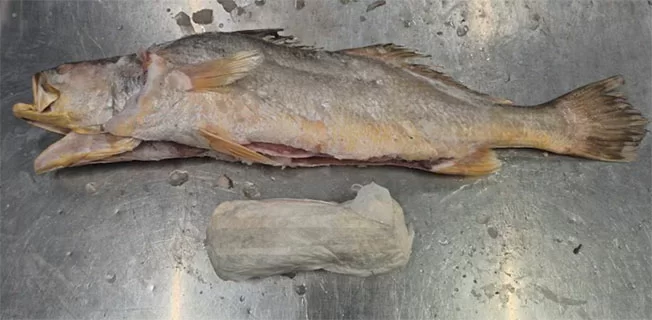
    Dutch law enforcement agencies have made a significant narcotics interception after discovering 319 kilograms of cocaine concealed within a shipment of frozen fish. The sophisticated smuggling operation was uncovered on Monday, January 12th, following a targeted investigation prompted by intelligence regarding potential drug trafficking activities.

    The suspicious container, originating from Suriname, was intercepted at a commercial facility in Barneveld. Specialist units including the National Investigation and Intervention Unit and the National Expertise and Operations Unit initiated a comprehensive examination after initial scans revealed unexplained anomalies within the cargo.

    Despite preliminary scans failing to directly identify narcotics, investigators detected irregularities that warranted further manual inspection. Each frozen fish underwent individual scanning, leading to the discovery of anomalous substances within portion of the shipment.

    Upon forensic examination, law enforcement personnel surgically opened the frozen fish, revealing professionally packaged cocaine bundles concealed within the marine products. The total seizure amounted to approximately 319 kilograms of high-purity cocaine with substantial street value.

    Authorities have clarified that the Barneveld-based company where the container was intercepted currently shows no indications of involvement in the smuggling operation. The criminal investigation continues to focus on identifying the trafficking network’s origins and those responsible for the sophisticated concealment methodology.

    The confiscated narcotics have been securely transferred to customs authorities and subsequently destroyed in accordance with Dutch drug enforcement protocols. This interception represents one of the more inventive concealment methods recently encountered by European border security agencies.

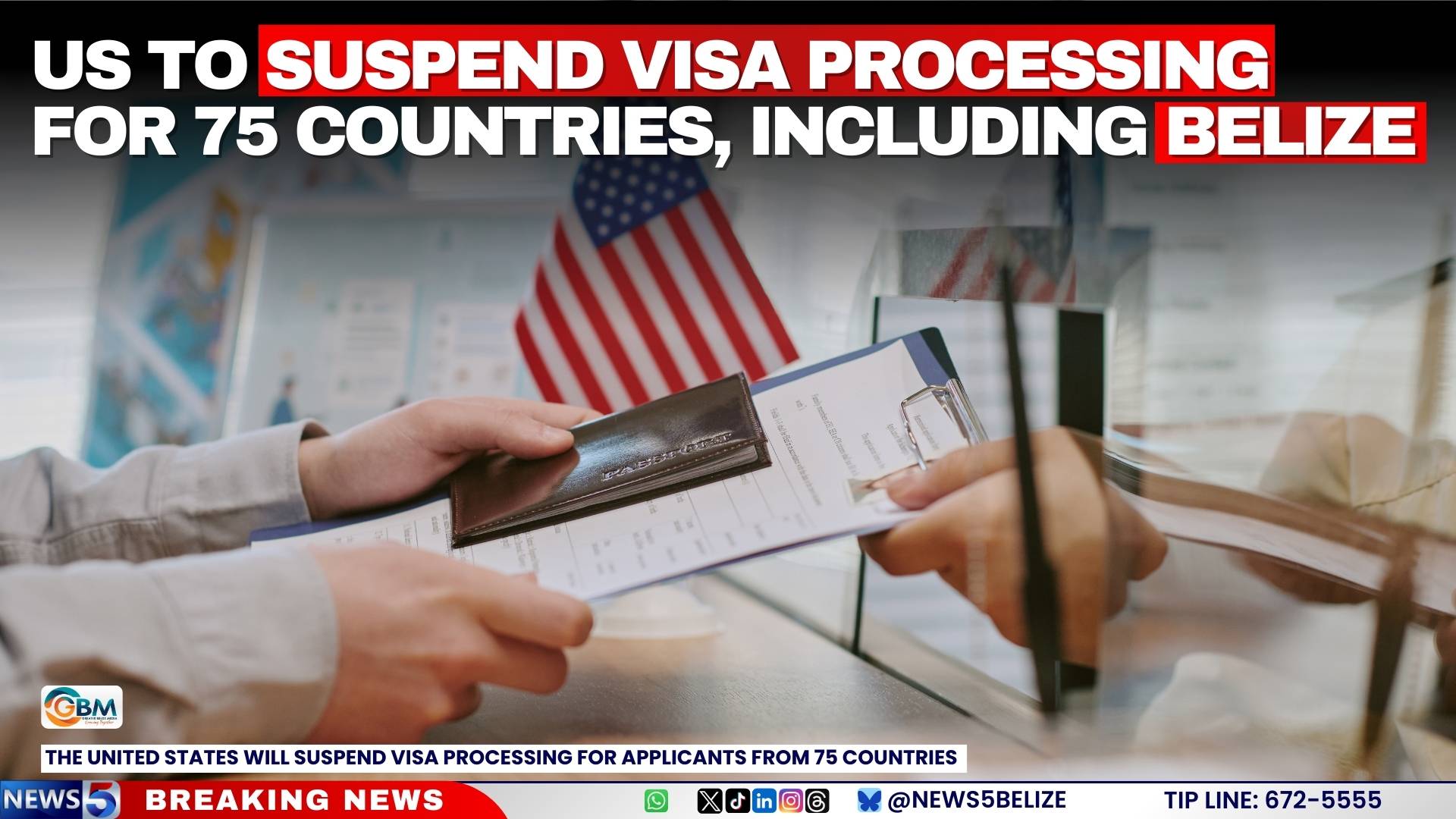
  • US to Suspend Visa Processing for 75 Countries, Including Belize

    US to Suspend Visa Processing for 75 Countries, Including Belize

    In a significant shift in immigration policy, the United States Department of State has announced the indefinite suspension of immigrant visa processing for applicants from 75 countries, effective January 21, 2026. This sweeping measure comes as federal authorities initiate a comprehensive reassessment of visa approval procedures nationwide.

    The policy change, formally communicated through the Department’s official social media channels, cites concerns over disproportionate welfare utilization by migrants from the affected nations. “The State Department will pause immigrant visa processing from 75 countries whose migrants take welfare from the American people at unacceptable rates,” the statement declared. “The freeze will remain active until the U.S. can ensure that new immigrants will not extract wealth from the American people.”

    Among the impacted nations are Somalia, Haiti, Iran, and Eritrea—countries whose immigrants, according to the statement, “often become public charges on the United States upon arrival.” The Department emphasized its commitment to preventing exploitation of American public assistance systems, asserting that “the generosity of the American people will no longer be abused.”

    This development follows stricter enforcement guidelines distributed to U.S. embassies and consulates worldwide in November 2025. The diplomatic cable mandated intensified screening protocols under existing “public charge” provisions within immigration law. Consular officers received instructions to deny visas to applicants demonstrating potential dependence on public benefits based on multiple criteria including health status, age, financial stability, English language proficiency, and potential requirements for long-term medical care. Previous utilization of government assistance programs or institutionalization may also result in application denial.

    The comprehensive list of affected countries spans multiple continents and includes nations from Afghanistan to Yemen, with significant representation from African, South Asian, Middle Eastern, and Latin American regions. Other notable countries subject to the suspension include Brazil, Cuba, Democratic Republic of the Congo, Egypt, Guatemala, Iraq, Jamaica, Libya, Nigeria, Pakistan, Russia, Sudan, Syria, and Uzbekistan.

  • West Indies Under-19 thrash Japan in World Cup warmup

    West Indies Under-19 thrash Japan in World Cup warmup

    In a dominant display of cricketing prowess, the West Indies Under-19 team delivered a crushing 229-run victory over Japan during an ICC Men’s Cricket World Cup warm-up match in Windhoek on Tuesday, January 13th.

    The Caribbean side, having been put into bat first, established a formidable foundation through an explosive opening partnership. Tanez Francis and Zachary Carter launched their innings with a 40-run stand within the initial seven overs, setting the stage for an extraordinary batting performance. Francis emerged as the cornerstone of the innings, remaining unbeaten with a magnificent 122 runs.

    The match witnessed an extraordinary fifth-wicket partnership between Francis and Shamar Apple that completely shifted the momentum beyond Japan’s reach. Apple delivered a breathtaking century, hammering 124 runs from a mere 65 deliveries in a display of pure power-hitting that included 10 boundaries and 8 massive sixes.

    Facing a daunting victory target of 347, Japan’s batting lineup crumbled under relentless pressure from the West Indies bowling attack. While Taylor Waugh provided some resistance with 32 runs, the team consistently lost wickets at regular intervals. The Japanese side was ultimately dismissed for a mere 117 runs in 31.2 overs.

    R’Jai Gittens proved virtually unplayable, finishing with spectacular bowling figures of 4 wickets for just 8 runs. Vitel Lawes provided crucial support with three additional wickets, effectively dismantling Japan’s batting order.

    The comprehensive victory positions the West Indies as strong contenders to advance from Group D in the upcoming World Cup preliminary stage, where they will face South Africa, Afghanistan, and tournament newcomers Tanzania.

    This impressive performance signals the team’s determination to end their decade-long championship drought, with players and supporters alike hoping to replicate their historic 2016 triumph.

  • Natascha Kalo voorgedragen als gedelegeerd commissaris bij Grassalco

    Natascha Kalo voorgedragen als gedelegeerd commissaris bij Grassalco

    In a significant corporate governance development, Natascha Kalo has been appointed as interim executive commissioner of N.V. Grassalco following her nomination by shareholders. The company’s Board of Commissioners ratified the appointment during an emergency meeting held Thursday morning.

    Kalo’s elevation to this temporary leadership position comes just days after the Board suspended CEO Wesley Rozenhout on Monday, January 12th. This decisive action is directly connected to an ongoing investigation into the disappearance of approximately four kilograms of gold from the state mining enterprise.

    The Board of Commissioners, chaired by Berto Sampi, emphasized the critical need for unimpeded information flow to ensure a thorough and independent investigation. The suspension of Rozenhout was additionally justified by alleged violations of company statutes according to official statements.

    In her new capacity as executive commissioner, Kalo will assume specific temporary duties and authorities to exercise intensified oversight of organizational operations. This interim governance structure will remain effective until the appointment of a new permanent chief executive officer.

    Meanwhile, Grassalco has initiated an internal ‘quickscan’ assessment while maintaining normal daily operational activities. The current Board of Commissioners comprises Chairman Berto Sampi alongside members Steven Jungerman, Joël Anches, and Ivan Brunswijk, who will continue to provide governance during this transitional period.

  • BPBL Welcomes New Leadership

    BPBL Welcomes New Leadership

    The Belize Premier Basketball League (BPBL) has announced a significant expansion of its leadership team with the appointment of Glenn Gill as Deputy Commissioner. This strategic move brings one of Belize’s most experienced basketball figures into the league’s administrative structure.

    Gill brings decades of basketball expertise to his new position, having established himself as one of Belize’s longest-serving referees with FIBA certification. His extensive background includes previous leadership experience as commissioner of the Belize Elite Basketball League, earning him respect both within the national basketball community and internationally.

    The newly appointed deputy will work alongside existing Deputy Commissioner Amir Garcia, both operating under the guidance of Commissioner Claudio Leal, who is commencing his second year leading the BPBL. This strengthened leadership team signals the league’s commitment to enhanced governance and development.

    In his official capacity, Gill will assume responsibility for overseeing league operations and ensuring regional preparedness. His portfolio will include supporting team development, officiating standards, and game-day infrastructure management. League representatives characterized the appointment as reflecting BPBL’s dedication to “operational excellence, competitive integrity, and long-term growth.”

    In a gesture of solidarity within Belize’s basketball community, the BPBL leadership extended congratulations to the National Elite Basketball League (NEBL) on its scheduled relaunch in February. The statement emphasized that both competitions contribute significantly to strengthening the nation’s basketball ecosystem.

    The BPBL, which is scheduled to resume competition in July 2026, continues to build institutional capacity during its off-season in preparation for its return.

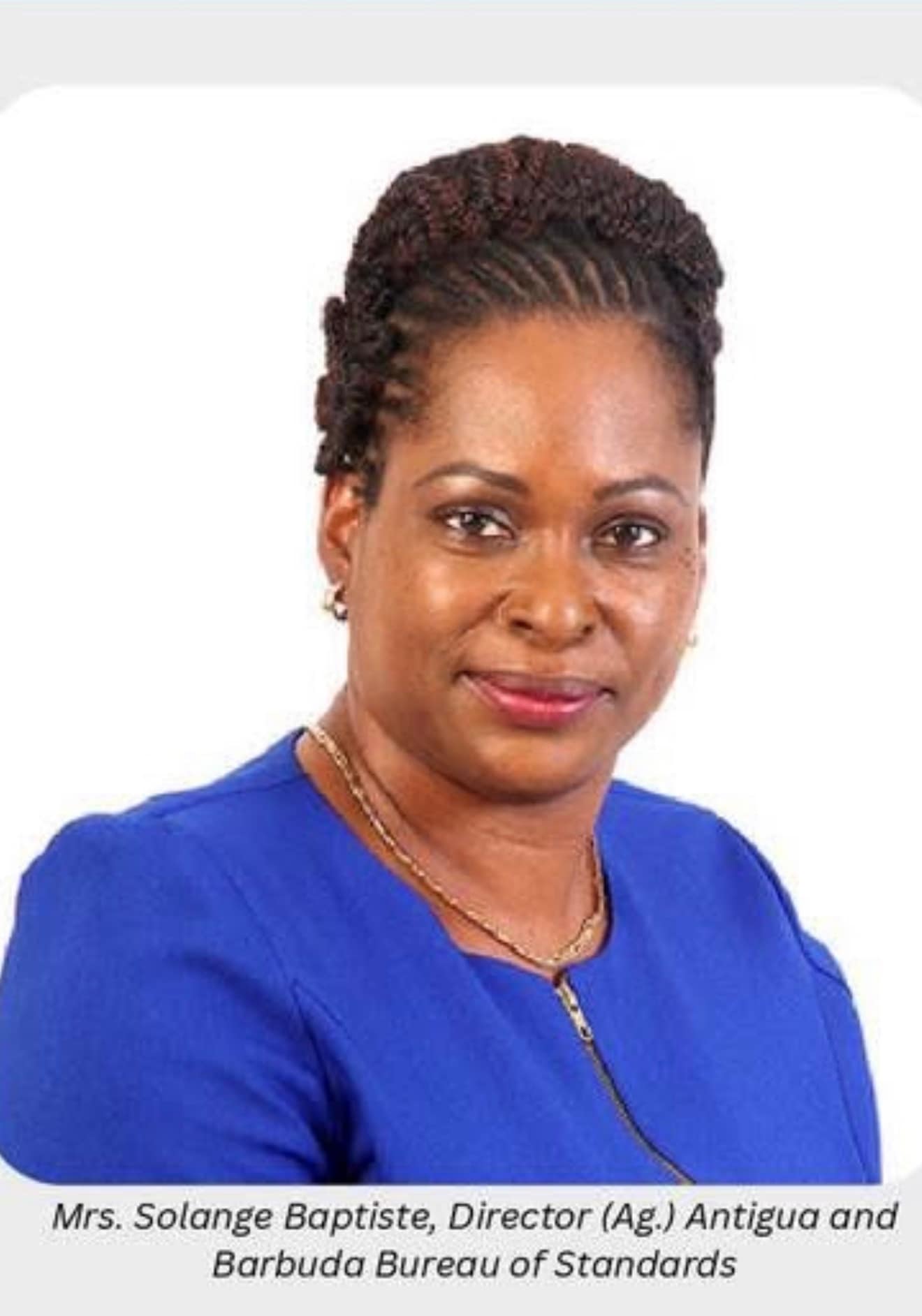
  • Antiguan and Barbudan Solange Baptiste Appointed CROSQ Chair

    Antiguan and Barbudan Solange Baptiste Appointed CROSQ Chair

    The CARICOM Regional Organisation for Standards and Quality (CROSQ) has ushered in new leadership with Antigua and Barbuda assuming the chairmanship of its Council of Directors. Mrs. Solange Baptiste, Acting Director of the Antigua and Barbuda Bureau of Standards (ABBS), commenced her term as chair on January 1, 2026, succeeding Mr. Ezra Ledger of the St. Vincent and the Grenadines Bureau of Standards.

    Concurrently, The Bahamas has been appointed to the vice-chair position, represented by Dr. Renae Ferguson-Bufford, Director of the Bahamas Bureau of Standards and Quality. Both nations will maintain these regional leadership roles for a one-year term before the chairmanship transitions to another member state.

    In her inaugural statement, Mrs. Baptiste expressed profound honor at her appointment, emphasizing her commitment to advancing regional quality infrastructure through collaborative efforts with the CROSQ Secretariat and national standards bodies across CARICOM. “I’m truly excited about serving as chair of the CROSQ Council for 2026,” she stated. “This represents an invaluable opportunity to engage more purposefully with fellow directors and facilitate Antigua and Barbuda’s contribution to coordinating the CARICOM quality infrastructure development agenda.”

    Dr. Sharonmae Smith Walker, CEO of the CROSQ Secretariat, extended warm welcomes to the new leadership team, acknowledging the ambitious nature of the regional quality infrastructure agenda. She noted that member state contributions remain vital to CROSQ’s strategic direction and vision development, expressing confidence in Antigua and Barbuda’s eagerness to advance the organization’s trajectory as a key CARICOM institution.

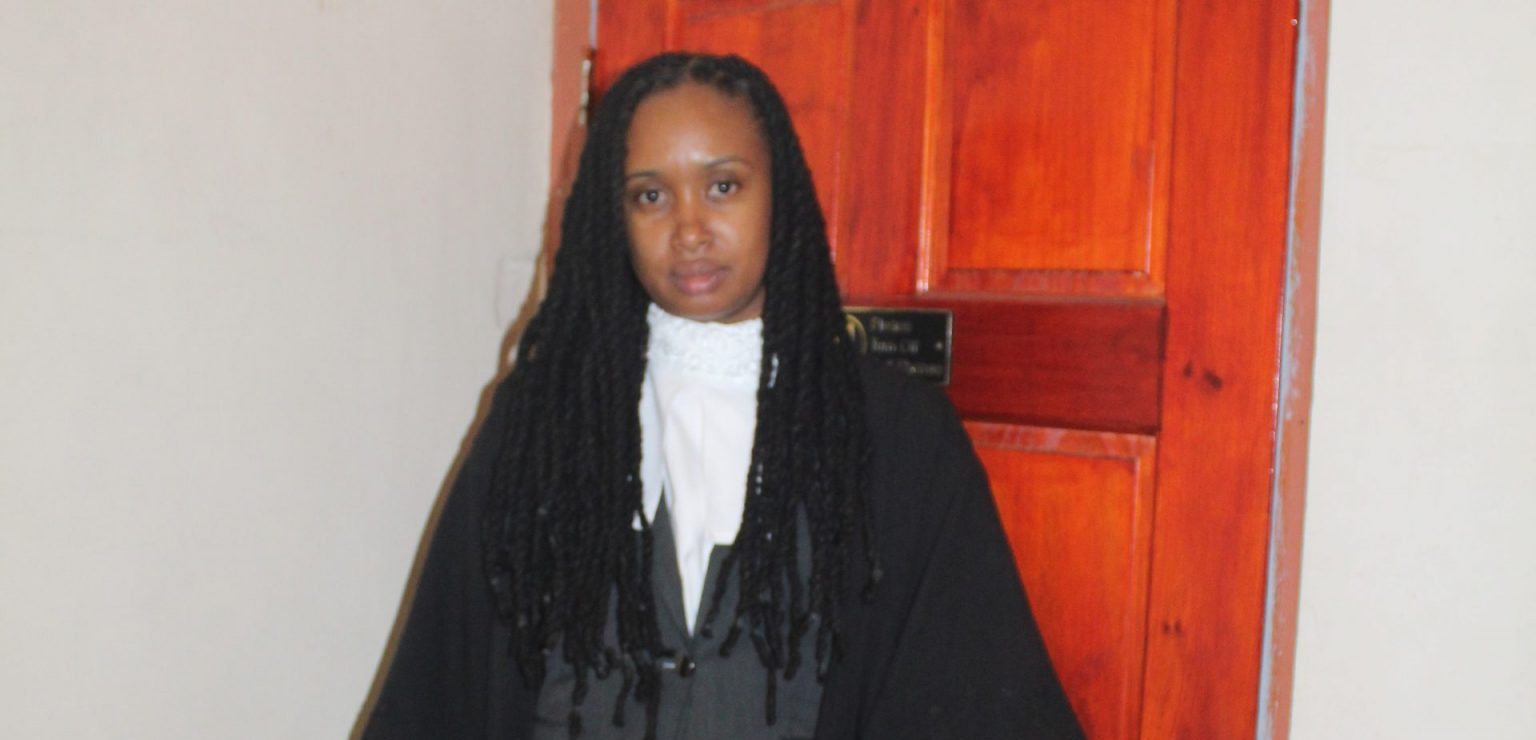
  • Dominica’s DPP to legal colleagues: Take a stand for the law amidst ‘senseless’ violence

    Dominica’s DPP to legal colleagues: Take a stand for the law amidst ‘senseless’ violence

    In a powerful address marking the opening of the new legal year, Director of Public Prosecutions Sherma Dalrymple has issued a urgent mandate to legal professionals across small island states, demanding concrete action against escalating gun violence. Speaking at the State House Conference Centre, Dalrymple challenged judges, attorneys, court administrators, and prosecutors to actively champion respect for the law through decisive measures.

    The prosecution chief emphasized that legal associations must break their silence and actively educate the public about legal consequences before crimes occur. “We cannot wait until cases reach courtrooms—by then lives are already lost, families grieve, and individual liberties hang in balance,” Dalrymple asserted, criticizing passive discussions at bar association meetings while societal violence worsens.

    Dalrymple highlighted the particular vulnerability of small island communities where gun violence “runs as a disease,” casting shadows over cultural celebrations, carnivals, and holiday gatherings. She noted with concern how media reports regularly shock communities with phrases like ‘double murders’ and ‘young men in critical condition after sustaining gunshot wounds.’

    While acknowledging existing robust legislative frameworks within Organization of Eastern Caribbean States (OECS) members—including firearms acts, anti-gang laws, and sentencing guidelines designed to deter violence—Dalrymple insisted legal professionals must shoulder responsibility rather than blaming society alone. “We must consider whether we, as justice system administrators, are truly making the law respectable while advocating against this plague,” she concluded, calling for updated protocols, guidelines, and laws through regional cooperation.

  • Study finds drug use disorders are a major and growing public health problem

    Study finds drug use disorders are a major and growing public health problem

    The Americas confront an escalating public health emergency as drug use disorders surge to become one of the region’s top ten mortality risk factors, according to groundbreaking research published in the Pan American Journal of Public Health. The comprehensive analysis reveals a crisis disproportionately devastating young male populations while increasingly affecting women across the hemisphere.

    Recent epidemiological data from the Global Burden of Disease Study 2021 indicates approximately 17.7 million individuals throughout the Americas currently live with substance use disorders. These conditions claimed nearly 78,000 lives in 2021 alone—a mortality rate astonishingly four times higher than worldwide averages. The research identifies opioid addiction as the primary driver, accounting for over 75% of all drug-related fatalities.

    The investigation uncovered alarming acceleration in disability-adjusted life years (DALYs) linked to substance misuse, which have nearly tripled since 2000. This represents an average annual increase of approximately 5%, with young adults—particularly males—bearing the heaviest burden. Meanwhile, rising mortality among women signals expanding demographic impacts requiring urgent attention.

    Regional patterns reveal stark contrasts in substance prevalence. North America experiences severe crises involving synthetic opioids like fentanyl alongside amphetamines, while Caribbean, Central American, and South American nations grapple primarily with cannabis and cocaine disorders. The COVID-19 pandemic exacerbated these trends through heightened stress, service disruptions, and social isolation that intensified existing vulnerabilities.

    PAHO Director Dr. Jarbas Barbosa emphasized the preventable nature of this crisis: “These disorders represent both preventable and treatable conditions, yet they increasingly devastate families and communities throughout our Region. Countries must rapidly expand evidence-based prevention, treatment, and harm reduction services—particularly for youth and high-risk populations.”

    The study estimates drug use contributed to 145,515 total deaths in 2021 through overdose, liver cancer, cirrhosis, and suicide. This places substance misuse alongside hypertension, obesity, dietary risks, and tobacco among the region’s most significant health threats.

    PAHO officials urge immediate implementation of integrated strategies including: enhanced youth prevention programs, expanded access to medication-assisted treatment, integration of substance services into primary healthcare, improved surveillance for emerging synthetic drugs, and gender-responsive approaches addressing rising female mortality.

    Dr. Renato Oliveira E Souza, head of PAHO’s Mental Health and Substance Use Unit, advocated for systemic reform: “We must position mental health and substance care at the core of our health systems. Community-based, people-centered services supported by robust public health leadership and epidemiologically-informed national strategies can reverse these trends and preserve thousands of lives across the Americas.”

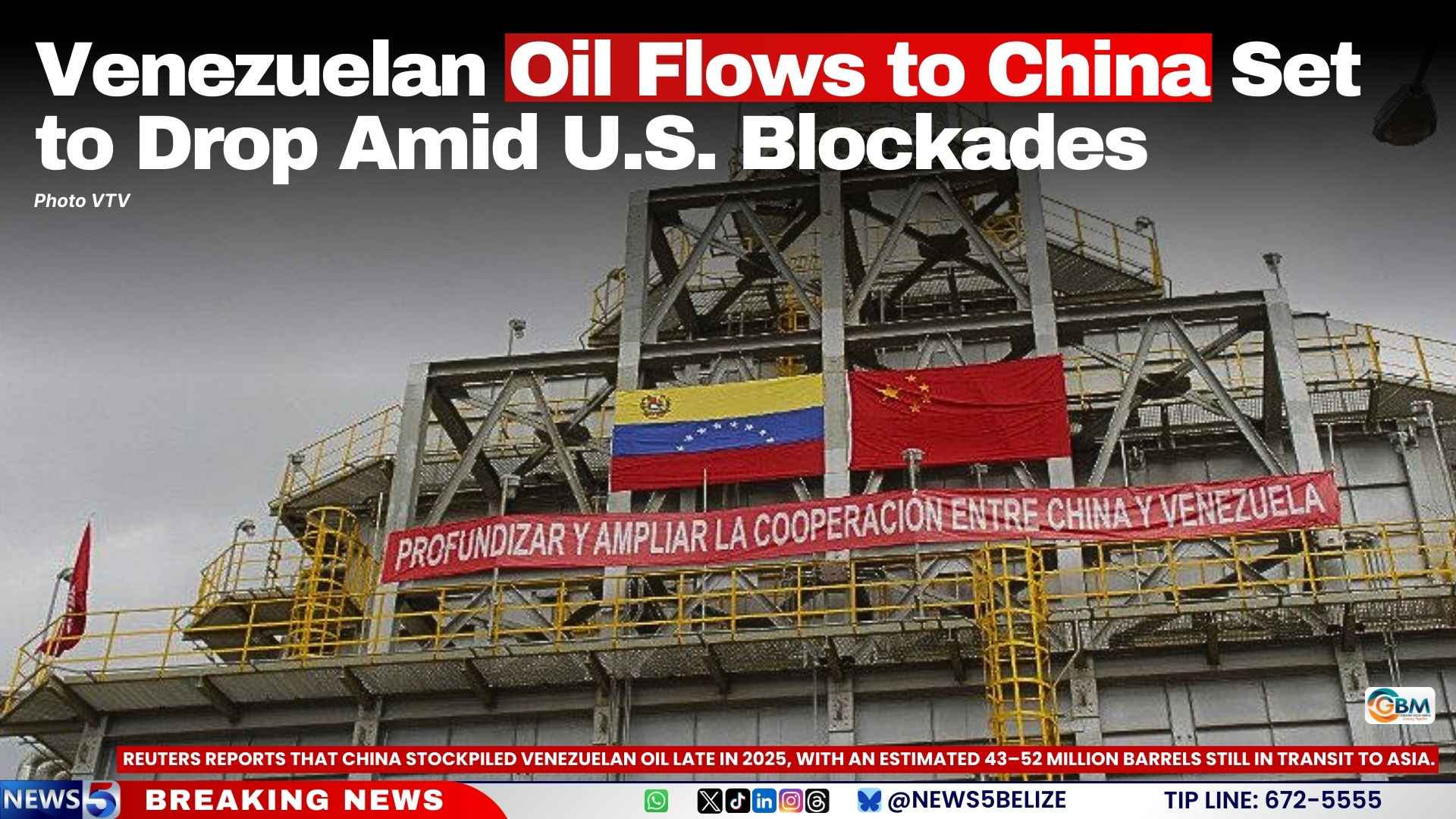
  • Venezuelan Oil Flows to China Set to Drop Amid U.S. Blockades

    Venezuelan Oil Flows to China Set to Drop Amid U.S. Blockades

    China’s crude oil imports from Venezuela are projected to experience a significant contraction next month following the implementation of U.S. naval blockades that have severely disrupted maritime shipments. This development comes in the wake of a controversial military operation conducted by American forces earlier this January that resulted in the capture of Venezuelan President Nicolás Maduro.

    The United States government has subsequently asserted administrative control over Venezuela’s petroleum industry, which holds considerable influence within OPEC circles. In a decisive move, Washington has impounded five vessels transporting Venezuelan crude and issued stern warnings to international shipping companies against engaging with Caracas’s oil exports.

    Maritime tracking data indicates that the majority of tankers that departed Venezuelan ports during early January have reversed course, though three vessels remain on trajectory toward Asian destinations. These ships are currently transporting approximately 5 million barrels of fuel oil and heavy crude—a volume that represents a dramatic reduction compared to China’s average import levels of 642,000 barrels per day throughout the previous year, according to internal documents from Venezuela’s state-owned PDVSA oil company.

    Industry analysts note that China had strategically accumulated substantial Venezuelan oil reserves toward the end of 2025, with an estimated 43 to 52 million barrels still in transit to Asian ports prior to the implementation of sanctions. With supply chains now disrupted, commodities traders indicate that Chinese refiners will likely seek alternative crude sources in the coming months, potentially increasing imports from Canada and Iran.

    Concurrently, U.S. President Donald Trump has publicly encouraged American energy corporations to invest in revitalizing Venezuela’s oil infrastructure, though industry response has thus far been characterized by cautious deliberation rather than enthusiastic commitment.