作者: admin

  • Legal Team Accuses Police Commissioner of ‘Gaslighting’ Public

    Legal Team Accuses Police Commissioner of ‘Gaslighting’ Public

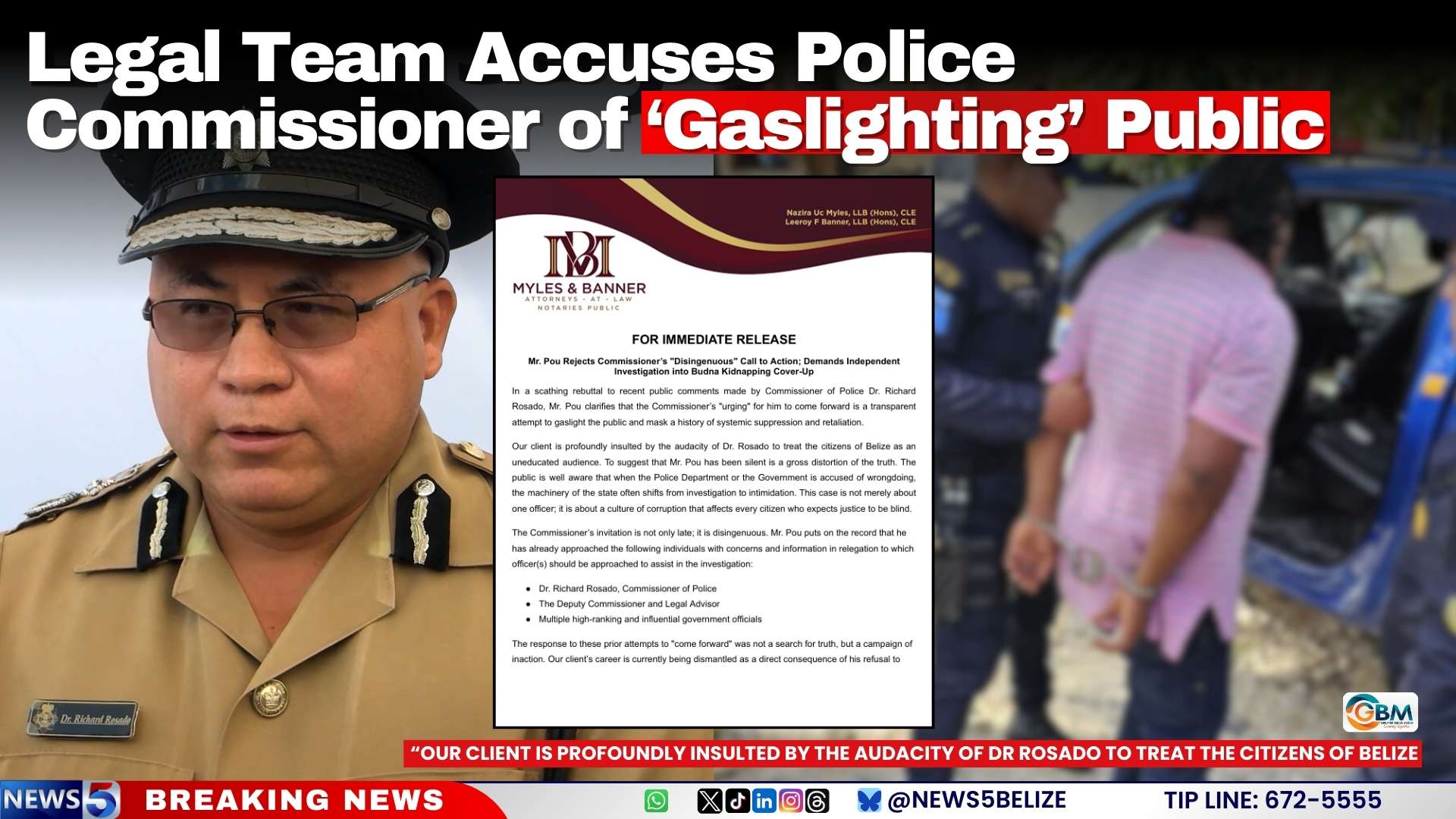
    In a significant escalation of tensions within Belize’s law enforcement community, legal representatives for whistleblower “Mr. Pou” have delivered a scathing response to Police Commissioner Richard Rosado’s recent statements regarding the Budna kidnapping investigation.

    The controversy erupted when Commissioner Rosado, addressing allegations that officers were coerced into providing false statements, publicly encouraged individuals with evidence to come forward. This invitation was immediately characterized by Pou’s attorneys as “disingenuous” and part of a systematic pattern of institutional gaslighting.

    Legal counsel Nazira Uc Myles and Leeroy F. Banner issued a comprehensive rebuttal alleging that their client’s career has been systematically dismantled in retaliation for his refusal to remain silent about investigative irregularities. The legal team asserts that Pou had previously raised concerns through proper channels with both senior police officials and government authorities, only to encounter what they describe as “inaction and hostility.

    The statement particularly condemns what it characterizes as the Commissioner’s patronizing attitude toward Belizean citizens, stating: “Our client finds profoundly insulting the audacity of Dr. Rosado to treat the citizenry as an uneducated audience incapable of recognizing evidentiary manipulation.”

    In response to the perceived institutional failure, Pou’s legal representatives are demanding the immediate formation of an independent investigative body operating in conjunction with the Director of Public Prosecutions. They argue that the Police Department lacks the necessary impartiality to investigate itself when its highest-ranking officials and political affiliates face serious questions about their conduct.

    The escalating confrontation now places pressure on the Minister of Home Affairs to intervene, with Pou’s team urging the implementation of robust transparency protocols and protection mechanisms for whistleblowers within Belize’s law enforcement apparatus.

  • Dominica will not give up Cuban Healthcare Program, says PM

    Dominica will not give up Cuban Healthcare Program, says PM

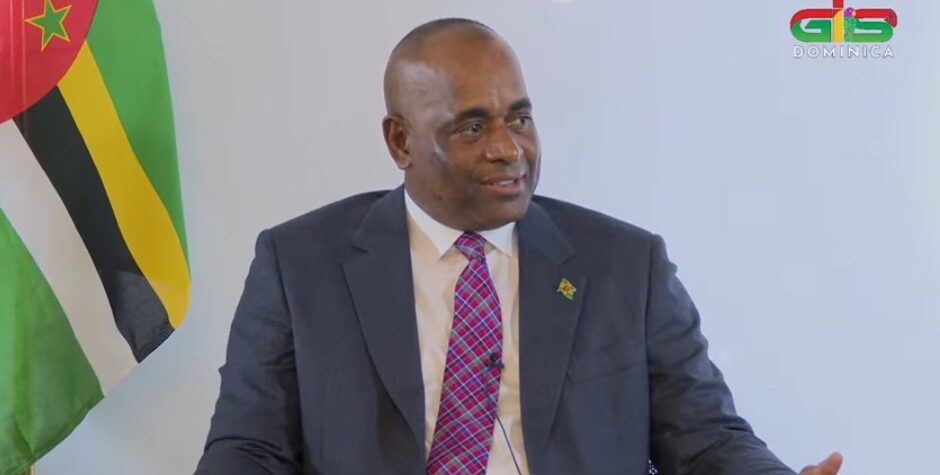
    In a definitive New Year’s address, Dominica’s Prime Minister Roosevelt Skerrit declared his nation’s unwavering commitment to the Cuban Healthcare Program despite mounting international pressure and allegations of forced labor within the initiative. The Thursday evening interview with journalists revealed the Caribbean leader’s firm stance against abandoning the medical partnership that he described as critical to national healthcare infrastructure.

    The program, currently under scrutiny by the Organization of American States and the Inter-American Commission on Human Rights, faces additional challenges from United States sanctions including visa restrictions on affiliated officials. Nevertheless, Prime Minister Skerrit emphasized the indispensable role of Cuban medical professionals, noting that 9 out of 11 practitioners in Dominica’s Intensive Care Unit originate from Cuba.

    Skerrit acknowledged ongoing discussions with both Cuban authorities and U.S. representatives to address concerns through program modifications while maintaining the essential medical collaboration. The Prime Minister contextualized the dependency within historical patterns of medical staffing, noting that previous sources of healthcare professionals from Nigeria and India have diminished due to recruitment by wealthier nations.

    The Caribbean leader concluded that without viable alternatives for medical staffing, Dominica would continue to benefit from Cuban medical expertise and training systems, albeit potentially under restructured arrangements that address international concerns.

  • Killer gets life for ATM murder

    Killer gets life for ATM murder

    In a landmark ruling at Barbados’ No. 3 Supreme Court, Justice Carlisle Greaves has imposed a life sentence with a 40-year tariff upon 26-year-old Kishon Lemar Anderson Thomas for the 2017 murder of 58-year-old Colleen Payne. The sentencing concludes an eight-year judicial process surrounding the brutal killing that occurred at a Royal Bank of Canada ATM on University Hill, St. Michael.

    Justice Greaves characterized Thomas as a ‘dangerous, conniving, manipulative individual’ requiring prolonged societal protection. After accounting for 633 days spent on remand and a 24-month reduction for procedural delays, Thomas will serve 36 years at Dodds Prison before parole eligibility.

    The court established that Thomas and an accomplice were stalking ATM users for robbery opportunities when he shot Payne as she withdrew funds for her church. Justice Greaves emphasized deterrence as a critical sentencing factor, noting that thousands of citizens and visitors rely on ATMs at all hours without fearing violent criminal acts.

    A perplexing aspect emerged during proceedings: Thomas came from privileged circumstances with relatives claiming he ‘lacked nothing’ and was even purchased a vehicle while on bail for the murder. Justice Greaves observed this case demonstrates how privilege doesn’t preclude criminal behavior, citing Thomas’s documented association with criminal elements in Black Rock despite repeated family warnings.

    The human toll was articulated by victim’s sister Ella Noelle, who revealed the murder triggered a family tragedy extending beyond Payne’s death. Their ill father succumbed to grief within weeks, followed by their mother’s death one year later, still mourning their daughter’s loss. In an extraordinary statement of forgiveness, Noelle expressed hope Thomas would ‘find a relationship with God,’ believing her sister would have wanted the same.

    Thomas maintained his innocence from the dock while acknowledging sympathy for the life lost. The prosecution was led by Deputy Director of Public Prosecution Krystal Delaney, with defense representation by Andrew Pilgrim and Sian Lange.

  • Trump Says Countries Could Face Tariffs Over Greenland

    Trump Says Countries Could Face Tariffs Over Greenland

    In a significant escalation of diplomatic tensions, U.S. President Donald Trump has declared he may impose new tariffs on nations opposing his controversial proposal for American control of Greenland. The unprecedented threat emerged during White House remarks on Friday, marking the first time the administration has suggested using trade measures to advance territorial ambitions.

    Addressing reporters, Trump emphasized Greenland’s strategic importance: “I may put a tariff on countries if they don’t go along with Greenland, because we need Greenland… for national security.” The Arctic territory, currently an autonomous Danish constituent, has become the focal point of an international standoff with far-reaching implications for NATO alliances.

    The administration’s persistent campaign to acquire the strategically valuable territory has triggered swift military and diplomatic responses. Denmark has warned that any aggressive move against Greenland would effectively terminate NATO cooperation, while simultaneously expanding its military footprint on the island.

    European nations have responded with remarkable coordination. France, Germany, Sweden, Norway, and Finland have announced troop deployments to Greenland, creating an unprecedented multinational military presence in the Arctic region. Concurrently, Canada and France are establishing consular offices in Nuuk, Greenland’s capital, signaling strengthened diplomatic engagement.

    Despite these mounting tensions, diplomatic channels remain open. Danish Foreign Minister Lars Løkke Rasmussen confirmed the establishment of a high-level working group with U.S. officials to seek “a common way forward.” However, he acknowledged that fundamental disagreements persist between the two nations regarding Greenland’s sovereignty and strategic future.

  • Youth steel on a positive note

    Youth steel on a positive note

    Trinidad and Tobago’s vibrant youth steelpan community demonstrated remarkable resilience during the National Schools’ Panorama event held on January 18-19. Despite last-minute venue changes that relocated the finals to Skinner Park in San Fernando, participation numbers remained strong with schools from across the nation—from Diego Martin to Penal—showcasing their musical talents.

    The competition featured the top 12 primary schools and ten secondary school finalists, highlighting the widespread engagement of young musicians. The venue shift unexpectedly created greater opportunities for school bands outside traditional hubs like San Fernando and Port of Spain, suggesting potential benefits for decentralizing cultural events.

    Pan Trinbago’s additional under-21 and under-19 competitions, maintained at Queen’s Park Savannah, further enriched the youth music scene, representing a significant net gain for young musicians developing passion for the national instrument beyond Carnival pressures.

    However, serious safety concerns emerged regarding the Skinner Park stage design. Pan Trinbago President Beverley Ramsey-Moore publicly criticized NCC chairman Peter Kanhai after instruments and two moko jumbies fell from the stage due to its smooth surface, steep incline, and inadequate size. These conditions pose particular danger to child performers compared to experienced adult bands.

    Broader systemic issues surfaced regarding government support for steelpan culture. While Culture Minister Michelle Benjamin highlighted ministry support for unsponsored steelbands, five bands—Skiffle Bunch, Siparia Deltones, Couva Joylanders, La Brea Nightingales, and Steel Xplosion—lost sponsorship from National Gas Company and Heritage Petroleum at the end of 2025, severely impacting their Panorama preparations.

    The apparent confrontation between Sport Ministry PS David Nakhid and Mrs. Ramsey-Moore further illustrates the misalignment between government promises of cultural support and the reality faced by steelpan organizations.

  • Migrants seek clarity on new registration process

    Migrants seek clarity on new registration process

    Trinidad and Tobago’s migrant population is expressing growing concerns over the government’s newly announced Migrant Registration Framework (MRF), citing insufficient information and communication gaps that have created widespread anxiety and confusion.

    The framework, established through Legal Notice 470 in late 2025, aims to provide undocumented migrants—not exclusively Venezuelans—with legal status to reside and work in the country from January 1 through September 30, 2026. However, with the Ministry of Homeland Security yet to publish formal requirements, implementation phases, or specific timelines, uncertainty continues to mount within vulnerable communities.

    Andreina Briceno Ventura-Brown, founder of La Casita Hispanic Cultural Centre, emphasized that while migrants have responded receptively to the initiative, the absence of clear official guidance has fostered misinformation and distress. She highlighted that the registration represents a vital opportunity for thousands to regularize their status, access dignified employment, and achieve social inclusion without fear of persecution.

    A significant information disparity has also emerged between Spanish-speaking migrants, who are actively preparing for the process, and English-speaking migrants from other Caribbean nations, many of whom remain unaware of their potential eligibility. Additionally, families with existing deportation orders fear exclusion from the program, raising concerns over transparency and equitable treatment.

    Ventura-Brown urged authorities to enhance official communication, clarify eligibility criteria, and ensure the process aligns with principles of human dignity, due process, and equality. Yesenia Gonzalez, a Venezuelan activist, echoed these concerns, noting that many fear registration could lead to deportation or detention.

    Attempts to reach Foreign and Caricom Affairs Minister Sean Sobers for comment were unsuccessful. The situation underscores the critical balance between national security priorities and humanitarian obligations in migration policy.

  • Trinidad and Tobago tourism: Beyond cruise ship numbers

    Trinidad and Tobago tourism: Beyond cruise ship numbers

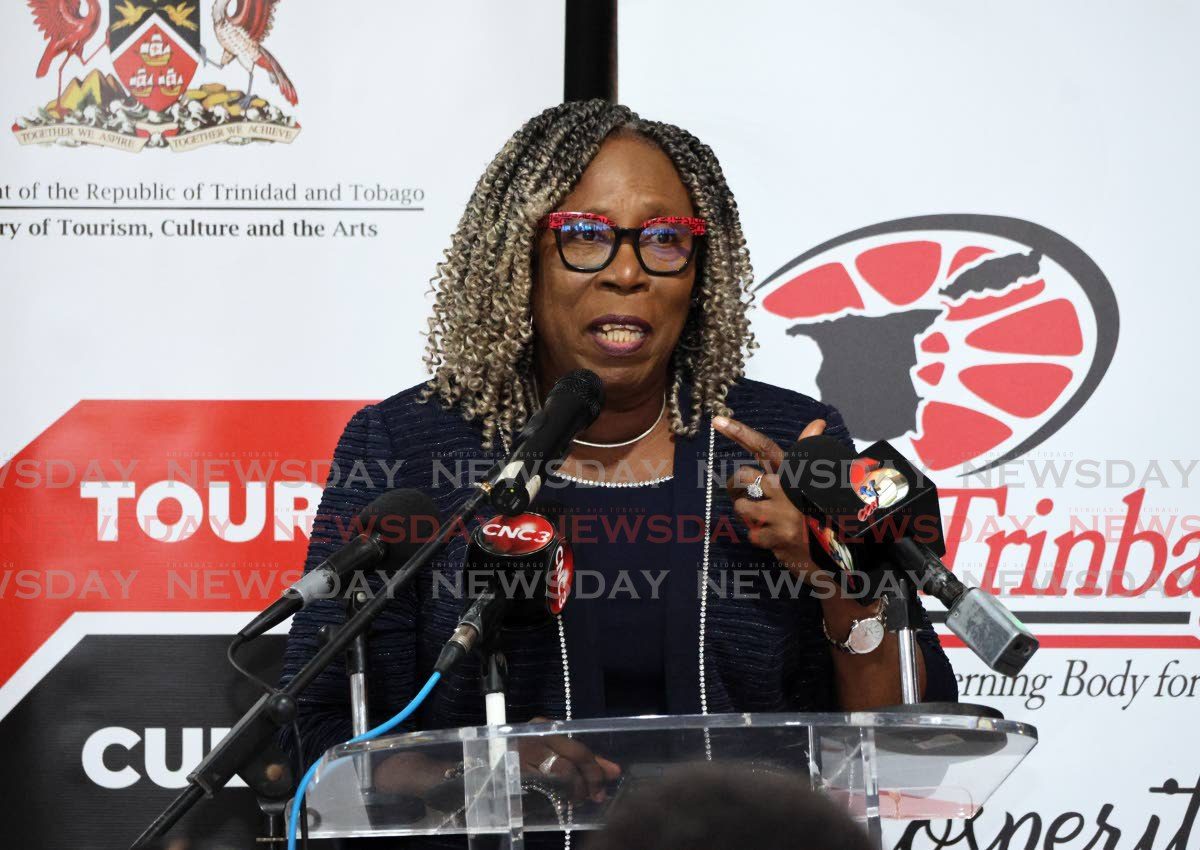
    Recent media reports questioning Trinidad and Tobago’s tourism vitality due to fluctuating cruise arrivals have sparked industry debate. However, a ground-level perspective reveals a sector undergoing profound transformation rather than decline. The traditional tourism landscape has fundamentally shifted from large corporate dominance to an ecosystem of agile, digitally-native operators leveraging platforms like Viator, TripAdvisor, and Google to connect directly with global travelers.

    This digital revolution has created significant gaps in official statistics. Visitors now routinely book private cultural tours, local guides, and complete Carnival experiences through direct digital channels—economic activities that remain largely invisible to conventional tracking systems. The accommodation sector mirrors this transformation, with Airbnb and Booking.com enabling stays in guest houses from Paramin to beachfront cottages in Tobago, all occurring outside traditional measurement frameworks.

    Three distinctive visitor profiles illustrate this new reality: a American seeking 48-hour stress relief through cultural immersion, a Ukrainian spiritual traveler selecting Trinidad as his sanctuary, and a dedicated birther pursuing rare hummingbird species. Perhaps most significantly, transit tourism has emerged as a substantial category, with layover passengers booking four-hour tours with local cuisine between flights at Piarco International Airport—experiences completely absent from overnight stay statistics.

    The sector has diversified into specialized niches including culinary tourism (focused on doubles, roti, and pelau), extended Carnival stays, heritage root-tracing, birdwatching expeditions, and medical/wellness visits. These experience-driven travelers demonstrate higher spending commitment and resilience compared to traditional cruise passengers.

    The critical challenge lies in perception management. While government investment in aggressive destination marketing remains essential, equally crucial is curbing self-defeating narratives that undermine Trinidad and Tobago’s global competitiveness. The nation’s authentic cultural assets—from steelbands to calypso storytelling—represent precisely what modern discerning travelers seek. Rather than decline, the sector demonstrates evolution toward its true potential, measured inadequately with outdated metrics. The world stands ready to discover Trinidad and Tobago’s unique offerings—the question remains whether local stakeholders can align behind a unified promotional vision.

  • Keshorn, Teniel cop First Citizens awards

    Keshorn, Teniel cop First Citizens awards

    The National Academy for the Performing Arts served as the prestigious backdrop on January 17 for the First Citizens Foundation’s 2025 Sports Awards and 2026 Hall of Fame Induction ceremony. The gala event, themed ‘Legacy Takes Flight,’ celebrated the extraordinary accomplishments of Trinidad and Tobago’s athletic community, recognizing those who have elevated the nation’s profile through exceptional sporting achievements.

    The evening spotlighted athletes whose dedication, leadership, and competitive excellence have brought honor to Trinidad and Tobago across international competitions. Their narratives of perseverance, passion, and national pride embody the resilient spirit of a nation continually striving for athletic distinction.

    First Citizens Group CEO Jason Julien emphasized the institution’s commitment to sports development through corporate social responsibility initiatives. ‘Sport produces role models capable of inspiring transformative change,’ Julien stated in an official release. ‘We encourage all athletes to extend their influence beyond competitive arenas and into their communities.’

    Minister of Sport and Youth Affairs Phillip Watts, representing the government, commended the athletes for their representation of the national colors while highlighting the ministry’s commitment to inclusive sports development. The ministry’s initiatives specifically focus on empowering vulnerable groups including persons with disabilities, women, and grassroots community athletes.

    The ceremony’s pinnacle moments included the induction of four legendary figures into the Sport Hall of Fame and the announcement of the 2025 Sportsman and Sportswoman of the Year. Javelin champion Keshorn Walcott secured the Sportsman of the Year distinction, while cycling standout Teniel Campbell earned the Sportswoman of the Year honor.

    Posthumous Hall of Fame recognitions were awarded to Carmen Elieen King (Athletics), Sharon Castanada (Netball and Basketball), Ferdi De Gannes (Cycling), and Roland ‘Charlo’ Charles (Table Tennis). Additional awards celebrated emerging talent with Jaden Marchan and Janae De Gannes receiving Youth Sportsman and Sportswoman of the Year accolades respectively, while the Junior Cycling Sprint Team claimed the Lystra Lewis Award for Team of the Year.

    The event successfully united athletes, sporting organizations, dignitaries, and supporters in a memorable celebration that underscored sport’s profound capacity to transform communities and strengthen national identity.

  • Ailing Baron gets $$ for medical expenses

    Ailing Baron gets $$ for medical expenses

    The Trinidadian government has extended crucial financial assistance to calypso icon Timothy “Baron” Watkins through the Ministry of Culture and Community Development. Minister Michelle Benjamin formally presented a $50,000 cheque to Baron’s wife, Sherma Watkins, during a ceremony at the UNC Headquarters in Chaguanas on January 18.

    The monetary support aims to alleviate the substantial medical expenses and ongoing care costs for the renowned calypsonian, who has been relocated to a specialized care facility. Minister Benjamin expressed profound concern regarding the artist’s circumstances while emphasizing the government’s commitment to supporting cultural contributors during times of need.

    This intervention has sparked broader conversations about systemic support mechanisms for aging artists. Benjamin announced that the restructured National Carnival Commission (NCC) would implement mandatory protective measures for performers through stakeholder organizations. The ministry is actively exploring sustainable solutions, potentially including insurance policies or direct grants, to safeguard artists’ welfare beyond their performing careers.

    The ceremony was attended by key cultural figures including Trinbago Unified Calypsonians Organisation (TUCO) president Ainsley King and NCC chairman Peter Kanhai. Their presence underscored the collaborative effort between governmental and cultural institutions to address this pressing issue.

    This case echoes previous state interventions for distinguished calypsonians, including the legendary Slinger “The Mighty Sparrow” Francisco. Traditionally, support for ailing artists has relied on benefit concerts and community fundraising initiatives, as seen with Dennis “Sprangalang” Hall and Winston “Original De Fosto Himself” Scarborough. The current administration appears committed to developing more structured, institutionalized support systems for cultural contributors.

  • Arthur Lok Jack reflects on life, leadership, legacy at The Writers Centre

    Arthur Lok Jack reflects on life, leadership, legacy at The Writers Centre

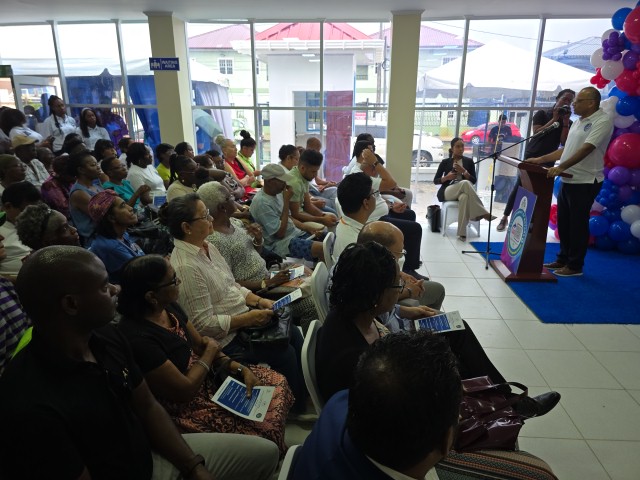
    Prominent Trinidad and Tobago business leader Arthur Lok Jack captivated audiences at The Writers Centre on January 10th during an insightful discussion about his newly published memoir, “Beyond Borders.” The event, which was open to the public free of charge, drew a diverse crowd comprising readers, aspiring entrepreneurs, students, and cultural enthusiasts.

    During the conversation moderated by seasoned journalist Franka Philip, Lok Jack delved into the profound personal and professional experiences that shaped his remarkable career. He recounted his childhood in St. James, the early emergence of his ambition, and the core values that propelled the growth of iconic Caribbean brands including Sunshine Snacks, Charles Chocolates, Universal Cereals, and Devon Biscuits.

    The business magnate emphasized universal business principles, stating, “Anybody can do business. The principles remain the same, no matter how sophisticated the business.” He shared transformative life experiences, including his courageous battle with leukemia, highlighting how family and community support during challenging times fundamentally influenced his leadership philosophy.

    The discussion expanded to broader themes explored in his memoir, addressing entrepreneurship beyond mere profit, creating institutions with lasting impact, and the critical responsibility leaders bear in investing in human development and education. Lok Jack encouraged attendees to pursue extensive reading and learn from the experiences of established business leaders.

    He also reflected on his significant contributions to Caribbean business education through The UWI-Arthur Lok Jack Graduate School of Business and the global expansion of the Associated Brands Group of Companies, which he founded and led as chairman and CEO. His international business expertise includes former directorships with Consolidated Biscuits (Malta) and Sunshine Snacks (Malta).

    Copies of “Beyond Borders” were available for purchase through Paper Based Bookshop, with all proceeds benefiting The UWI-Arthur Lok Jack Graduate School of Business. The event concluded with a powerful message that true success transcends business achievements, measured instead by lives impacted and legacies created.