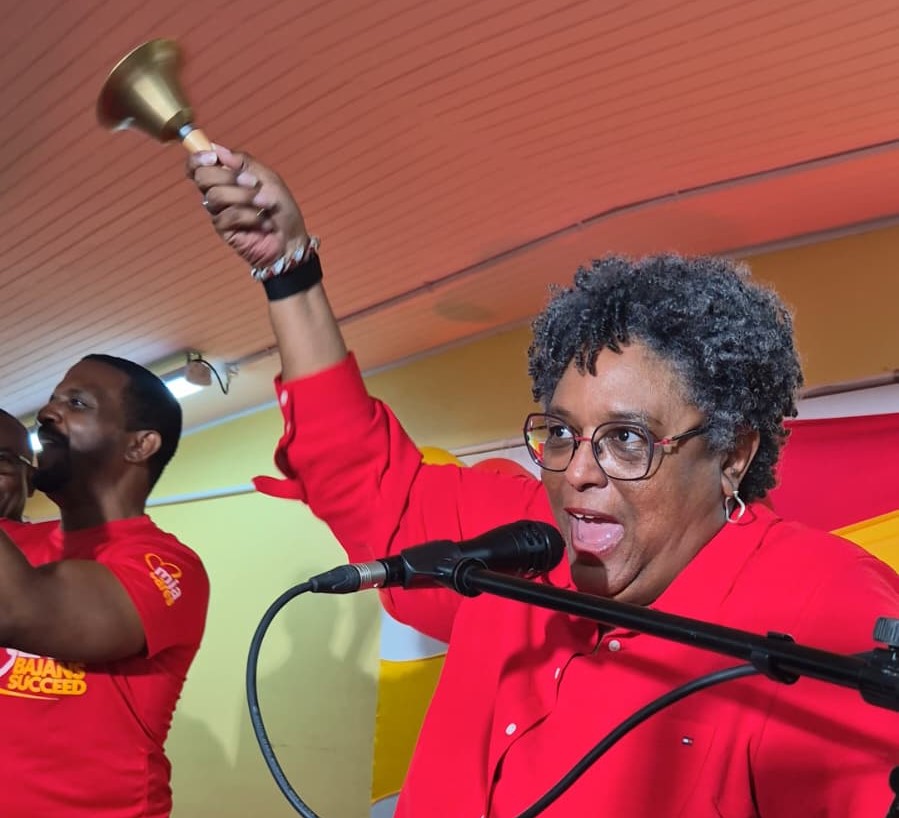
Prime Minister Mia Mottley has officially declared that Barbados will conduct a general election on February 19th, initiating the democratic process months ahead of the constitutional mandate. The announcement was delivered during a Barbados Labour Party nomination ceremony at Westbury Primary School, where senior attorney Michael Lashley KC received formal confirmation as the party’s candidate for Bridgetown. This nomination completes the ruling party’s full roster of candidates for all 30 constituencies in the parliamentary system. The dissolution of Parliament will immediately commence the election period, with Nomination Day scheduled for January 27th. This strategic move to advance the electoral timeline represents a significant political calculation by the incumbent administration, potentially aiming to capitalize on current economic and social conditions. The election will determine the leadership direction for the Caribbean nation amid ongoing regional challenges and global economic uncertainties. International observers are monitoring the electoral process as Barbados continues to strengthen its democratic institutions following its transition to a parliamentary republic.
作者: admin
-

Politic : 2026 Priorities, Strategic Retreat of the Ministry for the Status of Women
In a significant move to advance gender equality, Haiti’s Ministry for the Status of Women and Women’s Rights (MCFDF) convened a three-day strategic retreat commencing January 17 at Pétion-ville’s Montana Hotel. The high-level gathering brought together senior ministry officials to formulate their 2026 Annual Work Plan (AWP) with particular focus on women’s political participation during Haiti’s upcoming electoral cycle.
The retreat centered on four pivotal objectives: validating the 2026 AWP, ensuring strategic alignment with the National Action Plan derived from recent National Consultations, strengthening institutional capacities of MCFDF entities, and developing an administrative roadmap for implementing new organic decrees.
Minister Pedrica Saint Jean emphasized the critical timing of this initiative, stating that strengthening MCFDF is ‘essential to guaranteeing effective, inclusive, and sustainable public policies.’ The ministry specifically outlined strategies to enhance women’s political representation, combat gender-based violence during elections, and advocate for equitable representation in decision-making bodies.
The initiative received endorsement from UN Women, with Resident Representative Marie Goretti Nduwayo acknowledging the ministry’s efforts while expressing concern about persistent violence against women and social inaction. Nduwayo reaffirmed UN Women’s commitment to maintaining collaborative support for Haitian women’s empowerment.
Minister Saint Jean characterized the retreat as a ‘consolidation mission’ aimed at establishing shared understanding of organizational frameworks and developing realistic implementation strategies rather than merely a routine meeting.
-

Law and Policy
Legal scholar and former St. Vincent and the Grenadines Speaker Jomo Sanga Thomas has issued a compelling call for Caribbean nations to confront their colonial legacy through transformative legal and educational reforms. Drawing inspiration from Charles Houston’s vision of lawyers as social engineers rather than parasites, Thomas argues that the region must actively dismantle persistent colonial structures that continue to shape society 46 years after nominal independence.
The analysis identifies multiple areas where colonial influence remains entrenched, beginning with historical amnesia regarding the 1795 genocide and exile of indigenous populations following Chief Joseph Chatoyer’s assassination. Thomas emphasizes that thousands perished at Balliceaux while survivors established Garifuna communities across Central America and the United States—a history largely absent from mainstream education.
Proposed reforms include mandating comprehensive historical education focusing on Caribbean heroes like Chatoyer, Duvalier, Sheriff Lewis, and Ebenezer Theodore Joshua rather than European figures. The author advocates using legal mechanisms to rename geographic locations currently bearing colonial titles, suggesting redesignating Kingstown’s main thoroughfare as ‘Chatoyer Drive’ as symbolic reclamation.
Thomas particularly condemns the retention of the British Privy Council as the final appellate court for many Caribbean nations, describing it as ‘an affront to sovereignty.’ Despite the Caribbean Court of Justice (CCJ)—established with US$100 million investment by regional governments—only Barbados, Belize, Dominica, Guyana, and St. Lucia currently accept its appellate jurisdiction. The article notes that Vincentian jurist Adrian Saunders recently retired as CCJ president after producing jurisprudence of ‘exceptionally high standards’ that has never been questioned for independence.
The commentary concludes that true emancipation requires legislative action to address historical injustices through expanded reparations committees, community-based initiatives, and ultimately full judicial sovereignty through CCJ adoption—positioning these measures as essential for completing the decolonization process.
-

LIVE Pay-per-view: Dominica Calypso Quarterfinals 2026
A recent interface modification on the social media platform X, formerly known as Twitter, has ignited significant user frustration and public criticism. The alteration involves the platform’s sharing functionality, where the previously standard ‘Share to Twitter’ prompt has been systematically replaced with a new ‘Share to X’ label across numerous third-party websites and applications.
This rebranding effort, part of Elon Musk’s comprehensive overhaul of the Twitter identity following its acquisition, has resulted in considerable user interface confusion. Many users report encountering the unfamiliar ‘Share to X’ button on external sites, creating a moment of hesitation and disrupting established digital habits. The change appears to be inconsistently implemented across the web, with some platforms displaying the updated terminology while others retain the original Twitter branding, further compounding the disorientation.
The backlash has been prominently displayed on the platform itself, with the term ‘Share to X’ trending as users voice their complaints. Common criticisms include the non-intuitive nature of the new name for those unfamiliar with the rebrand, the breaking of muscle memory for longtime Twitter users, and concerns about the erosion of one of social media’s most recognized brand identifiers. Technology analysts suggest that while corporate rebranding is common, successful transitions typically maintain elements of familiarity to avoid alienating existing user bases, a principle seemingly overlooked in this rapid transformation.
-
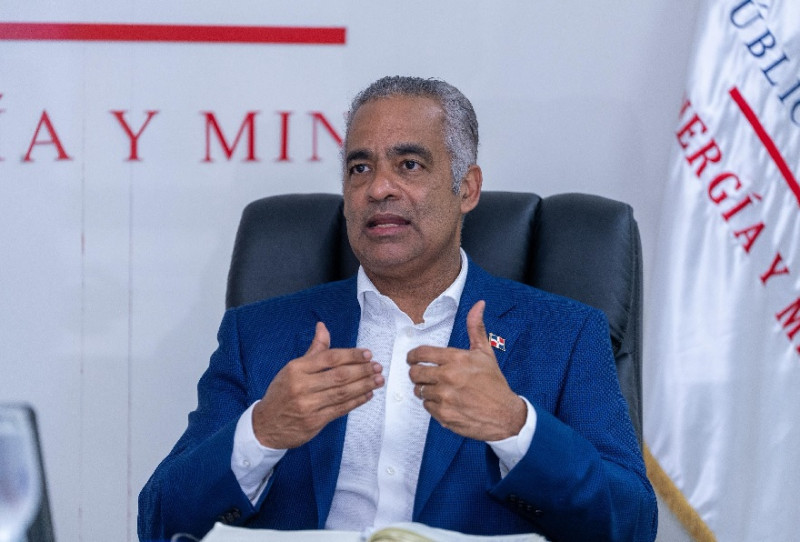
Dominican Republic achieves highest historical value in mining exports to exceed US$2.59 billion in 2025
The Dominican Republic’s mining industry achieved unprecedented export performance in 2025, reaching a historic high of $2.59 billion according to official data from the Central Bank. This remarkable figure represents a substantial 52% increase compared to 2024’s $1.71 billion and a 20% growth over 2021’s previous record of $2.16 billion.
Energy and Mines Minister Joel Santos revealed that the final quarter of 2025 was particularly impressive, generating $825.9 million in mining exports—a 67% surge from the same period in 2024. The quarterly performance also showed strong sequential growth, improving by nearly 14% over the July-September period.
Gold emerged as the dominant commodity driving this export boom, with significant contributions from silver and copper. The mining sector now accounts for over 40% of the nation’s total exports, underscoring its critical role in the Dominican economy.
The sector simultaneously demonstrated robust foreign investment appeal, attracting $556.3 million in Foreign Direct Investment (FDI) during the first three quarters of 2025. This investment inflow constituted approximately 14% of the country’s total FDI, with the broader energy and mining sectors collectively capturing about 40% of all foreign capital entering the Dominican Republic.
Minister Santos attributed these achievements to strategic government initiatives focused on investment strengthening and institutional development. Beyond traditional mining, the sector witnessed diversification through the growth of artisanal mining, particularly larimar—which gained international recognition with its “Larimar Barahona” Denomination of Origin from the World Intellectual Property Organization.
Significant progress was also made in rare earth exploitation in Pedernales province and substantial social development initiatives, including a RD$20 billion community investment program in Cotuí. The government advanced modernization efforts for Mining Law 146-71, with plans to present updated legislation to the National Congress in early 2026.
-

Bangladesh: Journalisten eisen bescherming na toenemende aanvallen op media
In a troubling escalation of press freedom violations, Bangladesh’s media professionals have united to demand immediate government protection following coordinated attacks on the country’s leading newspapers. The alarming developments have raised serious concerns about democratic backsliding under Nobel laureate Muhammad Yunus’s interim administration.
December witnessed violent mobs storming the offices of Dhaka-based Daily Star, the nation’s premier English-language daily, and Prothom Alo, the largest Bengali-language publication. Assailants set buildings ablaze, trapped journalists inside, and looted property while state authorities allegedly failed to respond to repeated distress calls. Staff members at Daily Star required rooftop rescues after being besieged by attackers, while a leader of the independent Editors Council suffered physical assault.
The same day saw parallel attacks on liberal cultural centers in the capital, with Islamic groups previously accusing targeted media outlets of pro-India bias. Although motives remain officially unconfirmed, the pattern suggests systematic targeting of independent institutions.
During an emergency conference convened by the Editors Council and Newspapers Owners Association of Bangladesh, media representatives highlighted the particularly precarious environment ahead of February elections. Nurul Kabir, Council chairman, warned that silencing media and democratic institutions reflects a dangerous trend requiring unified journalistic resistance.
The United Nations has expressed profound concern, with expert Irene Khan labeling the mobilization of public fury against journalists and artists as ‘dangerously destabilizing’ in the pre-electoral period. Khan cautioned that such intimidation could paralyze media freedom, minority voices, and dissenting opinions, ultimately undermining democratic foundations.
Yunus’s interim government assumed power in August 2024 after former Prime Minister Sheikh Hasina fled during mass uprisings. Despite initial stability promises, international human rights organizations now criticize the administration for eroding civil liberties and enabling radical groups’ resurgence.
Notably, several journalists face murder-related charges for allegedly encouraging Hasina’s government to suppress protesters, while pro-Hasina reporters have been imprisoned under the current regime. These developments collectively paint a disturbing picture of deteriorating press freedom and democratic norms in Bangladesh, underscoring the urgent need for international attention and protective measures for independent media.
-
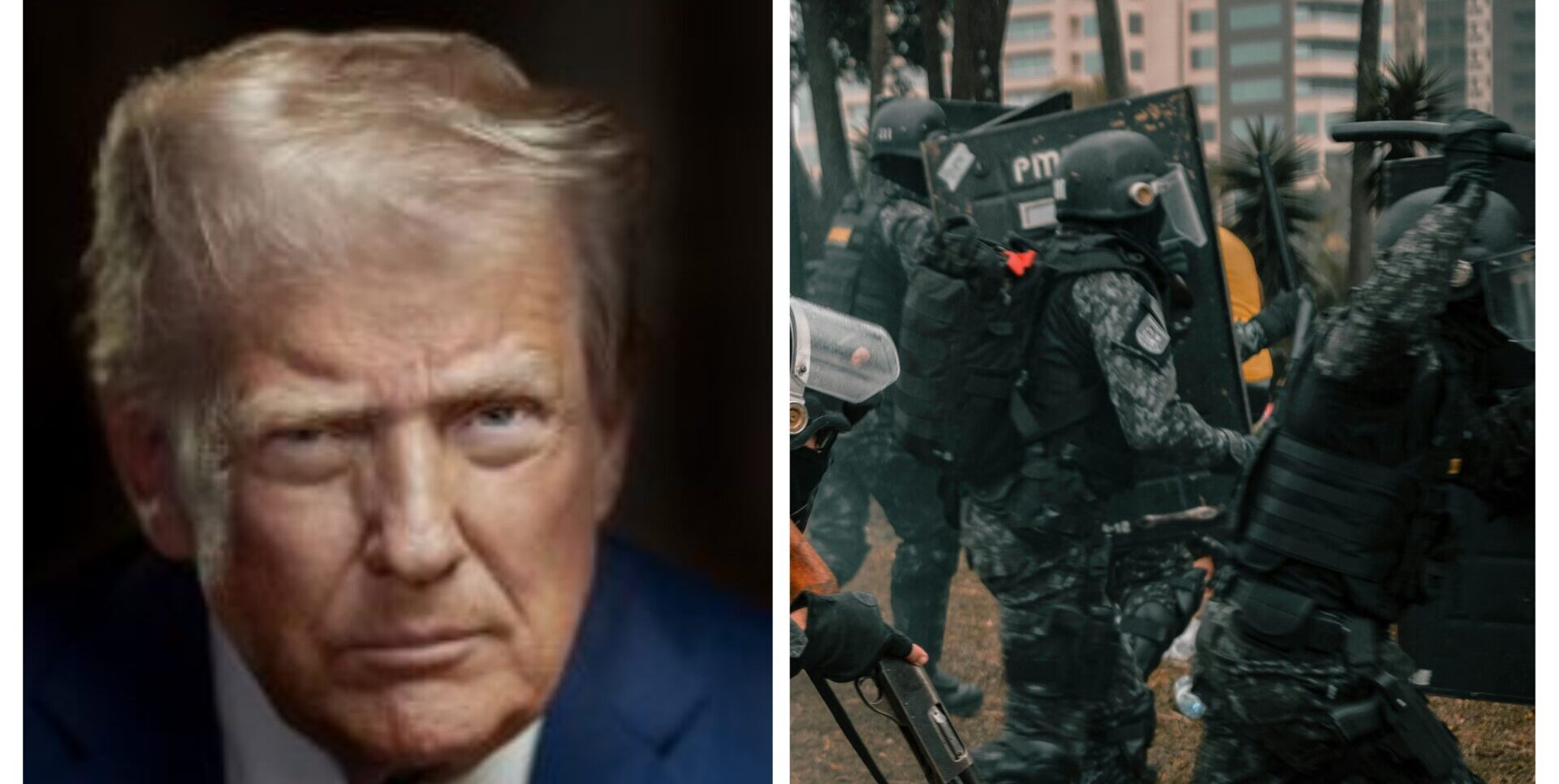
Military intervention looms after fatal ICE shooting as U.S. President Trump threatens Insurrection Act
A fatal shooting by an Immigration and Customs Enforcement (ICE) officer in Minneapolis has ignited national controversy and raised alarms about escalating enforcement tactics. Renee Good, a 37-year-old mother of three, was killed on January 14th when agent Jonathan Ross opened fire as she attempted to drive away from an immigration policy demonstration.
This incident reflects a broader pattern identified in a Wall Street Journal investigation, documenting 13 instances since July 2025 where immigration agents fired at civilian vehicles, resulting in eight injuries and two confirmed fatalities. The Trace, a nonprofit tracking gun violence, reports at least 16 firearm discharges by immigration agents since President Trump’s return to office, predominantly involving moving vehicles.
The White House has defended Ross’s actions, claiming he perceived imminent threat from Good’s vehicle. President Trump asserted she had “ran him over,” though multiple video recordings from the scene appear to contradict this narrative. TIME reports that federal authorities have repeatedly invoked similar justifications in other cases, only to be disproven by video evidence.
Experts point to systemic issues within the Department of Homeland Security, including relaxed hiring standards and inadequate training for thousands of new personnel. In most documented cases, officials justified deadly force by claiming vehicles were weaponized against officers—claims often unsupported by available evidence.
DHS has controversially characterized Good’s actions as “domestic terrorism,” alleging she attempted to use her vehicle to kill law enforcement officers. This designation has drawn sharp criticism from lawmakers and civil liberties advocates.
The administration’s response has included increased ICE presence in Minneapolis, triggering massive protests and another shooting incident involving a Venezuelan immigrant. Critics warn these developments may represent a strategic provocation to justify invoking the Insurrection Act—an 1807 law permitting domestic military deployment against insurrection.
Senator Bernie Sanders condemned the administration’s response, calling Trump “increasingly unhinged” and accusing him of lying about the circumstances. Sanders warned that militarized responses to protest could establish dangerous precedents for suppressing dissent nationwide.
-

Guyana using Artificial Intelligence to read X-rays
In a groundbreaking advancement for Caribbean healthcare technology, Guyana’s Ministry of Health has officially launched an Artificial Intelligence system capable of interpreting medical images with unprecedented accuracy. Health Minister Dr. Frank Anthony, a medical doctor himself, announced the pilot program during the inauguration of the Electronic Health Records System (EHRS) at Festival City polyclinic in South Ruimveldt, Georgetown.
The revolutionary AI imaging system, currently operational at Enmore Regional Hospital on East Coast Demerara, processes digital X-rays in approximately 17 seconds with a remarkable 99% accuracy rate. Minister Anthony revealed that the technology demonstrates near-perfect precision in reading various medical images, positioning Guyana at the forefront of medical innovation in the region.
Beyond X-ray interpretation, the AI platform possesses capability to analyze Magnetic Resonance Images (MRI) and Computed Tomography (CT) scans, with full implementation awaiting increased availability of these imaging modalities within the public health system.
The AI initiative complements the newly launched EHRS, which represents a comprehensive digital transformation of Guyana’s healthcare infrastructure. This integrated system enables online appointment booking, digital recording of diagnostic tests, electronic prescription management, and centralized access to patient medical histories across all public health facilities. The government further plans to incorporate records from private healthcare institutions into this unified network.
Minister Anthony emphasized the strategic importance of this technological direction: “This is absolutely necessary if we are going to deliver world-class health care to people.” The dual implementation of AI diagnostics and electronic health records signals Guyana’s commitment to leveraging cutting-edge technology to enhance medical accessibility and quality throughout the nation.
-

Alert for tourists and fishermen COE issues maritime restriction in the Dominican Republic due to dangerous swells on the Caribbean and Atlantic coasts
The Dominican Republic’s Emergency Operations Center (COE) has escalated maritime warnings following an urgent meteorological bulletin from the Dominican Institute of Meteorology (INDOMET). According to Saturday’s advisory, navigational conditions throughout the Caribbean Sea and along the nation’s northern coastline have significantly deteriorated, with the hazardous marine environment expected to persist for the next 24 to 48 hours.
INDOMET has implemented specific restrictions for the coastal segment stretching from Punta Águilas to Cayo Pisaje in the Pedernales region. Maritime authorities have mandated that operators of fragile, small, and medium-sized vessels remain in port due to dangerously gusty winds and life-threatening wave conditions that present severe navigation risks.
For the remainder of the Caribbean coastline and Atlantic coastal areas, officials have issued strong recommendations for extreme caution during maritime operations. Vessels are advised to maintain proximity to shorelines as meteorologists anticipate sustained moderate to strong winds accompanied by periodically abnormal wave patterns throughout the affected regions.
The COE has reinforced its urgent appeal to fishing communities, maritime operators, and coastal residents to maintain heightened vigilance and refrain from unnecessary risk exposure during this period of pronounced maritime instability. The coordinated emergency response system remains activated to monitor developments and respond to potential incidents arising from the deteriorating sea conditions.
-
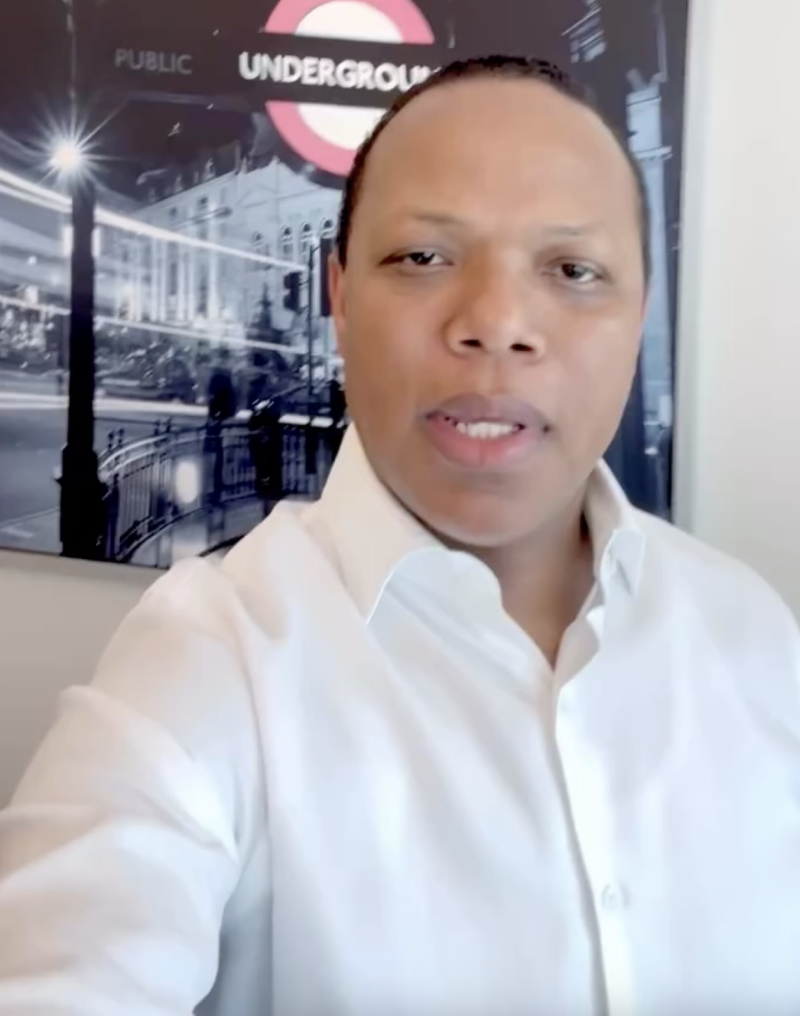
Director of Intrant claims motorcyclists are the main violators of the Traffic Law
SANTO DOMINGO – Milton Morrison, Director of the National Institute of Transit and Land Transportation (Intrant), has publicly attributed the pervasive traffic chaos in the Dominican Republic to a widespread disregard for traffic laws, particularly by motorists, motorcyclists (motoconchistas), and delivery drivers. In a stark assessment, Morrison described these groups as operating like “lawless goats,” creating significant disorder on the roads.
The official’s comments were made in response to a recent report by Listín Diario. He firmly rejected any notion that drivers in the country are broadly compliant with regulations, stating that such a claim is “totally false.” Morrison argued that if compliance were universal, the nation’s traffic situation would be “a marvel.”
Emphasizing his long-standing advocacy for stricter law enforcement, Morrison clarified Intrant’s role within a broader ecosystem of institutions. He pointed out that while he is a proponent of rigorous law application, Intrant itself is not a “superpowerful institution” as sometimes perceived. Effective traffic management, he stressed, requires a coordinated, transversal effort involving multiple agencies, including the Attorney General’s Office and the General Directorate of Transit and Land Transportation (Digesett).
To address these systemic issues, Morrison is advocating for a substantial increase in financial penalties for traffic violations. He had previously presented this proposal to the National Congress, where he also outlined the grim realities of road accidents and fatalities.
Furthermore, Morrison proposed a zero-tolerance policy for drunk driving. He believes that individuals caught driving under the influence of alcohol should be immediately incarcerated rather than given leniency. His stance is that jail time would serve as a powerful deterrent and a harsh lesson, effectively teaching offenders that driving intoxicated is unacceptable.