作者: admin

  • Centrale banken heroverwegen renteverlagingen vrees voor nieuwe inflatie

    Centrale banken heroverwegen renteverlagingen vrees voor nieuwe inflatie

    Central banks worldwide are reassessing their monetary easing strategies as mounting geopolitical tensions and surging energy prices threaten to reignite inflationary pressures. The recent spike in oil costs, driven primarily by Middle Eastern instability, has created new challenges for policymakers who had anticipated gradual interest rate reductions this year.

    Energy price increases typically trigger immediate effects on transportation expenses, manufacturing outputs, and ultimately consumer pricing structures. This development potentially undermines the recent moderate disinflation progress achieved across numerous economies. Financial analysts indicate that monetary authorities are now compelled to reevaluate their approach, potentially maintaining elevated interest rates for extended periods to contain price growth.

    Investors are closely monitoring upcoming policy meetings at major central banks, including the Federal Reserve and European Central Bank, whose decisions may significantly influence global economic trajectories in coming months. Extended higher borrowing costs could dampen corporate investments and consumer spending while authorities attempt to prevent inflation from becoming entrenched within economic systems.

    Economists emphasize the situation remains highly contingent on geopolitical developments and energy market dynamics. Persistent turbulence in energy markets could amplify worldwide inflationary pressures, prompting more cautious monetary approaches. Current indications suggest central banks may delay rapid rate cuts until greater certainty emerges regarding inflation patterns, prioritizing price stability over economic stimulation.
  • Antigua and Barbuda Retains Title at 54th Leeward Islands Debating Competition

    Antigua and Barbuda Retains Title at 54th Leeward Islands Debating Competition

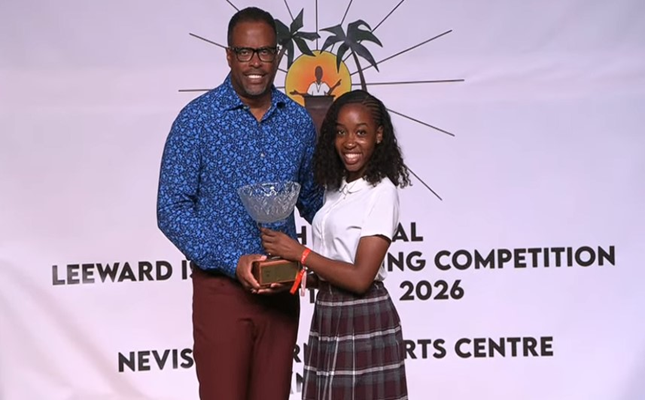
    In a display of formidable oratory skill, Antigua and Barbuda have clinched their second consecutive championship at the 54th Annual Leeward Islands Debating Competition. The grand finale, hosted Sunday evening in Nevis, culminated in a decisive victory for the defending champions over their hosts.

    The Antiguan team, composed of debaters Leanna Browne and Janica Adams, amassed an impressive 694 points, significantly outpacing the Nevisian team’s total of 639 points. The competition reached its climax with a rigorous debate on a pivotal regional issue: ‘Caribbean governments should provide free tertiary education to citizens up to the undergraduate degree level.’ This moot challenged both teams to dissect complex socio-economic policies and their implications for Caribbean development.

    Adding individual glory to the team’s success, Janica Adams was distinguished as the tournament’s Best Speaker, a testament to her persuasive arguments and commanding delivery. The event, a cornerstone of youth intellectual engagement in the sub-region, annually convenes top student debaters from across the Leeward Islands. It serves as a critical platform for discourse on pressing public policy and social matters, fostering a new generation of articulate and informed Caribbean leaders.

    This back-to-back triumph not only solidifies Antigua and Barbuda’s debating prowess but also continues a legacy of excellence in this longstanding academic tradition, highlighting the importance of structured dialogue in addressing the region’s future challenges.

  • There are many lessons to be learned in this country during these difficult times

    There are many lessons to be learned in this country during these difficult times

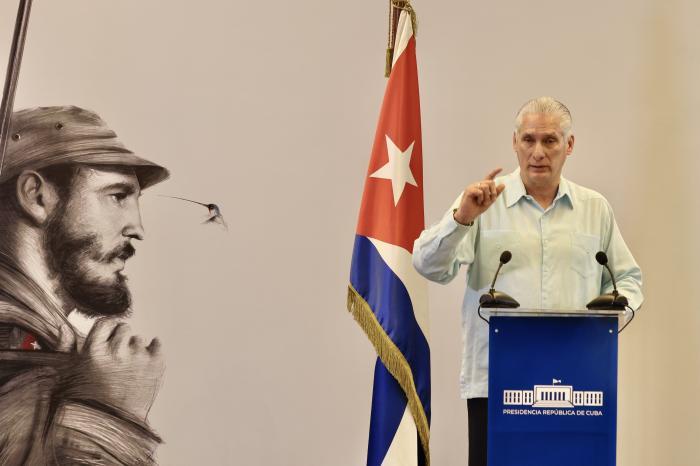
    In a major address to the national press from the Palace of the Revolution, Cuban President Miguel Díaz-Canel provided a comprehensive assessment of the nation’s ongoing fuel crisis, confirmed preliminary diplomatic contacts with the United States, and detailed the government’s multifaceted response to severe economic challenges.

    The President confirmed that Cuba has not received fuel shipments for over three months due to what he termed an “energy blockade,” creating devastating effects across all sectors of society. The national power grid operates under extreme instability, with prolonged blackouts lasting over 30 hours in some municipalities affecting water supply, healthcare, education, transportation, and communications.

    Despite these challenges, Díaz-Canel highlighted several adaptive measures: solar farms now provide 49-51% of daytime energy, over 1,000 photovoltaic systems have been installed in remote communities, and 10,034 solar modules have been provided to essential workers. The energy transition includes converting bakeries to alternative fuels, expanding electric transportation, and developing battery storage systems for grid stability.

    Regarding international relations, the President confirmed that Cuban officials have held preliminary talks with U.S. representatives through international facilitators. He emphasized that any dialogue must proceed on principles of equality, respect for sovereignty, and reciprocity. The process remains in early stages with no concrete agreements yet reached.

    The address also covered labor adjustments necessitated by the crisis, with the government encouraging job relocations to community projects rather than layoffs. Educational institutions have shifted to blended learning models utilizing community settings, while maintaining academic continuity despite power limitations.

    President Díaz-Canel strongly defended Cuba’s handling of international donations, particularly from Mexico, emphasizing transparent distribution systems and audit mechanisms. He also provided updates on security matters, including an ongoing investigation into a recent armed infiltration attempt and cooperation with U.S. authorities through FBI involvement.

    The government announced the sovereign decision to release 51 prisoners based on good behavior, characterizing it as a humanitarian gesture consistent with Cuban legal practices.

    Throughout the address, Díaz-Canel emphasized national resilience, praising electricity workers maintaining systems despite personal hardships and highlighting continued functioning of essential services despite unprecedented challenges.

  • An eternal symbol of the revolutionary resolve that guides Cuba

    An eternal symbol of the revolutionary resolve that guides Cuba

    Cuban President Miguel Díaz-Canel Bermúdez has declared the nation’s perpetual indebtedness to its “legacy of dignity” during commemorations marking the 148th anniversary of the Baraguá Protest. The historic event, regarded as one of Cuba’s most principled acts, continues to shape the country’s political ethos and resistance against external pressures.

    In a series of official statements and social media posts, Cuba’s highest leadership collectively emphasized the enduring significance of General Antonio Maceo Grajales’ 1878 defiance against peace agreements that would compromise Cuban independence. President Díaz-Canel characterized the Baraguá Protest as embodying the “spirit of resistance” that remains the nation’s “non-negotiable compass” in contemporary geopolitics.

    The President invoked Maceo’s legendary declaration—”We do not understand each other”—describing it as a perpetual mandate to “break the circle” in defense of national sovereignty. This historical reference was echoed throughout the government, with National Assembly President Esteban Lazo Hernández labeling the event an “emblem of Cuban steadfastness” and Prime Minister Manuel Marrero Cruz asserting that Maceo’s stance “raised the nation’s flags to their highest point.”

    Roberto Morales Ojeda, Secretary of Organization of the Central Committee, drew direct parallels between historical and contemporary challenges, stating that any modern attempts to undermine Cuban sovereignty would “clash with the same wall of principles as at Baraguá.” The leadership collectively contrasted Maceo’s revolutionary integrity with what they termed “zanjoneros”—a reference to those who advocated compromise in the past and present.

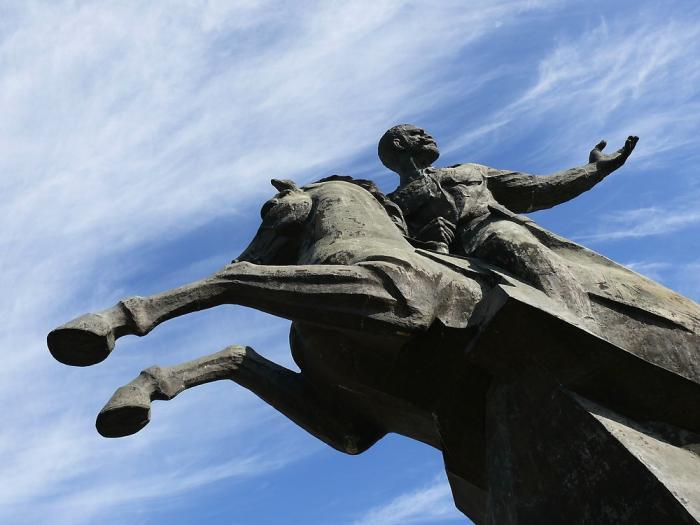
    The commemorations, centered around Santiago de Cuba’s Revolution Square where a monument to Maceo stands, reinforced the government’s position that the Baraguá Protest remains a living force mobilizing national consciousness. The leadership explicitly connected this historical legacy to Fidel Castro’s political philosophy, framing Cuba’s future as “an eternal Baraguá” in its unwavering defense of independence and revolutionary principles.

  • LVV traint beginners in pluimveehouderij om productie in Suriname te verhogen

    LVV traint beginners in pluimveehouderij om productie in Suriname te verhogen

    The Ministry of Agriculture, Livestock, and Fisheries (LVV) in Suriname has successfully concluded its inaugural training program for novice poultry farmers, marking a significant step toward enhancing domestic poultry production and decreasing the nation’s dependence on imported goods. This comprehensive initiative received overwhelmingly positive feedback from participants who gained both theoretical knowledge and practical experience in various aspects of poultry farming.

    The training curriculum covered essential components including housing construction, nutritional requirements, animal care practices, poultry anatomy, common disease management, and fundamental administrative skills. Beyond classroom instruction, the program incorporated hands-on activities and field visits, enabling participants to immediately apply their newly acquired knowledge in real-world settings.

    Acting Director of Livestock Gerald Tjon A San emphasized the critical role of knowledge transfer in sectoral development, stating that the primary objective is to expand Suriname’s poultry industry to reduce reliance on imported products. Participants confirmed the practical value of the training, with attendee Orlando Cairo specifically noting enhanced understanding of coop construction and disease prevention through proper hygiene practices. Cairo expressed intentions to pursue poultry farming collaboratively with fellow graduates.

    Another participant, Ingrid Jandini, highlighted how the program established a solid foundation for aspiring sector entrants, noting that LVV provided valuable tools for entrepreneurial development and contribution to local food production. The ministry plans to expand these training initiatives across all districts and regions, with Minister Mike Noersalim particularly encouraging youth and interested individuals to leverage these educational opportunities.

    Minister Noersalim emphasized the significant opportunities poultry farming presents for agricultural entrepreneurs, stating that increased participation in production will contribute to a strengthened agricultural sector and more sustainable food security for Suriname.

  • Antiguan Charity Henry Wins Miss International Elegant Mothers Pageant

    Antiguan Charity Henry Wins Miss International Elegant Mothers Pageant

    In a remarkable triumph on the international stage, Antiguan makeup artist and businesswoman Charity Henry has been crowned the winner of the BTA 8th Annual Miss International Elegant Mothers Pageant 2026. The prestigious regional competition, hosted in St. Maarten/St. Martin, witnessed Henry’s victory as she represented Antigua and Barbuda against formidable contestants from multiple nations.

    The mother of two daughters secured her championship title on Sunday, bringing distinguished recognition to her Caribbean nation through her exceptional performance. Henry’s achievement extends beyond the pageant realm, reflecting her longstanding dedication to excellence both personally and professionally.

    Her journey to international acclaim began in Antigua, where she first demonstrated leadership qualities as Head Girl at All Saints Secondary School. Henry’s entrepreneurial spirit emerged early when she entered the beauty industry at the remarkably young age of 13. Through years of dedication, she has cultivated an impressive reputation as both a skilled makeup artist and successful business owner.

    Henry’s pageantry credentials include previous victories as Miss Teenage 2017, representing her secondary school, and Miss Labour Queen 2022, where she represented Prime Minister Gaston Browne and the St. John’s City West constituency. These accomplishments demonstrate her consistent commitment to representing her community with grace and distinction on multiple platforms.

  • Strong performance earns Nevis runner-up spot to Antigua at LIDC 54

    Strong performance earns Nevis runner-up spot to Antigua at LIDC 54

    The Caribbean island of Nevis has secured first runner-up honors in the fiercely competitive 54th Leeward Islands Debating Championship (LIDC 54), concluding March 15, 2026. Despite a valiant effort in the final round, Nevis was ultimately bested by defending champions Antigua, who retained their title with a decisive victory.

    Hosting this year’s intellectual tournament, Nevis welcomed debating contingents from five neighboring islands: Anguilla, Antigua, Montserrat, St. Kitts, and Sint Maarten. The Nevis Performing Arts Centre (NEPAC) served as the prestigious venue for these cerebral clashes that showcased the region’s brightest young minds.

    Team Nevis demonstrated exceptional prowess throughout the competition, particularly during Saturday’s Debate Four against Anguilla. The Nevisian team achieved an impressive 600.13 points, with debater Kijari Huggins earning individual acclaim as Best Speaker after accumulating 164.5 points.

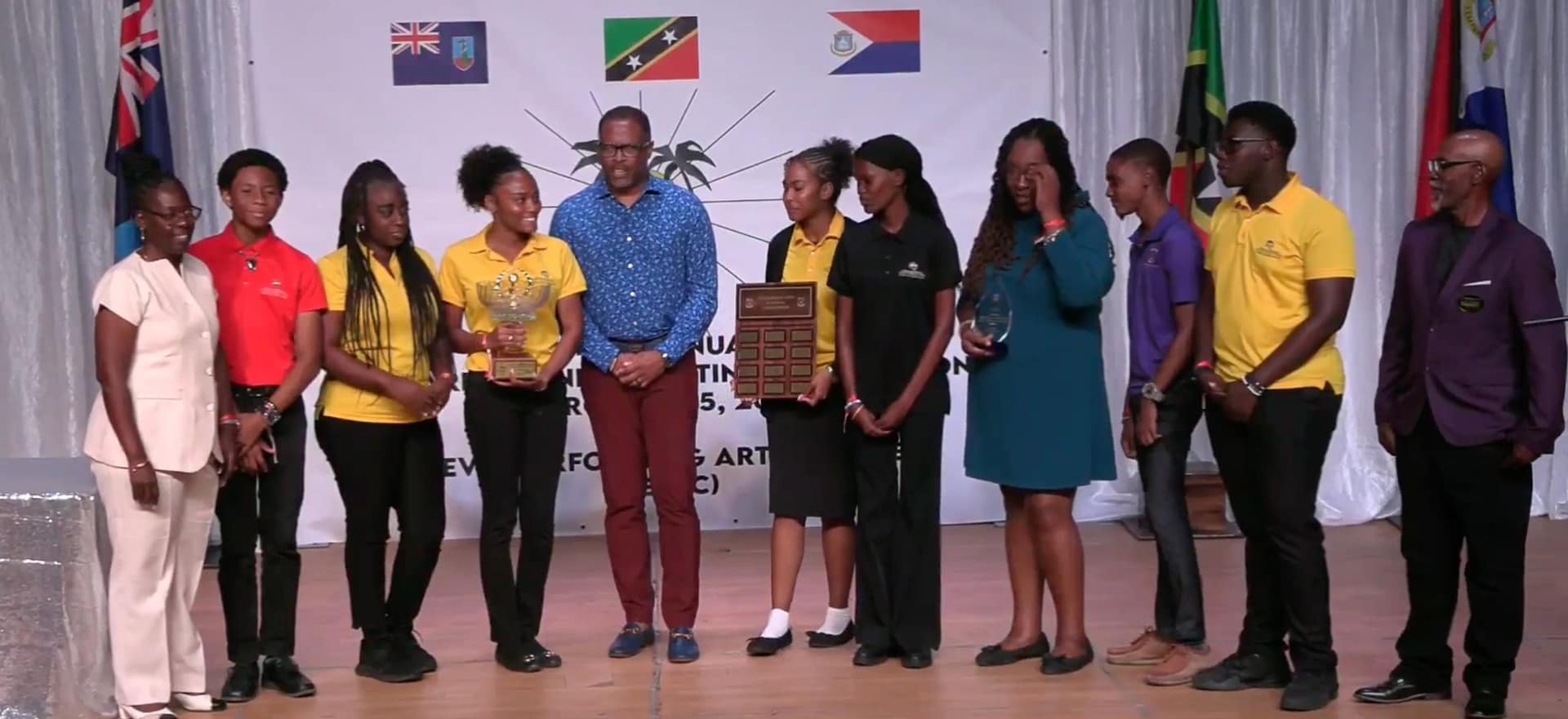
    The championship final on Sunday witnessed an intense intellectual duel between Nevis and Antigua. While Nevis delivered a strong performance scoring 639 points, Antigua’s commanding 694-point tally secured their continued dominance in the regional debating arena.

    Honorable Mark Brantley, Premier of Nevis, personally presented trophies to both the winning and runner-up teams. In his congratulatory remarks, Brantley praised the exceptional quality of the final debate, describing it as “a spirited and intellectually engaging contest that showcased the remarkable talent and potential of our region’s young debaters.”

    The Premier extended particular commendation to both finalist teams for their “discipline, preparation, and confidence displayed on the stage,” acknowledging all participants for making the championship a memorable event.

    Representing Nevis in this year’s competition were six students from Nevis Sixth Form College: Kiara Barry, Rajaun Fyfield, Keyana Warner, Shirmia Thompson, Kijari Huggins, and Tahleya Phillip, whose collective efforts brought honor to their island nation.

  • “The Cuban press is not standing still; it is fighting and innovating”

    “The Cuban press is not standing still; it is fighting and innovating”

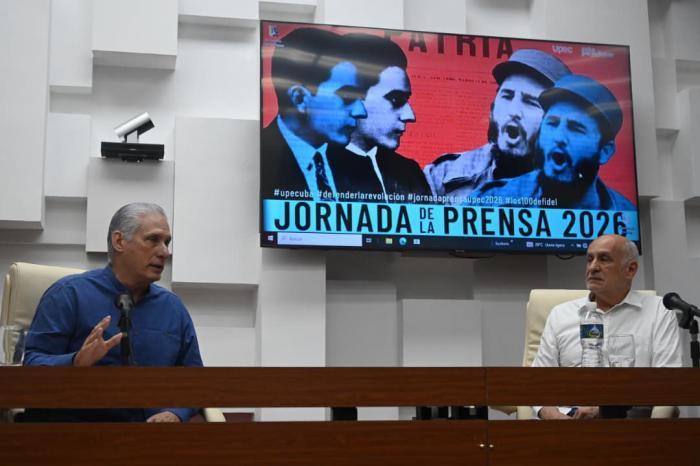
    In a landmark address commemorating Cuban Press Day, President Miguel Díaz-Canel Bermúdez outlined an ambitious vision for the nation’s media landscape, emphasizing digital transformation and revolutionary continuity. The gathering brought together over 80 media professionals, including veteran journalists and emerging digital specialists, to discuss the evolving role of press in contemporary Cuba.

    Addressing representatives from print, digital, television, and radio outlets, the President highlighted the dual challenge and opportunity presented by new technologies. “We now possess digital platforms, social media channels, and artificial intelligence tools that transcend traditional limitations of space and time,” Díaz-Canel stated, positioning these developments as crucial assets in modern information warfare.

    The dialogue revealed significant structural shifts within Cuban media organizations. Granma newspaper, the official Communist Party publication, has fundamentally reorganized its operations to function as “a digital newspaper with weekly print editions,” according to editor-in-chief Yoerky Sánchez Cuellar. This transformation required overcoming print-centric mentalities and implementing 24/7 digital news cycles.

    President Díaz-Canel emphasized the strategic importance of digitizing Cuba’s extensive historical archives, containing priceless photographic records and original writings by revolutionary leaders including Fidel Castro. These materials, he noted, represent both cultural treasures and ideological resources for current geopolitical struggles.

    The discussion addressed practical adaptations to Cuba’s economic challenges, including fuel shortages that have necessitated community-based reporting and increased reliance on social media platforms. Media organizations like Ideas Multimedios and Cubadebate have developed self-funded models that maintain financial stability while expanding renewable energy infrastructure and employee compensation.

    Díaz-Canel framed the media’s role within the context of “sixth-generation warfare,” describing Cuban journalists as frontline defenders in ideological and cultural conflicts. “The press serves as both communication tool and sovereign agent,” he asserted, emphasizing its educational function in developing public media literacy and resistance to manipulation.

    The President concluded by celebrating the press’s active role in promoting popular participation, documenting positive national experiences, and maintaining constructive criticism—all while preserving the revolutionary merit that has historically characterized Cuban journalism.

  • ‘A journey of boundless faith’

    ‘A journey of boundless faith’

    Trinidad and Tobago’s Spiritual Shouter Baptist community is commemorating a landmark anniversary—75 years of religious freedom—marking a transformative journey from persecution to prominence. The celebrations, themed “A journey of boundless faith,” honor not only historical remembrance but also the faith’s evolution into a significant spiritual and cultural institution.

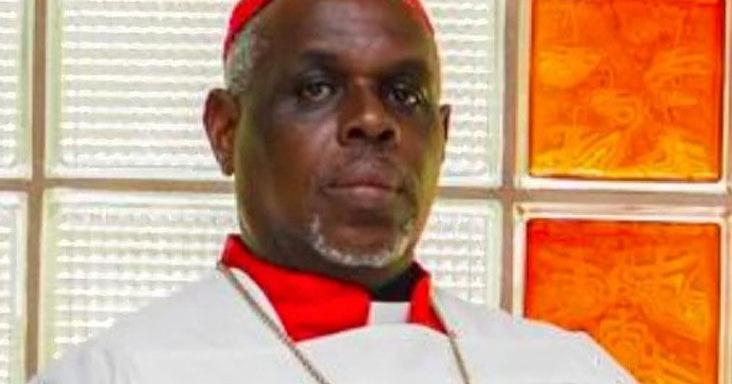
    Patriarch Wayne Jones, Ecclesiastical Head of the National Congress of Incorporated Baptist Organisations, emphasized the faith’s substantial growth, noting increased public identification and youth engagement. The Congress, representing the community through 13 archdioceses locally and internationally, has witnessed remarkable expansion under Jones’s three-year leadership.

    Despite its current recognition, the faith’s history is marred by repression. Outlawed and driven underground for decades, Spiritual Baptists faced imprisonment and social stigma, leading to persistent misconceptions. Jones, a pastor for 40 years, explained that clandestine worship practices during the prohibition era fostered misunderstandings, with some mischaracterizing their rituals as witchcraft or dark magic. In reality, the faith emphasizes spiritual healing, prayer, and community support through the power of Jesus Christ.

    The community now actively contributes to societal development through initiatives like educational assistance, youth mentoring, and prison outreach programs. Thanksgiving services often include aid for the poor and needy, reflecting the faith’s commitment to social uplift.

    Significant infrastructure projects are underway on government-allocated land in Couva, funded partly by state support. An administrative building already serves as the Congress headquarters, with plans for a cathedral, canopy structure for gatherings, and a heritage park.

    The National Congress unites diverse archdioceses under a common purpose: holistic member empowerment and societal engagement. While worship styles may vary, beliefs remain unified through the Holy Spirit.

    The faith’s influence extends to national leadership, with figures like first Prime Minister Dr. Eric Williams and labour leader Uriah Butler among its practitioners. Today, Spiritual Baptists excel across professions—doctors, teachers, professors—demonstrating the community’s progressive trajectory and enduring contributions to Trinidad and Tobago’s development.

  • Police pursue leads in Guerra murder

    Police pursue leads in Guerra murder

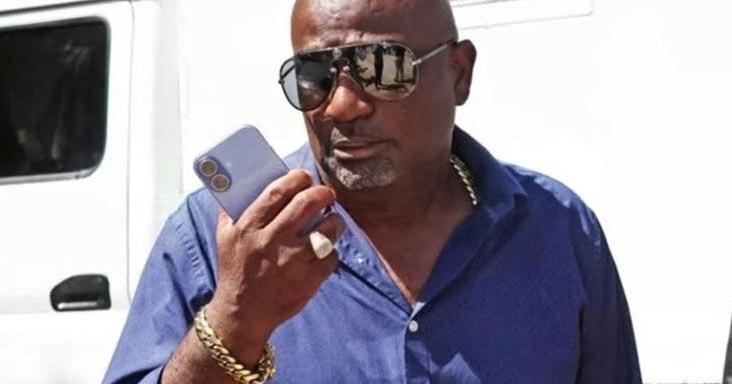
    Authorities are actively investigating multiple investigative angles in the fatal ambush of prominent businessman Danny Guerra, who was gunned down outside his Sangre Grande office last Friday. While police confirm pursuing several substantial leads, they emphasize that no official motive has been established as of yesterday.

    According to law enforcement sources, investigators are currently examining at least three distinct theories regarding why Guerra was specifically targeted. The murder occurred approximately at 5:15 p.m. when Guerra entered his black Toyota Hilux vehicle after concluding work at his DG Homes headquarters located at the intersection of Guy Trace and North Oropouche Road.

    Two masked assailants emerged from a white Nissan Tiida that pulled alongside Guerra’s vehicle, unleashing a barrage of gunfire before swiftly returning to their car and fleeing eastward along Oropouche Road. The attack left Guerra with multiple gunshot wounds, and despite being transported to Sangre Grande Hospital by a passing motorist, he was pronounced dead at 5:38 p.m.

    Law enforcement response was immediate, with WPC Joseph and PC Mohammed of the Sangre Grande Criminal Investigations Department arriving at the crime scene by 5:25 p.m. to initiate preliminary investigations. The Scene of Crime Unit conducted comprehensive processing of the area, photographing evidence and collecting items of potential evidentiary value.

    In a significant development, Eastern Division Task Force officers located an abandoned white Nissan Tiida along River Road off the Toco Main Road during subsequent searches within the Sangre Grande district. Both vehicles were transported to the Special Evidence Recovery Unit camp in Cumuto for detailed forensic examination.

    Minister of Homeland Security Roger Alexander addressed the media on Saturday, urging public restraint against circulating unverified theories about the killing. He emphasized that speculative narratives could potentially compromise ongoing investigative efforts and appealed for anyone with credible information to contact homicide detectives directly.

    The business community has expressed profound shock at Guerra’s death, with the Trinidad and Tobago Aggregate Producers Association issuing an official statement recognizing his significant contributions to the country’s quarrying and construction materials sector. Association president Nigel Tenia extended condolences to Guerra’s family, friends, and colleagues, noting his essential role in supplying materials for national infrastructure projects.

    The investigation gains additional complexity considering Guerra’s recent legal history, including his arrest among 17 individuals during a major police operation in Manuel Congo, Guanapo, on October 9th of last year. During that operation, authorities shut down what they described as an illegal quarry operation, seizing processing plants, trucks, and heavy machinery. Guerra had been granted bail of $50,000 on October 11th following those charges.

    Cpl Ali of the Homicide Bureau of Investigations, Region 2, continues to lead the ongoing investigation into Guerra’s murder.