作者: admin

  • Deputy Police Chief stresses  ‘zero tolerance’ for disorder during upcoming Carnival

    Deputy Police Chief stresses ‘zero tolerance’ for disorder during upcoming Carnival

    Dominica’s law enforcement authorities have issued stringent warnings ahead of the upcoming Carnival celebrations, emphasizing a uncompromising stance against public safety violations. Deputy Police Chief Jeoffrey James, speaking during the ‘Disaster and You’ program on state-owned Radio DBS, outlined specific security measures that will be rigorously enforced throughout the festival period.

    The senior police official clarified that the designated Carnival route through Roseau—established by ministerial order under Statutory Rules and Regulations—will be strictly protected against unauthorized vehicle access. ‘Any individual found cycling, riding, or operating motor vehicles within the official Carnival perimeter will be committing a criminal offense,’ James stated. ‘This constitutes a significant danger to both participants and operators themselves, and consequently will not be tolerated under any circumstances.’

    James emphasized that public familiarity with the published route details creates an expectation of compliance, noting that violators will face immediate legal consequences. The police strategy extends beyond traffic control to encompass broader public safety concerns, with explicit prohibitions against fireworks, weapons, and disorderly conduct.

    The enforcement framework will involve rapid response to any criminal activities, with offenders facing expedited processing through magistrate’s courts. While the primary Carnival route remains substantially unchanged from previous years—running from Independence Street at Kennedy Avenue to King George V Street, then proceeding along Dame Eugenia Charles Boulevard between the National Bank of Dominica and Issa Trading Limited—authorities acknowledge potential minor adjustments might be implemented.

    This comprehensive security approach reflects the government’s commitment to maintaining the Carnival’s tradition while ensuring participant safety through strict regulatory enforcement and public awareness campaigns.

  • Grenada celebrates World Wetlands Day 2026

    Grenada celebrates World Wetlands Day 2026

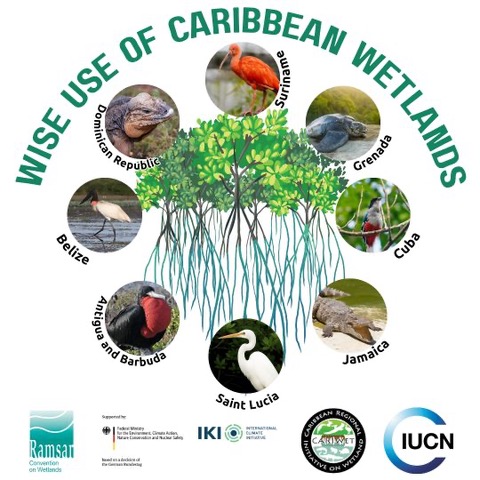
    Grenada is preparing to join the global observance of World Wetlands Day 2026 through a collaborative initiative spearheaded by the Wise Use of Caribbean Wetlands project. This tri-island nation will bring together government agencies, the Grenada Fund for Conservation, and local community organizations in a unified celebration of wetland ecosystems.

    The 2026 theme, ‘Wetlands and Traditional Knowledge: Celebrating Cultural Heritage,’ highlights the critical importance of indigenous and local wisdom in protecting and sustainably managing wetland resources. This approach recognizes generations of accumulated knowledge that has proven essential for conservation efforts.

    Grenada’s diverse wetland ecosystems—including mangrove forests, estuaries, lakes, and coastal lagoons—represent vital biodiversity hotspots that were historically misunderstood. Once dismissed as undesirable wastelands suitable only for reclamation, these ecosystems are now recognized as natural barriers against storm surges and coastal erosion. They play crucial roles in maintaining water cycles and supporting fisheries that sustain local communities.

    Traditional practices handed down through generations, such as sustainable harvesting techniques and seasonal environmental monitoring, offer valuable insights for addressing contemporary climate and pollution challenges. By integrating this ancestral wisdom with modern conservation policies, Grenada aims to build more resilient communities.

    To mark this occasion, the public is invited to visit the Woburn mangrove restoration and birdwatching site on February 3rd, 2026, between 9:00 AM and 2:30 PM. The event will feature educational booths and guided tours, particularly encouraging school participation to learn about local wetland biodiversity.

    The exhibition will showcase contributions from numerous organizations including the IUCN’s Caribbean Wetlands project, Forestry and National Parks Department, Environment Division, Gaea Conservation Network, St. Patrick Environmental and Community Tourism Organisation, Grenada Sustainable Development Trust Fund, the Climate Resilient Water Sector in Grenada (G-CREWS) project, and The Nature Conservancy.

    This World Wetlands Day celebration promises to be an informative gathering that raises awareness about wetland conservation efforts throughout Grenada, offering visitors valuable insights into both the ecological significance and cultural heritage associated with these vital ecosystems.

  • A Different View: Inside the inner architecture of leadership

    A Different View: Inside the inner architecture of leadership

    Beyond the conventional metrics of KPIs, engagement scores, and strategic outcomes lies a deeper, often neglected dimension of leadership: the internal landscape that shapes every decision and interaction. While most leaders meticulously refine their external presentation—communication style, decision-making processes, and influence tactics—far fewer invest comparable effort in understanding their internal responses during moments of crisis and pressure.

    The critical question modern leadership discourse frequently avoids is not whether challenges will emerge, but rather what internal mechanisms take control when they do. True leadership begins not with titles or authority, but long before—within the individual’s capacity for self-awareness and emotional regulation. Under calm conditions, many can perform effectively, but pressure reveals the fundamental difference between aspirational leadership and conditioned responses.

    This internal foundation manifests through subtle yet powerful indicators: the tone of a stressed voice, the pause between trigger and response, and the ability to remain present rather than defensive when confronted with discomfort. These moments separate leaders who operate from clarity from those reacting from fear, even when their external words appear identical.

    Leaders neglecting this inner development may demonstrate competence and inspiration during stable periods, but under duress, authority often becomes authoritarian. Feedback transforms into perceived threats, control supersedes curiosity, and decisions prioritize speed over wisdom. The leader’s nervous system shifts into defensive mode, creating an external perception of fear despite internal feelings of decisiveness.

    Conversely, leaders committed to sustained inner work develop regulated presence—not perfected calm, but the capacity to notice internal activation without being dominated by it. This enables thoughtful response selection rather than automatic reactions, creating steadier leadership that can navigate complexity without resorting to control or avoidance.

    Sustainable inner work transcends superficial emotional intelligence performances that fracture under genuine stress. It requires consistent self-reflection, honest inquiry, and willingness to sit with discomfort rather than projecting it onto others. This process builds self-trust, allowing leaders to understand their internal landscape so thoroughly that they cease surprising themselves and consequently reduce projecting reactions onto their teams.

    The ripple effects extend beyond professional environments into personal relationships and home life. Leadership patterns developed in the workplace inevitably manifest across all life contexts, making integrated inner work essential for coherent existence rather than compartmentalized performance.

    Ultimately, this transformation shifts leadership from influence toward integrity—not moral perfection, but alignment between internal state and external behavior. This coherence generates natural trust, as people instinctively distinguish between fear-based authority and awareness-rooted leadership. The former demands compliance; the latter inspires commitment.

    The most challenging realization emerges that no amount of technical skill, intelligence, or experience can compensate for emotional immaturity or unaddressed patterns. Leadership inherently amplifies existing internal conditions, making honest self-examination more valuable than any framework or workshop. The fundamental question evolves from what kind of leader one wants to be, to who they become when leadership demands more than comfortable giving.

    This quiet, often invisible work—rarely immediately rewarded—gradually transforms leadership quality in ways no conventional training can achieve. It shapes organizational atmosphere, determines conflict resolution pathways, and defines whether team members feel genuinely seen or merely managed. The answers emerge slowly through moments of tension, choice, and restraint—the crucible where leadership either deepens or merely repeats itself.

  • New Building Craft Programme for Antigua and Barbuda with The King’s Foundation, UK

    New Building Craft Programme for Antigua and Barbuda with The King’s Foundation, UK

    A groundbreaking international training initiative for Antigua and Barbuda’s construction sector has been unveiled through a strategic partnership between The King’s Foundation (UK), the Antigua and Barbuda College of Advanced Studies (ABCAS), and the Ministry of Foreign Affairs. This comprehensive Building Craft Programme offers fully-funded professional development for skilled artisans seeking specialization in heritage conservation and climate-resilient construction methodologies.

    The intensive four-week curriculum, scheduled for April 2026, will be conducted at The King’s Foundation’s prestigious UK training facilities, including Dumfries House Estate in Scotland and Highgrove Gardens in Gloucestershire. The programme specifically targets experienced construction professionals from Antigua and Barbuda who demonstrate commitment to advancing their expertise in traditional building preservation and sustainable development practices.

    Curriculum highlights include master-level workshops in traditional building techniques, sustainable material applications, and climate-adaptive construction methods directly relevant to Antigua and Barbuda’s architectural heritage. Participants will receive hands-on training from renowned craftspeople in specialized disciplines including carpentry, stonemasonry, decorative ironwork, traditional roofing systems, heritage plastering, technical drawing, and conservation architecture.

    The selection process will identify only eight exceptional candidates who will receive comprehensive scholarships covering all tuition costs, accommodation expenses, round-trip airfare to the UK, and all necessary programme materials. Participants must be at least 18 years old, possess verified experience in building crafts, and commit to the programme’s full duration, including obtaining UK travel authorization.

    Following the UK training component, participants will engage in practical Live Build projects within Antigua and Barbuda, collaborating with local partner organizations to implement their newly acquired skills in real-world conservation and development scenarios.

    Dr. Simon Sadinsky, Executive Director of Education at The King’s Foundation, emphasized the programme’s significance: “We are delighted to offer this opportunity to talented individuals from Antigua and Barbuda who are looking to deepen their skills in traditional building crafts and climate-resilient construction.”

    High Commissioner for Antigua and Barbuda to the UK, Karen Mae-Hill, added: “This initiative directly supports our government’s mandate for people-focused development while strengthening our national skills pipeline and climate resilience capabilities.”

    Interested applicants must submit completed application forms by the deadline of February 20, 2026, obtainable by contacting programme coordinators Raynel Carroll or Jennie Hartley.

  • Belize Kicks Off Greenhouse Gas Inventory Cycle

    Belize Kicks Off Greenhouse Gas Inventory Cycle

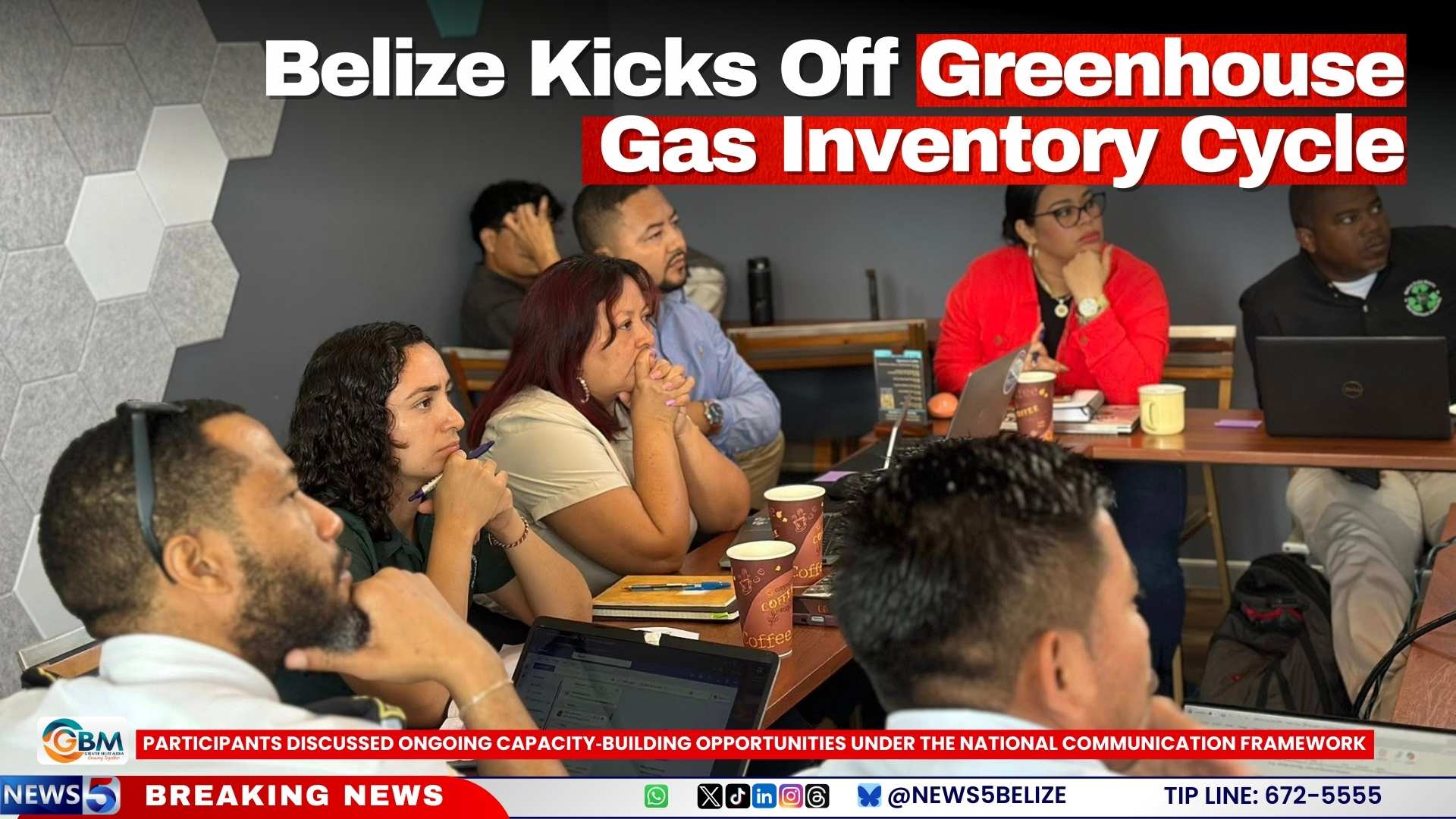
    Belize has formally initiated a significant environmental monitoring initiative through the launch of its National Greenhouse Gas (GHG) Inventory Cycle. The program, spearheaded by the National Climate Change Office (NCCO) operating under the Ministry of Sustainable Development and Solid Waste Management, represents a strategic effort to enhance the nation’s climate accountability mechanisms.

    The inaugural session focused on establishing clear operational parameters for the inventory cycle rather than direct air pollution measurement. Key objectives included defining the structural framework of the National GHG Inventory Cycle and synchronizing sector-specific workplans with the NCCO’s overarching strategic vision. Participants conducted a thorough examination of the Technical Expert Review protocol for the forthcoming Biennial Transparency Report, ensuring Belize’s compliance with rigorous international transparency requirements.

    Additional discussions centered on capacity-building initiatives available through established frameworks including the National Communication program and the Greenhouse Gas Management Institute. The meeting specifically emphasized the imperative that the inventory process adhere strictly to the “Modalities, Procedures, and Guidelines” mandated by the Paris Agreement. This compliance encompasses the preparation and submission of both the National Inventory Document and standardized Common Reporting Tables, positioning Belize to meet its international climate commitments with enhanced data integrity and reporting precision.

  • Belize Begins Tracking Its Air Pollution Levels

    Belize Begins Tracking Its Air Pollution Levels

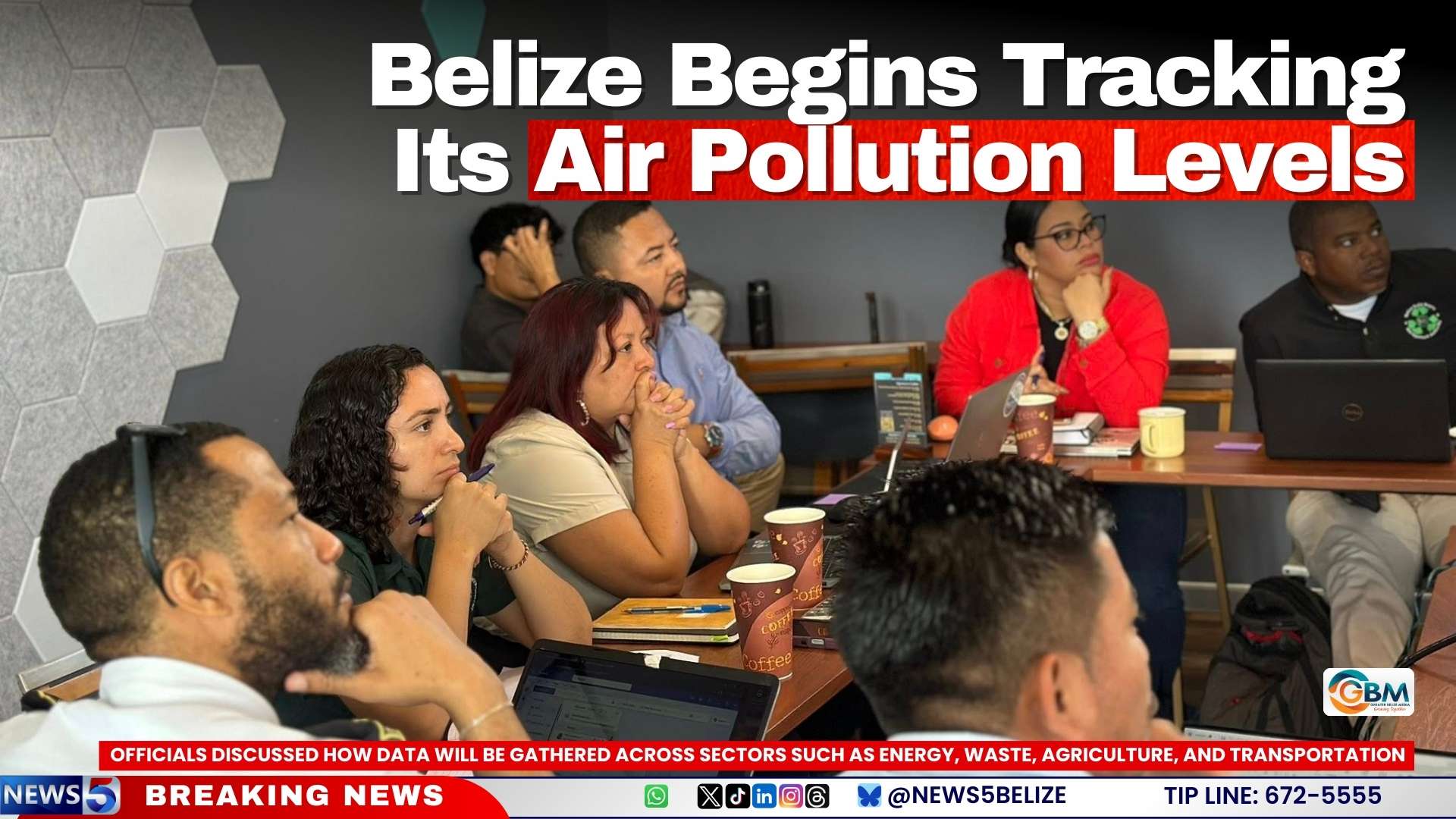
    In a significant environmental monitoring advancement, Belize has formally initiated its latest comprehensive national greenhouse gas inventory on January 28, 2026. The National Climate Change Office (NCCO) spearheaded this critical environmental assessment through a technical convening of key governmental agencies and strategic partners responsible for emissions data collection and reporting.

    The inaugural technical meeting established robust methodologies for multi-sectoral data acquisition across Belize’s primary emissions-producing sectors including energy production, waste management, agricultural operations, and transportation networks. Participants developed rigorous verification protocols to ensure data accuracy and maintain transparency throughout the reporting process. Capacity building initiatives formed a crucial component of the discussions, with plans to enhance technical staff competencies in emissions monitoring and international reporting standards.

    This systematic national inventory constitutes Belize’s compliance mechanism with its Paris Agreement obligations, which mandate regular submissions of standardized emissions reports to global climate authorities. The process enables precise tracking of national pollution metrics while ensuring alignment with international environmental standards and commitments.

  • Our America is in danger, denounces Cuban Foreign Minister

    Our America is in danger, denounces Cuban Foreign Minister

    Cuban Foreign Minister Bruno Rodríguez has issued a stark warning regarding the deteriorating peace and security landscape across Latin America and the Caribbean. The minister’s statements, delivered via social media, pointedly criticized the current United States administration for embracing what he labeled a ‘warmongering doctrine’ that aims to impose ‘peace through force.’

    Rodríguez evoked the historical significance of the Proclamation of Latin America and the Caribbean as a Zone of Peace. This landmark agreement was signed a decade ago, on January 29, 2014, in Havana during the Second Summit of the Community of Latin American and Caribbean States (CELAC). The proclamation was endorsed by all 33 attending heads of state and government, committing nations to peaceful dispute resolution and the renunciation of force within the region.

    The Foreign Minister expressed grave concern over a ‘marked interest in reviving the discredited Monroe Doctrine’ by the U.S. government. He argued that this revival, coupled with the ‘violence of imperialist ambitions,’ poses a direct threat to the stability of ‘Our America.’ In the current geopolitical climate, Rodríguez emphasized the urgent need to reclaim the collective will and commitments originally enshrined in the 2014 proclamation.

    The foundational agreement, announced by then-President Raul Castro, established core principles for inter-state relations. These included a strict obligation against direct or indirect intervention in the internal affairs of any other state. It also mandated respect for the fundamental principles of national sovereignty, sovereign equality, and the self-determination of peoples. Furthermore, the proclamation reaffirmed the inalienable right of every state to freely choose its political, economic, social, and cultural system as a prerequisite for ensuring peaceful coexistence among nations. This critical defense of regional peace and sovereignty has been highlighted in recent media reports under the banner ‘Defending Our Zone of Peace.’

  • Three winning students to be awarded by Dominica Community Tourism Association in essay contest

    Three winning students to be awarded by Dominica Community Tourism Association in essay contest

    The Dominica Community Tourism Association will honor three laureates from La Salette Agricultural and Industrial University (LAIU) today for their winning contributions to the organization’s second annual essay competition. The ceremony, scheduled for 3:30 PM at the LAIU Clubhouse, celebrates student excellence in addressing this year’s critical theme: ‘Our Rivers, Their Contribution to Community and Tourism Development.’

    In an official audio statement, the Association—which serves as the primary body for community-based tourism groups nationwide—expressed profound concern regarding the deteriorating condition of Dominica’s river systems. While acknowledging the island’s remarkable natural endowment of approximately 365 rivers, which earned it the moniker ‘Nature Isle,’ the organization warned that these aquatic treasures face insufficient protection and preservation efforts.

    Rivers constitute the lifeblood of Dominican society, the Association emphasized, providing indispensable economic, environmental, and social benefits. These waterways sustain livelihoods, drive tourism revenue through attractions like the renowned Emerald Pool, and serve as hubs for community gatherings and recreational activities.

    However, escalating threats from littering and pollution jeopardize river health and long-term sustainability. The Association identifies environmental degradation as a direct challenge to its core mission, prompting intensified advocacy for public awareness campaigns and stronger legislative safeguards.

    By engaging youth through academic competitions, the organization aims to cultivate environmental stewardship among younger generations. This community-driven initiative aligns with global conservation movements, including World Rivers Day, underscoring the universal importance of watershed protection.

    The Association extended appreciation to all sponsors and participants while encouraging continued student involvement in future competitions. This event reflects its broader commitment to integrating environmental preservation, community engagement, and sustainable tourism development as interconnected pillars of national progress.

  • Ariza Credit Union to strengthen Grenada’s cooperative movement

    Ariza Credit Union to strengthen Grenada’s cooperative movement

    In a significant move to bolster Grenada’s cooperative financial sector, Ariza Credit Union has unveiled an innovative annual sponsorship program. This initiative is specifically designed to empower smaller credit unions by funding their participation in the Caribbean Confederation of Credit Unions (CCCU) Convention and Trade Show.

    As the largest credit union in Grenada and the second largest within the Organisation of Eastern Caribbean States (OECS), Ariza acknowledges the indispensable role smaller institutions play in promoting financial inclusion and fortifying community economic resilience. The program strategically targets credit unions with total assets not exceeding EC$10 million, entities that typically operate with constrained resources and limited access to regional developmental forums.

    The selection process for the inaugural beneficiary was conducted via a live, transparent draw held at Ariza’s Head Office. From a pool of eligible candidates—including Gateway Cooperative Credit Union, Hermitage Cooperative Credit Union, Birchgrove Cooperative Credit Union, Horizon Cooperative Credit Union, and GTAWU Credit Union—GTAWU Credit Union was selected as the first participant.

    Attendance at the prestigious CCCU Convention is anticipated to yield substantial benefits for the chosen institution, encompassing advanced training in governance protocols, sophisticated risk management strategies, exposure to cutting-edge financial technologies, and the opportunity to forge valuable professional networks across the Caribbean region.

    The President of Ariza Credit Union emphasized the philosophical underpinning of the initiative, stating, “We are deeply convinced that the collective strength of our sector is predicated on collaborative efforts to ensure continuous capacity building through training, development, and supportive initiatives.”

    This rotating sponsorship model ensures that support is equitably distributed, with the overarching goal of generating sector-wide advantages that transcend individual credit unions. By investing in the development of its smaller counterparts, Ariza reinforces its commitment to the principle of ‘cooperation among cooperatives’ and cements its leadership role in fostering the long-term growth and sustainability of Grenada’s credit union movement.

  • Ernstige vorst bedreigt Oekraïense wintergewassen

    Ernstige vorst bedreigt Oekraïense wintergewassen

    Ukrainian agricultural experts and emergency services are issuing urgent warnings as an unprecedented cold front approaches, threatening to devastate the nation’s vital winter wheat crops. Meteorologists predict temperatures will plummet to -30°C (-22°F) across most regions starting February 1st, with the severe cold expected to persist until at least February 4th.

    The impending deep freeze poses what agricultural analytics firm Barva Invest describes as an “extremely dangerous” scenario for winter crops throughout central, northeastern, and eastern Ukraine. Only southern regions are expected to be spared the worst of the cold, though they face their own challenges due to insufficient snow cover.

    Winter wheat represents approximately 95% of Ukraine’s total wheat production, typically sown in autumn and harvested the following summer. These crops yield significantly more than spring varieties but are particularly vulnerable to extreme temperature drops without adequate snow insulation.

    The current crisis compounds existing agricultural challenges. Earlier in January, temperatures already dropped to -20°C, followed by a brief thaw that saw temperatures rise above freezing this week. This pattern of freeze-thaw-freeze creates additional stress on crops beyond what sustained cold would cause.

    Agricultural analysts note that the combination of persistent severe frost and inadequate snow protection could lead to substantial winterkill damage. The situation is especially critical in areas near conflict zones, where farming operations already face significant disruptions. Ukraine’s emergency services continue to monitor the situation through official Telegram channels, advising farmers to implement whatever protective measures remain possible.