作者: admin

  • Abinader positions Dominican Republic as strategic logistics hub at World Government Summit

    Abinader positions Dominican Republic as strategic logistics hub at World Government Summit

    DUBAI – President Luis Abinader of the Dominican Republic delivered a compelling vision of his nation as an emerging global logistics powerhouse during his address at the 2026 World Government Summit. Addressing an assembly of world leaders, international investors, and corporate executives, Abinader outlined a multi-faceted strategy centered on democratic resilience, economic diversification, and robust public-private collaborations to secure the country’s status as a pivotal trade and investment nexus.

    The president detailed strategic investments in core infrastructure sectors, notably tourism, expansive free trade zones, and modernized port and airport facilities, all designed to amplify the nation’s competitive edge. A landmark development highlighted was the advancement of the Manzanillo Airport initiative, a project bolstered by financing from the Inter-American Development Bank (IDB). This infrastructure endeavor is projected to significantly boost export capabilities and broaden the national logistics framework.

    In a subsequent high-level discussion with Sultan Ahmed bin Sulayem, Chairman and CEO of global logistics giant DP World, President Abinader elaborated on the nation’s inherent geographical advantage. He portrayed the Dominican Republic as a vital conduit linking the Caribbean, Latin America, and the Eastern United States, a position that unlocks substantial potential for international commerce, corporate growth, and employment generation.

    Further cementing its commitment to sustainable development, the administration announced a major energy initiative to integrate 1,200 megawatts of new generating capacity. This project is strategically aimed at achieving energy stability and fueling industrial expansion, particularly in the northern territories. The president pointed to the synergistic model combining cargo logistics with tourism operations as a proven and replicable blueprint for sustainable economic progress.

    Beyond infrastructure, Abinader showcased the country’s successful export diversification into high-value sectors, including medical devices, electrical equipment, and premium tobacco products, while also acknowledging the significant economic impact of its famed baseball industry. Concluding his address, the president firmly reiterated the nation’s unwavering dedication to democratic principles, institutional integrity, and the rule of law, identifying these foundations as indispensable for fostering enduring investor trust and catalyzing long-term economic prosperity.
  • Column: Hervormen, ja, maar niet blind

    Column: Hervormen, ja, maar niet blind

    A profound political confrontation has erupted within Suriname’s governing coalition over proposed judicial reforms, exposing deep divisions about the future of the country’s legal system. What began as technical legislative discussions has transformed into a fundamental debate about power, trust, and the preservation of constitutional integrity.

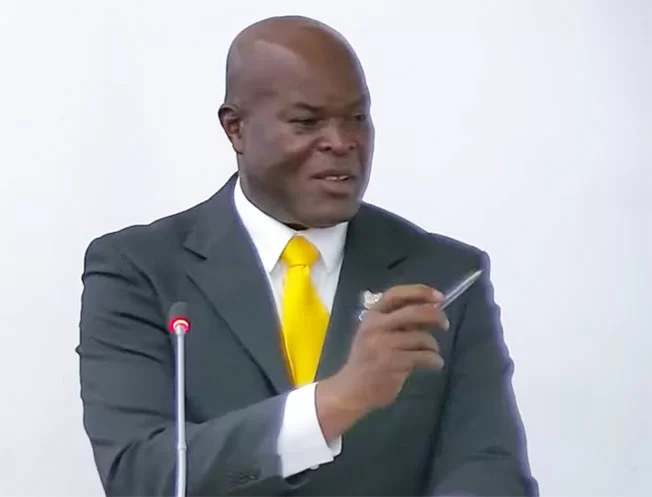
    The tension reached its peak when ABOP party leader Ronnie Brunswijk, a key coalition figure, dramatically opposed initiatives advanced by his coalition partner Ebu Jones. Despite both belonging to the same governing alliance, their clash revealed significant ideological differences regarding the extent and nature of proposed judicial changes.

    Brunswijk, while acknowledging the necessity for judicial reform, raised critical questions about the concrete solutions these measures would provide and who would bear responsibility if implementation fails. Notably, the ABOP leader—who had previously criticized the Attorney General—now advocated for protecting the prosecution service’s independence, suggesting concerns about overreach in the proposed changes.

    Meanwhile, NPS faction leader Jerrel Pawiroredjo shifted the debate from theoretical frameworks to practical realities, questioning how these reforms would actually benefit citizens. He emphasized that public trust in justice begins not in supreme courts or prosecutorial colleges, but at police stations where citizens struggle to file reports and cases languish unattended.

    The discussion highlighted several sensitive issues, including the potential dangers of lifetime appointments for attorneys general. While such positions guarantee independence, they risk creating unaccountable institutions. Conversely, alternative appointment models could introduce political influence and external pressure, potentially undermining judicial integrity.

    The debate ultimately centers on whether reforms will strengthen Suriname’s legal foundation or inadvertently weaken it through poorly conceived changes. As President Chan Santokhi’s administration navigates these turbulent waters, the outcome will determine whether judicial reform becomes an instrument of empowerment or an exercise in institutional destabilization.

  • Brunswijk: Jones is handlanger van de regering

    Brunswijk: Jones is handlanger van de regering

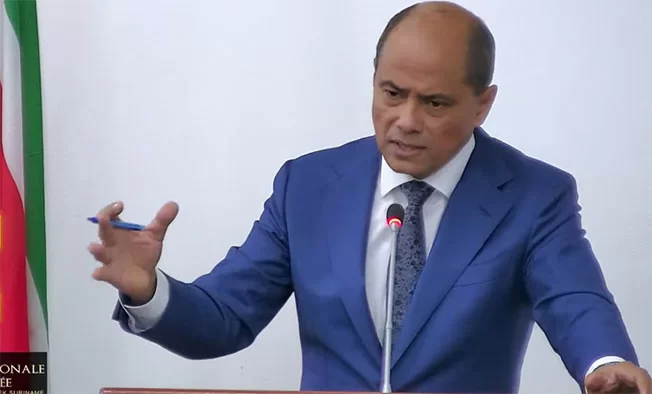
    A legislative session in Suriname’s National Assembly descended into visible confrontation between ABOP party leader Ronnie Brunswijk and NDP parliamentarian Ebu Jones during debates on proposed judicial reforms. The tension centered on political accountability for initiative legislation seeking to restructure the judicial system and Public Prosecutor’s Office.

    Brunswijk accused Jones of acting as a ‘government accomplice,’ alleging he was ‘playing government’ by sponsoring the reforms. The ABOP leader expressed particular concern about potential erosion of the Prosecutor General’s independence, warning against misuse of legislative initiative powers.

    When questioned about possible political influence on prosecutions, appointment procedures, and checks-and-balances, Brunswijk clarified he doesn’t oppose reform in principle but considers this too significant to handle through initiative legislation. He expressed dissatisfaction that the proposals reached parliament ‘suddenly’ without prior governmental explanation, insisting the administration should officially present and defend such weighty matters.

    The debate escalated when Brunswijk suggested Jones sought to ‘play government’ through his legislative initiative. Jones responded vehemently, emphasizing parliamentarians’ constitutional right to propose laws and rejecting any characterization as government proxies. He noted Brunswijk’s contradictory position by simultaneously referencing governmental discussions while claiming to speak purely as a legislator.

    Despite partial retraction of phrasing, tensions remained high throughout exchanges that required repeated intervention by Assembly Chairman Ashwin Adhin. The presiding official reminded members that points of order and interruptions shouldn’t serve as continuous combat tools, while reaffirming legislators’ right to propose laws.

    Following the tumult, Brunswijk reserved final judgment pending explanations from both initiative sponsors and government representatives. He emphasized maintaining critical perspective, stating parliamentarians shouldn’t become ‘yes-men’ and must reject proposals causing societal unrest.

  • Dominican Republic chosen for Tonino Lamborghini Towers development

    Dominican Republic chosen for Tonino Lamborghini Towers development

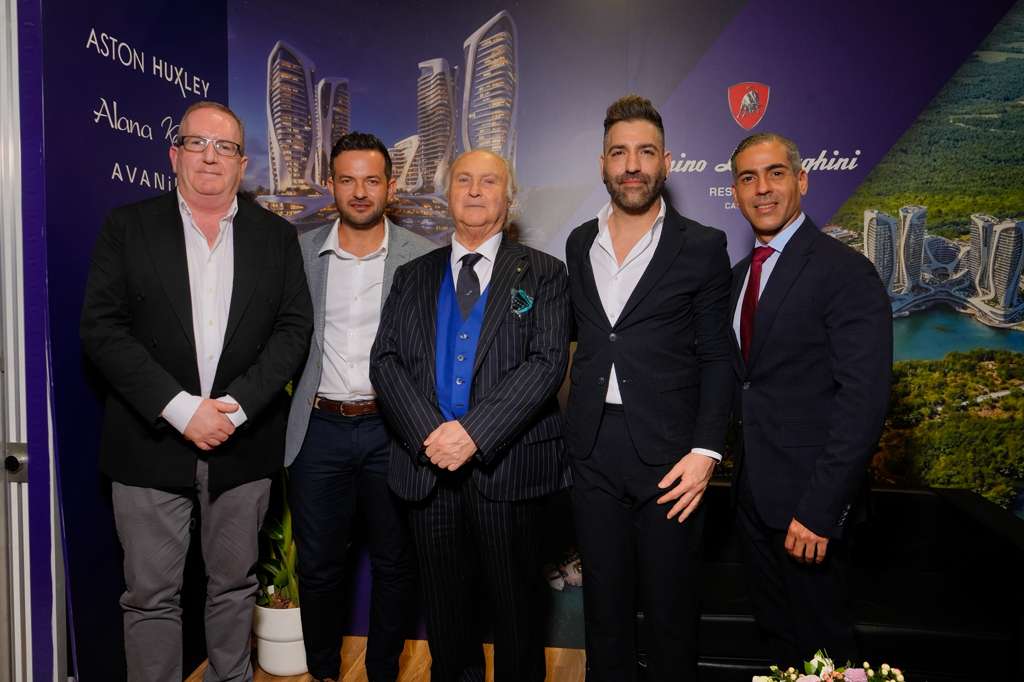
    In a strategic move beyond automotive manufacturing, the prestigious Lamborghini brand has unveiled an exclusive partnership to develop three ultra-luxury residential towers in the Dominican Republic. The landmark agreement, announced at the prominent FITUR tourism and investment forum in Madrid, signals Lamborghini’s inaugural entry into the Caribbean’s high-end real estate market.

    The collaboration partners the Italian luxury brand with DUNA Development, a firm renowned for executing premium large-scale projects in prime global locations under the leadership of co-CEOs José González and Josué Virgen. Archipelago, one of the world’s most rapidly expanding hospitality management groups, has been appointed as the exclusive operator for all three developments, guaranteeing internationally recognized service standards throughout the portfolio.

    The inaugural development will be situated in Cap Cana, Punta Cana—among the Caribbean’s most elite luxury destinations. A subsequent tower is planned for Santo Domingo, with a third location to be disclosed at a future date. These architectural projects aim to embody Tonino Lamborghini’s distinctive design philosophy, innovative approach, and luxury lifestyle ethos through both residential and condo-hotel configurations, establishing new benchmarks for branded developments in the region.

    Brand representatives characterized this initiative as a natural extension of the Lamborghini lifestyle into premium living environments across selective global markets. DUNA Development hailed the partnership as a transformative moment for Dominican Republic luxury real estate, while industry analysts observed that this development positions the country alongside established luxury markets like Miami and Dubai within the ultra-branded residential sector.

  • Cuba honors its commitments in the fight against drug trafficking

    Cuba honors its commitments in the fight against drug trafficking

    A recent analysis in The American Conservative magazine has challenged the fundamental premises of U.S. policy toward Cuba, revealing significant contradictions in the Trump administration’s approach. The publication presented compelling evidence that current policies undermine America’s own National Security Strategy while ignoring Cuba’s role as a key security partner in the Caribbean region.

    The magazine’s assessment emerged just days before the White House declared a ‘national emergency’ against Cuba, basing this designation on what the article characterizes as an ‘untenable lie’ that the island nation poses an ‘unusual and extraordinary threat’ to U.S. security interests.

    This policy direction appears particularly contradictory given the extensive framework of bilateral cooperation that existed prior to the current administration. During the early Trump presidency, 22 bilateral cooperation instruments and eight technical working groups operated between the two nations, addressing critical areas including counterterrorism, drug interdiction, cybersecurity, human trafficking prevention, and financial crime enforcement. According to the analysis, political advisors from Florida successfully undermined these cooperative mechanisms.

    The conservative publication argues that current policy reflects ‘Cold War nostalgia and Florida state politics’ rather than genuine national security interests. Contrary to administration claims of Cuban ‘ill will’ and ‘hostility,’ evidence suggests Cuba has consistently fulfilled its commitments and sought to reactivate security cooperation mechanisms.

    Substantial data supports Cuba’s cooperative stance: Border Guard Troops have intercepted over 40 tons of drugs destined for the United States during the past 14 years, with particularly significant seizures occurring between 2024-2025 including 14 speedboats captured, 39 traffickers arrested, and more than four tons of substances confiscated. Additionally, Cuban authorities disrupted 72 aerial drug operations originating from 11 countries, with the United States identified as the primary source.

    The cooperation imbalance is further demonstrated by communication records showing Cuba sent 1,547 formal messages to the U.S. Coast Guard regarding drug trafficking incidents between 1990-2025, while receiving only 468 in return—a three-to-one ratio indicating Cuba’s proactive cooperation approach.

    The American Conservative concludes that Cuba is ‘widely recognized as a positive example in the fight against drug trafficking in Latin America’ and maintains close working relationships with U.S. Coast Guard and other agencies to track traffickers, share intelligence, and intercept smuggling operations. The magazine characterizes current U.S. policy as trapped in ‘a failed regime-change logic’ that predates the Cold War’s conclusion and is perpetuated by a small group of intransigent Cuban-Americans demanding ‘total surrender’ rather than negotiated solutions.

  • Pawiroredjo: Begin bij politie en capaciteit; meerdere pg’s lossen kernproblemen niet op

    Pawiroredjo: Begin bij politie en capaciteit; meerdere pg’s lossen kernproblemen niet op

    In a comprehensive critique delivered before De Nationale Assemblée, opposition leader Jerrel Pawiroredjo (NPS faction leader) has raised substantial concerns regarding proposed constitutional amendments affecting Suriname’s Public Prosecutor’s Office and judicial system. The parliamentarian questioned the fundamental rationale behind modifying Article 146 of the constitution, noting the explanatory memorandum fails to clearly identify which specific problems the changes intend to resolve.

    Pawiroredjo emphasized that evaluating judicial system performance must begin with citizens’ daily experiences with justice, which commences not with judges but rather with police response, criminal investigation, and law enforcement operations. He cited persistent public complaints regarding extended police response times, cumbersome reporting procedures, and deficient official documentation processes.

    The opposition leader identified systemic capacity shortages as the core challenge, noting both the Public Prosecutor’s Office and judiciary have faced structural problems for years due to critical staff shortages—including court clerks, prosecutors, deputies, and judges—coupled with inadequate compensation that fails to retain expertise. He advocated for prioritizing recruitment, training, and improved remuneration instead of creating multiple prosecutor general positions.

    Regarding cassation jurisdiction, Pawiroredjo acknowledged its potential benefits for legal uniformity and development but expressed reservations about establishing a national Supreme Court. He argued such an institution would pose significant risks in Suriname’s small-scale society by diverting scarce judicial capacity from first and second instance courts where most cases are handled. Instead, he proposed joining the Caribbean Court of Justice as a more realistic and efficient alternative.

    Pawiroredjo also cautioned against eliminating the Prosecutor General’s nomination input in appointment processes, warning this could lead to selections based on non-professional criteria and increase vulnerability to external influence. He further criticized proposals to lower the age limit from 70 to 65 as historically inconsistent and potentially disruptive without careful analysis of outflow, continuity, and capacity implications.

    The parliamentarian additionally opposed removing the constitutional anchoring of the Prosecutor General’s instruction authority toward police officials, describing this as a serious weakening of the prosecutorial foundation. He concluded that while modernization is necessary, uncontrolled interventions risk causing more damage than they aim to repair.

  • VIDEO: Mopping up after mandate mess

    VIDEO: Mopping up after mandate mess

    In a remarkable turnaround from adversity, Dennis Williams, an educator whose professional life was upended by COVID-19 vaccination mandates, has successfully navigated a path toward recovery and stability. During an interview on September 25, 2025, Williams recounted the severe personal crisis that followed his November 2021 termination, a period that forced him and his son into makeshift housing in the mountainous terrain of Layou, St. Vincent.

    The narrative of hardship, however, has found a hopeful new chapter. As of early 2025, Williams’s circumstances have dramatically improved. He and his son have now secured proper rented accommodation, marking a significant step up from their previous living conditions. Furthermore, his vehicle, essential for mobility and opportunity, is operational again.

    Professionally, Williams stands on the precipice of a formal return to the public sector. He is currently awaiting official communication from the Public Service Commission, which will determine his new placement within a government office. Expressing profound gratitude, Williams publicly acknowledged iWitness News for amplifying his story and extended his thanks to the thousands of individuals whose overwhelming response provided critical assistance during his most challenging times.

  • CAF’s Economic Forum brought together more than 6,500 leaders from 70 countries in the largest regional meeting in recent years

    CAF’s Economic Forum brought together more than 6,500 leaders from 70 countries in the largest regional meeting in recent years

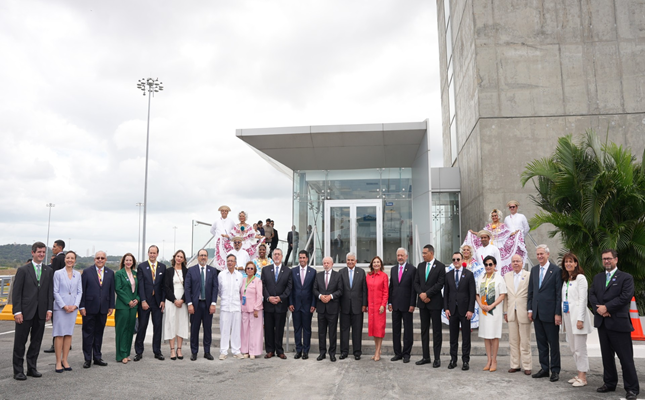
    Panama City emerged as the definitive hub for Latin American economic discourse on January 28-29, 2026, hosting an unprecedented gathering of regional leadership. The International Economic Forum – Latin America and the Caribbean 2026, orchestrated by CAF – Development Bank of Latin America and the Caribbean in collaboration with the Panamanian government, achieved historic participation metrics with over 6,500 delegates representing 70 nations.

    The summit’s significance was underscored by the attendance of seven sitting heads of state, including Panama’s José Raúl Mulino, Brazil’s Luiz Inácio Lula da Silva, Bolivia’s Rodrigo Paz, Colombia’s Gustavo Petro, Ecuador’s Daniel Noboa, Guatemala’s Bernardo Arévalo, alongside Jamaica’s Prime Minister Andrew Holness and Chile’s President-Elect José Antonio Kast. This convergence of leadership represented the most substantial regional assembly in recent years.

    CAF Executive President Sergio Díaz-Granados emphasized the forum’s transformative potential, stating, ‘This gathering represents the pinnacle of regional mobilization and alliance-building. Our deliberations will generate actionable insights to translate conceptual frameworks into tangible improvements for citizens across Latin America and the Caribbean.’ He further articulated CAF’s evolving role beyond traditional financing: ‘We are building bridges and creating dialogue platforms to amplify the region’s collective voice amidst global challenges.’

    The comprehensive agenda featured 50 expert panels addressing critical development themes including regional integration strategies, artificial intelligence implementation, energy transition pathways, innovative financing mechanisms, and sustainable development practices. These discussions featured 250 distinguished panelists and attracted over 400,000 virtual participants through digital platforms.

    Notable intellectual contributions came from Nobel Economics laureates James Robinson and Philippe Aghion, who analyzed institutional frameworks for growth innovation, while futurist Michio Kaku provided visionary perspectives on AI’s economic implications.

    The forum transcended theoretical discourse through concrete diplomatic engagement, facilitating more than 400 bilateral meetings between governmental representatives, business leaders, and multilateral organizations. CAF’s proprietary networking technology enabled an additional 1,100 scheduled meetings, creating unprecedented opportunities for investment and cooperation.

    This monumental event, supported by organizations including the Adam Smith Center for Economic Freedom, COX, Copa Airlines and Coca-Cola, demonstrated Latin America’s determined pursuit of coordinated action and enhanced global positioning within the evolving international economic architecture.

  • MCP heropent winkel en breidt assortiment verder uit

    MCP heropent winkel en breidt assortiment verder uit

    In a significant move marking its 65th anniversary, Suriname’s state-owned dairy enterprise Melkcentrale N.V. (MCP) has officially reopened its flagship store on Van Idsingastraat, signaling a new chapter of modernization and territorial expansion. The reopening ceremony, presided over by Director Monché Atompai, represents the company’s strategic pivot toward product innovation and operational growth.

    The newly revitalized store, previously operated by third-party tenants, has been brought back under MCP’s direct management. Customers can now access the complete range of MCP products, including offerings from subsidiary companies MCP Agro (fruit products) and MCP Aqua (bottled drinking water).

    Beginning February 9th, MCP will introduce new product lines developed through collaborations with local fruit farmers. The company is concurrently engaging with the Ministry of Regional Development to integrate interior region farmers into its supply chain, promoting inclusive economic participation.

    Enhancing customer convenience, MCP has implemented telephone and digital ordering systems allowing consumers to place orders for subsequent pickup. This modernization effort aligns with the company’s broader service improvement initiatives.

    Looking toward future growth, Director Atompai revealed ambitious expansion plans targeting multiple districts including Nickerie, Marowijne, and interior regions such as Tapanahony and Atjoni. These developments represent both financial and geographical scaling for the state enterprise.

    The comprehensive revitalization strategy underscores MCP’s commitment to local production enhancement, sustainable growth, and improved societal service delivery through modernized retail operations and expanded territorial presence.

  • Banreservas and Museums Directorate partner to promote cultural heritage

    Banreservas and Museums Directorate partner to promote cultural heritage

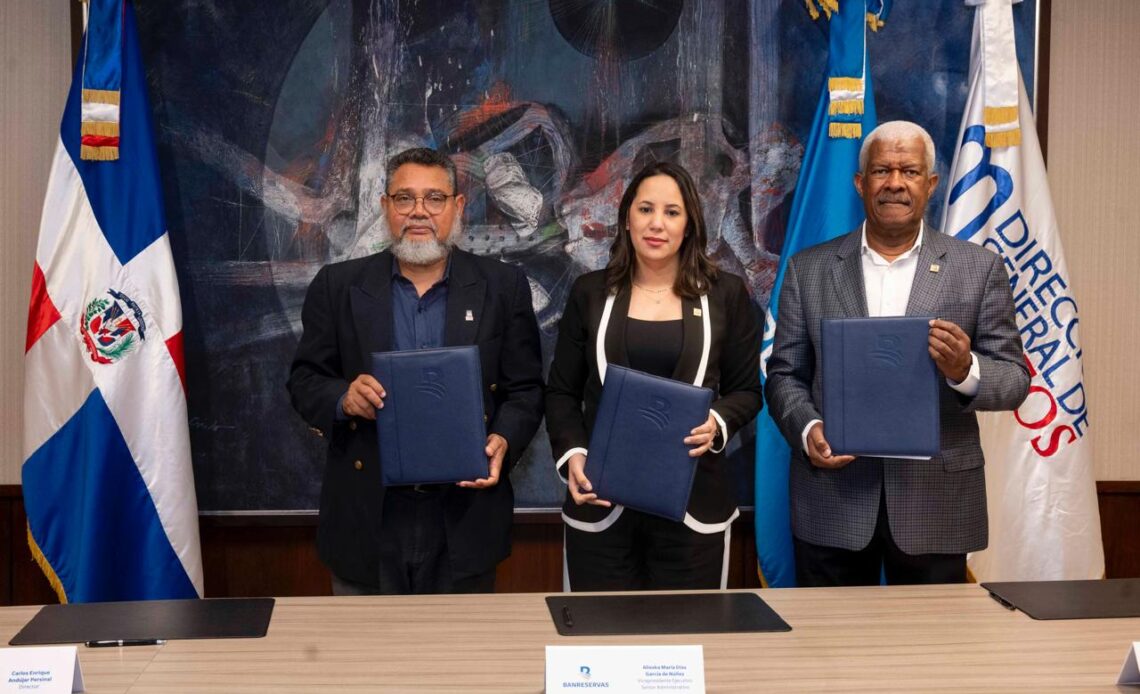
    SANTO DOMINGO – A landmark partnership has been established between Banco de Reservas (Banreservas) and the General Directorate of Museums (DGM) to bolster cultural infrastructure in the northern Dominican Republic. The formal cooperation agreement centers on the Banreservas Cultural Center and the Santiago Art Museum, two institutions cohabiting the historically significant former Hotel Mercedes building in Santiago de los Caballeros.

    Senior executives from both entities formalized the accord, framing it as a dual-purpose initiative. It simultaneously advances the financial institution’s corporate social responsibility objectives and supports the national government’s broader strategy for museum modernization and enhanced cultural accessibility. The partnership delineates clear operational roles: Banreservas will assume responsibility for the physical integrity of the building, encompassing structural maintenance, safety protocols, and overall security. Concurrently, the DGM will maintain its curatorial duties, retaining full ownership, custody, and conservation authority over the museum’s invaluable collections and cultural assets.

    The collaborative framework extends to the efficient management of shared common areas, establishing protocols to ensure the seamless execution of cultural programming. This structured cooperation is designed to optimize the dissemination of cultural content and reinforce heritage preservation efforts. This initiative is strategically aligned with the national government’s 2024–2028 development plan, highlighting Banreservas’ sustained commitment to fostering educational opportunities, social inclusion, and cultural development throughout the Dominican Republic.