A political dispute has erupted in Barbados over the administration of the 2024 Barbados Secondary Schools Entrance Examination (BSSEE), better known locally as the 11-Plus, after the main opposition Democratic Labour Party (DLP) rejected the governing administration’s claims that the high-stakes national test ran smoothly on Tuesday.
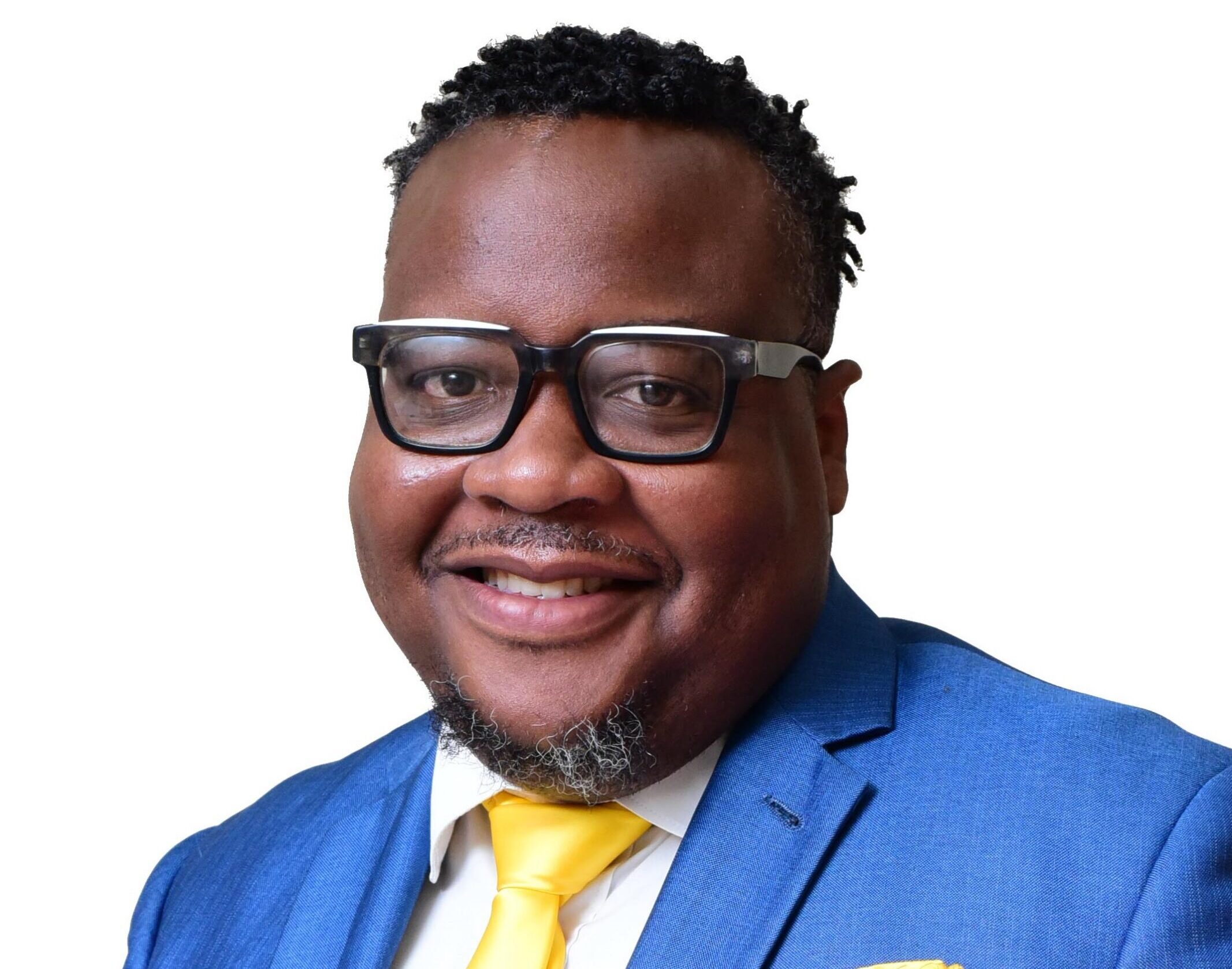
Over 2,700 students across the island sat the exam, which determines secondary school placement for young learners. But in an official statement released Wednesday, DLP’s education spokesperson Quincy Jones pushed back hard against claims from Education Transformation Minister Chad Blackman, who dismissed Tuesday’s disruptions as nothing more than minor administrative hiccups. Jones argued the documented issues on exam day reveal far deeper, systemic failures in the Ministry of Education’s planning and execution that cannot be brushed aside.
“What Barbados is witnessing is not a slight delay or inconvenience; it is a clear and troubling breakdown in the Ministry’s systems,” Jones emphasized in the statement.
Jones pointed specifically to verified reports that test packets arrived hours late to one of the island’s key exam hubs, St Michael School, a disruption that impacted hundreds of students drawn from multiple local primary schools. Beyond the late papers, he raised urgent red flags about chaotic, last-minute arrangements for students requiring special testing accommodations, a group that has grown steadily in recent years as education authorities expand accessibility provisions. He also questioned whether exam centers had robust, well-rehearsed emergency protocols in place to respond to on-site medical events involving student test-takers.
Jones stressed that these failures are not trivial administrative missteps. “[These] are not administrative ‘hiccups.’ They are signs of poor planning, weak execution, and a failure to manage the basic responsibilities of the office,” he said.
Jones’ criticism came one day after Blackman publicly defended the government’s management of the exam, telling reporters that the 2024 BSSEE was overwhelmingly successful, with only one isolated delay reported at a single center. “There was some delay earlier at the St Michael School, but we’re going to ensure that we look into it,” Blackman told reporters Tuesday, adding that the overall examination process “ran smoothly.”
But Jones rejected the government’s attempts to downplay the disruptions, noting that the 11-Plus is a high-stakes test that shapes the academic trajectory of every participating student. He added that Barbados has a long track record of successfully administering large-scale national exams, including the regional Caribbean Secondary Education Certificate (CSEC) and Caribbean Advanced Proficiency Examination (CAPE), without the level of chaos and confusion seen during Tuesday’s 11-Plus. The root of the problem, Jones argued, is not flaws in the long-standing exam framework itself, but ineffective political leadership overseeing the process.
“The Minister cannot hide behind soft language and public relations spin while students sit in uncertainty, teachers scramble for solutions, and parents are left concerned about both fairness and safety,” Jones said.
The DLP is now formally calling on the Ministry of Education to deliver public, transparent answers to three core questions: what caused the late delivery of examination papers, how prepared are exam centers to accommodate the rising number of students with special needs, and what concrete measures are in place to protect vulnerable candidates during on-site emergencies.
Jones argued that even individual failures add up to a broken system: “If examination papers are arriving late, if centres are stretched beyond capacity, and if there is no clear communication on how medical emergencies like seizures or diabetic episodes are handled, then the system is failing.”
He repeated the opposition’s demands for full transparency, asking: “The country deserves clear answers: why were examination papers late? Why was there inadequate preparation for the growing number of students requiring special accommodations? What emergency systems are in place to protect vulnerable students during examinations?”
Jones closed by noting that Barbadians expect competent governance from their elected leaders, not excuses for mismanagement. He insisted that Minister Blackman must take full personal and political responsibility for the confirmed failures on exam day.