作者: admin

  • Over 3000 residents benefit from Sandals Foundation-powered 1000 Smiles clinic in Antigua

    Over 3000 residents benefit from Sandals Foundation-powered 1000 Smiles clinic in Antigua

    A groundbreaking dental health initiative has brought transformative oral care to the island nation of Antigua, with the collaborative 1000 Smiles clinic providing free services to thousands of residents during its inaugural two-week mission. The program—spearheaded by the Sandals Foundation in partnership with nonprofit organization Great Shape! Inc.—successfully treated 3,575 patients through a comprehensive volunteer effort.

    The extensive operation featured 121 dental professionals from the United States and Canada who delivered approximately 8,000 individual dental procedures. Services ranged from routine cleanings and fillings to extractions, restorative treatments, and urgent care interventions. The initiative received coordinated support from Antigua’s Ministry of Health, ensuring island-wide reach and impact.

    Joseph ‘Papa Joe’ Wright, Founder of Great Shape! Inc., described the mission as particularly significant. ‘The response from communities across the island reminded us why this work matters—relieving pain, restoring dignity, and giving people reason to smile again,’ Wright noted, emphasizing the program’s profound effect on a population of approximately 100,000 residents.

    Preventative care constituted a critical component of the initiative, with educational outreach extending to nearly 3,000 children across ten schools. The program distributed over 7,000 oral hygiene kits containing toothbrushes, toothpaste, and dental floss to encourage sustained healthy practices beyond the clinic’s operation.

    Heidi Clarke, Executive Director of the Sandals Foundation, highlighted the collaborative achievement: ‘This Antigua staging showed what is possible when trusted partners come together in service of community health.’ The Foundation covered all administrative costs and logistics, while Sandals Resorts provided volunteer accommodations, enabling dental professionals to concentrate exclusively on patient care.

    With this successful deployment, Antigua now joins several Caribbean nations including Jamaica, Turks and Caicos, Grenada, The Bahamas, and Saint Lucia in benefiting from the ongoing dental mission program.


  • Calypso Heritage Fraternity Launched to Unite Artistes and Safeguard Musical Legacy

    Calypso Heritage Fraternity Launched to Unite Artistes and Safeguard Musical Legacy

    In a significant cultural development, Antigua and Barbuda has formally established the Calypso Heritage Fraternity (CHFAB), creating an institutional framework to safeguard and promote the nation’s storied Calypso tradition. The newly launched organization emerges as a strategic response to cultural preservation needs, aiming to unify performers while elevating the artform’s status both domestically and on international platforms.

    Operating under the unifying motto “Uniting Voices, Preserving Heritage,” CHFAB will function as a centralized body fostering collaboration among Calypsonians while implementing professional development initiatives. The fraternity’s mandate extends beyond performance enhancement to include advocacy for artists’ rights and formal recognition of their contributions to national identity formation.

    The organization’s comprehensive approach includes establishing mentorship programs and educational initiatives designed to bridge generational gaps. These programs will focus on transmitting the artform’s distinctive characteristics—social commentary, narrative storytelling, and cultural memory—to emerging talents.

    Cultural stakeholders describe the foundation of CHFAB as a transformative step in institutionalizing support structures for Calypso artists. The fraternity will serve as both a preservation society and a promotional vehicle, strategically positioning Antigua and Barbuda’s musical heritage within global cultural discourses.

    The initiative welcomes participation from Calypsonians, government entities, cultural organizations, and the general public. CHFAB plans to announce detailed membership guidelines and event calendars in the coming weeks as it begins operationalizing its mission to strengthen, celebrate, and advance the nation’s Calypso legacy.

  • LETTER: Radio and Artificial Intelligence AI is a tool, not a voice

    LETTER: Radio and Artificial Intelligence AI is a tool, not a voice

    As artificial intelligence reshapes the global media landscape, World Radio Day 2026 emerges as a pivotal moment to reaffirm radio’s enduring human connection. Scheduled for February 13, 2026, this international observance will spotlight the critical balance between technological innovation and the irreplaceable human elements that have defined radio broadcasting for over a century.

    Established by UNESCO in 2011 and formally adopted by the UN General Assembly in 2012, World Radio Day traces its origins to the founding of United Nations Radio in 1946. This historical context underscores radio’s role as a symbol of global communication and cooperation in the post-World War II era—a legacy that continues through its demonstrated reliability, accessibility, and authentic connection with audiences worldwide.

    The 2026 theme, “Radio and Artificial Intelligence: AI is a tool, not a voice,” addresses AI’s expanding presence in broadcasting while emphasizing its proper role as a supportive technology rather than a replacement for human judgment. While AI offers significant enhancements in content production, archival systems, multilingual translation, and audience engagement metrics, the observance stresses that editorial integrity, creative storytelling, and ethical accountability must remain firmly in human hands.

    This perspective finds particular resonance in the Caribbean, where the recent passing of pioneering broadcaster Alma Mock Yen highlights radio’s human foundation. As the trainer of generations of journalists through the University of the West Indies’ Radio Education Unit and CARIMAC program, Mock Yen’s legacy exemplifies the mentorship and community-building that form radio’s core values.

    World Radio Day 2026 ultimately serves as both celebration and caution—honoring radio’s unique ability to build trust across cultures and generations while advocating for responsible innovation that preserves the human spirit at the heart of broadcasting. As media philosopher Marshall McLuhan observed, radio maintains an intimate person-to-person connection that transcends mere information delivery, creating unspoken bonds between broadcaster and listener that technology should enhance rather than replace.

  • Dr. Timothy Antoine Reappointed for Five-Year Term as Central Bank Governor

    Dr. Timothy Antoine Reappointed for Five-Year Term as Central Bank Governor

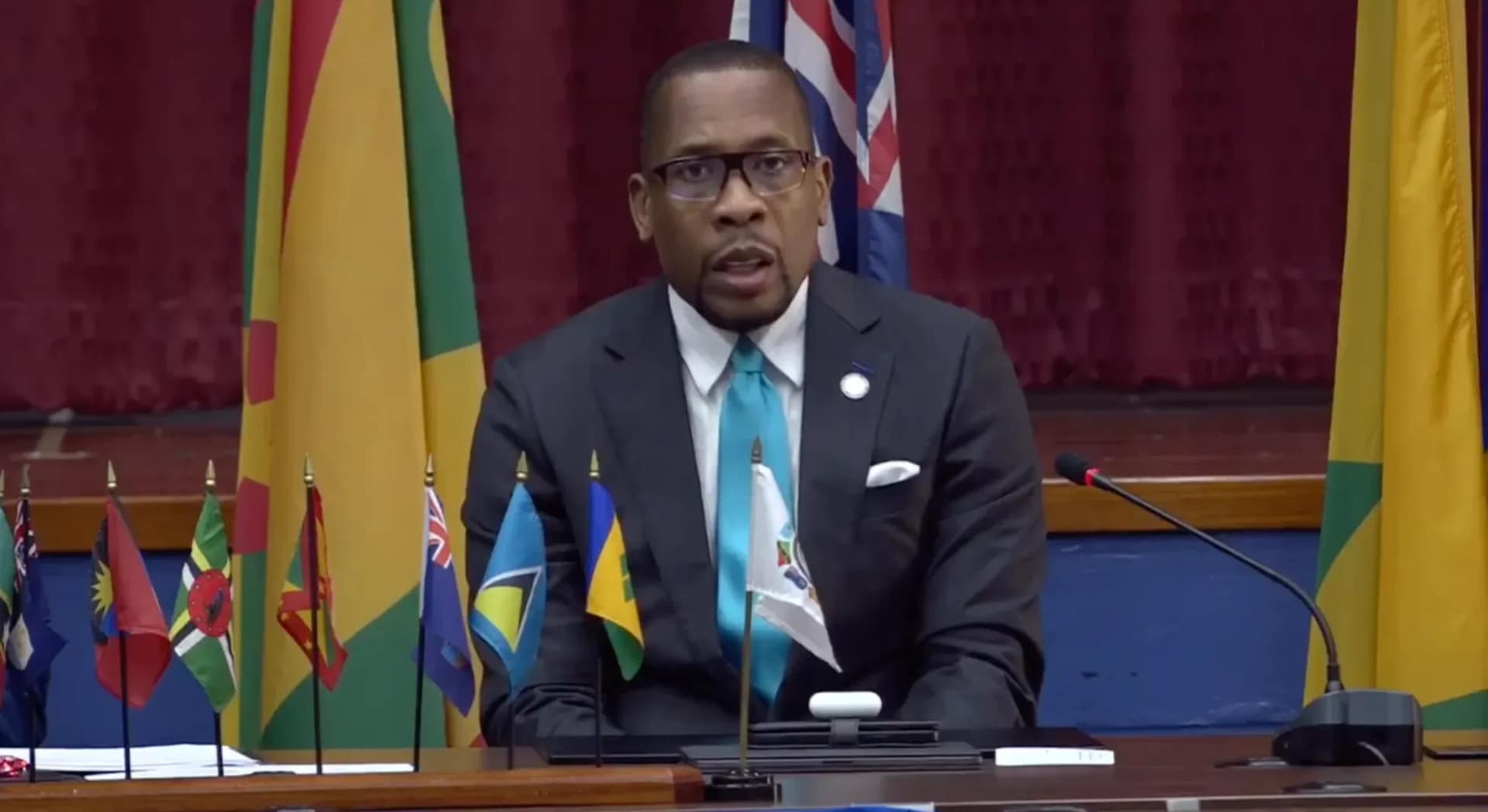
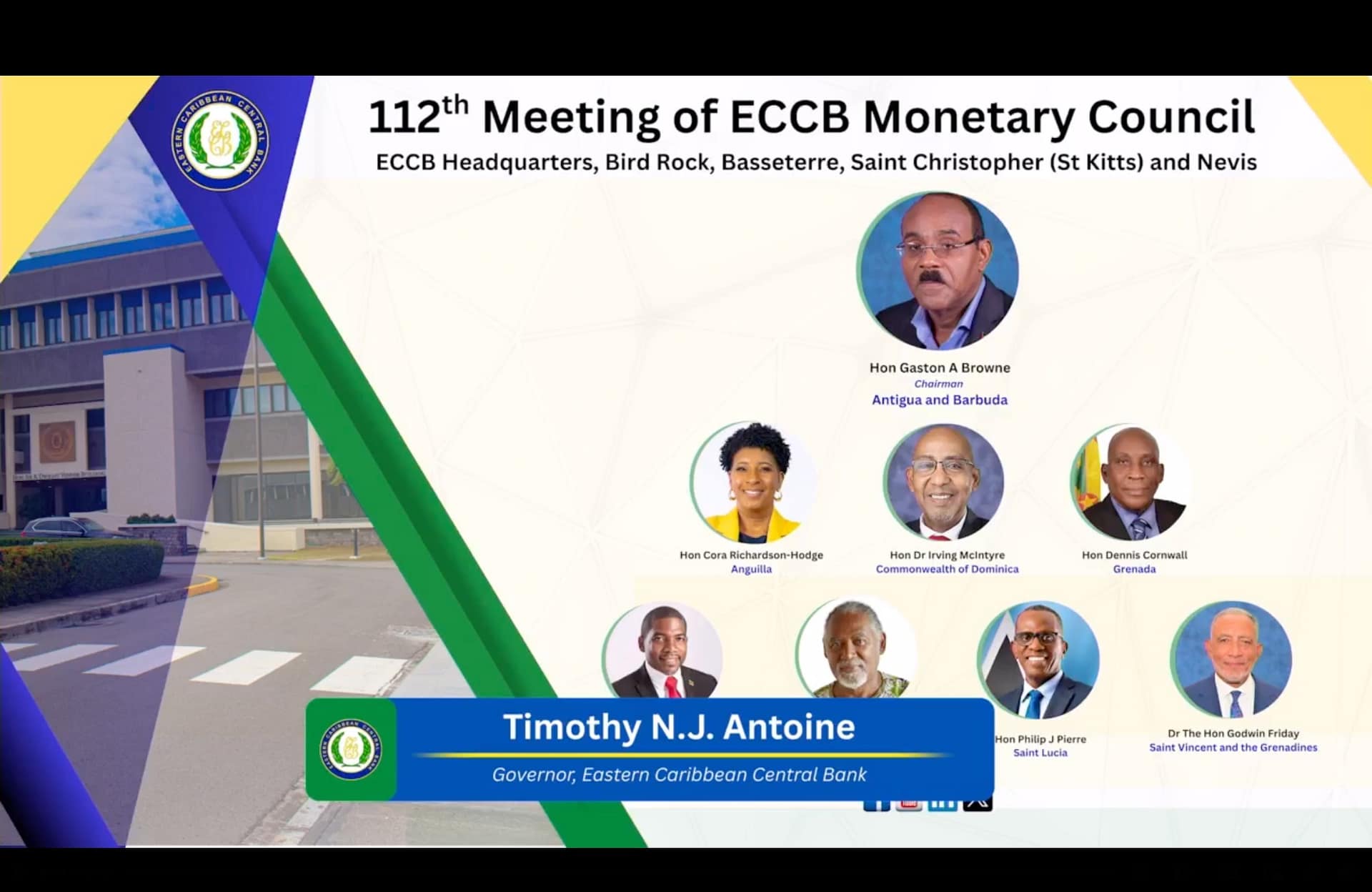
    The Eastern Caribbean Central Bank (ECCB) has reaffirmed its commitment to leadership continuity by reappointing Timothy N.J. Antoine as Governor for an additional five-year term. The Monetary Council finalized this decision during its 112th meeting held at the ECCB Campus in St. Kitts and Nevis, chaired by Antigua and Barbuda’s Prime Minister and Finance Minister Gaston Browne.

    Effective February 1, 2026, Antoine will continue steering the monetary authority through complex global economic landscapes characterized by evolving geopolitical tensions and persistent structural challenges. The Council emphasized in its post-meeting communiqué that maintaining stable leadership is crucial for implementing coordinated policy measures essential for regional stability, sustainable growth, and economic resilience.

    Under Antoine’s governance since 2016, the Eastern Caribbean Currency Union has maintained remarkable monetary stability. The Council highlighted the strength of the EC dollar, supported by a 99.5% backing ratio—significantly exceeding the statutory minimum requirement of 60%. Foreign reserves currently stand at EC$5.83 billion, providing substantial buffer against economic shocks.

    Antoine’s renewed mandate coincides with the ECCU’s accelerated implementation of its comprehensive regional development blueprint, ‘The Big Push for Shared Prosperity and Resilience.’ This strategic initiative focuses on enhancing productivity, diversifying economic activities, and strengthening financial and climate resilience across member territories.

    The ECCB serves as the central monetary institution for eight member economies: Anguilla, Antigua and Barbuda, Dominica, Grenada, Montserrat, St. Kitts and Nevis, Saint Lucia, and St. Vincent and the Grenadines.

  • Brand in olieraffinaderij in Havana verergert Cubaanse brandstofcrisis

    Brand in olieraffinaderij in Havana verergert Cubaanse brandstofcrisis

    A significant fire erupted at the Nico Lopez oil refinery in Havana Bay on Friday, threatening to intensify Cuba’s ongoing energy crisis as the nation grapples with a US-imposed fuel blockade. While the blaze originated in a storage warehouse rather than near critical oil tanks, the incident highlighted the country’s precarious energy situation.

    Cuban authorities confirmed the fire has been fully extinguished with no casualties reported. The Ministry of Energy and Mines stated that operations at the facility have returned to normal while investigations continue into the cause. The incident occurred near two oil tankers docked in Havana harbor, though the flames did not spread to adjacent areas.

    This industrial accident compounds Cuba’s severe economic challenges, particularly its dependence on imported fuel. The nation historically relied on Venezuelan oil imports, but these shipments ceased following last month’s abduction of Venezuelan leader Nicolás Maduro by US forces. President Donald Trump’s recent executive order further enables trade tariffs against any country supplying oil to the island nation.

    The fuel shortage has triggered widespread power outages across Cuba, disrupting public transportation and forcing reductions in hospital staffing. Educational institutions have limited operations, government employees work four-day weeks, and some hotels have temporarily closed.

    UN Secretary-General Antonio Guterres recently warned of potential humanitarian collapse in Cuba without immediate energy assistance. The arrival of two Mexican naval vessels carrying over 800 tons of humanitarian aid to Havana on Thursday underscores the growing international concern.

    Maritime tracking experts report no foreign fuel tankers have reached Cuban ports in weeks, leaving the country capable of producing only one-third of its total fuel requirements domestically. Cuban Vice Foreign Minister Carlos de Cossio accused the US of implementing “collective punishment” against the Cuban people, stating that fuel shortages damage transportation, healthcare, education, power generation, food production, and overall living standards.

    Mexican President Claudia Sheinbaum has criticized Washington’s oil restrictions as “unjust” while advocating for renewed dialogue between Cuba and the United States.

  • Communiqué of the 112th Meeting of the Monetary Council of the Eastern Caribbean Central Bank

    Communiqué of the 112th Meeting of the Monetary Council of the Eastern Caribbean Central Bank

    The Eastern Caribbean Central Bank (ECCB) Monetary Council convened its 112th meeting on February 13, 2026, in St. Kitts and Nevis, addressing critical economic challenges and strategic initiatives for the Eastern Caribbean Currency Union (ECCU). Chaired by Honourable Gaston A. Browne, Prime Minister of Antigua and Barbuda, the council’s deliberations occurred against a complex backdrop of global economic shifts and regional structural constraints.

    Leadership continuity emerged as a cornerstone of institutional stability with the confirmation of Timothy N.J. Antoine’s reappointment as ECCB Governor for a five-year term commencing February 1, 2026. This decision reflects the region’s commitment to consistent leadership during a period demanding coordinated policy action.

    The council reinforced the EC dollar’s formidable stability, reporting a backing ratio of 99.5%—significantly exceeding the statutory 60% minimum—and foreign reserves totaling EC$5.83 billion. The currency peg at EC$2.70 to US$1.00 will celebrate its 50th anniversary in July 2026. In response to stable domestic conditions and moderating global inflation, the council maintained key rates: the Minimum Savings Rate at 2.0% and Discount Rates at 3.0% (short-term) and 4.5% (long-term).

    Despite projected global growth of 3.3% in 2026, the council identified persistent risks including geopolitical tensions, commodity price volatility, and disruptions to international trade. The ECCU banking sector demonstrated robust health with high liquidity (EC$1.41 billion in excess liquidity), strengthening capital adequacy, and declining non-performing loans. Five member states are now operational on the ECCU Credit Bureau system.

    The council acknowledged that projected ECCU growth of 3.3% for 2026 remains substantially below the 7% annual growth required to double regional output within a decade. This recognition prompted reinforced commitment to the ‘Big Push’ strategy, focusing on five strategic transformation areas: food security, energy security, logistics and connectivity, financial deepening and inclusion, and human capital development.

    Significant governance advancements included the enactment of the ECCIRA Agreement into national law, establishing the Eastern Caribbean Citizenship by Investment Regulatory Authority to enhance transparency and due diligence. Concurrently, the council approved suspending DCash 2.0 development to prioritize the Fast Payment System and participation in the CARICOM Payments and Settlement System pilot.

    Fiscal concerns emerged regarding debt sustainability, with some member states not on track to achieve the 60% Debt-to-GDP target by 2035. Tourism continued as an economic pillar with 3.3 million visitor arrivals and EC$6.4 billion in expenditure by Q3 2025, though the council emphasized the necessity of moving beyond recovery toward structural competitiveness.

    The council scheduled its 113th meeting for July 10, 2026, in Dominica, where Honourable Dr. Irving McIntyre will assume chairmanship. The meeting concluded with consensus on maintaining monetary stability while accelerating structural reforms to build economic resilience across the currency union.

  • New Coolidge Fire Station Opens to Improve Emergency Response in Northern Antigua

    New Coolidge Fire Station Opens to Improve Emergency Response in Northern Antigua

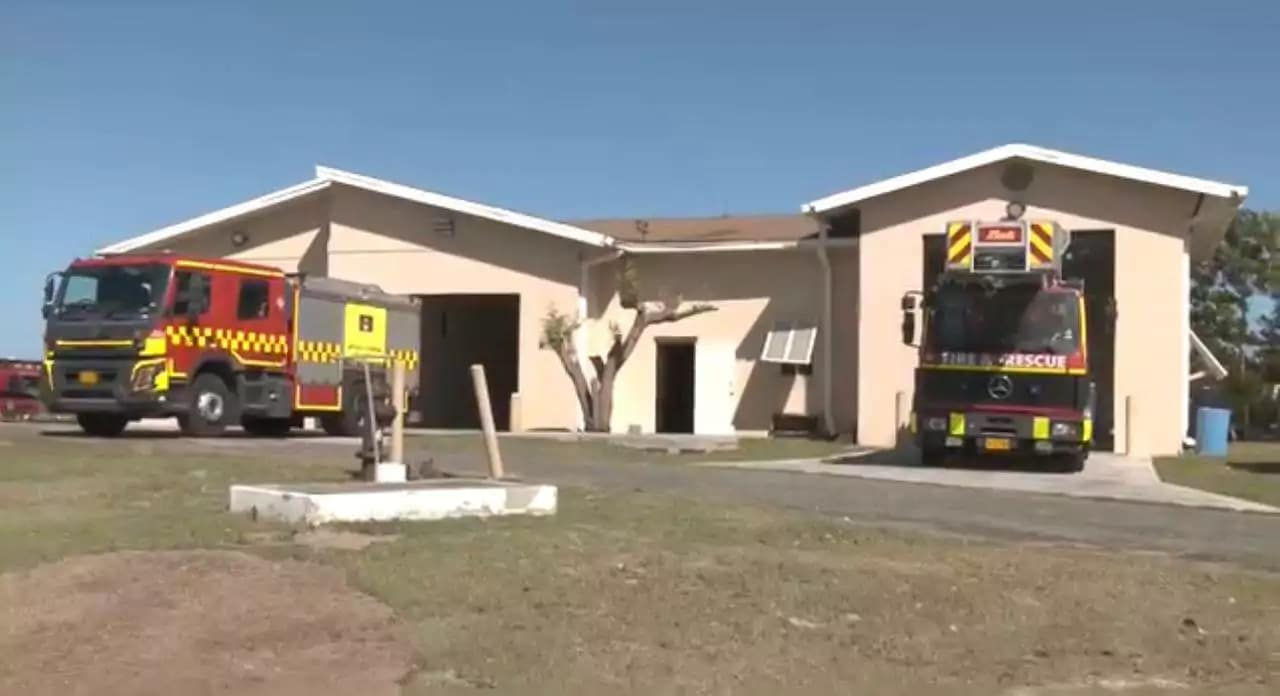
    Northern Antigua has significantly bolstered its emergency response capabilities with the official activation of a new fire station at the Old U.S. Navy Base in Coolidge on February 13, 2026. This strategic infrastructure development marks a critical advancement in public safety for the region’s communities.

    The newly operational facility will provide dedicated fire and emergency services to the communities of Coolidge, Barnes Hill, Blue Waters, Cedar Valley, and Cedar Grove, as confirmed by Fire Department Public Relations Officer Inspector Lester Bagot. Residents in these areas can access emergency assistance through the national 911 system or utilize the station’s direct contact number, 562-0180.

    Corporal Emrol Samuel highlighted the operational benefits, noting that the station will substantially reduce the emergency response burden previously carried solely by firefighters based in St. John’s. This decentralization of services is expected to dramatically improve intervention times during critical incidents across northern Antigua.

    In a compelling address, Operator Corporal Rika Phillip, a 13-year veteran who maintains unwavering passion for her profession, issued an inspirational call for increased female participation in firefighting services. Her testimony underscores the department’s commitment to diversity and inclusion within its ranks.

    Government officials and emergency response coordinators project that this strategic investment in infrastructure will yield measurable improvements in public safety outcomes through reduced emergency response intervals and enhanced community protection capabilities.

  • Senator Jonathan Joseph Donates Medical Supplies to St. John Hospice

    Senator Jonathan Joseph Donates Medical Supplies to St. John Hospice

    In a significant demonstration of ongoing community support, Senator Jonathan Joseph, the United Progressive Party Caretaker for St. Mary’s North, has presented a substantial donation of eight cartons of adult incontinence supplies to the St. John Hospice. This contribution is designed to directly bolster the institution’s specialized palliative care services for patients across Antigua and Barbuda.

    Senator Joseph, a longstanding advocate for the hospice’s mission, has consistently participated in its fundraising initiatives over several years. He emphasized the critical necessity for sustained financial and material assistance to ensure the facility’s operational continuity. His commitment is further deepened by profound personal connections; Senator Joseph revealed that both a close family member and a former employee have been recipients of the hospice’s compassionate end-of-life care, providing him with firsthand insight into its vital community role.

    Administrator Pauline Christopher formally received the donation on behalf of the institution. She expressed profound gratitude for the senator’s consistent benevolence, highlighting that such gifts are indispensable for upholding the high standard of care provided to their residents and, by extension, the broader community they serve.

    The St. John Hospice operates as a non-profit organization under the esteemed patronage of the Governor General. It stands as a cornerstone of the nation’s healthcare framework, delivering essential palliative and end-of-life support services to individuals and families navigating terminal illness, thereby fulfilling an irreplaceable role in the societal infrastructure.

  • Police seek help locating missing teen

    Police seek help locating missing teen

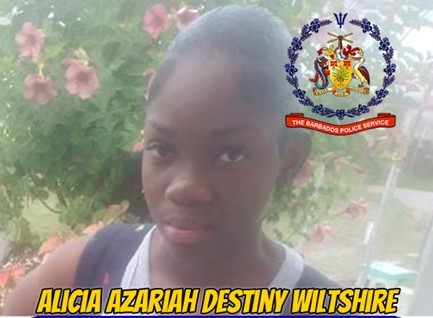
    Barbadian law enforcement officials have issued a public appeal for assistance in locating 15-year-old Alicia Azariah Destiny Wiltshire, who was last seen on the evening of February 11, 2026. The Grantley Adams Secondary School student vanished from her Martindale Road residence in St. Michael approximately at 11 p.m., prompting an intensive search operation across the parish.

    The missing adolescent possesses distinctive physical characteristics that may aid in her identification. Standing approximately five feet seven inches tall with a slim build and light brown complexion, Alicia features a rounded facial structure complemented by a broad forehead. Her facial attributes include dark brown eyes, a slightly protruding nose, thin lips, and noticeably full cheeks. At the time of her disappearance, her straightened black hair was fashioned in a single ponytail with hair extensions visible at the crown. Additional distinguishing features include thinly shaped eyebrows and single ear piercings containing gold-colored studs with centered red stones.

    Authorities note that Alicia maintains an upright posture and was last observed wearing black leggings paired with a yellow T-shirt. Investigation records indicate her frequent presence in several St. Michael localities, including Campaign Land, Martindale’s Road, and Denton Road sectors.

    The Barbados Police Service has established multiple communication channels for information regarding Alicia’s whereabouts. Concerned citizens can contact Central Police Station at 430-7676, utilize the Police Emergency hotline at 211, or provide anonymous tips through Crime Stoppers at 1-800-TIPS (8477). Alternative reporting options include visiting any nearby police station to share potentially crucial information regarding this case.

  • Autistic teen sustains ‘serious’ burns in house fire

    Autistic teen sustains ‘serious’ burns in house fire

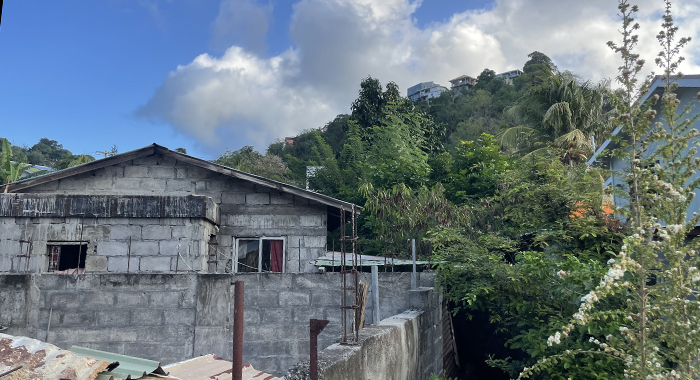
    A swift emergency response prevented a potential catastrophe in Sion Hill on Friday night when a residential fire severely injured an autistic teenager. The incident occurred in a clustered yard arrangement at Lower Roseau, where the 16-year-old and his mother occupy one of three adjacent houses.

    According to witness accounts, the situation unfolded rapidly as thick smoke began billowing from the residence. Distressed screams from neighboring family members alerted the community to the emergency. An uncle stationed at the yard’s entrance and a nearby healthcare professional were among the first to respond to the urgent cries for help.

    The St. Vincent Electricity Services (VINLEC) emergency crew demonstrated remarkable response times, arriving at the scene within minutes of being alerted. Their rapid intervention was quickly supplemented by the arrival of a specialized fire tender from the Fire Brigade of the Royal St. Vincent and the Grenadines Police Force.

    Upon the arrival of emergency personnel, the fire had already been extinguished through community efforts. The adolescent victim had been successfully extracted from the burning structure and placed in the yard for immediate assessment and care. First responders utilized innovative emergency protocols, wrapping the injured teen in a transparent protective material resembling plastic sheeting to stabilize his condition before transport.

    The teenager was promptly transferred to a waiting vehicle and rushed to a medical facility for emergency treatment. Preliminary reports indicate the youth sustained significant burn injuries, primarily affecting his upper extremities and portions of his upper torso. The exact circumstances surrounding the ignition of the fire and whether the vulnerable teen was unsupervised at the time remain under investigation by authorities.

    The incident has highlighted both the vulnerabilities of special needs individuals in emergency situations and the critical importance of community alert systems and rapid institutional response capabilities in crisis management.