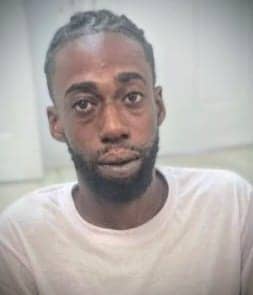
In a significant development in the High Street robbery case, the Royal Police Force of Antigua and Barbuda has arrested and charged 27-year-old Stephon Jackson of Clare Hall. The incident, which occurred on September 22, involved the robbery of two individuals who were stripped of their vehicle, mobile phones, and other valuables. Jackson is alleged to have acted alongside other accomplices in the crime. Earlier, a 17-year-old from Clare Hall was also arrested and charged in connection with the same incident. Jackson is expected to appear in court later this week. Meanwhile, a third suspect voluntarily surrendered to the police on Tuesday, marking a crucial breakthrough in the ongoing investigation. Authorities continue to probe the matter, emphasizing their commitment to bringing all perpetrators to justice. The case has drawn public attention, highlighting concerns over street crime in the region.
作者: admin
-
COMMENTARY: The long walk to full free movement within the CARICOM Single Market
A significant milestone in Caribbean integration has been reached as the Caribbean Community (CARICOM) announces full free movement among four member states: Belize, Dominica, St. Vincent and the Grenadines, and Barbados. This landmark decision, rooted in the Enhanced Cooperation Chapter of the Revised Treaty of Chaguaramas, marks a transformative step toward regional unity and economic collaboration. The initiative, spearheaded by Prime Ministers Mia Mottley, John Briceño, Roosevelt Skerritt, and Ralph Gonsalves, builds upon the foundation laid by the 1989 Grand Anse Declaration, which envisioned a Single Market for the Caribbean. Citizens of these nations can now travel, work, and reside indefinitely across the participating jurisdictions without the need for work permits or additional visas. This development not only strengthens regional ties but also opens doors for enhanced cultural exchange, economic opportunities, and shared governance. Dr. Kai-Ann Skeete, Trade Policy Research Fellow at the Shridath Ramphal Centre, emphasizes the importance of this integration, urging young professionals to explore opportunities within the OECS territories, which have long embraced free movement. She also calls for strategic communication, technological innovation, and civil society engagement to address challenges such as transportation, standardization, and geopolitical tensions. As CARICOM moves forward, the region must harness youthful energy and collective wisdom to ensure equitable and sustainable development. The words of former Barbados Prime Minister Owen Arthur resonate deeply: ‘It is time to now give Caribbean unity a chance.’
-
Pringle Says Lack of Trust Undermines Crime-Fighting Efforts
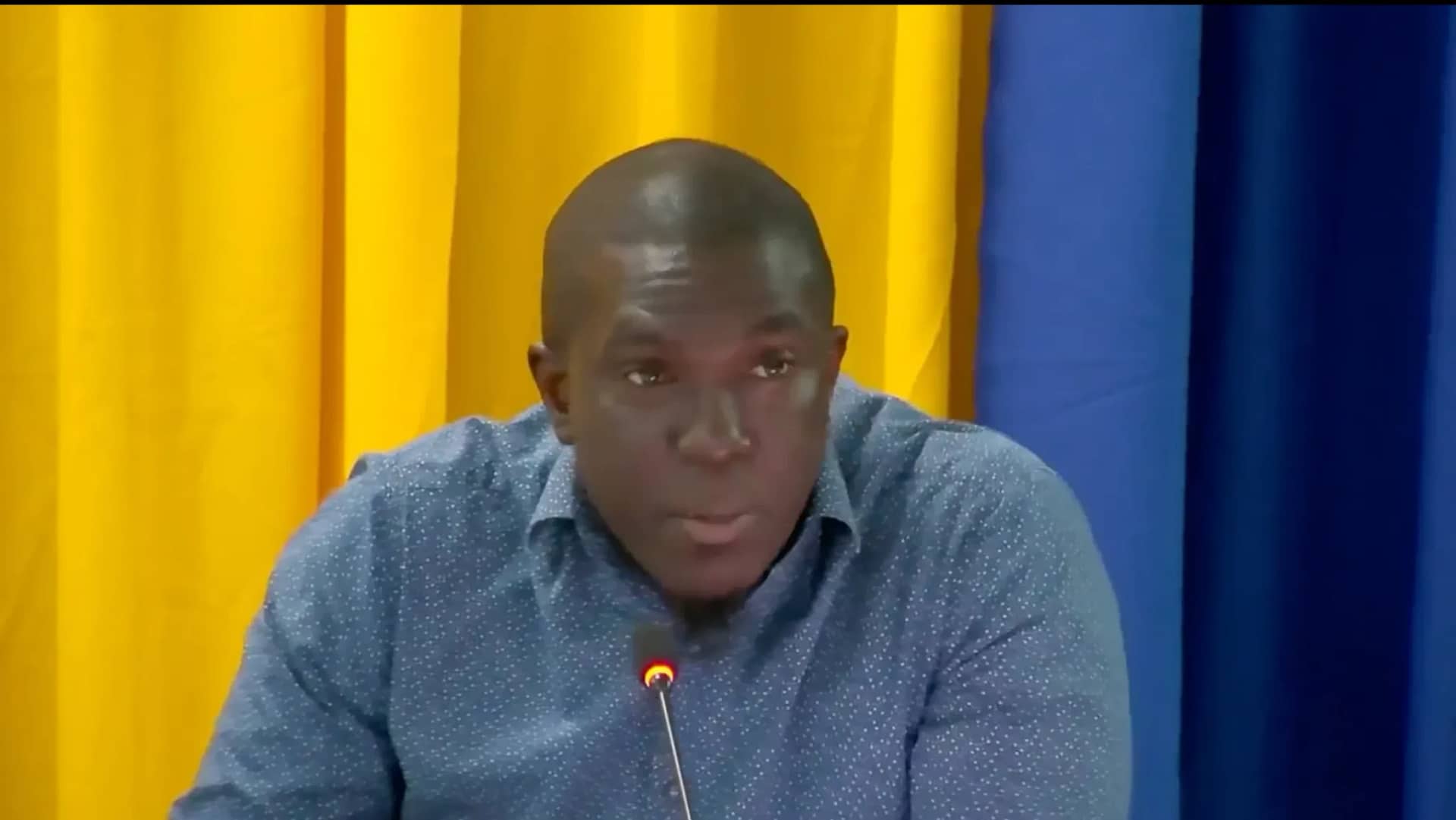
Opposition Leader Jamale Pringle has raised concerns over the growing mistrust between the public and law enforcement, stating that it is severely hindering crime-solving efforts. Speaking at a United Progressive Party town hall, Pringle emphasized the need for stronger community engagement and greater transparency from the police to rebuild confidence. He cited a recent incident in Scarit’s Pasture where a resident, who considered sharing surveillance footage with the police, received a handwritten threat the following morning, warning them against cooperating. Pringle argued that such breaches of confidentiality undermine trust and discourage citizens from providing crucial information. He stressed that rebuilding this trust requires not only safeguarding sensitive communications but also fostering closer interactions between the police and the community. Additionally, Pringle criticized the lack of regular updates on ongoing investigations, urging law enforcement to keep the public informed to demonstrate that cases are being actively pursued. His remarks were part of a broader discussion on crime, accountability, and governance, where panelists also proposed measures such as independent investigations and enhanced border security.
-

A Response to the UWI Incident Article
A recent article published on September 30, 2025, detailing an alleged seizure incident involving a student at the University of the West Indies Foundation for International Cooperation (UWI-FIC), has sparked significant controversy. The article claimed that the university failed to respond adequately to the situation. However, a concerned mother, whose daughter experienced a similar incident on the same day, has raised serious doubts about the accuracy and motives behind the report. In a heartfelt response, she emphasized that the details provided in the article were inconsistent with her daughter’s experience and questioned whether the author was impersonating or misrepresenting the event. The mother highlighted the importance of using established internal channels to address such issues rather than resorting to public criticism. She also expressed concern that the article could damage the long-standing collaborative relationship between her family and the university, which has been instrumental in supporting her daughter’s education. As an educator and advocate for equitable access to education, she urged the author to retract the article and issue a public apology to protect her daughter’s reputation and the integrity of UWI-FIC. She emphasized the university’s critical role in the region’s development and called for constructive dialogue to address health-related challenges in academic settings.
-

DNO Poll Results: Do you agree with a proposed ban on importation of toy guns?
In a bold statement addressing the growing misuse of imitation firearms in criminal activities, DPP Sherma Dalrymple has proposed a complete ban on the importation of toy guns. Expressing her concerns, Dalrymple emphasized the potential dangers these replicas pose when used in illegal acts. She further revealed her intention to formally submit a proposal on the matter to the Attorney General, urging stricter regulations to curb the issue. The proposal has sparked widespread debate, with a recent poll revealing that 72.95% of respondents support the ban, while 27.05% oppose it. The total of 599 votes underscores the divisive nature of the topic, as society grapples with balancing public safety and personal freedoms.
-
The UN General Assembly Is Over But The Conversation Continues
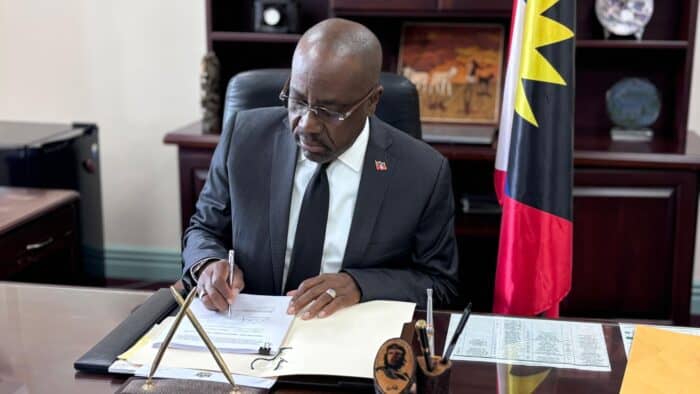
The annual United Nations General Assembly, a platform where world leaders convene to address global challenges, took a disappointing turn this year. The anticipation for a unifying message and a shared vision was met with a speech that starkly deviated from the expected tone of multilateralism and cooperation. Delivered by a major power, the address was criticized for its transactional and boastful cadence, which seemed ill-suited for a forum founded on the principles of mutual respect and collective action. The speech’s focus on narrow self-interest and rivalry, rather than collaborative solutions, left a void in addressing pressing global issues such as climate change, displacement, and geopolitical strife. The absence of a reaffirmation of universal human rights, empathy for vulnerable populations, and a unifying vision further underscored the speech’s shortcomings. This approach risks encouraging isolationism at a time when complex interdependence demands sophisticated engagement. The critique highlights the need for nations to fill this void with a renewed commitment to dialogue, peace, and shared responses to global challenges.
-
New US$250 visa “Integrity Fee” takes effect today
The United States has unveiled a comprehensive hike in immigration and visa fees, set to take effect this October. The new fee structure introduces substantial increases across various categories, impacting foreign travelers, immigrants, and visa applicants.
-
More Americans are CBI-approved citizens of Grenada
The latest data from Grenada’s Investment Migration Agency (IMA), formerly known as the Citizenship by Investment (CBI) Unit, reveals a significant shift in the nationalities of new citizens approved under the program in 2025. In the second quarter, 12% of the 402 new CBI-approved citizens were US nationals, marking a notable increase from the first quarter, where only 1% of 632 approved citizens were from the United States. This surge positioned the US as the second-highest nationality, trailing behind China, which accounted for 10% of approvals, and surpassing Nigeria, which also represented 10%. This is the first time Nigeria has been displaced from its usual second-place ranking in the CBI program. Other nationalities approved during this period included Pakistan, the United Kingdom, the Philippines, and several African and Middle Eastern countries. As of the end of the second quarter, the program had approved 893 new citizens, generating EC$103.2 million in revenue, according to the Ministry of Finance’s June 2025 report. Thomas Anthony, CEO of the IMA, announced plans to expand the program’s marketing efforts in Africa, with a focus on West Africa. A team from the agency is set to tour the region in October 2025, building on recent engagements in Kenya, where over 100 individuals attended a promotional event in collaboration with the Nairobi Chamber of Commerce. Anthony emphasized Nigeria’s prominence in African applications and expressed optimism about extending the program’s reach to other African nations.
-
COMMENTARY: My friend Grenadian revolutionary Lt. Col.Liam James, a personal memoir of the Grenada Revolution, Dominica & the Douglas brothers
The Grenada Revolution, a pivotal chapter in Caribbean history, remains a subject of deep reflection and analysis. At its heart was Lieutenant Colonel Liam James, a key figure whose life and actions offer profound lessons on leadership, revolution, and the rule of law. This narrative revisits the revolution through the lens of personal encounters, political dynamics, and the broader implications for Caribbean governance.
Liam James first emerged as a revolutionary leader during the 1979 Grenada Revolution, which sought to overthrow the authoritarian regime of Eric Gairy. His journey began in 1978 at the 11th World Festival of Youth and Students in Havana, Cuba, where he forged bonds with fellow Caribbean activists, including the author. Their discussions, fueled by revolutionary zeal, envisioned a socialist future for the region.
James played a central role in the revolution’s early days, accompanying Prime Minister Maurice Bishop on missions to assist Dominica after Hurricane David in 1979. However, the revolution soon faced internal fractures. Ideological purity and personal rivalries overshadowed the movement’s initial idealism, leading to the tragic massacre of Bishop and others in October 1983. The subsequent U.S. invasion marked the revolution’s collapse, with James and other leaders arrested and sentenced to death, later commuted to imprisonment.
The Grenada Revolution’s downfall was rooted in its disregard for democratic norms and civil liberties. The People’s Revolutionary Government (PRG) closed parliament, suspended elections, and detained critics without due process, eroding its legitimacy. This ‘heavy manners’ approach starkly contrasted with the constitutional and inclusive strategies advocated by leaders like Rosie and Michael Douglas in Dominica.
Rosie Douglas, a prominent Pan-Africanist, championed the Committee of National Salvation (CNS), which united diverse political factions to ensure a peaceful transition of power in Dominica. His brother, Michael, emphasized the importance of education, temperance, and respect for democratic institutions. Their leadership underscored the value of dialogue, compromise, and the rule of law in achieving lasting political change.
As the Caribbean reflects on this tumultuous period, the lessons are clear. Revolutions that abandon constitutional safeguards risk descending into tyranny. The Grenada Revolution’s failure serves as a cautionary tale, highlighting the need for leadership grounded in humility, education, and respect for individual rights. The Golden Rule—treating others as one wishes to be treated—remains a timeless principle for governance and justice.
This narrative, drawn from personal experiences and historical analysis, underscores the enduring relevance of these lessons as the Caribbean continues its journey toward democracy and social progress.
-
Creole Heartbeat radio series explores ‘WCMF @ 25: From Idea to World Class Festival’
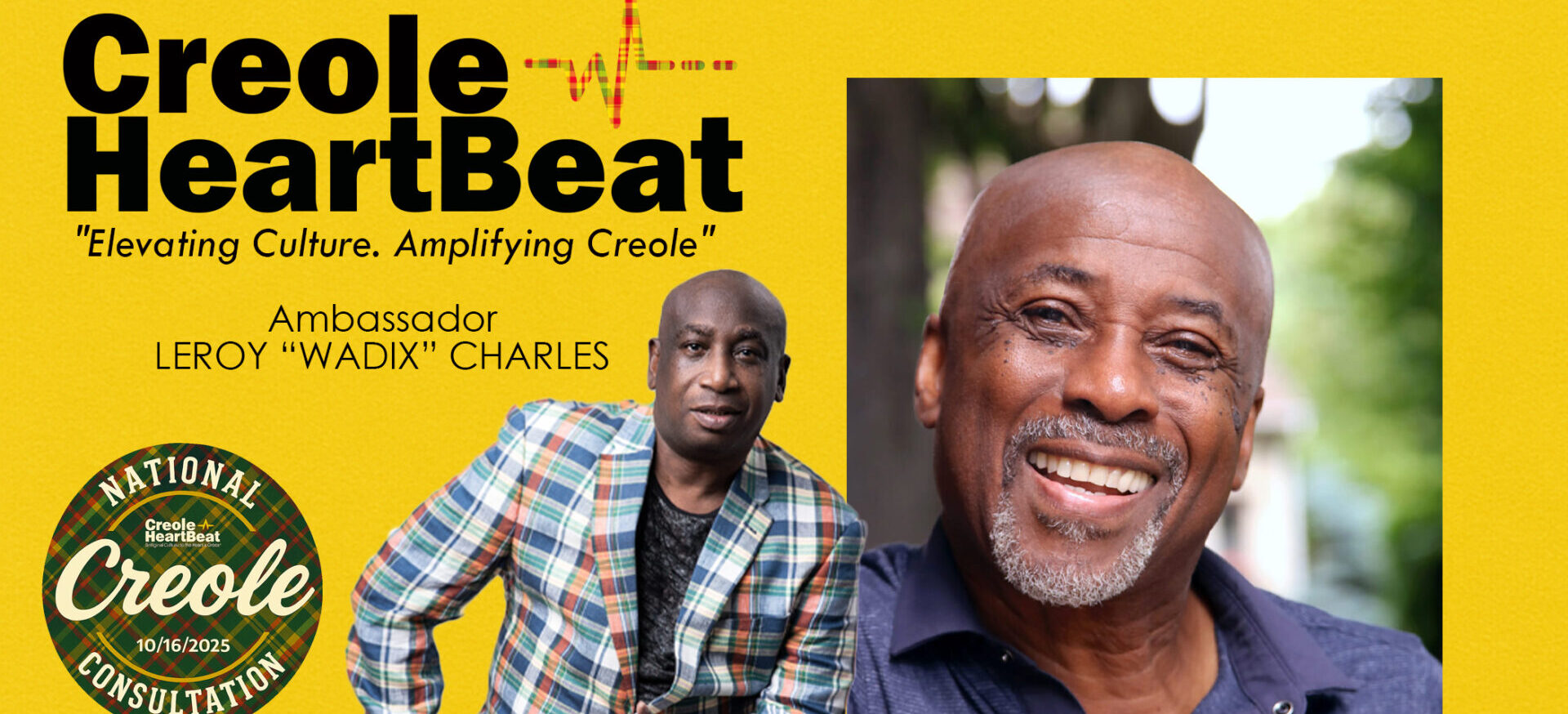
In today’s digitally-driven world, social media platforms have become the cornerstone of communication and information dissemination. The act of sharing content—whether through tweets, pins, or posts—has evolved into a powerful tool for engagement and influence. A recent image, hosted on a news platform, exemplifies this phenomenon. The image, which has been widely circulated, underscores the significance of visual content in capturing audience attention and fostering interaction. As users continue to share and engage with such content, the dynamics of digital communication are being reshaped, highlighting the transformative power of social media in connecting individuals and amplifying messages across the globe.