
Prime Minister Gaston Browne has announced plans to reshape or level Rat Island, a small offshore island near St. John’s Harbour, as part of a broader initiative to modernize and beautify Antigua and Barbuda’s waterfront areas. Speaking on the Browne and Browne Show on Pointe FM, Browne emphasized that the material from the island’s transformation could be repurposed for land reclamation or other construction projects. This move aligns with the government’s vision to enhance the nation’s tourism and port infrastructure, particularly through its partnership with Global Ports Holding. The prime minister highlighted that the St. John’s Harbour area is central to creating a “modern, world-class capital” capable of attracting visitors and investors. The project complements ongoing efforts, including new cruise port facilities and city beautification initiatives. Browne expressed confidence in the progress of these developments, stating that such projects reflect modernization, presentation, and national pride.
作者: admin
-
PM Browne Says Government Ready to Buy Derelict Properties for Low-Income Antiguans
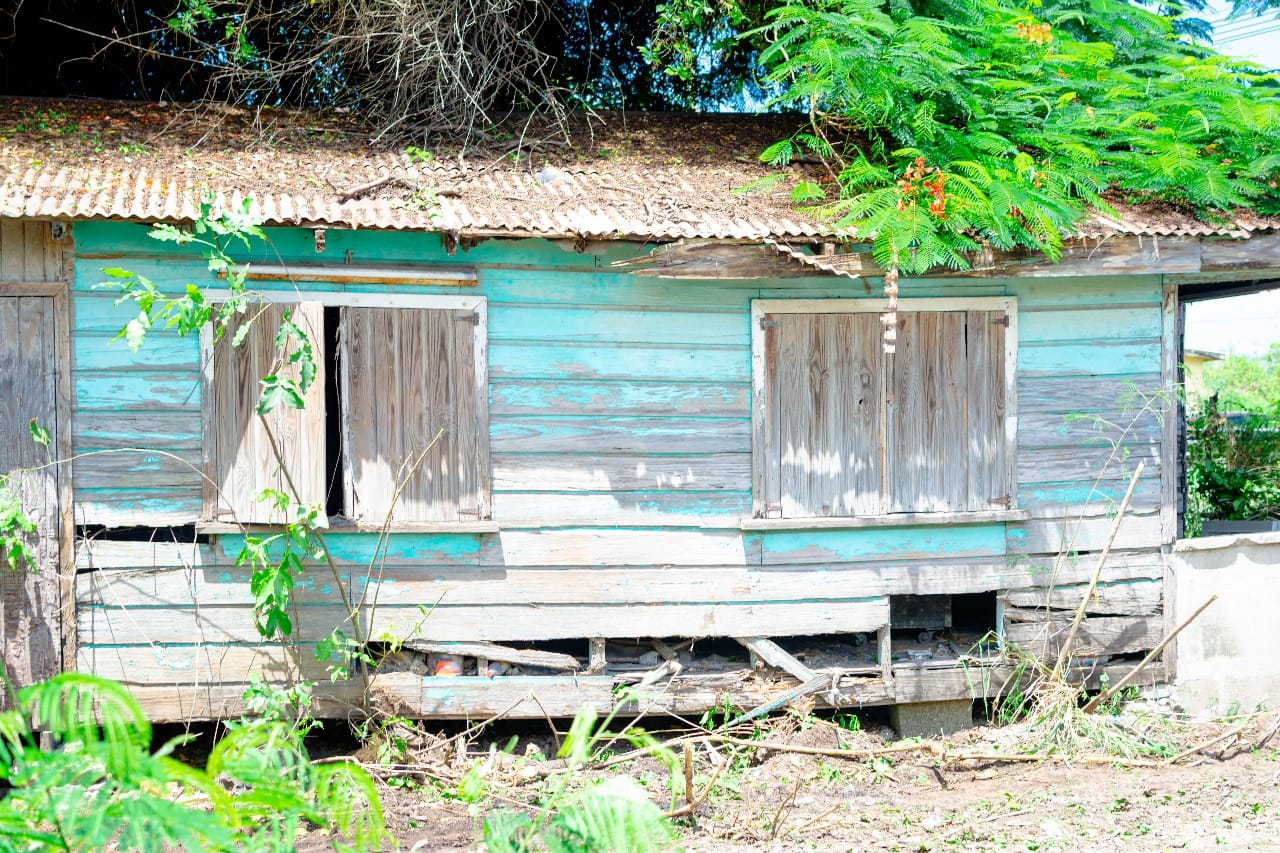
In a bold move to address housing shortages and urban decay, Prime Minister Gaston Browne announced that the Antigua and Barbuda government is prepared to purchase derelict and abandoned properties across the capital, St. John’s. This initiative aims to provide land and housing opportunities for low-income citizens while revitalizing neglected communities. Speaking on the *Browne and Browne Show* on Pointe FM, Browne outlined the dual objectives of the program: to clean up the city and to tackle the growing demand for affordable housing. The government will either buy these properties outright or offer swaps to owners, with a focus on converting neglected lots and abandoned buildings into usable spaces for those in need. Browne warned that uncooperative property owners could face periodic cleaning costs or even demolition of their structures. He emphasized that the program would be managed transparently, ensuring that properties are allocated to deserving individuals rather than being used for political favoritism. The broader goal is to remove urban eyesores, enhance public safety, and foster community pride while enabling working-class Antiguans to gain access to urban property ownership. ‘We have to rebuild the city and give our people the chance to live decently,’ Browne stated. ‘This is about helping those who have been left behind while cleaning up our country at the same time.’ The initiative also targets diaspora members who own derelict properties in St. John’s, offering them a chance to sell their assets to the government for redistribution to those in need.
-

PM Browne Predicts Major Drop in Crime Within A Year as New Security Technology Rolls Out
Prime Minister Gaston Browne of Antigua and Barbuda has announced ambitious plans to drastically reduce crime rates within the next year through the implementation of advanced surveillance and intelligence systems. Speaking on the *Browne and Browne Show* on Pointe FM, Browne revealed that the government is investing in a state-of-the-art national camera network, which will include over 200 strategically placed surveillance cameras across the country. These cameras will be equipped to capture vehicle details and monitor high-risk areas, significantly enhancing law enforcement capabilities.
In addition to the camera system, Browne highlighted the development of an advanced intelligence and radar network by the Antigua and Barbuda Defence Force (ABDF). This cutting-edge technology will enable comprehensive monitoring of both land and maritime activities, including the ability to detect underwater boat movements near key locations such as Jolly Harbour and St. John’s. Browne emphasized that these measures will make it increasingly difficult for criminals to operate undetected, particularly in cases of robberies and other illicit activities.
The Prime Minister underscored the importance of improved coordination between the police and the ABDF, coupled with the integration of modern technology, as part of a broader national security strategy. This initiative aims not only to bolster law enforcement but also to restore public confidence in the justice system. Browne expressed optimism about the potential impact of these measures, stating, ‘Mark my word, you’re going to see a significant reduction in crime and violence within the next year.’
This comprehensive approach reflects the government’s commitment to creating a safer environment for citizens while addressing the root causes of criminal activity. The initiative is expected to serve as a model for other nations grappling with similar security challenges.
-
Prime Minister Gaston Browne to Pursue PhD Starting January
Prime Minister Gaston Browne of Antigua and Barbuda has announced his intention to pursue a Doctor of Philosophy (PhD) degree, commencing his studies in January. During his weekly radio program on Saturday, Browne revealed plans to formally apply to the University of the West Indies (UWI) starting Monday. While the specific field of study remains undisclosed, the Prime Minister framed this decision as a testament to his dedication to lifelong learning and academic excellence. Browne, who already holds a master’s degree, has been a vocal advocate for higher education, consistently encouraging his colleagues and the public to seize educational opportunities. He has particularly emphasized the importance of the UWI Five Islands Campus, where several parliamentarians, including Senator Lamin Newton, Colin O’Neal, and Opposition MP Kelvin “Shugy” Simon, are currently enrolled. Browne’s announcement underscores his belief in the transformative power of education, both for personal growth and national development. This move also aligns with his broader efforts to inspire a culture of continuous learning among Antigua and Barbuda’s leadership and citizens.
-
Family, MP Renew Calls for Justice for Kahleel Simon
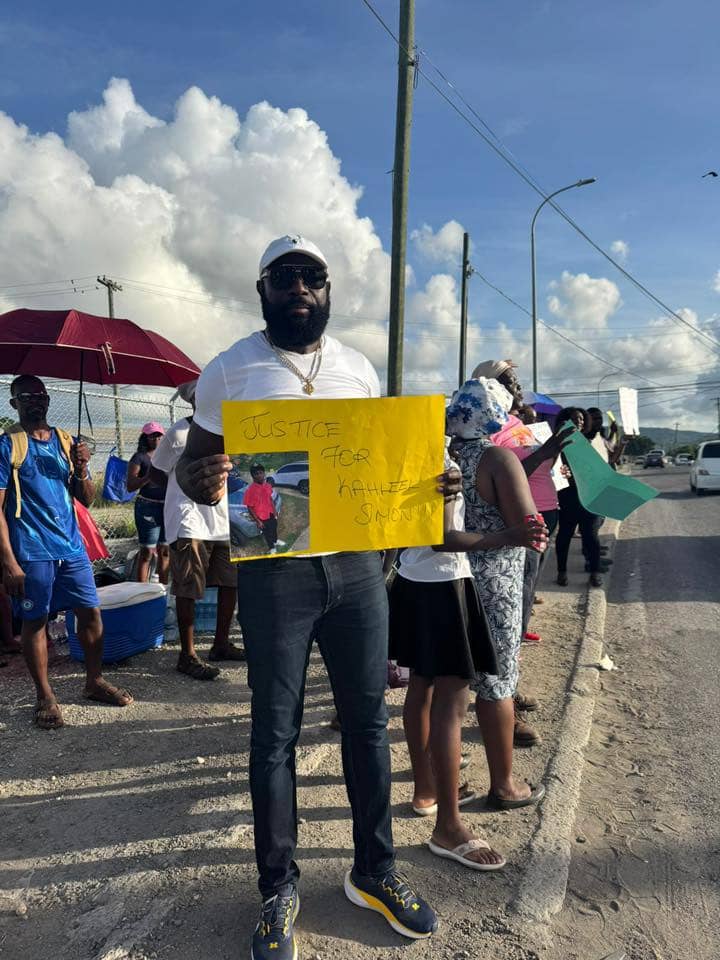
A somber yet determined crowd gathered outside Police Headquarters on American Road this Friday, united in their call for justice in the tragic death of Kahleel Simon. Family members, friends, and supporters of the late teenager stood together, holding placards and chanting “Justice for Kahleel,” as they demanded accountability in the ongoing investigation. Among the protesters was St. Mary’s South MP Kelvin “Shugy” Simon, who has been a vocal advocate for transparency and justice in the case. The MP emphasized that his presence was not politically motivated but a personal stand in solidarity with the grieving family. “An innocent young man, full of promise, cut down in the prime of his life by those sworn to protect and serve,” Simon stated. “We will not be silent. We will not allow this injustice to be buried beneath bureaucracy and lies.” The protest, marked by its peaceful nature, is part of the family’s relentless campaign for answers and justice. They are urging authorities to suspend the officer involved in the fatal shooting pending the outcome of the investigation. Simon reiterated the family’s resolve, saying, “This is about justice—plain and simple. We will not stop until Kahleel’s family gets the answers they deserve.” The community’s unwavering support highlights the broader call for accountability and reform in law enforcement practices.
-

PM Browne Plans AI Music Studio at ICT Centre to Boost Local Creative Industry
In a groundbreaking move to integrate technology into the creative sector, Prime Minister Gaston Browne of Antigua and Barbuda has unveiled plans to establish an artificial intelligence (AI) music studio at the government’s ICT Centre. This initiative aims to empower local musicians by providing them with cutting-edge tools to produce and refine their work. Speaking on *The Browne Show*, the Prime Minister revealed that preparations are already underway, with the studio expected to be operational within 60 days. The facility will be equipped with 10 Apple computers, and a U.S.-based entity has pledged to donate software worth between $15,000 and $20,000 to support the project. Browne emphasized the importance of embracing diverse musical genres, citing global superstar Rihanna as an example of Caribbean talent achieving international success. He also urged established artists to adopt AI tools to enhance their creative processes, highlighting the potential for AI to streamline lyric refinement and composition. The initiative is part of the government’s broader strategy to foster innovation and entrepreneurship among young people in the cultural and digital sectors, with local producer ‘Just Bus’ playing a key role in its development.
-

As rent prices rise, locals question if housing is within reach
The escalating cost of rent in Saint Lucia has become an undeniable reality for residents, evident in everyday conversations and online rental listings. A quick scroll through popular Facebook rental groups reveals stark contrasts: furnished two-bedroom apartments in the north priced at $2,500, unfurnished ones at $2,100, and even studios demanding $2,100. Meanwhile, hopeful renters post requests for one-bedroom units at $1,000 or less, reflecting budgets that once seemed reasonable but now feel increasingly out of reach. This disparity highlights a deepening housing crisis in the country.
A 2017 study by the Ministry of Finance’s Research and Policy Unit identified a significant housing deficit in Saint Lucia, attributing the high costs to an informal construction sector and low wages. Many residents aspire to own concrete homes, seen as more durable and respectable than timber structures, but the financial barriers remain insurmountable for most. With the minimum wage at $1,131 per month, even modest rental prices consume nearly all of a worker’s income.
The situation has been exacerbated by the rise of Airbnb, as property owners prioritize short-term tourist rentals over long-term tenants. Real estate agent Ronald Raoul explains that landlords can earn in a week from tourists what they would make in a month from locals, leading to fewer available rentals and higher prices. Additionally, foreign buyers have driven up property values, creating a ripple effect that keeps rents high even when the market cools.
In response, the government has suspended VAT on construction materials until 2025, aiming to reduce building costs and encourage development. However, this measure alone is unlikely to resolve the crisis. Homeownership remains a distant dream for many, with the 2022 census showing that 65.7% of households own their homes, leaving a significant portion of the population struggling in a tightening market.
The government’s “Year of Infrastructure” initiative, funded by the Citizenship by Investment Programme, promises affordable housing projects in areas like Rock Hall and Dennery. Yet, official reports acknowledge that increasing supply alone will not solve the problem unless incomes rise or housing costs decrease.
For now, Saint Lucians face difficult choices: downsizing, relocating to less central areas, or delaying independence altogether. As rental listings continue to highlight modern finishes and quiet neighborhoods, the underlying question remains: Is housing truly within reach for the average citizen?
-
Michael Alexander Garcia, 23, Dies After Falling Through Roof on Dam Road Farm
A devastating incident has shaken the community of Antigua as 23-year-old Michael Alexander Garcia, a Dominican Republic national and father of a three-year-old, tragically lost his life on Saturday. Garcia reportedly fell through a roof while working on a farm in the Blackout area along Dam Road, sustaining severe head injuries. The accident occurred around 4:30 p.m., leaving the local Hispanic community in profound grief.
Emergency Medical Services (EMS) personnel arrived swiftly to find Garcia lying in a pool of blood. Advanced Emergency Medical Technicians Marina Walker and Mekile Tonkinson made valiant efforts to resuscitate him, but despite their attempts and subsequent medical intervention at Sir Lester Bird Medical Centre, Garcia was pronounced dead.
The tragedy has sparked an outpouring of sorrow, with many members of the Hispanic community gathering at the hospital to mourn his passing. Police have launched an investigation into the incident, raising questions about workplace safety standards and the conditions faced by farm workers.
This heartbreaking event underscores the urgent need for enhanced safety measures in agricultural workplaces to prevent such tragedies in the future. The loss of a young father has left a void in the community, prompting calls for accountability and improved protections for vulnerable workers.
-
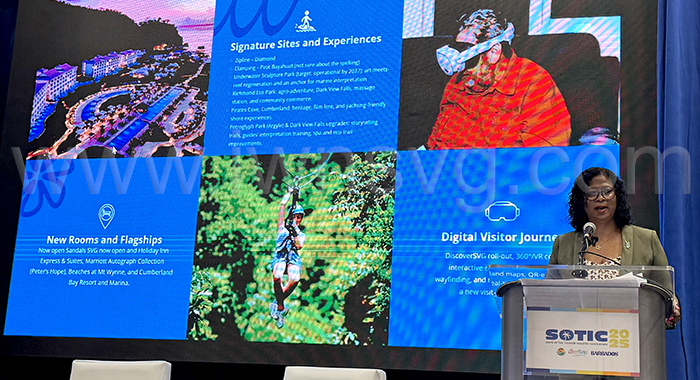
SVG will never be ‘over-commercialised,’ — Mark tells int’l media
St. Vincent and the Grenadines (SVG) is steadfast in its commitment to sustainable tourism, ensuring the destination remains unspoiled by over-commercialization. Annette Mark, CEO of the SVG Tourism Authority (SVGTA), emphasized this vision during her address at the Caribbean Tourism Organisation’s (CTO) 2025 State of the Tourism Industry Conference in Bridgetown, Barbados. Mark highlighted SVG’s dedication to preserving its natural and cultural heritage for future generations while offering visitors an authentic and unique experience.
Mark underscored the importance of responsible development, stating that SVG will never feature massive hotels or overcrowded beaches. Instead, the focus is on community tourism, ensuring that local communities benefit economically and socially from tourism activities. The SVGTA is actively upgrading tourism sites to enhance visitor experiences while maintaining the destination’s charm.
SVG’s multi-island geography is a key attraction, with seamless inter-island connectivity via airports and reliable ferry services. Mark noted that travelers can reach any island within 15 minutes, making it an accessible yet exclusive destination. The country’s tourism strategy is paying off, with a 58.7% year-on-year increase in arrivals from the United States and over 100,000 stay-over visitors for the first time in history.
Air connectivity is expanding, with Virgin Atlantic, American Airlines, JetBlue, and Delta supporting the destination. Additionally, SVG is attracting high-end cruise passengers, aligning with its positioning as a luxury destination. The government is also partnering with major hospitality brands, including Sandals and Marriott, to enhance accommodation options while maintaining a balance between luxury and accessibility.
Mark painted a vivid picture of SVG’s diverse landscapes, from the rugged volcanic terrain of St. Vincent to the pristine white sand beaches of the Grenadines. She invited visitors to imagine the beauty of each island, reinforcing SVG’s appeal as a unique and emerging destination. With a target of 120,000 stay-over visitors this year and a 17.3% increase already recorded, SVG is poised for sustainable growth in its tourism sector.
-
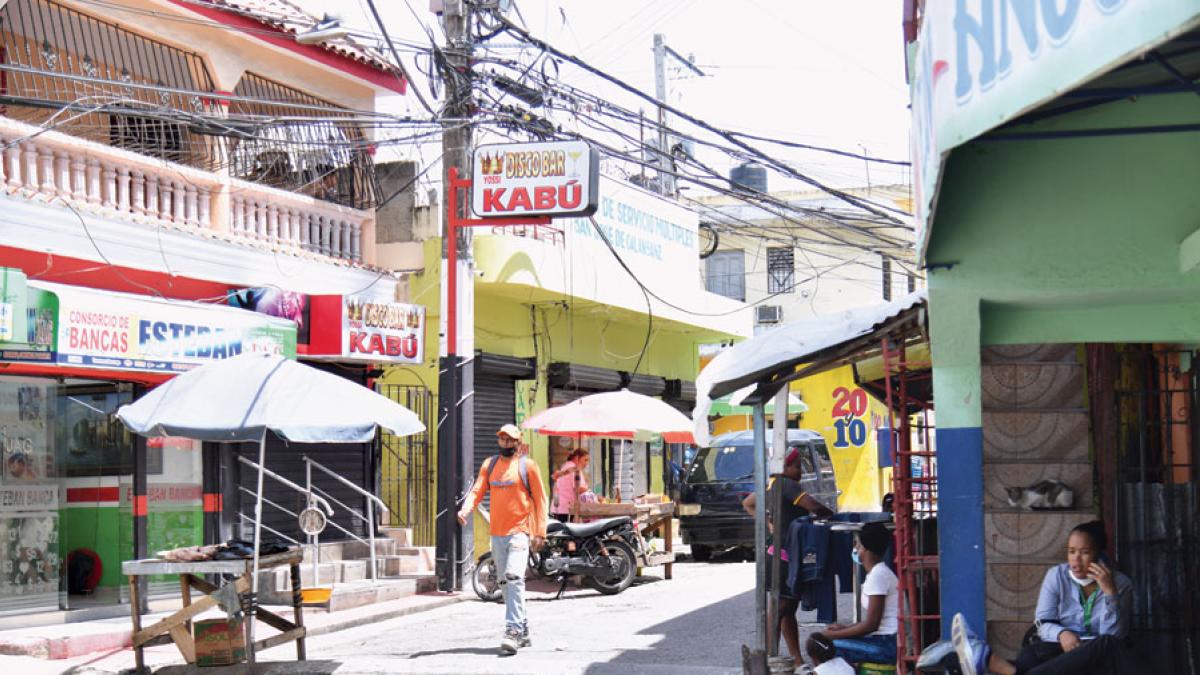
The “miracle” of La Puya de Arroyo Hondo: the neighborhood where even criminals collaborate
La Puya, one of the oldest neighborhoods in Arroyo Hondo, has undergone a remarkable transformation, evolving from a place once feared for its high crime rates to a community now celebrated for its tranquility. Located near the National Zoological Park and the Cristo Rey neighborhood, La Puya stands as a testament to the power of community organization and resident determination in fostering peaceful coexistence. Residents report a staggering 75% to 95% reduction in crime, a stark contrast to the violent clashes and drug-related gang wars that plagued the area in 2022. Basilio Lorenzo, president of the La Puya Neighborhood Association, recalled the neighborhood’s dark past, describing it as ‘unbearable’ and likening the crime surge to a ‘pandemic.’ Today, however, the community enjoys a newfound sense of safety, with residents proudly declaring, ‘There’s no stealing here.’ Despite these improvements, challenges remain, including persistent garbage issues in areas like La Gallera and El Aguacate, and limited access to drinking water. A project in collaboration with the Santo Domingo Water and Sewer Corporation (CAASD) is underway to address the water shortage. Additionally, the community seeks greater support for sports activities, particularly for the local court currently under repair. The government has also noted a nationwide decline in crime, with Interior and Police Minister Faride Raful highlighting a significant drop in homicide rates and theft reports. La Puya, established in the 1960s as a low-income settlement, has long been a ‘popular enclave’ within a privileged sector. Despite its history of poverty and disorganized growth, the neighborhood has reinvented itself through the efforts of its residents, neighborhood associations, and sports clubs, proving that even the most troubled communities can achieve lasting change.