作者: admin

  • Farmers in Carriacou & Petite Martinique receive irrigation equipment

    Farmers in Carriacou & Petite Martinique receive irrigation equipment

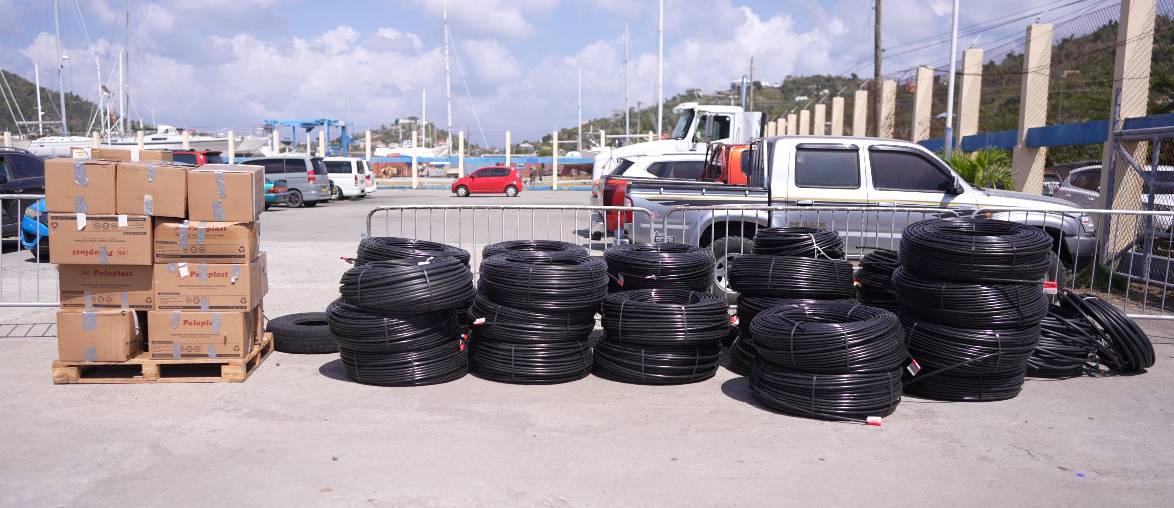
    Agricultural communities on the sister islands of Carriacou and Petite Martinique are pioneering climate-resilient farming through the implementation of advanced irrigation technologies. This transformative initiative, funded through the Challenge Fund for Agriculture (CFA), has equipped twelve pioneering farmers with state-of-the-art dripline and micro sprinkler systems during a formal ceremony at Tyrell Bay Port.

    The distribution event, presided over by Honourable Tevin Andrews, Minister of Carriacou and Petit Martinique Affairs, represents the initial phase of a comprehensive program targeting approximately 270 agricultural producers. These farmers will benefit from integrated climate adaptation solutions including rainwater harvesting infrastructure, precision irrigation systems, and protective shade houses.

    The CFA program operates under the joint administration of the Grenada Development Bank and the Ministry of Agriculture, functioning as a core component of the broader Climate-Resilient Water Sector in Grenada (G-CREWS) project. This strategic partnership represents a significant investment in sustainable agricultural development for the region.

    Among the beneficiaries, Gifford Andrew, a diversified crop producer, expressed enthusiasm for the technological upgrade: “This equipment will revolutionize my farming operations, particularly during drought periods. I currently cultivate corn, lettuce, peppers, cabbage, and tomatoes—these systems will significantly enhance my production capacity.”

    The initiative demonstrates notable gender inclusivity with three female farmers from Petite Martinique among the first recipients. Kiola St Bernard, a year-round agricultural producer, highlighted the system’s potential for seedling propagation: “This irrigation technology will enable me to establish on-farm seedling production, reducing external dependencies and increasing overall output.”

    Minister Andrews emphasized the program’s significance: “These advanced systems will substantially bolster crop production and livestock rearing capabilities, supporting our farmers’ exceptional work in building agricultural resilience.”

    The technical implementation received additional endorsement from Permanent Secretary Leanwall Perrot, who urged optimal utilization of the resources to enhance local food security. Recipients previously completed specialized irrigation installation training to ensure proper system deployment and maintenance.

    The G-CREWS project operates through multinational financing from the Green Climate Fund, Germany’s Federal Ministry for the Environment via its International Climate Initiative, and the Grenadian government. This collaborative effort aims to fundamentally transform water management practices while strengthening national climate adaptation capabilities.
  • Bijzondere geboorte: na vijf jaar weer drieling in Suriname

    Bijzondere geboorte: na vijf jaar weer drieling in Suriname

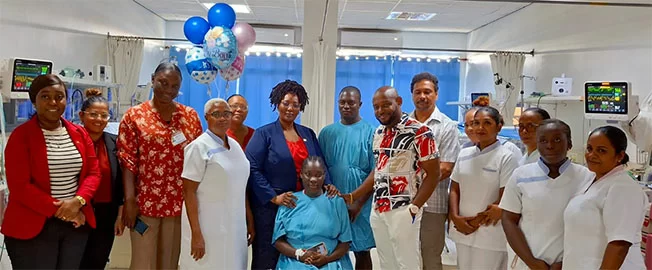
    Suriname has celebrated its first triple birth in five years with the successful delivery of three healthy infants at Paramaribo’s Diakonessen Hospital on February 22nd. The remarkable event occurred in the early morning hours, with Juemuel, Janora, and Remuel entering the world at precisely 1:10 AM, 1:11 AM, and 1:12 AM respectively.

    The newborns’ parents, 26-year-old Anóella Wajo and 27-year-old Denzel Brunswijk from Marowijne, are reported to be in excellent spirits alongside their medically stable children. The delivery was supervised by renowned gynecologist Dr. Fernando Rigters, who also oversaw Suriname’s previous triplet birth in 2021. Postnatal care is being managed collaboratively by Dr. Rigters and physician Wilco Zijlmaan.

    In a demonstration of governmental support, Social Affairs and Housing Minister Diana Pokie personally visited the family to outline available infant support provisions under current legislation. During her visit, Minister Pokie emphasized the importance of dedicated parenting to the newborn’s father.

    The hospital’s executive leadership team—General Director Russ Headley, Medical Director Shalini Ramautar, and Nursing Director Myrthel Gefferie—made a special early morning appearance to personally congratulate the family. The medical institution honored the parents with special recognition ceremonies commemorating the rare multiple birth.

    This obstetric milestone marks a significant moment for Suriname’s healthcare system, demonstrating both medical excellence and institutional support for rare birth occurrences. The successful delivery represents the culmination of specialized prenatal care and coordinated medical teamwork.

  • PM to attend Caricom Heads of Government meeting

    PM to attend Caricom Heads of Government meeting

    Grenadian Prime Minister Hon. Dickon Mitchell is set to participate in the historic 50th Regular Meeting of the Conference of Heads of Government of the Caribbean Community (CARICOM), taking place from February 24-27, 2026, in St. Kitts and Nevis. The significant regional gathering will feature Prime Minister Mitchell leading Grenada’s high-level delegation during the first three days of the summit.

    The conference inauguration will include keynote addresses from prominent regional figures: Chairman and Prime Minister of St. Kitts and Nevis Dr. Terrance M. Drew; Jamaica’s Prime Minister Dr. the Most Honourable Andrew Holness; St. Vincent and the Grenadines Prime Minister Dr. the Hon. Godwin Friday; and CARICOM Secretary-General Dr. Carla Barnett.

    The event will welcome distinguished international participants including His Excellency Adel al-Jubeir, Saudi Arabia’s Minister of State for Foreign Affairs; Afreximbank President and Chairman of the Board of Directors Dr. George Elombi; and United States Secretary of State Marco Rubio, all scheduled to engage directly with Caribbean leaders throughout the proceedings.

    Prime Minister Mitchell’s participation will focus on critical multilateral discussions addressing regional integration frameworks, climate resilience strategies, security cooperation mechanisms, and trade enhancement initiatives. The Grenadian delegation will include Foreign Affairs and Export Development Minister Joseph Andall, alongside diplomatic representatives H.E. Tarlie Francis (Ambassador and Permanent Representative to the United States) and H.E. Aaron Moses (CARICOM Ambassador).

    This milestone summit marks five decades of CARICOM’s mission to promote economic integration and foreign policy coordination among Caribbean nations, with Grenada playing an active role in shaping the community’s future trajectory.

  • 2026 Hurricane Season Storm Names Announced

    2026 Hurricane Season Storm Names Announced

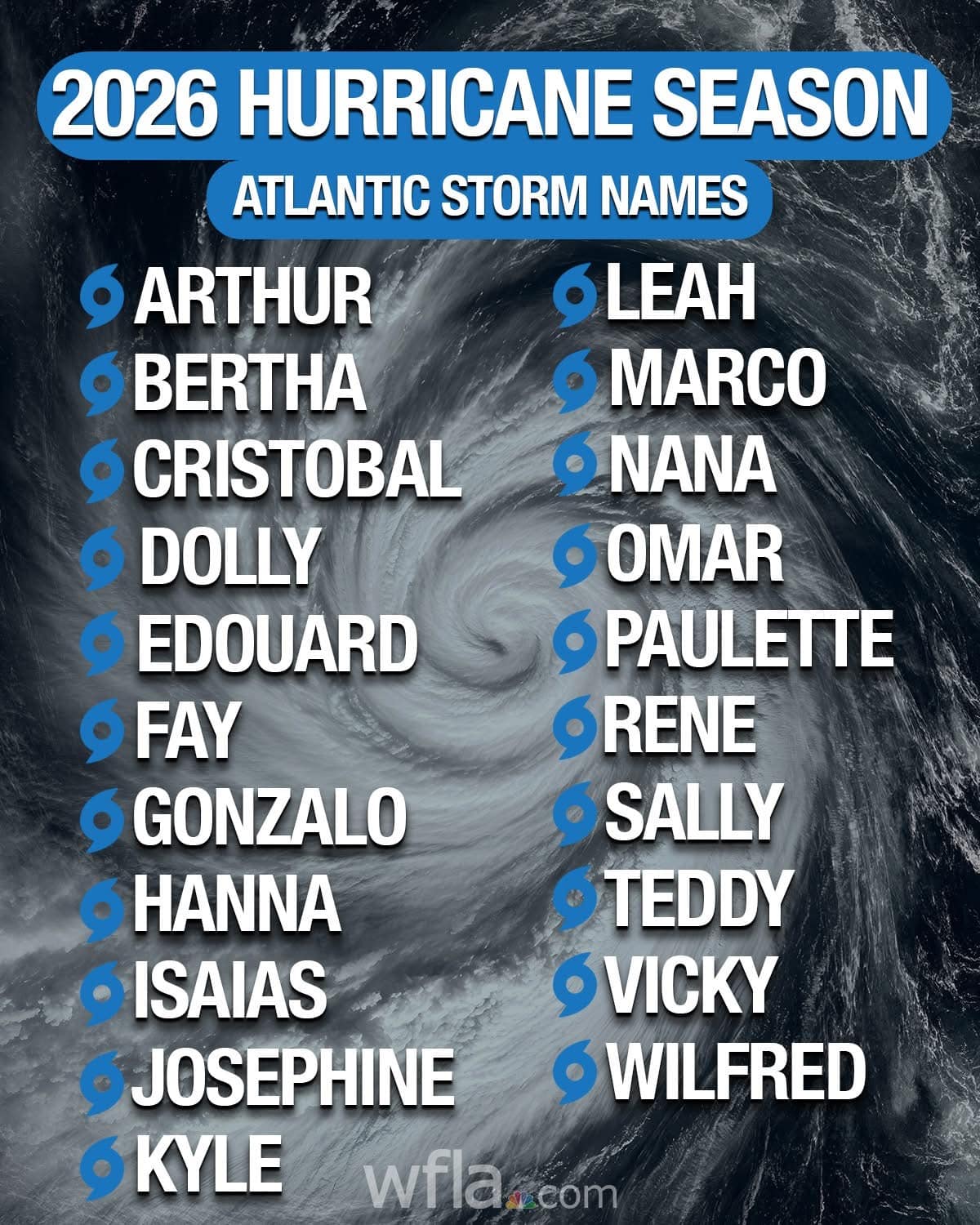
    With the 2026 Atlantic hurricane season approaching within 100 days, meteorological authorities have already predetermined the names for potential storms, beginning with Arthur. This systematic approach to naming tropical cyclones represents a significant evolution from historical tracking methods that relied solely on chronological order.

    The World Meteorological Organization (WMO) maintains a carefully curated list of 21 names that operate on a six-year rotational basis. The 2026 names will mirror those used during the 2020 season, creating a familiar pattern for tracking annual storm activity. The naming process activates when a tropical system achieves sustained wind speeds of 39 mph or greater, with names assigned sequentially from the alphabetical list.

    The historical context of hurricane naming reveals substantial changes over decades. Before the 1950s, the National Oceanic and Atmospheric Administration (NOAA) tracked storms merely by their formation sequence, creating confusion during simultaneous Atlantic events. From 1953 through 1979, the system exclusively utilized female names before evolving to include both genders.

    A significant aspect of the naming protocol involves the retirement of names associated with particularly devastating or deadly storms. The WMO committee conducts annual reviews and removes names “for reasons of sensitivity,” as noted by the National Hurricane Center. Following the 2024 season, names Beryl, Helene, and Milton joined the list of 99 retired names since 1953.

    To address increasingly active seasons, the WMO implemented a supplemental naming list in 2021 after the unprecedented 2020 season exhausted both the primary list and the previous Greek alphabet backup system. The organization discontinued Greek字母 usage due to translation difficulties and the distraction from storm severity awareness. The committee subsequently retired names Eta and Iota from that season.

    The alphabetical limitation stems from practical considerations—insufficient common names beginning with Q, U, X, Y, and Z across the required six rotations, compounded by linguistic accessibility challenges across international weather services.

  • COMMENTARY: Can There Be Black History (Heritage) Month Without the History of Africa?

    COMMENTARY: Can There Be Black History (Heritage) Month Without the History of Africa?

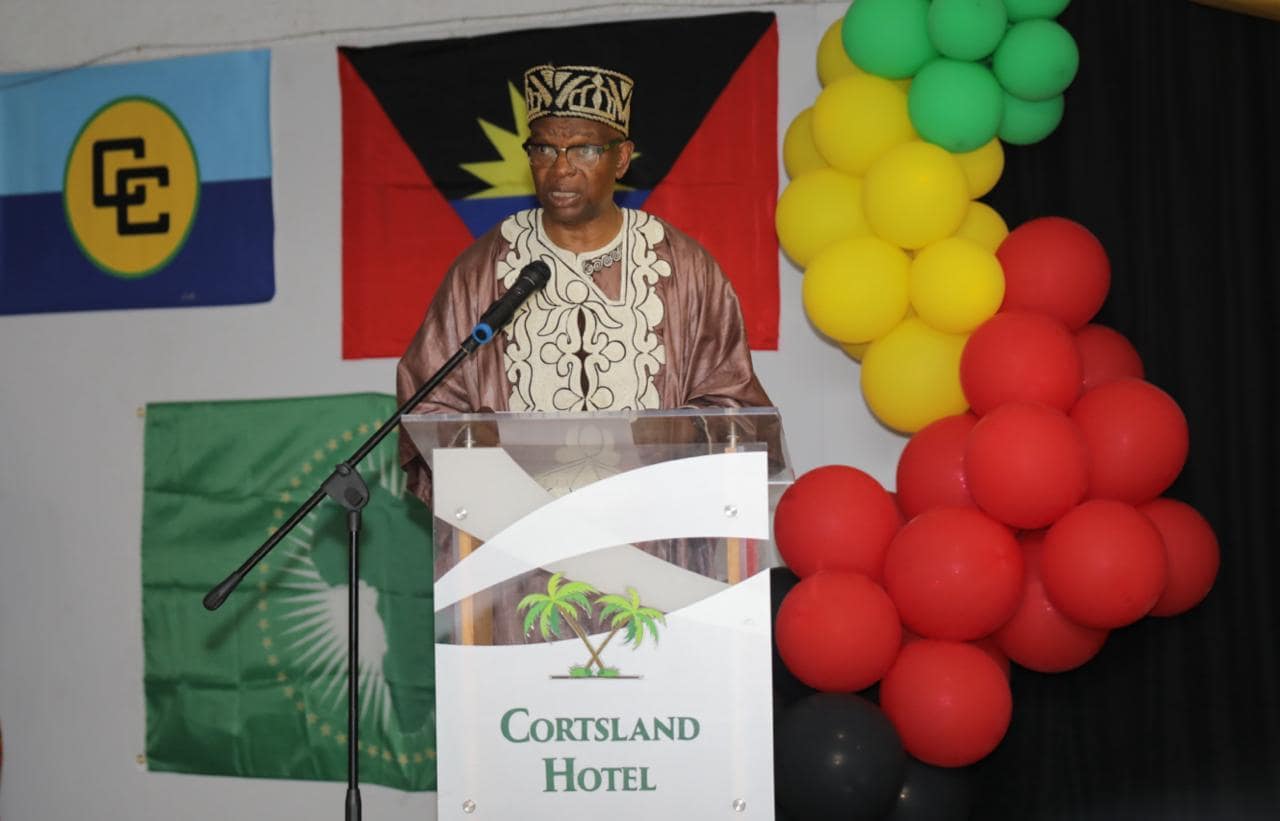
    A profound educational transformation is urgently needed across Caribbean academic institutions, argues Dr. Lenworth Johnson, an Antiguan scholar and former parliamentarian. The current celebration of Heritage Month (February) in Antigua and Barbuda—modeled after the American Black History Month—remains incomplete without substantive integration of Africa’s comprehensive historical narrative into formal education systems.

    The historical context traces back to 1924 when Carter G. Woodson, the pioneering Black American educator, established Negro History and Literature Week (later Negro History Week and eventually Black History Month). Woodson strategically selected February to honor both Abraham Lincoln and W.E.B. Dubois. While these observations represent progress, Dr. Johnson contends they remain insufficient without addressing fundamental curricular gaps.

    Critical analysis of the Caribbean Secondary Education Certificate (CSEC) and Caribbean Advanced Proficiency Examination (CAPE) syllabi reveals a startling omission: African history receives merely token acknowledgment through a single overview of 15th-century West African societies. This limited approach effectively positions Afro-Caribbean history as beginning with the trans-Atlantic slave trade, rather than recognizing Africa’s millennia of pre-colonial civilization, innovation, and political complexity.

    Dr. Johnson advocates for teaching Africa’s complete historical trajectory—from ancient civilizations to modern developments—across primary, secondary, and tertiary education. This includes Egypt’s recognition as a Black civilization that pioneered advancements in medicine, engineering, and architecture; the sophisticated kingdoms of Mali, Ghana, Songhai, and Asante; and visionary leaders like Mansa Musa, Queen Hatshepsut, and Shaka Zulu.

    The urgency of this educational reform is underscored by contemporary attempts to diminish Black historical significance. Recent incidents—including textbook alterations in Florida and Texas and racially derogatory depictions of prominent Black figures—demonstrate persistent efforts to reinforce false narratives of Black inferiority. These actions perpetuate the original justification for slavery: that Black people were historically insignificant and intellectually inferior.

    Drawing from Marcus Garvey’s philosophy that historical knowledge provides cultural roots, and Peter Tosh’s affirmation of African identity, Dr. Johnson proposes two solutions: either significantly expand African history components within existing Caribbean studies curricula or establish African history as a standalone subject. While acknowledging the challenges of curricular reform, he emphasizes that fostering racial pride through comprehensive historical education remains essential for combating systemic racism and achieving true liberation.

  • From silence to accountability

    From silence to accountability

    On February 22, 2026, Cavelle Nelson marked a significant homecoming to Grenada—not merely as a returning citizen but as a survivor of childhood sexual abuse determined to drive national change. Her personal journey underscores a disturbing reality: despite thirty years of awareness, sexual violence against women and girls remains a pervasive, unaddressed crisis in Grenadian society.

    Nelson’s powerful testimony includes a haunting poem written during her trauma recovery in 2003. Titled “The Silence They Never Heard,” the verse vividly captures the psychological devastation of abuse—the paralysis of voice, the erosion of self-worth, and the profound isolation experienced by survivors. The poem reflects not only her personal anguish but also the collective pain of countless women whose suffering has been systematically ignored.

    The emotional aftermath described—panic attacks, dissociation, self-blame, and difficulty with intimacy—illustrates how trauma extends far beyond the initial violation. Nelson emphasizes that such experiences create generational echoes, affecting adult relationships, parenting capabilities, and community well-being.

    Rather than seeking sympathy, Nelson presents her story as evidence of systemic failure. She argues that Grenada’s small size makes accountability achievable through coordinated action. Her proposals include strengthening community vigilance, implementing grooming awareness education for parents, ensuring trauma-informed counseling services, establishing confidential reporting systems for children, and demanding timely legal consequences for perpetrators.

    Through her organization SoulEvolution, which focuses on transformational coaching, Nelson advocates for national commitment rather than mere conversation. She stresses that protecting women and children isn’t optional but foundational to national stability and economic productivity. Her challenge to Grenada, Carriacou, and Petite Martinique is clear: transition from a society of whispers to one of courageous action.

  • UWI med alumni revive chapter after decades of inactivity

    UWI med alumni revive chapter after decades of inactivity

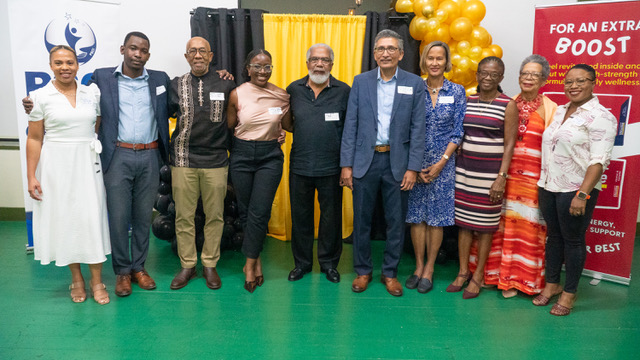
    After nearly two decades of inactivity, the Barbados Chapter of the University of the West Indies Medical Alumni Association (UWIMAA) is experiencing a remarkable resurgence, with graduates mobilizing to restore one of the Caribbean’s most vital professional networks. The revitalization movement gained significant momentum through two landmark events: ‘Resuscitating Connections’ and the recent ‘Keeping the Pulse’ reunion, which attracted approximately 80 alumni representing graduation years spanning from 1964 to 2025 at the Cave Hill campus.

    Founded in 1984, the chapter commenced its reactivation journey in 2023 under the guidance of Professor Peter Adams, immediate past dean of the Faculty of Medical Sciences (FMS) and chair of the Barbados Chapter Interim Committee. The revival initiative gained further traction in 2024 when the UWIMAA central executive conducted a focus group with Barbados alumni to explore reactivation strategies.

    The association’s interim planning committee has achieved substantial progress in rebuilding its infrastructure, notably updating the membership database to approximately 800 contacts through the extraordinary efforts of Professor Anne St John—renowned for her decades of teaching at Queen Elizabeth Hospital and her remarkable memory of former students—assisted by Dr. Joanne Paul-Charles’s meticulous attention to detail.

    This professional network holds particular significance as UWI medical graduates have ascended to prominent leadership positions across local, regional, and international healthcare landscapes. The revitalized chapter is strategically fostering intergenerational connections between established medical pioneers and new graduates through a formalized relationship with the FMS Medical Students’ Association (MSA). Dr. Lynn-Marie Lovell, chair of a faculty committee, emphasized the immense value of this cross-generational mentorship and community building.

    The association’s impact extends beyond networking, with the central executive having established a $3.6 million (US$1.8 million) endowment that has already funded 47 scholarships for medical students across UWI clinical sites. According to Dr. Jeff Massey, the reactivated chapter will continue its legacy of supporting Barbados’ healthcare system through targeted projects.

    The next phase involves an extensive membership drive followed by a general meeting to elect official committee leadership. The overwhelming response to revival events signals a promising future for the organization, which joins existing chapters in Jamaica, Central Florida, Trinidad and Tobago, Canada, and the Eastern Caribbean within a global network exceeding 12,000 medical graduates.

  • Northern United retain Bay Bay Cup with Independence Day Victory

    Northern United retain Bay Bay Cup with Independence Day Victory

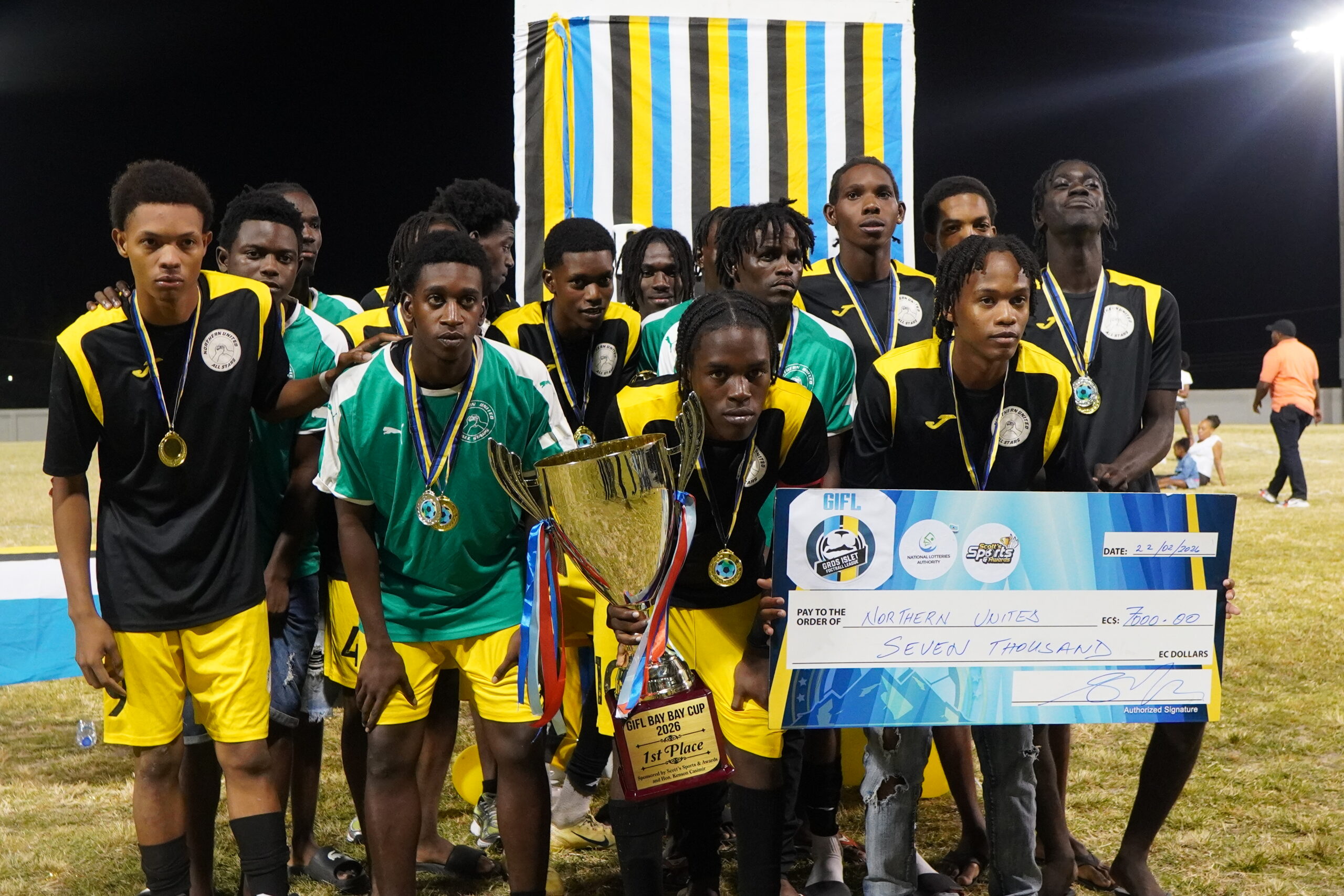
    In a spectacular display of athletic prowess, Northern United Football Club secured consecutive championship titles at the Bay Bay Cup 2026, triumphing over Gros Islet Youth with a 4-2 scoreline during Independence Day celebrations. The electrifying final, held at Francis “Baba” Lastic Grounds, captivated a vibrant audience with its high-intensity gameplay and strategic execution.

    The match commenced with an explosive first half featuring five goals. Gros Islet Youth’s Shevon Byron, later honored as the tournament’s Most Outstanding Youth Player, initiated the scoring through an 8th-minute penalty conversion. Northern United promptly responded with Dewonte Howell equalizing via another penalty shot merely three minutes later. Traylon Henry then propelled the defending champions ahead with a 29th-minute strike, though Gros Islet’s Mekhi Stanislas leveled the score again in the 35th minute. Henry’s second goal just before halftime established a critical 3-2 advantage for Northern United.

    Post-interval, the match evolved into a tactical battle with both sides vying for control. Jerquan Joseph’s decisive 75th-minute goal cemented Northern United’s victory, securing not only the prestigious trophy but also a $7,000 monetary prize. Gros Islet Youth received $4,000 as runners-up, while New Generation claimed third place and $2,000 after defeating Monchy 3-1 in the preliminary playoff.

    The awards ceremony recognized exceptional individual performances: Jamal Howell (Outstanding Goalkeeper), Kerdim Agdomar (Outstanding Defender), Thierry Morille (Outstanding Midfielder), Troy Greenidge (Top Scorer), Shevon Byron (Outstanding Youth Player), and Samuel Louisien (Tournament MVP).

    Honorable Kenson “Bay Bay” Casimir, Minister for Education, Youth Development and Sports and Parliamentary Representative for Gros Islet, attended the event and emphasized the government’s commitment to advancing football development within the constituency, expressing aspirations for semi-professional league success in the upcoming season.

  • Cotino en Afonsoewa willen openheid financiële positie en contracten SZF en RZW

    Cotino en Afonsoewa willen openheid financiële positie en contracten SZF en RZW

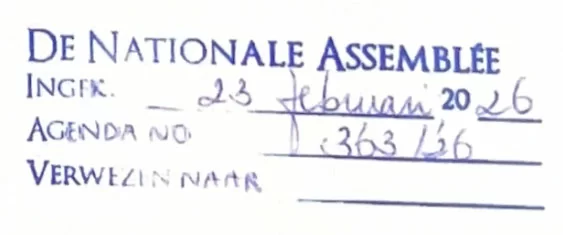
    In a significant parliamentary move, National Assembly members Rosselli Cotino and Silvana Afonsoewa (both NDP) have formally submitted an interpellation proposal addressing alleged irregularities within Suriname’s State Health Fund (SZF) and Wanica Regional Hospital (RZW). The legislators are demanding immediate government clarification regarding financial management practices, contractual obligations, and governance structures at both critical healthcare institutions.

    The proposal emphasizes the fundamental right to healthcare and the state’s constitutional responsibility to ensure transparent, efficient, and accountable management of public health resources. The initiators highlighted SZF’s pivotal role in financing and delivering medical services to a substantial portion of Suriname’s population.

    Recent signals and public reports have raised serious concerns about financial governance, contractual commitments, and internal decision-making processes within SZF. Growing societal apprehensions center on transparency deficits, governance quality, financial accountability, and potential conflicts of interest within the healthcare system.

    The document further identifies ambiguities surrounding undertaken obligations, personnel expenditures, external contracts, and supervisory frameworks. This perceived lack of clarity potentially undermines public confidence in the national healthcare infrastructure. Comprehensive transparency regarding SZF’s current financial position is deemed essential to safeguard uninterrupted healthcare service delivery.

    Parallel concerns extend to Wanica Regional Hospital, which operates primarily through public funding as an essential component of national hospital care. Questions have emerged regarding the contractual outsourcing of essential hospital services to external entities and whether due diligence was exercised in these arrangements.

    The submitting parliamentarians argue that long-term or financially significant obligations without proper public accountability could jeopardize both healthcare affordability and continuity. Exercising its supervisory mandate, the National Assembly considers it imperative to obtain clarity regarding the administration and financial management of these vital healthcare institutions.

    The interpellation proposal formally requests the government to provide comprehensive and transparent information regarding: current financial status, ongoing obligations, and governance structure of SZF; nature, scope, duration, and establishment processes of recent contractual commitments within SZF; internal control mechanisms and supervision frameworks; contractual agreements with external service providers at Wanica Regional Hospital, including their financial implications; procedures and approval pathways followed in establishing these agreements; and structural measures the government will implement to enhance transparency, responsible governance, and protection of public healthcare resources.

    This parliamentary initiative aims to deliver complete clarity to both the National Assembly and Surinamese society while reinforcing confidence in the nation’s healthcare system.

  • ABWU to Train Hospitality Shop Stewards to Better Handle Workplace Grievances

    ABWU to Train Hospitality Shop Stewards to Better Handle Workplace Grievances

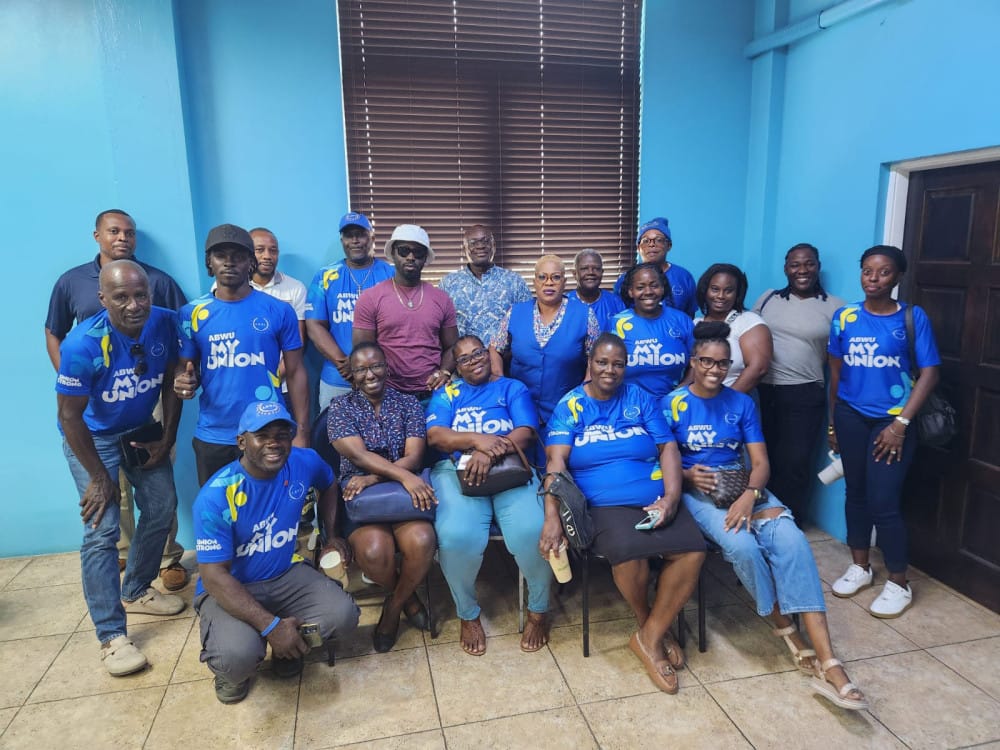
    The Antigua and Barbuda Workers’ Union (ABWU) has launched a comprehensive initiative to bolster the capabilities of shop stewards operating within the nation’s hospitality industry. This strategic move follows productive deliberations during the Union’s recent Hospitality Section meeting, where enhancing grievance resolution mechanisms emerged as a priority.

    Deputy General Secretary Chester Hughes, who actively participated in the proceedings, highlighted the growing demands placed upon shop stewards by their colleagues. Hughes emphasized that targeted training is essential to equip these representatives with the necessary skills to advocate effectively for workers’ interests. “Properly trained stewards can navigate workplace conflicts with greater professionalism and confidence,” Hughes noted during the meeting.

    The agenda also addressed critical occupational health protocols, with Hughes urging immediate medical consultation following any work-related injury. He cautioned against the common practice of workers delaying medical attention, noting that injuries often become apparent days after incidents occur. Prompt medical documentation, he explained, establishes vital evidence trails that strengthen occupational injury claims and safeguard worker rights.

    Additional discussion points included ongoing concerns about equitable tipping policies across various hotel establishments and proposed enhancements to the ABHTA/ABWU Comprehensive Health Insurance Plan. Hospitality Section Chair Nathan Lewis praised the collaborative atmosphere of the meeting, stating, “The participation level was commendable. I appreciated how everyone engaged in dialogue with a genuine spirit of unity and common purpose.”

    The ABWU reaffirmed its commitment to strengthening worker representation through continuous education and support systems for shop stewards, ensuring hospitality professionals receive adequate protection throughout the industry.