
In a series of coordinated anti-crime operations across Trinidad, law enforcement agencies have successfully seized illegal firearms, ammunition, and narcotics, marking a significant step in curbing criminal activities. The operations, conducted under the banner of ‘Operation Steadfast,’ targeted high-risk areas and known offenders in the Southern Division, while highway patrol officers in the north-east also made critical arrests.
作者: admin
-

MPower hosts groundbreaking wellness event to empower Jamaican women ahead of World Menopause Day
In anticipation of World Menopause Day on October 18, MPower, a Jamaican women-led advocacy group, is set to host an empowering event titled ‘MPower Yourself.’ Scheduled for Saturday, October 11, at 5:30 PM at the Scotiabank Corporate Learning Centre in Kingston, the evening will focus on education, storytelling, and community connection for women experiencing perimenopause and menopause. The event will feature the screening of the internationally acclaimed documentary *The M Factor*, which delves into the physical, emotional, and professional challenges women face during menopause, including hot flashes, anxiety, weight changes, and workplace stigma. The film includes expert commentary from renowned medical professionals such as Dr. Sharon Malone, Dr. Mary Jane Minkin (Yale), Dr. Wen Shen (Johns Hopkins), and Dr. Stephanie Faubion (Mayo Clinic and The Menopause Society), with a particular focus on the unique experiences of women of colour. Following the screening, attendees will engage in a live Q&A session with a panel of women’s health specialists, including Dr. Kudzai Dombo, Dr. Dainia Baugh, and Dr. Michelle Bailey, who will address culturally relevant insights and critical health issues related to menopause. MPower, co-founded by Sacha Chung, Jodi Mair, and entrepreneurs Elena Diedrick-Lynch and Leisha Wong, aims to reshape the conversation around menopause in the Caribbean, emphasizing education, support, and empowerment. The event is sponsored by companies committed to holistic wellness and women’s empowerment, including Chop’d, WATA, and Pure Country Juices.
-
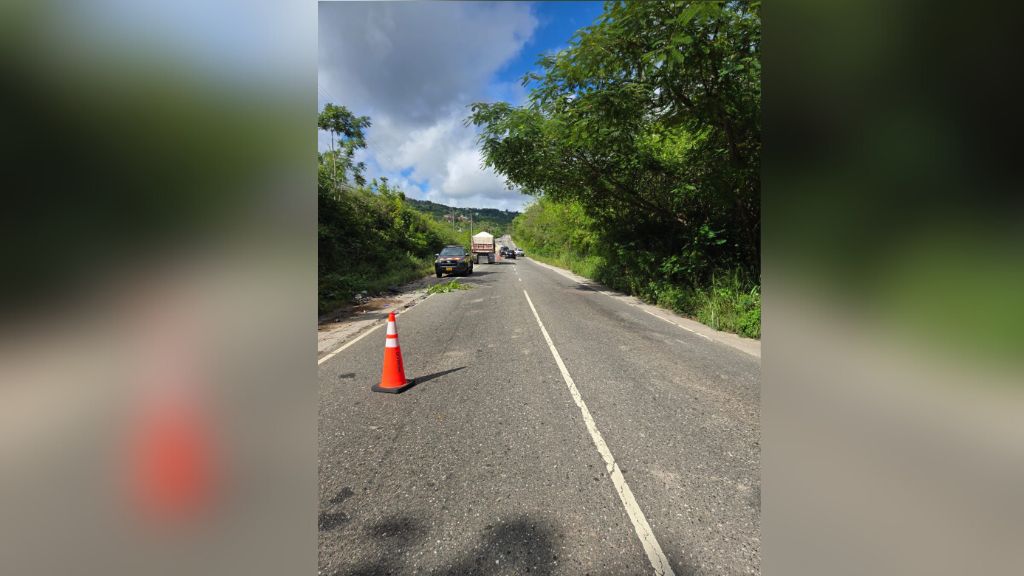
Broken-down trailer slows traffic on Winston Jones Highway
MANCHESTER, Jamaica — Commuters traveling along the Winston Jones Highway near Russell Place are experiencing disruptions due to a trailer breakdown that has partially blocked the roadway. The incident has forced traffic to merge into a single lane, prompting authorities to advise drivers to exercise caution and follow the directions of traffic personnel on site. The trailer in question was reportedly involved in a tragic three-vehicle collision earlier today, which claimed two lives. Emergency services are working diligently to remove the trailer and restore full access to the highway as quickly as possible. This incident underscores the importance of road safety and the need for swift response mechanisms to mitigate such disruptions.
-

UNESCO, JTC host AI workshop for teachers
KINGSTON, Jamaica — In a landmark initiative, over 400 educators, school leaders, and education stakeholders convened in Montego Bay on October 10 for Jamaica’s inaugural Artificial Intelligence (AI) in Education Workshop. Organized by the UNESCO Office for the Caribbean in collaboration with the Jamaica Teaching Council (JTC), an arm of the Ministry of Education, Skills, Youth and Information (MoESYI), the event marked the first of a two-part series designed to empower teachers with the tools, skills, and ethical frameworks necessary to integrate AI into classrooms effectively.
Eric Falt, Director of the UNESCO Office for the Caribbean, underscored the importance of ethical and inclusive innovation in education. ‘Technology must serve humanity, not the other way around. Teachers are the torchbearers of this transformation, shaping how the next generation interacts with and benefits from technology,’ he remarked.
The workshop, guided by UNESCO’s AI Competency Framework for Teachers, delved into practical applications of AI in lesson planning, student assessment, and classroom management. Participants engaged in hands-on exercises and exchanged strategies to implement AI responsibly within their schools and communities. The event emphasized the need for inclusive and personalized learning experiences, ensuring that technology enhances rather than replaces the role of educators.
Dr. Winsome Gordon, CEO of the Jamaica Teaching Council, highlighted the workshop’s mission to empower teachers. ‘This initiative is not about replacing teachers with technology; it’s about equipping them to inspire, guide, and transform the learning experience for every child,’ she stated.
The workshop is a component of the Sustainable Development Goals (SDG) Joint Programme on Digital Transformation for Education in Jamaica, funded by the European Union and Spain. Jamaica’s adoption of UNESCO’s AI Readiness Assessment Methodology further cements its commitment to ethical and sustainable AI integration in education.
The second workshop, scheduled for October 17 in Kingston, will provide additional educators with the opportunity to develop AI competencies and explore innovative teaching methodologies.
-
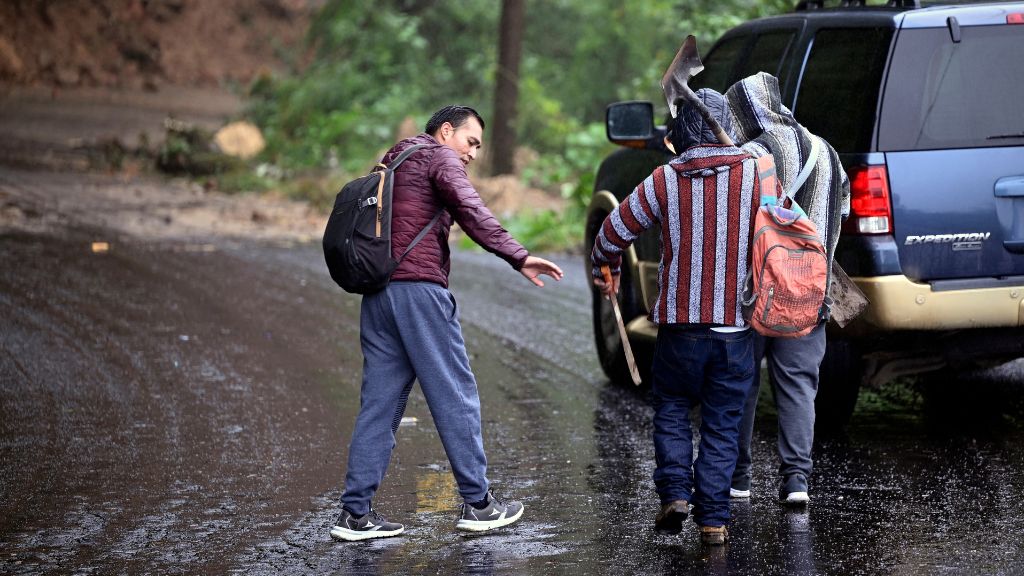
At least 37 dead in Mexico floods
Mexico is grappling with a catastrophic flood crisis as torrential rains have claimed at least 37 lives and caused widespread destruction across the nation. The federal government reported on Saturday that intense rainfall has affected 31 out of 32 states, leading to overflowing rivers, submerged villages, landslides, and collapsed infrastructure. The central state of Hidalgo has borne the brunt of the disaster, with 22 fatalities, 1,000 damaged homes, and 90 communities cut off from rescue operations. Neighboring Puebla state has recorded nine deaths, while Veracruz and Queretaro have reported five and one fatality, respectively. Over 80,000 individuals in Puebla alone have been impacted by the extreme weather. President Claudia Sheinbaum announced on X that thousands of troops, alongside boats, planes, and helicopters, have been mobilized to assist in rescue and recovery efforts. More than 5,400 military personnel have been deployed to distribute aid and restore essential services. Shelters have been established to accommodate those displaced by the floods. The Sierra Madre Oriental mountain range, home to numerous small communities, has emerged as the epicenter of the disaster, with many areas rendered inaccessible due to landslides. Meteorologist Isidro Cano attributed the heavy rainfall to a seasonal shift and cloud formation driven by warm, humid air from the Gulf of Mexico, compounded by a cold front from the north. Authorities are also monitoring Tropical Storm Raymond and the remnants of Hurricane Priscilla, which have caused additional damage in western states. Raymond is expected to weaken to a tropical depression by Sunday as it approaches southern Baja California.
-

Missing businessman’s body found
The body of Imraz “Clubs” Ali, a 60-year-old businessman from Charlieville who had been missing since September 4, was discovered on October 11 off a cliff along North Coast Road. According to sources, police have detained three suspects in connection with the case. One of the individuals reportedly confessed to the kidnapping and murder of Ali, leading investigators to the location where the body was discarded. Law enforcement officers are currently at the scene, working to recover the remains. Ali vanished after conducting a business transaction on the day of his disappearance. Further details are expected as the investigation progresses.
-

Nothing changes: Yorke preaches focus ahead of Curacao clash
Trinidad and Tobago’s men’s football team secured a decisive 3-0 victory over Bermuda in their Concacaf World Cup qualifying match on October 10, marking their first win in the final round of qualifiers. The triumph, achieved at the Bermuda National Stadium, propelled TT to third place in Group B with four points. Coach Dwight Yorke lauded his team’s mentality and attitude, emphasizing the need to maintain the same focus in their upcoming clash against group leaders Curacao on October 14. Curacao, fresh off a 2-0 win over Jamaica, currently tops the group with seven points, setting the stage for a high-stakes encounter in Willemstad. A victory for TT would intensify the race for the group’s automatic World Cup qualification spot. Yorke highlighted the importance of consistency, stating, ‘Our mindset and goal remain the same. We need to be at our best.’ The match against Bermuda saw standout performances from Dante Sealy and Tyrese Spicer, who scored in the first half, while Kobi Henry sealed the win with his first international goal in the 49th minute. Yorke praised Henry’s leadership and composure, noting his seamless integration into the team. Despite the win, Yorke identified areas for improvement, particularly in finishing. He also commended debutants Molik Khan and Deron Payne for their contributions, stressing the importance of building a competitive squad. With the Curacao match looming, Yorke urged his team to refocus and continue their quest for World Cup qualification.
-

India in full control after day two of 2nd Test vs Windies
India continued their formidable performance in the second Test against the West Indies, establishing a commanding 378-run lead by the end of the second day at the Arun Jaitley Stadium in New Delhi. Resuming their innings at 318 for two, India faced an early setback as opener Yashavi Jaiswal (175) was run out after adding just two runs to his overnight score. However, captain Shubman Gill (129 not out) anchored the innings with crucial partnerships, first with Nitish Reddy (43) and then with wicketkeeper-batsman Dhruv Jurel (44 not out). Gill’s innings, adorned with 16 boundaries and two sixes, propelled India to a formidable total of 518 for five before declaring. The West Indies struggled to counter India’s dominance, ending the day at 140 for four. Ravindra Jadeja (three for 37) was instrumental in dismantling the visitors’ top order, while Shai Hope (31 not out) and Tevin Imlach (14 not out) provided some resistance. The Windies face an uphill battle to avoid the follow-on and stay competitive in the match. Day three begins on October 12, with India firmly in control.
-
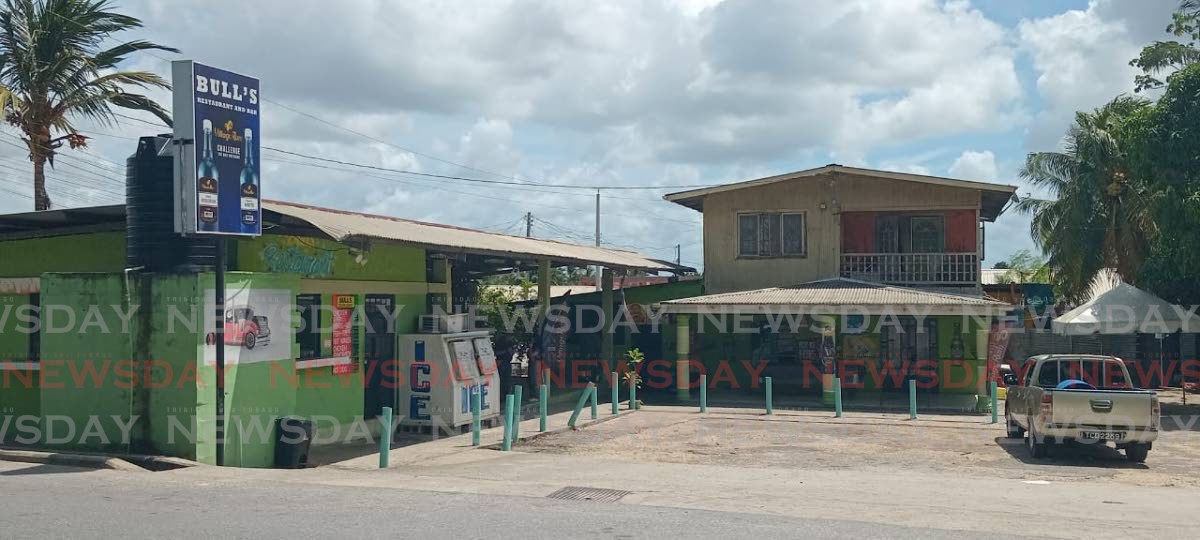
Five overnight murders take weekly toll to 17
Trinidad has been gripped by a wave of violent crimes, with five murders recorded overnight, including a double homicide in Valencia. This alarming spike in violence has pushed the monthly murder toll to 20, surpassing the 16 recorded during the same period last year. The annual count now stands at 292, compared to 490 in the previous year. The recent incidents have left communities in shock and raised concerns about public safety. The double murder in Valencia occurred at a bar along Valencia Old Road shortly after 1 am. Two men, Derrick Rowley, 26, and Shane Fulchan, 42, were shot dead by gunmen who stormed the establishment. Two others were injured but are reportedly in stable condition. In a separate incident, 73-year-old Stephen Lewis was fatally stabbed near the office of Arima MP Pennelope Beckles. Witnesses reported seeing an unidentified man and woman leaving Lewis’ home before he collapsed in a supermarket parking lot. Around the same time, 32-year-old Aledo Roberts was shot dead at his home in Wallerfield by a masked assailant. Earlier in the evening, 42-year-old Kurleigh Simon was gunned down in Maloney while walking with a relative and her 12-year-old son. The relative sustained a gunshot wound to her calf but survived. These tragic events highlight the urgent need for enhanced security measures and community intervention to curb the rising tide of violence.
-
IMF highlights fragile economic gains amid security and institutional challenges in Haiti
The International Monetary Fund (IMF) has acknowledged Haiti’s progress in its economic program, even as the nation grapples with ongoing security threats and institutional weaknesses that hinder broader growth and social stability. In a virtual mission led by Camilo E. Tovar, the IMF concluded its second review of Haiti’s Staff-Monitored Programme (SMP) on October 8, engaging with key Haitian officials, including Finance Minister Alfred Métellus and Central Bank Governor Ronald Gabriel. The SMP, an informal IMF arrangement, revealed that Haiti has met all quantitative and indicative targets as of June 2025, demonstrating fiscal and monetary discipline in an exceptionally challenging environment.
Fiscal improvements have been cautious yet notable. For the first time in recent memory, Haiti’s budget for fiscal year 2025 achieved broad balance, a significant turnaround after years of chronic deficits that eroded government capacity and increased reliance on external aid. This balance was achieved through enhanced revenue collection, despite weak tax administration, and stringent spending controls amid ongoing insecurity. Social spending surged by approximately 34%, directly aiding vulnerable populations affected by food insecurity, displacement, and poverty. This increase was partly funded by the IMF’s Food Shock Window rapid credit facility, which provides emergency resources during crises.
Haiti’s external position also showed resilience. By July 2025, gross international reserves surpassed US$3.1 billion, covering roughly seven months of imports—a critical buffer for this import-dependent economy. This stability is largely attributed to substantial remittance inflows from the Haitian diaspora, which have grown as migrants send more money home to support families facing escalating insecurity and economic hardship. While these remittances stabilize the exchange rate and maintain domestic liquidity, they also underscore Haiti’s reliance on external income sources due to limited domestic production.
However, the economic outlook remains fraught with challenges. The economy has contracted for seven consecutive years, driven by political turmoil, natural disasters, and widespread gang violence that disrupts trade and investment. Inflation, nearing 32% year-on-year, continues to erode purchasing power for a population largely dependent on limited earnings. The banking sector is also vulnerable, with a nonperforming loan ratio exceeding 13%, highlighting rising credit risks. Despite this, banks maintain capital adequacy ratios above regulatory minimums, indicating some capacity to absorb shocks.
Haiti’s entrenched security crisis remains a significant obstacle. Gang control over neighborhoods and critical infrastructure paralyzes public service delivery and deters investment. The IMF emphasized that these challenges limit fiscal policy space by constraining revenue mobilization and effective budget execution, particularly for critical social and security spending.
Risks to growth are heavily skewed to the downside. The IMF expressed concerns over potential changes in migration and trade policies by major partners, which could sharply reduce exports and remittance flows—key sources of foreign exchange for Haiti. Such disruptions would exacerbate fiscal pressures, deepen humanitarian crises, and potentially trigger social unrest.
Despite these challenges, there is cautious optimism. The United Nations Security Council recently authorized a transition from the Multinational Security Support Mission to a new Gang Suppression Force, supported by regional organizations. Success in this initiative could restore order, rebuild state institutions, and encourage investment for long-term economic development.
The IMF urged Haitian authorities to accelerate governance reforms, enhance transparency, reduce corruption, and strengthen public financial management. Key priorities include modernizing tax and customs administration, rolling out digital tax services, and improving treasury cash management. Maintaining the central bank’s monetary policy credibility is also essential for controlling inflation and preserving macroeconomic stability.
Financial sector reforms remain critical, with calls to intensify bank inspections, integrate risk assessment frameworks, and update accounting standards. Transparency improvements, such as timely publication of audited central bank financial statements, are vital for better policymaking and investor confidence.
While progress under the SMP is encouraging, IMF officials stressed that Haiti’s urgent social and development needs require continued international financial support, preferably in the form of grants to avoid debt sustainability risks. Such support is crucial for fostering inclusive growth and poverty reduction in one of the hemisphere’s most fragile countries.
“This mixed picture of resilience amid adversity reflects Haiti’s complex reality,” the IMF mission stated. “Sustained improvement will require addressing deep-rooted security and institutional challenges alongside economic reforms.”
The Fund pledged ongoing collaboration with Haitian authorities, development partners, and regional organizations under its Fragile and Conflict-Affected States Strategy to support Haiti’s recovery.