作者: admin

  • Nieuwe mijlpaal in China-Rusland relatie: 20 akkoorden getekend

    Nieuwe mijlpaal in China-Rusland relatie: 20 akkoorden getekend

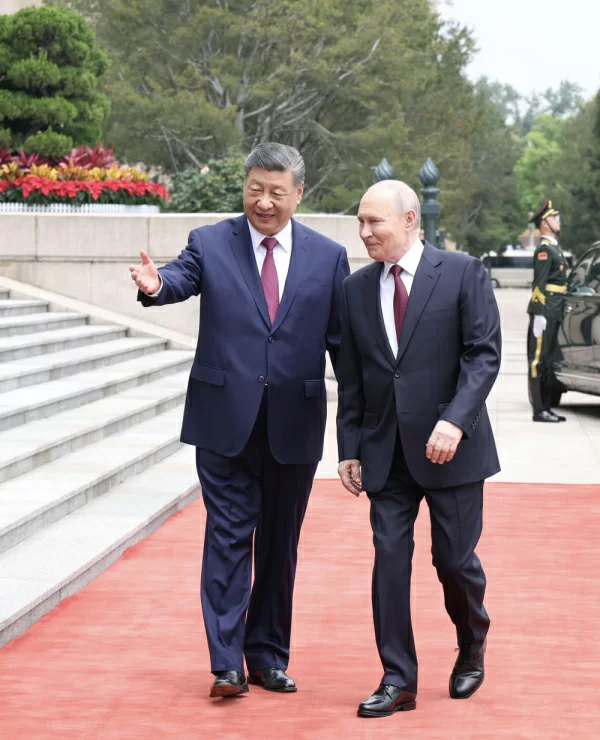
    On May 20, Russian President Vladimir Putin concluded a high-profile state visit to China, marking a landmark milestone in the bilateral relationship between the two major global powers. During the visit, hosted at the Great Hall of the People in Beijing by Chinese President Xi Jinping, the two leaders held in-depth strategic talks that resulted in the signing of 20 new bilateral cooperation agreements spanning key sectors including economy, trade, education and science. The official signing ceremony took place immediately following the closed-door and plenary talks between the two heads of state, capping a day of diplomatic engagements designed to strengthen the longstanding strategic partnership between the two nations.

    This year’s visit carries unique historical weight: 2026 marks both the 25th anniversary of the China-Russia Treaty of Good-Neighborliness and Friendly Cooperation, and the 30th anniversary of the establishment of the two countries’ strategic coordination partnership. President Xi emphasized during the talks that the 1996 treaty forms the solid legal foundation for enduring friendship, deep mutual political trust, and comprehensive strategic cooperation between China and Russia.

    As permanent members of the United Nations Security Council, Xi stated, China and Russia share a common responsibility to work jointly toward building a more just and balanced system of global governance. He called for advancing high-quality, wide-ranging bilateral cooperation to drive the development and revitalization of both nations, urging expanded practical collaboration in priority areas including energy, cross-border trade, technology, innovation, and infrastructure development. Xi also highlighted the critical importance of strengthening people-to-people exchanges across the spheres of culture, education, and sports to deepen public support for bilateral ties.

    For his part, Putin confirmed that contemporary Russia-China relations have reached an unprecedented high level, characterized by robust political alignment, steadily growing bilateral trade volumes, and deepening integration in sectors including energy logistics, cross-border supply chains, and scientific research. He described the current China-Russia relationship as a model for strategic coordination in the 21st century, confirming Russia’s full readiness to work alongside China to strengthen cooperation within multilateral frameworks including the Shanghai Cooperation Organization (SCO), BRICS, APEC, and the United Nations, while upholding the core principles of international law in global affairs.

    Beyond bilateral cooperation, the two leaders held extensive discussions on pressing global and regional issues, including the ongoing conflict and humanitarian crisis in the Middle East. They also received official progress updates from intergovernmental joint commissions on ongoing cross-sector cooperation initiatives. Putin’s visit began with a full formal welcome ceremony at the Great Hall of the People, featuring a 21-gun salute and an inspection of a guard of honor by the two leaders. Later that same evening, President Xi hosted an official state banquet in honor of President Putin, attended by senior Chinese government and Communist Party officials.

  • NDMD Partners with International Universities for Fire Simulation (THURSDAY, 21ST AT 2;00 PM)

    NDMD Partners with International Universities for Fire Simulation (THURSDAY, 21ST AT 2;00 PM)

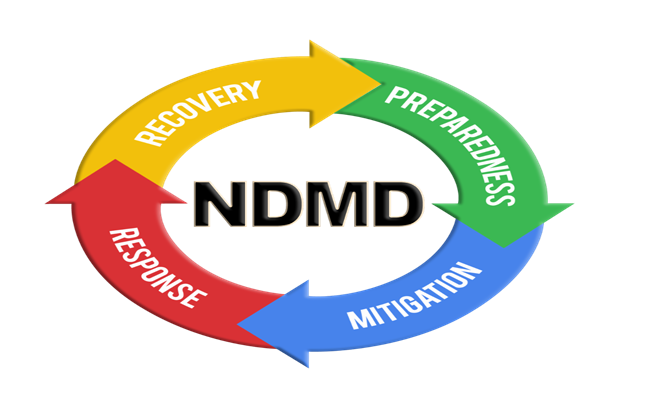
    On May 21, 2026, the Nevis Disaster Management Department (NDMD) launched a large-scale, multi-partner fire emergency simulation exercise at Fort Charles, Nevis, codenamed “Caught by Surprise: Fire Outbreak During Camp Siesta”. The drill, held as a core hands-on component of a two-week international study abroad program focused on disaster risk reduction and emergency management, brings together local government agencies, international academic institutions and non-profit stakeholders to test and strengthen cross-sector response capacity.

    The initiative is executed in formal partnership with two U.S.-based higher education institutions — Widener University and Utah Valley University — alongside key national response bodies including St. Kitts and Nevis’ National Emergency Management Agency (NEMA), the local Ministry of Health, and the St. Kitts-Nevis Red Cross Society. The simulation is designed to replicate a plausible, high-stakes real-world scenario: an unexpected fire breaking out at a recreational camp while participants rest during the afternoon siesta period.

    Over the course of the drill, participating responders, students and volunteers are challenged to navigate a rapidly evolving crisis, testing their proficiency across a full spectrum of emergency response functions. Key competencies assessed and practiced include structured building evacuation protocols, on-site triage and treatment for burn and smoke inhalation injuries, systematic headcounts to account for missing persons, de-escalation of mass panic among camp attendees, and coordinated real-time public communication during an active emergency.

    Beyond the core fire simulation, the broader international study abroad program integrates additional hands-on training, including certified first aid and cardiopulmonary resuscitation (CPR) instruction. These supplementary modules are designed to embed foundational lifesaving skills among all participants, reinforcing long-term community-level preparedness across St. Kitts and Nevis.

    A full roster of participating stakeholders includes the local Fire and Rescue Services, national Emergency Medical Services, the Royal St. Christopher and Nevis Police Force, Alexandra Hospital, official camp leadership teams, communications specialists, participating university students, and cross-sector supporting partners. In a public advisory ahead of the drill, NDMD pre-emptively informed residents and visitors that the visible emergency activity in the Fort Charles area — including frequent emergency vehicle transit, staged casualty management, and large-scale response operations — is entirely part of the planned exercise, and urged the public not to mistake the drill for a real emergency.

    The simulation represents one key work package of the 14-day international collaborative program, which was developed jointly by NDMD and its partner universities. The program’s overarching mission is to advance applied learning in emergency management, strengthen cross-border institutional partnerships, and boost public awareness of disaster preparedness and public health safety across St. Kitts and Nevis. Through a combination of field practicums, hands-on drills, professional knowledge exchanges, and direct community engagement activities, the initiative aims to build long-term resilience that benefits both local communities and participating emergency management students from around the world.

  • Ebola remains a concern in Central Africa, as WHO declares international health emergency

    Ebola remains a concern in Central Africa, as WHO declares international health emergency

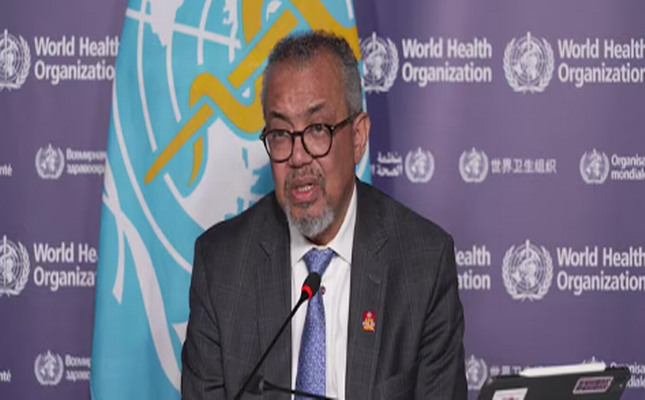
    In an unprecedented, urgent move announced Wednesday, World Health Organization Director-General Dr. Tedros Adhanom Ghebreyesus has formally designated the growing Ebola outbreak across the Democratic Republic of Congo (DRC) and Uganda as a Public Health Emergency of International Concern (PHEIC), marking the first time a WHO chief has issued this highest global alert before convening the organization’s formal Emergency Committee under international health rules.

    The declaration comes as confirmed infections, deaths, and geographic spread of the virus accelerate, with the pathogen now reaching densely populated urban centers across the two Central African nations. Speaking at a press briefing, Dr. Tedros explained the early declaration followed direct consultations with the DRC and Ugandan health ministers, and was driven by the critical need for immediate coordinated international intervention to curb the outbreak’s expansion. Officials were quick to clarify that the outbreak has not been upgraded to a pandemic emergency, the top tier of alert under the International Health Regulations (IHR), a position the WHO Emergency Committee affirmed after convening following the formal declaration.

    As of the latest update from global health authorities, 51 confirmed Ebola cases have been documented in the DRC, concentrated primarily in the conflict-stricken northern provinces of Ituri and North Kivu, including the major urban hubs of Bunia and Goma. WHO analysts warn that the actual caseload is almost certainly far higher than official counts, as the virus is believed to have been circulating undetected for weeks before the outbreak was identified. Uganda has also reported two confirmed cases, both linked to travel from the DRC, in its capital city Kampala, including one fatality. Most recently, an American citizen working in the DRC tested positive for the virus and was evacuated to Germany for specialized medical care.

    Beyond confirmed infections, nearly 600 additional suspected cases and 139 suspected deaths are currently under investigation, numbers that health officials expect to rise in the coming weeks. Multiple risk factors have deepened global concern over the outbreak. Unlike previous Ebola events, this outbreak is driven by the Bundibugyo Ebola strain, for which no widely approved vaccines or targeted treatments currently exist, leaving frontline healthcare workers with limited tools to combat the disease.

    The outbreak has already spread beyond isolated rural areas to multiple urban centers, creating conditions for far faster person-to-person transmission. Compounding this risk, ongoing transmission has been documented within healthcare facilities, resulting in infections and deaths among frontline medical staff, a dangerous sign that safety protocols in local health settings are currently insufficient to stop spread.

    Regional instability and population movement have further amplified transmission risks. Ituri province, the epicenter of the outbreak, has seen a sharp escalation of armed conflict since late 2025, with fighting over the past two months displacing more than 100,000 people. The region is also a major commercial mining hub, leading to constant cross-border and cross-regional movement of workers and residents that health experts say can quickly carry the virus to new areas.

    Currently, WHO assesses the outbreak’s risk as high at both the national and regional levels, while rating the overall global risk as low. Dr. Tedros emphasized that the confluence of dangerous risk factors left no room for delay, noting that immediate coordinated international action is required to prevent unnecessary loss of life and scale up an effective global response to the unfolding crisis.

  • Government reaffirms commitment to second chances for youth with the recommissioning of new Horizon Rehabilitation Centre

    Government reaffirms commitment to second chances for youth with the recommissioning of new Horizon Rehabilitation Centre

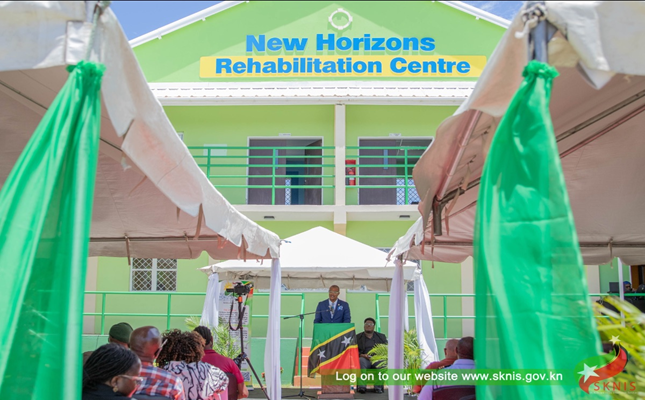
    On the Caribbean twin-island nation of Saint Kitts and Nevis, the government has formally recommissioned the upgraded New Horizon Rehabilitation Centre (NHRC) in Harris’ Village, reinforcing its longstanding pledge to prioritize rehabilitation, social reintegration, and second opportunities for young people who have come into conflict with the law. The recommissioning ceremony, held on May 20, 2026, drew government officials, community stakeholders, and local partners, with Deputy Prime Minister and Minister of Social Development Dr. Geoffrey Hanley delivering the keynote address to attendees.

    In his remarks, Dr. Hanley framed the reopening of the purpose-built facility as a landmark statement of national values, underscoring that the government and people of Saint Kitts and Nevis refuse to abandon young people facing legal and personal challenges. “By reopening the centre, we send a clear signal to courts, law enforcement, schools, local communities, and family units that we do not give up on our nation’s children,” Hanley told the gathered audience.

    The recommissioning of the NHRC is not an isolated infrastructure project, but a core component of a broader government initiative to overhaul and strengthen the country’s child justice and youth rehabilitation systems, Dr. Hanley explained. Moving forward, the administration will pursue two interconnected tracks of reform: first, rebuilding public trust and awareness of the rehabilitation centre’s mission and services, and second, advancing targeted legislative updates to strengthen national child protection and support frameworks.

    A key part of this public outreach will be a national campaign to reintroduce the centre’s work to communities across the country, to correct misperceptions and encourage collaborative support for its programming. Dr. Hanley emphasized that while the NHRC fills a critical rehabilitative role for vulnerable youth, the facility cannot replace the foundational responsibility of families and local communities in youth development. Echoing the well-known proverb that it takes a village to raise a child, he noted that modern youth support in 2026 and beyond requires consistent, active engagement from parents, guardians, and local stakeholders, not just institutional intervention.

    Dr. Hanley further announced that the Ministry of Social Development will table new legislative changes in the coming months aimed at improving cross-sector coordination for youth services, strengthening support systems for young people in contact with the law, and expanding community-based support structures for at-risk children and their families. He stressed that institutional placement at the NHRC will always remain a last resort, with prevention, early intervention, and community-centered treatment retaining top priority in the government’s youth justice strategy.

    Speaking under the ceremony’s official theme “Renewal, Restoration and Recommitment,” Dr. Hanley called on all national stakeholders and ordinary citizens to renew their shared commitment to protecting and uplifting the nation’s children. The recommissioning of the New Horizon Rehabilitation Centre, he concluded, embodies the government’s broader promise to expand accessible rehabilitation services, lift up vulnerable youth populations, and guarantee that every young person in Saint Kitts and Nevis receives the guidance, support, and opportunity to grow and build a positive future.

  • Column: Surinaams voetbal hopeloos achter

    Column: Surinaams voetbal hopeloos achter

    Across Europe’s top football leagues, from the English Premier League and Spain’s La Liga to Germany’s Bundesliga, Italy’s Serie A, France’s Ligue 1, and the Netherlands’ Eredivisie, passionate fans can now enjoy top-tier matches from the comfort of their living rooms, week in and week out. What has fundamentally changed how the beautiful game is experienced and officiated is the rapid integration of digital technology, which allows referees, coaches, and viewers to review, clarify, confirm, or reverse on-field decisions. England has led this technological transformation of football officiating, with VAR (Video Assistant Referee) standing out as one of the most impactful innovations to reshape match dynamics.

    While debates still rage over many of these new technological applications, one innovation stands out as the least controversial and has won broad public acceptance: Goal Line Technology (GLT). This simple, effective tool immediately confirms whether a ball has fully crossed the goal line to count as a valid goal, eliminating the uncertainty that plagues human officiating for these high-stakes moments. GLT has been a standard fixture in Europe’s top competitions for years, but Suriname’s domestic football still relies on assistant referees, who are forced to make split-second judgments from several meters away on whether the whole of the ball has crossed the line.

    This absence of affordable GLT – which costs far less than the full VAR system – has already led to costly, controversial incorrect calls in Surinamese football. High-profile misjudgments date back years to an international match between Suriname and Canada, involving a shot from Sheraldo Becker, and the issue repeated most recently during playoffs in the Suriname Major League (SML).

    Suriname’s football authorities have a long-standing collaborative partnership with the Royal Dutch Football Association (KNVB), yet there remains a massive gap in operational and technological standards between top Dutch competitions and Suriname’s domestic leagues. It is true that structural differences cannot be overlooked: European top-flight football is backed by well-resourced, organized governing bodies, while Suriname’s domestic football scene often relies on loosely structured, individual-run operations where all key decisions fall to a single owner. Even so, the Surinamese football administration has the capacity to direct annual funding it receives from FIFA toward critical quality improvements such as rolling out GLT across domestic competitions. It is long past time to introduce this proven officiating tool to local leagues and lift the quality of the domestic game.

    Beyond improving officiating technology, the article argues that Suriname’s football clubs also bear responsibility for raising the competitive level of the sport. Are clubs investing in modern player development tools such as wearable GPS vests and biometric trackers, which allow teams to monitor player heart rate, physical load, and overall performance readiness? How many SML clubs currently employ a dedicated full-time performance coach?

    Without consistent, serious investment into infrastructure, technology, and professional development, Suriname’s football will remain stuck at the recreational level, far from capable of competing meaningfully within the Latin American and Caribbean region. The blunt reality that the domestic game currently lags well behind the regional average must be acknowledged openly, and targeted, urgent action must be taken to close the gap and push Suriname’s football forward.

  • Leisure : Did you know ? #26

    Leisure : Did you know ? #26

    In the 26th installment of HaitiLibre’s popular “Did You Know?” trivia series, a revealing fact about Haiti’s two centuries of political history offers new context for the country’s ongoing governance challenges. Data pulled from the outlet’s interactive Haiti History Quiz 2.1 shows that from the reign of founding father Jean-Jacques Dessalines, who led Haiti to independence in 1804, to the current Transitional Presidential Council, the Caribbean nation has been led by more than 90 different heads of state.

    This extraordinary frequency of leadership turnover is rooted in the dramatic shifts in governing systems Haiti has experienced over its modern history, ranging from early imperial and monarchical structures to various republican frameworks and repeated provisional administrations. Across this timeline, long, stable tenures in office have remained rare deviations from the norm rather than the established pattern.

    Of the more than 90 leaders who have held the highest office in Haiti, a vast majority never completed their full constitutional mandates. Their terms ended in one of three common outcomes: forced exile, assassination, or ouster at the hands of popular uprisings or military coups.

    This well-documented historical pattern underscores a critical lesson for national progress: that institutional stability and consistent respect for democratic processes are foundational to long-term development. By tracing this complex history of leadership turnover, observers and citizens alike can gain deeper insight into Haiti’s contemporary political obstacles, as well as the Haitian people’s persistent aspiration for durable, forward-thinking leadership.

    Beyond this historical trivia, the fact was sourced from HaitiLibre’s growing collection of free, public online quizzes, hosted at quiz.haitilibre.com/en. The platform offers hundreds of trivia games covering topics ranging from Haitian history and culture to global affairs, designed to test general knowledge for users of all backgrounds. For more experienced trivia enthusiasts, a dedicated expert menu offers more challenging question sets tailored to advanced learners.

    All quizzes on the platform are free to access, require no user registration, and are available in both French and English, with three adjustable difficulty levels (easy, intermediate, and hard) to accommodate different skill levels. As of the latest monthly update rolled out on May 4, 2026, the platform added 30 new quiz games, bringing its total catalog to 119 interactive knowledge games. New content is added to the site every month, expanding its range of topics for returning users.

  • Young mother shot dead in Marigot

    Young mother shot dead in Marigot

    A devastating act of gun violence has claimed the life of a 20-something mother of two in the Saint Lucian community of Marigot, multiple local sources confirmed Thursday. The incident unfolded shortly after 7:00 p.m. Wednesday, leaving the small Caribbean community reeling from the sudden, violent death.

    Local outlet St Lucia Times was first to confirm details of the shooting, which identified the victim as Joy St Omer. According to initial on-scene reports, St Omer was seated in the driver’s seat of a parked vehicle when a male attacker opened fire on her. She succumbed to her gunshot wounds at the scene, leaving behind a young daughter alongside her second child.

    Law enforcement authorities have confirmed that they have launched a full criminal investigation into the killing, but have not yet released any additional details about potential motives, the identity of the suspect, or updates on progress in the case as of Thursday morning.

  • Antigua and Barbuda records strong growth in Q1 arrivals

    Antigua and Barbuda records strong growth in Q1 arrivals

    Against a backdrop of widespread industry concerns over looming travel headwinds across the tourism-reliant Caribbean, Antigua and Barbuda has emerged with strong positive momentum, posting solid double-digit growth in key tourism segments and recording a nearly 7% year-over-year jump in stay-over visitor arrivals for the first quarter of 2026.

    The latest performance data was unveiled by senior tourism officials during the recently concluded 44th Caribbean Travel Marketplace, hosted by the Caribbean Hotel and Tourism Association (CHTA). Addressing reporters at a press conference on the sidelines of the event, recently re-elected Tourism, Civil Aviation, Transportation and Investment Minister Charles H. Fernández and Antigua and Barbuda Tourism Authority (ABTA) CEO Colin C. James walked through the country’s resilient tourism results, highlighting the consistent upward trajectory across the quarter.

    Official statistics confirm that 110,832 international stay-over visitors entered the dual-island nation between January and March 2026, up from 103,843 recorded in the same three-month period in 2025, marking a 6.7% annual increase. Growth held steady across every month of the quarter: January arrivals rose 5% to 36,052, February saw a 6% gain to 36,133, and March delivered the strongest expansion of the quarter with an 8% increase that pushed total arrivals for the month to 38,097.

    Among the country’s core source markets, the United Kingdom posted the most rapid growth, with a 14% jump in arrivals compared to Q1 2025. The United States retains its position as Antigua and Barbuda’s largest single source market, accounting for 46% of all stay-over visitors. Europe follows as the second-largest regional market at 34%, with Canada contributing 12%, other Caribbean nations 5%, Latin America 1%, and all remaining markets making up the final 2% of arrivals.

    To sustain long-term growth, tourism officials confirmed the destination is actively pursuing strategic market diversification, with targeted outreach to growing travel sectors in Latin America and Africa. This push aligns with rising global consumer demand for authentic, immersive Caribbean travel experiences that the islands are well-positioned to deliver.

    The positive momentum seen in stay-over travel is mirrored in the country’s fast-growing cruise sector. Antigua and Barbuda is projecting a 21.9% increase in total cruise passenger arrivals for the full year 2026, with projected volumes set to hit 894,469 — a figure that already outpaces the 733,526 cruise passengers recorded in 2019, the last full year before the global travel downturn. Total annual cruise ship calls are also forecast to rise from 388 pre-pandemic levels to 483 in 2026, a jump driven in large part by expanded home-porting operations that allow vessels to start and end itineraries in Antigua and Barbuda.

    Underpinning this cruise sector growth is the new $30 million cruise terminal that opened to the public on January 24, 2026. The facility is part of the broader Upland Development Project, a government-led initiative designed to modernize the entire visitor arrival process and expand the country’s annual cruise capacity to accommodate rising demand.

    Beyond maritime connectivity, the destination is also seeing significant expansion in air access, with new commercial routes boosting both regional and international connectivity. Sunrise Airways launched twice-weekly service between Antigua and the Dominican Republic on May 1, followed by LIAT Air’s introduction of twice-weekly flights to Guadeloupe on May 8. Nigeria-based Air Peace is on schedule to launch a new twice-monthly service connecting Antigua to Lagos via Barbados starting May 25.

    Infrastructure upgrades extend beyond new terminals, with rehabilitation and expansion work currently progressing on the runway at V.C. Bird International Airport, the country’s main gateway for international air travel. On the sister island of Barbuda, the newly opened Burton-Nibbs International Airport has been purpose-built to support the island’s fast-growing eco-luxury tourism segment, opening the door for increased visitor numbers to Barbuda’s less developed, pristine coastal areas.

    Private sector investment in the country’s accommodation sector is also accelerating, with a pipeline of new luxury properties set to come online over the next three years. Moon Gate Hotel & Spa is scheduled to open before the end of 2026, offering 71 suites spread across nine buildings and seven private two-bedroom villas. On Barbuda, the highly anticipated Nobu Beach Inn is currently under construction and on track for completion in late 2026. Further out, the Nikki Beach Resort and Spa, which will feature 84 hotel rooms and 127 luxury private residences, is targeting a 2029 opening, while Rosewood Hotel Barbuda — boasting 50 resort suites and 35 private residences — is expected to launch in 2028. A 114-room Marriott Leisure World Hotel with eight overwater villas is also in the early stages of development.

  • Caricom-leden bijeen in Suriname: focus op multilaterale samenwerking en regionale uitdagingen

    Caricom-leden bijeen in Suriname: focus op multilaterale samenwerking en regionale uitdagingen

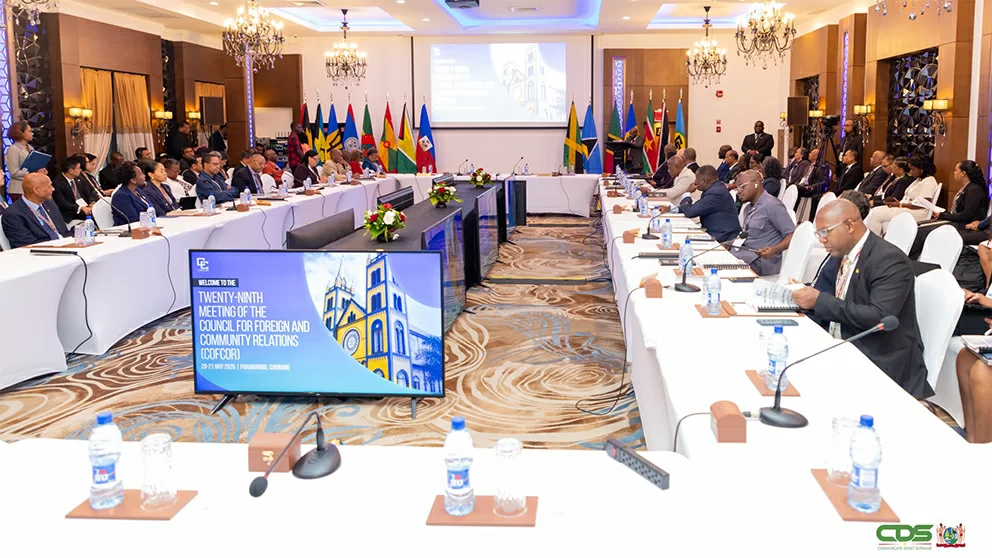
    The 29th regular session of the Council for Foreign and Community Relations (Cofcor) kicked off in Paramaribo, Suriname, bringing together top foreign affairs officials from across the Caribbean Community (Caricom) to deliberate pressing regional and global policy challenges that shape the bloc’s future.

    Chaired by newly installed Cofcor chair Melvin Bouva, Suriname’s Minister of Foreign Affairs, the meeting centers on two core priorities: deepening bilateral and multilateral cooperation between member states, and laying coordinated groundwork for the bloc’s participation in two major international summits scheduled for later this year. These high-stakes gatherings include the Commonwealth Heads of Government Meeting (CHOGM) set to be hosted by Antigua and Barbuda, as well as the 81st United Nations General Assembly in New York.

    Opening proceedings featured a formal welcome for new foreign ministers appointed by member states, including representatives from Barbados and St. Vincent and the Grenadines, alongside formal recognition of re-appointed ministers from Antigua and Barbuda and The Bahamas. The bloc reaffirmed its longstanding commitment to democratic governance, noting that 10 Caricom member states have held peaceful democratic elections over the past 18 months, with independent observer missions deployed to safeguard the integrity of each electoral process.

    A key working focus of the 29th session is addressing the far-reaching ripple effects of global and hemispheric geopolitical and economic shifts, which have exerted growing pressure on regional economies, trade frameworks, and foreign policy positioning. Attendees are also discussing plans to expand strategic diplomatic ties with extra-regional partner nations, including Japan, Singapore, and the United Arab Emirates.

    In the lead-up to the year’s major multilateral events, Caricom is aligning its shared agenda to amplify core priorities on global platforms. Key issues the bloc will push for include advancing climate justice, delivering critical international support for crisis-hit Haiti, and strengthening global peace and security frameworks that account for the needs of small island developing states.

    Caricom Secretary-General Carla Barnett opened the gathering by extending gratitude to the government and people of Suriname for their warm hospitality as host nation. She also paid tribute to outgoing Cofcor chair Denzil Douglas of St. Kitts and Nevis for his steady leadership over the preceding term.

    Barnett emphasized that the collective power of the Caribbean Community stems from its unified diplomatic voice, an asset that is indispensable to shaping global decision-making and protecting the sovereign interests of small Caribbean states. While acknowledging that aligning the diverse national priorities of 15 independent member states remains a complex, ongoing challenge, Barnett stressed that coordinated collective action is non-negotiable for the bloc to navigate mounting global uncertainty. Every policy decision reached through Caricom collaboration, she noted, has a direct, tangible impact on the daily well-being of millions of Caribbean citizens. Participants have articulated a clear goal: the 29th Cofcor meeting will deliver concrete, actionable outcomes to strengthen the region’s resilience and positioning amid a rapidly shifting international order.

  • Amplify Summit Elevates Caribbean’s Digital Vision

    Amplify Summit Elevates Caribbean’s Digital Vision

    MIAMI, FLORIDA – May 20, 2026 – The second annual Amplify Summit, hosted by leading Caribbean telecommunications provider Liberty Caribbean, has drawn to a close with a resounding, unified call from cross-sector leaders for urgent, coordinated action to accelerate regional digital transformation and reinforce long-term resilience and competitiveness across the Caribbean.

    Bringing together senior government officials, regulatory bodies, tech innovators, private sector executives, and regional development stakeholders under the overarching theme “Elevating the Caribbean’s Digital Future”, the summit convened dozens of influential regional and international voices to map out tangible, actionable strategies to advance the Caribbean’s digital agenda. Over the course of the event, participants delved into practical solutions targeting core priorities: expanding universal access to reliable connectivity, upgrading foundational digital infrastructure, scaling homegrown innovation, nurturing local digital talent, and driving inclusive, sustainable economic growth across the region’s diverse island economies.

    Discussions centered on the most pressing issues that will shape the Caribbean’s trajectory in the coming decade, including responsible artificial intelligence adoption, robust cybersecurity frameworks, updated digital policy regulation, climate-resilient digital infrastructure, workforce upskilling, cloud infrastructure transformation, and the digital modernization of two of the region’s most critical sectors: tourism and public administration.

    Inge Smidts, Chief Executive Officer of Liberty Caribbean, opened the leadership segment of the summit by challenging regional decision-makers to move beyond exploratory dialogue and deliver coordinated, large-scale execution. “The Caribbean has never been lacking in talent, inherent resilience, or collective ambition. What we need right now is aligned priorities, decisive action, and the courage to build for the long-term future,” Smidts said. “Digital transformation is no longer an optional upgrade for the region. It is a fundamental pillar of sustained economic growth, national resilience, and global competitiveness. Amplify was not created just to bring leaders together to exchange ideas – it was built to accelerate practical solutions that deliver real, meaningful impact for our people and our economies.”

    Balan Nair, President and Chief Executive Officer of Liberty Latin America, Liberty Caribbean’s parent company, emphasized that transformative progress depends on intentional collaboration between the public sector and private industry. “The Caribbean stands at a pivotal crossroads right now, where technology can become a powerful engine of expanded opportunity, greater social inclusion, and accelerated innovation,” Nair noted. “Unlocking the region’s full digital potential will require lasting cross-sector partnership, long-term committed investment, and a shared commitment to building secure, resilient, future-ready digital ecosystems. The conversations held at this year’s Amplify Summit reinforced that the Caribbean has both the capability and the bold leadership needed to move forward with confidence.”

    Senator The Honourable Jonathan Reid, Minister of Innovation, Industry, Science, and Technology for the Government of Barbados, underscored that the region cannot afford delay, and called for aligned policy frameworks across Caribbean nations. “The pace of global digital transformation will not slow down to wait for the Caribbean,” Reid stressed. “We must therefore ensure that our policy frameworks, our education systems, and our digital infrastructure are all aligned to prepare our people and our economies for the digital future. What we need right now is coordinated regional action that empowers innovation, while guaranteeing no community is left behind in the digital era.”

    Dr. Ernest Hilaire, Deputy Prime Minister of Saint Lucia, highlighted that for small island developing states like those across the Caribbean, digital transformation is far more than a modernization project – it is a core strategy for economic survival and growth. “For small island developing states, digital transformation is not simply about updating systems; it is about building resilience, advancing long-term sustainability, and unlocking new economic opportunity,” Dr. Hilaire explained. “The Caribbean has a once-in-a-generation opportunity to position itself as a globally competitive innovation hub, powered by our creativity, our people, and cross-sector collaboration. But achieving that vision will require bold leadership and meaningful, sustained partnerships across every sector of our economies.”

    Throughout the summit’s panel discussions and breakout working sessions, speakers and attendees repeatedly emphasized that basic connectivity access is no longer enough to meet the region’s needs. Instead, they argued, the Caribbean must prioritize building end-to-end digital ecosystems that can support local entrepreneurship, improve access and efficiency in public services, drive innovation across existing industries, and strengthen national resilience during economic, climate, and public health crises. The event also consistently reinforced the critical need for targeted investment in local talent development, to ensure Caribbean workers and entrepreneurs have the cutting-edge digital skills required to fully participate in and benefit from the rapidly evolving global digital economy.

    The 2026 Amplify Summit featured contributions and participation from a wide range of partner organizations, including multiple Caribbean national governments, IDB Invest, Guardian Holdings Limited, Sagicor Bank, Amazon Web Services, SpaceX, Sierra AI, Amdocs, regional academic leaders, and senior Liberty Caribbean executives.

    ### About Liberty Caribbean
    Operated by Liberty Latin America and formerly known as C&W Communications, Liberty Caribbean is the Caribbean’s leading communications and technology provider, with operations in more than 20 regional markets. The company delivers broadband, mobile, video, and voice services to residential consumers through its consumer brands Flow and BTC. Via its B2B division Liberty Business, the firm also provides enterprise-grade connectivity, cloud infrastructure, cybersecurity, and data center services to private businesses and government agencies, supporting economic growth in an increasingly digital global economy. With a regional legacy spanning more than 150 years, Liberty Caribbean remains deeply anchored in the Caribbean, delivering robust networks, personalized local support, and tailored solutions designed to meet the unique needs of regional people and communities.