作者: admin

  • Government signs Administration and Investment Management Agreements

    Government signs Administration and Investment Management Agreements

    On May 20, 2026, the Government of Grenada celebrated a transformative milestone in its public sector pension overhaul, hosting an official signing ceremony for the Administration and Investment Management Agreements at the Trade Centre Annex. Held under the banner “Securing Tomorrow, Today”, the event marked the transition of the Public Sector Employees Defined Contribution Pension Plan from its formal legislative establishment to an advanced phase of active operational rollout and structured institutional governance.

    This pension reform initiative lies at the core of the administration’s broader public sector modernization strategy, which prioritizes strengthened governance frameworks, long-term national fiscal stability, and guaranteed retirement security for all current and future public sector workers. First launched into operation on January 1, 2025, implementation of the plan has progressed steadily since its launch, following years of evidence-based policy development that included rigorous independent research, actuarial impact assessments, cross-sector technical consultations, and inclusive engagement with diverse stakeholders to design a framework that balances worker protections with long-term national fiscal sustainability.

    During the ceremony, government officials reaffirmed the state’s unwavering commitment to honoring all existing obligations to eligible workers covered by the legacy defined benefit pension system, while moving forward responsibly to build a durable pension model for generations of public employees yet to join the workforce.

    Acting Prime Minister Hon. Andy Williams, delivering the event’s keynote address, framed the reform as a defining turning point in Grenada’s ongoing work to build a stronger, more modern, and fiscally sustainable public service. He emphasized that the overhaul reflects the government’s intentional, balanced approach to upholding both long-term fiscal sustainability and worker retirement security, ensuring that public employees can retire with dignity under a modern, responsibly managed pension system.

    Williams further noted that the government could not responsibly ignore mounting unsustainable obligations, shifting workforce demographics, evolving labor market dynamics, and growing long-term fiscal pressures created by the outdated legacy pension structure. He stressed that embedding long-term sustainability into the pension system is not merely a fiscal priority, but a core social responsibility that protects the interests of both current and future generations of public servants.

    The ceremony also marked the official launch of the fully constituted Board of Trustees, the independent fiduciary body tasked with overseeing the pension fund. The board will serve as guardian of the fund, with a mandate to ensure that contributors’ assets are managed prudently, transparently, and exclusively in the best interests of plan members. Comprising leading experts across finance, actuarial science, governance, law, investment management, public administration, human resources, and including formal trade union representation, the board is structured as an independent, nonpartisan body. The government emphasized that its autonomy is designed to protect contributors’ interests through robust fiduciary oversight, clear accountability mechanisms, and full operational transparency.

    Attendees also paid formal recognition to the cross-functional team that brought the reform to fruition, including the Pension Reform Committee, lead technical consultant Derick Osborne, institutional partners, and key government ministries that shaped and implemented the initiative. Special recognition was extended to Prime Minister and the Cabinet of Grenada for their leadership in approving 100% recognition of past service credits, despite expert recommendations to adopt a reduced allocation. This policy decision was widely highlighted as a clear demonstration of the government’s commitment to upholding the retirement security and dignity of current public servants.

    Lyndonna Hillaire Marshall, Permanent Secretary for Public Administration, noted that the reform was intentionally designed as a scalable national framework, strengthening retirement outcomes through broader participation, shared administrative efficiencies, and embedded long-term sustainability. This forward-looking design aligns with the government’s vision to build a modern, adaptable pension system that can first expand security across the entire public sector, and eventually extend coverage to the broader national workforce through increased participation and shared operational efficiencies.

    The newly signed agreements name Bacon Woodrow & De Souza Ltd. as the official Pension Fund Administrator and Sheppard Securities Limited as the exclusive Investment Manager for the fund. The partnerships mark a critical step forward in strengthening core administrative operations, professional investment governance, member support services, regulatory compliance systems, and the fund’s overall long-term operational readiness.

    Government officials reaffirmed that ongoing implementation work, including contributor onboarding, public education campaigns, and continued stakeholder engagement, will continue as the plan moves toward full operational maturity. Reflecting on the milestone, officials noted: “Today, Grenada demonstrates that responsible fiscal reform and robust worker protection can coexist. We are securing tomorrow, responsibly, transparently, and together.”

    This report was issued by the Office of the Prime Minister of Grenada.
  • Dems: Anti-gangs bill should target networks, financing

    Dems: Anti-gangs bill should target networks, financing

    Barbados’ main opposition Democratic Labour Party (DLP) is pushing for key revisions to the government’s tabled Criminal Gangs (Prevention and Control) Bill, urging lawmakers to strengthen provisions targeting transnational criminal networks, illicit gang financing and the widespread recruitment of vulnerable young people into organized crime.

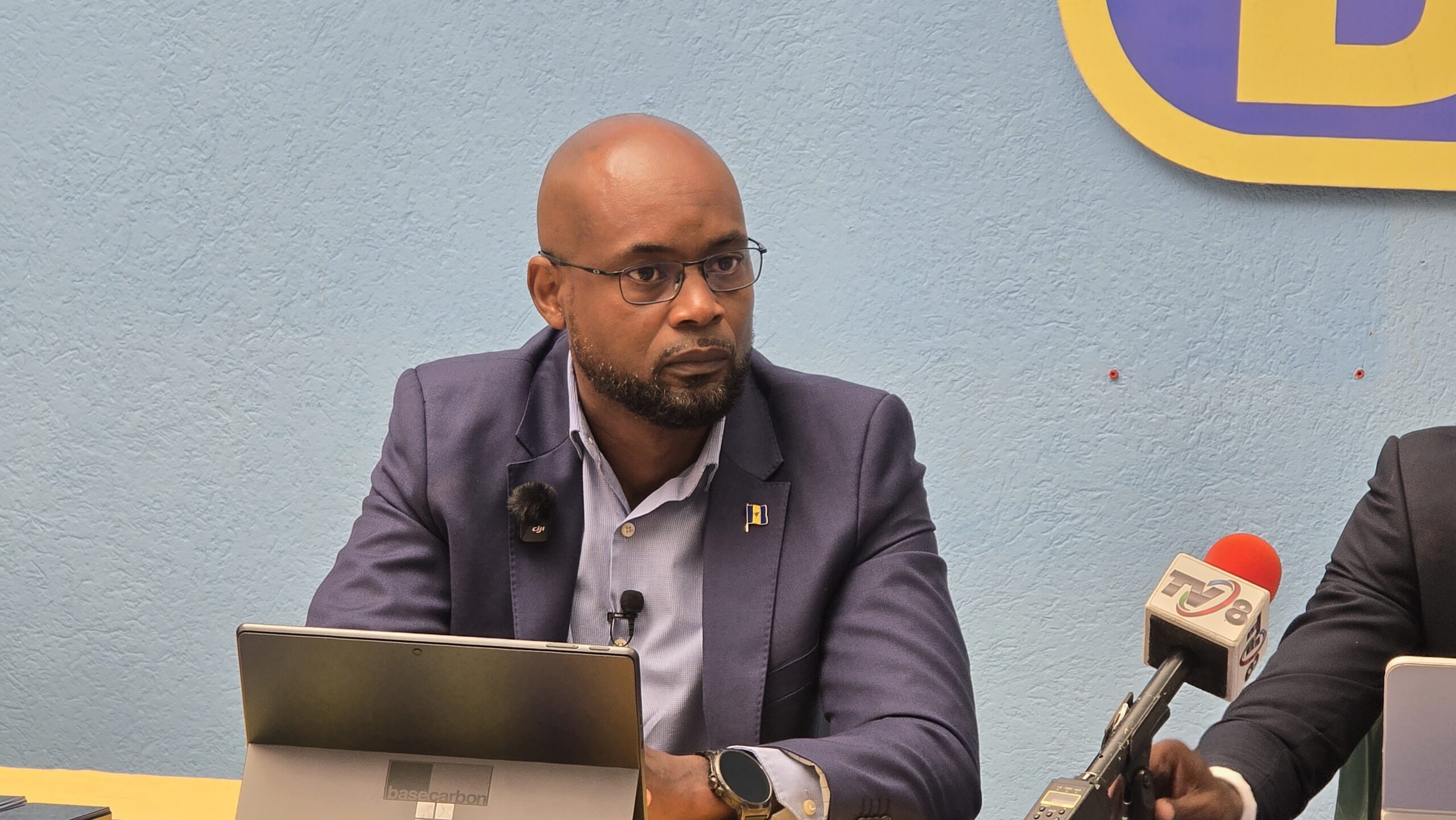
    While the legislation has not yet moved to a parliamentary debate, shadow attorney general and shadow criminal justice minister Corey Greenidge says the DLP broadly backs the government’s goal of curbing rising gang-related violence, and has already identified several notable strengths in the current draft that address longstanding gaps in the country’s criminal justice framework.

    In a press briefing, Greenidge highlighted that one of the bill’s most significant improvements over previous legislation is its formal recognition of gangs as coordinated organized criminal enterprises, rather than framing criminal activity solely as the action of individual offenders. This structural framing allows prosecutors to target not just low-level street actors, but also the full ecosystem of gang participation: from senior leaders and recruiters to backroom financiers, safe house operators, facilitators that enable gang activity, and individuals who intentionally conceal gang operations.

    Greenidge also praised the bill’s strict provisions aimed at blocking the recruitment of minors, a trend that has driven a sharp rise in youth-related crime across Barbados in recent years. “We are seeing more and more perpetrators of violent crime between the ages of 14 and 16 now,” he noted. “The bill takes a firm, targeted stand against drawing children, adolescents and young men into gang activity, and that is an initiative we fully support.”

    Additional strengths the DLP highlighted include robust witness anonymity and protection frameworks, which complement existing criminal procedure laws to address a major barrier to successful gang prosecutions: community fear of retaliation. “In neighborhood after neighborhood, people hold back information from police because they are scared of violence against themselves or their families,” Greenidge explained. “This bill directly confrontes that fear with strong protections for witnesses.”

    The bill’s modernized approach to evidence was another point of praise. Unlike older laws that require proof of formal gang identifiers such as official names, specific colors or insignia to secure a conviction, the current draft defines a gang by the coordinated nature of criminal activity, rather than formal structure. “Prosecutors don’t need to prove affiliation through signs or hierarchies anymore,” Greenidge said. “If a group of people collaborates to carry out criminal activity, that is enough to classify it as a gang for prosecution. That is a very welcome update for modern law enforcement.”

    Despite these wins, Greenidge argued that the draft legislation is unbalanced, placing too much focus on enforcement and punishment while neglecting the prevention, rehabilitation and systemic changes needed to dismantle gang networks long-term. While the bill includes strong provisions for arrest, detention and lengthy prison sentences, it lacks meaningful focus on proactive prevention, offender rehabilitation, cross-agency intelligence coordination, targeted youth intervention and end-to-end network dismantling. To truly break gang power in Barbados, Greenidge said, the legislation needs to expand into a broader strategic framework that dismantles organizations from top leadership all the way down to local street cells.

    The DLP has outlined three core amendments to address these gaps. First, the party is calling for a reduction in the threshold required to classify a group as a criminal gang. Current draft language requires a minimum of five people to meet the legal definition of a gang, but Greenidge noted that comparable legislation across the Caribbean uses far lower thresholds: Jamaica sets the bar at two people, while Trinidad and Tobago uses three. The DLP is urging the government to lower Barbados’ threshold to three people, to account for the small, tightly coordinated criminal cells that operate widely across the country.

    Second, the DLP is demanding far stronger provisions to target the financial foundations of gang activity. Greenidge pointed out that most young street offenders lack the capital to purchase illegal weapons or bulk drug supplies independently, meaning unseen financiers and organizers pull the strings behind most gang crime. The current bill does not integrate enforcement action with financial disruption in a direct, operational way, he argued, noting that modern organized crime is fundamentally driven by profit. Leading international anti-gang frameworks prioritize economic dismantling as much as imprisonment, and Barbados’ legislation should follow that model.

    Greenidge called for explicit provisions allowing authorities to freeze suspicious bank accounts, trace and confiscate gang assets including vehicles and property, disrupt illicit financial flows, shut down criminal front businesses, and collapse the economic infrastructure that allows gangs to operate. He also proposed mandatory financial investigations for all gang probes, stronger provisions targeting unexplained wealth linked to gang activity, a dedicated national system for tracing gang assets, and mandatory formal coordination between local law enforcement and the national Financial Intelligence Unit to target illicit financial activity.

    Third, the DLP is pushing to require that prevention and rehabilitation programs are formally embedded into the legislation, including structured gang exit programs, youth diversion initiatives and expanded community support systems for at-risk young people. “If a young person ends up recruited into gang violence, that means the state has already failed somewhere upstream – whether in our education system, our social interventions, our community and faith groups, or in creating accessible opportunities for young people to engage positively,” Greenidge said. “A sustainable anti-gang strategy can’t just rely on punishment. It has to include prevention and support to reintegrate young people back into society when they want to leave gang life.”

    Greenidge also added a fourth proposal: a mandatory statutory review mechanism that requires the government to release a public report on the legislation’s impact after three years, including measurable data on conviction rates, acquittal rates, asset seizure totals and overall changes in gang-related crime rates. He noted that many previous crime reduction programs and pieces of legislation have been implemented in recent years without formal public reporting on their effectiveness, and this review mechanism would help address that lack of accountability.

    The push for amendments comes as the bill awaits its first parliamentary debate, with the government yet to announce a timeline for moving the legislation to a vote.

  • Portsmouth parl rep Fenella Wenham-Sheppard condemns latest fatal shooting, violence in community

    Portsmouth parl rep Fenella Wenham-Sheppard condemns latest fatal shooting, violence in community

    A fatal weekend shooting that left a national of St Kitts dead in Portsmouth’s Picard district has drawn sharp condemnation from the constituency’s sitting parliamentary representative, Fenella Wenham-Sheppard, who is urging collective community action to root out violent crime and protect the town’s long-standing reputation for unity and resilience.

    The killing, which took place on Sunday, May 10, 2026, has shaken the quiet coastal community, prompting an official statement from Wenham-Sheppard addressing the violence and its impact on local residents. In her remarks, the lawmaker delivered an uncompromising rebuke of the homicide and broader patterns of violence impacting the area.

    “In the strongest possible terms, I condemn this recent act of homicide and the wave of violence that has touched our community,” Wenham-Sheppard said. She went on to reaffirm her unwavering commitment to advancing targeted initiatives focused on youth development, grassroots community empowerment, and expanded public safety protections across every neighborhood in the Portsmouth Constituency.

    The MP shared that she was deeply grieving alongside the community following the incident, extending her heartfelt condolences to the deceased person’s family and all loved ones left behind. She emphasized that the senseless violence has left an indelible mark on the community, and that her office stands ready to support those affected in any way possible.

    Consistent with her long-standing public position on public safety, Wenham-Sheppard renewed her call for peace, cross-community unity, and coordinated local action to push back against rising criminal activity. She stressed that the fatal shooting is a source of profound concern for all residents, but stressed that this isolated act of violence does not represent the true character or collective spirit of the town that Portsmouth residents have built.

    “Portsmouth has long been known across the country for its rich cultural heritage, remarkable community resilience, and deep sense of togetherness among neighbors,” Wenham-Sheppard noted. “We cannot and will not allow criminal activity to overshadow the proud, welcoming identity that generations of residents have cultivated here.”

    Closing her statement, the parliamentary representative made clear that violence of any kind has no place in the Portsmouth community. “As neighbors and as stakeholders in this town’s future, we must stand united to protect the peace and safety that every one of our residents deserves,” she added.

  • Grenada launches Flower and Garden Festival

    Grenada launches Flower and Garden Festival

    Against the backdrop of international horticultural acclaim at the 2026 RHS Chelsea Flower Show, Grenada has officially launched its much-anticipated inaugural Grenada Flower and Garden Festival, branded ‘Grenada in Bloom’, during a formal reception in London hosted by Grenada’s Governor-General, Her Excellency Dame Cécile La Grenade.

    The launch event aligned perfectly with Grenada’s latest award-winning floral exhibit at Chelsea, a milestone that once again put the Caribbean nation’s horticultural mastery in the global spotlight. Beyond celebrating the country’s longstanding skill in flower cultivation, the gathering also served to unveil a new national initiative that ties together floriculture, environmental sustainability, tourism, cultural preservation, and cross-border investment. Key stakeholders from multiple sectors gathered for the occasion, including Randall Dolland, Chairman of the Grenada Tourism Authority, UK-based media representatives and tour operators, leading business figures, members of the Grenadian diaspora based in Europe, and senior staff from the Grenada High Commission.

    In her keynote address to attendees, Dame Cécile framed the upcoming November festival as far more than a simple display of plants and flowers. She described ‘Grenada in Bloom’ as a dynamic ‘ecosystem of ideas’—a unique crossroads where cultural heritage intersects with commercial opportunity, where sustainable practices drive innovative growth, and where the nation’s centuries-old botanical legacy opens doors to deeper global engagement.

    Reflecting on Grenada’s consistent record of excellence at the Chelsea Flower Show, the Governor-General noted that the country’s repeated awards are no accident. They reflect, she explained, ‘patience, precision, creativity, and pride’—core values that position Grenada to turn its international recognition into tangible, long-term economic gains for local communities.

    Dame Cécile went on to highlight the unique advantages that underpin Grenada’s growing floriculture and botanical sector. The country’s extraordinary biodiversity, year-round favorable climate, and increasing commitment to sustainable agricultural practices create ideal conditions for expanded investment across a range of high-value segments, including cut flower production, essential oils, natural botanical products, specialty exotic foods, and health and wellness goods. ‘Grenada is not merely cultivating crops, we are cultivating a future,’ she emphasized.

    Following the keynote address, GTA Chairman Randall Dolland officially opened the festival launch with the premiere of a commemorative promotional video. Rachér Croney, Grenada’s High Commissioner to the UK, also offered remarks, praising the nation’s ongoing success at Chelsea and noting that the island’s distinctive native flora is ‘a living expression of the island’s identity.’

    The launch event also doubled as an opportunity to promote a second major 2026 initiative for the nation: the Grenada Diaspora Homecoming 2026, scheduled to run from June 21 to July 5. Dame Cécile issued a call to Grenadians living abroad to return to their home country next year, framing the homecoming not just as a personal visit, but as a chance for the diaspora to become ‘architects of what comes next’ for the nation. She encouraged diaspora community members to engage with the country through investment, knowledge sharing, innovative partnerships, and collaborative projects.

    In closing, the Governor-General extended a formal invitation to the entire international community to visit Grenada this coming November for the first-ever Grenada Flower and Garden Festival. The eight-day event will celebrate the nation’s extraordinary botanical richness, vibrant living culture, and entrepreneurial creative spirit. Ending with a toast to the Grenadian team that earned acclaim at the 2026 RHS Chelsea Flower Show and to mark the official launch of ‘Grenada in Bloom’, Dame Cécile shared a powerful vision for the event and the nation’s future: ‘From small islands can emerge great ideas; from humble seeds can grow extraordinary achievements; and from shared vision can arise a future of boundless promise.’

    The Grenada Flower and Garden Festival, set to run November 8 to 15 2026, was developed to highlight the country’s globally recognized flora, horticultural expertise, sustainable agricultural practices, and cultural heritage, while opening new pathways for tourism growth, inbound investment, and international collaborative projects. More information about the festival, including ticketing and scheduling, is available on the event’s official website.

  • Expertise France and Guadeloupe sign MoU to strengthen regional resources in combatting sargassum crisis

    Expertise France and Guadeloupe sign MoU to strengthen regional resources in combatting sargassum crisis

    The Caribbean region, long plagued by annual massive influxes of invasive sargassum seaweed that devastate coastal ecosystems, public health, tourism revenues and local livelihoods, has taken a major step forward in coordinated action: Expertise France and the Guadeloupe Regional Council have formally signed a Memorandum of Understanding (MoU) to align their existing anti-sargassum initiatives for more impactful, region-wide progress.

    The partnership brings together two of the Caribbean’s largest ongoing sargassum management projects: the SARSEA project, funded by the Agence Française de Développement and executed by Expertise France, and SARG’COOP II, a regional program headed by the Guadeloupe Region and backed by European Union INTERREG grant funding. Combined, the two initiatives represent a total pooled investment of €11 million, all dedicated to advancing sargassum monitoring, cleanup, processing and long-term management across Caribbean territories.

    Speaking after the signing, Ms. Gustave-Dit-Duflo, Vice-President of the Guadeloupe Region’s Environmental Commission, underscored that collaboration rather than siloed competition is the only path to meaningful change. “Our two programs bring nearly €11 million in collective investment to this crisis, and we have committed to this partnership to ensure these resources work in synergy, not against each other, to build robust, actionable solutions,” she explained.

    Under the terms of the agreement, the partners have outlined clear shared commitments: eliminating duplicated work through full transparency, pooling open access to research, data and project deliverables to strengthen consistent regional action, co-hosting regional and international advocacy and knowledge-sharing events, providing coordinated support to local stakeholders including private businesses, non-governmental organizations and public authorities, and embedding two critical priorities—socio-economic impact assessment and women’s inclusion—across all program activities.

    Officials note the core purpose of the MoU is to strengthen technical and institutional coordination between the two organizations, while facilitating the exchange of scientific data, technical expertise and innovative management strategies. The partnership also includes provisions for joint research into new commercial and practical uses for harvested sargassum, turning a harmful invasive species into a potential economic resource for local communities.

    The overarching mission of the aligned effort is to cut the environmental, social and economic harm sargassum inflicts on Caribbean communities, while advancing scientific understanding of the growing sargassum phenomenon and strengthening evidence-based public policy responses across the region.

    Mathilde de Williencourt, Deputy Director of the Sustainable Development Department at Expertise France, reaffirmed her organization’s long-term commitment to Caribbean nations and French overseas territories facing the sargassum crisis. “Through the SARSEA project, and in close coordination with the Guadeloupe Region under the SARG’COOP framework, Expertise France is proud to support the rollout of integrated sargassum management, help build a resilient, connected regional sargassum value chain, and advance cross-regional scientific cooperation to deepen our understanding of this crisis and inform research-backed policy,” de Williencourt said. “This partnership strengthens our commitment to the Caribbean and its overseas territories, by leveraging the deep French institutional expertise already present in the region.”

    To keep the partnership aligned, the two organizations will put in place shared governance structures, including regular coordination meetings and intentional alignment with other existing regional sargassum initiatives. Leaders behind the new agreement believe this collaborative model will pave the way for more effective, sustainable and unified action across the entire Caribbean.

    By pooling technical expertise, financial resources and on-the-ground regional knowledge, the partners aim to turn the shared challenge of sargassum into a catalyst for deeper Caribbean cooperation, innovative solutions and long-term regional resilience to future sargassum influxes.

  • Social commentary kaiso ‘gaining ground’ ahead of Crop Over

    Social commentary kaiso ‘gaining ground’ ahead of Crop Over

    As Barbados prepares to kick off its highly anticipated 2026 Crop Over festival, industry insiders report a sustained and enthusiastic wave of interest in social commentary from a new generation of Caribbean performers. This emerging cohort of artists is eager to inject fresh, modern perspectives into iconic genres of calypso and soca, all while honoring the cultural roots that have defined the art forms for decades.

    In an exclusive interview with Barbados TODAY ahead of the festival’s official launch, Randy Eastmond, acting education officer in the Curriculum Section at Barbados’ Ministry of Education Transformation, shared early insights into what is shaping up to be a dynamic 2026 season. Eastmond, who has spent years spearheading music and creative arts initiatives across the island’s primary and secondary schools, noted that this year’s Crop Over has already demonstrated clear signs of a revitalized creative energy driven by young talent.

    “Crop Over 2026 is shaping up to be an incredibly exciting year for Caribbean music, particularly with the influx of new cross-regional music fusions drawing influences from across the Caribbean,” Eastmond explained. He added that the number of young vocalists and instrumentalists stepping forward to participate in the season’s events is far higher than in recent years.

    While he warmly embraces the new stylistic approaches that young artists are bringing to the table, Eastmond stressed that protecting the core identity of calypso and soca remains non-negotiable. “We still have to acknowledge the fact that you have to preserve what is quintessentially soca, calypso, all the genres under the calypso form,” he said. For Eastmond, lyrical depth and quality remain the backbone of the tradition, especially when it comes to exploring the social themes that have long been central to calypso. “The lyrical content is very important to calypso in terms of how we portray the concepts and the themes that we’re writing on,” he noted.

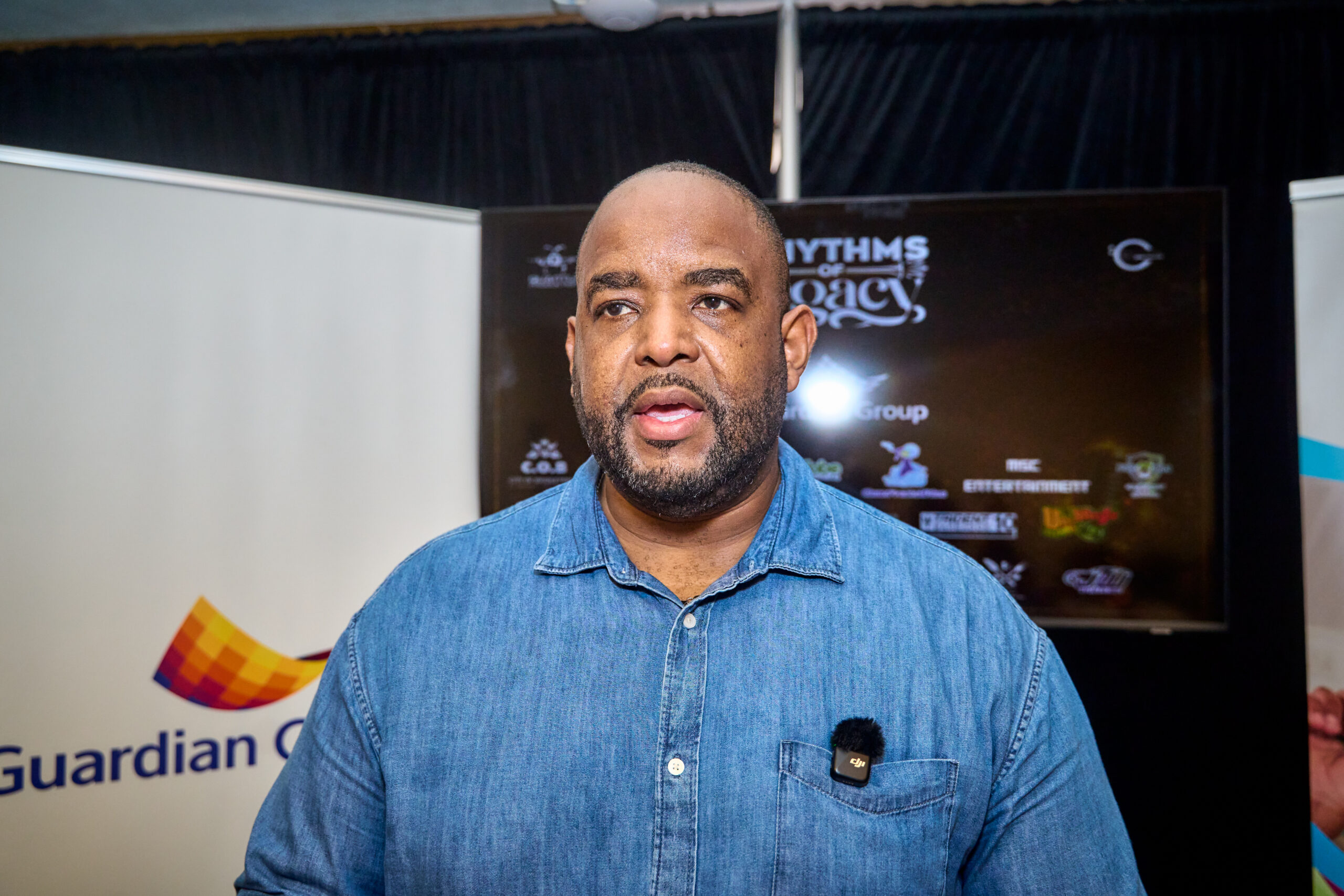
    Eastmond said he has not been surprised by the consistent interest in social commentary among young performers, pointing to his years of working with students that shows young people naturally embrace calypso once they gain hands-on experience with the genre. As the current leader of the Rhythms of Legacy tent, which is specifically designed to support and nurture emerging young calypsonians, Eastmond has seen first-hand how the genre’s focus on storytelling and social critique resonates with young people who had little to no prior exposure to calypso growing up.

    “They’re quite interested simply because of the storytelling and understanding the power of the voice and how they can actually speak to certain societal issues,” he said. This ability to use music as a platform to address pressing community and national issues is what draws many young creators to the tradition, he added.

    Looking ahead to the relaunched Party Monarch competition, Eastmond predicted that the event will see a robust turnout of emerging entertainers competing alongside veteran performers. “Based on the response I’m getting in the studio from the amount of young people who want to have songs to enter the competition, I think we’re gonna have an influx of young persons, along with the veterans,” he said.

    Eastmond noted that sharing the stage with established, experienced artistes offers invaluable learning opportunities for young performers, helping them refine their on-stage performance skills that cannot be developed in a recording studio. “Competition brings a different dynamic to just recording a song,” he explained. “You can record a song that sounds really good, but if you’re not able to deliver it on stage, then that’s another thing.”

    Sharon Carew-White, manager of the iconic CO Williams House of Soca tent, echoed Eastmond’s optimism about the future of social commentary among young Crop Over artists. Carew-White highlighted the tent’s long-running junior monarch programme, which currently receives funding and support from the Barbados Community College and the Sandy Lane Trust, as a critical pipeline for nurturing emerging talent over the years. The programme has consistently proven to be a successful pathway for young entertainers to build their skills and grow within the genres, she said.

    To ensure calypso and soca are preserved for future generations, Carew-White emphasized that keeping younger audiences engaged through accessible, youth-focused competitive spaces is key. She welcomed the return of the Party Monarch competition, framing it as an additional valuable platform that encourages creativity and healthy competition among artists of all ages. “This is another creative opportunity for youngsters, young at heart,” she said, adding that a number of well-known, established performers are also returning to compete in this year’s relaunched event.

    However, Carew-White argued that winning competitors deserve greater regional exposure beyond the bounds of Barbados’ local Crop Over season. “If you become the soca monarch or the power soca monarch, I would like to see this transition then into the next level,” she said, calling for stronger collaborative links between the Barbados competition and major carnival events in neighboring Grenada and Trinidad and Tobago. “I would like to think that bringing back these two competitions brings back an opportunity for further growth for individuals and for the country.”

  • Ariza Credit Union promotes staff wellness

    Ariza Credit Union promotes staff wellness

    As part of global observances for Hypertension Awareness Month, Grenada-based Ariza Credit Union has partnered with the country’s Ministry of Health to roll out community-focused health clinics across all its branch locations, marking the centerpiece of the organization’s annual Know Your Numbers Week held from May 11 to 15, 2026. The flagship screening event was held on Friday, May 15, bringing free preventive health services directly to credit union staff and member-owners. Dedicated nursing stations were set up at three of the union’s highest-traffic locations: the Grand Anse, Bruce Street, and Carriacou branches, where attendees could access three core preventive tests at no cost: blood pressure monitoring for hypertension, body mass index (BMI) assessments to flag weight-related health risks, and diabetes screenings.

    Organized through Ariza Credit Union’s Human Resources Unit, the large-scale screening initiative forms a core part of the financial institution’s ongoing, holistic workplace health and wellness strategy, which has been expanded in recent years to address both physical and mental wellbeing for all team members. Keriann St Louis-Telesford, Executive of Human Resources at Ariza, emphasized that the organization’s commitment to worker health extends far beyond basic employment benefits. “We care about our staff in a holistic way. Their well-being is our priority, which is why we made the testing available to them,” she explained.

    Beyond the one-week screening event, Ariza Credit Union maintains a year-round roster of wellness programming designed to support long-term healthy habits for its workforce. Three times weekly, the organization hosts guided after-work dancercise and general exercise sessions on its premises, led by certified, well-regarded local fitness professionals. To address growing awareness of workplace mental health needs, the institution also runs a unique monthly Mental Health Day initiative, which requires all staff to step away from their daily tasks for 30 minutes to participate in guided relaxation and restorative activities.

    Leadership at Ariza Credit Union holds that investing in a comprehensive workplace wellness culture delivers dual benefits: it supports longer, healthier lives for employees, while also cultivating a more productive, collaborative and supportive work environment for the entire organization. To wrap up Know Your Numbers Week, the institution issued a public call to action, encouraging all its staff, members, and members of the wider Grenadian community to take proactive control of their cardiovascular and overall health. The guidance urged consistent adoption of healthy lifestyle habits, regular at-home and clinical blood pressure monitoring, and ongoing participation in free and low-cost preventive health checks to catch chronic conditions early when they are most treatable.

    This report was featured in NOW Grenada, which notes it holds no responsibility for opinions, statements, or media content shared by contributing organizations, and provides a channel for the public to report any abusive content hosted on its platform.

  • 130 Council Workers Hit the Streets for Hurricane Cleanup

    130 Council Workers Hit the Streets for Hurricane Cleanup

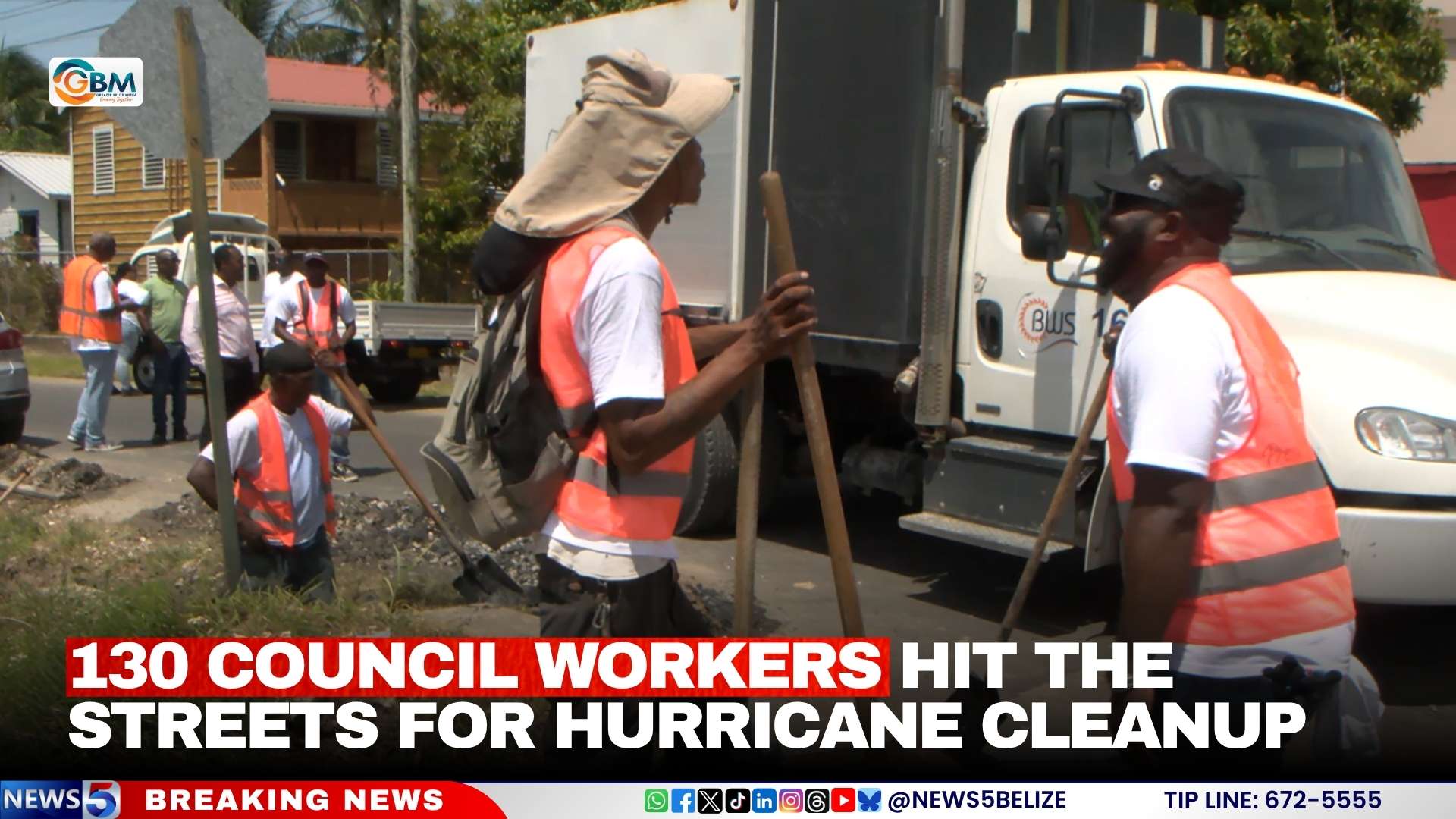
    As the 2026 Atlantic hurricane season draws near, Belize City Council has kicked off its second annual pre-hurricane cleanup initiative, deploying more than 130 municipal employees across the city’s most flood-vulnerable neighborhoods to boost community resilience ahead of extreme weather.

    Deputy Mayor Elude Miller confirmed that cross-departmental teams drawn from sanitation, public works, and public health divisions are leading the effort. Alongside clearing debris and unclogging drainage infrastructure, health inspectors are conducting door-to-door outreach to local residents. These conversations focus on educating households about proper waste disposal practices, the importance of unobstructed neighborhood drainage, and small proactive steps individuals can take to prevent system blockages during periods of heavy tropical rainfall.

    Unlike the 2025 campaign, which focused on four flood-prone districts including Pangyard, King Street, Dean Street, and Berkeley Street, this year’s operation targets seven priority locations: Victoria Street, Vernon Street, Mahogany Street, the surrounding area of St. Mary’s Primary School, Gabriel Lane, and St. Joseph Street. Miller explained that the selection of these zones was not arbitrary; it draws on 12 months of continuous flood risk mapping that identifies persistent problem areas across the city. The targeted approach allows the council to allocate limited resources where they will deliver the greatest reduction in flood risk.

    To maximize the effectiveness of the cleanup, the council has deployed specialized heavy equipment purpose-built for drainage maintenance. A vacuum truck and high-pressure sewer jet sweeper are being used to clear deep blockages that standard manual cleaning cannot reach, directly improving the city’s capacity to handle storm surge and heavy rainfall common during Atlantic hurricane season.

    Early engagement with local communities has been overwhelmingly positive, according to Miller. “Residents have been incredibly welcoming to our teams,” he noted in an on-the-ground interview. “I just spoke with Ms. Judith a few minutes ago, and she told me how grateful she is that we’re out here addressing this issue proactively. Many residents are not just happy to see us – they’re also sharing valuable local insights and suggestions that help our teams target problem spots we might have missed.”

    The annual pre-hurricane cleanup campaign forms a core part of Belize City’s annual disaster risk reduction strategy, designed to minimize flood damage, protect public safety, and cut down on post-storm recovery costs as the region enters what meteorologists warn could be another active hurricane season.

  • BTIA Demands Stop to Sand Mining in Placencia, Ambergris Caye

    BTIA Demands Stop to Sand Mining in Placencia, Ambergris Caye

    Belize’s leading tourism industry body has reignited calls for urgent government action to curb unregulated sand extraction and dredging in two of the country’s most ecologically sensitive and economically critical coastal regions: the Placencia Lagoon and targeted coastal zones of Ambergris Caye. The campaign, which has gained growing community backing, highlights the deep interconnectedness between Belize’s natural environment and its multibillion-dollar tourism sector, warning that unregulated extraction threatens both ecosystems and livelihoods across the country.

  • Why is political outrage moving faster than progress?

    Why is political outrage moving faster than progress?

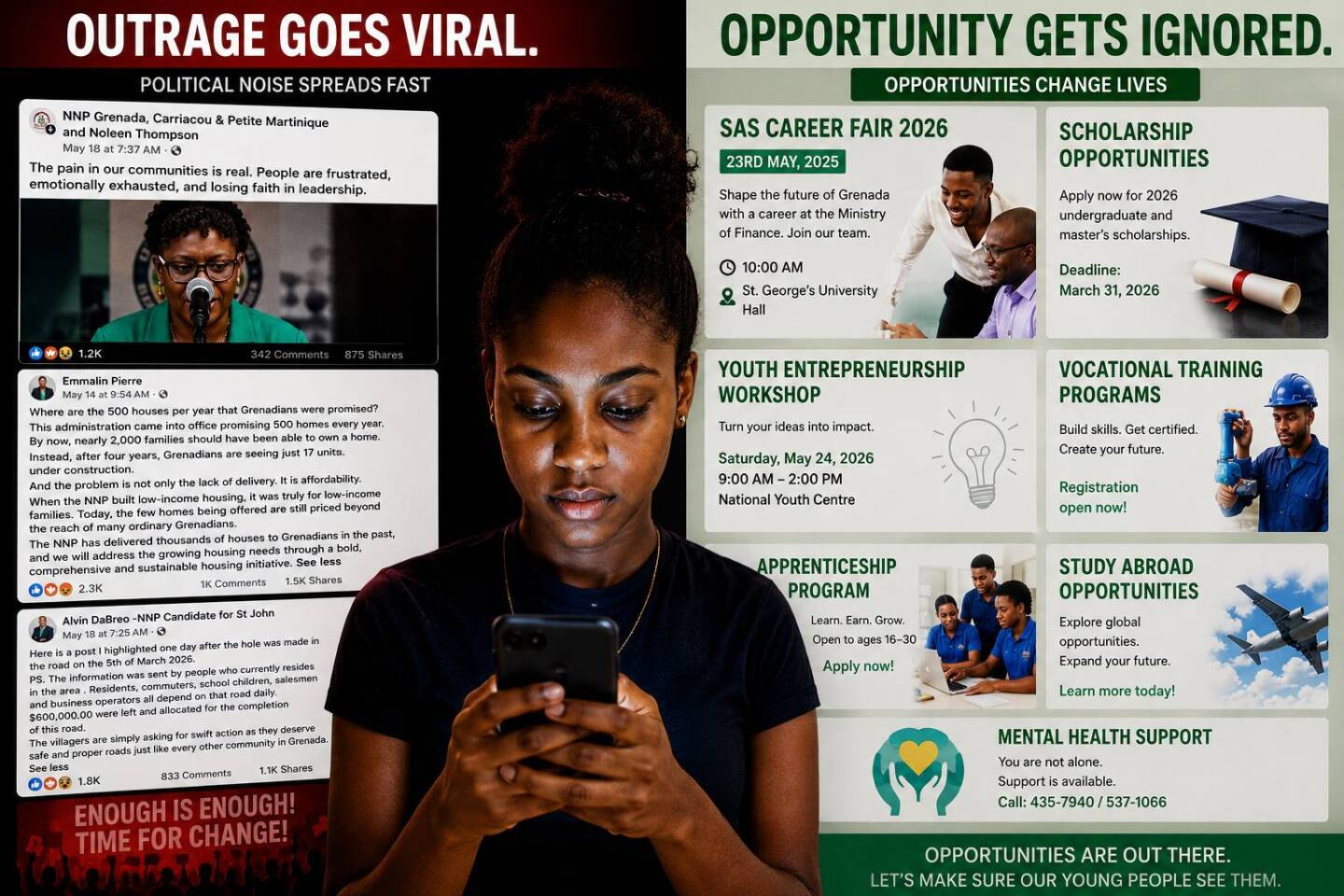
    Across Grenada, contemporary political dialogue has coalesced around two pressing, growing challenges: rising hopelessness among young people and the ongoing fight for survival of the nation’s core productive sectors. In recent public remarks, opposition leaders – including St. David’s candidate Noleen Thompson and Opposition Leader Hon. Emmalin Pierre – have highlighted the deepening emotional and social unraveling impacting the country’s youth, as well as the grueling day-to-day survival struggle facing local farmers and working families.

    Their concerns are not rooted in baseless criticism. From one end of the Caribbean to the other, households and producers are grappling with sustained economic pressure and pervasive feelings of long-term instability. But if this crisis is as severe as political rhetoric frames it, an uncomfortable but critical question demands asking: What responsibility do established political organizations and influential national leaders hold for actively connecting ordinary citizens to the existing opportunities that can improve their circumstances?

    As a researcher who regularly tracks national legislative updates and administrative public notices, one consistent observation is impossible to ignore: the opportunities political discourse claims are out of reach are not imaginary. While political messaging centers heavily on accusations of disconnected policy planning and a collapsing economy, a recent review of national and regional agency programs reveals a consistent pipeline of legitimate, accessible pathways for skills training, higher education, and economic advancement already available in 2026.

    A number of active, public resources posted to official government and regional agency boards rarely find their way into mainstream political discourse or public newsfeeds, for both youth and established producers:

    For unemployed and underemployed young people, the Grenada National Training Agency (GNTA) is currently delivering vocational training placements to more than 160 youth out of work, while the Ministry of Education maintains open applications for fully funded international scholarships in China and other countries across the globe.

    For local farmers, just this week the Ministry of Agriculture opened candidate applications for Agriculture and Fisheries extension assistant roles – positions created explicitly to bring on-the-ground technical guidance and climate resilience support directly to rural farming communities. The ministry has also allocated $500,000 for the second phase of the National Spice Replanting Programme, providing financial grants and tailored technical support to farmers operating holdings between 10 and 20 acres.

    For small and micro business owners, the OECS Commission is preparing to launch the next round of its Regional MSME Matching Grants Programme, offering collaborative grants ranging from $100,000 to $150,000 USD for local fisheries operators and marine tourism small businesses. In tandem, the Grenada Development Bank’s Small Business Development Fund offers microloans up to EC$40,000 to help young entrepreneurs cover the cost of new equipment and inventory.

    For producers focused on climate adaptation, the G-CREWS project and SAEP continue to offer specialized skills training and targeted grants for climate-smart agricultural practices and community rainwater harvesting infrastructure.

    These opportunities do, in fact, exist. Yet far too many struggling young people and farmers never receive notification of these programs, or learn of application deadlines long after they have closed. This gap is not an accident – it is a product of how modern political communication operates in Grenada.

    In recent years, national political discourse has become overwhelmingly centered on outrage. Political channels flood social media and news cycles with rapid-fire criticisms of government budgets and viral coverage of farmers facing financial ruin. While these stories highlight very real, serious challenges facing the country, practical information sharing about existing support programs has increasingly been pushed to the margins of political content.

    Today’s political parties are far more than election campaign organizations – they function as the largest, most widely followed information hubs in the country, with tens of thousands of engaged followers across social and community networks. If political leaders truly believe that farmers are on the brink of collapse and that youth have lost all hope for the future, then systematic opportunity sharing should be a core part of political culture, not an afterthought added after a critical speech.

    Widespread hopelessness is not only an emotional crisis. Often, it is an information crisis. A farmer who only hears political speeches about how unbearable the cost of living has become, but never receives a link or announcement for available agricultural grants or technical support programs, will inevitably begin to believe there is no path forward. When leaders frame public despair as a political talking point without sharing information about existing resources that can ease that hardship, we have to ask: Are we documenting the struggle to solve it, or are we just amplifying despair for political gain?

    This critique does not target any single political party. Across the entire political spectrum, far more effort is invested in amplifying public despair than in systematically connecting citizens to existing pathways for advancement. While sharing a single link to a training workshop will not solve Grenada’s unemployment crisis overnight, it is a practical, immediate action that political leaders can take right now to advance national development. True leadership is not only about identifying critical problems – it is about helping ordinary people navigate the existing pathways to improve their own lives.

    In a nation where so many young people feel uncertain about their futures, the information that leaders choose to amplify carries profound consequences. If political networks can mobilize public dissatisfaction with the current state of affairs, they certainly have the capacity to mobilize greater access to existing opportunity. Because a sharp political critique may win one news cycle, but sharing a life-changing opportunity can help build a stronger future for the entire country.