作者: admin

  • Turneffe Upgrades Aim to Protect Reef and Visitors

    Turneffe Upgrades Aim to Protect Reef and Visitors

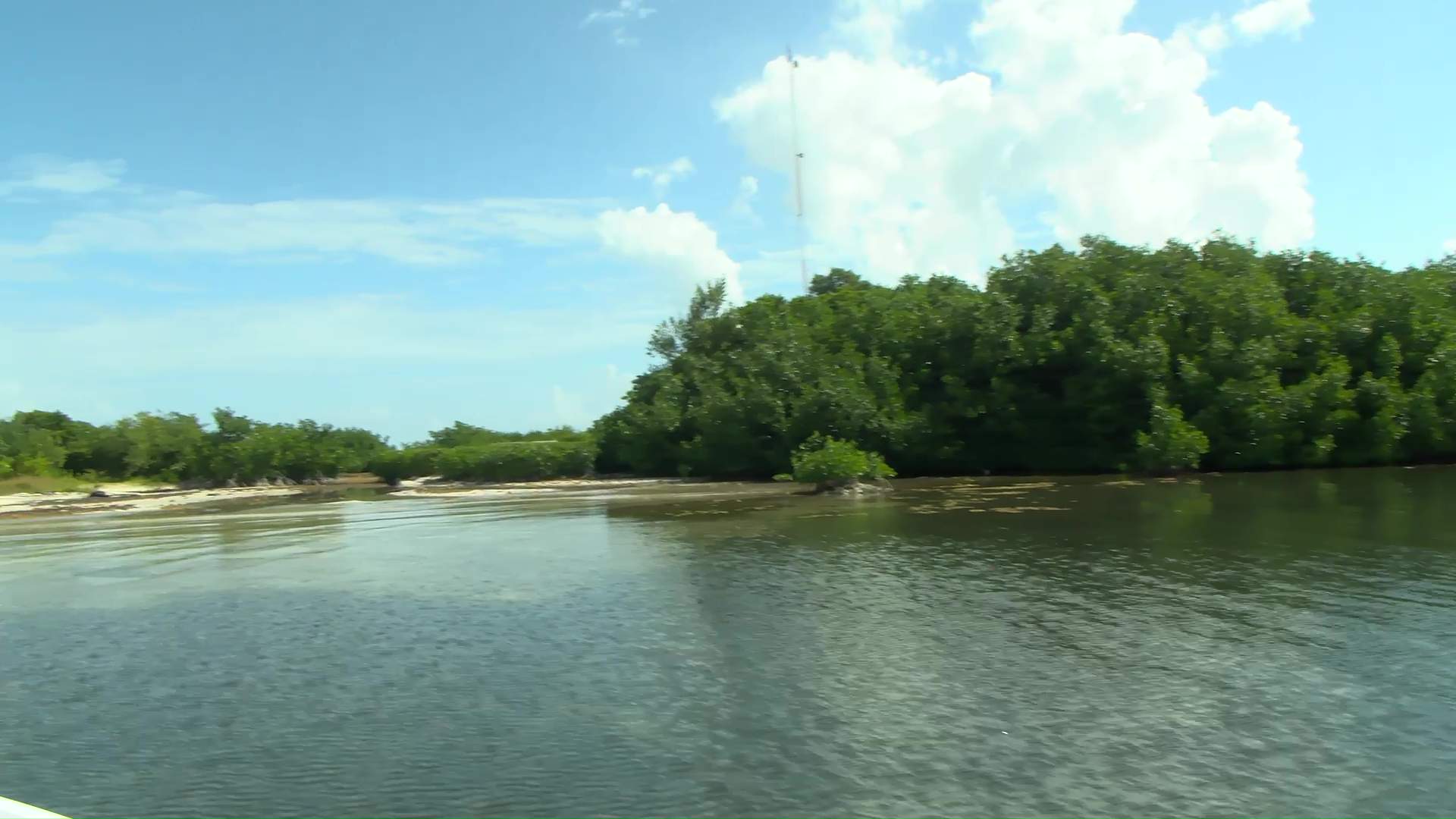
    Belize is embarking on a transformative initiative to enhance both conservation efforts and visitor experiences at the Turneffe Atoll Marine Reserve, the Western Hemisphere’s largest and most ecologically diverse coral atoll. Located just twenty miles east of Belize City, this marine treasure is receiving strategic upgrades through the Tourism Enhancement in Protected Areas Program (TEPA), a collaborative effort between government agencies and conservation organizations.

    The comprehensive improvement plan targets three key sites within the reserve: Mauger Caye, Calabash Caye, and Caye Bokel. Infrastructure developments include constructing new piers for safer access, modernizing visitor facilities, and establishing educational centers that will serve dual purposes. These centers will both educate tourists about the atoll’s fragile ecosystem and provide operational bases for rangers conducting conservation work.

    Valdemar Andrade, Executive Director of Turneffe Atoll Sustainability Association (TASA), emphasized the program’s financial sustainability objectives: “These essential funds represent a strategic investment toward generating independent revenue streams. We’re enhancing tourism facilities to better engage both international and local visitors with our natural resources while ensuring long-term conservation funding.”

    The initiative adopts a holistic approach where tourism directly supports environmental protection. Hubert Gillett, Financial Sustainability Manager at TASA, explained the circular benefits: “Enhanced visitor experiences create opportunities for conservation education and voluntary donations, which subsequently fund critical enforcement operations, adaptive management programs, and ongoing educational outreach.”

    Government officials including Abil Castaneda, Executive Director of Protected Areas Conservation Trust (PACT), have conducted firsthand assessments of the development plans. Castaneda noted: “This progressive organization has developed not just a marine conservation model, but an integrated economic system where environmental protection and sustainable tourism mutually reinforce each other.”

    The Turneffe project is being positioned as a potential blueprint for other marine protected areas globally. Darcy Correa, Tourism Officer with the Ministry of Tourism, described it as “a model for sustainable tourism that successfully balances environmental protection with visitor experience.”

    Beyond international tourism, the program specifically encourages Belizean citizens to visit and appreciate their natural heritage. Saul Cruz, Director of the National Biodiversity Office, urged local engagement: “These are our natural assets that people worldwide travel to see. Belizeans should experience these sites responsibly, becoming ambassadors who appreciate and promote the vital work of our protection managers.”

  • New Agreement Aims to Boost Belize’s Workforce

    New Agreement Aims to Boost Belize’s Workforce

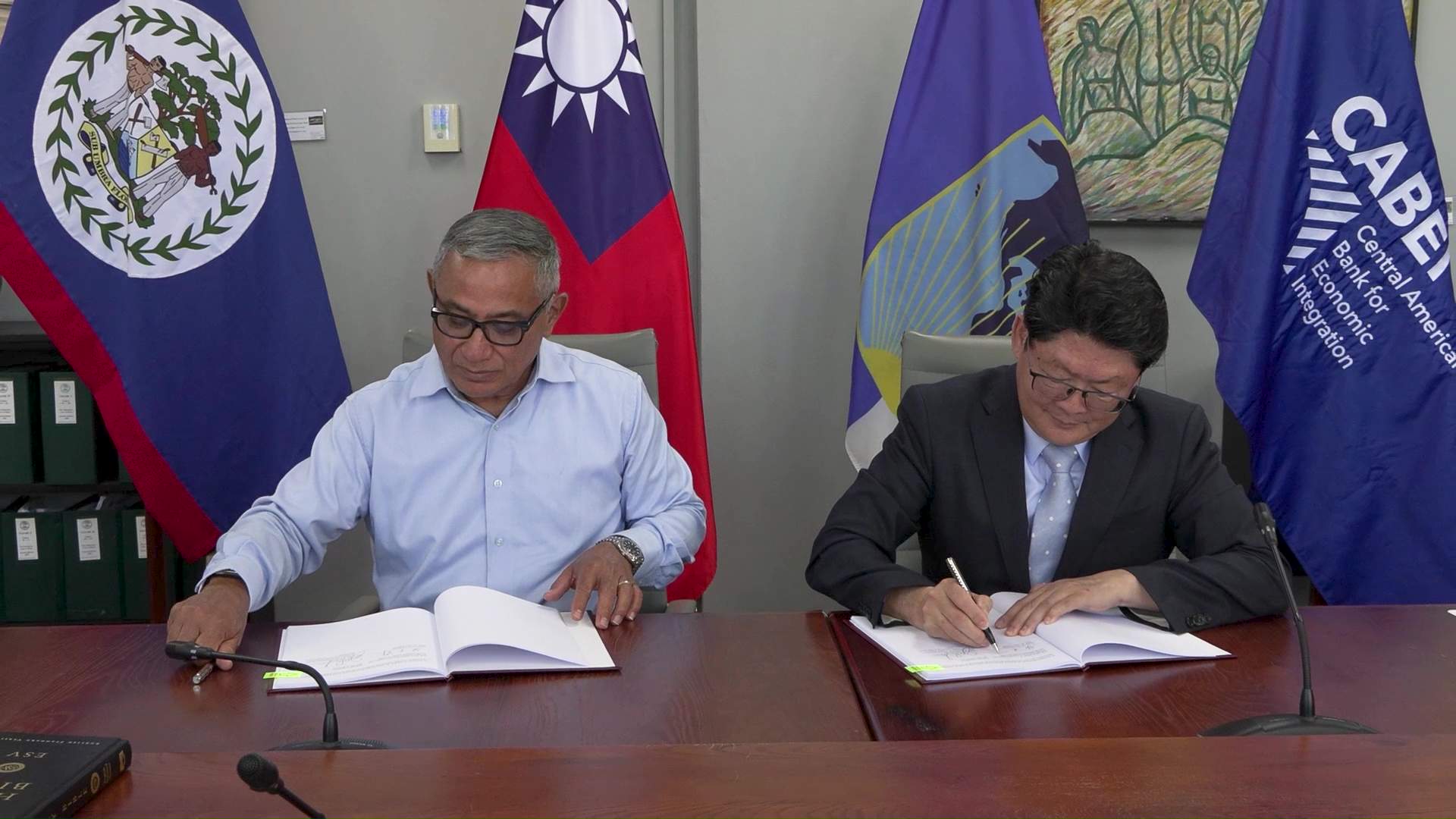
    The Government of Belize has embarked on a dual-pronged development strategy through the signing of two significant loan agreements on Monday. Prime Minister John Briceño’s administration formalized a coordination agreement with the Inter-American Development Bank (IDB) specifically designed to enhance national workforce capabilities and labor market participation.

    The cornerstone workforce initiative targets the comprehensive modernization of Belize’s employment services infrastructure. Funded through IDB financing, the program aims to elevate workforce employability by equipping Belizean citizens with contemporary skillsets demanded by the current economic landscape. This human capital development project runs parallel to a separate transportation infrastructure loan earmarked for the expansion and upgrade of the critical Philip Goldson Highway.

    Prime Minister Briceño characterized both signings as reflective of his government’s integrated development philosophy. “These two initiatives reflect our government’s commitment to strengthening both the physical and the human infrastructure for our country,” Briceño stated during the signing ceremony in Cabinet. He emphasized that national development necessitates not only modern connective infrastructure like roads but also a “productive and empowered workforce.”

    The highway project focuses on one of Belize’s most vital transportation arteries. The Philip Goldson Highway serves as the primary northern corridor, connecting Belize City to northern districts and onward to Mexico. This infrastructure supports daily transit for thousands of citizens while functioning as a crucial conduit for tourism and agricultural commerce, directly contributing to economic growth through enhanced mobility and logistics.

  • YWCA Celebrates Milestone with Stories of Success

    YWCA Celebrates Milestone with Stories of Success

    The Young Women’s Christian Association (YWCA) of Belize commemorated seven decades of transformative service to women and girls with a special open house event at its Belize City headquarters on March 17, 2026. Rather than merely celebrating the institutional milestone, the organization showcased tangible success stories from its educational and vocational programs.

    The anniversary event featured powerful testimonials from program beneficiaries, including Ms. Maryam, a graduate of the YWCA’s health program. The association simultaneously issued an urgent appeal for community support to resurrect several critical initiatives that have been suspended due to financial constraints.

    Vice President Bernadette Ellis highlighted the organization’s profound legacy, noting that women literally laid the foundation bricks of their headquarters building. “We have impacted, going way back,” Ellis stated. “We are very proud of where we are and the impact.”

    The suspended health program specifically targeted early school leavers—young women who had dropped out of the education system—preparing them to reenter academic environments. The program has produced remarkable outcomes, including master’s and doctorate degree holders, successful entrepreneurs, and qualified teachers who progressed through the YWCA’s preschool and health initiatives.

    Ellis emphasized the program’s critical importance while acknowledging its current hiatus: “Right now the program is not on for this semester, but we are hoping and praying that this year we can raise enough funds to carry that program, because it is needed, something that is very important.”

    The organization has directed potential supporters to its website and social media platforms for contribution opportunities, seeking to reactivate these vital services that have demonstrated measurable success in advancing women’s education and professional development in Belize.

  • Government presents plan for Dominican Republic’s first spaceport in Pedernales

    Government presents plan for Dominican Republic’s first spaceport in Pedernales

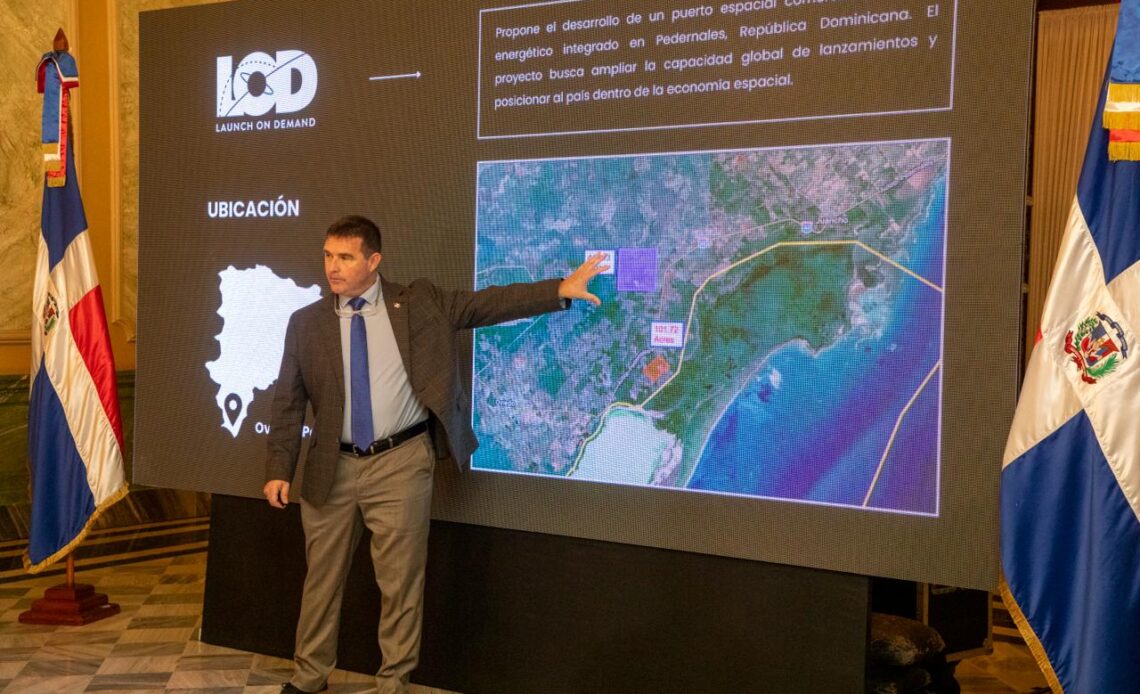
    The Dominican Republic has announced a landmark initiative to establish its first commercial spaceport through a strategic partnership between the government and Launch On Demand Holdings. This ambitious project, unveiled by the Ministry of the Presidency, will be situated in Oviedo, Pedernales, marking the Caribbean nation’s entry into the rapidly expanding global space industry.

    The comprehensive development plan extends beyond launch facilities to include an integrated energy hub with approximately 200 megawatts of capacity. Supporting infrastructure will encompass advanced logistics systems, water management solutions featuring a desalination plant, and cutting-edge noise mitigation technology. Project executives emphasize that environmental sustainability remains a core principle, with designs leveraging the region’s low population density while complying with international ecological standards.

    With over US$600 million in anticipated private investment, the venture will operate under a regulatory framework aligned with global best practices to ensure both safety and competitiveness. Government officials indicate this initiative directly supports President Luis Abinader’s economic diversification strategy, aiming to attract foreign capital while generating high-tech employment opportunities in aerospace engineering and advanced logistics sectors.

    The spaceport project represents a significant technological leap for the Dominican Republic, potentially positioning the country as a key player in satellite deployment and orbital services within the Latin American region.

  • Phillips calls for greater support for St Lucy farmers

    Phillips calls for greater support for St Lucy farmers

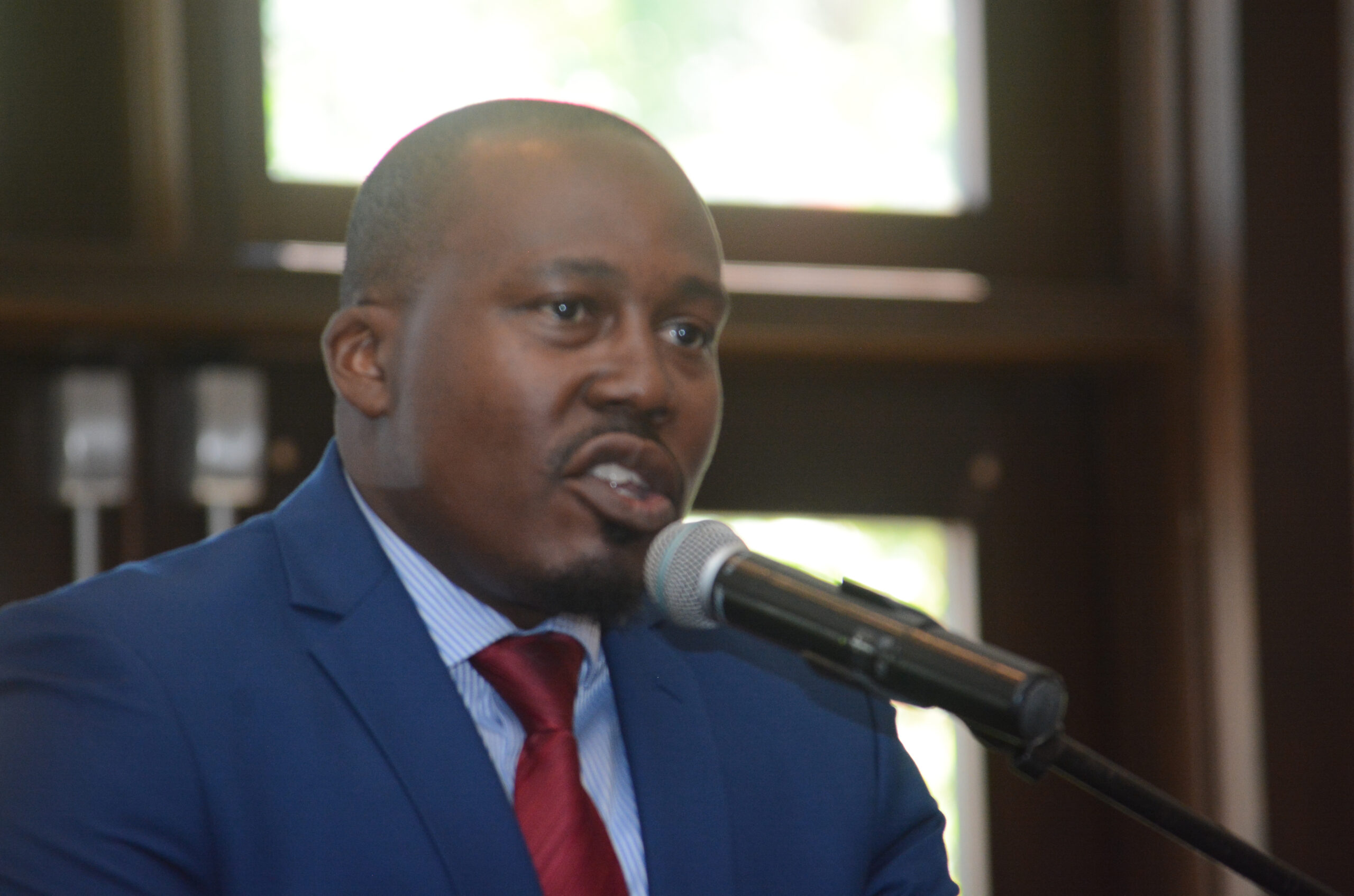
    In a comprehensive address to Parliament on Tuesday, Peter Phillips, Member of Parliament for St Lucy, issued a multi-faceted appeal for enhanced development in Barbados’ northern region. The parliamentarian positioned agricultural support as a national security priority, emphasizing that strengthening St Lucy’s farming sector—traditionally regarded as the island’s bread basket—is essential for Barbados’ food security strategy amid global supply chain disruptions caused by international conflicts.

    Phillips welcomed government progress on resolving chronic water issues through advanced mains-laying infrastructure but criticized inadequate road restoration following utility works. He simultaneously challenged the perceived inequity in national development projects, noting St Lucy’s exclusion from planned athletic track construction while other regions received investment.

    The MP’s most detailed proposals concerned Archers Bay, which he described as a neglected asset with untapped economic potential. Phillips highlighted how the area naturally attracts weekend crowds—including buses, church groups, and families—yet lacks basic amenities. He proposed installing hard courts and supporting infrastructure to transform the space from what he called ‘a pasture with painted spots’ into a vibrant recreational hub that would generate income for local vendors.

    Phillips warned that without immediate investment, declining visitor numbers could hurt local economies dependent on weekend traffic. He urged accelerated action, insisting resources are available and implementation shouldn’t ‘take forever.’

  • Venezuela wins first World Baseball Classic title

    Venezuela wins first World Baseball Classic title

    In a stunning finale at Miami’s LoanDepot Park, Venezuela captured its first-ever World Baseball Classic championship with a dramatic 3-2 victory over the defending champion United States. The championship game culminated in a heart-stopping ninth-inning climax that saw Eugenio Suárez deliver the game-winning double to seal Venezuela’s historic triumph.

    The championship clash unfolded as a tense pitching duel through the early innings. Venezuela established an early advantage in the third inning when Salvador Pérez drove in a run with a sacrifice fly, followed by Wilyer Abreu’s solo home run that extended their lead. The American squad remained scoreless until the eighth inning when Bryce Harper electrified the home crowd with a game-tying two-run homer.

    Venezuela demonstrated remarkable resilience in the final frame. After drawing a walk and executing a critical stolen base, the stage was set for Suárez’s climactic double that scored the decisive run. Venezuela’s pitching corps delivered an exceptional performance, with starter Eduardo Rodríguez and reliever Daniel Palencia combining to limit the potent American offense to merely three hits throughout the contest.

    This championship victory capped an extraordinary tournament run for Venezuela, who finished with a 6-1 record that included impressive victories against baseball powerhouses Japan and Italy. The loss marks the United States’ second consecutive defeat in the World Baseball Classic final, denying them back-to-back titles in the prestigious international competition.

  • VN waarschuwt voor recordhonger en groeiend menselijk leed

    VN waarschuwt voor recordhonger en groeiend menselijk leed

    The ongoing military escalation between the United States, Israel, and Iran has triggered a catastrophic humanitarian emergency that now threatens to push tens of millions into severe food insecurity worldwide, according to United Nations agencies. What began as regional conflict has evolved into a global crisis with devastating ripple effects on food distribution systems, humanitarian aid routes, and essential supply chains.

    Carl Skau, Deputy Executive Director of the World Food Programme (WFP), revealed that attacks launched against Iran since February 28th have critically disrupted vital humanitarian corridors. This disruption has created dangerous delays in life-saving deliveries to some of the world’s most vulnerable crisis zones. Shipping costs have surged by 18% since the conflict’s inception, forcing costly rerouting of essential shipments that now face both logistical and financial barriers.

    The situation is particularly dire in Gaza, where residents face desperate shortages amid ongoing blockades. The closure of the Rafah crossing with Egypt has severely exacerbated the humanitarian situation, with only approximately 200 aid trucks managing to enter daily—far below the minimum requirement of 600 trucks identified by the World Health Organization. Meanwhile, in Sudan, months of fighting between military regimes and paramilitary groups have plunged the nation into chaos, leaving nearly half the population—over 21 million people—experiencing acute hunger, with famine conditions officially declared in some regions.

    Beyond immediate hunger concerns, millions across Iraq, Iran, and neighboring countries face immense psychological distress from continuous violence and displacement. Hundreds of thousands lack adequate shelter, clean water, and medical care, while mental health issues surge due to persistent trauma and fear. Rising costs of food, fuel, and basic necessities disproportionately affect the poorest populations, with growing unemployment and diminished purchasing power creating social tensions and long queues for essential goods.

    Humanitarian organizations now struggle with limited access to affected areas due to security constraints and political obstacles. The combination of escalating costs, constrained donations, and complex logistics has created a perfect storm that hinders timely delivery of critical assistance, pushing global food systems to the brink of collapse.

  • Young man shot dead in La Panse

    Young man shot dead in La Panse

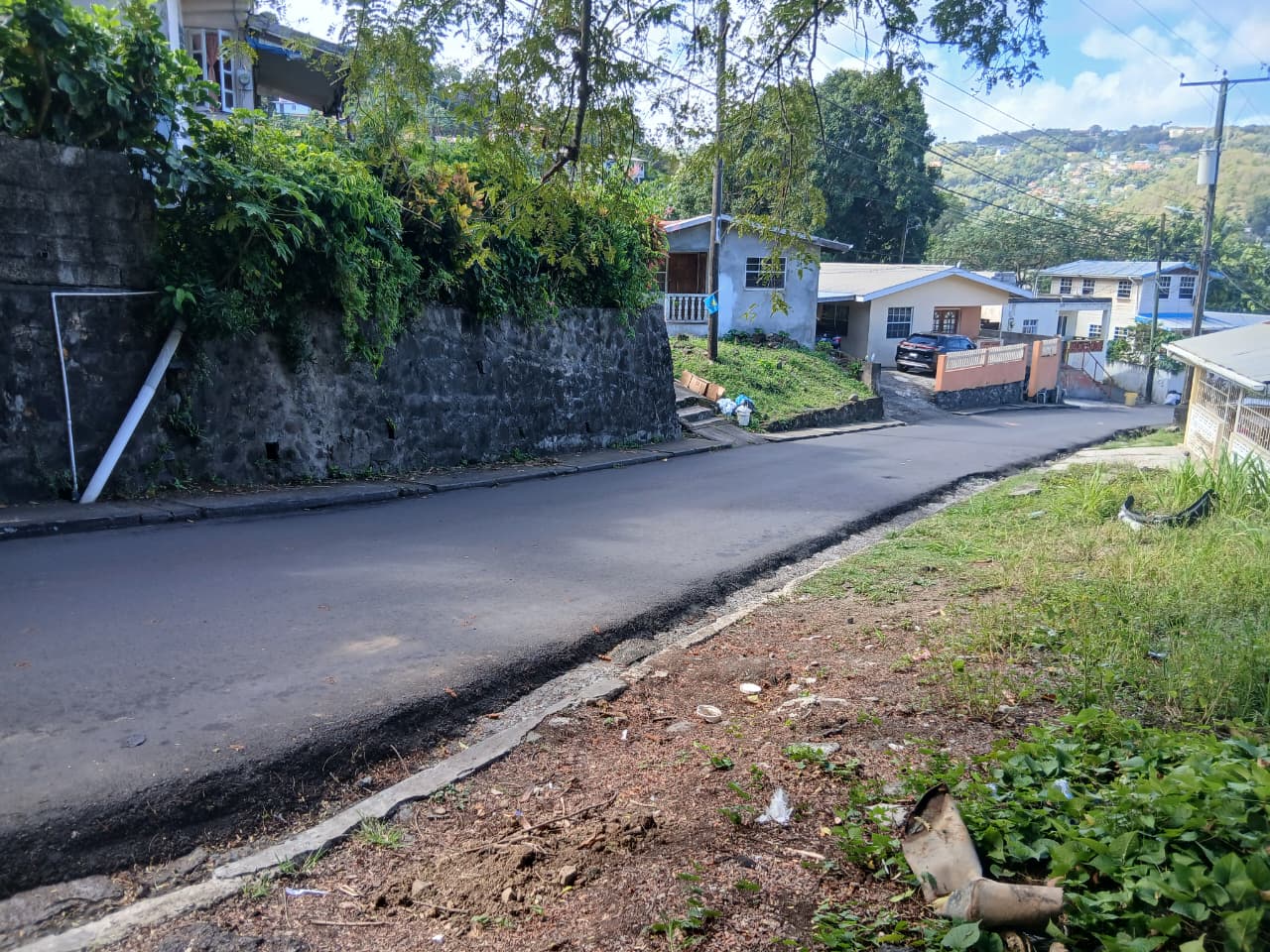
    A lethal shooting incident in the La Panse district of Castries has intensified community apprehensions regarding public safety amid escalating violence across Saint Lucia. The tragedy unfolded on Monday evening between approximately 8:00 p.m. and 9:00 p.m., claiming the life of a young male under circumstances that remain under investigation.

    Emergency personnel from the Saint Lucia Fire Service confirmed responding to the scene where they discovered the victim displaying catastrophic penetrating injuries to both head and thoracic regions. Medical responders documented the individual lying supine beneath a mango tree, presenting unambiguous signs of mortality upon their arrival.

    While authorities have yet to formally disclose the identity of the deceased as of reporting time, the incident has provoked profound distress among local inhabitants. A 57-year-old community member conveyed to St. Lucia Times: “Having lived through decades in this community, I never witnessed such brutality during my upbringing. This pervasive violence is utterly unacceptable and deeply troubling.”

    The episode has exacerbated existing fears regarding personal security, with residents reporting diminished confidence in safety even during daylight hours. Preliminary accounts from neighborhood witnesses suggest the shooting may have connections to inter-community tensions, with speculation that the victim was potentially fleeing altercations originating in adjacent areas when confronted.

    This incident represents another data point in what locals describe as an alarming pattern of violent occurrences across the island nation, raising urgent questions about crime prevention strategies and community safety initiatives.

  • Ishmael outlines vision for a healthier nation, declares NCD war

    Ishmael outlines vision for a healthier nation, declares NCD war

    Barbados is embarking on a radical transformation of its national healthcare system, with Minister of State Davidson Ishmael announcing a comprehensive strategic overhaul during the Budget debate. The government is allocating over $395 million to shift from a reactive, hospital-centric model to a proactive, community-based wellness approach, marking a significant reprioritization of public health infrastructure.

    A cornerstone of this initiative is the full implementation of a nationwide Health Information System, designed to eliminate longstanding inefficiencies. Minister Ishmael directly addressed the persistent issue of misplaced patient notes and canceled procedures, vowing to make physical record losses obsolete by 2026. This digital modernization will enable seamless patient data transfer across healthcare facilities, remote appointment management, and data-driven policy formulation through advanced analytics.

    Substantial capital investments include a monumental $400 million expansion of the Queen Elizabeth Hospital (QEH), increasing its capacity by 40% with dedicated burns and oncology units. Simultaneously, $185 million is earmarked for upgrading polyclinics into comprehensive Community Health Service hubs, bringing specialized care closer to residential areas.

    The minister declared a “frontal assault” on non-communicable diseases (NCDs), which account for approximately 83% of adult fatalities in Barbados. Citing these as largely preventable conditions linked to lifestyle factors, Ishmael revealed the staggering economic impact—$375 million to $825 million annually spent on NCD treatment. Reducing this burden would free hundreds of millions for reinvestment in education, agriculture, and infrastructure.

    Ishmael challenged citizens to increase physical activity, setting a national target of 10% reduction in inactivity by 2030. While praising budget allocations, he advocated for more aggressive policies making nutritious foods more affordable and accessible, pledging collaboration with the Ministry of Finance to expand the “healthy basket of goods” program.

    The minister also highlighted critical mental health services, revealing that Lifeline Barbados’ 24-hour hotline has fielded over 12,000 calls since inception. He issued a direct appeal to Barbadian men to abandon poor health-seeking behaviors and prioritize preventive screenings rather than waiting for critical health emergencies.

    Framing healthcare as the foundation of national prosperity, Ishmael concluded that “the health of a nation is the wealth of its nation,” positioning this comprehensive reform as essential for Barbados’ future development.

  • Three CARICOM Competition  Commissioners recently sworn in

    Three CARICOM Competition Commissioners recently sworn in

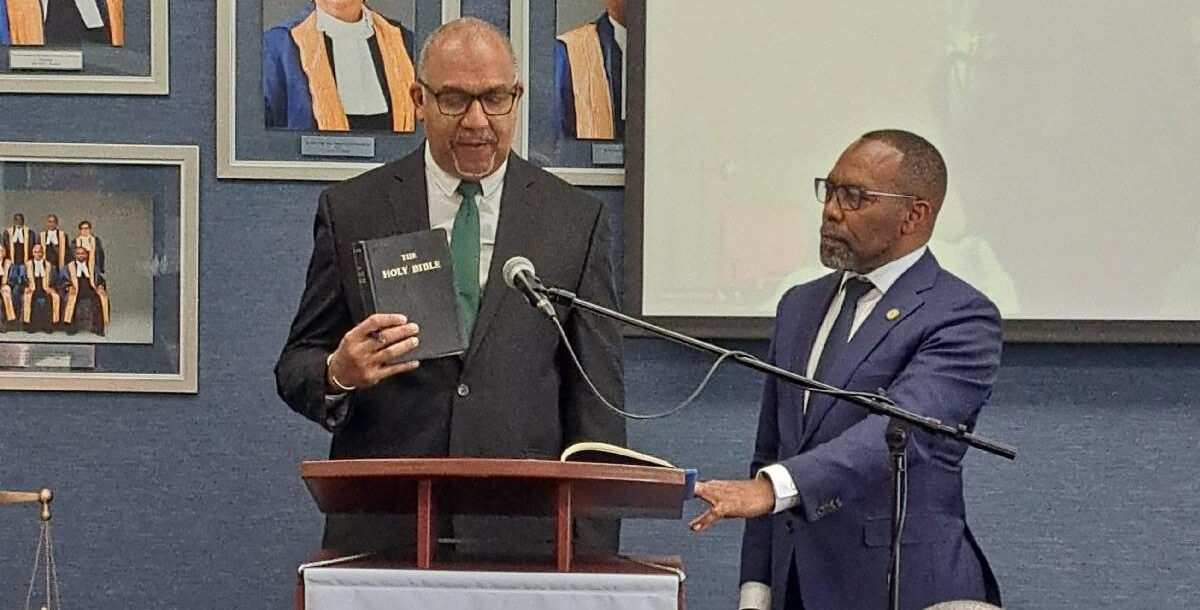
    In a significant advancement for Caribbean regional governance, the Regional Judicial and Legal Services Commission (RJLSC) has inaugurated three new commissioners to the CARICOM Competition Commission (CCC). The swearing-in ceremony, presided over by RJLSC Chairman Honourable Mr. Justice Winston Anderson on March 13, 2026, marks a pivotal step in strengthening the framework of the CARICOM Single Market and Economy (CSME).

    The newly appointed commissioners—Mr. David Miller of Jamaica, Ms. Ayiesha De Coteau Sammy of Trinidad and Tobago (resident in the Virgin Islands), and Mr. Joel Allen of Jamaica—were formally sworn in pursuant to the Revised Treaty of Chaguaramas. Their induction signifies the region’s commitment to enforcing fair market practices, protecting consumer rights, and enhancing economic cooperation among member states.

    The event garnered notable regional attention, with the presence of Virgin Islands Premier Honourable Dr. Natalio Wheatley, underscoring the political significance of the appointments. Addresses were delivered by key figures including Justice Anderson, who emphasized the critical responsibilities of the new commissioners, and Professor Andrew Downes, Chairman of the CCC, who highlighted the necessity of robust competition policy for regional integration. Premier Wheatley also expressed his support, wishing the appointees success in their new roles.

    The RJLSC congratulated the commissioners and affirmed confidence in their ability to contribute effectively to the development and implementation of competition law within the CARICOM community.