作者: admin

  • World Cup Preparation : List of senior Grenadiers called up (Tunisia/Iceland)

    World Cup Preparation : List of senior Grenadiers called up (Tunisia/Iceland)

    In a significant development for Caribbean football, Haiti’s national team coach Sébastien Migné has revealed his 25-player selection for upcoming international friendlies against Tunisia and Iceland. The matches, scheduled for March 28 and 31, 2026, at Toronto’s BMO Field, mark the Grenadiers’ first gathering since their historic qualification for the 2026 FIFA World Cup.

    The squad introduction, delivered during a digital press conference on March 17, 2026, features three debutants: Wilson Isidor from English club Sunderland, Delentz Pierre of FC Tulsa in the United States, and Woodensky Pierre from Haiti’s domestic Violette AC. These selections demonstrate Migné’s strategy of blending established overseas professionals with emerging domestic talent.

    The comprehensive roster includes experienced players such as goalkeeper Johnny Placide (SC Bastia, France), defender Carlens Arcus (Angers SCO, France), and attacker Duckens Nazon (Esteghlal FC, Iran). The selection represents Haiti’s global football diaspora with players competing in eleven different countries across Europe, North America, and South America.

    These preparatory matches serve as crucial building blocks for Haiti’s World Cup campaign, providing opportunities for tactical refinement and team cohesion against quality international opposition. The encounter against Tunisia offers particular significance as both nations prepare for North America’s premier football tournament.

    Ticket availability for the Haiti versus Tunisia match has been announced through official Canadian ticketing platforms, with the Canadian venue providing neutral ground for these international contests.

  • Justice : Haiti’s human rights expert, William G. O’Neill, is alarmed (video)

    Justice : Haiti’s human rights expert, William G. O’Neill, is alarmed (video)

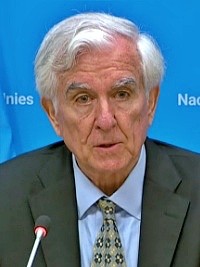
    United Nations Special Representative William G. O’Neill has issued a grave assessment of Haiti’s deteriorating human rights situation following an extensive fact-finding mission. The expert documented widespread suffering among vulnerable populations, with gang violence triggering unprecedented internal displacement affecting approximately 1.4 million citizens.

    The investigation revealed catastrophic living conditions in makeshift settlements, where displaced families struggle without access to basic necessities including clean water, sanitation, healthcare, and education. A particularly disturbing finding concerns the rampant sexual violence occurring within these temporary camps, creating environments where daily survival remains the primary concern for inhabitants.

    O’Neill highlighted the plight of thousands trapped in gang-controlled territories, where youth face constant threat and systemic stigmatization from both security forces and the general population. This creates an impossible situation where young Haitians remain caught between violence and suspicion based solely on their geographic location.

    The report expressed serious concerns about security operations, including drone deployments resulting in civilian casualties. While acknowledging public support for the newly established Gang Suppression Force, O’Neill emphasized the critical need for transparency regarding its mandate and composition to build essential public trust.

    Beyond security measures, the assessment calls for urgent investment in violence prevention and rehabilitation programs, particularly noting the Prime Minister’s commitment to initiatives targeting former gang members. The expert specifically recommended creating a Haitian Youth Corps to provide constructive alternatives through education, employment opportunities, and community rebuilding initiatives.

    The mission documented severe institutional failures within Haiti’s justice system, with prison conditions described as inhuman and degrading. O’Neill observed extreme overcrowding, unsanitary conditions, and the inappropriate co-detention of adults and children in facilities at Port-au-Prince and Cap-Haïtien.

    Despite these challenges, the report acknowledged promising developments including the establishment of the Pôle Judiciaire to combat corruption and human rights violations. O’Neill called for strengthened international support, including enforcement of UN Security Council arms embargoes and targeted sanctions against those responsible for corruption and abuses.

    The expert concluded by recognizing the extraordinary courage of Haitian human rights defenders, journalists, and community leaders who continue working tirelessly amid the crisis, urging the international community not to abandon them during this critical juncture.

  • BHTA chief suggests new highway to combat traffic gridlock

    BHTA chief suggests new highway to combat traffic gridlock

    The Chairman of the Barbados Hotel and Tourism Association (BHTA), Javon Griffith, issued an urgent plea for national action on Tuesday to resolve the island’s escalating traffic congestion, which he described as a direct threat to both national productivity and the tourism experience. Speaking at an industry address, Griffith emphasized that Barbados’s road infrastructure has failed to keep pace with its economic expansion, transforming what was once peak-hour inconvenience into a pervasive, island-wide dilemma.

    Drawing from his personal experience as a northern resident, Griffith illustrated how daily commutes have become increasingly unpredictable and burdensome. He revealed that his own journey from St. Lucy to St. Michael now requires a lengthy detour via the Ermy Bourne Highway through St. Andrew, St. Joseph, and St. George—a route never designed for such volume—to bypass the severely congested Highway 2A.

    The consequences for the tourism sector are already tangible, Griffith reported, with rising staff tardiness, operational delays, and mounting frustration among employees striving to maintain service excellence despite circumstances beyond their control. He urged the government and stakeholders to adopt a comprehensive, modern traffic management strategy, including a thorough review of traffic flow patterns, strategic transport planning, targeted road infrastructure improvements, and greater integration of technology for efficient vehicle movement.

    Griffith’s call to action comes amid a record-breaking period for Barbadian tourism. In 2025, the island welcomed over 729,000 long-stay visitors—surpassing the previous record set in 2024—driven by an 8.1% surge in arrivals from the U.S. and strong performances from Canada and CARICOM nations. This growth helped push unemployment to a historic low of 6.1%.

    Despite these achievements, Griffith cautioned against complacency, highlighting significant private investments such as the upcoming June 1 opening of the Royalton Vessence Barbados and the recent soft launch of Hotel Indigo in Bridgetown. Enhanced air connectivity, including Aer Lingus’s new direct service from Dublin and British Airways’s deployment of the high-capacity Airbus A350-1000 on its London Heathrow route, further bolstered his cautiously optimistic outlook for 2026.

    While acknowledging supportive government measures like extended concessions under the Tourism Development Act and VAT reductions, Griffith concluded that bold, collaborative leadership is essential to sustain growth and address infrastructure challenges head-on.

  • US piles pressure on Cuba | The Express Tribune

    US piles pressure on Cuba | The Express Tribune

    The United States intensified its diplomatic pressure on Cuba’s communist government Tuesday, demanding more substantial free market reforms as the Caribbean nation struggles to recover from a devastating nationwide power outage. The pressure comes amid growing economic turmoil on the island following the loss of Venezuela as its primary regional ally and oil supplier.

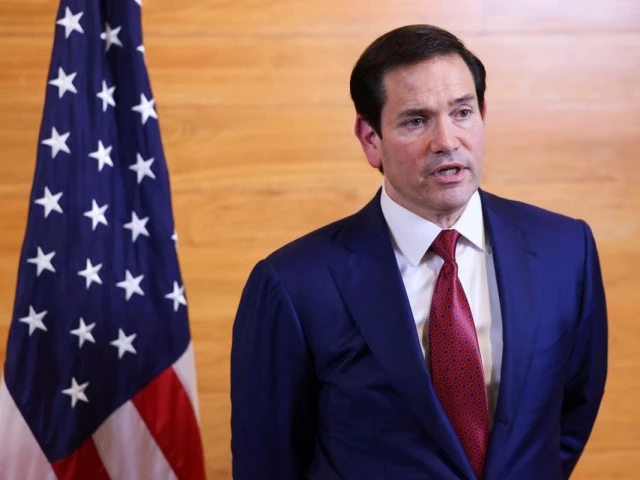
    US Secretary of State Marco Rubio, speaking to reporters at the White House, criticized Cuba’s recently announced measures allowing exiles to invest and own businesses as insufficient. “What they announced yesterday is not dramatic enough. It’s not going to fix it. So they’ve got some big decisions to make,” stated Rubio, a Cuban-American and longstanding critic of Cuba’s ruling party.

    The comments were reinforced by President Donald Trump, who hinted at imminent action regarding US-Cuba relations. “We’ll be doing something with Cuba very soon,” the president declared, just one day after suggesting he would “take” Cuba in previous remarks.

    The diplomatic pressure coincides with a complete electrical grid failure that paralyzed Cuba on Monday, highlighting the precarious state of the country’s infrastructure and economy. This crisis compounds existing challenges following Venezuela’s departure as Cuba’s chief oil supplier after a US military operation removed socialist leader Nicolas Maduro from power in January.

    Washington has openly stated its objective to resolve the nearly seven-decade standoff with the one-party communist state, placing Cuba’s authorities under increasingly significant pressure to implement substantial economic and political reforms.

  • Aerodom deploys new digital platform across Dominican airports

    Aerodom deploys new digital platform across Dominican airports

    The Dominican Republic’s airport network is undergoing a significant technological modernization with the implementation of a new digital operations platform. Aeropuertos Dominicanos Siglo XXI (Aerodom), the airport operator, has initiated a comprehensive rollout across its six national airports, marking a strategic shift towards data-driven aviation management.

    This advanced platform, developed in collaboration with technology firm AirportLabs, integrates an airport operational database with sophisticated real-time resource management tools. The system is designed to optimize flight coordination, gate assignments, and passenger service delivery through centralized information systems and automated processes.

    The deployment commenced with Las Américas International Airport (SDQ) in Santo Domingo on March 2, followed by Gregorio Luperón International Airport (POP) in Puerto Plata on March 16. The implementation will extend to airports in Samaná, Barahona, and other locations within Aerodom’s network, creating a unified operational ecosystem.

    Key benefits include enhanced communication channels between airlines, ground handling crews, and airport personnel, facilitating smoother turnaround operations. The platform’s predictive planning capabilities will enable proactive resource allocation, potentially reducing delays and improving overall operational resilience.

    This initiative represents a cornerstone of Aerodom’s broader modernization strategy to accommodate the Dominican Republic’s growing tourism sector and increasing passenger volumes. The technology investment aims to maintain service quality standards while supporting the country’s position as a leading Caribbean aviation hub.

  • Bestuur OWMCP valt over uitlatingen vakbond

    Bestuur OWMCP valt over uitlatingen vakbond

    The newly installed board of the Overliggend Waterschap MCP (OWMCP) has formally distanced itself from allegations made by its workers’ union, dismissing claims of operational dysfunction as “pertinent lies.” Board Chairman Sanjay Sahadew has publicly refuted the union’s narrative that the organization suffers from decision-making paralysis and daily operational breakdowns.

    In statements to Starnieuws and through an official letter to the union leadership, Sahadew highlighted concrete achievements since the board’s appointment late last year. The administration has not only addressed personnel matters to ensure smooth organizational functioning but has also developed forward-looking plans in collaboration with the management team. These plans specifically ensure all departments, including watershed management and Wakay operations, can actively perform their duties. Additionally, the board has successfully cleared backlogged financial reporting.

    Sahadew emphasized that contrary to the union’s portrayal, no tensions exist within the organization, and all staff are working unifiedly toward OWMCP’s development. The board expressed surprise at the article’s depiction of organizational turmoil and has requested an immediate meeting with union chairman Dayanand Dwarka to rectify what they describe as damage to the board’s reputation.

    The controversy stems from the union’s reported delegation to the Ministry of Regional Development, seeking urgent intervention due to alleged persistent tensions and leadership concerns. The union had reportedly expressed worries about the governance style of the newly appointed board chairman, claiming it created unrest and operational stagnation—assertions the current leadership vehemently denies while demanding full clarification from the union’s executive committee.

  • Deadly Camalote Shooting Leaves Police Conflicted

    Deadly Camalote Shooting Leaves Police Conflicted

    Authorities in Camalote are conducting a meticulous investigation into a fatal shooting incident that occurred on Tuesday afternoon, resulting in the death of local resident Andy Suazo. The circumstances surrounding the tragedy remain ambiguous as law enforcement officials pursue multiple investigative angles without reaching definitive conclusions.

    Initial evidence collected at the scene presents conflicting possibilities, with preliminary indications suggesting the potential for an accidental self-inflicted gunshot. However, police authorities have emphasized that this assessment remains provisional pending comprehensive forensic analysis and witness testimonies.

    The investigative team has implemented a multi-faceted approach to evidence collection, including detailed examination of the firearm involved, thorough forensic analysis of the crime scene, and extensive interviews with individuals who may have witnessed the events leading to the fatal incident. This methodical process aims to reconstruct Suazo’s final moments with maximum accuracy.

    Police representatives have communicated that while accidental discharge remains a active theory, all potential scenarios—including criminal involvement—remain under consideration until substantiated evidence provides clearer direction. The department has committed to maintaining transparency throughout the investigation while ensuring procedural integrity.

    The community awaits further developments as investigators continue their work to determine whether the tragedy resulted from unlawful action or a devastating accident. Official updates will be released as the investigation progresses and verified information becomes available.

  • Opposition Demands Ceiling Fuel Prices as Fuel Cost Spikes

    Opposition Demands Ceiling Fuel Prices as Fuel Cost Spikes

    A sharp surge in global oil prices has triggered economic anxiety in Belize, prompting forceful demands from political opposition leaders for government intervention. Fuel costs skyrocketed by over ten percent last week, directly linked to escalating Middle East tensions that have disrupted critical shipping routes through the Strait of Hormuz.

    The price surge has pushed global oil benchmarks beyond $100 per barrel, creating ripple effects that now impact Belizean consumers at the gasoline pumps. Opposition Leader Tracy Panton has issued an urgent appeal to Prime Minister John Briceño, demanding immediate implementation of tax relief measures to cushion the economic blow.

    Panton invoked the Prime Minister’s previous stance during his opposition tenure, recalling his insistence that fuel prices should remain below ten dollars due to their profound economic implications. She emphasized that the current crisis extends beyond household budgets, threatening multiple sectors including tourism, transportation, and agricultural production.

    The agricultural sector faces particular vulnerability, with officials warning that rising fuel costs will inevitably drive up production expenses. Servulo Baeza, CEO of the Ministry of Agriculture, indicated that fertilizer prices—closely tied to energy costs—may follow the same upward trajectory witnessed during the Ukraine-Russia conflict, when they increased by over 100 percent.

    Panton cited regional examples from Barbados and Antigua and Barbuda as models for temporary mitigation measures, urging the administration to provide a safety net for citizens struggling with escalating living costs. The convergence of rising fuel and anticipated fertilizer increases threatens to elevate food prices, creating a multifaceted economic challenge for Belizean households and industries alike.

  • Briceño’s “Glowing” U.S. Letter Raises More Questions Than Comfort

    Briceño’s “Glowing” U.S. Letter Raises More Questions Than Comfort

    Belize’s political landscape has been roiled by a diplomatic controversy surrounding Prime Minister John Briceño’s interpretation of correspondence from U.S. Congressman Carlos Gimenez. The situation emerged during Briceño’s appearance on The Morning Show, where he presented what he characterized as a “glowing” endorsement from the Florida representative amid mounting criticism from Washington.

    The controversy centers on the Prime Minister’s selective reading of Congressman Gimenez’s letter, which specifically addressed agricultural cooperation rather than providing the comprehensive political endorsement Briceño implied. This interpretation appears strategically timed to counter blistering criticism from Congressman Brian Mast, who had written to Secretary of State Marco Rubio expressing serious concerns about Belize’s rule of law, transparency, and treatment of foreign investors—particularly regarding the ongoing Stake Bank and Port of Belize disputes.

    Opposition Leader Tracy Panton has intensified the political pressure, warning that the administration’s handling of investment disputes is severely damaging Belize’s international reputation. Panton emphasized that while agricultural cooperation deserves acknowledgment, it should not be misrepresented as broader political validation. She expressed particular concern about the government’s dismissive approach toward both foreign and domestic investors, noting that the investment climate has reached a critical juncture.

    The congressional clarification from Gimenez’s office specifically noted gratitude for Belize’s support of American agricultural investments and urged protection of existing U.S. investments, without offering the political cover or broad endorsement suggested by the Prime Minister. This diplomatic nuance has raised questions about the government’s narrative management strategies and their potential impact on Belize’s standing with international partners.

    Analysts suggest the situation reflects deeper tensions in Belize-U.S. relations, with the investment climate and legal transparency becoming focal points for bilateral discussion. The unfolding controversy highlights the delicate balance small nations must maintain between asserting sovereignty and maintaining international investor confidence in an increasingly scrutinized global environment.

  • DLP, FOD welcome budget relief but warn of long-term uncertainty

    DLP, FOD welcome budget relief but warn of long-term uncertainty

    Barbados’ opposition parties offered measured approval of the government’s 2026 budget measures aimed at mitigating cost-of-living pressures while raising substantial concerns about fiscal sustainability and strategic planning. The Democratic Labour Party (DLP) acknowledged Finance Minister Ryan Straughn’s efforts to provide immediate relief through expanded reverse tax credits, direct support for pensioners, temporary energy price controls, and small business assistance. However, DLP spokesman Corey Greenidge emphasized that these measures represent short-term solutions without addressing fundamental structural issues.

    The DLP analysis highlighted several critical shortcomings in the budgetary approach. The party expressed deep concern about the significant expansion of government spending combined with revenue-reducing tax concessions, warning this combination would likely widen the fiscal deficit without clear articulation of financing mechanisms. Greenidge questioned whether this would necessitate increased borrowing and criticized the absence of a definitive timeline or strategy for returning public finances to balance.

    Beyond fiscal management, the opposition identified substantial gaps in several policy areas. The budget’s approach to crime reduction through dedicated gun courts was deemed insufficient without a comprehensive strategy addressing firearm importation, narcotics trafficking, and border security enhancements. Similarly, food security measures were criticized as incremental rather than transformative, lacking a clear framework to reduce import dependency or bring idle lands into production.

    Energy policy also drew scrutiny, with the DLP noting that while oil price hedging provided temporary relief, Barbados remained vulnerable to global market fluctuations without an accelerated pathway toward renewable energy adoption and grid modernization.

    The Friends of Democracy (FOD) party offered parallel criticisms despite praising the tax-free nature of the budget. FOD President Senator Karina Goodridge described the $100 monthly cash credit as insufficient against current living costs and questioned the rationale behind increasing allocations to foreign companies without demonstrated returns on investment. The party also criticized transportation recommendations as impractical without systemic improvements and noted the missed opportunity to remove VAT on solar products.

    Both opposition groups acknowledged the government’s responsiveness to public pressure amid global economic challenges including pandemic recovery, Ukraine conflict repercussions, and Middle East tensions affecting energy markets. However, they unanimously called for greater transparency, detailed implementation plans, and a shift from crisis management toward sustainable long-term economic resilience.