作者: admin

  • Gun, ammo found in primary school classroom

    Gun, ammo found in primary school classroom

    Authorities in Guyana have launched a comprehensive investigation after a licensed 9mm pistol and eleven rounds of matching ammunition were discovered beneath a student’s desk in a Georgetown primary school. The unsettling find occurred on Monday afternoon, March 9, 2026, prompting immediate police response and raising serious security concerns within the educational institution.

    According to official statements from the Guyana Police Force, the discovery was made approximately at 1:06 PM when a teacher, alerted by reports of suspicious noises near a student’s desk, conducted a search of the area. The subsequent discovery led to school administrators contacting law enforcement immediately. Investigators from the Criminal Investigations Department (CID) subsequently visited the school, secured the firearm and ammunition, and transported them to a police station for safekeeping as the probe continues.

    Deputy Police Commissioner Wendell Blanhum, head of the CID, revealed that the weapon was legally registered to an individual who had previously reported it missing. Notably, the license holder’s child, who attends the same school, had been actively participating in family efforts to locate the firearm before its discovery in the classroom. Police have obtained statements from multiple persons connected to the incident, though specific details regarding how the weapon came to be in the classroom remain under investigation.

    The three-day gap between the discovery and the official police statement has drawn attention to protocol procedures in school security incidents. The event has sparked discussions among education officials and community leaders about enhancing security measures in educational environments to prevent similar occurrences in the future.
  • IICA assists in validation process of Costa Rica’s national bio-inputs strategy, spearheaded by the country’s Ministry of Agriculture and Livestock

    IICA assists in validation process of Costa Rica’s national bio-inputs strategy, spearheaded by the country’s Ministry of Agriculture and Livestock

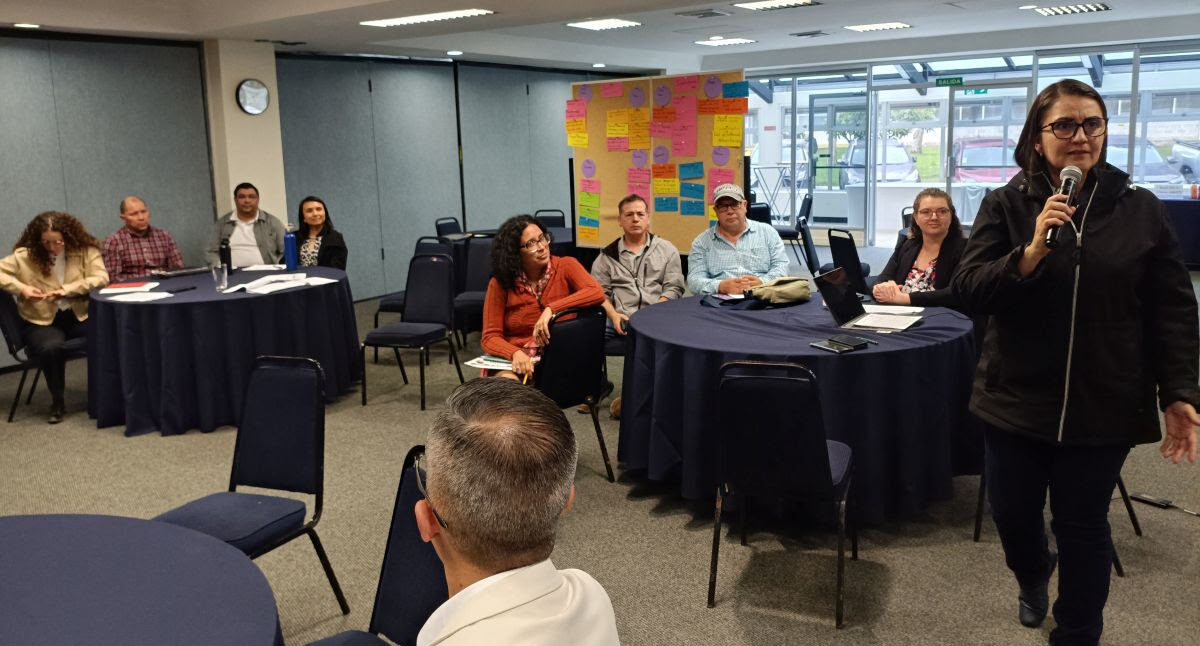
    Costa Rica is advancing toward a transformative agricultural policy with the development of its 2026–2034 National Bio-inputs Strategy, receiving comprehensive technical support from the Inter-American Institute for Cooperation on Agriculture (IICA). The initiative reached a critical validation phase during a high-level workshop convened at IICA’s Headquarters in San José, bringing together diverse stakeholders to finalize the strategic framework.

    The collaborative effort unites representatives from Costa Rica’s Ministry of Agriculture and Livestock (MAG), public institutions, academic and research centers, producer organizations, and international cooperation agencies. This multi-sectoral participation ensures the strategy’s goals and implementation mechanisms are technically robust and broadly supported.

    Central to the strategy is creating an enabling environment—spanning regulatory, scientific, technical, and financial dimensions—to facilitate large-scale adoption of biological agricultural inputs. Key objectives include reducing dependency on imported chemical products, enhancing agricultural sustainability, developing local production chains, fostering innovation and technology transfer, and establishing Costa Rica as a regional leader in sustainable agriculture.

    Marco Zapata, IICA’s Country Representative, emphasized the importance of collaborative governance: “We are aligning the public sector, academia, producers, the financial system, and international cooperation under a unified national vision.”

    International partnerships significantly bolster this initiative. German cooperation agencies, including GIZ through its ‘From Farm to Fork’ program and a dedicated bio-inputs project for Latin America, are providing expertise. The effort receives funding from FONTAGRO, a mechanism for agricultural innovation, and involves collaboration with Costa Rica’s National Institute for Agricultural Innovation and Technology Transfer (INTA).

    These collaborations are coordinated via IICA’s Hemispheric Bio-inputs Platform, which enhances the strategy’s technical foundation by facilitating regional knowledge exchange, harmonizing approaches, accelerating scientific validation, and strengthening Costa Rica’s position in the regional landscape of agricultural innovation.

  • Venezuela rejects Guyana’s “unilateral” offshore seismic survey

    Venezuela rejects Guyana’s “unilateral” offshore seismic survey

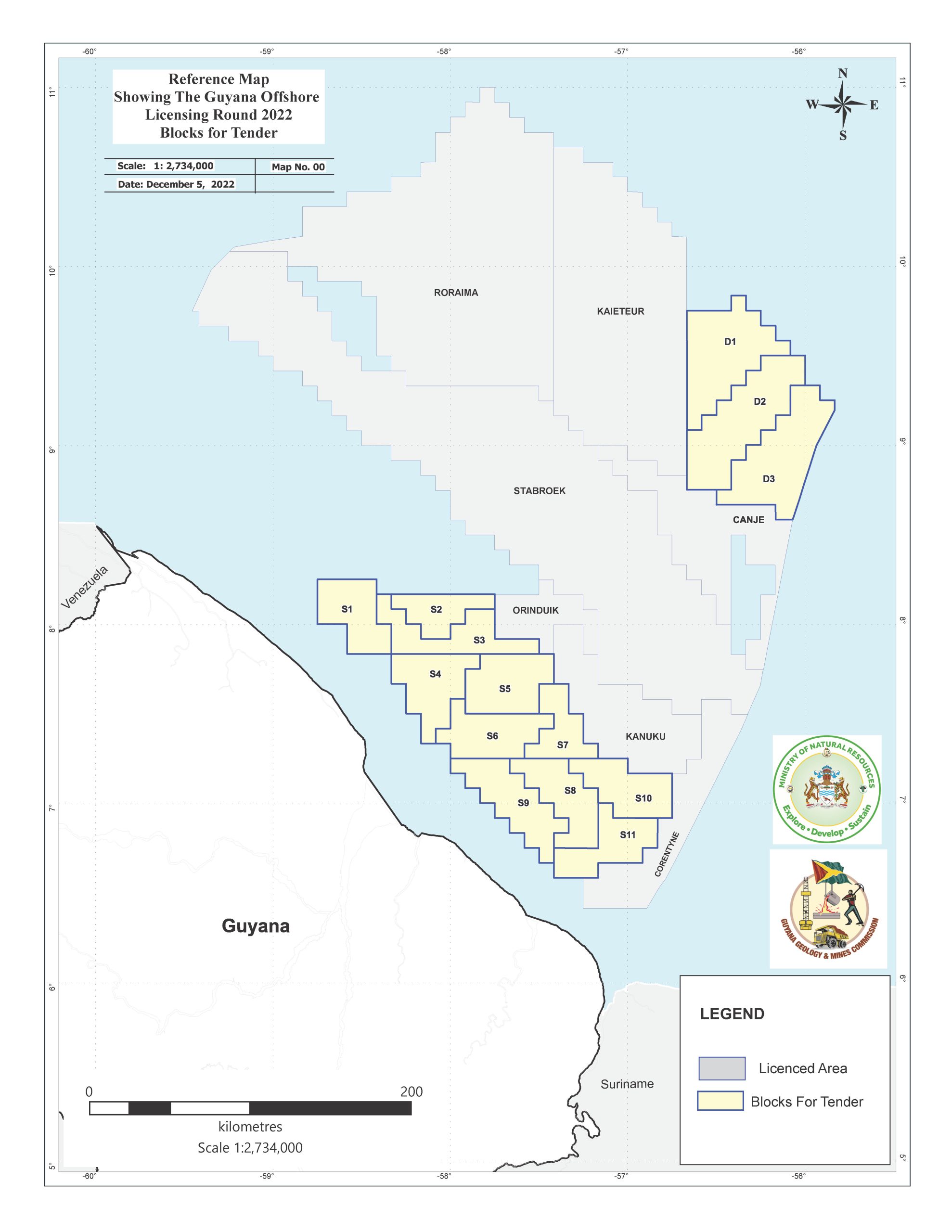
    In a significant escalation of regional tensions, the Venezuelan government issued a formal condemnation on Thursday against Guyana’s authorization of a large-scale 3D seismic survey in offshore territories claimed by both nations. The controversial exploration initiative encompasses approximately 25,000 square kilometers within Guyana’s designated Exclusive Economic Zone (EEZ), targeting potential hydrocarbon reserves.

    The Caracas administration asserted that Guyana’s unilateral actions violate fundamental principles of international law, particularly concerning undelimited maritime boundaries. While notably omitting direct reference to Venezuela’s historical claim over the Essequibo Region and adjacent Atlantic waters, the statement emphasized that no legal agreement exists between the nations regarding maritime jurisdiction.

    Venezuela’s foreign ministry demanded immediate cessation of exploration activities, warning that such measures could aggravate diplomatic relations and contravene customary international law governing coastal states. The declaration specifically cautioned that Caracas would not recognize any licenses, concessions, or resource exploitation rights derived from what it termed ‘unilateral and illegal acts’ by Guyana.

    The seismic operation would encompass eleven blocks auctioned during Guyana’s 2022 Licensing Round, situated south of the prolific Stabroek Block and extending to the maritime border with Suriname. According to technical specifications, the project includes reprocessing and integration of existing seismic datasets across three survey lots, representing a comprehensive geological assessment of the region’s hydrocarbon potential.

    This development occurs against the backdrop of longstanding territorial disputes dating to the 19th century, with recent tensions escalating since ExxonMobil’s major discoveries in Guyana’s offshore basins beginning in 2015.

  • Veteran anaesthetist Dr Olubukola Ogumbyi retires after 40 years of service

    Veteran anaesthetist Dr Olubukola Ogumbyi retires after 40 years of service

    The healthcare community in Antigua and Barbuda is honoring the remarkable career of consultant anesthesiologist Dr. Olubukola Ogumbyi, who has retired after providing over forty years of dedicated medical service. Her departure marks the conclusion of an era that profoundly influenced both patient care standards and professional development within the nation’s medical sector.

    Dr. Ogumbyi’s distinguished journey in medicine commenced at the historic Holberton Hospital, where she initially served as a paediatric house officer. Her career trajectory subsequently led her to specialize in anesthesiology, where she cultivated an exceptional reputation among surgical teams and colleagues alike. Throughout her tenure, she became widely admired for her unwavering professionalism, composed demeanor in high-pressure operating theatre environments, and deep commitment to ensuring optimal patient outcomes.

    Beyond her technical responsibilities, Dr. Ogumbyi made substantial contributions to medical education by actively mentoring emerging physicians entering the field. Her guidance has reportedly shaped multiple generations of healthcare practitioners, with numerous colleagues attributing their professional development to her insightful mentorship. Over the course of approximately 40 years, she facilitated countless surgical procedures while simultaneously fostering a culture of excellence and compassion within the medical community.

    The announcement of her retirement has prompted an outpouring of tributes from healthcare professionals who have worked alongside her. These testimonials consistently highlight her exceptional clinical knowledge, leadership qualities, and the positive example she established through her daily practice. Many have expressed profound gratitude for her influential role in their careers while acknowledging that her absence will create a significant void within the profession.

    Medical professionals throughout Antigua and Barbuda have recognized Dr. Ogumbyi’s retirement as representing the loss of an institutional pillar whose contributions extended far beyond the operating room. Her legacy is characterized by both the lives she directly impacted through patient care and the elevated standards she helped establish within the country’s healthcare system.

  • Alphonse excels ahead of international duty

    Alphonse excels ahead of international duty

    Saint Lucian cyclist Denver Alphonse Jr. is poised for international competition following an impressive performance at the Grand Prix UCS in Martinique, which served as his final preparatory event. The 18-year-old athlete secured second place in his division and 13th overall in a competitive field of 59 riders, finishing approximately seven minutes behind repeat champion Kyllian Boscher of VC Diamantinois in the 93.9-kilometre race around Saint-Esprit.

    This performance marks Alphonse’s strongest finish this year and demonstrates significant progress in his cycling career. As the Under-23 silver medalist representing ASC Karaïbes Culture Sports, Alphonse views this result as validation of his growing capabilities against Martinique’s cycling standards.

    In an interview with St. Lucia Times, Alphonse expressed his motivation: “Last weekend’s race meant a lot to me because it’s showing that I am improving and meeting the standards of cycling in Martinique. I will continue working hard for more improvement.”

    The young athlete now turns his attention to the Road Continental Pan American Championships in Córdoba, Colombia, scheduled for March 17-22. Alphonse will compete in the Under-23 category, beginning with the 36-kilometer time trial on March 18th, followed by the demanding 160.8-kilometer road race on March 21st.

    Regarding his championship goals, Alphonse maintains a focused perspective: “With regard to Pan American Championships, my goal is to do my best, compete hard, and cross that finishing line, because I will be going up against top continental riders.” The championships will feature competition across multiple categories including Under-19, Under-23, and Elite divisions for both male and female athletes.

  • Caribbean Customs operations intercept increasing quantities of illegal firearms, disrupting organized criminal networks

    Caribbean Customs operations intercept increasing quantities of illegal firearms, disrupting organized criminal networks

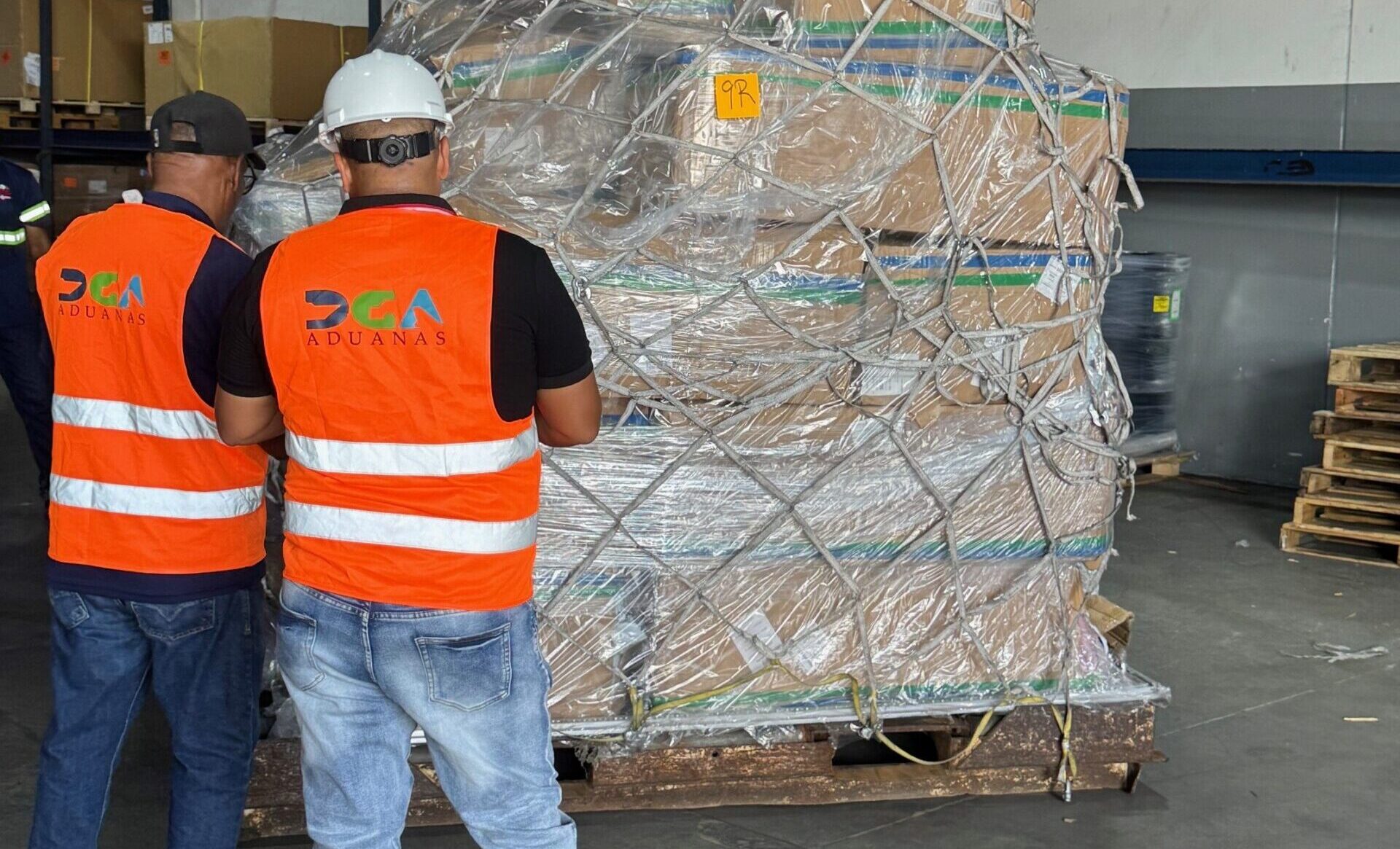
    A coordinated international customs operation across the Caribbean region has yielded substantial results in combating transnational organized crime, with authorities intercepting over 500 illicit firearms and drug shipments during a three-week security initiative. Operation CALYPSO 2, spearheaded by the World Customs Organization (WCO) in collaboration with CARICOM’s Implementation Agency for Crime and Security (IMPACS), demonstrated enhanced regional cooperation capabilities against escalating security threats.

    The intensive campaign, conducted from November 24 to December 12, 2025, represented the most successful iteration of the WCO’s Project Bolt initiative to date. Participating nations reported 402 incidents involving prohibited items, including 119 small arms and light weapons alongside 332 firearm components. Particularly alarming was the seizure of 21 military-style assault rifles—a significant increase from just six captured during the previous year’s operation.

    Enhanced intelligence sharing and coordinated enforcement actions among 22 participating countries, including 18 WCO member states and the Caribbean Joint Intelligence Office, proved instrumental in disrupting criminal networks. The operation benefited from strategic partnerships with INTERPOL, the Regional Security System, SEACOP, and the United Nations Office on Drugs and Crime, with financial backing from the U.S. Department of State’s Bureau of International Narcotics and Law Enforcement Affairs.

    Notable operational successes included the British Virgin Islands’ interception of a vessel smuggling 772 kilograms of cocaine, resulting in six arrests and significant disruption of transnational trafficking routes. Saint Lucian authorities uncovered auto-sear components concealed within baby products—devices capable of converting semi-automatic pistols into fully automatic weapons favored by criminal organizations.

    The operation employed advanced technological tools including the WCO’s CENcomm platform for real-time intelligence sharing and data visualization techniques to identify emerging threats, including rising opioid trafficking. Customs officials utilized specialized training in X-ray inspection, vehicle searches, and database management to enhance detection capabilities for weapons parts and illicit goods.

    WCO Secretary General Ian Saunders emphasized the operation’s significance: ‘Operation CALYPSO demonstrates the concrete impact Customs delivers daily to protect society. Through coordinated regional and international action, officers intercepted illicit firearms and drugs before they could reach Caribbean communities, disrupting organized crime at its source.’

    The operation’s success underscores the critical importance of international cooperation in border security, with future efforts focused on analyzing seizure data to refine risk assessments and develop regional capacity against evolving criminal methodologies.

  • President kondigt versnelde steunmaatregelen aan vanwege gevolgen oorlog Midden-Oosten

    President kondigt versnelde steunmaatregelen aan vanwege gevolgen oorlog Midden-Oosten

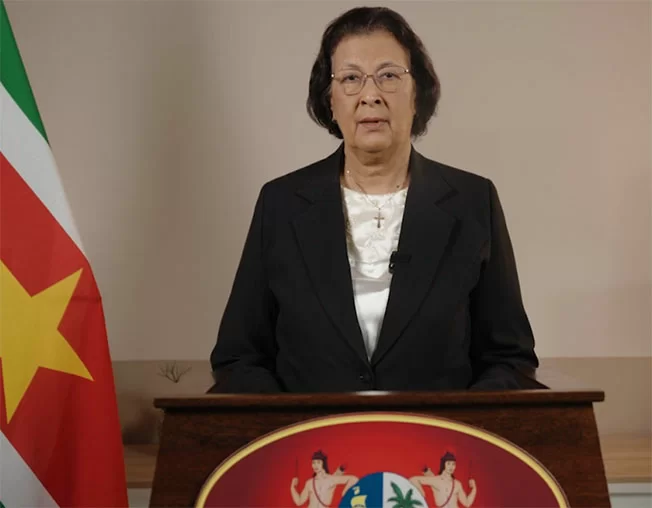
    President Jennifer Simons has declared an accelerated implementation of social support measures to counter the economic repercussions of the Middle East conflict on Suriname. Addressing the nation in a televised statement, the head of state emphasized that international tensions are directly impacting the country’s economy, prompting immediate government intervention.

    In her address to citizens, President Simons outlined the global economic consequences of the prolonged Middle Eastern conflict, noting that its duration directly correlates with increasing domestic impact. The administration has initiated broad consultations with national security councils, private sector representatives including ASFA, VSB and AKMOS, coalition leadership and opposition figures, labor unions, and the Association of Economists of Suriname (VES). Additional meetings are scheduled with the Surinamese Association of Journalists and other specific societal groups.

    The government has conducted emergency cabinet sessions to assess the conflict’s implications on national programming. Recognizing the existing economic challenges faced by citizens, authorities have fast-tracked previously announced support measures through renewed consultations with the Ministry of Finance, accounting for effects on state revenue streams.

    Key relief measures include:
    – Child benefits increasing to SRD 250 for both general and civil servant categories by end-March
    – Supplementary allowance of SRD 1,000 for persons with disabilities, elderly pensioners, and registered vulnerable households
    – Purchasing power reinforcement of SRD 1,500 for civil servants and government employees
    – Special support allowance of SRD 2,500 for teachers

    Notably, these amounts—originally scheduled for phased distribution—will now be disbursed in full by March’s conclusion. Higher income groups, including government members, high state council officials, directors and sub-directors are excluded from these benefits.

    Concurrently, the government is intensifying efforts to boost state revenues while acknowledging the necessity of comprehensive mitigation strategies through collaborative engagement with all societal actors. President Simons concluded with an appeal for national unity, emphasizing that cooperation between government and citizens remains essential to navigate these externally-driven challenges, invoking traditional wisdom of collective resilience.

  • Cenac, Maximin headline Island Champs winners

    Cenac, Maximin headline Island Champs winners

    The third day of the Saint Lucia Island Championships witnessed exceptional performances from young track and field talents, with Destinee Cenac and Barbara-Marie Maximin emerging as standout athletes. The event, held simultaneously at the Daren Sammy Cricket Ground and the Saint Lucia Sports Academy on March 11th, saw the first field event champions crowned amidst fierce competition.

    Destinee Cenac, a reigning CARIFTA Games bronze medalist in high jump, continued her impressive season by clearing 1.71 meters for the second time this year. The St. Joseph’s Convent student, who previously earned bronze at the regional championship, comfortably secured the Under-18 gold medal with a 1.45m clearance, demonstrating her consistent dominance in the event.

    Barbara-Marie Maximin, previously noted for her sprinting prowess during Monday’s preliminary rounds, achieved a career-defining moment in the long jump pit. The Beanefield Comprehensive student soared to a remarkable 5.61 meters, significantly improving upon her previous CARIFTA qualifying standard of 5.36m set at the Independence Games. This personal best positions her as a strong medal contender for the upcoming regional championship. Cenac finished second in this event with a 5.00m jump.

    The championships also featured impressive performances across various divisions. Angelle Joseph of Clendon Mason Memorial secured victory in the Under-18 girls javelin with a 27.73m throw, while Clowie William claimed the Under-20 javelin title with a 35.37m effort for Saint Lucia Sports Academy. Syesha Rogers of Sir Arthur Lewis Community College triumphed in the long jump with a 5.29m leap.

    In men’s field events, Sherwin Carter (Micoud Secondary) cleared 1.75m for the Under-18 high jump title, while Anwar Gill (SALCC) captured the Under-20 crown with a 1.80m clearance. Javelin competitions saw Josan Henry (Vieux Fort Comprehensive) win the Under-18 division with 47.24m, and national footballer Jequan Joseph dominate the Under-20 category with a massive 52.53m throw for SLSA.

    The championships also recognized winners in younger divisions including Phoebe Jolie (U14 girls long jump, 4.45m), Kezie Edward (U14 girls ball throw, 45.07m), Lorvelle Sonson (U16 girls long jump, 4.90m), and Rayanna Joseph (U16 girls javelin, 27.58m). Javi Preville (CMMSS) threw 64.93m in U14 boys ball throw, while Renard Bernard (VFCSS) achieved 44.10m in U16 boys javelin.

  • Government clarifies Castries Port berth loan vs GPH cruise deal

    Government clarifies Castries Port berth loan vs GPH cruise deal

    The Parliament of Saint Lucia has authorized a government guarantee for a substantial EC$121.5 million loan designated for the reconstruction of Berth No. 4 at Port Castries. This aging cargo facility, operational for approximately half a century, is entirely distinct from the separate cruise port redevelopment project being undertaken by Global Ports Holding (GPH).

    Prime Minister Philip J. Pierre, who also serves as the Minister for Finance, explicitly clarified this distinction to legislators. He emphasized that the cargo berth rehabilitation is a sovereign infrastructure responsibility and is wholly unrelated to the GPH cruise port agreement, a point aimed at addressing public commentary and confusion.

    The Saint Lucia Air and Sea Ports Authority (SLASPA) will be the borrowing entity for the project, with the full financial backing of the government. The loan terms stipulate a 15-year repayment schedule with a two-year grace period on principal repayments and an annual interest rate of 3.75%. The structured payments will amount to either EC$2,962,884.32 quarterly or EC$985,246.50 monthly over a total of 156 months.

    Beyond the principal and interest, the loan agreement entails several additional costs: a lead arranger fee of EC$243,000, an annual agent fee of EC$24,300 payable to the Bank of Saint Lucia, and a sizable commitment fee of EC$607,500 due upon signing. The terms also include an amendment fee for material changes and a prepayment penalty of 2% if more than 10% of the loan is repaid within the initial three years.

    The berth in question is a 150-meter-long, 15-meter-wide reinforced concrete wall structure constructed in the 1970s, which is now nearing the end of its intended design lifespan. It is a critical asset for the nation’s logistics, handling containerized cargo, break-bulk goods, and new and used vehicles. It also serves as the base for the mobile harbor crane essential for unloading container vessels.

    This necessary upgrade underscores the government’s ongoing duty to maintain cargo operations, which remain outside the purview of the private GPH cruise terminal lease. The project is deemed essential for safeguarding Saint Lucia’s primary cargo gateway, ensuring the continued safety, efficiency, and reliability of the supply chains that fuel the nation’s economy.

  • Cabinet Confirms Island-Wide CCTV Surveillance System to Be Installed at 43 Locations

    Cabinet Confirms Island-Wide CCTV Surveillance System to Be Installed at 43 Locations

    In a landmark decision aimed at bolstering national security infrastructure, the national cabinet has formally ratified the implementation of a comprehensive island-wide closed-circuit television (CCTV) surveillance framework. The approved blueprint mandates the installation of sophisticated monitoring apparatus across 43 strategically identified locations, marking the most significant expansion of public area surveillance in the nation’s recent history.

    Government officials clarified that the selection of these specific sites followed rigorous threat assessment analyses conducted in collaboration with law enforcement agencies and security experts. The chosen locations represent critical junctures and public spaces where enhanced monitoring capabilities are deemed essential for crime prevention, emergency response coordination, and traffic management.

    The advanced surveillance technology will incorporate high-definition cameras with night vision capabilities, automated license plate recognition systems, and real-time data transmission to centralized security command centers. The infrastructure will be integrated with existing emergency response systems, creating a unified network for public safety operations.

    Justice Minister Rebecca Shaw emphasized the balance between security and privacy concerns during the parliamentary address: ‘This initiative represents our commitment to creating safer communities through technological advancement while implementing stringent protocols to prevent misuse. All surveillance operations will comply with our updated data protection legislation and undergo regular independent audits.’

    The project timeline anticipates complete operational status within 18 months, with phased implementation beginning in urban centers before expanding to coastal regions. The national budget has allocated substantial resources for both installation and ongoing maintenance, including specialized training for personnel who will monitor and analyze the surveillance feeds.

    Civil liberties organizations have expressed cautious scrutiny, with several groups calling for transparent oversight mechanisms. In response, the government has established a multi-stakeholder review committee comprising privacy advocates, technical experts, and community representatives to monitor compliance with operational guidelines.